

ProductPRODUCT
Featured products
Contact Us
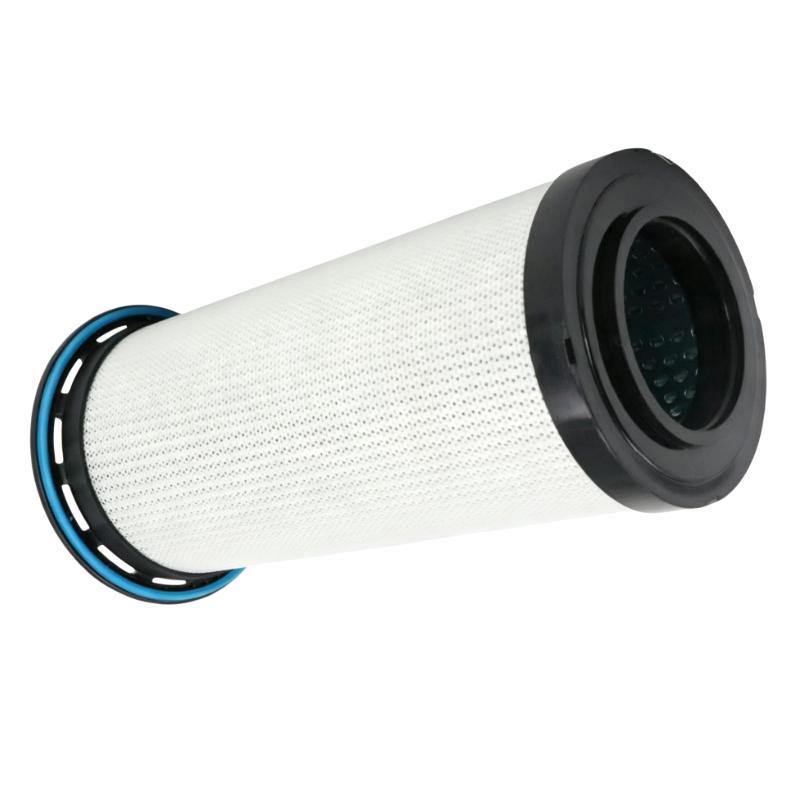
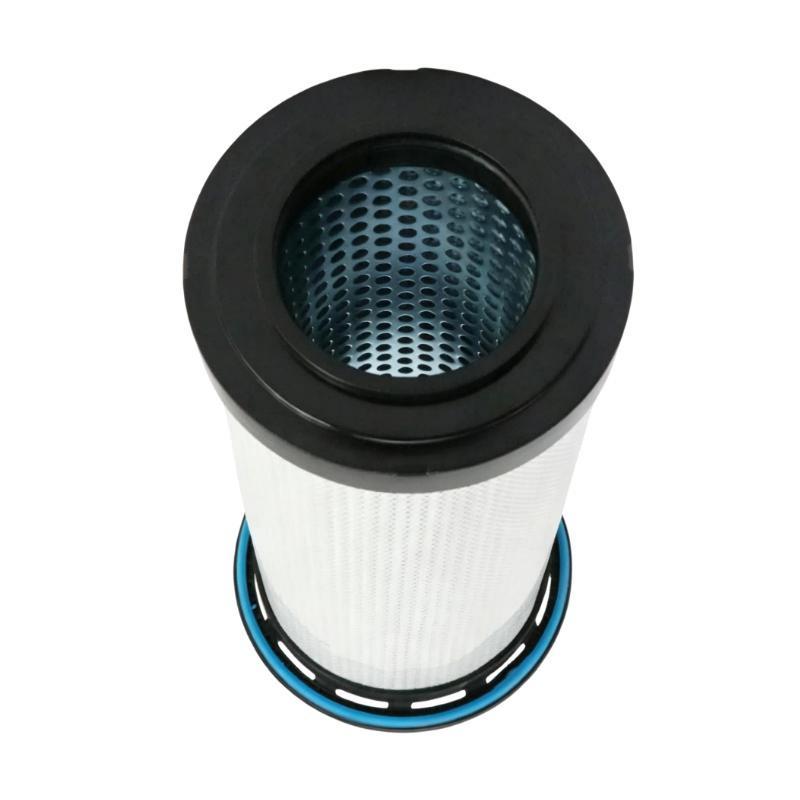
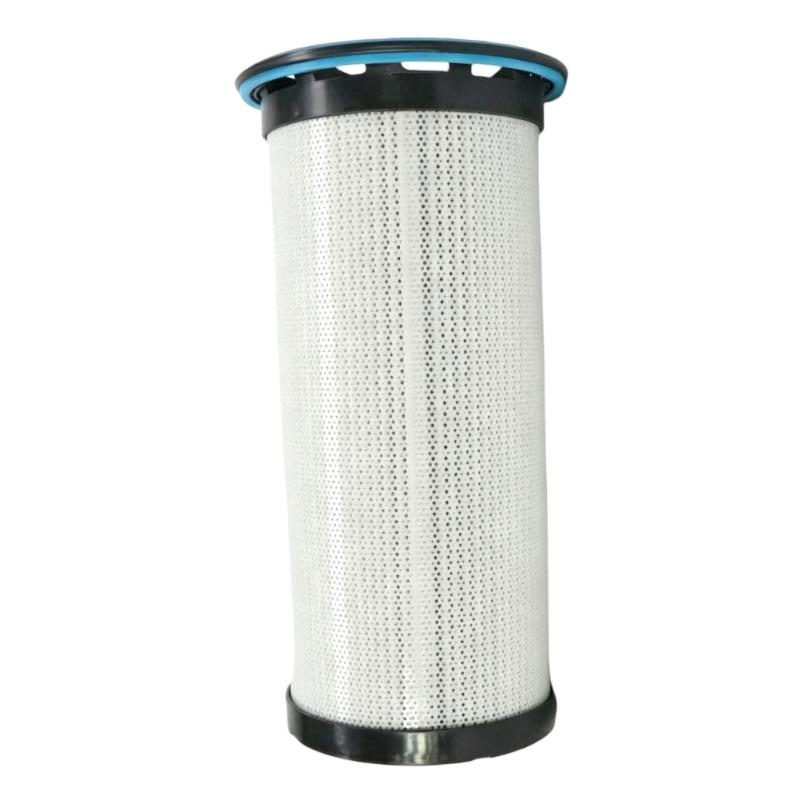
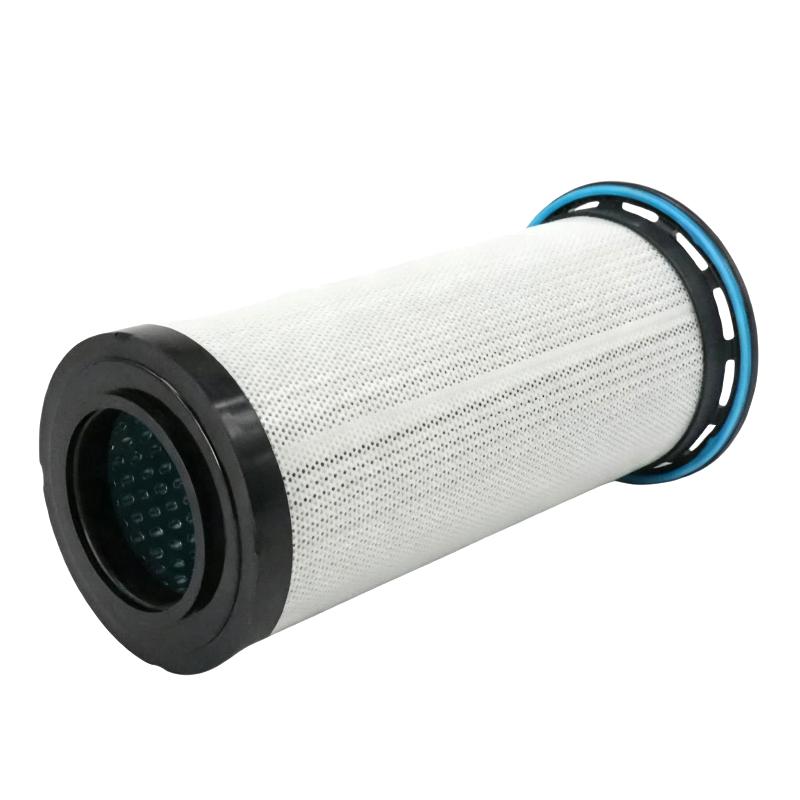
- Ingersoll Rand
- 47572169001 23424922
- Oil Filter Element
- USA
- 232.2 × 114.3 × 96.5 mm
- 2.3 kg
- Xiamen, China
- New & In Stock
- T/T, PayPal, Western Union
- 1 Year
- 1-3 Working Days
- DHL, UPS, TNT, FedEx and EMS.
- 24-Hour Service
- COO
- 3
Our advantage

Global Logistics
We have a 10-year logistics and express cooperation agreement, so our products can be shipped to any place in the world.

Brand new and original
Our products are imported in bulk from the place of origin. Because of the cooperative relationship, our products are all original and 100% new.

24-hour service
We provide 7*24 hours service to our customers. We will be there whenever you need us.

Price advantage
All our products are priced very favorably because we have our own warehouse and supply.
| Company Information | |||
| [email protected] | |||
| Mobile | +8615980777398 | ||
| +8615980777398 | |||
| 15980777398 |
1. Product Overview
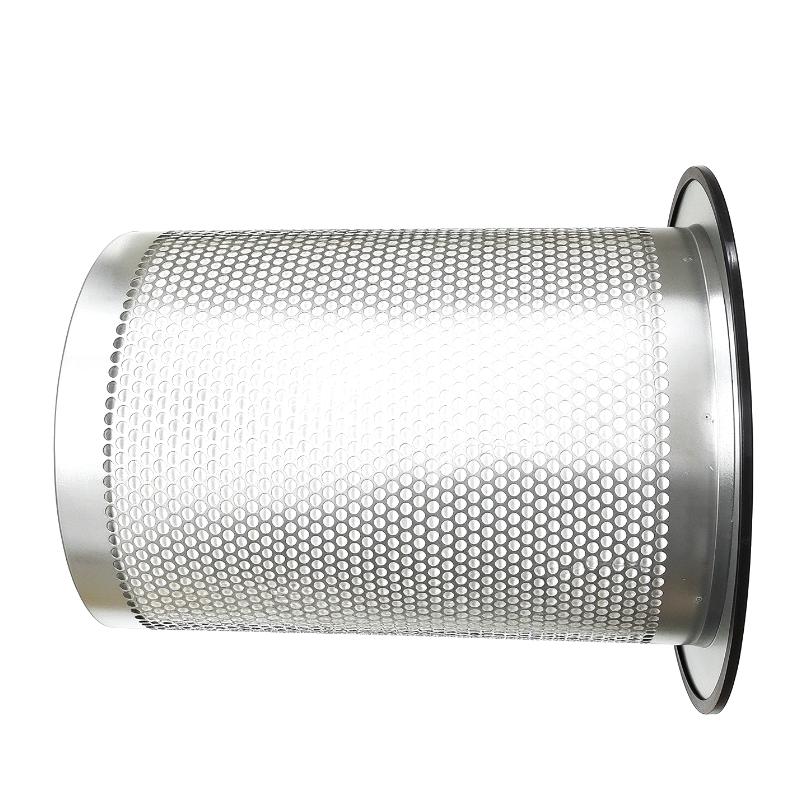
The Ingersoll Rand 47572169001 / 23424922 Oil Filter Element is an oil filtration component identified for use in compatible industrial air compressor systems. Its primary purpose is to help remove solid contaminants from circulating compressor lubricant, supporting the protection of internal components and the reliable operation of the lubrication circuit.
In an oil-injected rotary screw compressor, lubricating oil performs several important functions. Depending on the compressor design, it helps lubricate moving components, remove heat, support sealing between rotor surfaces, and carry contaminants toward the filtration system. During operation, the oil may collect particles generated by normal wear, environmental contamination, and lubricant degradation. If these contaminants are not adequately controlled, they may contribute to wear, deposits, or reduced component reliability.
An oil filter element provides a filtration barrier within the lubrication circuit. By retaining contaminants as oil passes through the filter media, it helps maintain the cleanliness of the circulating lubricant. Regular inspection and replacement of the filter according to the equipment manufacturer’s maintenance instructions are therefore important parts of compressor servicing.
The Ingersoll Rand 23424922 reference is identified as an oil filter element. The supplied product dimensions are 232.2 × 114.3 × 96.5 mm, and the listed weight is 2.3 kg. These specifications are useful for product identification, dimensional review, spare-parts management, and shipping preparation.
Before ordering, buyers should confirm the relationship between part numbers 47572169001 and 23424922 against the relevant compressor documentation. The equipment model, serial number, filter housing configuration, and complete dimensional requirements should also be checked to ensure the selected element is suitable for the intended application.
2. Technical Specifications
| Parameter | Specification |
|---|---|
| Brand | Ingersoll Rand |
| Product Name | Oil Filter Element |
| Part Number | 47572169001 |
| Additional Part Number | 23424922 |
| Product Category | Industrial Air Compressor Oil Filter |
| Dimensions | 232.2 × 114.3 × 96.5 mm |
| Weight | 2.3 kg |
| Primary Function | Filtration of contaminants from circulating compressor oil |
| Typical System Location | Compressor lubrication circuit, subject to equipment configuration |
| Application | Compatible industrial air compressor systems |
| Filter Media | To be confirmed from the applicable technical specification |
| Filtration Rating | To be confirmed from the applicable technical specification |
| Operating Pressure | To be confirmed for the target compressor |
| Oil Compatibility | Must match the compressor’s specified lubricant and filter requirements |
| Replacement Interval | Follow the equipment manufacturer’s maintenance schedule |
| Equipment Compatibility | Verify by compressor model, serial number, and parts documentation |
The dimensions and weight above are the specifications supplied for this product. The order in which the dimensions are presented should be confirmed against the supplier’s dimensional drawing, particularly if the measurements refer to different diameters, heights, or end connections.
The filter’s micron rating, bypass characteristics, pressure limits, and media construction should not be inferred from its dimensions alone. These parameters can influence oil flow and filtration performance, so they should be verified before the element is used as a replacement for an existing filter.
3. Function and Working Principle
3.1 Removing Contaminants from Compressor Oil
During compressor operation, the lubricant may accumulate small solid particles from wear, oxidation by-products, deposits, and contamination introduced during maintenance or through the operating environment. An oil filter element helps retain suitable contaminants as the lubricant passes through its filtration media.
The filter media provides a controlled flow path. Oil passes through the element while particles are captured within or on the media, depending on the filter’s construction. The filtered oil then continues through the lubrication circuit according to the compressor’s design.
The actual particle-removal performance depends on the filter media, construction, filtration rating, oil properties, and operating conditions. The exact performance specifications for the 47572169001 / 23424922 element should be confirmed from the applicable technical documentation.
3.2 Supporting Lubrication-System Reliability
A compressor’s lubrication system must deliver oil under the conditions required by the machine. Excessive contamination may contribute to wear, deposits, or reduced reliability in components that depend on clean lubricant.
A correctly specified oil filter helps control particulate contamination and supports the intended lubrication arrangement. However, the filter cannot compensate for unsuitable lubricant, inadequate oil maintenance, excessive operating temperatures, or mechanical problems elsewhere in the system.
Filter selection must therefore account for more than physical dimensions. The element must also be compatible with the required oil flow, filtration performance, sealing arrangement, and operating pressure.
3.3 Managing Filter Restriction
As contaminants accumulate, resistance to oil flow through a filter may increase. Depending on the compressor design, excessive restriction may affect oil pressure or cause a filter bypass mechanism to operate if one is fitted.
A bypass mechanism is intended to protect the system from unacceptable flow restriction under specified conditions, but it may allow less-filtered oil to continue circulating. Not every filter uses the same bypass design, so the applicable construction must be confirmed rather than assumed.
Routine maintenance helps identify a filter that has reached its service limit before excessive restriction becomes a more serious concern. Maintenance teams should use the compressor’s approved indicators, alarms, inspection procedures, and replacement schedule.
3.4 Supporting Preventive Maintenance
Oil filter replacement is commonly incorporated into planned compressor servicing. Replacing the element at the correct interval helps control contamination and provides an opportunity to inspect the filter housing, sealing surfaces, and surrounding components.
Maintenance records should include the installed part number, service date, compressor identification, lubricant condition, and any unusual findings. These records help establish a consistent maintenance history and make future replacement orders easier to verify.
4. Role in Industrial Air Compressor Systems
4.1 Protection of Internal Components
The lubrication circuit supplies oil to components that require lubrication, cooling, or sealing. By helping remove particulate contamination from the circulating lubricant, an appropriate oil filter contributes to protecting those components from avoidable contamination-related wear.
The level of protection depends on using an element with the correct filtration characteristics and maintaining the filter according to the compressor manufacturer’s instructions.
4.2 Support for Stable Compressor Operation
Industrial compressors often supply compressed air to production machinery, pneumatic systems, and plant utilities. A lubrication-related problem can affect compressor availability and may interrupt downstream operations.
A correctly selected and maintained oil filter supports the wider lubrication system and forms part of a preventive maintenance strategy intended to reduce avoidable equipment problems.
4.3 Contribution to Oil Maintenance
Oil condition is influenced by operating temperature, operating hours, contamination, lubricant selection, and the condition of the compressor. The oil filter helps control particulate contamination, but it does not remove every type of oil degradation product or restore lubricant that has chemically deteriorated.
Oil sampling, lubricant replacement, cooling-system inspection, and other maintenance tasks may also be necessary, depending on the equipment manufacturer’s requirements.
4.4 Support for Planned Service Intervals
Replacing the filter as part of a planned service can help maintenance teams coordinate oil-related maintenance tasks and manage spare-parts inventory. Where the manufacturer specifies that the oil filter should be replaced during an oil service, the required procedure and service interval should be followed.
A universal replacement interval should not be assumed for this element without confirming the intended compressor model and operating conditions.
5. Industrial Applications
The Ingersoll Rand 47572169001 / 23424922 Oil Filter Element may be considered for compatible compressor installations where the corresponding part reference is specified. The following examples describe general industrial environments rather than confirmed fitment for every machine in each sector.
5.1 Manufacturing Plants
Manufacturing facilities use compressed air to operate pneumatic actuators, control valves, production machinery, and general-purpose tools. Compressor reliability is important when multiple production processes depend on a shared air supply.
Routine oil filtration maintenance helps support the condition of the compressor’s lubrication circuit and contributes to planned equipment servicing.
5.2 Automotive and Engineering Workshops
Automotive plants and engineering workshops may use compressed air for pneumatic equipment, assembly operations, maintenance tools, and production support. Depending on the operating schedule, compressors may accumulate substantial running hours between major maintenance activities.
Maintaining the correct oil filter helps support lubricant cleanliness and allows service teams to inspect the filter housing and sealing surfaces during routine work.
5.3 Industrial Utilities
Centralized compressor stations supply air to multiple machines, work areas, or production departments. In these installations, compressor maintenance must be coordinated to minimize interruptions to the overall utility system.
Keeping verified oil filter elements in stock can help reduce delays when scheduled servicing is due. Part numbers should be recorded against the specific compressor model and serial number to avoid ordering errors.
5.4 Packaging and Processing Facilities
Compressed air may be used for pneumatic movement, valve actuation, packaging machinery, and material handling. The compressor’s lubrication system must remain in suitable condition to support reliable operation.
Where air quality is critical to a process, the entire compressed-air treatment system must be designed for the applicable requirements. An oil filter inside the compressor is not a substitute for downstream air filtration or treatment.
5.5 Compressor Service and Maintenance Operations
Maintenance contractors and industrial spare-parts distributors may use the 47572169001 / 23424922 reference when preparing service quotations, maintenance kits, or replacement-parts inventories.
Before procurement, they should verify the part-number relationship, dimensions, filter design, and equipment application. This is especially important when an inventory system lists more than one number for a single item.
6. Installation and System Integration
Correct installation helps ensure that the replacement filter works as intended. The following recommendations are general guidance; the service procedure for the specific compressor takes priority.
6.1 Confirm Part Compatibility
Before installation, verify the filter part number against the compressor’s parts list and service documentation. Confirm the relationship between 47572169001 and 23424922, especially if one number appears on a quotation and the other appears on the existing filter.
Check the complete dimensions, filter mounting arrangement, sealing design, and applicable filtration requirements. The supplied dimensions of 232.2 × 114.3 × 96.5 mm should be compared with the equipment documentation and, where appropriate, the removed element.
Do not select a replacement based only on visual similarity or approximate size.
6.2 Shut Down and Isolate the Compressor
Stop the compressor and follow the manufacturer’s shutdown procedure. Allow the equipment to reach the specified safe condition before servicing the oil filter assembly.
The lubrication circuit may contain hot oil and residual pressure. Isolate the relevant energy sources, relieve pressure as instructed, and allow components to cool before opening the housing. Follow the site’s lockout/tagout procedure and use appropriate personal protective equipment.
Never loosen a filter housing or oil connection while the system remains pressurized.
6.3 Remove the Used Element
Remove the existing filter in accordance with the service instructions. Use the specified tools and avoid damaging the filter head, housing, threads, or sealing surfaces.
Handle the used element carefully because it may contain hot lubricant and trapped contaminants. Dispose of the used filter and drained oil according to applicable site procedures and environmental requirements.
6.4 Inspect the Filter Housing
Before fitting the replacement, inspect the housing, filter head, mounting surfaces, and relevant seals. Look for damage, contamination, worn sealing areas, and signs of leakage.
Clean the sealing area using an approved method. Prevent debris from entering the oil circuit during maintenance. If the housing or sealing surface is damaged, resolve the issue before returning the compressor to service.
6.5 Install the Replacement Filter
Fit the new element according to the manufacturer’s instructions. Confirm that the element is correctly seated and that the sealing components are installed in the specified positions.
Follow any specified tightening procedure or torque value. Do not invent a tightening torque or apply excessive force where the service documentation provides a different method.
If the element does not fit properly, stop and recheck the part number, dimensions, and mounting configuration rather than modifying the filter.
6.6 Restart and Inspect
After installation, complete the required reassembly and confirm that all tools and materials have been removed from the service area. Restore the system according to the manufacturer’s startup procedure.
Monitor the compressor for oil leakage, abnormal pressure readings, alarms, or other signs of an installation problem. Where specified, verify the oil level and relevant operating indicators before returning the equipment to normal duty.
If abnormal pressure, leakage, or an alarm occurs, follow the equipment troubleshooting procedure rather than continuing operation without inspection.
6.7 Record the Replacement
Record the date, compressor model, serial number, installed filter part number, and relevant maintenance findings. If the old element shows unusual contamination or restriction, document the observation for further investigation.
These records can help identify recurring contamination issues and improve future maintenance planning.
7. Maintenance and Replacement Recommendations
The appropriate replacement interval depends on the compressor model, lubricant specification, operating hours, environmental conditions, and the manufacturer’s service requirements.
Recommended maintenance practices include:
- Follow the service interval specified for the compressor.
- Replace the oil filter at the prescribed maintenance interval or when required by an approved condition-monitoring procedure.
- Inspect the filter head, housing, and sealing surfaces whenever the element is replaced.
- Use the specified lubricant and follow the equipment manufacturer’s oil-maintenance instructions.
- Investigate unusual oil contamination instead of treating filter replacement as the only corrective action.
- Avoid reusing a disposable element unless the manufacturer expressly permits it.
- Keep replacement elements in their original packaging until installation.
- Store filters in a clean, dry environment and protect them from impact and contamination.
- Record the installed part number and service history for future reference.
If the filter repeatedly becomes restricted earlier than expected, investigate possible causes such as contamination, unsuitable lubricant, abnormal wear, or operating conditions outside the intended range. The cause should be assessed using the compressor manufacturer’s troubleshooting procedures.
8. Compatible System Components
An oil filter element works as part of a larger lubrication and compressor assembly. The following table lists related component categories that may be relevant during maintenance. It does not confirm that every component listed is supplied with this product or is compatible with every compressor that uses the specified filter.
| Component | Function | Maintenance Consideration |
|---|---|---|
| Oil Filter Housing or Head | Supports and connects the filter to the lubrication circuit | Check mounting surfaces and sealing areas |
| Compressor Lubricant | Lubricates and may cool or seal internal components | Use the grade specified for the compressor |
| Oil Cooler | Helps regulate lubricant temperature where fitted | Inspect according to the equipment maintenance schedule |
| Oil Separator Element | Separates oil from compressed air in applicable oil-injected systems | Verify its part number independently |
| Seals and O-Rings | Help prevent oil leakage and bypass | Replace with the correct specified parts when required |
| Oil Lines and Connections | Carry lubricant through the circuit | Inspect for leakage, damage, or obstruction |
| Pressure and Temperature Monitoring Devices | Provide operating information where fitted | Follow the specified inspection and calibration procedures |
| Maintenance Records | Document service history and replacement parts | Record the equipment identity and installed filter reference |
Related parts should be selected from the applicable equipment documentation. A component being used in the same compressor does not mean it shares the same replacement interval or should automatically be changed at the same time.
9. Replacement and Alternative Model Selection
When selecting an alternative oil filter, compatibility should be established through documented cross-reference information and a comparison of the complete technical requirements. The part numbers below are comparison references to investigate, not a guarantee that every listed element is a direct replacement for all equipment configurations.
| Part Number or Reference | Description | Selection Consideration |
|---|---|---|
| 23424922 | Ingersoll Rand Oil Filter Element | Confirm the exact compressor application and filter specification |
| 47572169001 | Additional product reference supplied for this item | Verify its relationship to 23424922 |
| 23700362 | Alternative reference appearing in some cross-reference listings | Confirm fitment and technical equivalence before use |
| HIFI FILTER SH51435 | Cross-reference candidate for 23424922 | Verify dimensions, filtration performance, and application |
| KELTEC KL190041 | Cross-reference candidate for 23424922 | Obtain application-specific confirmation before ordering |
| OXFIL OF9065 | Cross-reference candidate for 23424922 | Check complete specifications and intended equipment |
Cross-reference listings can vary by supplier, compressor model, and application. These references should therefore be treated as candidates for verification, not as universal substitutes.
Before accepting an alternative, compare the following:
- Overall dimensions and mounting arrangement.
- Filter media and documented filtration performance.
- Required oil flow and operating pressure.
- Sealing design and compatibility with the filter housing.
- Any bypass or pressure-related characteristics specified for the original element.
- Compatibility with the compressor model and serial number.
- Supplier documentation confirming the intended replacement application.
For critical industrial equipment, the approved parts list or written confirmation from a qualified supplier should take precedence over a generic cross-reference.
10. Key Advantages of Correct Oil Filter Selection
Effective Particulate Control
A suitable oil filter helps capture contaminants carried by circulating lubricant, supporting the cleanliness requirements of the compressor’s lubrication circuit.
Support for Internal Component Protection
By controlling particulate contamination, the filter contributes to reducing avoidable contamination-related wear. Its effectiveness depends on the correct filtration characteristics and proper maintenance.
Support for Lubrication-System Reliability
Using the correct filter helps maintain the intended filtration arrangement and supports reliable lubricant circulation under the specified operating conditions.
More Predictable Preventive Maintenance
A verified replacement part allows maintenance teams to schedule service activities, document replacement history, and maintain a more accurate spare-parts inventory.
Reduced Risk of Incorrect Replacement
Checking the complete part number, dimensions, and mounting configuration helps reduce the risk of installing an element that appears similar but does not meet the equipment’s requirements.
Better Procurement and Inventory Control
Recording the 47572169001 and 23424922 references together, where confirmed, can help purchasing teams match supplier quotations with maintenance records and equipment parts lists.
11. Technical Frequently Asked Questions
Q1. What is the Ingersoll Rand 47572169001 / 23424922 Oil Filter Element?
It is identified as an oil filter element for compatible Ingersoll Rand compressor equipment. Its intended role is to help remove particulate contaminants from circulating compressor oil. Confirm the part-number relationship and application against the equipment documentation before ordering.
Q2. What are the dimensions of this oil filter element?
The supplied dimensions are 232.2 × 114.3 × 96.5 mm. Confirm the measurement orientation and mounting details against the product drawing before using the dimensions as the sole basis for replacement selection.
Q3. What is the product weight?
The supplied product weight is 2.3 kg. If a shipment calculation requires packaging weight or gross weight, confirm those values separately with the supplier.
Q4. Are 47572169001 and 23424922 the same part?
The two numbers are provided together in the product description. Their exact relationship should be verified against the relevant parts catalog or supplier documentation before procurement, particularly if the numbers are used differently in inventory or ordering systems.
Q5. What does an oil filter element do in an air compressor?
It helps remove particulate contamination from the compressor’s circulating lubricant. This supports oil cleanliness and helps protect components that depend on properly maintained lubrication.
Q6. How often should the oil filter be replaced?
The replacement interval depends on the specific compressor and its maintenance requirements. Follow the manufacturer’s prescribed service schedule and any approved condition-monitoring guidance rather than assuming a universal interval.
Q7. Can I use an alternative filter with similar dimensions?
Not on dimensions alone. The replacement must also meet the required filtration performance, oil flow, pressure limits, sealing arrangement, and equipment compatibility requirements.
Q8. Can the filter be cleaned and reused?
Do not assume that the element is reusable. Follow the manufacturer’s instructions for the exact filter construction. If reuse is not expressly permitted, replace the element according to the applicable service procedure.
Q9. What should be checked before purchasing?
Confirm the complete part number, compressor model and serial number, dimensions, filter mounting arrangement, sealing design, and applicable filtration specification. If the two supplied part numbers cannot be matched in the equipment documentation, ask the supplier to verify the cross-reference.
Q10. Why is correct oil filtration important?
Contaminated lubricant can contribute to wear, deposits, and lubrication-system problems. Correct oil filtration, combined with suitable lubricant and scheduled maintenance, helps support compressor reliability.
Q11. Does the oil filter remove all forms of lubricant degradation?
No. An oil filter primarily addresses contaminants that its media is designed to capture. It does not necessarily remove dissolved contaminants or reverse chemical degradation of the lubricant. Oil condition should be managed through the complete maintenance program.
Q12. Can this element be used in any Ingersoll Rand compressor?
No universal compatibility should be assumed. Ingersoll Rand equipment includes different compressor families and configurations. Verify the exact model and serial number before selecting the filter.
12. Procurement and Spare-Parts Management
When purchasing the Ingersoll Rand 47572169001 / 23424922 Oil Filter Element, providing complete equipment information can help reduce incorrect orders and replacement delays.
For industrial purchasing teams, the most useful checks include:
- Confirm both product references and their relationship.
- Provide the compressor model and serial number.
- Verify the supplied dimensions of 232.2 × 114.3 × 96.5 mm.
- Confirm the stated weight of 2.3 kg and clarify whether shipping weight differs.
- Request the applicable filtration and operating specifications when required.
- Confirm whether the offered product is an OEM part or an aftermarket replacement.
- Check packaging, quantity, and product identification before installation.
- Maintain records linking the installed part to the compressor it serves.
For international spare-parts procurement, consistent part-number records are especially useful when quotations, invoices, shipping documents, and maintenance records use different identifiers. A documented cross-reference can simplify future ordering, but it should be verified before being added to the permanent inventory record.
13. Conclusion
The Ingersoll Rand 47572169001 / 23424922 Oil Filter Element is identified as an oil filtration component for compatible industrial compressor systems. The supplied dimensions are 232.2 × 114.3 × 96.5 mm, and the listed weight is 2.3 kg.
Its role is to help control particulate contamination in the compressor lubrication circuit, supporting lubricant cleanliness and the protection of internal components. Correct selection and timely replacement are important parts of a comprehensive compressor maintenance program.
Before purchasing or installing the element, verify the part-number relationship, compressor model, serial number, complete dimensions, mounting arrangement, and applicable filtration requirements. Matching the filter to the specific equipment and following the manufacturer’s maintenance procedures helps support dependable operation and effective spare-parts management.