

ProductPRODUCT
Featured products

Contact Us
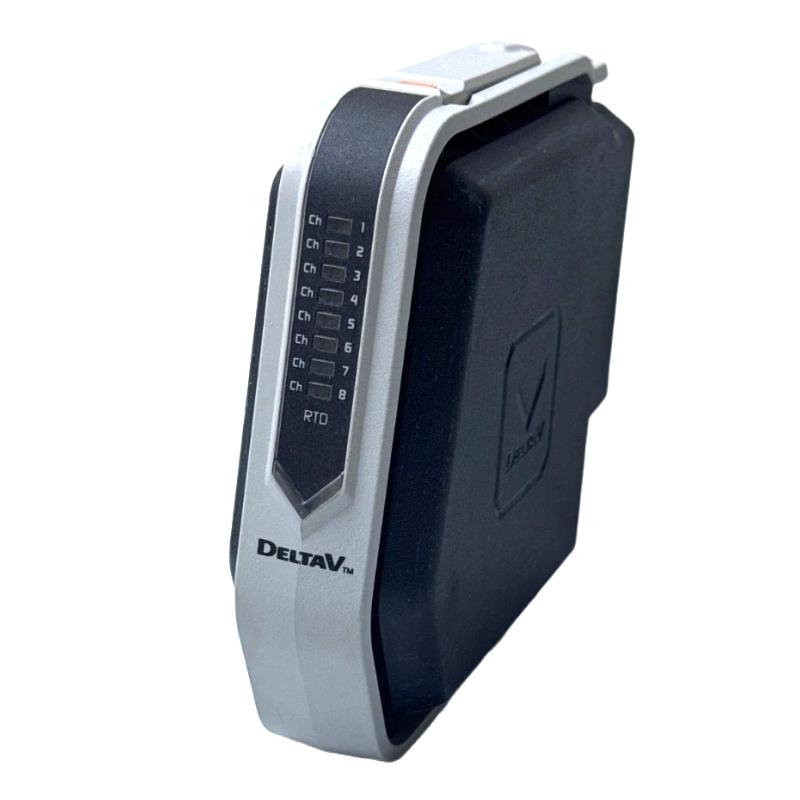
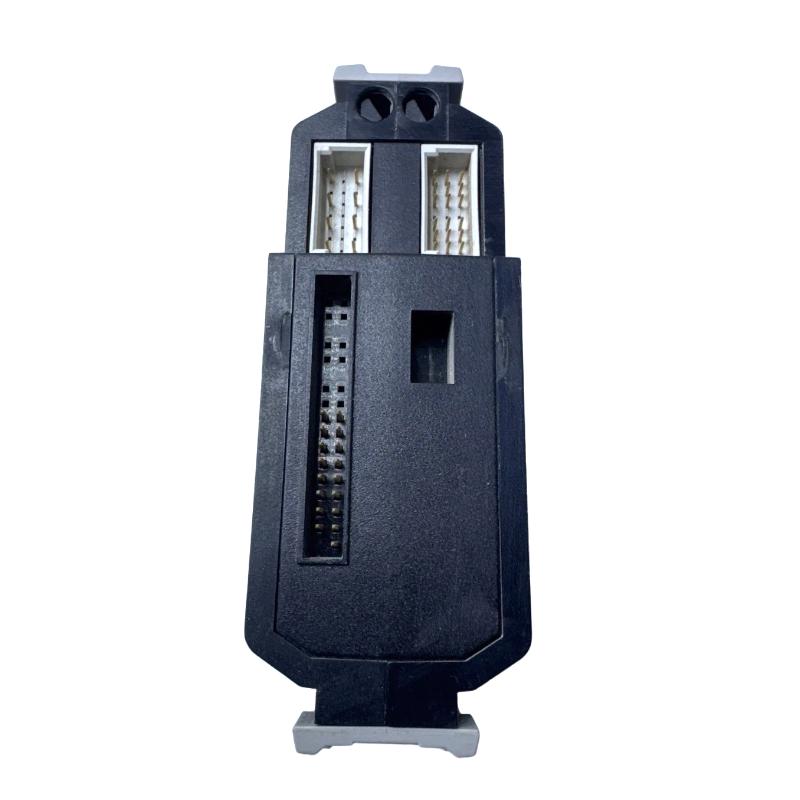
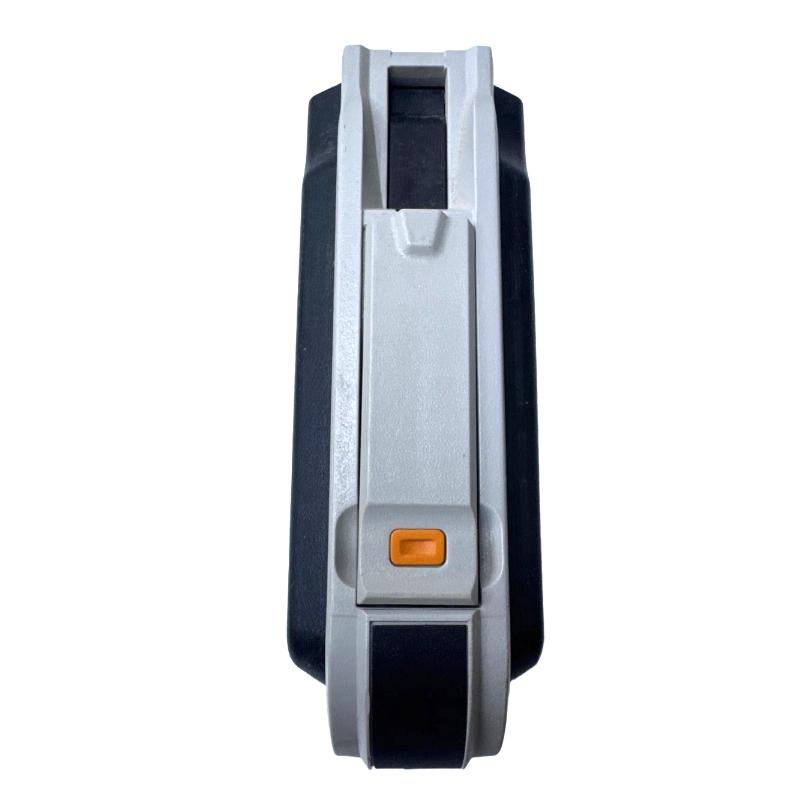
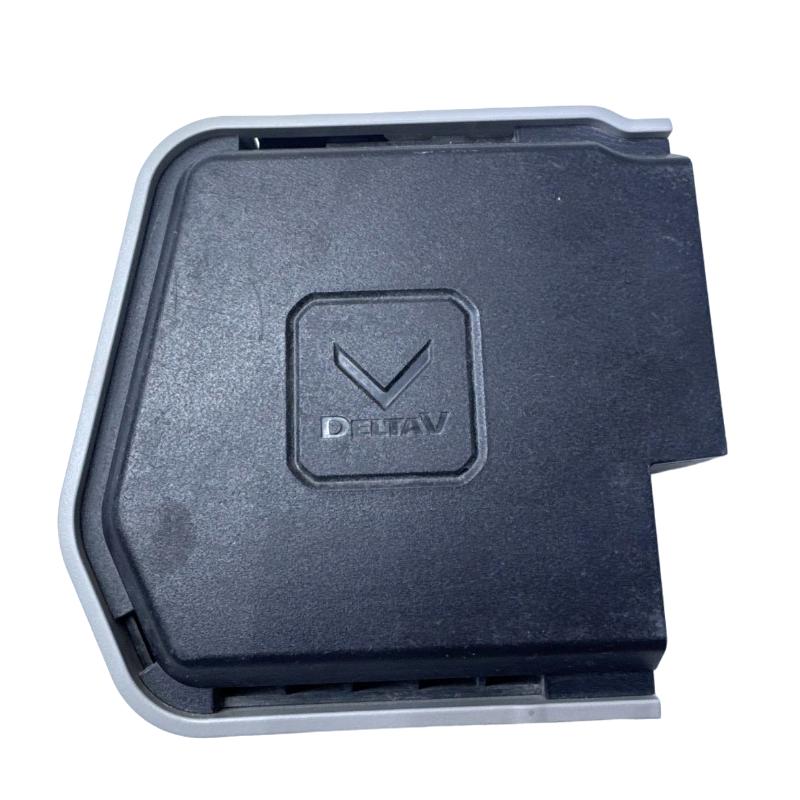
- Emerson
- SE4003S2B4
- Analog Input Card
- USA
- 131 × 41.8 × 130.8 mm
- 0.3 kg
- Xiamen, China
- New & In Stock
- T/T, PayPal, Western Union
- 1 Year
- 1-3 Working Days
- DHL, UPS, TNT, FedEx and EMS.
- 24-Hour Service
- COO
- 72
Our advantage

Global Logistics
We have a 10-year logistics and express cooperation agreement, so our products can be shipped to any place in the world.

Brand new and original
Our products are imported in bulk from the place of origin. Because of the cooperative relationship, our products are all original and 100% new.

24-hour service
We provide 7*24 hours service to our customers. We will be there whenever you need us.

Price advantage
All our products are priced very favorably because we have our own warehouse and supply.
| Company Information | |||
| [email protected] | |||
| Mobile | +8615980777398 | ||
| +8615980777398 | |||
| 15980777398 |
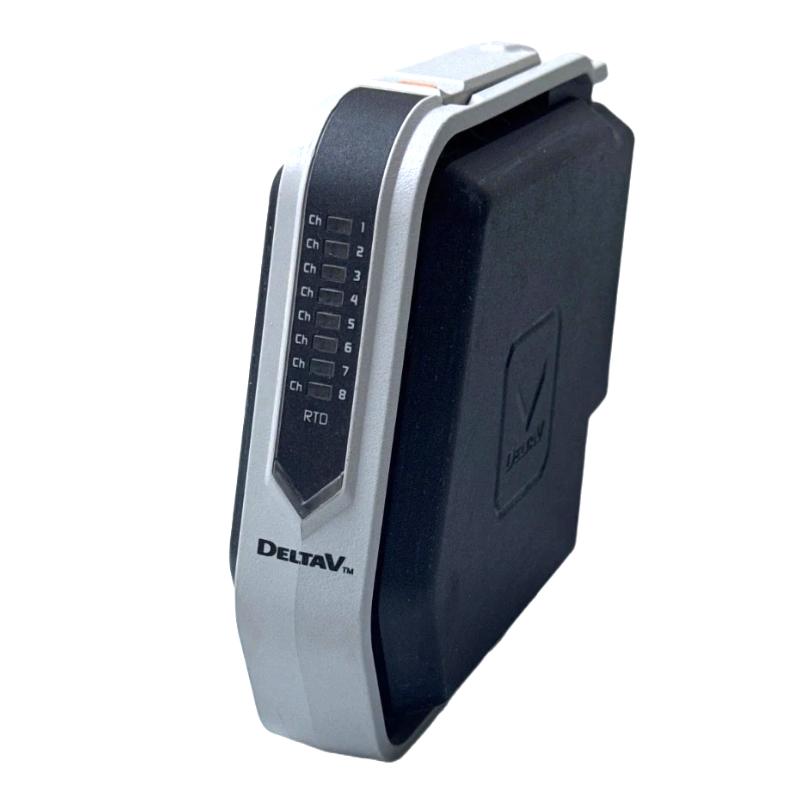
Product Overview
The Emerson SE4003S2B4 DeltaV S-series Analog Input Card is an analog input module used within the DeltaV S-series I/O architecture to collect continuous signals from field instrumentation.
In a process-control installation, instruments such as pressure, temperature, flow, and level transmitters continuously reflect changes in the plant. Those measurements need to reach the DeltaV control system before they can be used by control strategies, alarm functions, operator displays, or process historians. The SE4003S2B4 forms part of this field-to-controller signal path.
A practical example is a process vessel with a level transmitter. As the vessel fills or empties, the transmitter output changes accordingly. The input card acquires that changing signal, allowing the DeltaV system to represent the measured level as a process variable. The value can then participate in automatic control or simply be monitored by the operator.
For maintenance teams, the card is also part of the diagnostic chain between a field instrument and the control application. When a displayed value does not agree with the actual process condition, checking the transmitter, field wiring, termination, I/O channel, and DeltaV configuration in sequence is generally more effective than immediately replacing the I/O hardware.
Technical Specifications
| Parameter | Specification |
|---|---|
| Product | Emerson SE4003S2B4 |
| Product Type | DeltaV S-series Analog Input Card |
| System | DeltaV S-series |
| Application | Analog process signal acquisition |
| Dimensions | 131 × 41.8 × 130.8 mm |
| Weight | 0.3 kg |
Product Features
- Provides analog input capability within the DeltaV S-series I/O architecture.
- Acquires continuous process signals from compatible field instrumentation.
- Suitable for process measurement points used in monitoring and control.
- Allows measured values to be incorporated into DeltaV control strategies.
- Supports process visualization, alarming, trending, and operational supervision.
- Fits distributed process instrumentation architectures.
- Provides a defined interface between field signal wiring and the DeltaV control environment.
- Suitable for applications with large numbers of continuously varying process measurements.
Working Principle
The SE4003S2B4 receives an analog signal generated by a field measurement device and passes the acquired process information into the DeltaV control architecture.
The measurement chain begins with the physical process. A transmitter detects a variable such as pressure or temperature and generates a corresponding electrical output. The signal travels through the field wiring to the assigned analog input channel. The I/O card acquires the signal so that the DeltaV system can interpret it as a process value.
Once the measurement is available to the control system, it can serve different purposes depending on the application. A controller may use it as the process variable in a feedback loop, an alarm function may compare it against configured limits, and an operator station may display its current value and historical trend.
For example, in a flow-control application, the transmitter continuously reflects the process flow. The SE4003S2B4 acquires that information, while the DeltaV control strategy determines whether the associated valve or drive needs to change its operating condition.
This division of responsibility is important: the input card acquires the measurement, while DeltaV software and control modules determine how that measurement is used.
Role in a DeltaV S-series Process Control System
The SE4003S2B4 belongs to the I/O layer of a distributed process-control architecture.
A simplified signal path is:
Process → Transmitter → Field Wiring → SE4003S2B4 → DeltaV I/O System → Controller → Control / Monitoring Application
This architecture separates field signal acquisition from the higher-level control strategy. Multiple transmitters can therefore feed process measurements into the DeltaV system, where each value can be associated with the appropriate control module or operator display.
For a process engineer, the quality of the final measurement depends on the complete chain. A transmitter that is out of calibration, a damaged cable, an incorrect termination, or an incorrect DeltaV configuration can all affect the displayed process value even when the input card itself is functioning correctly.
This makes the SE4003S2B4 particularly relevant in distributed instrumentation systems where reliable acquisition and clear signal-path diagnostics are required.
Industrial Applications
Oil and Gas Facilities
Pressure, temperature, flow, and level transmitters are distributed throughout production and processing equipment. Analog input channels bring these measurements into the central control environment.
Chemical Processing Plants
Reactor vessels, storage tanks, heat exchangers, and process lines rely on continuous measurements for process regulation and operator supervision.
Power Generation
Analog process measurements from auxiliary systems, cooling equipment, fuel systems, and other plant equipment can be incorporated into the control architecture.
Water Treatment
Tank levels, pipeline pressure, and process flow are common continuous measurements used for pump control, treatment sequencing, and alarm management.
Pharmaceutical and Specialty Manufacturing
Process equipment may require continuous monitoring of critical variables throughout production. Analog I/O forms part of the instrumentation infrastructure supporting these measurements.
General Process Automation
The card can be applied wherever a DeltaV S-series system needs to acquire continuous measurements from distributed field instrumentation.
Installation and Maintenance
Before installation, verify the intended DeltaV S-series configuration and confirm that the field instruments and signal wiring correspond to the required input arrangement.
During installation, make sure the card is correctly positioned and that field-side connections are secure. Analog signal wiring should be routed appropriately to minimize exposure to electrical noise from high-power equipment.
Commissioning should begin with the field device rather than the I/O card alone. Confirm that the transmitter is producing the expected signal and that the physical wiring reaches the correct input channel.
If a channel produces an unexpected process value, use a structured diagnostic sequence:
- Compare the process value with an independent field measurement.
- Check transmitter operation and configuration.
- Inspect field wiring and termination.
- Verify the assigned I/O channel.
- Check signal interpretation and scaling in DeltaV.
- Review any relevant system diagnostics.
For intermittent problems, inspect terminals and field cables carefully. Loose connections or degraded wiring can create fluctuating measurements that may initially resemble an I/O hardware problem.
Related Components
| Component | Function |
|---|---|
| DeltaV S-series Controller | Executes process-control strategies using acquired measurements |
| SE4003S2B4 | Acquires analog field signals |
| Pressure / Temperature / Flow / Level Transmitter | Converts a physical process variable into an electrical signal |
| Field Wiring | Transfers the measurement signal to the I/O system |
| I/O Termination Hardware | Provides field-side signal connection |
| DeltaV Control Module | Uses the acquired process value in control logic |
| Operator Station | Displays process values, alarms, and trends |
Recommended Related Models
| Model | Product Type |
|---|---|
| Emerson SE4003S2B4 | DeltaV S-series Analog Input Card |
| Emerson SE4003S2B2 | DeltaV S-series Analog Input Card |
| Emerson SE4001S2T2B5 | DeltaV S-series Analog Input Card |
| Emerson SE4002S1T2B5 | DeltaV S-series Discrete Output Card |
| Emerson KJ3223X1-BA1 | DeltaV Analog Input Card |
| Emerson DeltaV S-series I/O Modules | Distributed Process I/O |
Key Advantages
- Adds analog measurement acquisition to the DeltaV S-series I/O architecture.
- Suitable for continuously varying process signals.
- Supports the use of field measurements in DeltaV control strategies.
- Useful for process monitoring, alarms, trends, and automatic control.
- Fits distributed instrumentation systems used throughout process plants.
- Provides a clear interface between field transmitters and the control system.
- Supports systematic troubleshooting from the field instrument through to the controller.
Technical FAQs
1. Where does the SE4003S2B4 fit in a typical process measurement loop?
It sits on the I/O side of the loop, between the field instrumentation and the DeltaV control system. The transmitter measures the process condition, the input card acquires the electrical signal, and the DeltaV control strategy determines how the resulting process value is used.
2. Why is signal scaling important after an analog measurement reaches the DeltaV system?
The electrical signal acquired by the I/O system needs to correspond correctly to the engineering value represented by the transmitter. Incorrect scaling can cause a physically correct field signal to appear as an incorrect pressure, temperature, flow, or level value in the control system.
3. How can an engineer distinguish a transmitter problem from an I/O channel problem?
Compare the transmitter’s actual output with the value received by the DeltaV channel. If the transmitter output is incorrect, investigate the field instrument or its configuration. If the transmitter produces the expected signal but the DeltaV value is wrong, continue through the wiring, termination, I/O channel, and configuration.
4. What should be considered when replacing an SE4003S2B4 in an operating plant?
The replacement should be checked against the existing DeltaV I/O configuration, channel assignment, field wiring, and application configuration. After installation, verify that the expected process values are correctly acquired before returning the associated control loops to normal automatic operation.