

ProductPRODUCT
Featured products

Contact Us
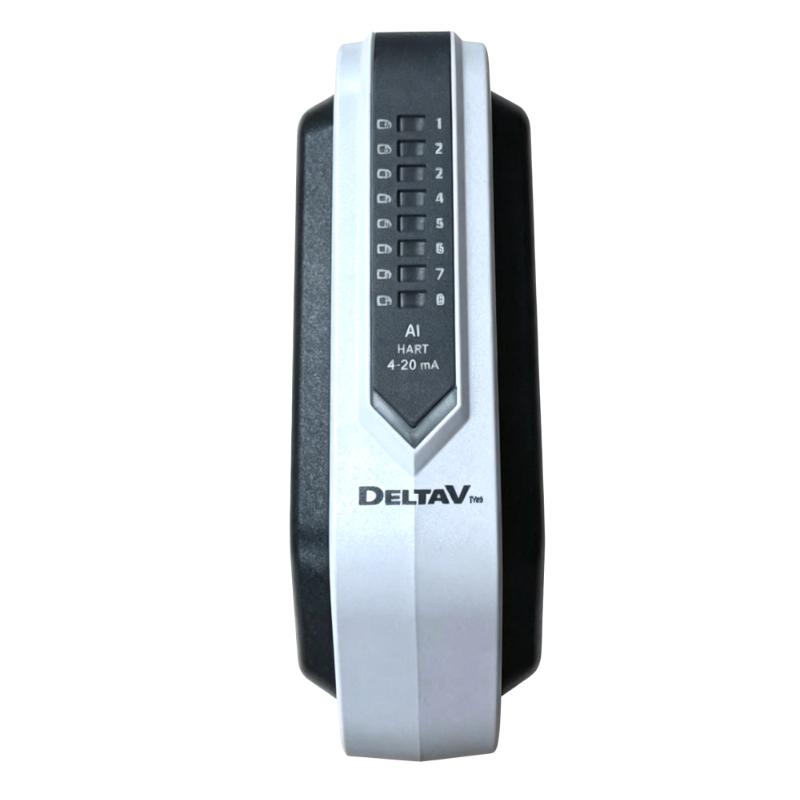
- Emerson
- SE4003S2B2
- Analog Input Card
- USA
- 131 × 41.8 × 130.8 mm
- 0.4 kg
- Xiamen, China
- New & In Stock
- T/T, PayPal, Western Union
- 1 Year
- 1-3 Working Days
- DHL, UPS, TNT, FedEx and EMS.
- 24-Hour Service
- COO
- 68
Our advantage

Global Logistics
We have a 10-year logistics and express cooperation agreement, so our products can be shipped to any place in the world.

Brand new and original
Our products are imported in bulk from the place of origin. Because of the cooperative relationship, our products are all original and 100% new.

24-hour service
We provide 7*24 hours service to our customers. We will be there whenever you need us.

Price advantage
All our products are priced very favorably because we have our own warehouse and supply.
| Company Information | |||
| [email protected] | |||
| Mobile | +8615980777398 | ||
| +8615980777398 | |||
| 15980777398 |
Product Overview
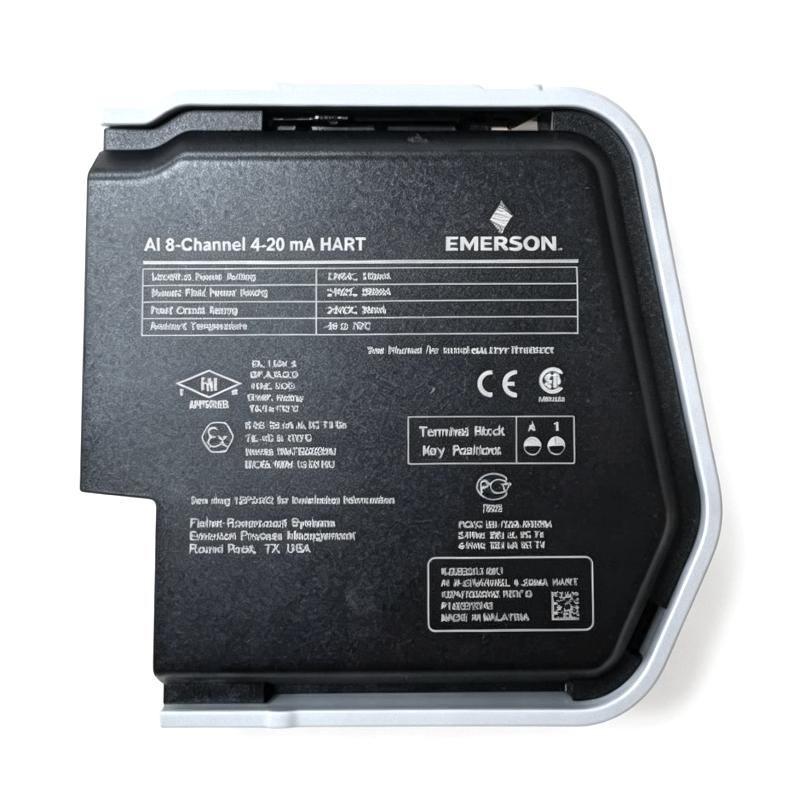
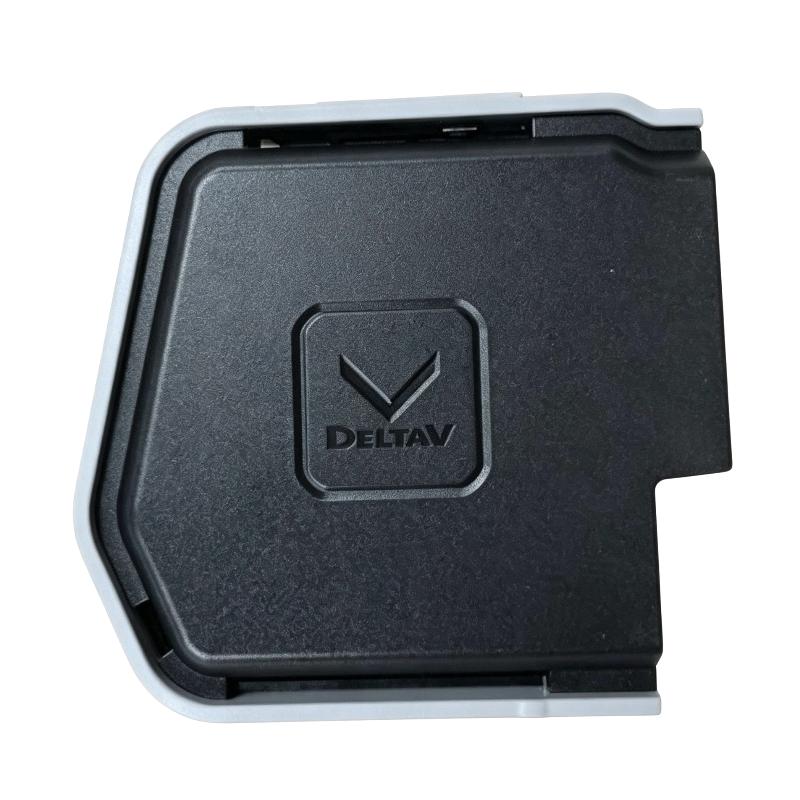
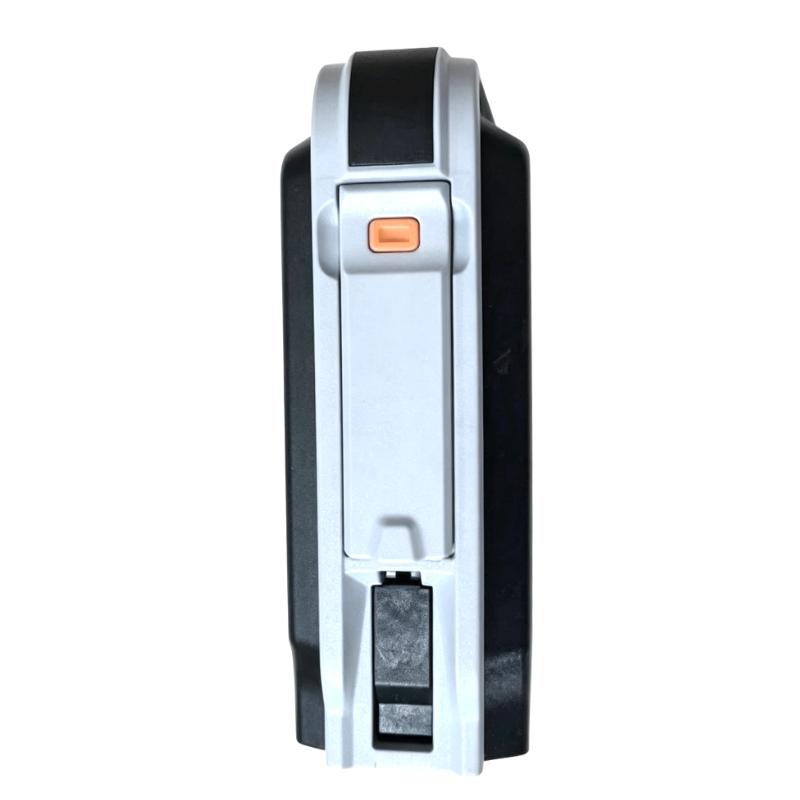
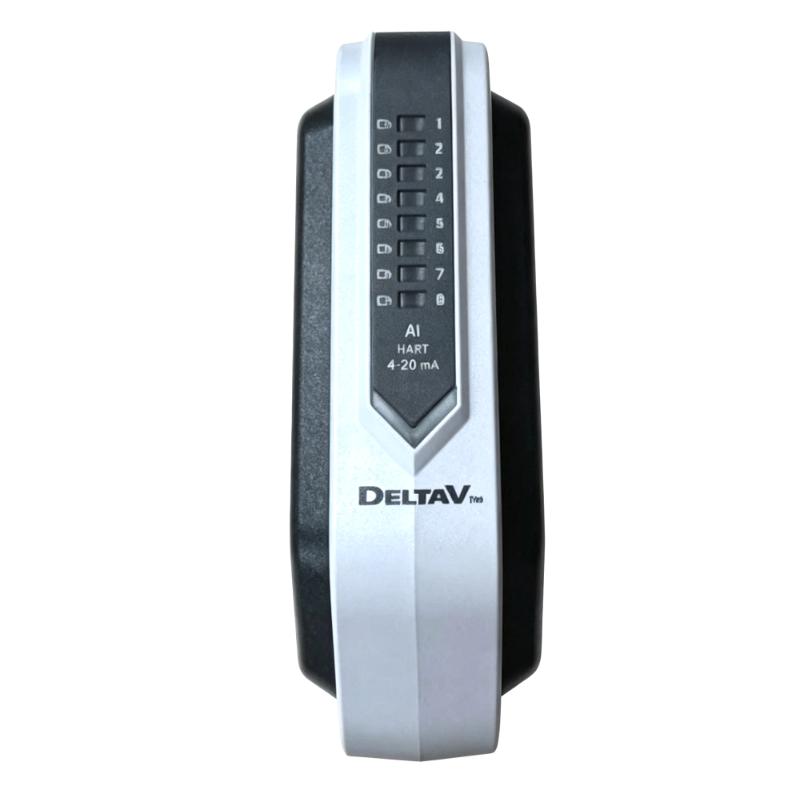
The Emerson SE4003S2B2 DeltaV S-series Analog Input Card is an analog input module used in the DeltaV S-series I/O architecture to bring continuous process signals into the control system.
In a process plant, many important measurements are represented as analog signals rather than simple on/off states. Pressure transmitters, temperature transmitters, flow instruments, level transmitters, and other field devices continuously report changing process conditions. The SE4003S2B2 receives these field signals and makes the corresponding measurement information available to the DeltaV controller for monitoring, alarming, trending, and control.
The module is suited to distributed process-control applications where instrumentation is located throughout a plant and the control system must collect numerous measurement points. Instead of treating each instrument as an isolated signal, the DeltaV architecture organizes these inputs into the broader control strategy, allowing operators and control algorithms to work with real-time process information.
For maintenance engineers, the analog input card is also an important diagnostic point. If a transmitter appears to be reading incorrectly, the troubleshooting path can include the field instrument, signal wiring, termination, I/O channel, and controller configuration. This makes understanding the complete signal chain more useful than simply replacing the I/O card.
Technical Specifications
| Parameter | Specification |
|---|---|
| Product | Emerson SE4003S2B2 |
| Product Type | DeltaV S-series Analog Input Card |
| System | DeltaV S-series |
| Application | Analog process signal acquisition |
| Dimensions | 131 × 41.8 × 130.8 mm |
| Weight | 0.4 kg |
Product Features
- Provides analog signal acquisition within the DeltaV S-series I/O architecture.
- Brings continuous process measurements into the DeltaV control environment.
- Suitable for process instrumentation such as transmitters and analog measurement devices.
- Supports centralized monitoring of distributed field measurements.
- Allows analog process values to be used by DeltaV control strategies.
- Useful for process alarms, trending, operator displays, and regulatory control.
- Compact S-series I/O construction for integration into the applicable DeltaV system.
- Can be incorporated into distributed I/O arrangements close to process equipment.
Working Principle
The SE4003S2B2 sits in the signal path between field instrumentation and the DeltaV control system.
A field transmitter measures a physical process variable such as pressure, temperature, flow, or level and produces an analog electrical signal. The input card receives that signal through the corresponding I/O channel and converts the electrical input into usable measurement information for the DeltaV system.
Once the signal reaches the control system, the process value can be used in several ways. An operator may see the measurement on an HMI display, a control module may use it as a process variable, or an alarm strategy may compare it with configured operating limits.
Consider a pressure-control loop on a process vessel. The pressure transmitter continuously reports the vessel pressure. The SE4003S2B2 acquires the corresponding analog signal, after which the DeltaV control strategy can compare the measured pressure with its setpoint and determine the appropriate control response.
The input card itself does not perform the complete control-loop calculation. Its primary task is to acquire the field measurement and make that information available to the DeltaV control architecture.
Role in a DeltaV S-series I/O System
The SE4003S2B2 forms part of the input layer between field instrumentation and DeltaV control functions.
A simplified signal path is:
Field Transmitter → Field Wiring → SE4003S2B2 → DeltaV I/O Architecture → Controller → Operator / Control Strategy
This separation is useful in process plants because the I/O layer handles the physical connection to field instruments while the controller and software layer handles process logic and control.
For a large plant, multiple analog input points may be distributed across different I/O locations. Each measurement can then become available to the appropriate control modules, alarm functions, historian, or operator graphics.
When diagnosing an abnormal process value, engineers can therefore work through the signal path systematically. A questionable reading does not necessarily indicate an I/O-card failure; the field transmitter, wiring, termination, configuration, and signal conditioning all need to be considered.
Industrial Applications
Oil and Gas Processing
Analog transmitters throughout separators, compressors, pipelines, and processing equipment generate continuous pressure, temperature, flow, and level measurements that must be collected by the control system.
Chemical Processing
Chemical plants rely heavily on continuous process measurements. Analog input channels can bring reactor temperature, pressure, tank level, and flow information into DeltaV control strategies.
Power Generation
Boiler, turbine auxiliary, cooling, fuel, and balance-of-plant systems contain numerous analog measurement points requiring centralized acquisition and monitoring.
Water and Wastewater Treatment
Level, flow, pressure, and other process measurements can be collected for pump control, treatment sequencing, alarm management, and operator supervision.
Pharmaceutical Manufacturing
Process equipment often requires continuous monitoring of temperature, pressure, flow, and other controlled variables. Analog input acquisition forms part of the instrumentation layer supporting these processes.
General Process Automation
Refineries, food-processing plants, utilities, and manufacturing facilities can use DeltaV analog I/O to collect distributed field measurements for monitoring and control.
Installation and Maintenance
Before installation, verify the SE4003S2B2 configuration against the applicable DeltaV S-series architecture and the intended field instrumentation.
During wiring, maintain clear separation between analog signal wiring and high-power electrical circuits where appropriate. Proper cable routing and termination practices help reduce electrical interference that could appear as unstable or inaccurate process readings.
Commissioning should begin with the field device and signal path. Confirm that the transmitter is operating correctly, verify wiring continuity, and then check whether the expected measurement is being received by the I/O channel.
If a process value appears frozen, unstable, or outside the expected range, investigate the signal chain in stages:
- Check the field transmitter.
- Inspect field wiring and termination.
- Verify the corresponding I/O channel.
- Check DeltaV configuration and scaling.
- Compare the displayed process value with a trusted field measurement.
When replacing an I/O card, preserve the applicable system configuration and verify the channel assignments after installation. A physically correct replacement does not by itself guarantee that the configured process points will behave correctly.
Related Components
| Component | Function |
|---|---|
| DeltaV S-series Controller | Executes control strategies using acquired process information |
| SE4003S2B2 | Acquires analog field measurements |
| Process Transmitter | Measures pressure, temperature, flow, level, or another process variable |
| Field Wiring | Carries analog signals from the instrument to the I/O system |
| I/O Termination Hardware | Provides the field-side connection between instrumentation and I/O |
| Operator Station / HMI | Displays process measurements, alarms, and trends |
| Control Modules | Use acquired process values within the DeltaV control strategy |
Recommended Related Models
| Model | Product Type |
|---|---|
| Emerson SE4003S2B2 | DeltaV S-series Analog Input Card |
| Emerson SE4001S2T2B5 | DeltaV S-series Analog Input Card |
| Emerson SE4002S1T2B5 | DeltaV S-series Discrete Output Card |
| Emerson KJ3223X1-BA1 | DeltaV Analog Input Card |
| Emerson DeltaV S-series I/O Modules | Distributed Process I/O |
| Emerson DeltaV Controllers | Process Control Controllers |
Key Advantages
- Brings continuous field measurements into the DeltaV control system.
- Suitable for distributed process instrumentation.
- Supports process monitoring, control, alarming, and trending.
- Provides an interface between field transmitters and DeltaV control functions.
- Fits applications requiring multiple analog process measurements.
- Supports systematic troubleshooting of field-to-controller signal paths.
- Suitable for a wide range of process industries.
Technical FAQs
1. What types of process measurements can be connected to an analog input card such as the SE4003S2B2?
Typical process applications involve continuous measurements such as pressure, temperature, flow, and level. The actual field device and signal type must match the electrical and configuration requirements of the specific I/O channel.
2. Why can an analog input reading be incorrect even when the SE4003S2B2 is operating normally?
The I/O card is only one part of the measurement chain. A faulty transmitter, incorrect transmitter configuration, damaged wiring, poor termination, incorrect channel configuration, or scaling error can all produce an incorrect process value without indicating an I/O-card hardware failure.
3. How should an engineer troubleshoot a channel that remains at a constant value?
Start at the field instrument and work toward the controller. Verify that the transmitter output changes when the process variable changes, then check the wiring and termination. If the physical signal is correct, examine the corresponding input channel and DeltaV configuration.
4. What is the importance of correct channel configuration when commissioning the SE4003S2B2?
The control system must correctly interpret the electrical signal received from the field instrument. An incorrect channel assignment, signal configuration, scaling value, or engineering-unit setting can make a healthy transmitter appear to be reporting the wrong process condition.