

ProductPRODUCT
Featured products
Contact Us
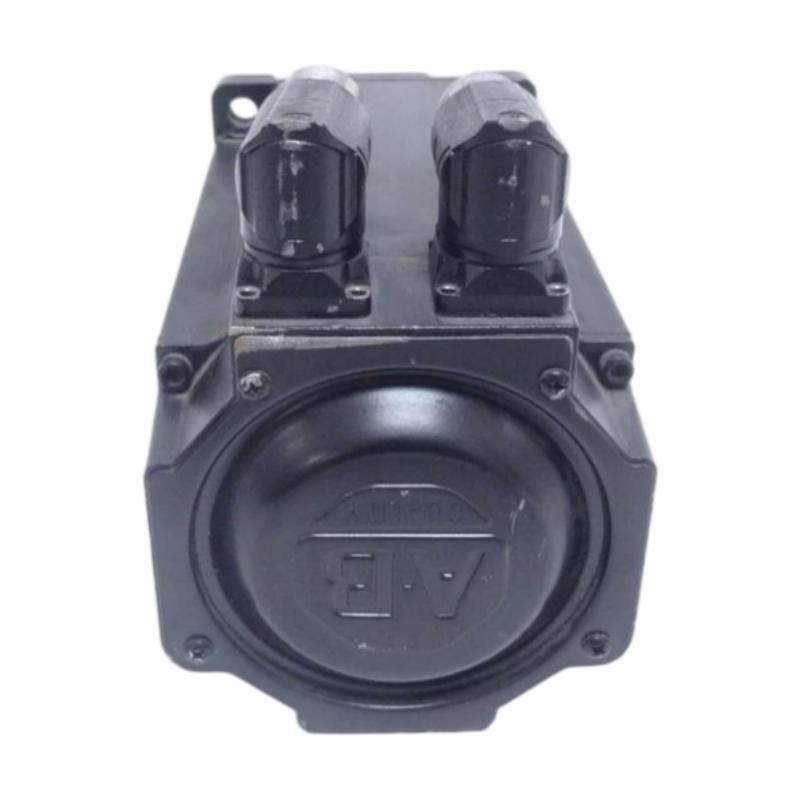
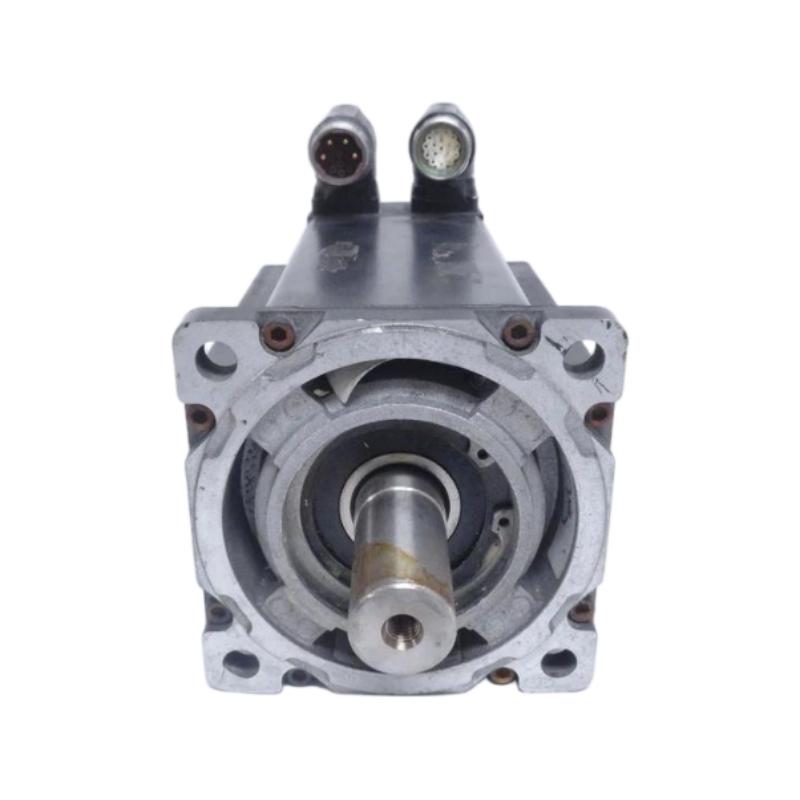
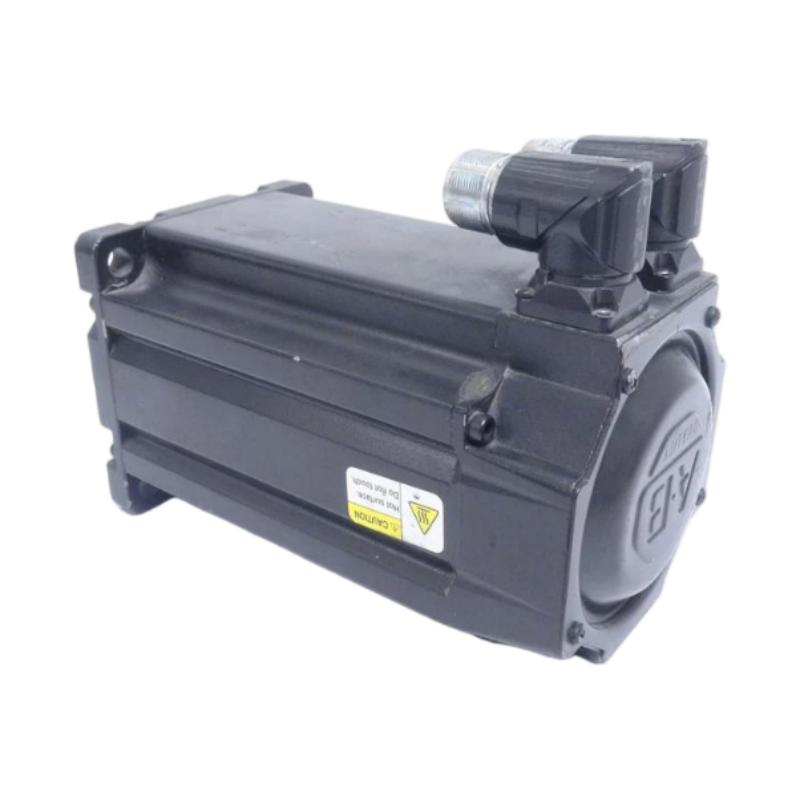
- Allen Bradley
- MPL-B4540F-SJ74AA
- Low-Inertia Brushless Servo Motors Product
- USA
- 138 mm × 87 mm × 105 mm
- 9.53kg
- Xiamen, China
- New & In Stock
- T/T, PayPal, Western Union
- 1 Year
- 1-3 Working Days
- DHL, UPS, TNT, FedEx and EMS.
- 24-Hour Service
- COO
- 22
Our advantage

Global Logistics
We have a 10-year logistics and express cooperation agreement, so our products can be shipped to any place in the world.

Brand new and original
Our products are imported in bulk from the place of origin. Because of the cooperative relationship, our products are all original and 100% new.

24-hour service
We provide 7*24 hours service to our customers. We will be there whenever you need us.

Price advantage
All our products are priced very favorably because we have our own warehouse and supply.
| Company Information | |||
| [email protected] | |||
| Mobile | +8615980777398 | ||
| +8615980777398 | |||
| 15980777398 |
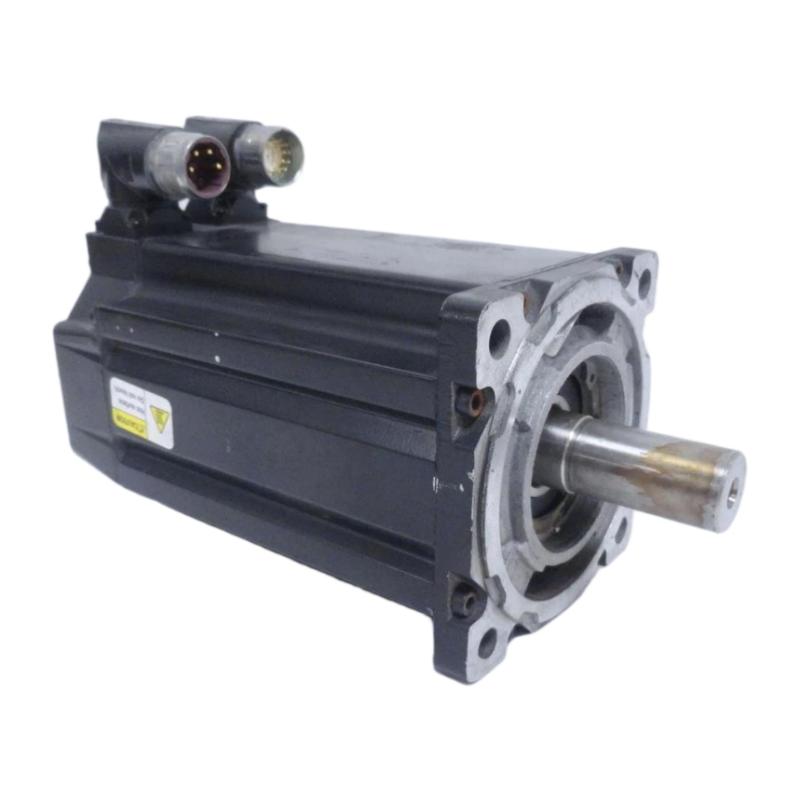
Allen-Bradley MPL-B4540F-SJ74AA Low-Inertia Servo Motor – Technical Specifications, Applications and Model Selection Guide
1. Product Overview
The Allen-Bradley MPL-B4540F-SJ74AA is a low-inertia AC rotary servo motor designed for high-performance industrial motion-control systems.
It belongs to the MP-Series MPL low-inertia servo motor family and uses a 130 mm metric frame with a 101.6 mm magnet stack. The motor is rated for 3000 rpm operation and is equipped with a single-turn high-resolution encoder, keyed shaft extension, right-angle SpeedTEC DIN connector and an integral 24 V DC holding brake.
The combination of low rotor inertia, high-resolution feedback, substantial peak torque capability and a built-in holding brake makes this motor particularly suitable for automated machinery requiring fast positioning, accurate stopping and secure load holding.
The SJ74AA configuration is especially useful where a conventional keyed mechanical connection is required and where the motor must be able to hold a load when servo power is removed.
The motor is designed around the 460 V AC class and is intended to operate as part of a coordinated servo drive and motion-control system.
2. Brand and Series Information
| Item | Specification |
|---|---|
| Brand | Allen-Bradley |
| Product Family | MP-Series |
| Motor Series | MPL Low-Inertia Servo Motors |
| Product Type | AC Rotary Servo Motor |
| Model | MPL-B4540F-SJ74AA |
| Voltage Class | 460 V AC |
| Rated Speed | 3000 rpm |
| Feedback | Single-turn high-resolution encoder |
| Shaft Type | Keyed shaft extension |
| Brake | 24 V DC holding brake |
| Connector | SpeedTEC DIN, right-angle |
| Connector Adjustment | 180° rotatable |
| Mounting | IEC metric flange |
| Frame Size | 130 mm |
| Magnet Stack Length | 101.6 mm |
| Motor Construction | Low-inertia permanent-magnet servo motor |
| Typical Application | Industrial motion control |
The MPL-B4540F-SJ74AA is therefore positioned as a medium-frame, low-inertia servo motor for demanding automated motion applications.
3. Detailed Technical Parameters
Electrical and Performance Parameters
| Parameter | Specification |
|---|---|
| Model | MPL-B4540F-SJ74AA |
| Motor Type | Brushless AC permanent-magnet servo motor |
| Voltage | 460 V AC class |
| Voltage Class | 400/460 V industrial servo class |
| Rated Speed | 3000 rpm |
| Continuous Stall Torque | Approx. 10.2 N·m |
| Peak Torque | Approx. 27.1 N·m |
| Rated Continuous Power | Approx. 2.6 kW |
| Feedback Type | Single-turn high-resolution encoder |
| Feedback Resolution | 1024 Sin/Cos |
| Feedback System | Absolute single-turn encoder |
| Feedback Protocol | Hiperface-type |
| Shaft Configuration | Keyed shaft extension |
| Integral Brake | 24 V DC holding brake |
| Brake Function | Load holding when servo power is removed |
| Connector | SpeedTEC DIN |
| Connector Style | Right-angle |
| Connector Rotation | 180° rotatable |
| Mounting | IEC metric flange |
| Frame Size | 130 mm |
| Magnet Stack | 101.6 mm |
| Duty | Continuous industrial servo duty |
| Motor Construction | Low-inertia design |
The motor’s approximately 10.2 N·m continuous torque rating makes it suitable for medium-duty motion axes, while the approximately 27.1 N·m peak torque capability provides additional short-duration torque for acceleration, deceleration and transient load conditions.
The approximately 2.6 kW continuous power class places the motor in a useful range for packaging, assembly, indexing, material handling and general factory automation equipment.
4. Mechanical Dimensions and Weight
| Mechanical Parameter | Specification |
|---|---|
| Model | MPL-B4540F-SJ74AA |
| Frame Size | 130 mm |
| Frame Diameter/Class | 130 mm class |
| Magnet Stack Length | 101.6 mm |
| Magnet Stack | 4.0 in. |
| Mounting Standard | IEC metric |
| Mounting Configuration | Free mounting holes, Type FF |
| Shaft | Keyed shaft extension |
| Shaft Seal | No standard shaft seal |
| Connector | SpeedTEC DIN |
| Connector Position | Right-angle |
| Connector Rotation | 180° |
| Brake | 24 V DC integral holding brake |
| Approx. Weight | 9.53 kg |
| Approx. Weight in Pounds | 21 lb |
| Overall Installation Envelope | Dependent on shaft, connector orientation and mounting arrangement |
The 130 mm frame and 101.6 mm magnet stack are the primary mechanical dimensions to consider when checking compatibility with an existing machine.
The motor weight is approximately 9.53 kg, including the integral brake configuration.
When preparing the machine layout, sufficient clearance should be provided for the keyed shaft, coupling, connector, motor cable and brake wiring.
5. Model Number Breakdown
The model designation MPL-B4540F-SJ74AA contains several configuration identifiers.
| Model Section | Meaning |
|---|---|
| MPL | MPL low-inertia servo motor family |
| B | 460 V class configuration |
| 45 | 130 mm frame size |
| 40 | 101.6 mm magnet stack |
| F | 3000 rpm speed class |
| S | Single-turn high-resolution encoder |
| J | Keyed shaft extension |
| 7 | SpeedTEC DIN right-angle connector, 180° rotatable |
| 4 | 24 V DC holding brake |
| AA | Configuration / revision designation |
This makes the model distinct from the closely related SK72AA, SK74AA, SJ72AA and other MPL-B4540F configurations.
The most important practical difference is that the SJ74AA combines a keyed shaft with a 24 V DC holding brake and single-turn high-resolution feedback.
6. Product Introduction
The MPL-B4540F-SJ74AA is a precision servo motor intended for applications where controlled motion, rapid response and reliable load positioning are required.
The low-inertia rotor design allows the motor to respond rapidly to changes in speed and position commands.
This characteristic is valuable in machinery that performs repeated indexing, rapid acceleration, rapid deceleration or frequent direction changes.
The 3000 rpm operating class provides a useful balance between speed and torque.
The motor’s continuous torque capability is approximately 10.2 N·m, while peak torque can reach approximately 27.1 N·m for short-duration dynamic requirements.
The single-turn high-resolution encoder provides closed-loop feedback to the servo control system.
The encoder allows the controller to monitor motor position and speed and continuously correct the motor’s motion according to the programmed command.
The keyed shaft provides a conventional mechanical connection for couplings, gears, pulleys and other transmission components.
The integrated 24 V DC holding brake is one of the most important features of this specific model.
It allows the motor to mechanically hold the load when the servo system is disabled, making the motor more appropriate for vertical axes and applications where uncontrolled movement after power loss must be prevented.
7. Low-Inertia Motor Design
The MPL series is designed around a low-inertia motor construction.
Low rotor inertia means that less torque is required to accelerate the motor’s own rotating mass.
This allows a greater portion of the available motor torque to be used to accelerate the external machine load.
For high-cycle machinery, this can improve dynamic response and make rapid start-stop operation easier to achieve.
Typical applications include indexing machines, packaging equipment, pick-and-place systems, assembly equipment, labeling machines and automated production equipment.
The low-inertia characteristic is especially valuable when the machine requires many rapid changes in velocity.
8. 3000 RPM Rated Speed
The 3000 rpm speed class provides a practical operating range for many industrial servo axes.
It allows relatively high mechanical speed while retaining useful continuous torque.
For belt-driven systems, rotary indexing mechanisms, conveyors and machine positioning axes, 3000 rpm can provide a good balance between motor speed and mechanical transmission requirements.
If the machine requires substantially higher operating speed, a different motor configuration should be evaluated.
9. Continuous Torque Capability
The motor provides approximately 10.2 N·m of continuous torque.
Continuous torque is an important parameter when selecting a servo motor because it determines how much mechanical load the motor can continuously support under the specified thermal and operating conditions.
The actual application torque should always be calculated from the machine load, acceleration profile, transmission efficiency, duty cycle and reflected inertia.
A motor should not normally be selected simply because its nominal torque is equal to the calculated load torque.
An engineering margin should be maintained to accommodate real operating conditions.
10. Peak Torque Capability
The motor provides approximately 27.1 N·m of peak torque.
Peak torque is particularly important during acceleration and deceleration.
For example, an indexing mechanism may require relatively modest torque while moving at constant speed but significantly more torque when rapidly accelerating the load.
The additional peak torque capacity allows the servo system to handle these transient requirements without immediately moving to a much larger motor frame.
Peak torque should be evaluated together with the duration and frequency of the peak load.
11. Single-Turn High-Resolution Encoder
The MPL-B4540F-SJ74AA uses a single-turn high-resolution encoder.
The encoder provides feedback about the motor’s angular position and rotational speed.
This feedback is essential for closed-loop servo control.
The high-resolution feedback allows the motion controller to monitor actual motor movement and compare it against the commanded trajectory.
This makes the motor suitable for applications where repeatable positioning and controlled speed are important.
The single-turn configuration should be distinguished from multi-turn absolute feedback.
If the application requires absolute position tracking over multiple revolutions after power cycling, a multi-turn motor configuration may be more suitable.
12. Keyed Shaft Extension
The motor is equipped with a keyed shaft extension.
The keyed shaft provides a traditional positive mechanical connection.
It can be used with suitable couplings, pulleys, gears and other transmission components designed for keyed servo motor shafts.
For machine builders using conventional mechanical transmission systems, the keyed shaft can simplify mechanical integration.
The shaft, coupling and driven mechanism should be correctly sized for the actual torque and acceleration requirements.
13. Integral 24 V DC Holding Brake
The 24 V DC holding brake is one of the defining characteristics of the SJ74AA configuration.
The brake is designed primarily for holding rather than for continuous dynamic stopping.
This distinction is important.
The servo drive should normally control the motor’s deceleration, while the holding brake is used to secure the axis when the motor is no longer actively controlling motion.
This is particularly useful for vertical axes.
For example, a vertical actuator carrying a suspended load may require a brake to prevent the load from moving downward when motor torque is removed.
The brake configuration can also be useful in machinery where the axis must remain stationary during an emergency or controlled shutdown sequence.
The actual safety function of the brake must be evaluated according to the machine’s safety design and applicable requirements.
14. Right-Angle SpeedTEC DIN Connector
The motor uses a SpeedTEC DIN right-angle connector.
The connector can be rotated through approximately 180°.
This feature provides useful flexibility when installing the motor in a confined machine space.
The cable can be routed in a direction that better matches the machine’s cable tray, drag chain or electrical cabinet layout.
This is especially valuable in multi-axis machinery where several motors may be installed close together.
15. IEC Metric Mounting
The motor uses an IEC metric mounting configuration.
The 130 mm frame size provides a standardized mechanical reference for machine design.
The free mounting hole configuration can provide flexibility when integrating the motor into custom machine mounting plates.
The mounting plate should be sufficiently rigid to prevent vibration or mechanical movement during high-acceleration operation.
16. Main Product Advantages
| Advantage | Description |
|---|---|
| Low inertia | Fast response during acceleration and deceleration |
| 3000 rpm operation | Suitable for high-cycle industrial motion |
| 10.2 N·m continuous torque | Suitable for medium-duty servo axes |
| Approx. 27.1 N·m peak torque | Useful torque reserve for dynamic operation |
| High-resolution feedback | Accurate closed-loop position and speed control |
| Keyed shaft | Conventional and reliable mechanical interface |
| 24 V DC brake | Supports load holding applications |
| 130 mm frame | Compact medium-size motor platform |
| 101.6 mm stack | Balanced torque and motor length |
| Rotatable connector | Flexible cable routing |
| IEC metric mounting | Convenient machine integration |
| Approximately 9.53 kg | Manageable motor mass for many machine axes |
17. Typical Applications
| Application | Typical Motion Requirement | Suitability |
|---|---|---|
| Packaging machinery | Rapid indexing and positioning | Excellent |
| Vertical positioning systems | Load holding and positioning | Excellent |
| Pick-and-place equipment | Fast movement and precise stopping | Excellent |
| Assembly machinery | Repeatable positioning | Excellent |
| Conveyor indexing | Controlled acceleration/deceleration | Excellent |
| Material handling | Position control and holding | Excellent |
| Labeling machines | High repeatability | Excellent |
| Printing equipment | Speed synchronization | Very Good |
| Machine tools | Controlled auxiliary axes | Very Good |
| Automated inspection systems | Accurate positioning | Excellent |
| Winding equipment | Speed and torque control | Good |
| General factory automation | Servo positioning | Excellent |
18. Packaging Machinery
Packaging machinery often requires rapid and repetitive movements.
A typical packaging machine may contain several servo axes controlling conveyors, cutters, feeders, sealing mechanisms and indexing systems.
The low-inertia construction of the MPL-B4540F-SJ74AA allows rapid changes in speed.
The encoder provides feedback for accurate positioning.
The holding brake provides an additional advantage when an axis must remain stationary after the servo is disabled.
19. Vertical Motion Systems
Vertical motion is one of the most important application areas for a brake-equipped servo motor.
A vertical axis may carry a load that naturally tends to move downward under gravity.
If servo torque is removed, the load could move unless a mechanical holding mechanism is provided.
The integral 24 V DC holding brake can help prevent unwanted movement when the servo system is not actively driving the motor.
Typical applications include:
- Vertical transfer mechanisms
- Lift tables
- Automated elevators
- Vertical positioning axes
- Pick-and-place Z axes
- Material handling lifts
- Tool positioning systems
- Automated assembly platforms
The brake should always be incorporated into the overall machine safety and motion-control design rather than being treated as the only safety device.
20. Pick-and-Place Equipment
Pick-and-place machines often require rapid acceleration followed by precise stopping.
The low-inertia design supports rapid changes in motor speed.
The high-resolution encoder provides feedback for accurate positioning.
The brake can be particularly useful on vertical pick-and-place axes where the payload must remain at a defined height when servo power is removed.
21. Assembly Machinery
Automated assembly machines often require multiple servo axes.
These axes may control:
- Component positioning
- Press mechanisms
- Feeding systems
- Rotary indexing tables
- Tool positioning
- Transfer mechanisms
The MPL-B4540F-SJ74AA provides a useful combination of speed, torque, feedback and holding capability for many such applications.
22. Conveyor and Indexing Applications
The motor can be used for conveyor positioning and indexing.
The servo controller can command specific movements and stopping positions.
Compared with a simple motor-driven conveyor, servo control allows more precise control over acceleration, speed, position and stopping.
This can improve synchronization between conveyor movement and other machine operations.
23. Machine Tool Applications
The motor can be considered for machine-tool positioning systems and auxiliary axes.
Typical uses can include tool positioning, indexing mechanisms, automatic loading systems and other controlled machine movements.
For high-performance machine-tool applications, the motor selection should be based on the actual load inertia, acceleration requirements, duty cycle, mechanical transmission and required positioning accuracy.
24. Material Handling Equipment
Material handling systems frequently involve repeated movement and positioning.
The motor’s low-inertia characteristics are useful when the axis repeatedly accelerates and decelerates.
The holding brake adds another advantage where a load must remain stationary during machine stops.
This makes the motor particularly relevant to vertical material handling and positioning systems.
25. Application Suitability
| Machine Type | Why the Motor Fits |
|---|---|
| Packaging machine | Fast response and repeatable indexing |
| Vertical actuator | Integral holding brake |
| Pick-and-place machine | Low inertia and high-resolution feedback |
| Assembly machine | Accurate closed-loop positioning |
| Indexing table | Strong acceleration/deceleration capability |
| Material transfer system | Position control and holding |
| Labeling machine | High repeatability |
| Automated inspection system | Precise positioning |
| Conveyor positioning system | Controlled speed and position |
| General servo axis | Balanced speed, torque and feedback |
26. Mechanical Installation Considerations
The motor’s 130 mm frame must be matched with the machine’s motor mounting structure.
The 101.6 mm magnet stack should be considered when calculating the available installation depth.
The keyed shaft requires a compatible coupling or transmission component.
The machine designer should also consider the connector’s right-angle orientation and allow adequate clearance for the motor cable.
The 180° rotatable connector can simplify cable routing, but the final connector position should be selected before installation to prevent unnecessary cable bending.
27. Brake Installation Considerations
The 24 V DC brake requires suitable electrical control.
The brake should not normally be used as a dynamic stopping device for routine high-speed machine deceleration.
Normal machine deceleration should be handled by the servo control system.
The holding brake should then be engaged when the motor is stopped and the axis needs to remain stationary.
Correct brake timing is important.
The control sequence should coordinate servo torque, motor speed and brake release/engagement so that the brake does not carry unnecessary dynamic load.
28. Electrical Integration
The motor operates in the 460 V AC class and should be matched with an appropriate servo drive.
The drive must support the motor’s feedback technology.
The motor feedback interface should be verified before selecting a replacement drive.
The 24 V DC brake circuit should also be integrated into the machine’s control system.
The brake supply, control sequence and emergency-stop behavior should be evaluated as part of the overall machine design.
29. Servo Drive Selection
The motor is intended for use with a suitable servo drive capable of supporting the corresponding MPL motor configuration.
The drive selection should consider:
- Motor voltage class
- Motor current
- Continuous torque
- Peak torque
- Feedback type
- Encoder interface
- Brake control
- Required acceleration
- Regenerative energy
- Motion controller architecture
- Machine safety requirements
A physically similar servo drive should not automatically be considered compatible without checking the electrical and feedback requirements.
30. Thermal Considerations
Servo motors can experience significantly different thermal conditions depending on the motion profile.
A machine that operates continuously at moderate speed may have a different thermal load from a machine that repeatedly accelerates to 3000 rpm and rapidly decelerates.
The actual duty cycle should therefore be considered when sizing the motor.
Important factors include:
- Continuous torque
- Peak torque
- Peak torque duration
- Cycle frequency
- Ambient temperature
- Mounting orientation
- Motor ventilation
- Machine enclosure
- Load inertia
The 10.2 N·m continuous rating should be considered together with the complete duty cycle rather than treated as an isolated value.
31. Load Inertia Considerations
Load inertia is an important factor when using a low-inertia servo motor.
The external load should be reflected back to the motor shaft through the mechanical transmission.
A very large reflected load inertia can affect acceleration performance and servo tuning.
A low-inertia motor can provide fast response, but the complete motor-load system must still be properly matched.
For high-speed indexing machines, accurate inertia calculations can significantly improve the final servo system performance.
32. Advantages for Machine Builders
The MPL-B4540F-SJ74AA provides a useful combination of standardized mechanical dimensions and configurable servo performance.
The 130 mm frame allows the motor to fit into a relatively compact industrial machine envelope.
The 101.6 mm stack provides the torque level required for many medium-duty axes.
The keyed shaft is familiar to machine builders.
The integrated brake reduces the need for a separate external motor holding mechanism in applications where an integral motor brake is appropriate.
The rotatable right-angle connector provides flexibility during machine layout.
33. Advantages for High-Cycle Production
High-cycle production equipment can benefit from the motor’s low-inertia construction.
Frequent starts and stops place significant dynamic demands on the motor.
The motor must repeatedly accelerate its own rotor and the external load.
A low-inertia rotor can help reduce the torque required to change motor speed.
This makes the motor particularly attractive for high-cycle indexing and positioning applications.
34. Advantages for Vertical Axes
The integrated brake is a major advantage for vertical applications.
When the servo drive is disabled, the brake can provide mechanical holding capability.
This can prevent the axis from freely moving under gravity.
The motor can therefore be considered for Z-axis mechanisms, lifts and vertical transfer systems.
The brake must still be properly incorporated into the machine’s safety system.
35. Five Recommended Related Models
The following five models are closely related to the MPL-B4540F-SJ74AA and are useful alternatives when different shaft, brake or torque configurations are required.
| Model | Speed | Continuous Torque | Peak Torque | Power | Feedback | Shaft | Brake | Dimensions | Approx. Weight |
|---|---|---|---|---|---|---|---|---|---|
| MPL-B4540F-SJ72AA | 3000 rpm | 10.2 N·m | 27.1 N·m | 2.6 kW | Single-turn high-resolution | Keyed | No | 130 × 101.6 mm | Approx. 8.6 kg |
| MPL-B4540F-SK72AA | 3000 rpm | 10.2 N·m | 27.1 N·m | 2.6 kW | Single-turn high-resolution | Keyless | No | 130 × 101.6 mm | Approx. 8.6 kg class |
| MPL-B4540F-SK74AA | 3000 rpm | 10.2 N·m | 27.1 N·m | 2.6 kW | Single-turn high-resolution | Keyless | 24 V DC | 130 × 101.6 mm | Approx. 12–13 kg |
| MPL-B4530F-SJ74AA | 3000 rpm | Approx. 8.25 N·m | Approx. 20.3 N·m | Approx. 2.1 kW | Single-turn high-resolution | Keyed | 24 V DC | 130 × 76.2 mm | Approx. 10–11 kg |
| MPL-B4560F-SJ74AA | 3000 rpm | Approx. 14.1 N·m | Approx. 34.4 N·m | Approx. 3.2 kW | Single-turn high-resolution | Keyed | 24 V DC | 130 × 152.4 mm | Approx. 12–13 kg |
The MPL-B4540F-SJ72AA is the closest no-brake counterpart.
The MPL-B4540F-SK74AA maintains the brake function but changes the shaft to a keyless configuration.
The MPL-B4530F-SJ74AA is useful when a shorter motor stack and lower torque requirement are acceptable.
The MPL-B4560F-SJ74AA is appropriate when more continuous torque is required while retaining the same general frame class.
36. Five Same-Brand Popular Models
The following models provide useful reference points across the broader Allen-Bradley servo motor range.
| Model | Speed | Continuous Torque | Peak Torque | Power | Feedback | Shaft | Brake | Dimensions | Approx. Weight |
|---|---|---|---|---|---|---|---|---|---|
| MPL-B4540F-MJ74AA | 3000 rpm | 10.2 N·m | 27.1 N·m | 2.6 kW | Multi-turn absolute | Keyed | 24 V DC | 130 × 101.6 mm | Approx. 10–11 kg |
| MPL-B4540F-MK74AA | 3000 rpm | 10.2 N·m | 27.1 N·m | 2.6 kW | Multi-turn absolute | Keyless | 24 V DC | 130 × 101.6 mm | Approx. 10–12 kg |
| MPL-B4540F-HJ74AA | 3000 rpm | 10.2 N·m | 27.1 N·m | 2.6 kW | High-resolution incremental | Keyed | 24 V DC | 130 × 101.6 mm | Approx. 11 kg class |
| MPL-B4560F-MJ74AA | 3000 rpm | 14.1 N·m | 34.4 N·m | 3.2 kW | Multi-turn absolute | Keyed | 24 V DC | 130 × 152.4 mm | Approx. 12–13 kg |
| MPL-B540K-MJ74AA | 4000 rpm | Approx. 19.4 N·m | Approx. 48.6 N·m | Approx. 5.4 kW | Multi-turn absolute | Keyed | 24 V DC | Approx. 165 × 101.6 mm class | Approx. 15 kg |
These models cover several common servo requirements, including multi-turn feedback, keyless shaft configurations, higher torque and higher-speed operation.
37. Direct Comparison with the No-Brake Version
The most direct comparison is between the MPL-B4540F-SJ74AA and MPL-B4540F-SJ72AA.
| Parameter | MPL-B4540F-SJ74AA | MPL-B4540F-SJ72AA |
|---|---|---|
| Speed | 3000 rpm | 3000 rpm |
| Continuous Torque | 10.2 N·m | 10.2 N·m |
| Peak Torque | 27.1 N·m | 27.1 N·m |
| Rated Power | 2.6 kW | 2.6 kW |
| Feedback | Single-turn high-resolution | Single-turn high-resolution |
| Shaft | Keyed | Keyed |
| Brake | 24 V DC | None |
| Frame | 130 mm | 130 mm |
| Stack | 101.6 mm | 101.6 mm |
| Approx. Weight | 9.53 kg | Approx. 8.6 kg |
| Typical Use | Vertical / holding applications | Horizontal / non-holding axes |
The SJ74AA is the preferred configuration when mechanical holding is an important part of the application.
The SJ72AA is more appropriate when a holding brake is unnecessary.
38. Direct Comparison with the Keyless Brake Version
| Parameter | MPL-B4540F-SJ74AA | MPL-B4540F-SK74AA |
|---|---|---|
| Speed | 3000 rpm | 3000 rpm |
| Continuous Torque | 10.2 N·m | 10.2 N·m |
| Peak Torque | 27.1 N·m | 27.1 N·m |
| Power | 2.6 kW | 2.6 kW |
| Feedback | Single-turn high-resolution | Single-turn high-resolution |
| Shaft | Keyed | Keyless |
| Brake | 24 V DC | 24 V DC |
| Frame | 130 mm | 130 mm |
| Stack | 101.6 mm | 101.6 mm |
| Approx. Weight | 9.53 kg | Approx. 12–13 kg |
| Mechanical Interface | Conventional keyed coupling | Clamping/keyless coupling |
The primary difference is the shaft design.
The keyed configuration is appropriate for conventional mechanical power transmission.
The keyless version is better suited to applications using clamping hubs or other keyless coupling systems.
39. Selection by Machine Type
| Machine Requirement | Recommended Model |
|---|---|
| Horizontal positioning | MPL-B4540F-SJ72AA |
| Vertical positioning | MPL-B4540F-SJ74AA |
| Vertical axis with keyless coupling | MPL-B4540F-SK74AA |
| Keyed shaft and brake | MPL-B4540F-SJ74AA |
| Keyless shaft without brake | MPL-B4540F-SK72AA |
| Lower torque requirement | MPL-B4530F-SJ74AA |
| Higher continuous torque | MPL-B4560F-SJ74AA |
| Multi-turn absolute positioning | MPL-B4540F-MJ74AA |
| Multi-turn + keyless shaft | MPL-B4540F-MK74AA |
| Higher-speed / higher-output application | MPL-B540K-MJ74AA |
40. Important Engineering Considerations
Before selecting the MPL-B4540F-SJ74AA, the complete motion profile should be evaluated.
The first consideration is continuous load torque.
The second is peak acceleration torque.
The third is reflected load inertia.
The fourth is whether the holding brake is actually required.
The fifth is the feedback technology supported by the selected servo drive.
The sixth is the physical motor envelope.
The seventh is the machine’s operating environment.
A correct servo motor selection should consider all of these factors rather than relying only on nominal horsepower or torque.
41. Brake Selection Considerations
The integrated brake is useful, but it should not be treated as a substitute for all mechanical safety systems.
For vertical machinery, the machine designer should evaluate what happens if:
- Servo power is removed.
- Brake power is lost.
- The controller fails.
- The motor is disconnected.
- A mechanical transmission fails.
- The load exceeds the expected value.
The holding brake should be integrated into the overall machine safety architecture.
For safety-critical vertical applications, additional mechanical safeguards may be necessary.
42. Environmental and Installation Considerations
The motor should be installed within the environmental conditions specified for the complete motor and drive system.
The installation should consider:
- Ambient temperature
- Humidity
- Dust
- Vibration
- Mechanical shock
- Cable routing
- Connector sealing
- Shaft sealing requirements
- Mounting rigidity
- Heat dissipation
Where the machine requires enhanced environmental protection around the shaft, the exact shaft-seal configuration should be verified before selection.
43. Why Choose the MPL-B4540F-SJ74AA?
The MPL-B4540F-SJ74AA provides a particularly balanced combination of servo performance and mechanical functionality.
It has enough continuous torque for many medium-duty industrial axes.
It provides higher peak torque for dynamic movement.
It operates at a useful 3000 rpm speed class.
Its low-inertia construction supports rapid motion response.
Its single-turn high-resolution encoder supports precise closed-loop control.
Its keyed shaft provides a conventional mechanical interface.
Its integrated 24 V DC brake supports load-holding requirements.
Its 130 mm frame keeps the motor within a manageable physical envelope.
Its rotatable right-angle connector gives machine designers additional cable-routing flexibility.
44. Key Specifications at a Glance
| Key Parameter | MPL-B4540F-SJ74AA |
|---|---|
| Brand | Allen-Bradley |
| Product Family | MP-Series |
| Motor Series | MPL Low-Inertia Servo Motors |
| Product Type | AC Rotary Servo Motor |
| Voltage | 460 V AC |
| Rated Speed | 3000 rpm |
| Continuous Torque | Approx. 10.2 N·m |
| Peak Torque | Approx. 27.1 N·m |
| Rated Power | Approx. 2.6 kW |
| Feedback | Single-turn high-resolution encoder |
| Feedback Resolution | 1024 Sin/Cos class |
| Feedback Type | Absolute single-turn |
| Shaft | Keyed |
| Brake | 24 V DC holding brake |
| Frame Size | 130 mm |
| Magnet Stack | 101.6 mm |
| Mounting | IEC metric |
| Connector | SpeedTEC DIN, right-angle |
| Connector Rotation | 180° |
| Shaft Seal | No standard shaft seal |
| Approx. Weight | 9.53 kg |
| Typical Application | Industrial servo motion control |
45. Overall Product Evaluation
The Allen-Bradley MPL-B4540F-SJ74AA is a low-inertia, 3000 rpm servo motor designed for industrial applications where precise motion and mechanical load holding are both important.
Its 130 mm frame and 101.6 mm magnet stack provide a practical medium-size motor platform.
The approximately 10.2 N·m continuous torque rating and approximately 27.1 N·m peak torque capability give the motor useful capacity for medium-duty servo applications.
The single-turn high-resolution encoder provides the feedback required for accurate closed-loop control.
The keyed shaft makes mechanical integration straightforward for conventional keyed couplings and transmission systems.
The integrated 24 V DC brake distinguishes the SJ74AA from the otherwise similar no-brake SJ72AA.
This brake makes the motor particularly suitable for vertical positioning systems, lift mechanisms, Z-axis applications and other machinery where the load needs to remain stationary when servo torque is removed.
The right-angle SpeedTEC DIN connector, with 180° rotational adjustment, further improves installation flexibility.
Overall, the MPL-B4540F-SJ74AA can be regarded as a 130 mm-frame, 3000 rpm, approximately 2.6 kW low-inertia servo motor with 10.2 N·m continuous torque, approximately 27.1 N·m peak torque, single-turn high-resolution feedback, keyed shaft and integral 24 V DC holding brake.
It is particularly well suited to packaging machinery, automated assembly equipment, material handling, vertical positioning systems, pick-and-place machines, indexing mechanisms, conveyors and general industrial automation where both dynamic servo performance and load holding are required.