

ProductPRODUCT
Featured products
Contact Us
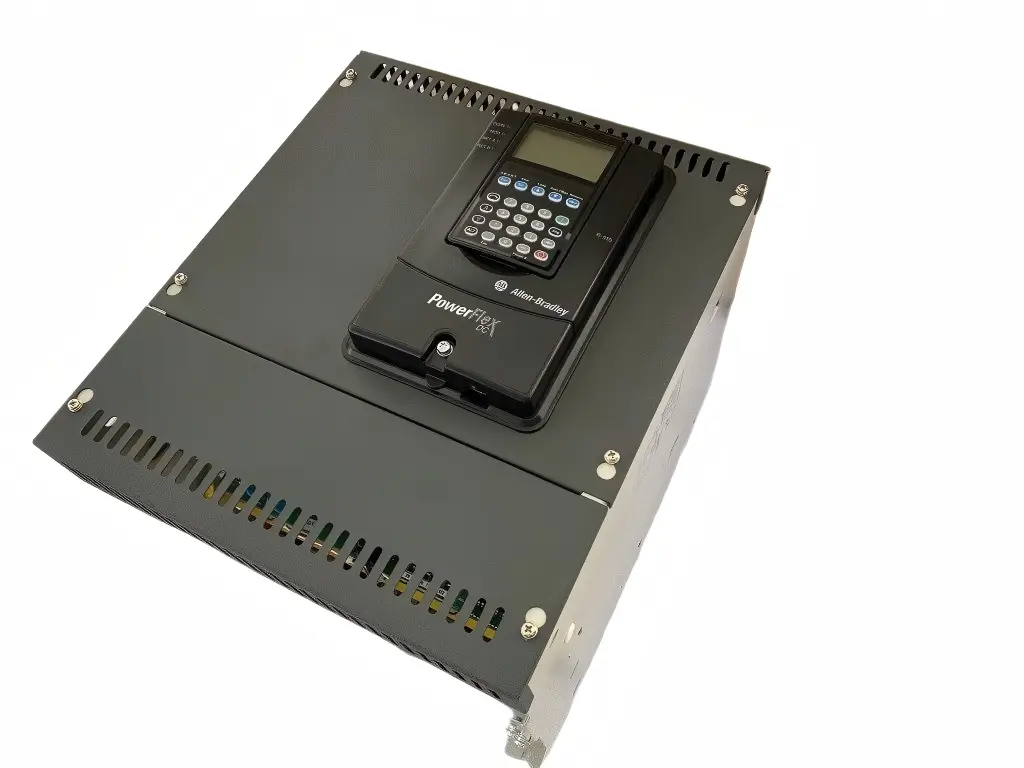
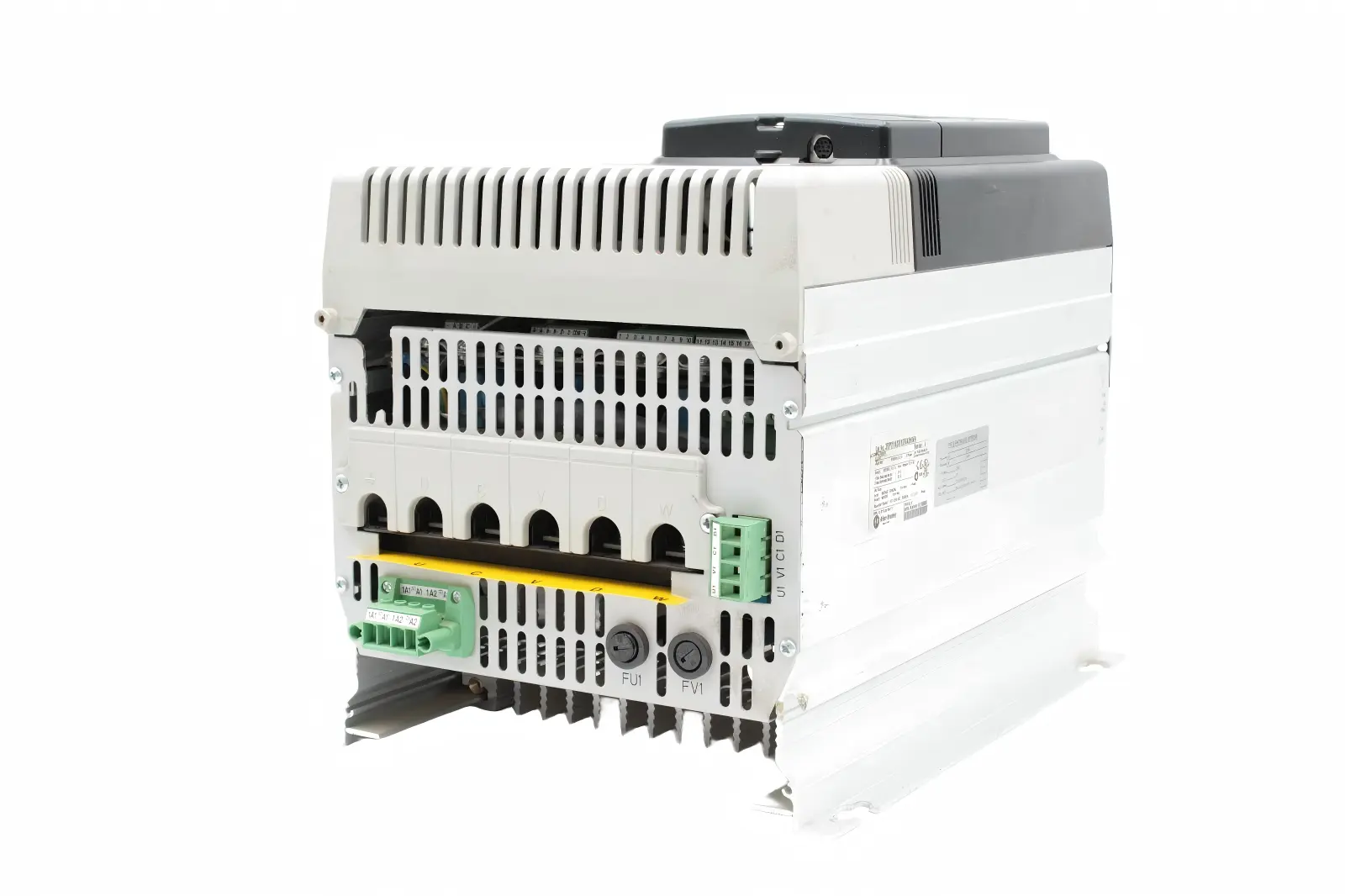
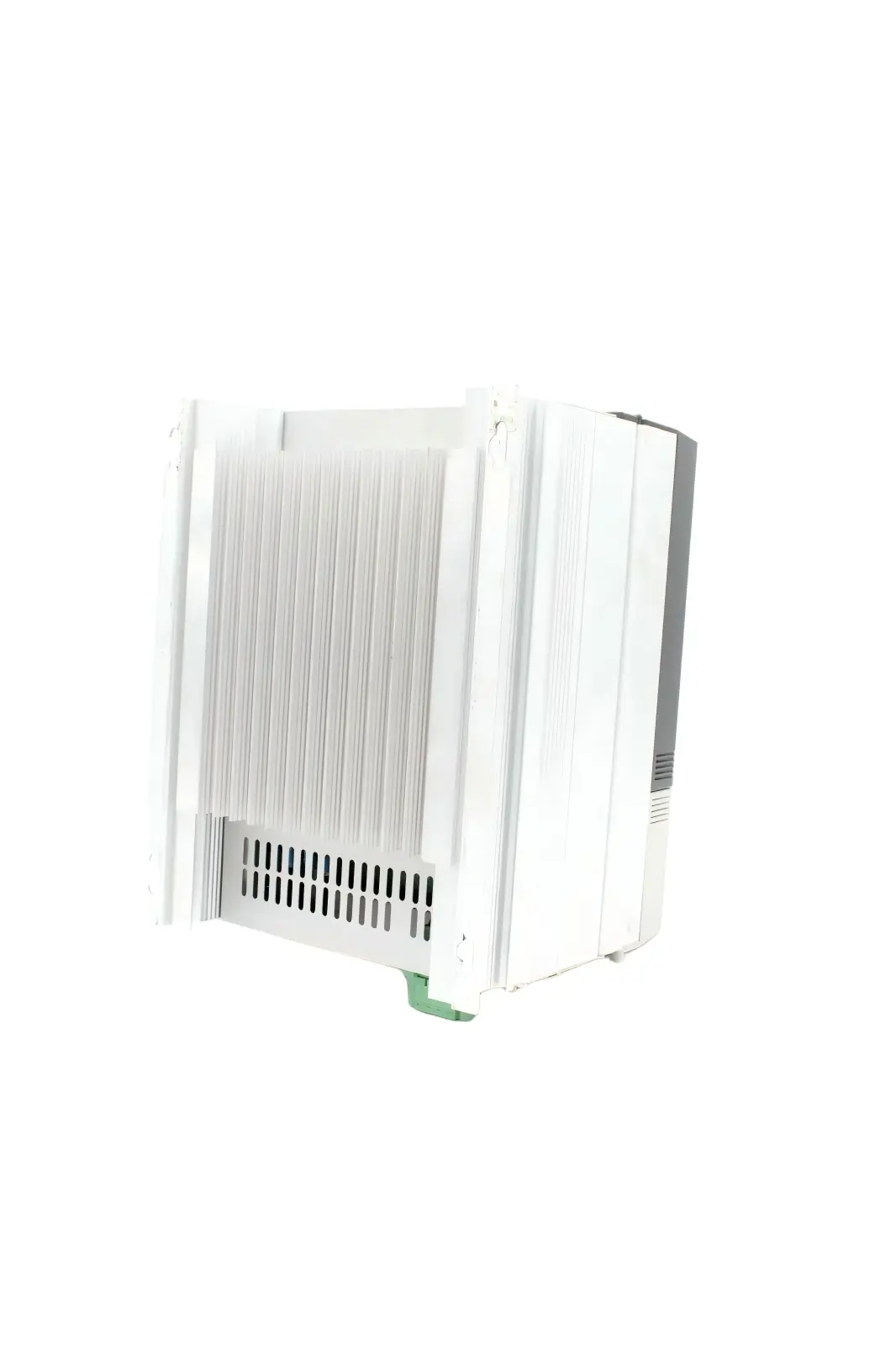
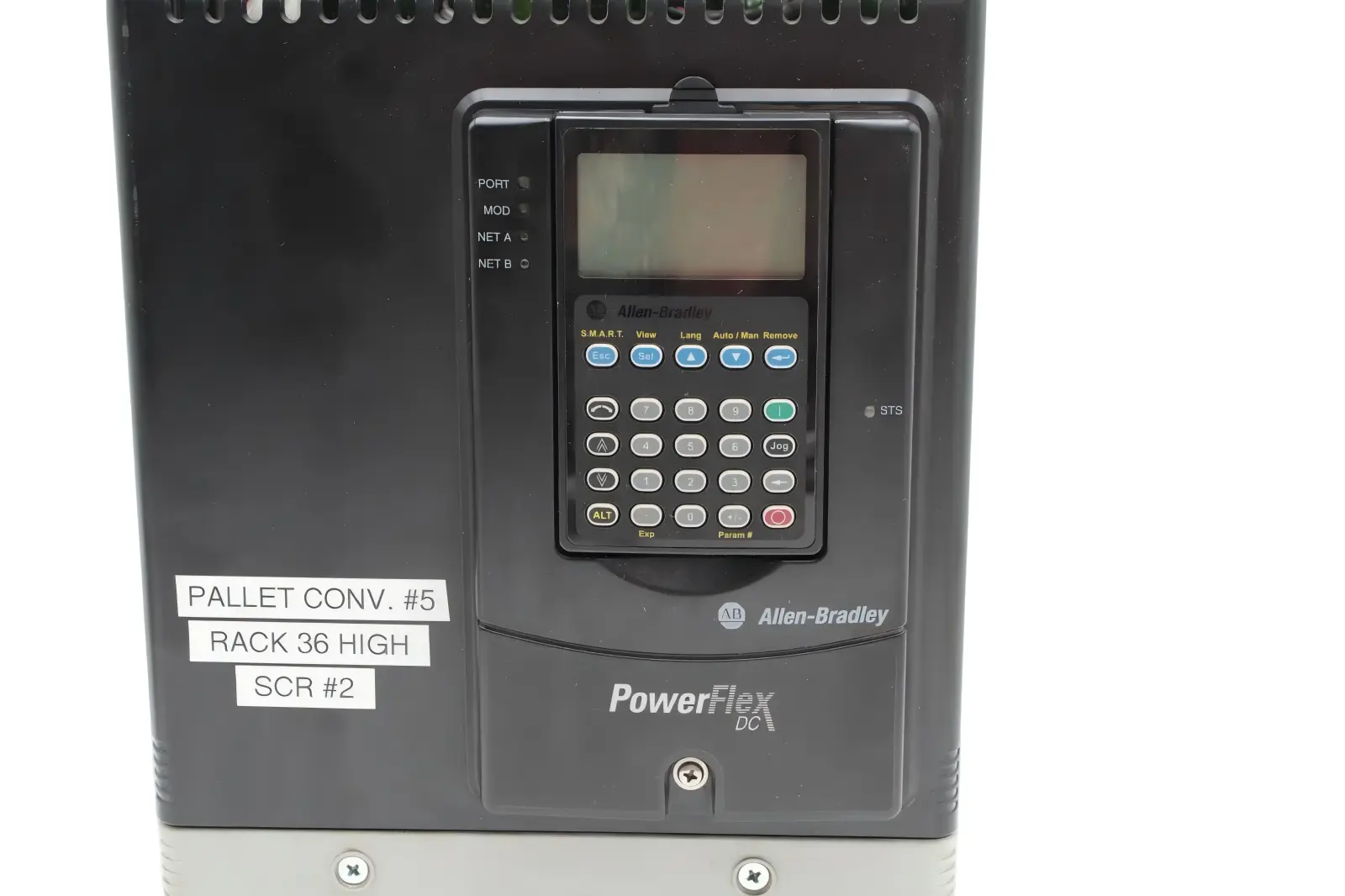
- Allen Bradley
- 20P41AB020RA0NNN
- PowerFlex AC Drive
- USA
- 26.7 × 36.2 × 30.5 cm
- 11.8kg
- Xiamen, China
- New & In Stock
- T/T, PayPal, Western Union
- 1 Year
- 1-3 Working Days
- DHL, UPS, TNT, FedEx and EMS.
- 24-Hour Service
- COO
- 43
Our advantage

Global Logistics
We have a 10-year logistics and express cooperation agreement, so our products can be shipped to any place in the world.

Brand new and original
Our products are imported in bulk from the place of origin. Because of the cooperative relationship, our products are all original and 100% new.

24-hour service
We provide 7*24 hours service to our customers. We will be there whenever you need us.

Price advantage
All our products are priced very favorably because we have our own warehouse and supply.
| Company Information | |||
| [email protected] | |||
| Mobile | +8615980777398 | ||
| +8615980777398 | |||
| 15980777398 |
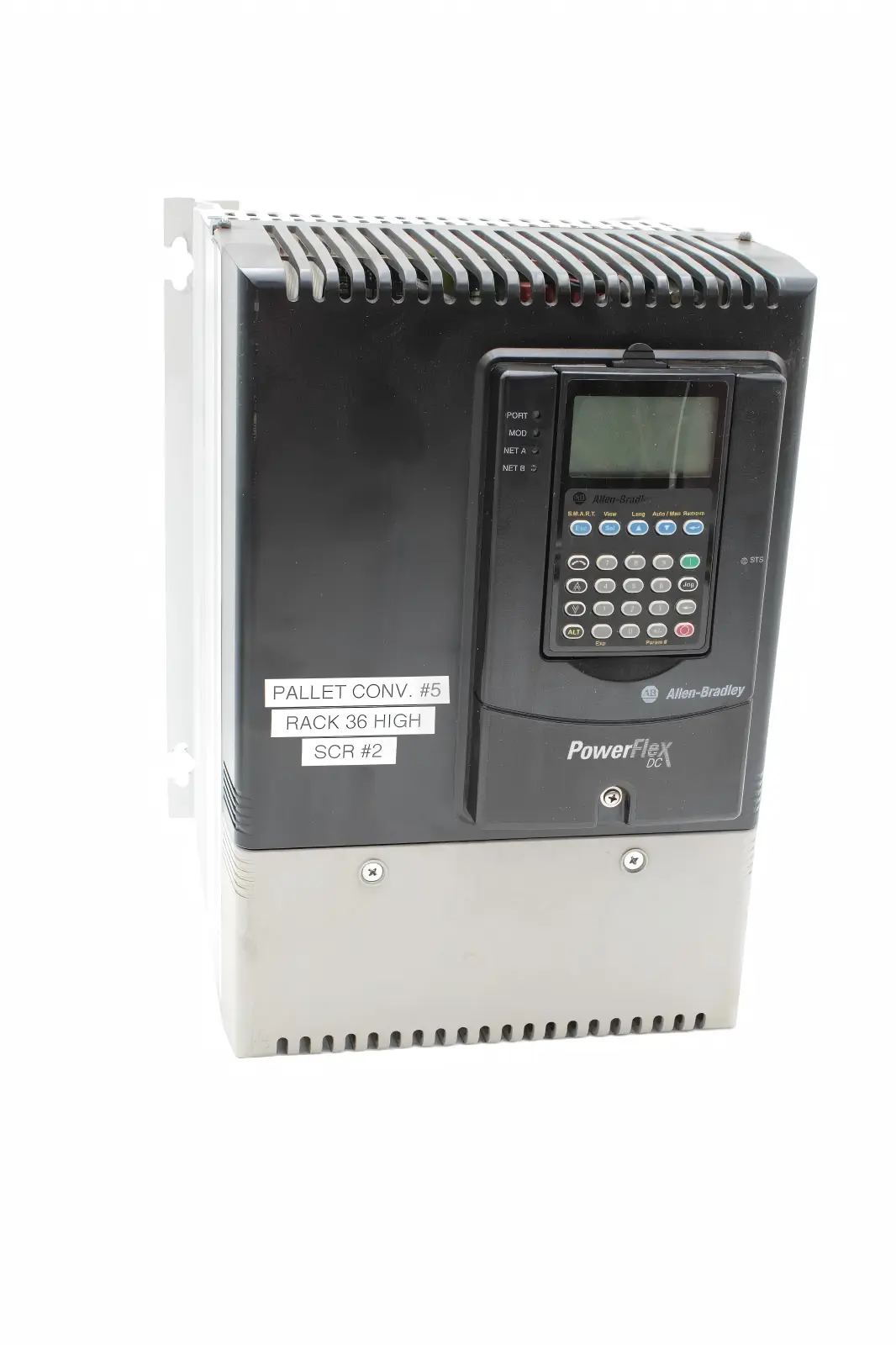
Allen-Bradley 20P41AB020RA0NNN PowerFlex DC Drive — Detailed Product Introduction, Specifications, Applications and Model Recommendations
1. Product Overview
The 20P41AB020RA0NNN is a PowerFlex DC drive designed for industrial DC motor control applications where stable speed regulation, controlled acceleration and deceleration, reversing capability, and regenerative operation are required.
This model belongs to the PowerFlex DC series and is identified under the Allen-Bradley brand. It is a 5 HP-class DC drive with a rated armature/output current of 20 A, a nominal 230 V AC input, and a three-phase, six-pulse input configuration.
The model is configured for four-quadrant regenerative operation. This is one of its most important characteristics because the drive can operate the motor in both forward and reverse directions while also managing motoring and regenerative braking conditions.
The drive is designed for a 5 HP / approximately 3.7 kW motor class. It uses a Frame A mechanical configuration and an IP20, NEMA/UL Type Open enclosure. The unit also has conformal coating and is supplied in a configuration without a local HIM operator interface or communication module.
For industrial users, the 20P41AB020RA0NNN is particularly relevant when maintaining or upgrading an existing DC motor system. It can be used where replacing the entire motor and mechanical system with an AC drive system would be unnecessarily complicated or expensive.
The model is especially suitable for machinery involving frequent acceleration, deceleration, reversing, tension control, winding and unwinding, material handling, printing, converting, and other applications in which regenerative braking is useful.
2. Basic Product Identification
| Parameter | Specification |
|---|---|
| Model | 20P41AB020RA0NNN |
| Brand | Allen-Bradley |
| Product series | PowerFlex DC |
| Product type | Regenerative DC Drive |
| Drive category | Industrial DC motor controller |
| Rated motor power | 5 HP |
| Approximate metric motor power | 3.7 kW |
| Nominal input voltage | 230 V AC |
| Input voltage class | 240 (208) V AC |
| Input phase | 3-phase |
| Input type | 6-pulse |
| Rated output / armature current | 20 A |
| Motor operation | Four-quadrant operation |
| Regenerative operation | Yes |
| Field supply | Single-phase regulated |
| Frame size | Frame A |
| Enclosure | IP20 |
| Enclosure style | NEMA/UL Type Open |
| Conformal coating | Yes |
| HIM operator interface | No HIM, blank plate |
| Communication module | None in standard configuration |
| Documentation | User manual |
| Typical installation | Industrial control cabinet |
| Approximate dimensions | 26.7 × 36.2 × 30.5 cm |
| Approximate dimensions | 10.5 × 14.3 × 12.0 in |
| Approximate weight | 11.8 kg |
| Reference shipping/product weight | Approximately 26 lb / 11.8 kg |
| Main motor type | Industrial DC motor |
| Primary control function | DC motor speed and torque control |
| Braking capability | Regenerative |
| Direction control | Forward / reverse |
| Typical application class | Industrial machinery |
3. Product Series
The 20P41AB020RA0NNN belongs to the PowerFlex DC series.
The PowerFlex DC family is intended for industrial DC motor applications where precise motor control, acceleration and deceleration management, reversing, and regenerative operation are important.
The series is particularly relevant to existing production equipment that already uses DC motors.
This is important because DC motor systems remain present in many older industrial machines. A machine may have a mechanically sound DC motor, gearbox, encoder, transmission, and production line arrangement even though the original drive has reached the end of its service life.
In such cases, replacing the drive while retaining the rest of the machine can be a practical approach.
4. Model Number Interpretation
The model number 20P41AB020RA0NNN contains several configuration identifiers.
| Model portion | General interpretation |
|---|---|
| 20P | PowerFlex DC product family |
| 41 | Product/input configuration |
| AB | Specific drive configuration |
| 020 | 20 A current class |
| RA | Regenerative / four-quadrant configuration |
| 0NNN | Additional factory configuration coding |
The most useful information for selecting the drive is the combination of 5 HP, 20 A, 230 V-class three-phase input, and four-quadrant regenerative operation.
The current rating is particularly important. A replacement should not be selected from horsepower alone. The actual motor armature current, armature voltage, field requirements, speed range, feedback arrangement, and machine load should also be checked.
5. Detailed Electrical Parameters
| Electrical parameter | Specification |
|---|---|
| Rated motor power | 5 HP |
| Rated motor power | Approximately 3.7 kW |
| Input voltage | 230 V AC nominal |
| Input voltage class | 240 (208) V AC |
| Input phase | 3-phase |
| Input topology | 6-pulse |
| Armature/output current | 20 A |
| Motor operation | Four-quadrant |
| Regenerative capability | Yes |
| Field supply | Single-phase regulated |
| Drive frame | Frame A |
| Enclosure rating | IP20 |
| Enclosure type | NEMA/UL Type Open |
| Conformal coating | Included |
| Local operator interface | Blank plate / no HIM |
| Communication option | No communication module in standard configuration |
| Control architecture | DC motor drive |
| Braking | Regenerative braking |
| Direction | Forward and reverse |
| Intended motor | DC motor |
| Typical installation | Protected industrial electrical cabinet |
6. Five-HP Power Class
The 5 HP / 3.7 kW rating makes the 20P41AB020RA0NNN a useful size for small and medium industrial DC motor applications.
In practical terms, this is larger than a 3 HP-class unit and provides a 20 A current capacity.
For an application that previously used a 3 HP drive but has a motor requiring more armature current, a 20 A unit can be a suitable step upward, provided that the motor voltage, current, field circuit, and machine requirements are compatible.
The important point is that the 20 A rating should be treated as an electrical design parameter rather than simply a marketing power number.
7. Four-Quadrant Regenerative Operation
The four-quadrant function is one of the defining characteristics of this model.
A four-quadrant DC drive can control both the direction of motor rotation and the direction of motor torque.
| Quadrant | Speed | Torque | Typical operating condition |
|---|---|---|---|
| Quadrant I | Forward | Forward | Forward motoring |
| Quadrant II | Forward | Reverse | Forward regenerative braking |
| Quadrant III | Reverse | Reverse | Reverse motoring |
| Quadrant IV | Reverse | Forward | Reverse regenerative braking |
This arrangement is particularly valuable when a machine needs to reverse quickly or when the mechanical load can drive the motor during deceleration.
For example, when a large rotating roll is running at high speed, simply removing the drive command may not be enough to stop it quickly. The drive needs to manage the motor’s braking torque and the energy returned from the mechanical system.
A regenerative drive is designed specifically for this type of operating condition.
8. Product Introduction
The 20P41AB020RA0NNN can be considered a compact industrial DC drive for applications requiring approximately 5 HP of motor power and 20 A armature current.
Its design focuses on motor control rather than providing a large collection of integrated operator or communication accessories.
The standard configuration includes a blank plate rather than a HIM operator interface. This makes the unit suitable for systems in which the machine PLC, external operator panel, hardwired controls, or another control system provides the user interface.
The lack of an integrated communication module also means that the overall control architecture should be considered when planning an installation.
For a replacement project, it is particularly important to compare the existing drive’s I/O configuration, feedback arrangement, control signals, field supply, and parameter settings with the replacement unit.
9. Product Applications
9.1 Winding Machines
Winding equipment is one of the most natural applications for regenerative DC drive technology.
During winding, the motor must accelerate the roll and maintain controlled speed.
During unwinding, the motor may need to provide controlled braking torque rather than simply acting as a conventional motor.
The four-quadrant regenerative configuration makes the 20P41AB020RA0NNN suitable for this type of machine architecture.
9.2 Unwinding and Tension-Control Equipment
Unwinding systems frequently require the motor to transition between motoring and braking.
The drive can be used in systems where the motor needs to maintain controlled tension while the material is being pulled through the machine.
The ability to transition between positive and negative torque makes regenerative operation useful in these applications.
9.3 Printing Machinery
DC motors have historically been used extensively in printing equipment because of their controllable speed characteristics.
The 20P41AB020RA0NNN can be applied to legacy printing machinery where a DC motor remains installed.
It can be especially useful in applications involving rollers, cylinders, feeders, or other rotating sections that require controlled speed changes.
9.4 Conveyor Systems
The drive can be used on DC-motor-driven conveyor systems.
For simple constant-speed conveyor applications, a regenerative drive may provide more capability than necessary.
However, when the conveyor requires frequent starts and stops, controlled deceleration, reversing, or handling of an overhauling load, the four-quadrant configuration becomes more valuable.
9.5 Material Handling
Material-handling equipment can require controlled acceleration and braking.
When the mechanical load can drive the motor during deceleration, regenerative operation provides a way of controlling the returned energy.
Applications may include legacy transport systems, rollers, feeders, lifting-related machinery, and other DC-motor-driven material-handling equipment.
9.6 Metal Processing
Legacy metal-processing equipment frequently contains DC motors.
Typical applications include feeding, rolling-related machinery, tension control, recoiling, and material-processing equipment.
The drive’s regenerative characteristics are particularly useful where the machine repeatedly accelerates and decelerates large rotating masses.
9.7 Machine Tools
The drive may be used in older machine tools equipped with DC motors.
Typical applications include auxiliary drives, spindle-related systems, feeds, and other controlled motor applications.
The suitability of the exact model depends on motor current, voltage, feedback requirements, speed range, and the dynamic requirements of the machine.
9.8 Retrofit Applications
Retrofit work is one of the strongest use cases for this model.
If an existing machine has a healthy 5 HP DC motor but the original drive has failed or become difficult to maintain, installing a compatible DC drive can avoid a complete motor conversion.
This can reduce mechanical modification, wiring changes, commissioning time, and production downtime.
10. Main Product Advantages
10.1 Four-Quadrant Control
The primary advantage is the four-quadrant regenerative architecture.
It provides both forward and reverse motoring as well as regenerative braking in either direction.
This is useful for machines with frequent reversals, rapid deceleration, or overhauling loads.
10.2 20 A Current Capacity
The 20 A armature rating provides a useful capacity for 5 HP-class DC motor applications.
Compared with smaller current models in the same family, this unit can support a higher motor load while maintaining the same general DC-drive architecture.
10.3 5 HP / 3.7 kW Capacity
The 5 HP rating places the model in a practical range for many compact industrial machines.
It can be used for applications that require more power than a 3 HP-class drive without moving immediately into a much larger drive frame.
10.4 Existing DC Motor Compatibility
For legacy equipment, retaining the existing DC motor can be a major advantage.
The motor itself may still be mechanically reliable, while only the electronic drive has become obsolete or failed.
Using a DC drive can therefore simplify the modernization process.
10.5 Conformal Coating
The conformal-coated configuration provides additional protection to electronic components against certain environmental contaminants.
It should not, however, be interpreted as waterproof construction.
The IP20 / NEMA Type Open enclosure still requires installation in an appropriate protected environment.
10.6 Compact Frame
The Frame A configuration provides a relatively compact package.
The approximate physical envelope is around 26.7 × 36.2 × 30.5 cm, with a reference weight of approximately 11.8 kg.
The exact cabinet layout should still allow sufficient space for wiring, cooling, inspection, and maintenance.
10.7 Regenerative Braking
Regenerative braking is especially valuable in machines where braking occurs frequently.
Instead of treating braking simply as a mechanical stopping function, the drive actively controls the electrical and mechanical energy relationship between the motor and the power system.
11. Mechanical Parameters
| Mechanical parameter | Specification |
|---|---|
| Frame size | Frame A |
| Enclosure | IP20 |
| Enclosure classification | NEMA/UL Type Open |
| Approx. height | 36.2 cm |
| Approx. width | 26.7 cm |
| Approx. depth | 30.5 cm |
| Approx. dimensions | 26.7 × 36.2 × 30.5 cm |
| Approx. dimensions | 10.5 × 14.3 × 12.0 in |
| Approx. weight | 11.8 kg |
| Reference weight | About 26 lb |
| Mounting environment | Electrical control cabinet |
| Outdoor standalone use | Not recommended |
| Cooling requirement | Cabinet thermal design required |
| Service clearance | Required around drive and wiring areas |
The dimensions and weight should be treated as practical reference values rather than substitutes for the exact mechanical drawing of an individual production revision.
For cabinet fabrication, the exact mechanical drawing should always take priority because connector arrangement, cable routing, mounting clearance, and service access can affect the actual required installation envelope.
12. Control and Interface Configuration
The standard configuration does not include a HIM operator interface.
Instead, the front panel uses a blank-plate arrangement.
This can be useful when the drive is controlled by an external PLC, machine control panel, or other supervisory control system.
The standard configuration also does not include a communication module.
This does not mean that the drive cannot be incorporated into a larger automation system. It means that the communication architecture must be planned according to the selected hardware and available control interfaces.
13. Recommended Models in the Same Series or Closely Related Models
The following five models are useful comparison points within the same PowerFlex DC family.
The main difference between these models is their current and corresponding motor-power class.
| Model | Series | Input | Current | Motor power class | Regeneration | Frame / enclosure | Approx. dimensions | Weight (kg) |
|---|---|---|---|---|---|---|---|---|
| 20P41AB012RA0NNN | PowerFlex DC | 208/240 V AC, 3-phase | 12 A | 3 HP / 2.2 kW | Yes | Frame A / IP20 | Approx. 26.7 × 36.2 × 30.5 cm | Approx. 10.5 |
| 20P41AB020RA0NNN | PowerFlex DC | 208/240 V AC, 3-phase | 20 A | 5 HP / 3.7 kW | Yes | Frame A / IP20 | Approx. 26.7 × 36.2 × 30.5 cm | Approx. 11.8 |
| 20P41AB029RA0NNN | PowerFlex DC | 208/240 V AC, 3-phase | 29 A | 7.5 HP / 5.5 kW | Yes | Related configuration | Configuration dependent | Verify |
| 20P41AB038RA0NNN | PowerFlex DC | 208/240 V AC, 3-phase | 38 A | 10 HP / 7.5 kW | Yes | Related configuration | Configuration dependent | Verify |
| 20P41AB055RA0NNN | PowerFlex DC | 208/240 V AC, 3-phase | 55 A | 15 HP / 11 kW | Yes | Related configuration | Configuration dependent | Verify |
| 20P41AB073RA0NNN | PowerFlex DC | 208/240 V AC, 3-phase | 73 A | 20 HP / 15 kW | Yes | Related configuration | Configuration dependent | Verify |
20P41AB012RA0NNN
The 12 A model is the logical lower-capacity comparison.
It is suitable where the DC motor’s armature current is within the 12 A class and the machine requires four-quadrant operation.
Compared with the 20 A model, it provides less current capacity and is intended for a smaller motor power class.
20P41AB020RA0NNN
This is the subject model and sits in the 20 A / 5 HP class.
It provides a useful middle point for small industrial DC motor systems.
20P41AB029RA0NNN
The 29 A model moves into approximately the 7.5 HP class.
It is useful when the motor requires more current than the 20 A model can provide.
This is a more appropriate choice for a higher-load machine rather than attempting to operate a 20 A drive beyond its intended rating.
20P41AB038RA0NNN
The 38 A model is associated with approximately 10 HP-class applications.
It provides a higher current capacity for larger industrial DC motors and is more appropriate for machinery with greater mechanical loads.
20P41AB055RA0NNN
The 55 A model is in approximately the 15 HP class.
It is useful for larger DC machinery and applications where higher motor current is required.
20P41AB073RA0NNN
The 73 A model moves into approximately the 20 HP class.
It provides substantially more current capacity and should be considered only when the motor and complete electrical system are designed for the higher power level.
14. Five Related Popular Models Under the Same Brand
The following five models represent commonly encountered alternatives from related drive families.
They are not direct electrical replacements for the 20P41AB020RA0NNN because most are AC drives rather than DC drives.
They become more relevant when the application is being modernized and the existing DC motor is being replaced by an AC motor.
| Model | Product family | Drive type | Typical voltage class | Approx. current / power class | Typical application | Dimensions | Weight (kg) |
|---|---|---|---|---|---|---|---|
| 25B-D010N104 | PowerFlex 525 | AC variable-frequency drive | 480 V class | Approx. 10 A class | General machinery | Configuration dependent | Verify |
| 25B-D017N104 | PowerFlex 525 | AC variable-frequency drive | 480 V class | Approx. 17 A class | Conveyors, pumps, machinery | Configuration dependent | Verify |
| 22B-D010N104 | PowerFlex 40 | AC variable-frequency drive | 480 V class | Approx. 10 A class | General industrial equipment | Configuration dependent | Verify |
| 20F11ND034AA0NNNNN | PowerFlex 753 | AC drive | 480 V class | Approx. 34 A class | Advanced industrial machinery | Configuration dependent | Verify |
| 20G11ND034AA0NNNNN | PowerFlex 755 | AC drive | 480 V class | Approx. 34 A class | High-performance automation | Configuration dependent | Verify |
These five alternatives should not be considered direct drop-in replacements.
A DC motor cannot simply be connected to a standard AC variable-frequency drive.
If the objective is to retain the existing DC motor, the PowerFlex DC family is the more relevant group.
If the machine is undergoing a complete electrical and mechanical modernization, an AC motor with a PowerFlex AC drive can become a more attractive long-term architecture.
15. Detailed Comparison of the Six Main DC Models
| Parameter | 20P41AB012RA0NNN | 20P41AB020RA0NNN | 20P41AB029RA0NNN | 20P41AB038RA0NNN | 20P41AB055RA0NNN | 20P41AB073RA0NNN |
|---|---|---|---|---|---|---|
| Motor power | 3 HP | 5 HP | 7.5 HP | 10 HP | 15 HP | 20 HP |
| Approx. kW | 2.2 | 3.7 | 5.5 | 7.5 | 11 | 15 |
| Current | 12 A | 20 A | 29 A | 38 A | 55 A | 73 A |
| Input class | 208/240 V AC | 208/240 V AC | 208/240 V AC | 208/240 V AC | 208/240 V AC | 208/240 V AC |
| Input phase | 3-phase | 3-phase | 3-phase | 3-phase | 3-phase | 3-phase |
| Input type | 6-pulse | 6-pulse | 6-pulse | 6-pulse | 6-pulse | 6-pulse |
| Regenerative | Yes | Yes | Yes | Yes | Yes | Yes |
| Motor operation | Four-quadrant | Four-quadrant | Four-quadrant | Four-quadrant | Four-quadrant | Four-quadrant |
| Typical use | Small DC machinery | Small/medium DC machinery | Medium DC machinery | Medium DC machinery | Larger DC machinery | Higher-power DC machinery |
| Dimensions | Approx. 26.7 × 36.2 × 30.5 cm | Approx. 26.7 × 36.2 × 30.5 cm | Verify | Verify | Verify | Verify |
| Weight (kg) | Approx. 10.5 | Approx. 11.8 | Verify | Verify | Verify | Verify |
16. Application Selection Guide
| Application | Suitability of 20P41AB020RA0NNN | Main reason |
|---|---|---|
| Small DC conveyor | Excellent | Controlled acceleration and speed |
| Reversing conveyor | Excellent | Four-quadrant operation |
| Winding machine | Excellent | Regenerative torque control |
| Unwinding machine | Excellent | Controlled braking |
| Printing machine | Very good | Stable DC motor speed control |
| Material-handling machine | Very good | Controlled acceleration/deceleration |
| Metal-processing equipment | Very good | Suitable for legacy DC systems |
| Machine-tool auxiliary system | Good | Compatible with DC motor architecture |
| Hoisting equipment | Application dependent | Requires complete safety engineering |
| New AC motor application | Not the first choice | DC drive is intended for DC motors |
| DC retrofit | Excellent | Retains existing DC motor architecture |
17. Why the 20 A Model Can Be Preferable to the 12 A Model
The key difference between the 20P41AB012RA0NNN and 20P41AB020RA0NNN is the current and motor-power class.
The 12 A version is associated with approximately 3 HP operation, while the 20 A model is associated with approximately 5 HP.
This difference matters when the motor operates at higher armature current or when the machine requires additional torque capacity.
However, selecting the larger drive does not automatically make a system better.
The drive must still be matched to the motor’s actual armature current, armature voltage, field requirements, and operating duty.
A 20 A drive should not be selected merely because it has a larger number. The complete motor nameplate and machine operating requirements should determine the selection.
18. Advantages in Retrofit Projects
The 20P41AB020RA0NNN can be particularly valuable in retrofit situations.
A typical legacy machine may contain:
- An existing DC motor
- A DC motor field circuit
- Mechanical transmission
- Encoder or tachometer feedback
- Existing PLC control
- Existing contactors and safety circuits
- Existing control cabinet
- Existing machine wiring
- Existing production tooling
If the mechanical portion of the machine remains reliable, changing the drive rather than converting the entire machine can reduce the scope of the modernization project.
This can be particularly important for production equipment where downtime has a direct impact on manufacturing output.
19. Important Installation Considerations
The 20P41AB020RA0NNN uses an IP20 / NEMA/UL Type Open enclosure.
It should therefore be installed in an appropriate electrical cabinet or protected control enclosure.
The cabinet should provide suitable protection from:
- Dust
- Water
- Oil
- Conductive contaminants
- Excessive humidity
- Mechanical impact
- Excessive temperature
- Corrosive atmosphere
The conformal coating provides additional protection for the electronic components, but it does not turn the drive into a sealed industrial enclosure.
20. Thermal and Cabinet Design
The physical dimensions of the drive are only part of the cabinet calculation.
The designer should also account for:
- Heat generated by the drive
- Ambient temperature
- Airflow
- Adjacent components
- Cable routing
- Input protection equipment
- Output wiring
- Field wiring
- Control wiring
- Maintenance access
- Mounting clearance
- Ventilation requirements
A cabinet that physically fits the drive may still be unsuitable if the thermal environment is too hot.
21. Motor Matching Requirements
Before selecting the 20P41AB020RA0NNN, the following motor information should be checked.
| Motor parameter | Recommended verification |
|---|---|
| Motor type | DC motor |
| Motor power | Approximately 5 HP class |
| Armature voltage | Compatible with drive application |
| Armature current | Within 20 A drive rating |
| Field voltage | Compatible with regulated field supply |
| Field current | Within applicable field circuit limits |
| Base speed | Check against required machine speed |
| Maximum speed | Check motor manufacturer’s limits |
| Feedback | Verify encoder/tachometer arrangement |
| Acceleration | Check machine requirement |
| Deceleration | Check regenerative requirement |
| Reversal | Confirm required direction changes |
| Duty cycle | Verify continuous and intermittent load |
| Mechanical load | Confirm torque requirement |
| Braking | Confirm regenerative braking requirement |
22. Product Advantages at a Glance
| Advantage | Explanation |
|---|---|
| Four-quadrant operation | Provides forward/reverse motoring and regenerative braking |
| Regenerative capability | Suitable for applications with frequent deceleration |
| 20 A capacity | Supports a larger motor class than 12 A models |
| 5 HP rating | Suitable for approximately 3.7 kW DC motor applications |
| DC motor compatibility | Useful for legacy DC equipment |
| Frame A | Compact mechanical configuration |
| Conformal coating | Additional protection for electronic components |
| IP20 construction | Suitable for protected cabinet installations |
| Retrofit-friendly | Can reduce the need for complete machine conversion |
| External control compatibility | Suitable for systems using external PLC/HMI control |
23. Limitations
The 20P41AB020RA0NNN is not a universal drive.
Its principal limitation is that it is intended for DC motor applications.
If a new machine is being designed around an AC induction or permanent-magnet motor, a modern AC drive is normally the more natural starting point.
The standard configuration also does not include a local HIM operator interface or a communication module.
Another consideration is product lifecycle. This is an established DC drive platform, so anyone planning a long-term project should consider spare-drive strategy, maintenance requirements, and future replacement planning.
For existing equipment, these considerations do not necessarily outweigh the advantages of retaining an otherwise healthy DC motor system.
24. When to Choose This Model
The 20P41AB020RA0NNN is a particularly logical choice when all or most of the following conditions are true:
- The machine uses a DC motor.
- The motor is approximately 5 HP / 3.7 kW.
- The required armature current is within the 20 A class.
- The system uses a 208/240 V-class three-phase AC supply.
- The application requires four-quadrant operation.
- Regenerative braking is important.
- The existing mechanical system is still in good condition.
- The project is primarily a drive replacement or retrofit.
- The control system can operate the drive without an integrated HIM.
- The installation environment is suitable for an IP20 open enclosure inside a protected cabinet.
25. When Another Model May Be Better
A smaller 12 A model may be preferable when the motor is only around 3 HP and does not require the additional current capacity.
A larger 29 A, 38 A, 55 A, or 73 A model may be necessary when the motor’s armature current exceeds the 20 A class.
A modern AC drive may be a better choice when the machine is being completely redesigned around an AC motor.
A higher-end AC drive may be preferable where advanced feedback, networking, motion-related functions, extensive diagnostics, or sophisticated automation integration are required.
26. Recommended Model Selection Table
| Requirement | Recommended model | Reason |
|---|---|---|
| Around 3 HP DC motor | 20P41AB012RA0NNN | 12 A class |
| Around 5 HP DC motor | 20P41AB020RA0NNN | 20 A class |
| Around 7.5 HP DC motor | 20P41AB029RA0NNN | 29 A class |
| Around 10 HP DC motor | 20P41AB038RA0NNN | 38 A class |
| Around 15 HP DC motor | 20P41AB055RA0NNN | 55 A class |
| Around 20 HP DC motor | 20P41AB073RA0NNN | 73 A class |
| New compact AC machine | 25B-D010N104 class | Modern AC-drive architecture |
| Higher-power general AC machine | 25B-D017N104 class | Greater AC-drive capacity |
| Advanced industrial AC system | 20F11ND034AA0NNNNN class | Higher-end AC control |
| High-performance AC automation | 20G11ND034AA0NNNNN class | Advanced drive architecture |
27. Final Product Summary
The 20P41AB020RA0NNN is a PowerFlex DC regenerative drive in the 5 HP / 3.7 kW and 20 A class.
Its principal electrical characteristics are a 230 V AC nominal, 3-phase, six-pulse input, 20 A armature/output current, and four-quadrant regenerative motor operation.
Its mechanical configuration is Frame A, with an IP20, NEMA/UL Type Open enclosure, conformal coating, blank front plate, and no communication module in the standard configuration.
The approximate physical dimensions are 26.7 × 36.2 × 30.5 cm, and the reference weight is approximately 11.8 kg.
Its most important advantage is the combination of DC motor compatibility and four-quadrant regenerative operation.
This makes it particularly useful for existing industrial machinery where the motor needs to accelerate, decelerate, reverse, or regenerate energy during braking.
The model is well suited to applications such as winding, unwinding, printing, material handling, conveyors, metal-processing machinery, machine-tool systems, and industrial DC motor retrofit projects.
When comparing alternatives, the closest choices are the other PowerFlex DC models in the 12 A, 29 A, 38 A, 55 A, and 73 A classes.
For completely new machinery, related AC drive families may be more appropriate, particularly when the machine can be redesigned around an AC motor.
The most important selection rule is to match the drive to the actual motor armature current, armature voltage, field requirements, speed range, feedback system, load torque, acceleration/deceleration duty, and regenerative requirements, rather than choosing solely according to horsepower.
28. Quick Technical Reference
| Parameter | 20P41AB020RA0NNN |
|---|---|
| Brand | Allen-Bradley |
| Series | PowerFlex DC |
| Product type | Regenerative DC Drive |
| Motor operation | Four-quadrant |
| Motor power | 5 HP |
| Metric power | Approximately 3.7 kW |
| Input voltage | 230 V AC nominal |
| Input voltage class | 240 (208) V AC |
| Input phase | 3-phase |
| Input type | 6-pulse |
| Armature/output current | 20 A |
| Field supply | Single-phase regulated |
| Frame size | Frame A |
| Enclosure | IP20 |
| Enclosure type | NEMA/UL Type Open |
| Conformal coating | Yes |
| HIM | No HIM / blank plate |
| Communication module | None in standard configuration |
| Approx. height | 36.2 cm |
| Approx. width | 26.7 cm |
| Approx. depth | 30.5 cm |
| Approx. dimensions | 26.7 × 36.2 × 30.5 cm |
| Approx. weight (kg) | 11.8 kg |
| Regenerative braking | Yes |
| Forward operation | Yes |
| Reverse operation | Yes |
| Typical use | Industrial DC motor control |
| Particularly suitable for | Winding, unwinding, conveyors, printing, material handling, metal processing and DC retrofit projects |
| Closest same-series alternatives | 20P41AB012RA0NNN, 20P41AB029RA0NNN, 20P41AB038RA0NNN, 20P41AB055RA0NNN, 20P41AB073RA0NNN |
| Related alternatives | PowerFlex 525, PowerFlex 40, PowerFlex 753, PowerFlex 755 families |