

ProductPRODUCT
Featured products
Contact Us
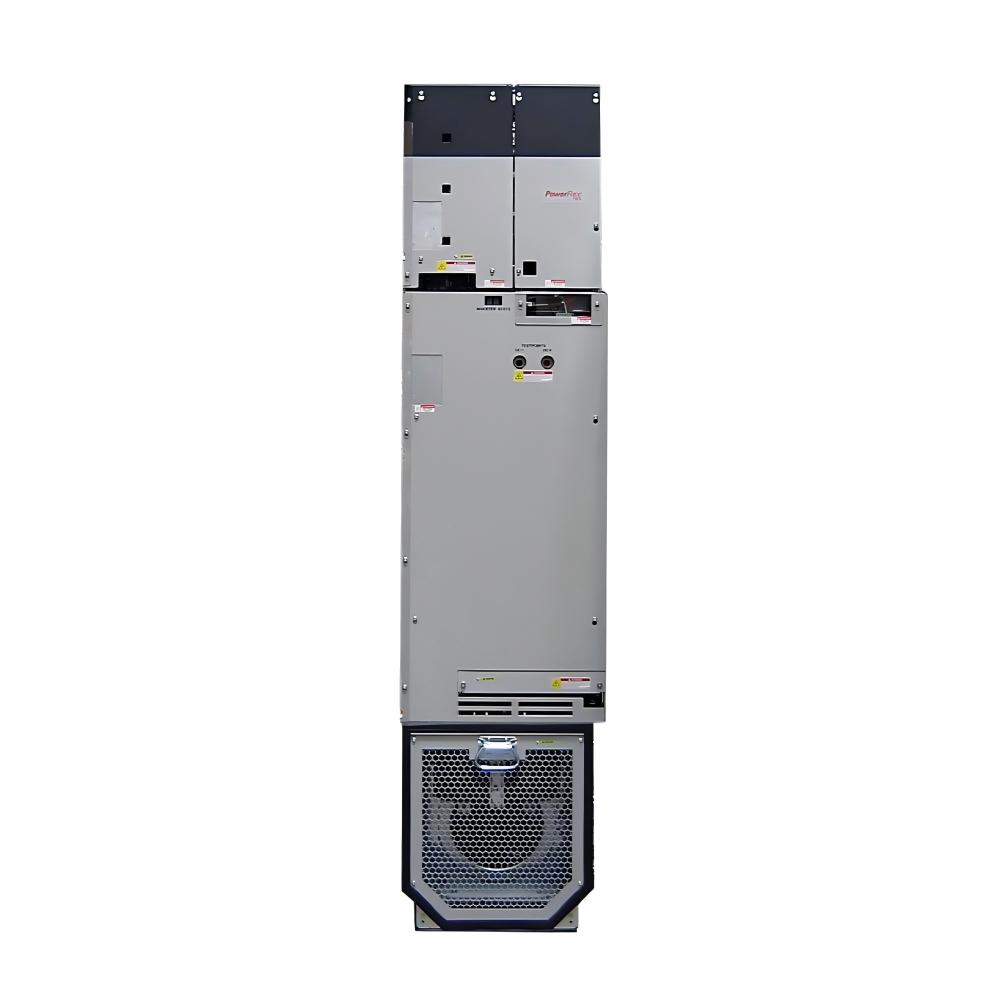
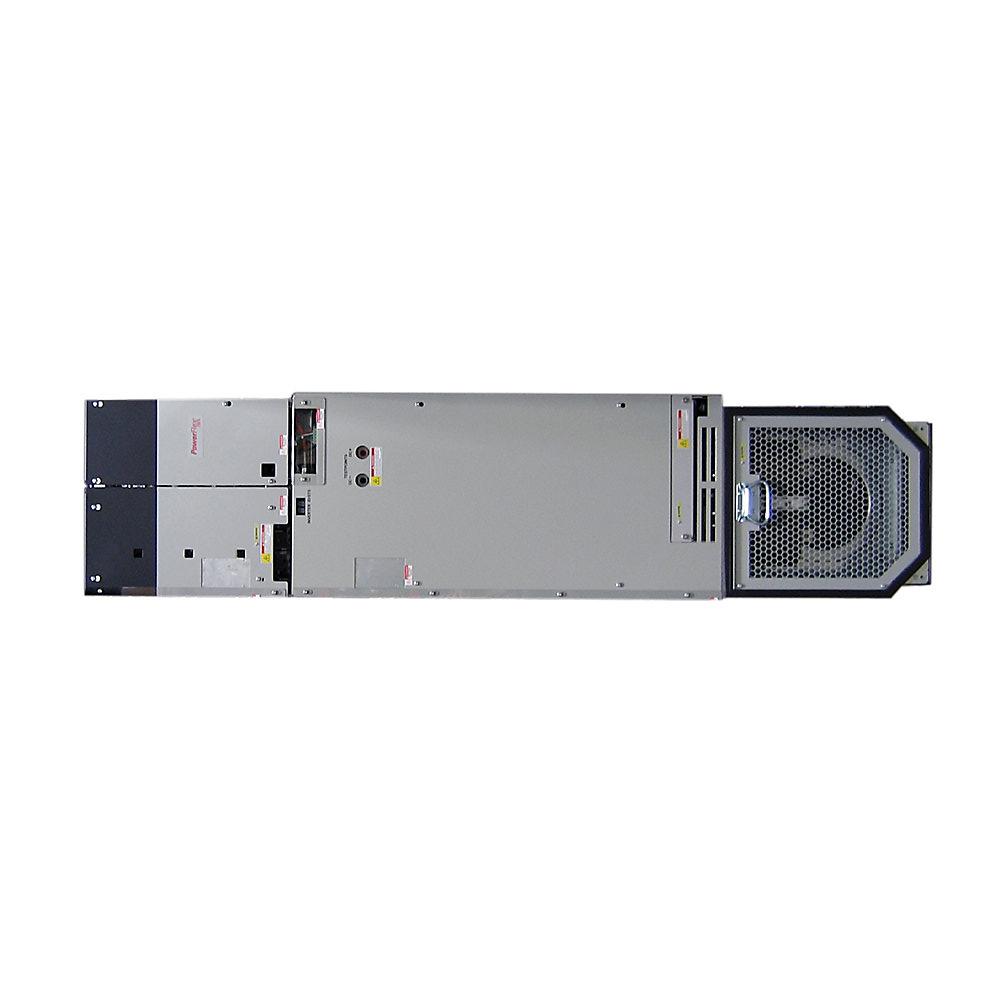
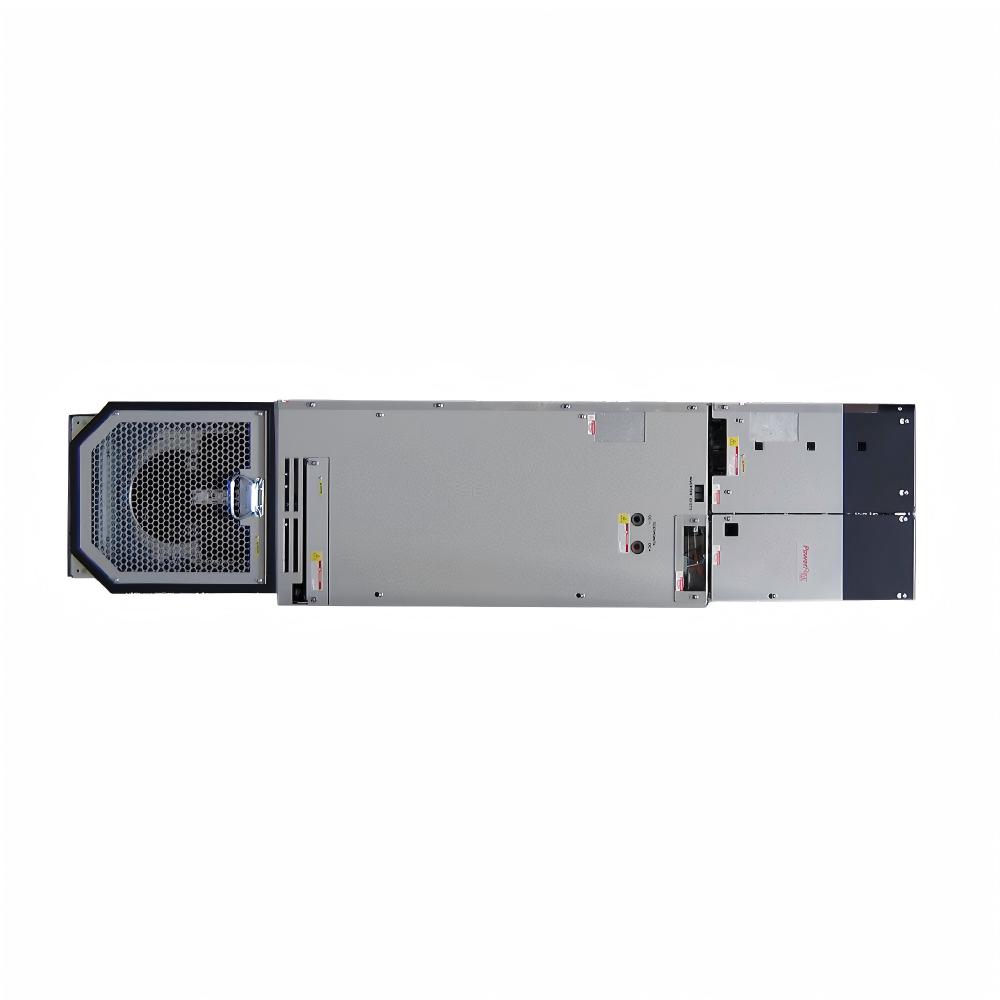
- Allen Bradley
- 20G14NF020JA0NNNNN
- PowerFlex AC Drive
- USA
- 2145 × 778 × 425 mm
- 286kg
- Xiamen, China
- New & In Stock
- T/T, PayPal, Western Union
- 1 Year
- 1-3 Working Days
- DHL, UPS, TNT, FedEx and EMS.
- 24-Hour Service
- COO
- 44
Our advantage

Global Logistics
We have a 10-year logistics and express cooperation agreement, so our products can be shipped to any place in the world.

Brand new and original
Our products are imported in bulk from the place of origin. Because of the cooperative relationship, our products are all original and 100% new.

24-hour service
We provide 7*24 hours service to our customers. We will be there whenever you need us.

Price advantage
All our products are priced very favorably because we have our own warehouse and supply.
| Company Information | |||
| [email protected] | |||
| Mobile | +8615980777398 | ||
| +8615980777398 | |||
| 15980777398 |
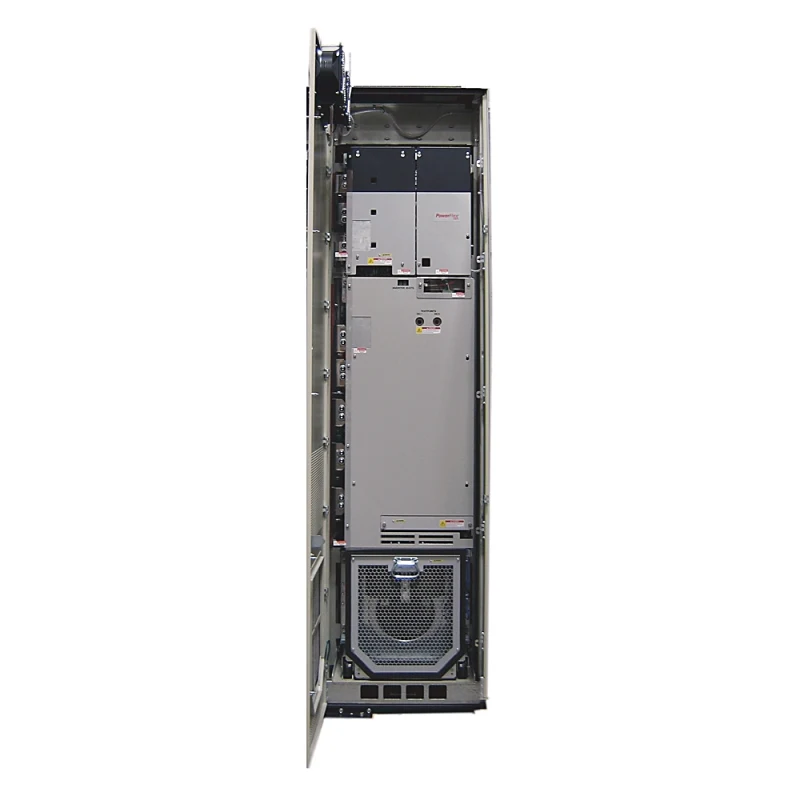
Allen-Bradley 20G14NF020JA0NNNNN PowerFlex 755 AC Drive – Detailed Product Introduction, Specifications, Applications, Advantages and Related Models
1. Product Overview
The Allen-Bradley 20G14NF020JA0NNNNN is a PowerFlex 755 air-cooled AC drive designed for industrial motor speed control, torque control, and automated machine applications.
This particular configuration is rated for 690 VAC three-phase operation and provides a 20 A output-current rating. It has a 15 kW Normal Duty (ND) rating and an 11 kW Heavy Duty (HD) rating, making it suitable for a broad range of medium-power industrial motor applications.
The drive uses a DC input with precharge, an open-type Frame 6 construction, and a filtered configuration with the CM capacitor jumper installed. It also includes an internal dynamic braking transistor and is supplied in a blank configuration without a cover-mounted HIM.
The combination of a 690 V-class power system, 20 A output rating, DC-bus input, filtering, and dynamic braking makes this model particularly useful for industrial machinery where controlled motor operation is more important than simple start/stop control.
It can be used in applications such as conveyors, pumps, fans, blowers, material-handling machinery, process equipment, production lines, machine tools, and other automated systems requiring adjustable motor speed.
2. Brand and Product Series
| Item | Description |
|---|---|
| Brand | Allen-Bradley |
| Product Family | PowerFlex |
| Product Series | PowerFlex 755 |
| Product Type | Air-Cooled AC Drive |
| Product Configuration | PowerFlex 755 AC Packaged Drive |
| Model | 20G14NF020JA0NNNNN |
| Voltage Class | 690 VAC |
| Phase | 3 Phase |
| Output Current | 20 A |
| Normal Duty Rating | 15 kW |
| Heavy Duty Rating | 11 kW |
| Frame Size | Frame 6 |
| Input Type | DC Input with Precharge |
| Cooling Type | Air Cooled / Forced Air |
| Enclosure Type | Open Type |
| Filtering | Filtered |
| CM Capacitor Jumper | Installed |
| Dynamic Braking | DB Transistor |
| HIM | Blank / No HIM |
| Typical Installation | Electrical Cabinet / Control Panel |
The PowerFlex 755 series is designed for industrial motor-control applications where users may need variable speed, controlled acceleration and deceleration, torque management, feedback, communication, and integration with a larger automation system.
The 20G14NF020JA0NNNNN is a relatively compact member of the 690 V PowerFlex 755 range and provides more capacity than the 12 A and 15 A configurations while maintaining the same general Frame 6 platform.
3. Detailed Technical Parameters
| Parameter | Specification |
|---|---|
| Model | 20G14NF020JA0NNNNN |
| Brand | Allen-Bradley |
| Series | PowerFlex 755 |
| Product Type | Air-Cooled AC Drive |
| Drive Description | PowerFlex 755 AC Packaged Drive |
| Input Type | DC Input with Precharge |
| Voltage Class | 690 VAC |
| Phase | 3 Phase |
| Output Current | 20 A |
| Normal Duty Rating | 15 kW |
| Heavy Duty Rating | 11 kW |
| Frame Size | Frame 6 |
| Cooling | Forced Air / Air Cooled |
| Enclosure | Open Type |
| Filtering | Filtered |
| CM Capacitor Jumper | Installed |
| Dynamic Braking | DB Transistor |
| Dynamic Braking Resistor | External resistor arrangement when required |
| HIM | Blank / No HIM |
| Typical Mounting | Panel / Electrical Cabinet |
| Approx. Height | 665.5 mm |
| Approx. Width | 308 mm |
| Approx. Depth | 346.4 mm |
| Approx. Dimensions H × W × D | 665.5 × 308 × 346.4 mm |
| Approx. Weight | 38.6 kg |
| Cooling Arrangement | Forced-Air Cooling |
| Motor Application | Three-Phase AC Motor |
| Duty Selection | Normal Duty / Heavy Duty |
| Application Category | Industrial Motor Control |
| Installation Environment | Industrial Electrical Cabinet |
| Drive Architecture | DC-Bus Variable-Frequency Drive |
The main electrical characteristics of this model are 20 A, 15 kW Normal Duty, 11 kW Heavy Duty, 690 VAC, three-phase, Frame 6, DC input with precharge, filtered configuration, CM jumper installed, and internal dynamic braking transistor.
The dimensions and weight shown above are best treated as approximate Frame 6 engineering reference values. Actual installation dimensions can vary depending on the specific hardware arrangement, accessories, mounting configuration, and revision.
For cabinet fabrication or replacement work, additional clearance should always be allowed around the drive for cooling airflow, cable routing, maintenance, and electrical connections.
4. Product Model Number Explanation
The complete catalog number is:
20G14NF020JA0NNNNN
The individual sections of the catalog number identify different characteristics of the drive.
| Model Code | General Meaning |
|---|---|
| 20G | PowerFlex 755 drive family |
| 14 | PowerFlex 755 product configuration |
| NF | 690 V-class DC-input configuration |
| 020 | 20 A output-current rating |
| J | Filtered configuration with CM jumper installed |
| A | Internal dynamic braking transistor |
| 0 | Blank / no cover-mounted HIM |
| NNNNN | No additional options specified in these positions |
The 020 portion is particularly important because it identifies the 20 A current class.
The J configuration indicates the filtered arrangement with the common-mode capacitor jumper installed, while the A configuration identifies the internal dynamic braking transistor.
The model is therefore not simply a generic 20 A drive. Its complete catalog number defines a specific combination of electrical, filtering, braking, and operator-interface characteristics.
5. Product Description
The 20G14NF020JA0NNNNN is an industrial variable-frequency AC drive intended to regulate the operation of three-phase AC motors.
Instead of allowing a motor to run only at a fixed speed, the drive provides controlled motor operation according to the requirements of the machine.
The motor can be accelerated gradually, operated at different speeds, and decelerated under controlled conditions.
This is particularly valuable in industrial machinery because the motor does not necessarily need to operate at maximum speed all the time.
For example, a conveyor may need to run slowly during loading and faster during normal production. A pump may need different flow rates during different process stages. A fan may need to respond to changing ventilation requirements.
A variable-frequency drive provides the electrical control needed to accommodate these changing operating conditions.
6. DC Input with Precharge
One of the defining characteristics of the 20G14NF020JA0NNNNN is its DC input with precharge configuration.
This configuration makes the drive suitable for appropriately engineered DC-bus systems.
In a DC-bus architecture, the drive receives DC power rather than directly receiving the conventional AC supply at its drive input stage.
The precharge function is used to manage the initial charging of the drive’s DC-link capacitors.
When the DC bus is first energized, the capacitors can draw a large initial charging current. A controlled precharge sequence limits this initial current and brings the DC bus to the appropriate operating condition.
This type of architecture can be especially useful in installations containing several drives that share a common DC power structure.
A common DC-bus system can also provide additional opportunities for coordinated energy management, particularly when several motors operate under different load conditions.
7. 690 VAC Three-Phase Operation
The 20G14NF020JA0NNNNN belongs to the 690 VAC three-phase class.
This voltage level is commonly associated with higher-voltage industrial motor systems.
For a given motor power, a higher operating voltage generally means lower current compared with an equivalent lower-voltage motor system.
This can be useful when designing larger industrial installations where cable size, electrical distribution, and motor power levels need to be considered together.
The 690 V configuration also makes this model distinctly different from 400 V and 480 V versions of the PowerFlex 755 family.
When selecting a replacement, the motor voltage and drive voltage class must therefore be checked before comparing power ratings.
8. 20 A Output Rating
The drive has a 20 A output-current rating.
This is one of the most important parameters when matching the drive to a motor.
The model provides:
15 kW Normal Duty
and
11 kW Heavy Duty
within its 690 V three-phase configuration.
The actual motor should always be selected based on its nameplate current and the machine’s operating characteristics rather than relying only on the nominal motor kW rating.
A motor with a nominal rating close to 15 kW may still have different current requirements depending on its efficiency, power factor, voltage, construction, and operating conditions.
9. Normal Duty and Heavy Duty Ratings
The two primary application ratings are:
| Duty Rating | Power Rating | Typical Application |
|---|---|---|
| Normal Duty | 15 kW | Moderate overload requirements |
| Heavy Duty | 11 kW | More demanding overload requirements |
Normal Duty applications generally involve less severe overload conditions.
Heavy Duty applications are more demanding because the drive may need to provide greater current during acceleration or under heavy mechanical loading.
This distinction is important for applications such as conveyors, mixers, compressors, processing equipment, and machinery with high starting torque.
The correct rating should be determined from the actual motor current, load profile, acceleration requirements, and operating environment.
10. Dynamic Braking
The 20G14NF020JA0NNNNN includes an internal dynamic braking transistor.
Dynamic braking becomes important when the motor needs to decelerate rapidly or when the connected mechanical load contains substantial stored energy.
During deceleration, an AC motor can temporarily act as a generator.
The rotating mechanical load sends energy back into the drive’s DC bus.
If this regenerated energy is significant, the DC-bus voltage can rise.
The internal braking transistor provides a controlled switching path for an external braking resistor arrangement.
The braking resistor dissipates the regenerated energy as heat, allowing the motor to decelerate in a controlled manner.
This can be especially useful for:
- High-inertia conveyors.
- Material-handling equipment.
- Centrifugal machinery.
- Machine tools.
- Rotating process equipment.
- Applications requiring short stopping times.
- Machinery where uncontrolled coasting is undesirable.
The presence of the braking transistor does not mean that a braking resistor is automatically supplied with the drive.
The braking resistor must be appropriately selected for the application’s energy, resistance, power, and duty-cycle requirements.
11. Filtering and CM Jumper
The model is configured as Filtered, CM Jumper Installed.
Filtering is important in industrial environments because variable-frequency drives use high-speed semiconductor switching.
The switching process produces electrical noise and high-frequency components that can affect nearby electronic equipment if the overall installation is poorly designed.
The filtered configuration can help support an EMC-conscious installation.
However, proper EMC performance depends on the complete system.
Important factors include:
- Grounding.
- Bonding.
- Shielding.
- Motor-cable construction.
- Cable length.
- Cable routing.
- Control wiring.
- Communication wiring.
- Cabinet construction.
- Separation between power and signal cables.
The filter should therefore be viewed as one part of the overall EMC design rather than a replacement for proper installation practices.
12. No HIM Configuration
The 20G14NF020JA0NNNNN is supplied with a blank / no HIM configuration.
A HIM, or Human Interface Module, is normally used as a local interface for drive configuration, monitoring, and certain commissioning functions.
This model does not include the cover-mounted HIM configuration.
That can be advantageous in automated systems where the operator normally interacts with a centralized HMI or supervisory control system.
Instead of providing a separate operator interface on every drive, the machine can use a centralized control architecture.
This can result in a cleaner cabinet layout and a more consistent operator experience.
13. Air-Cooled Construction
The drive uses forced-air cooling.
Power electronics generate heat during operation, particularly under high load.
The air-cooling system moves air through the drive to remove heat from internal power components.
Proper cabinet ventilation is therefore important.
The installation should take into account:
- Ambient temperature.
- Internal cabinet temperature.
- Airflow.
- Fan operation.
- Dust accumulation.
- Cabinet ventilation.
- Drive loading.
- Heat generated by neighboring equipment.
When several drives are installed in one enclosure, the combined heat load should be calculated rather than considering each drive separately.
14. Open-Type Enclosure
The model is specified as an open-type drive.
This means it is generally intended to be installed inside a suitable electrical cabinet or enclosure rather than being exposed directly to the industrial environment.
The enclosure should provide suitable protection against:
- Dust.
- Moisture.
- Accidental contact.
- Conductive contamination.
- Excessive ambient temperature.
- Mechanical damage.
The final enclosure rating should be selected according to the environmental requirements of the installation.
15. Frame 6 Mechanical Configuration
The 20G14NF020JA0NNNNN uses Frame 6 construction.
The approximate mechanical reference dimensions are:
Height: 665.5 mm
Width: 308 mm
Depth: 346.4 mm
Approximate weight: 38.6 kg
| Mechanical Parameter | Specification |
|---|---|
| Model | 20G14NF020JA0NNNNN |
| Frame | Frame 6 |
| Height | Approx. 665.5 mm |
| Width | Approx. 308 mm |
| Depth | Approx. 346.4 mm |
| Dimensions H × W × D | Approx. 665.5 × 308 × 346.4 mm |
| Weight | Approx. 38.6 kg |
| Cooling | Forced Air |
| Enclosure | Open Type |
| Installation | Panel / Cabinet |
| HIM | Blank / No HIM |
The dimensional figures are suitable as preliminary engineering references.
For final cabinet design, the mounting drawing for the actual hardware should be used, and additional clearance should be provided for ventilation, power connections, control connections, cable bending radius, and service access.
16. Product Applications
16.1 Conveyor Systems
Conveyor systems are a natural application for variable-frequency drives.
A conveyor often needs different speeds depending on the production stage.
The 20G14NF020JA0NNNNN can provide controlled acceleration, adjustable running speed, and controlled deceleration.
This can reduce mechanical shock and provide smoother interaction between different sections of an automated production line.
The internal braking transistor can also be valuable in applications where the conveyor has significant inertia and requires controlled stopping.
16.2 Material Handling
Material-handling systems frequently require accurate speed control.
Typical applications include:
- Transfer conveyors.
- Pallet handling.
- Sorting systems.
- Packaging equipment.
- Automated production transport.
- Material feeding equipment.
The drive can adjust motor speed according to production requirements and coordinate motor operation with other automated equipment.
16.3 Pumps
Industrial pumping systems can benefit from variable-speed control.
Instead of running the motor continuously at full speed, the drive can adjust motor speed according to the required process flow.
Potential benefits include:
- Improved process control.
- Reduced mechanical stress.
- More flexible operation.
- Potential energy savings.
- Reduced need for mechanical throttling.
Typical applications include industrial circulation systems, cooling systems, process-water systems, and fluid-transfer equipment.
16.4 Fans and Blowers
Fans and blowers often do not need to operate at maximum speed continuously.
The drive can regulate motor speed according to airflow requirements.
This makes the model suitable for:
- Industrial ventilation.
- Cooling systems.
- Process-air systems.
- Dust extraction.
- Air-handling machinery.
16.5 Mixers
Industrial mixers can require controlled acceleration and adjustable operating speed.
The drive can provide a controlled ramp-up from zero speed and allow the mixing speed to be adjusted according to the process.
This can be useful for chemical processing, material preparation, food-processing machinery, and other industrial mixing applications, provided the motor and drive ratings are correctly matched.
16.6 Machine Tools
Machine tools may require precise control of motor speed during different machining stages.
Variable-frequency control can allow the machine to use different motor speeds according to the cutting process.
The braking capability can also be useful in applications where controlled stopping is required.
16.7 Process Machinery
The drive can also be incorporated into general industrial process equipment.
Examples include:
- Rollers.
- Feeders.
- Material-processing machinery.
- Production machinery.
- Industrial pumps.
- Fans.
- Conveyors.
- Automated manufacturing equipment.
17. Main Product Advantages
17.1 High-Voltage Industrial Compatibility
The 690 VAC rating makes the drive appropriate for higher-voltage industrial motor systems.
This can be particularly useful in larger industrial installations where motor voltage, current, cable sizing, and distribution architecture are important design considerations.
17.2 20 A Output Capacity
The 20 A rating gives this model a useful position within the 690 V Frame 6 range.
It provides more capacity than the 12 A and 15 A configurations while remaining within the same general frame platform.
This makes it useful when the motor application requires a moderate increase in power capacity without immediately moving to a substantially different mechanical platform.
17.3 15 kW Normal Duty Rating
The 15 kW Normal Duty rating provides a useful power range for many industrial machines.
It is particularly appropriate for applications where the motor load is relatively stable and the overload requirements are moderate.
17.4 11 kW Heavy Duty Rating
The 11 kW Heavy Duty rating provides additional flexibility for applications with greater overload requirements.
This allows the drive to be selected according to the machine’s actual operating conditions rather than simply the motor’s nominal kW.
17.5 Internal Dynamic Braking Transistor
The integrated braking transistor is one of the most valuable features of the JA0 configuration.
It provides the switching capability needed when an external braking resistor is used to manage regenerative energy.
This can improve deceleration performance in high-inertia applications.
17.6 DC-Bus Input
The DC-input configuration makes the drive suitable for engineered DC-bus applications.
This can be particularly useful when several drives operate together and share a coordinated power architecture.
17.7 Filtered Configuration
The filtered configuration provides an additional layer of support for installations where electromagnetic compatibility is important.
This is useful in machines containing sensitive control electronics, instrumentation, sensors, and communication equipment.
17.8 Standard Frame 6 Platform
Using the Frame 6 platform can simplify engineering when several related drives are used in the same machine or production line.
Similar mechanical arrangements can reduce design variation and simplify cabinet planning.
17.9 No HIM Required
The blank/no-HIM configuration can be beneficial in highly automated machines.
The operator can interact with the machine through a centralized HMI rather than using a separate interface on each drive.
This can simplify the machine’s operator experience.
18. Installation and Cabinet Design
The 20G14NF020JA0NNNNN should be installed in a suitable electrical enclosure because of its open-type construction.
The cabinet designer should consider the following:
- Drive dimensions.
- Mounting orientation.
- Ventilation.
- Heat dissipation.
- Cable routing.
- Cable bending radius.
- Power connections.
- Grounding.
- Control wiring.
- Communication wiring.
- Maintenance access.
- Ambient temperature.
- Internal cabinet temperature.
- Dust and contamination.
The approximate drive size is 665.5 × 308 × 346.4 mm.
However, the cabinet should not be designed to exactly match these dimensions.
Additional space must be provided around the drive.
A cabinet that physically fits the drive may still fail to provide sufficient cooling or service access.
19. Motor Matching
When selecting a motor for the 20G14NF020JA0NNNNN, the motor nameplate should be carefully reviewed.
Important parameters include:
| Motor Parameter | Why It Matters |
|---|---|
| Motor Voltage | Must match the drive’s applicable voltage class |
| Motor Current | Critical for drive-current selection |
| Motor Power | Used together with current and duty rating |
| Motor Frequency | Required for correct drive configuration |
| Motor Speed | Important for application performance |
| Motor Power Factor | Relevant to drive loading |
| Motor Efficiency | Affects current and energy consumption |
| Starting Torque | Important for Heavy Duty applications |
| Load Inertia | Important for acceleration and braking |
| Operating Duty | Determines Normal Duty or Heavy Duty suitability |
The most important rule is that the drive should be selected according to the actual motor current and application duty, not simply by comparing the kW numbers printed on the drive and motor.
20. Dynamic Braking Application Considerations
The internal DB transistor makes the 20G14NF020JA0NNNNN particularly useful when controlled deceleration is required.
However, braking should always be evaluated from the actual mechanical system.
Important factors include:
- Motor speed.
- Load inertia.
- Deceleration time.
- Number of braking cycles.
- Braking frequency.
- Motor operating direction.
- Mechanical transmission.
- Required stopping accuracy.
- Ambient temperature.
- Braking resistor characteristics.
A high-inertia machine that must stop repeatedly in a short period can generate considerably more regenerative energy than a lightly loaded machine.
The external braking resistor must therefore be appropriately sized.
21. Difference Between JA and JN Configurations
The 20G14NF020JA0NNNNN and 20G14NF020JN0NNNNN are closely related configurations.
Their primary distinction is the dynamic-braking option.
| Parameter | 20G14NF020JA0NNNNN | 20G14NF020JN0NNNNN |
|---|---|---|
| Voltage | 690 VAC | 690 VAC |
| Phase | 3 Phase | 3 Phase |
| Current | 20 A | 20 A |
| Normal Duty | 15 kW | 15 kW |
| Heavy Duty | 11 kW | 11 kW |
| Frame | Frame 6 | Frame 6 |
| Input | DC Input with Precharge | DC Input with Precharge |
| Filtering | Filtered | Filtered |
| CM Jumper | Installed | Installed |
| Dynamic Braking | DB Transistor | None |
| HIM | Blank / No HIM | Blank / No HIM |
This difference can be extremely important during replacement.
If the original machine uses an external braking resistor controlled through the drive’s internal braking transistor, the JA configuration should be considered rather than automatically replacing it with the JN configuration.
If the machine does not require dynamic braking, the JN configuration may be sufficient.
22. Recommended Five Related Models in the Same Series
The following models are closely related 690 V PowerFlex 755 configurations and can be considered when different motor capacities are required.
| Model | Voltage | Current | Normal Duty | Heavy Duty | Frame | Input | Filtering | Dynamic Braking |
|---|---|---|---|---|---|---|---|---|
| 20G14NF012JA0NNNNN | 690 VAC, 3 PH | 12 A | 7.5 kW | 5.5 kW | Frame 6 | DC Input with Precharge | Filtered | DB Transistor |
| 20G14NF015JA0NNNNN | 690 VAC, 3 PH | 15 A | 11 kW | 7.5 kW | Frame 6 | DC Input with Precharge | Filtered | DB Transistor |
| 20G14NF030JA0NNNNN | 690 VAC, 3 PH | 30 A | 22 kW | 18.5 kW | Frame 6 | DC Input with Precharge | Filtered | DB Transistor |
| 20G14NF050JA0NNNNN | 690 VAC, 3 PH | 50 A | 45 kW | 37 kW | Frame 6 | DC Input with Precharge | Filtered | DB Transistor |
| 20G14NF082JA0NNNNN | 690 VAC, 3 PH | 82 A | 75 kW | 55 kW | Frame 6 | DC Input with Precharge | Filtered | DB Transistor |
These models are useful when the basic machine architecture remains similar but the required motor capacity changes.
The 20G14NF015JA0NNNNN is the closest lower-capacity configuration to the 20 A model.
The 20G14NF030JA0NNNNN is the closest higher-capacity option.
The 50 A and 82 A configurations provide substantially greater capacity for larger motor applications.
The 20 A model therefore sits naturally between the smaller 15 A configuration and the larger 30 A configuration.
23. Related Model Mechanical Comparison
| Model | Frame | Approx. Dimensions H × W × D | Approx. Weight |
|---|---|---|---|
| 20G14NF012JA0NNNNN | Frame 6 | Approx. 665.5 × 308 × 346.4 mm | Approx. 38.6 kg |
| 20G14NF015JA0NNNNN | Frame 6 | Approx. 665.5 × 308 × 346.4 mm | Approx. 38.6 kg |
| 20G14NF020JA0NNNNN | Frame 6 | Approx. 665.5 × 308 × 346.4 mm | Approx. 38.6 kg |
| 20G14NF030JA0NNNNN | Frame 6 | Approx. 665.5 × 308 × 346.4 mm | Approx. 38.6 kg |
| 20G14NF050JA0NNNNN | Frame 6 | Approx. 665.5 × 308 × 346.4 mm | Approx. 38.6 kg |
The common Frame 6 reference is useful for preliminary machine and cabinet planning.
However, electrical ratings increase significantly between these models.
Therefore, the selection process should consider motor current, input protection, cable sizing, heat generation, braking requirements, and application duty in addition to the physical frame.
24. Five Commonly Selected Allen-Bradley Models for Broader Comparison
The following five models provide a broader comparison across the same general drive family and voltage ranges.
| Model | Series | Voltage | Current | Normal Duty | Heavy Duty | Frame | Input |
|---|---|---|---|---|---|---|---|
| 20G14NF012JA0NNNNN | PowerFlex 755 | 690 VAC, 3 PH | 12 A | 7.5 kW | 5.5 kW | Frame 6 | DC Input with Precharge |
| 20G14NF015JA0NNNNN | PowerFlex 755 | 690 VAC, 3 PH | 15 A | 11 kW | 7.5 kW | Frame 6 | DC Input with Precharge |
| 20G14NF050JA0NNNNN | PowerFlex 755 | 690 VAC, 3 PH | 50 A | 45 kW | 37 kW | Frame 6 | DC Input with Precharge |
| 20G14FD077JA0NNNNN | PowerFlex 755 | 480 VAC, 3 PH | 77 A | 60 HP | 50 HP | Frame 5 | DC Input with Precharge |
| 20G14FC085JA0NNNNN | PowerFlex 755 | 400 VAC, 3 PH | 85 A | 45 kW | 37 kW | Frame 5 | DC Input with Precharge |
These models provide useful comparison points when designing a drive system around different motor voltages or power levels.
The 690 V configurations are more closely related to the target model.
The 480 V and 400 V configurations become more relevant when the plant’s motor system uses a different voltage class.
A similar power rating does not automatically make two different voltage-class drives interchangeable.
25. Application Selection Guide
| Application | Suitability | Main Reason |
|---|---|---|
| Conveyors | Excellent | Variable speed and controlled acceleration |
| Material Handling | Excellent | Adjustable speed and coordinated operation |
| Pumps | Very Good | Flow control through motor-speed adjustment |
| Fans | Very Good | Variable airflow control |
| Blowers | Very Good | Adjustable operating speed |
| Mixers | Very Good | Controlled acceleration and speed |
| Machine Tools | Good | Variable motor speed and controlled operation |
| Process Machinery | Excellent | Flexible motor control |
| High-Inertia Machinery | Very Good | Dynamic braking capability |
| Simple Fixed-Speed Loads | Possible | May provide more functionality than required |
The strongest applications are those where variable speed, controlled acceleration, controlled deceleration, or dynamic braking provide a meaningful operational benefit.
26. Energy-Saving Potential
One of the major reasons for using a variable-frequency drive is the ability to reduce motor speed when full output is not required.
This is particularly relevant for centrifugal pumps and fans.
If a process only requires partial flow or partial airflow, running the motor at reduced speed can be more efficient than operating continuously at full speed and using mechanical restrictions to control the process.
The actual energy savings depend on:
- Load type.
- Operating hours.
- Speed profile.
- Motor efficiency.
- Mechanical transmission.
- Process requirements.
- Control strategy.
Therefore, the 20G14NF020JA0NNNNN should be considered not only as a motor-control device but also as a possible component of a broader energy-management strategy.
27. Maintenance Recommendations
Because the drive is air cooled, thermal maintenance is important.
Routine inspection should include:
- Cooling fans.
- Airflow paths.
- Cabinet ventilation.
- Dust accumulation.
- Electrical connections.
- Motor cables.
- Grounding.
- Drive fault history.
- Abnormal temperature.
- Unusual noise.
- Signs of overheating.
- Braking components.
The environment around the drive can have a major influence on service life.
A drive installed in a clean, temperature-controlled cabinet with good airflow will generally have a much more favorable operating environment than the same drive installed in a hot, dusty, poorly ventilated enclosure.
28. Troubleshooting Approach
When troubleshooting the 20G14NF020JA0NNNNN, the drive should be considered as one part of the complete motor system.
A useful troubleshooting sequence is:
Power System → DC Bus → Drive → Motor Cable → Motor → Mechanical Load → Control System
For an overcurrent problem, possible causes may include:
- Excessive mechanical load.
- Motor problems.
- Incorrect motor parameters.
- Acceleration time that is too short.
- Cable problems.
- Mechanical blockage.
- Incorrect motor sizing.
For an overvoltage problem, possible causes may include:
- Excessive regenerative energy.
- Deceleration time that is too short.
- High-inertia load.
- Incorrect braking configuration.
- Incorrect system parameters.
Because this model includes a dynamic braking transistor, braking-system inspection should be part of the troubleshooting process when the application uses an external braking resistor.
29. Advantages for Machine Builders
For machine builders, the 20G14NF020JA0NNNNN provides several practical advantages.
The first is the broad PowerFlex 755 family structure.
Different motor sizes can be accommodated by using related configurations without completely changing the overall drive concept.
The second is the 690 V capability.
This is useful for machines designed around higher-voltage industrial motor systems.
The third is the integrated dynamic braking transistor.
This can simplify the braking architecture when a braking resistor is required.
The fourth is the filtered configuration.
This can support EMC-oriented cabinet design.
The fifth is the Frame 6 platform.
Using related Frame 6 models can make mechanical engineering and cabinet standardization easier.
30. Advantages for Maintenance Teams
A standardized drive family can also make maintenance easier.
Technicians can become familiar with one general platform rather than having to learn completely different drive architectures for every machine.
This can simplify:
- Troubleshooting.
- Parameter management.
- Spare-parts planning.
- Drive replacement.
- Preventive maintenance.
- Commissioning.
- Operator training.
The availability of closely related current ratings also makes it easier to establish a structured spare-parts strategy.
31. Advantages for Industrial Automation
The 20G14NF020JA0NNNNN can form part of an integrated automation system rather than functioning only as an isolated motor controller.
A typical system may contain:
Controller → Communication Network → Drive → Motor
The drive can receive operating commands and speed references from the control system while returning operating information, status information, and fault information.
This approach is particularly useful for automated production equipment where multiple motors must operate according to a coordinated sequence.
32. Main Parameters at a Glance
| Parameter | 20G14NF020JA0NNNNN |
|---|---|
| Model | 20G14NF020JA0NNNNN |
| Brand | Allen-Bradley |
| Series | PowerFlex 755 |
| Product | Air-Cooled AC Drive |
| Voltage | 690 VAC |
| Phase | 3 Phase |
| Output Current | 20 A |
| Normal Duty | 15 kW |
| Heavy Duty | 11 kW |
| Input | DC Input with Precharge |
| Frame | Frame 6 |
| Enclosure | Open Type |
| Cooling | Forced Air |
| Filtering | Filtered |
| CM Jumper | Installed |
| Dynamic Braking | DB Transistor |
| HIM | Blank / No HIM |
| Approx. Dimensions | 665.5 × 308 × 346.4 mm |
| Approx. Weight | 38.6 kg |
33. Overall Product Evaluation
The Allen-Bradley 20G14NF020JA0NNNNN is a well-defined PowerFlex 755 configuration for industrial motor-control applications requiring 690 VAC three-phase operation, 20 A output current, 15 kW Normal Duty capacity, and 11 kW Heavy Duty capacity.
Its DC input with precharge makes it particularly relevant to engineered DC-bus systems.
Its filtered configuration with the CM jumper installed makes it suitable for industrial installations where EMC considerations form part of the electrical design.
Its internal dynamic braking transistor gives it an important advantage in applications where the motor or mechanical load must decelerate in a controlled manner.
The Frame 6 air-cooled construction provides a practical physical platform for this power range.
The absence of a cover-mounted HIM makes the model particularly suitable for machines where the primary operator interface is located elsewhere in the automation system.
From an application perspective, the drive is well suited to conveyors, material-handling equipment, pumps, fans, blowers, mixers, process machinery, production equipment, and other industrial systems where variable-speed AC motor control is required.
The 20 A configuration also occupies a useful position in the 690 V PowerFlex 755 range.
The 12 A and 15 A models provide lower-capacity alternatives, while the 30 A, 50 A, and 82 A configurations can be considered when larger motors require additional current and power capacity.
For broader product comparison, 400 V and 480 V PowerFlex 755 configurations can be considered when the plant’s motor-voltage class differs from 690 V.
The most important point when selecting the 20G14NF020JA0NNNNN is to look beyond the 20 A and 15 kW ratings.
The motor’s actual rated current, load characteristics, acceleration requirements, braking requirements, ambient conditions, cabinet cooling, and system architecture all need to be considered.
When these factors match the application, the 20G14NF020JA0NNNNN provides a strong combination of high-voltage motor compatibility, flexible speed control, DC-bus capability, filtering, dynamic braking, and industrial automation integration.
For a machine that requires a 690 V, 20 A PowerFlex 755 drive with DC input, filtering, CM jumper installed, internal dynamic braking transistor, Frame 6 construction, and no HIM, this configuration represents a particularly useful choice within the PowerFlex 755 family.