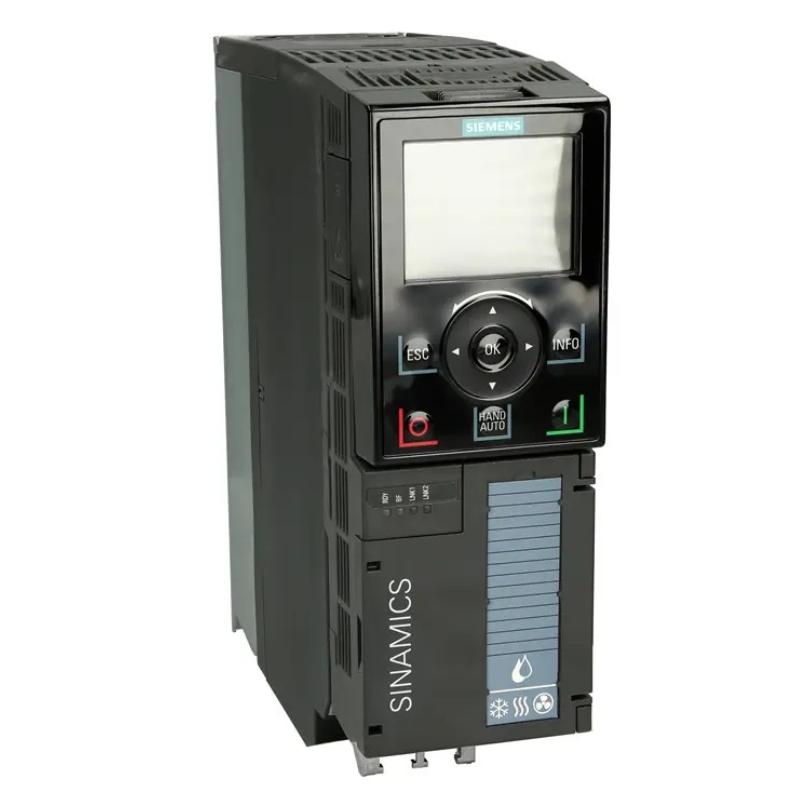
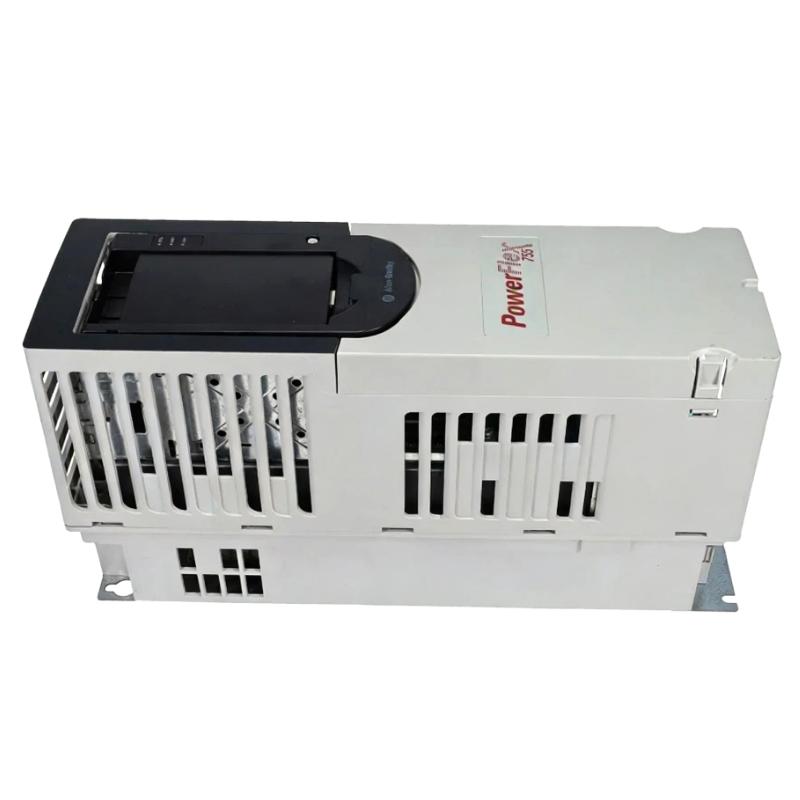
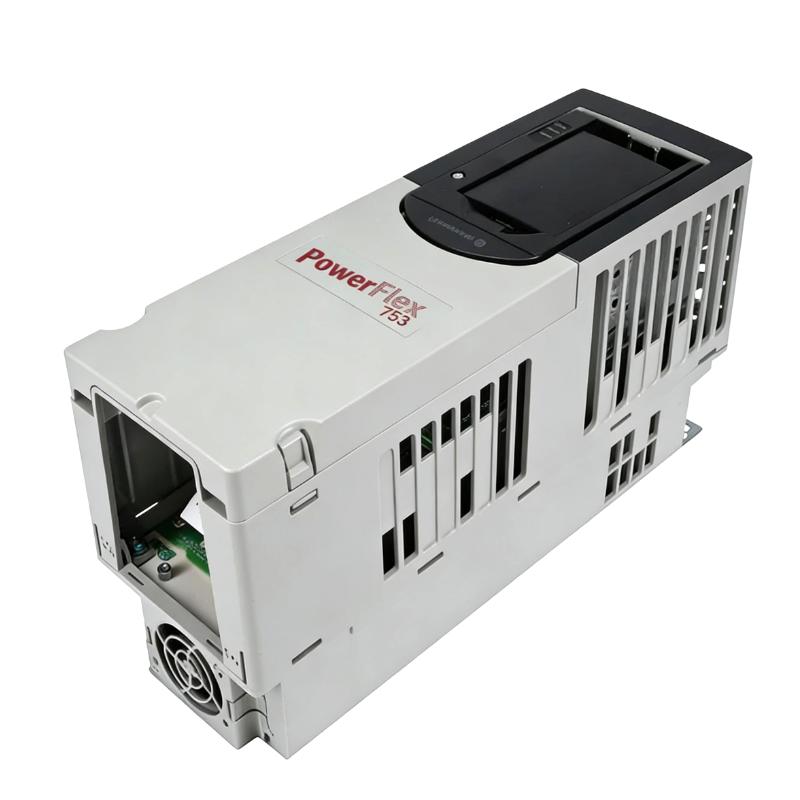
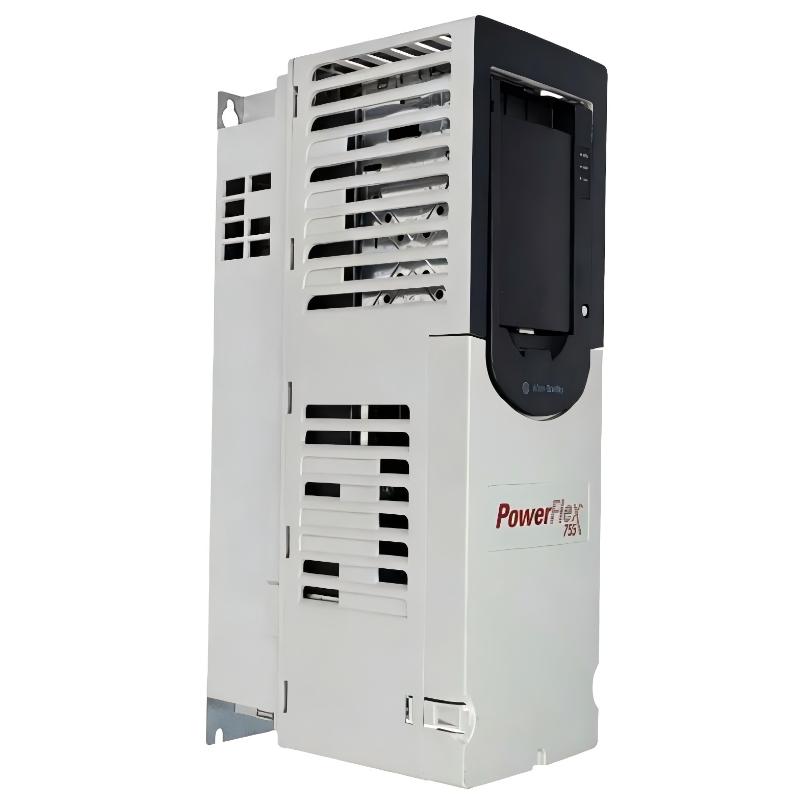
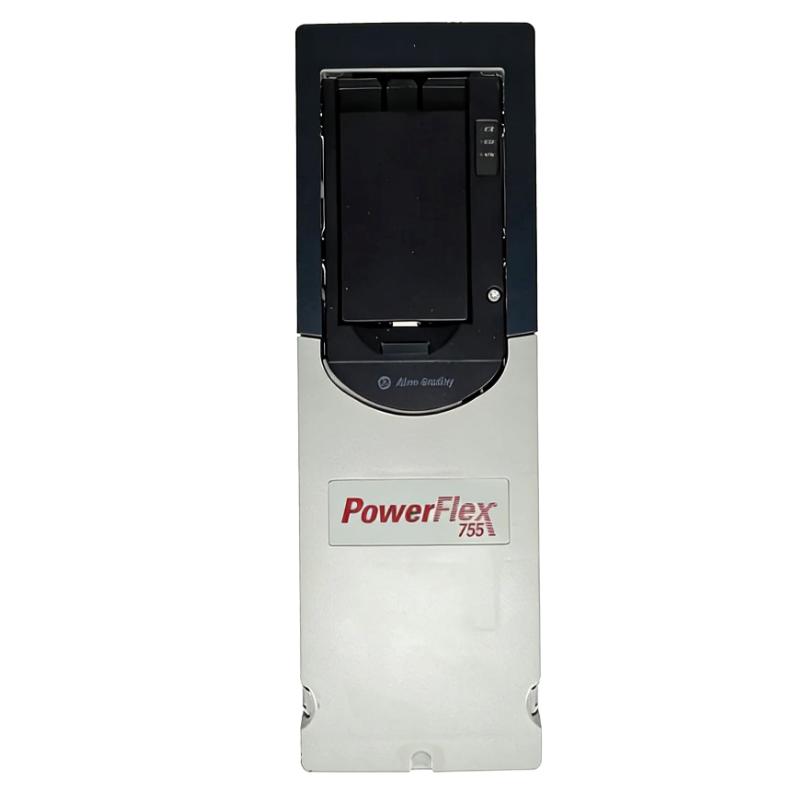
• Allen Bradley 20G11FC104JA0NNNNN PowerFlex AC Drive
  • Allen Bradley 20G11FC104JA0NNNNN PowerFlex AC Drive
  • Allen Bradley 20G11FC104JA0NNNNN PowerFlex AC Drive
  • Allen Bradley 20G11FC104JA0NNNNN PowerFlex AC Drive
20G11FC104JA0NNNNN — Detailed Product Overview, Specifications, Applications, Advantages and Related Models 1. Product Introduction The 20G11FC104JA0NNNNN is a high-capacity industrial variable……
Allen Bradley 20G11FC104JA0NNNNN PowerFlex AC Drive
  • Allen Bradley
  • 20G11FC104JA0NNNNN
  • PowerFlex AC Drive
  • USA
  • 680 × 430 × 340 mm
  • 24kg
  • Xiamen, China
  • New & In Stock
  • T/T, PayPal, Western Union
  • 1 Year
  • 1-3 Working Days
  • DHL, UPS, TNT, FedEx and EMS.
  • 24-Hour Service
  • COO
  • 3

Our advantage

Allen Bradley 20G11FC104JA0NNNNN PowerFlex AC Drive

Global Logistics

We have a 10-year logistics and express cooperation agreement, so our products can be shipped to any place in the world.

Allen Bradley 20G11FC104JA0NNNNN PowerFlex AC Drive

Brand new and original

Our products are imported in bulk from the place of origin. Because of the cooperative relationship, our products are all original and 100% new.

Allen Bradley 20G11FC104JA0NNNNN PowerFlex AC Drive

24-hour service

We provide 7*24 hours service to our customers. We will be there whenever you need us.

Allen Bradley 20G11FC104JA0NNNNN PowerFlex AC Drive

Price advantage

All our products are priced very favorably because we have our own warehouse and supply.


Company Information
E-mail [email protected]
Mobile +8615980777398
Whatsapp +8615980777398
WeChat 15980777398

20G11FC104JA0NNNNN — Detailed Product Overview, Specifications, Applications, Advantages and Related Models

1. Product Introduction

The 20G11FC104JA0NNNNN is a high-capacity industrial variable-frequency drive from the PowerFlex 755 product family.

It is designed for three-phase industrial motor control in the 400 V class, with a nominal output-current rating of 104 A. Its main power ratings are 55 kW for Normal Duty and 45 kW for Heavy Duty.

The unit is an air-cooled, flange-mounted configuration with a Frame 5 mechanical design. It is intended for applications where adjustable motor speed, controlled acceleration and deceleration, industrial communication, braking capability and advanced drive functions are required.

The catalog configuration includes an AC input with precharge and DC terminals, filtered EMC configuration, a dynamic-braking transistor, embedded EtherNet/IP communication and a blank configuration without a standard local HIM.

This combination makes the model more suitable for medium-to-large industrial machinery than compact general-purpose drives.


2. Brand and Product Series

Item Specification
Brand Allen-Bradley
Product Family PowerFlex 750-Series
Product Series PowerFlex 755
Product Type Industrial AC Variable-Frequency Drive
Catalog Number 20G11FC104JA0NNNNN
Voltage Class 400 VAC
Input Configuration Three-phase AC
Current Class 104 A
Normal Duty Rating 55 kW
Heavy Duty Rating 45 kW
Frame Size Frame 5
Cooling Forced Air
Mounting Flange Type
Communication Embedded EtherNet/IP
Braking Dynamic Braking Transistor
EMC Filtered, CM Jumper Installed
Local HIM Blank / No HIM

The PowerFlex 755 series is positioned toward applications requiring more advanced control and integration than a basic standalone variable-frequency drive.


3. Main Technical Specifications

Parameter Specification
Model 20G11FC104JA0NNNNN
Product Series PowerFlex 755
Drive Type AC Variable-Frequency Drive
Input Voltage 400 VAC class
Input Phase 3 Phase
Output Current 104 A
Normal Duty Power 55 kW
Heavy Duty Power 45 kW
Normal Duty Horsepower Approx. 75 HP
Heavy Duty Horsepower Approx. 60 HP
Input Frequency 50/60 Hz
Frame Size Frame 5
Cooling Method Forced Air
Mounting Type Flange
Input Type AC Input with Precharge
DC Terminals Yes
EMC Filter Yes
CM Jumper Installed
Dynamic Braking Transistor Yes
EtherNet/IP Embedded
HIM Blank / No HIM
PID Control Supported
DeviceLogix Supported
Motor Output Three-phase AC
Main Duty Industrial Motor Speed Control

4. Dimensions and Weight

Because the exact physical envelope can vary depending on the particular mechanical arrangement, installation accessories and measurement method, the following figures should be treated as engineering reference values rather than fabrication dimensions.

Mechanical Parameter Approximate Value
Model 20G11FC104JA0NNNNN
Frame Frame 5
Mounting Flange
Approx. Height 680 mm
Approx. Width 430 mm
Approx. Depth 340 mm
Approx. Weight 24 kg
Cooling Forced Air
Installation Orientation Vertical
Cabinet Installation Flange Mounted

For a control cabinet, the mounting drawing should be used for the final cutout, hole positions, cable clearance and service clearance.

The approximate 24 kg product weight is useful when planning cabinet support, transportation and installation.


5. Electrical Characteristics

The 104 A output-current rating is one of the most important characteristics of this model.

For drive selection, motor current is normally more important than simply comparing motor horsepower.

For example, two motors with the same nominal power can have different current requirements because of differences in efficiency, power factor, motor design and operating conditions.

For this reason, the motor nameplate should be checked carefully before selecting the drive.

Electrical Characteristic Value
Rated Voltage Class 400 VAC
Phase 3 Phase
Output Current 104 A
Normal Duty 55 kW
Heavy Duty 45 kW
Frequency 50/60 Hz
DC Bus Access Yes
Precharge Yes
Dynamic Braking Yes
EMC Filtering Yes
Motor Control Variable Speed
Communication EtherNet/IP

6. Normal Duty Rating

The 55 kW Normal Duty rating makes the drive appropriate for many medium-to-large industrial motor applications.

Normal Duty applications generally have a load profile in which the motor does not continuously experience severe overload conditions.

Typical examples include:

  • Centrifugal pumps
  • Large fans
  • Blowers
  • Cooling systems
  • Water-transfer systems
  • Circulation systems
  • HVAC equipment
  • Conveyors
  • Rollers
  • General process machinery

For variable-torque loads, adjustable-speed operation can also provide significant process-control benefits.


7. Heavy Duty Rating

The Heavy Duty rating is approximately 45 kW.

Heavy Duty applications usually involve greater torque demand or more demanding acceleration and overload conditions.

Typical examples include:

  • Conveyors
  • Mixers
  • Agitators
  • Feed systems
  • Material-handling equipment
  • Rollers
  • Processing machines
  • High-inertia equipment

The Heavy Duty rating should always be considered together with the actual motor current and overload requirement.

A motor should not be selected only by comparing its kW rating with the drive’s nominal kW rating.


8. Input Configuration

The model uses a three-phase AC input configuration with precharge and DC terminals.

The precharge circuit helps manage the charging of the DC bus when the drive is energized.

The DC terminals provide additional flexibility for certain industrial system architectures.

Potential applications include:

  • Common DC-bus systems
  • Multi-drive systems
  • Specialized machine architectures
  • Energy-sharing arrangements
  • Applications involving DC-bus connections

The actual DC-bus design must be engineered according to the complete electrical system.


9. Dynamic Braking

The drive includes a dynamic-braking transistor.

This is useful for applications where the motor must decelerate a high-inertia load.

When the motor decelerates, mechanical energy can be returned to the drive’s DC bus. The resulting DC-bus voltage can increase.

A properly selected braking resistor can dissipate the excess energy through the dynamic-braking circuit.

This is particularly useful for:

  • Heavy conveyors
  • Rollers
  • Material-handling machines
  • High-inertia machinery
  • Feed systems
  • Rapid deceleration applications
  • Industrial processing equipment

The braking transistor itself is not the same thing as the external braking resistor.

The resistor must be selected according to the actual:

  • Load inertia
  • Motor speed
  • Deceleration time
  • Braking frequency
  • Regenerative energy
  • Duty cycle

10. Embedded EtherNet/IP

The embedded EtherNet/IP function is one of the major advantages of this configuration.

The drive can be integrated into an industrial automation network for control, monitoring and diagnostics.

Typical information that can be exchanged includes:

Data Function
Start Command Starts motor operation
Stop Command Stops motor operation
Speed Reference Sets motor speed
Direction Forward/reverse control
Actual Speed Speed monitoring
Output Current Load monitoring
Drive Status Operating-state monitoring
Fault Status Troubleshooting
Alarm Status Maintenance
Torque Data Load monitoring
Parameter Data Configuration
Diagnostic Data Maintenance

This makes the drive suitable for automated production lines where several motors need to be coordinated.


11. PID Process Control

The drive can be used for PID-based process control.

A common example is pump-pressure regulation.

A pressure sensor provides feedback to the control system.

If pressure falls below the required level, the drive can increase motor speed.

If pressure rises above the desired level, the drive can reduce motor speed.

This principle can be used for:

  • Water pressure
  • Flow control
  • Ventilation
  • Cooling
  • Circulation
  • Air handling
  • Process systems

PID control can reduce unnecessary full-speed operation and provide smoother process regulation.


12. DeviceLogix

The PowerFlex 755 architecture supports DeviceLogix functionality.

This allows certain control and logic operations to be performed locally within the drive.

Possible applications include:

  • Interlocking
  • Local sequencing
  • Basic machine logic
  • Status processing
  • Local decision making
  • Simple control functions

This can reduce the amount of simple logic that needs to be handled by the main controller.


13. Flange-Mount Design

The flange configuration is particularly useful for larger drives.

A significant portion of the heat-generating power section can be positioned through the cabinet mounting surface.

This can improve thermal management by moving heat away from the main control compartment.

Potential advantages include:

  • Reduced cabinet temperature
  • Better thermal management
  • Reduced heat accumulation
  • More efficient cabinet layout
  • Improved utilization of cabinet space
  • Better separation of control electronics and heatsink

For a 55 kW-class drive, cabinet thermal management can be a significant design consideration.


14. Forced-Air Cooling

The drive uses forced-air cooling.

The power electronics generate heat during operation, particularly under high-current conditions.

Adequate airflow is therefore essential.

Installation should take into account:

  • Ambient temperature
  • Airflow direction
  • Ventilation
  • Cabinet heat dissipation
  • Fan operation
  • Heat-sink cleanliness
  • Required clearances
  • External heat sources

Dust, oil mist and other industrial contaminants can reduce cooling performance if the equipment is not properly maintained.


15. EMC Filtering

The configuration includes filtered EMC functionality with the CM jumper installed.

EMC control is important because variable-frequency drives use high-frequency switching devices.

Correct installation should include attention to:

  • Grounding
  • Shielding
  • Motor-cable routing
  • Control-cable routing
  • Cabinet bonding
  • Cable separation
  • Motor-cable length

The internal EMC configuration is only one part of a complete EMC installation.


16. Main Product Applications

16.1 Industrial Pumps

The 55 kW Normal Duty capacity makes the drive suitable for larger industrial pump systems.

Potential applications include:

  • Process pumps
  • Cooling-water pumps
  • Circulation pumps
  • Water-transfer pumps
  • Booster pumps
  • Industrial fluid systems

Variable-speed control allows the pump output to be adjusted according to actual process requirements.


16.2 Large Fans and Blowers

Large fans and blowers are common applications for variable-frequency drives.

The drive can regulate motor speed according to required airflow.

Applications include:

  • Factory ventilation
  • Exhaust systems
  • Industrial cooling
  • Air-handling systems
  • Dust collection
  • Process ventilation
  • Furnace ventilation

Adjustable speed can reduce mechanical stress and improve energy management.


16.3 Conveyor Systems

The drive is suitable for many large conveyor applications.

Controlled acceleration can reduce sudden mechanical loading on:

  • Belts
  • Gearboxes
  • Couplings
  • Shafts
  • Bearings
  • Rollers

Controlled deceleration can also improve stopping performance.

For conveyors with substantial inertia, the dynamic-braking capability can be particularly useful.


16.4 Material Handling

The drive can be integrated into automated material-handling equipment.

Possible applications include:

  • Transfer conveyors
  • Roller conveyors
  • Production-line transport
  • Feed systems
  • Automated handling equipment
  • Industrial transport machinery

The embedded Ethernet capability is useful when several drive systems must operate as part of a coordinated machine.


16.5 Mixers

Industrial mixers often require different speeds during different stages of operation.

A typical sequence can include:

  1. Low-speed starting.
  2. Controlled acceleration.
  3. Normal mixing speed.
  4. Process-dependent speed adjustment.
  5. Controlled deceleration.
  6. Stopping.

The drive’s adjustable-speed capability allows the motor to be controlled according to the process.


16.6 Agitators

Agitators often benefit from stable and adjustable motor speed.

Typical industries include:

  • Chemical processing
  • Water treatment
  • Food processing
  • Material blending
  • Industrial liquid handling
  • Process tanks

The appropriate duty rating should be selected according to the actual torque requirement.


16.7 Roller Systems

Roller machinery requires controlled speed and acceleration.

Possible applications include:

  • Packaging
  • Paper processing
  • Film processing
  • Material handling
  • Production rollers
  • Industrial processing

Smooth acceleration can reduce mechanical shock and improve product handling.


17. Product Advantages

Advantage Practical Benefit
104 A Output Current Suitable for larger industrial motors
55 kW Normal Duty Good capacity for variable-torque applications
45 kW Heavy Duty Supports demanding constant-torque applications
Frame 5 Appropriate for higher-power industrial systems
Flange Mounting Helps manage cabinet heat
Forced-Air Cooling Suitable for industrial continuous operation
Embedded EtherNet/IP Simplifies network integration
Dynamic Braking Transistor Supports controlled deceleration
EMC Filtering Helps control electrical interference
DC Terminals Adds system-design flexibility
PID Control Useful for process-control applications
DeviceLogix Provides local logic capability
Modular Architecture Allows expansion with additional functions
Diagnostic Functions Helps maintenance and troubleshooting

18. Physical Installation Considerations

The approximate physical envelope is around:

680 mm × 430 mm × 340 mm

and the approximate product weight is:

24 kg.

These values are useful for preliminary cabinet planning.

For final panel fabrication, the exact mechanical drawing should be used.

The installation should allow enough room for:

  • Cable entry
  • Cable bending radius
  • Power terminals
  • Grounding connections
  • Ethernet connection
  • Control wiring
  • Cooling airflow
  • Fan maintenance
  • Heat-sink clearance
  • Service access

The cabinet should also be designed to handle the heat generated by the drive and other electrical components.


19. Recommended Motor-Sizing Approach

The motor should be evaluated using its nameplate data.

Motor Parameter Importance
Rated Voltage Must correspond to the drive system
Rated Current Primary drive-sizing parameter
Rated Power Important reference value
Rated Frequency Determines operating characteristics
Rated Speed Important for mechanical selection
Power Factor Influences current requirements
Efficiency Influences operating characteristics
Starting Torque Important for difficult starts
Continuous Torque Important for constant-torque applications
Motor Inertia Important for acceleration
Braking Requirement Important for deceleration
Cable Length Important for installation and EMC
Motor Insulation Important for inverter operation

A nominal 55 kW motor may be appropriate for the Normal Duty rating, but the actual nameplate current must be checked.


20. Five Same-Series or Closely Related Models

The following models provide useful comparison points in the same general PowerFlex 755 capacity range.

Model Series Voltage Class Current / Power Class Frame Typical Application
20G11FC060JA0NNNNN PowerFlex 755 400 V 60 A / 30 kW class Frame 4 Pumps, fans, conveyors
20G11FC072JA0NNNNN PowerFlex 755 400 V 72 A / 37 kW class Frame 4 Pumps, fans, conveyors
20G11FC085JA0NNNNN PowerFlex 755 400 V 85 A / 45 kW class Frame 5 General industrial machinery
20G11FC104JA0NNNNN PowerFlex 755 400 V 104 A / 55 kW ND Frame 5 Large industrial machinery
20G11FC125JA0NNNNN PowerFlex 755 400 V 125 A class / 75 kW class Larger frame Higher-capacity machinery

These models form a useful capacity progression.

The 20G11FC060JA0NNNNN is suitable when the required motor capacity is lower.

The 20G11FC072JA0NNNNN provides another step upward.

The 20G11FC085JA0NNNNN is a closer lower-capacity alternative to the 104 A model.

The 20G11FC125JA0NNNNN represents a higher-capacity option when the 104 A rating is insufficient.


21. Detailed Comparison of the Same-Series Models

Parameter 20G11FC060JA0NNNNN 20G11FC072JA0NNNNN 20G11FC085JA0NNNNN 20G11FC104JA0NNNNN 20G11FC125JA0NNNNN
Series PF755 PF755 PF755 PF755 PF755
Voltage Class 400 V 400 V 400 V 400 V 400 V
Current Class 60 A 72 A 85 A 104 A 125 A class
Normal Duty 30 kW class 37 kW class 45 kW class 55 kW 75 kW class
Heavy Duty 22 kW class 30 kW class 37 kW class 45 kW 55 kW class
Cooling Forced Air Forced Air Forced Air Forced Air Forced Air
Mounting Flange Flange Flange Flange Flange
Relative Size Smaller Smaller Medium Medium/Large Larger
Main Use Pumps/Fans Pumps/Fans Machinery Large Machinery Higher-power Machinery

22. Five Related Popular Models

The following models cover different capacity levels within the broader industrial variable-frequency-drive range.

Model Product Series Voltage Class Approx. Capacity Class Cooling Typical Application
25B-D017N104 PowerFlex 525 400/480 V class 17 A class Forced Air Compact machinery
25B-D024N104 PowerFlex 525 400/480 V class 24 A class Forced Air Pumps, fans, conveyors
20F11NC030JA0NNNNN PowerFlex 753 400/480 V class 30 A class Forced Air Industrial machinery
20G11FC072JA0NNNNN PowerFlex 755 400 V 72 A / 37 kW class Forced Air Medium-large machinery
20G11FC104JA0NNNNN PowerFlex 755 400 V 104 A / 55 kW ND Forced Air Large industrial machinery

23. Comparison of the Five Related Models

Parameter 25B-D017N104 25B-D024N104 20F11NC030JA0NNNNN 20G11FC072JA0NNNNN 20G11FC104JA0NNNNN
Product Family PF525 PF525 PF753 PF755 PF755
General Capacity 17 A class 24 A class 30 A class 72 A 104 A
Typical Power Range Small Small/Medium Medium 37 kW class 55 kW ND
Cooling Forced Air Forced Air Forced Air Forced Air Forced Air
Communication Network options Network options Advanced Advanced Embedded EtherNet/IP
Braking Application dependent Application dependent Available Available DB Transistor
Application General machinery Pumps/fans Industrial machinery Medium-large machinery Large industrial machinery
Physical Size Compact Compact Medium Larger Frame 5

24. Application Suitability

Application Suitability Reason
Large Industrial Pump Excellent 55 kW Normal Duty capacity
Process Pump Excellent Adjustable speed and PID
Cooling Pump Excellent Variable flow control
Large Fan Excellent Variable-torque operation
Large Blower Excellent Adjustable airflow
Conveyor Excellent Controlled acceleration/deceleration
Heavy Conveyor Very Good High current and braking
Roller System Very Good Adjustable speed
Material Handling Very Good Network integration
Mixer Very Good Variable-speed control
Agitator Very Good Adjustable operating speed
Packaging Machinery Very Good Networked motor control
Processing Equipment Very Good Advanced drive functions
High-Inertia Machine Very Good Dynamic braking
Machine Tool Good Speed and braking control
Compressor Application Dependent Load characteristics must be checked
Crusher Application Dependent Heavy-duty requirements
Hoist Application Dependent Braking and feedback requirements

25. Advantages in Automated Production Lines

The 20G11FC104JA0NNNNN is particularly suitable for automated production environments.

A typical production line may contain several motors controlling conveyors, rollers, pumps, fans and processing equipment.

The drive can communicate operating information to the control system while receiving speed and start/stop commands.

This provides a more integrated approach than operating each motor independently.

Potential benefits include:

  • Centralized monitoring
  • Speed coordination
  • Fault reporting
  • Process control
  • Production-line synchronization
  • Easier troubleshooting
  • More flexible machine programming

26. Advantages for Pump Systems

In a conventional fixed-speed pump installation, the motor often operates at a fixed speed even when the process does not require maximum flow.

A variable-frequency drive allows the motor speed to be adjusted.

This can provide:

  • Better flow control
  • Better pressure control
  • Reduced mechanical stress
  • Reduced water hammer
  • Improved process stability
  • Lower unnecessary motor operation

PID control is particularly useful for maintaining a pressure or flow setpoint.


27. Advantages for Conveyor Systems

Conveyor systems frequently benefit from controlled acceleration.

A direct-on-line motor can produce a sudden starting torque that places stress on mechanical components.

A variable-frequency drive can provide a controlled acceleration profile.

This can help reduce:

  • Belt shock
  • Gearbox stress
  • Coupling stress
  • Shaft stress
  • Product movement
  • Mechanical vibration

Controlled deceleration can provide similar benefits during stopping.


28. Advantages for High-Inertia Machinery

High-inertia machinery stores a significant amount of mechanical energy.

When the motor decelerates, that energy can return to the drive.

The dynamic-braking function provides a method for dealing with this energy when correctly designed with an appropriate external braking resistor.

This makes the configuration useful for machinery requiring:

  • Shorter stopping times
  • Controlled deceleration
  • Repeated stopping
  • High-inertia loads
  • Frequent speed changes

The actual braking system must be designed according to the machine’s energy and duty cycle.


29. Cabinet Design

For a 55 kW-class drive, cabinet design should consider more than just the external dimensions.

The designer should allow space for:

  • Power cables
  • Motor cables
  • Ground connections
  • Ethernet cables
  • Control cables
  • Cooling airflow
  • Heat dissipation
  • Maintenance
  • Fan replacement
  • Braking components
  • Adjacent equipment

The flange-mounted construction can be advantageous because the heat-sink section can be positioned through the enclosure mounting surface.


30. Thermal Design

The drive’s heat generation must be considered together with the heat produced by all other cabinet components.

Possible heat sources include:

  • Variable-frequency drives
  • Contactors
  • Transformers
  • Power supplies
  • PLC equipment
  • Braking resistors
  • Other power electronics

If several heat-generating devices are installed in one cabinet, the total heat load can become significant.

The cabinet ventilation or cooling system should therefore be designed for the complete installation.


31. Maintenance Considerations

Regular maintenance can help preserve drive reliability.

Important inspection points include:

  • Cooling fan condition
  • Air passages
  • Heat sink cleanliness
  • Electrical connections
  • Grounding connections
  • Motor cables
  • Control wiring
  • Ethernet connections
  • Cabinet temperature
  • Environmental contamination
  • Fault history

Dust accumulation on the cooling system can reduce airflow and increase operating temperature.

The maintenance interval should be adjusted according to the actual industrial environment.


32. Product Selection Advantages

The 20G11FC104JA0NNNNN occupies an attractive position in the PowerFlex 755 capacity range.

It is significantly more capable than smaller 30–37 kW-class drives while remaining below the larger high-current models.

Its 104 A output rating makes it suitable for substantial industrial motors.

Its 55 kW Normal Duty rating makes it especially attractive for:

  • Pumps
  • Fans
  • Blowers
  • Conveyors
  • Process equipment
  • Material handling
  • Industrial machinery

Its 45 kW Heavy Duty rating also provides flexibility for more demanding loads.


33. Complete Specification Summary

Specification Details
Catalog Number 20G11FC104JA0NNNNN
Brand Allen-Bradley
Product Family PowerFlex 750-Series
Product Series PowerFlex 755
Product Type AC Variable-Frequency Drive
Voltage 400 VAC
Input Phase 3 Phase
Output Current 104 A
Normal Duty Rating 55 kW
Heavy Duty Rating 45 kW
Normal Duty Horsepower Approx. 75 HP
Heavy Duty Horsepower Approx. 60 HP
Input AC with Precharge
DC Terminals Yes
Cooling Forced Air
Mounting Flange Type
Frame Frame 5
EMC Filtered
CM Jumper Installed
Dynamic Braking DB Transistor
Communication Embedded EtherNet/IP
HIM Blank / No HIM
PID Supported
DeviceLogix Supported
Approx. Height 680 mm
Approx. Width 430 mm
Approx. Depth 340 mm
Approx. Weight 24 kg
Typical Application Pumps, fans, conveyors, rollers and process machinery
Recommended Installation Industrial control cabinet
Main Advantage High-capacity industrial motor control with advanced integration

34. Overall Product Evaluation

The 20G11FC104JA0NNNNN is a high-capacity industrial variable-frequency drive intended for demanding motor-control applications.

Its 104 A output-current capacity is the central electrical characteristic and allows it to support considerably larger motors than the lower-current models in the same product family.

The 55 kW Normal Duty rating makes it particularly appropriate for variable-torque applications such as pumps, fans and blowers.

The 45 kW Heavy Duty rating provides a useful operating class for applications where the load requires greater torque capability.

The 400 VAC three-phase configuration is well suited to industrial motor systems.

The Frame 5 flange-mounted construction provides a practical solution for cabinet installations where thermal management is important.

The embedded EtherNet/IP capability makes the drive suitable for modern automated production systems where motor speed, status, faults and process information need to be exchanged with a control system.

The integrated dynamic-braking transistor is another important advantage for high-inertia machinery and applications requiring controlled deceleration.

The filtered EMC configuration helps support a cleaner electrical installation when combined with appropriate grounding, shielding and cable-routing practices.

The PID capability expands the drive beyond simple motor-speed control and allows it to participate in pressure, flow and other process-control applications.

The modular architecture also provides flexibility when additional feedback, I/O, safety or communication functions are required.

For preliminary mechanical planning, an approximate envelope of 680 × 430 × 340 mm and an approximate weight of 24 kg can be used, but final cabinet fabrication should always be based on the exact mechanical drawing for the installed configuration.

Overall, the 20G11FC104JA0NNNNN is best suited to medium-to-large industrial motor applications where high current capacity, adjustable speed, controlled acceleration and deceleration, industrial networking and advanced drive functions are required.

For lower-capacity applications, the 20G11FC060JA0NNNNN, 20G11FC072JA0NNNNN and 20G11FC085JA0NNNNN provide logical alternatives.

For applications requiring more than 104 A, a higher-capacity model should be evaluated.

The final selection should always be based on the actual motor nameplate current, load torque, overload requirement, acceleration and deceleration profile, braking energy, ambient conditions, cabinet thermal design and required control functions.


Related Products

Get the latest price? We will reply as soon as possible (within 12 hours)

No:77501