

ProductPRODUCT
Featured products
Contact Us
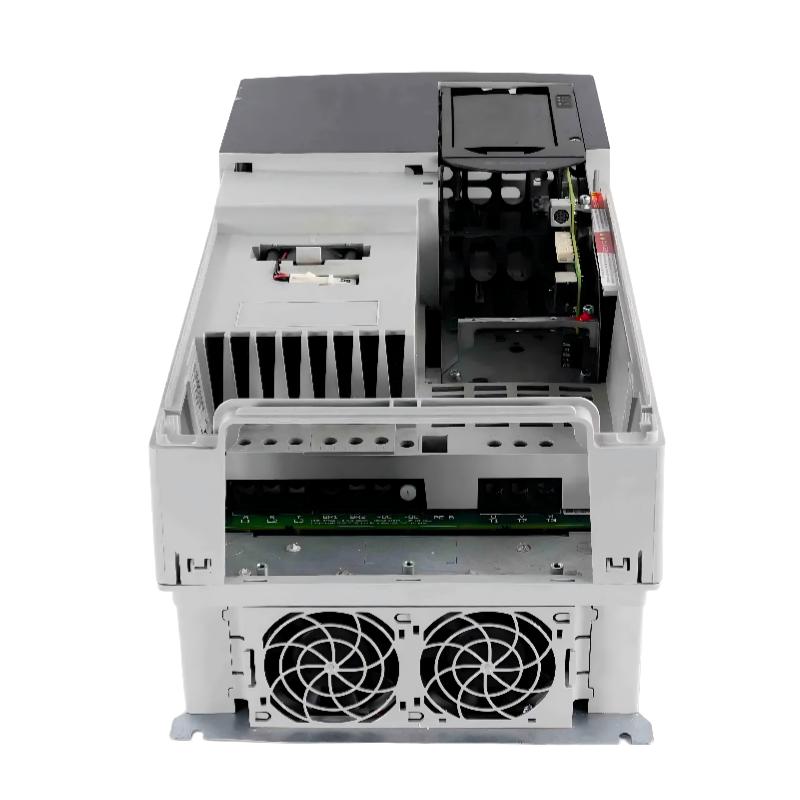
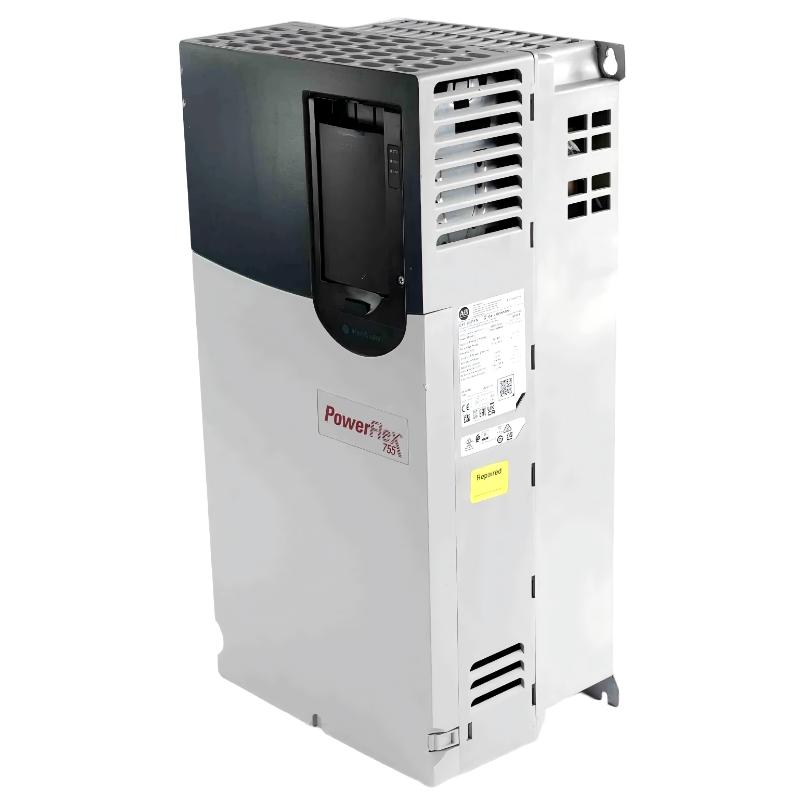
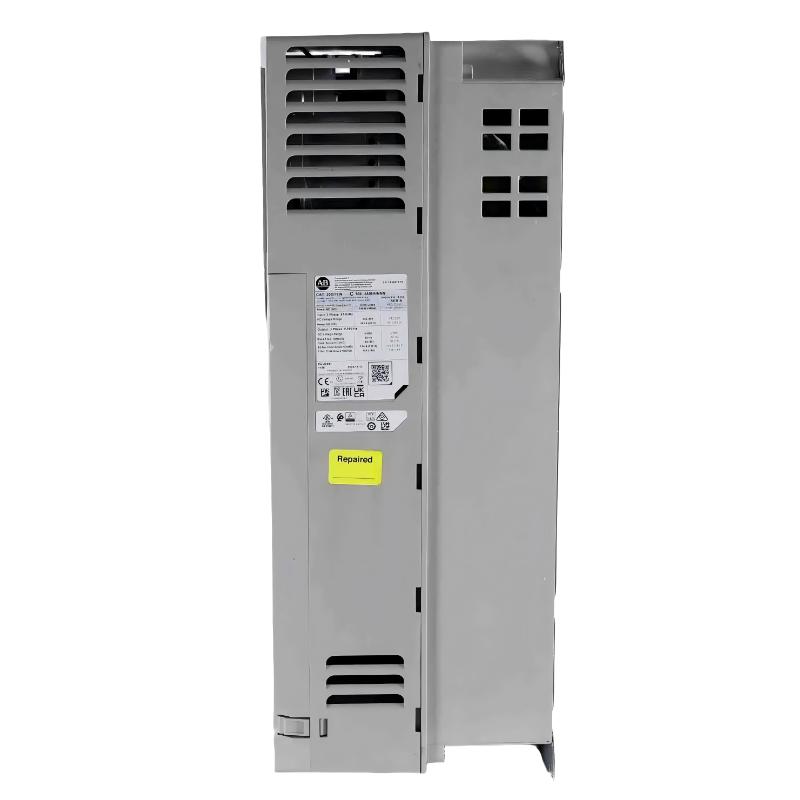
- Allen Bradley
- 20G11BC1K1JN0NNNNN
- PowerFlex AC Drive
- USA
- 1298.3 × 609.4 × 464.7 mm
- 1246kg
- Xiamen, China
- New & In Stock
- T/T, PayPal, Western Union
- 1 Year
- 1-3 Working Days
- DHL, UPS, TNT, FedEx and EMS.
- 24-Hour Service
- COO
- 40
Our advantage

Global Logistics
We have a 10-year logistics and express cooperation agreement, so our products can be shipped to any place in the world.

Brand new and original
Our products are imported in bulk from the place of origin. Because of the cooperative relationship, our products are all original and 100% new.

24-hour service
We provide 7*24 hours service to our customers. We will be there whenever you need us.

Price advantage
All our products are priced very favorably because we have our own warehouse and supply.
| Company Information | |||
| [email protected] | |||
| Mobile | +8615980777398 | ||
| +8615980777398 | |||
| 15980777398 |
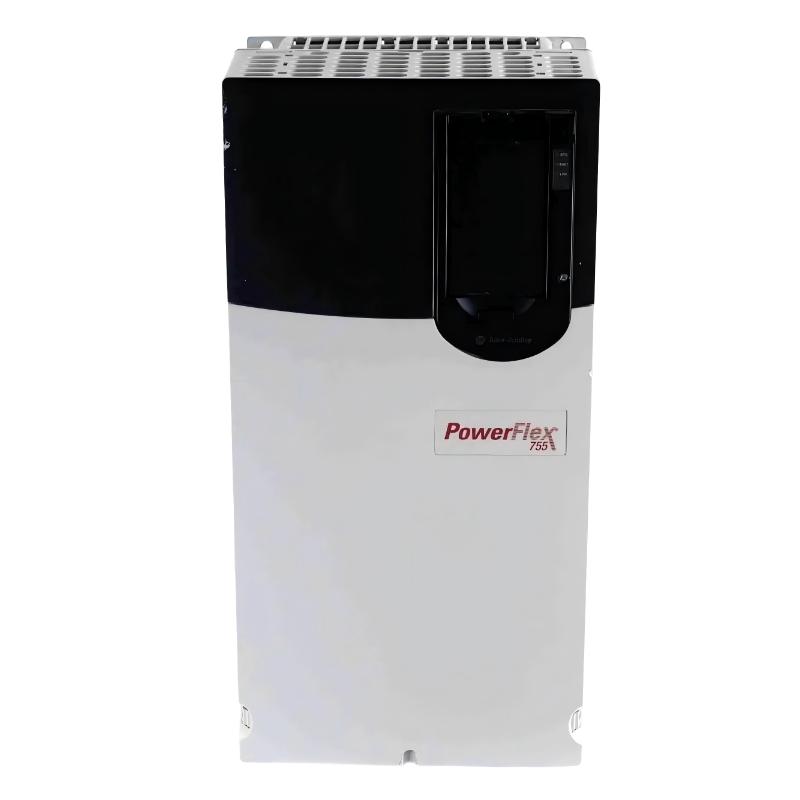
Allen-Bradley 20G11BC1K1JN0NNNNN — Detailed Product Specifications, Introduction, Applications, Advantages and Related Model Recommendations
1. Product Overview
The 20G11BC1K1JN0NNNNN is a high-power Allen-Bradley PowerFlex 755 AC drive designed for large industrial motor-control systems.
It is an air-cooled, three-phase variable frequency drive in the 380–480 VAC class, with a nominal 400 VAC input and a rated output current of 1,090 A.
The drive is rated at approximately 710 kW for Low Duty, 630 kW for Normal Duty and 500 kW for Heavy Duty, making it a high-capacity solution for large pumps, fans, conveyors, compressors, blowers and other industrial machinery.
The model uses a Frame 9 construction with an IP20 / NEMA Type 1, 600 mm deep MCC-style enclosure.
It is equipped with an AC input with precharge and DC terminals, forced-air cooling, EMC filtering and a CM jumper installed configuration.
The JN0 configuration does not include a local HIM keypad or display.
This makes the drive particularly suitable for centralized automation architectures where the operator normally works through a PLC, HMI, SCADA system or industrial Ethernet network rather than directly from the drive cabinet.
The product is currently listed as an active configuration, making it different from the older AN0 version that it replaced.
2. Brand and Product Series
| Item | Specification |
|---|---|
| Brand | Allen-Bradley |
| Product family | PowerFlex |
| Series | PowerFlex 755 |
| Product type | High-Power AC Variable Frequency Drive |
| Catalog number | 20G11BC1K1JN0NNNNN |
| Drive type | Air-Cooled AC Drive |
| Voltage class | 380–480 VAC |
| Nominal input voltage | 400 VAC |
| Input phase | 3 phase |
| Output phase | 3 phase |
| Output current | 1,090 A |
| Low Duty rating | 710 kW |
| Normal Duty rating | 630 kW |
| Heavy Duty rating | 500 kW |
| Frame size | Frame 9 |
| Enclosure | IP20 / NEMA Type 1 |
| Cabinet style | 600 mm deep MCC style |
| Cooling | Forced air |
| Input configuration | AC input with precharge |
| DC terminals | Yes |
| Filtering | Filtered |
| CM jumper | Installed |
| Dynamic braking | No internal dynamic-braking transistor |
| HIM | None / Blank |
| Communication | Embedded EtherNet/IP |
| Control characteristic | PID capable |
| Integrated motion | No |
| Safety function suitability | Yes |
| Lifecycle | Active |
The catalog description identifies this exact configuration as a PowerFlex 755 air-cooled drive with embedded EtherNet/IP, 1,090 A output, 710/630/500 kW duty ratings, 400 VAC three-phase input, Frame 9 construction, filtering and CM jumper installed.
3. Main Technical Parameters
| Parameter | Specification |
|---|---|
| Model | 20G11BC1K1JN0NNNNN |
| Brand | Allen-Bradley |
| Series | PowerFlex 755 |
| Product category | Industrial AC Variable Frequency Drive |
| Input voltage | 380–480 VAC |
| Nominal voltage | 400 VAC |
| Input frequency | 50/60 Hz |
| Input phase | 3 phase |
| Output phase | 3 phase |
| Output current | 1,090 A |
| Low Duty power | 710 kW |
| Normal Duty power | 630 kW |
| Heavy Duty power | 500 kW |
| Approximate HP equivalent | 850 HP class |
| Frame size | Frame 9 |
| Cooling | Air cooled / forced air |
| Input type | AC input with precharge |
| DC terminals | Yes |
| Main enclosure | IP20 / NEMA Type 1 |
| Cabinet style | MCC style |
| Cabinet depth | 600 mm |
| EMC filtering | Yes |
| CM jumper | Installed |
| Dynamic braking | None |
| Internal braking transistor | None |
| HIM | None / Blank |
| Network | Embedded EtherNet/IP |
| Control characteristic | PID |
| Integrated motion | No |
| Safety suitability | Yes |
| Operating temperature | Approximately -20 to 60 °C |
| Storage temperature | Approximately -40 to 70 °C |
| Approx. dimensions | Frame 9 / 600 mm deep MCC-style configuration; exact H × W should be verified from the project drawing |
| Weight (kg) | Approximately 1,246.47 kg |
The 1,090 A, 630 kW Normal Duty, 500 kW Heavy Duty, 400 VAC and Frame 9 ratings are consistently identified for this model. The available product information also identifies IP20 protection, EMC capability, PID control, no dynamic-braking transistor and no keypad.
4. Dimensions and Weight
Because this is a Frame 9, 600 mm deep MCC-style drive, the physical size is substantially larger than standard cabinet-mounted variable frequency drives.
The published configuration identifies the cabinet depth as 600 mm.
The exact overall height and width should be taken from the applicable mechanical drawing for the particular cabinet arrangement, because Frame 9 packaged-drive assemblies can include different cabinet arrangements and options.
For practical planning, the most reliable confirmed physical figures are the 600 mm cabinet depth and approximately 1,246.47 kg equipment weight.
| Mechanical Parameter | Specification |
|---|---|
| Frame | Frame 9 |
| Enclosure | IP20 / NEMA Type 1 |
| Cabinet style | MCC style |
| Cabinet depth | 600 mm |
| Mounting | Floor-mounted / cabinet installation |
| Cooling | Forced air |
| Height | Configuration dependent — verify project dimension drawing |
| Width | Configuration dependent — verify project dimension drawing |
| Depth | 600 mm |
| Dimensions H × W × D | Exact H × W should be confirmed from the selected Frame 9 mechanical drawing; D = 600 mm |
| Weight (kg) | Approximately 1,246.47 kg |
For purchasing, installation and transportation planning, it is better to use the final mechanical drawing rather than relying on a generic Frame 9 dimension.
The weight of approximately 1.25 metric tons is particularly important when planning lifting, transportation, floor loading and cabinet positioning.
5. Product Introduction
The 20G11BC1K1JN0NNNNN is designed to control very large three-phase AC motors.
A conventional motor starter essentially provides the motor with a fixed electrical supply.
A variable frequency drive takes a different approach.
It controls the electrical frequency and voltage supplied to the motor, allowing motor speed and torque to be adjusted according to the requirements of the machine.
For a large industrial motor, this can provide much better control over acceleration, operating speed and process output.
The PowerFlex 755 family is intended for applications where motor control needs to be integrated with a broader industrial automation system.
The 20G11BC1K1JN0NNNNN is particularly suited to installations where the drive itself is located in an electrical room and operators control the equipment from a central HMI or control system.
6. Product Positioning
This model belongs to the high-power section of the PowerFlex 755 family.
The 1,090 A output rating is the most obvious indication of its intended application range.
This is not a compact machine-level drive.
It is a large industrial power-control system designed for motors in the several-hundred-kilowatt range.
The combination of:
- 400 VAC operation.
- 1,090 A output.
- 710 kW Low Duty.
- 630 kW Normal Duty.
- 500 kW Heavy Duty.
- Frame 9 construction.
makes it suitable for large industrial processes.
7. Duty Ratings Explained
The drive has three important power ratings.
| Duty | Rating | General Application |
|---|---|---|
| Low Duty | 710 kW | Variable-torque / less demanding overload applications |
| Normal Duty | 630 kW | General industrial applications |
| Heavy Duty | 500 kW | Higher torque and overload applications |
The 710 kW Low Duty rating is particularly useful for variable-torque loads.
The 630 kW Normal Duty rating is suitable for many general industrial applications.
The 500 kW Heavy Duty rating is important for machinery requiring greater torque and overload capability.
The duty category should not be selected solely according to motor kW.
The motor’s full-load current, torque characteristics, acceleration requirements and overload cycle should all be considered.
8. 1,090 A Output Current
The 1,090 A output current is one of the defining characteristics of the 20G11BC1K1JN0NNNNN.
At this current level, the drive is intended for large industrial motors.
When selecting a drive, motor nameplate current is usually more useful than motor horsepower alone.
For example, two motors with similar kW ratings can have different full-load currents because of differences in:
- Voltage.
- Efficiency.
- Power factor.
- Speed.
- Motor design.
- Operating temperature.
- Duty cycle.
For this reason, the final selection should always compare the actual motor nameplate current with the appropriate drive rating.
9. 400 VAC Three-Phase Operation
The model is designed for the 380–480 VAC input range, with 400 VAC as the nominal voltage.
The input is three phase.
This voltage class is common in industrial power-distribution systems.
The drive receives the incoming AC power and converts it into controlled electrical power for the motor.
The result is adjustable motor speed and controlled acceleration and deceleration.
10. 540 VDC Class DC Bus
The drive’s product information identifies a 400 VAC / approximately 540 VDC electrical class.
The DC bus is an important part of the drive’s internal power-conversion system.
Incoming AC power is converted to DC, and the DC bus then feeds the inverter section that produces controlled AC output for the motor.
The DC bus also becomes important when considering deceleration and regenerative energy.
When a large motor slows down, the motor can temporarily return energy to the drive.
This is why high-inertia applications require a separate braking analysis.
11. Frame 9 Construction
The drive uses Frame 9 construction.
This is a large industrial cabinet platform.
The Frame 9 structure provides the physical space required for:
- High-current power components.
- Power semiconductor assemblies.
- DC-bus equipment.
- Cooling systems.
- Control electronics.
- High-current cable connections.
- Protection equipment.
- Service access.
The 600 mm deep MCC-style enclosure is intended for large electrical installations rather than compact machine panels.
12. IP20 / NEMA Type 1 Enclosure
The main drive enclosure is IP20 / NEMA Type 1.
This means the drive should be installed in a protected electrical environment.
It should not be treated as a weatherproof outdoor enclosure.
The installation should be protected from:
- Rain.
- Direct water.
- Condensation.
- Conductive dust.
- Corrosive gases.
- Excessive oil contamination.
- Foreign objects.
- Severe vibration.
- Excessive ambient temperature.
A properly designed electrical room is much more appropriate for this type of equipment.
13. 600 mm Deep MCC-Style Cabinet
The 600 mm cabinet depth is an important mechanical specification.
Large high-current drives require more physical space than small variable frequency drives.
The cabinet must accommodate:
- Power connections.
- High-current conductors.
- Cooling airflow.
- Electrical components.
- Control equipment.
- Service clearances.
The 600 mm depth also makes the drive suitable for integration into larger MCC-style electrical lineups.
14. Air-Cooled Design
The drive is air cooled using forced air.
At more than 1,000 A and several hundred kilowatts, the power electronics generate substantial heat.
The cooling system is therefore an important part of the installation.
The surrounding electrical room should provide sufficient ventilation and suitable ambient conditions.
Important factors include:
- Airflow.
- Temperature.
- Dust level.
- Fan condition.
- Cabinet clearance.
- Air inlet conditions.
- Heat rejection.
Regular inspection of cooling fans and air passages is recommended as part of preventive maintenance.
15. Filtered Configuration
The 20G11BC1K1JN0NNNNN uses a filtered configuration.
Filtering helps manage high-frequency electrical noise generated by power-electronic switching.
This can be valuable in industrial facilities where the same electrical environment contains:
- PLCs.
- Sensors.
- Instrumentation.
- Industrial computers.
- Communication systems.
- Other variable frequency drives.
- Measurement equipment.
The filter is one part of the EMC design.
Correct grounding, shielding, cable routing and installation practices remain important.
16. CM Jumper Installed
The J configuration identifies the filtered configuration with the CM jumper installed.
This is important when comparing the model with similar PowerFlex 755 catalog numbers.
For example, an otherwise similar AN0 configuration uses the CM jumper removed.
Therefore, these two catalog numbers should not automatically be treated as electrically identical.
The CM configuration can influence common-mode behavior and the relationship between the drive, filter and grounding system.
For replacement projects, the complete catalog number should always be checked.
17. No Internal Dynamic-Braking Transistor
The model does not include an internal dynamic-braking transistor.
For many applications this is perfectly acceptable.
Large pumps and fans, for example, may not require rapid braking.
They can often be allowed to decelerate gradually.
However, applications with high rotational inertia may require additional braking equipment.
Examples include:
- Large conveyors.
- Crushers.
- Centrifuges.
- Large rotating drums.
- High-inertia fans.
- Certain material-handling systems.
During deceleration, the motor can return energy to the drive DC bus.
The braking design should therefore be evaluated based on the actual machine.
18. No HIM Configuration
The JN0 configuration does not include a local HIM.
This is an important feature of the model.
It means the drive is naturally suited to centralized automation.
Operators can work from:
- PLC systems.
- HMI panels.
- SCADA systems.
- Control-room workstations.
- Industrial Ethernet networks.
The drive itself can remain inside an electrical room.
This arrangement is common in large industrial facilities where local drive operation is not required.
19. Embedded EtherNet/IP
The PowerFlex 755 platform provides embedded EtherNet/IP capability.
This allows the drive to communicate with the plant automation system.
Typical information exchanged can include:
- Start command.
- Stop command.
- Speed reference.
- Actual speed.
- Output frequency.
- Output current.
- Drive status.
- Fault status.
- Alarm information.
- Diagnostic information.
For a large facility with many drives, this network capability can simplify centralized monitoring and coordination.
20. Centralized Control Architecture
The no-HIM configuration can be particularly attractive when the drive is part of a centralized control architecture.
For example, a large water-treatment facility may have multiple 500–600 kW pumps.
Each drive can be installed inside a dedicated electrical room.
Operators can control the pumps from a central HMI.
The automation system can monitor:
- Motor current.
- Motor speed.
- Pump status.
- Drive faults.
- Process pressure.
- Flow.
This creates a centralized system in which the drive provides the power-control layer while the automation system provides the operator interface.
21. Application — Large Water Pumps
Large water pumps are a strong application for this drive.
A pump does not necessarily need to operate at full speed all the time.
The drive can adjust motor speed according to the required flow or pressure.
Potential benefits include:
- Adjustable flow.
- Adjustable pressure.
- Reduced throttling.
- Smoother acceleration.
- Reduced mechanical stress.
- Potential energy savings.
For large pumping stations, centralized EtherNet/IP control can also provide coordinated pump sequencing.
22. Application — Process Pumps
Industrial process plants frequently require precise control of liquid flow.
The drive can vary motor speed according to process demand.
Potential applications include:
- Process-water pumps.
- Cooling-water pumps.
- Transfer pumps.
- Feedwater pumps.
- Circulation pumps.
- Industrial liquid-handling systems.
The ability to combine high-power motor control with centralized networking makes the PowerFlex 755 suitable for large process installations.
23. Application — Cooling-Water Systems
Cooling systems often contain large pumps.
The drive can adjust pump speed according to cooling demand.
Potential applications include:
- Industrial cooling-water systems.
- Cooling towers.
- Furnace cooling.
- Heat-exchanger circulation.
- Process cooling.
- Large HVAC systems.
Variable-speed operation allows the pump to respond to actual process demand instead of continuously operating at maximum speed.
24. Application — Large Industrial Fans
Large industrial fans can require several hundred kilowatts.
The drive can control fan speed according to required airflow.
Typical applications include:
- Furnace ventilation.
- Mine ventilation.
- Industrial exhaust.
- Process ventilation.
- Dust collection.
- Cooling systems.
Variable-speed control can provide better airflow regulation than a fixed-speed motor arrangement.
25. Application — Blowers
Large blowers are used in many industrial processes.
Potential applications include:
- Wastewater aeration.
- Combustion air.
- Pneumatic conveying.
- Industrial drying.
- Furnace air systems.
- Process ventilation.
The drive can adjust blower speed to match process demand.
26. Application — Conveyors
Large conveyors can benefit from controlled acceleration and adjustable speed.
Instead of applying full speed immediately, the drive can gradually accelerate the motor.
Potential benefits include:
- Reduced belt stress.
- Reduced gearbox shock.
- Reduced coupling stress.
- Smoother material movement.
- Adjustable production speed.
- Better coordination between conveyor sections.
For high-inertia conveyors, braking requirements must be evaluated separately.
27. Application — Mining Equipment
Mining equipment frequently uses very large electric motors.
Potential applications include:
- Long conveyors.
- Crushers.
- Large pumps.
- Mine ventilation.
- Material handling.
- Ore-processing machinery.
The high current rating of the 20G11BC1K1JN0NNNNN makes it suitable for large motor systems.
Environmental factors such as dust, vibration and temperature should be considered separately during project design.
28. Application — Cement and Heavy Industry
Cement and heavy-industry plants contain many large rotating machines.
Potential applications include:
- Large process fans.
- Crushers.
- Conveyors.
- Pumps.
- Blowers.
- Material-handling systems.
- Process ventilation.
The Frame 9 PowerFlex 755 architecture is appropriate for applications where motor power and current requirements are beyond the range of compact drives.
29. Application — Compressors
Large compressors can require motors in the several-hundred-kilowatt range.
A variable-speed drive can allow compressor speed to follow process demand.
Potential benefits include:
- Adjustable compressor output.
- Controlled acceleration.
- Better process matching.
- Reduced mechanical stress.
- Potential energy savings.
The final suitability depends on compressor design, torque characteristics and operating cycle.
30. Application Suitability Table
| Application | Suitability | Main Benefit |
|---|---|---|
| Large water pump | Excellent | Variable flow and pressure control |
| Process pump | Excellent | Process regulation |
| Cooling-water pump | Excellent | Adjustable flow |
| Large fan | Excellent | Variable airflow |
| Large blower | Excellent | Adjustable process output |
| Large conveyor | Excellent | Controlled acceleration |
| Mining conveyor | Excellent | High-power motor control |
| Crusher | Very Good | High-current motor control |
| Compressor | Very Good | Variable-speed operation |
| Cement machinery | Very Good | Large motor capacity |
| Cooling-tower fan | Excellent | Adjustable airflow |
| Industrial HVAC | Very Good | Variable-speed operation |
| Hoist | Requires detailed evaluation | Braking requirements |
| Crane | Requires detailed evaluation | Regenerative energy |
| Centrifuge | Requires detailed evaluation | High-inertia deceleration |
| Small machine | Not recommended | Excessive capacity |
31. Energy-Saving Potential
Variable frequency drives can offer significant energy-management opportunities when used with variable-torque loads.
Large pumps and fans are typical examples.
When the process requires less output, motor speed can be reduced instead of continuously operating at maximum speed.
Potential benefits include:
- Lower energy consumption.
- Reduced throttling losses.
- Better process matching.
- Reduced mechanical stress.
- Improved process flexibility.
Actual energy savings depend on the motor, load curve, operating hours and process conditions.
32. Motor Selection
The motor should be matched to the drive using the complete motor nameplate.
| Motor Parameter | Importance |
|---|---|
| Motor voltage | Must match the drive voltage class |
| Motor current | Critical sizing parameter |
| Motor power | Must fit the applicable duty rating |
| Motor frequency | Must be compatible |
| Motor speed | Important for operating range |
| Motor torque | Important for load selection |
| Overload requirement | Determines duty classification |
| Starting torque | Important for heavy loads |
| Deceleration time | Important for braking |
| Regenerative energy | Important for high-inertia machines |
| Motor cable length | Important for installation |
| Motor insulation | Important for VFD operation |
| Duty cycle | Important for thermal loading |
For this model, the motor full-load current should be checked carefully against the 1,090 A drive rating.
33. Low Duty, Normal Duty and Heavy Duty Selection
| Duty | Power | General Load Type |
|---|---|---|
| Low Duty | 710 kW | Variable-torque / less demanding loads |
| Normal Duty | 630 kW | General industrial loads |
| Heavy Duty | 500 kW | High-torque / overload applications |
A common mistake is to select the drive only by motor kW.
For example, a 500 kW pump and a 500 kW conveyor can have completely different torque requirements.
The drive should therefore be selected according to the complete load profile.
34. Electrical Installation Requirements
A 1,090 A drive requires substantial electrical infrastructure.
| Installation Item | Requirement |
|---|---|
| Incoming supply | 400 VAC three-phase class |
| Output current | 1,090 A |
| Motor current | Must remain within applicable rating |
| Protective devices | Proper coordination required |
| Power conductors | High-current sizing required |
| Busbars | High-current capacity required |
| Grounding | Proper engineering required |
| EMC | Filtering and cable routing important |
| Short-circuit protection | Must be coordinated |
| Cooling | Adequate ventilation required |
| Maintenance | Sufficient service space required |
| Braking | Load inertia should be evaluated |
| Communication | Plant network compatibility required |
35. Power Cable Considerations
At approximately 1,090 A, the incoming power system is a major engineering consideration.
The installation may require:
- High-current cable systems.
- Parallel conductors.
- Busbar systems.
- High-current cable terminations.
- Proper grounding.
- Short-circuit protection.
- Thermal calculations.
- EMC considerations.
The final conductor arrangement should be determined according to applicable electrical standards and project conditions.
36. Motor Cable Considerations
Motor cables should also be carefully selected.
Important factors include:
- Motor current.
- Cable length.
- Installation method.
- Ambient temperature.
- Cable grouping.
- Motor insulation.
- Grounding.
- EMC requirements.
Long motor cables can have additional electrical effects.
The cable system should therefore be treated as part of the complete VFD installation.
37. Thermal Management
The drive produces significant heat during operation.
The electrical room should provide enough ventilation to remove heat generated by:
- Power electronics.
- Cooling fans.
- DC-bus components.
- Control electronics.
- Other equipment.
Cooling fans should be inspected regularly.
Air passages should remain clean.
The room temperature should remain within the applicable operating range.
38. Operating Temperature
Available product data identifies an operating-temperature range of approximately -20 to 60 °C, with storage temperatures of approximately -40 to 70 °C.
For high-power installations, ambient temperature has a direct relationship with thermal performance.
A design operating near the upper temperature limit requires greater attention to:
- Ventilation.
- Cooling airflow.
- Cabinet temperature.
- Drive loading.
- Installation altitude.
- Continuous-duty conditions.
39. Advantages of the No-HIM Configuration
The lack of a local HIM is not necessarily a disadvantage.
In a centralized automation system, it can actually be useful.
Advantages include:
- Centralized operation.
- Reduced local operator hardware.
- Cleaner control-room architecture.
- Easy integration with PLC systems.
- Remote monitoring.
- Remote fault management.
- Standardized operation across multiple drives.
This configuration is particularly suitable when the drive is installed in an electrical room that is not intended to be a normal operator location.
40. Advantages of Embedded EtherNet/IP
The integrated communication capability allows the drive to become part of the automation network.
This can provide:
- Centralized start/stop control.
- Speed reference control.
- Status monitoring.
- Fault monitoring.
- Alarm monitoring.
- Process feedback.
- Remote diagnostics.
For large facilities with many drives, this can simplify overall system architecture.
41. Advantages of the PowerFlex 755 Series
The PowerFlex 755 family is designed for advanced industrial motor-control applications.
Major strengths include:
- High-power capability.
- High-current Frame 9 configurations.
- Industrial Ethernet integration.
- Advanced motor control.
- PID control capability.
- Diagnostic functions.
- Safety-function compatibility.
- Flexible control architecture.
- Large range of power ratings.
- Suitability for pumps, fans and conveyors.
42. Advantages of the 20G11BC1K1JN0NNNNN
| Advantage | Practical Value |
|---|---|
| 1,090 A output | Suitable for very large motors |
| 710 kW Low Duty | High variable-torque capacity |
| 630 kW Normal Duty | Strong general-purpose industrial capacity |
| 500 kW Heavy Duty | Suitable for demanding torque applications |
| 400 VAC | Common industrial voltage class |
| Frame 9 | High-power mechanical platform |
| 600 mm deep MCC style | Suitable for large electrical rooms |
| Air cooled | Practical high-power cooling system |
| Filtered | Helps manage electrical interference |
| CM jumper installed | Defined common-mode configuration |
| Embedded EtherNet/IP | Easy automation integration |
| No HIM | Well suited to centralized control |
| AC input with precharge | Suitable high-power input architecture |
| DC terminals | Supports the specified drive configuration |
| Safety-function suitability | Useful in advanced automation systems |
| PID capability | Useful for process-control applications |
43. Main Limitations
The product is powerful, but it is not intended for every motor application.
The first limitation is physical size.
A Frame 9, 600 mm deep MCC-style drive requires substantial electrical-room space.
The second limitation is weight.
At approximately 1,246.47 kg, the equipment requires proper transportation and lifting planning.
The third limitation is the IP20 / NEMA Type 1 enclosure.
The main cabinet should be installed in a protected electrical environment.
The fourth consideration is braking.
Because there is no internal dynamic-braking transistor, high-inertia applications may require an external braking or regenerative solution.
The fifth consideration is the absence of a local HIM.
For centralized control this is an advantage, but for machines requiring local operator access, another HIM configuration may be more appropriate.
44. Maintenance Advantages
A centralized control architecture can simplify routine monitoring.
The automation system can provide information such as:
- Drive status.
- Motor current.
- Motor speed.
- Frequency.
- Fault condition.
- Alarm condition.
- Communication status.
- Process feedback.
Maintenance personnel can therefore diagnose many problems without requiring a permanent local keypad.
For major service work, an appropriate service interface and maintenance procedure should still be available.
45. Commissioning
A typical commissioning sequence may include:
- Verify incoming voltage.
- Verify motor nameplate information.
- Confirm motor current.
- Confirm motor power.
- Select the correct duty classification.
- Enter motor parameters.
- Confirm control mode.
- Verify speed reference.
- Check motor direction.
- Verify acceleration.
- Verify deceleration.
- Evaluate braking requirements.
- Configure EtherNet/IP communication.
- Test start/stop commands.
- Test speed reference.
- Check alarms.
- Check faults.
- Test the motor under controlled conditions.
- Verify process response.
- Record final parameters.
46. Five Recommended Same-Series Models
The following models are useful comparisons within the PowerFlex 755 high-power family.
| Model | Series | Voltage | Current | Low Duty | Normal Duty | Heavy Duty | Frame | Dimensions / Weight |
|---|---|---|---|---|---|---|---|---|
| 20G11BC910JN0NNNNN | PowerFlex 755 | 400 VAC | 910 A class | 560 kW | 500 kW | 400 kW | 9 | 600 mm deep MCC style; weight configuration dependent |
| 20G11BC1K0JN0NNNNN | PowerFlex 755 | 400 VAC | 1,040 A | 630 kW | 560 kW | 500 kW | 9 | 600 mm deep MCC style; approximately 1,246 kg class |
| 20G11BC1K1JN0NNNNN | PowerFlex 755 | 400 VAC | 1,090 A | 710 kW | 630 kW | 500 kW | 9 | 600 mm deep MCC style; approximately 1,246 kg |
| 20G11BC1K2JN2NNNNN | PowerFlex 755 | 400 VAC | 1,175 A class | 800 kW | 710 kW | 560 kW | 9 | 600 mm deep MCC style; configuration dependent |
| 20G11BC1K4JN2NNNNN | PowerFlex 755 | 400 VAC | Higher-current Frame 9 class | 850 kW | 800 kW | 630 kW | 9 | 600 mm deep MCC style; configuration dependent |
The 20G11BC1K0JN0NNNNN is the most logical lower-capacity comparison.
The 20G11BC1K1JN0NNNNN is the subject model.
The larger Frame 9 models are useful when additional motor current or power capacity is required.
The duty ratings and frame progression are consistent with the PowerFlex 755 high-power selection structure.
47. Five Related Same-Brand Popular Models
| Model | Series | Voltage Class | Current / Power | Frame | Typical Application | Dimensions / Weight |
|---|---|---|---|---|---|---|
| 20F1ANF263JN0NNNNN | PowerFlex 753 | 690 VAC | 263 A; 250 kW ND / 200 kW HD | 7 | Large industrial motor control | Approx. 881.5 × 430 × 349.6 mm; approx. 48 kg |
| 20G11BC910JN0NNNNN | PowerFlex 755 | 400 VAC | 910 A class | 9 | Large pumps, fans and conveyors | 600 mm deep MCC style; configuration dependent |
| 20G11BF590JN0NNNNN | PowerFlex 755 | 690 VAC | 590 A class | 9 | Large 690 VAC motors | Frame 9; configuration dependent |
| 20G11BC1K0JN0NNNNN | PowerFlex 755 | 400 VAC | 1,040 A; 630/560/500 kW | 9 | Large process machinery | 600 mm deep MCC style; approximately 1,246 kg class |
| 25B-D030N114 | PowerFlex 525 | 480 VAC class | Approx. 30 A class | Compact | Machine-level motor control | Compact frame; configuration dependent |
These five models represent substantially different application levels.
The PowerFlex 753 is suitable for large industrial motors but generally at a lower power level than the Frame 9 PowerFlex 755.
The PowerFlex 755 high-power models are much more appropriate for large pumps, fans, conveyors and process equipment.
The PowerFlex 525 is a compact drive family and is intended for much smaller machinery.
48. Comparison with 20G11BC1K0JN0NNNNN
The 20G11BC1K0JN0NNNNN is one of the closest lower-rated alternatives.
| Feature | 20G11BC1K0JN0NNNNN | 20G11BC1K1JN0NNNNN |
|---|---|---|
| Series | PowerFlex 755 | PowerFlex 755 |
| Input voltage | 400 VAC | 400 VAC |
| Output current | 1,040 A | 1,090 A |
| Low Duty | 630 kW | 710 kW |
| Normal Duty | 560 kW | 630 kW |
| Heavy Duty | 500 kW | 500 kW |
| Frame | 9 | 9 |
| Cooling | Air cooled | Air cooled |
| Filtering | Filtered | Filtered |
| CM jumper | Installed | Installed |
| Dynamic braking | None | None |
| HIM | None | None |
| Cabinet depth | 600 mm | 600 mm |
| Approx. weight | Approx. 1,246 kg class | Approx. 1,246 kg |
The 20G11BC1K1JN0NNNNN provides additional Low Duty and Normal Duty capacity while retaining the same general Frame 9 platform.
49. Comparison with 20G11BC1K1JN2NNNNN
The 20G11BC1K1JN2NNNNN is another related configuration.
| Feature | 20G11BC1K1JN0NNNNN | 20G11BC1K1JN2NNNNN |
|---|---|---|
| Series | PowerFlex 755 | PowerFlex 755 |
| Voltage | 400 VAC | 400 VAC |
| Current | 1,090 A | 1,090 A class |
| Low Duty | 710 kW | 710 kW |
| Normal Duty | 630 kW | 630 kW |
| Heavy Duty | 500 kW | 500 kW |
| Frame | 9 | 9 |
| Filtering | Filtered | Filtered |
| CM jumper | Installed | Installed |
| HIM | None | Enhanced LCD configuration |
| Cabinet depth | 600 mm | 600 mm |
| Main enclosure | IP20 / NEMA Type 1 | IP20 / NEMA Type 1 |
| Approx. weight | Approx. 1,246 kg | Approx. 1,246 kg class |
The main reason to select a HIM-equipped version is the need for local operator and maintenance access.
The JN0 configuration is better suited to centralized control.
50. Comparison with the Older AN0 Configuration
The preceding model 20G11BC1K1AN0NNNNN is particularly relevant because the JN0 configuration replaced it.
| Feature | 20G11BC1K1AN0NNNNN | 20G11BC1K1JN0NNNNN |
|---|---|---|
| Series | PowerFlex 755 | PowerFlex 755 |
| Voltage | 400 VAC | 400 VAC |
| Output current | 1,090 A | 1,090 A |
| Low Duty | 710 kW | 710 kW |
| Normal Duty | 630 kW | 630 kW |
| Heavy Duty | 500 kW | 500 kW |
| Frame | 9 | 9 |
| Filtering | Filtered | Filtered |
| CM jumper | Removed | Installed |
| Dynamic braking | None | None |
| HIM | None | None |
| Cabinet depth | 600 mm | 600 mm |
| Main enclosure | IP20 / NEMA Type 1 | IP20 / NEMA Type 1 |
| Lifecycle | Discontinued | Active |
The older AN0 model was discontinued and replaced by the JN0 configuration.
The most obvious catalog-number change is the A-to-J filtering/common-mode configuration.
This should be considered during replacement engineering.
51. Why the JN0 Configuration Is Important
The JN0 configuration is particularly useful for industrial systems where the drive is not intended to be an operator workstation.
It provides:
- High-current motor control.
- High-power capability.
- Industrial network communication.
- Centralized monitoring.
- Centralized operation.
- Filtered electrical configuration.
- Large Frame 9 construction.
- No unnecessary local display.
This makes it a natural fit for large automated plants.
52. Pump Station Example
Imagine a pumping station containing several large motors.
Each motor can be controlled by a PowerFlex 755 drive.
The drives can communicate with the central control system.
The control system can:
- Start and stop pumps.
- Adjust pump speed.
- Monitor current.
- Monitor speed.
- Monitor faults.
- Coordinate multiple pumps.
- Maintain pressure.
- Maintain flow.
The drives remain in the electrical room while operators work from the central control station.
This is exactly the type of architecture where a no-HIM configuration can make sense.
53. Conveyor System Example
A large material-handling system may contain multiple high-power conveyor motors.
Each drive can receive speed commands through the automation network.
The control system can coordinate the conveyors.
For example:
- Conveyor 1 starts first.
- Conveyor 2 starts after Conveyor 1 reaches operating speed.
- Conveyor 3 follows.
- If a downstream conveyor faults, upstream conveyors can be stopped.
This type of coordination is much easier when the drives are integrated into the same automation architecture.
54. Large Fan System Example
A large industrial ventilation system may need different airflow levels throughout the production cycle.
The control system can adjust fan speed according to:
- Temperature.
- Pressure.
- Airflow.
- Production rate.
- Process demand.
The drive can provide motor feedback to the control system.
This allows the fan to operate as part of the process rather than as a simple fixed-speed motor.
55. Process Control Advantages
The PowerFlex 755 platform’s PID capability can be valuable in process applications.
For example, a pump can be controlled according to pressure.
A fan can be controlled according to airflow or pressure.
A blower can be controlled according to process demand.
The drive can adjust motor speed to help maintain the desired process variable.
This can reduce the amount of external control hardware required for some applications.
56. Communication and Diagnostics
EtherNet/IP integration can provide a useful diagnostic layer.
The control system can monitor:
- Running status.
- Speed.
- Current.
- Frequency.
- Faults.
- Alarms.
- Drive state.
- Process information.
This can improve troubleshooting.
For a large industrial plant, centralized diagnostics can save considerable maintenance time compared with manually checking every drive.
57. Safety and Control-System Integration
Available technical information identifies the drive as suitable for safety functions.
This does not mean that the complete machine automatically becomes a safety-rated system.
The machine-level safety architecture still needs to be designed correctly.
Depending on the application, this can involve:
- Safe Torque Off.
- Safety PLC.
- Emergency-stop architecture.
- Guarding.
- Interlocks.
- Safe speed functions.
- Risk assessment.
The drive is one component of the overall safety system.
58. Maintenance Planning
A high-power Frame 9 drive should have a structured maintenance plan.
Important inspection areas include:
- Cooling fans.
- Air passages.
- Cabinet cleanliness.
- Electrical connections.
- Power terminals.
- Grounding.
- Motor cables.
- Control wiring.
- Network connections.
- Fault history.
- Operating temperature.
- Drive parameters.
- Cabinet ventilation.
The absence of a HIM means that the maintenance team should ensure that an appropriate diagnostic method is available through the control system or service interface.
59. Transportation and Installation
At approximately 1,246.47 kg, the drive is heavy industrial equipment.
Transportation planning should consider:
- Delivery access.
- Floor loading.
- Forklift capacity.
- Crane capacity.
- Lifting points.
- Cabinet dimensions.
- Door openings.
- Turning radius.
- Electrical-room access.
- Final positioning.
The installation team should not assume that the drive can be moved using ordinary material-handling equipment.
60. Floor and Cabinet Planning
A Frame 9 drive requires a properly prepared installation location.
The design should consider:
- Floor strength.
- Cabinet alignment.
- Cable entry.
- Cable bending radius.
- Front service access.
- Cooling airflow.
- Adjacent cabinet spacing.
- Maintenance access.
- Emergency access.
The final mechanical drawing should always be used for detailed construction planning.
61. Environmental Considerations
The main enclosure is IP20 / NEMA Type 1.
This means the installation environment should be controlled.
The drive should be protected against:
- Direct water.
- Rain.
- Condensation.
- Conductive contamination.
- Corrosive gases.
- Excessive dust.
- Excessive vibration.
- Uncontrolled temperature.
For mining, cement and other dusty environments, the electrical-room design becomes especially important.
62. Advantages and Limitations Summary
| Category | Assessment |
|---|---|
| Power capacity | Excellent |
| Output current | Excellent |
| Large motor control | Excellent |
| Pump applications | Excellent |
| Fan applications | Excellent |
| Conveyor applications | Excellent |
| Process applications | Excellent |
| EtherNet/IP integration | Excellent |
| Centralized control | Excellent |
| PID control | Very Good |
| Local operator interface | Not included |
| Internal dynamic braking | Not included |
| Physical size | Very large |
| Weight | Very high |
| Installation complexity | High |
| Thermal requirements | High |
| Small-machine suitability | Poor |
63. Recommended Selection Process
Step 1 — Check Motor Voltage
Confirm that the motor is suitable for the 400 VAC drive class.
Step 2 — Check Motor Current
Compare the motor nameplate current with the 1,090 A drive rating.
Step 3 — Check Motor Power
Confirm the motor power against the correct duty classification.
Step 4 — Determine Load Type
Identify whether the load is variable torque, constant torque or high overload.
Step 5 — Evaluate Braking
Determine whether the machine requires rapid deceleration or regenerative braking.
Step 6 — Check Communication
Confirm that EtherNet/IP fits the automation architecture.
Step 7 — Check Local Interface Requirements
Because this model has no HIM, determine whether operators need local access.
Step 8 — Check Mechanical Space
Confirm the Frame 9 cabinet arrangement and 600 mm depth.
Step 9 — Check Weight
Allow for approximately 1,246.47 kg.
Step 10 — Check Environment
Ensure the electrical room is appropriate for an IP20 / NEMA Type 1 drive.
Step 11 — Check Cooling
Verify ventilation and heat-rejection requirements.
Step 12 — Verify the Complete Catalog Number
Do not select the drive solely by kW or current.
The complete catalog number determines important configuration details.
64. Key Specification Table
| Parameter | Value |
|---|---|
| Model | 20G11BC1K1JN0NNNNN |
| Brand | Allen-Bradley |
| Series | PowerFlex 755 |
| Product type | High-Power AC Variable Frequency Drive |
| Input voltage | 380–480 VAC |
| Nominal input voltage | 400 VAC |
| Input frequency | 50/60 Hz |
| Input phase | 3 phase |
| Output phase | 3 phase |
| Output current | 1,090 A |
| Low Duty | 710 kW |
| Normal Duty | 630 kW |
| Heavy Duty | 500 kW |
| Frame | 9 |
| Cooling | Air cooled / forced air |
| Main enclosure | IP20 / NEMA Type 1 |
| Cabinet style | MCC style |
| Cabinet depth | 600 mm |
| Filtering | Yes |
| CM jumper | Installed |
| Dynamic braking | None |
| Internal braking transistor | None |
| HIM | None |
| Network | Embedded EtherNet/IP |
| Control characteristic | PID |
| Integrated motion | No |
| Safety suitability | Yes |
| Operating temperature | Approximately -20 to 60 °C |
| Storage temperature | Approximately -40 to 70 °C |
| Dimensions | Frame 9 / 600 mm deep; exact H × W configuration-dependent |
| Weight (kg) | Approximately 1,246.47 kg |
| Lifecycle | Active |
65. Final Technical Assessment
The 20G11BC1K1JN0NNNNN is a substantial industrial AC drive designed for large motors and demanding process equipment.
Its main electrical specification can be summarized as:
400 VAC / 3 phase / 1,090 A / 710 kW LD / 630 kW ND / 500 kW HD
This combination gives the drive enough capacity for a wide range of large industrial applications.
The Frame 9 construction and 600 mm deep MCC-style cabinet make it suitable for large electrical rooms and MCC-based installations.
The air-cooled architecture provides a practical cooling method for a drive of this power level.
The filtered configuration with CM jumper installed is another important characteristic.
The drive is designed to operate as part of a larger industrial electrical and automation system rather than as an isolated motor controller.
66. Why This Model Is a Strong Choice
The biggest advantage of the 20G11BC1K1JN0NNNNN is the combination of very high current capacity and centralized control capability.
The drive can handle a 1,090 A motor-control requirement while providing the communication capability needed for modern automation.
It is particularly well suited to:
large water pumps
process pumps
large fans
industrial blowers
large conveyors
compressors
mining machinery
cement equipment
cooling systems
industrial ventilation
material-handling equipment
large process machinery
The no-HIM configuration is especially useful when the plant already has a centralized operator interface.
Instead of placing a keypad on every drive, the plant can use a common control architecture.
This can simplify operation and make the overall system easier to standardize.
67. Final Conclusion
The 20G11BC1K1JN0NNNNN is a high-power Allen-Bradley PowerFlex 755 AC variable frequency drive designed for large industrial motor applications.
Its core electrical specifications are:
400 VAC
Three phase
1,090 A output
710 kW Low Duty
630 kW Normal Duty
500 kW Heavy Duty
Frame 9
The mechanical configuration is:
IP20 / NEMA Type 1
600 mm deep MCC style
Air cooled
Approximately 1,246.47 kg
The exact overall height and width should be confirmed from the applicable Frame 9 mechanical drawing before final installation planning, while the 600 mm cabinet depth and approximately 1,246 kg weight are useful planning figures.
The drive uses EMC filtering with the CM jumper installed.
It also uses an AC input with precharge and DC terminals.
There is no internal dynamic-braking transistor and no factory-installed HIM.
This particular configuration therefore makes especially good sense in a centralized industrial automation environment.
The drive can be controlled through the plant’s PLC and HMI architecture, while EtherNet/IP can provide status, commands, process information and diagnostics.
For large pumps and fans, variable-speed control can provide better process matching and potential energy savings.
For conveyors, crushers and other high-inertia machinery, the braking system should be evaluated independently.
The model is also important as a replacement for the older 20G11BC1K1AN0NNNNN configuration.
The newer JN0 version retains the high-power electrical class while using the CM jumper installed configuration.
Overall, the 20G11BC1K1JN0NNNNN can be described as a high-current, high-power, Frame 9 PowerFlex 755 drive for large industrial motor systems, with strong network integration and centralized-control capability.
For a large 400 VAC motor system in the approximate 500–630 kW operating range, particularly where the plant requires high current, industrial Ethernet communication and centralized operation, this model is a strong high-power drive solution.