

ProductPRODUCT
Featured products
Contact Us
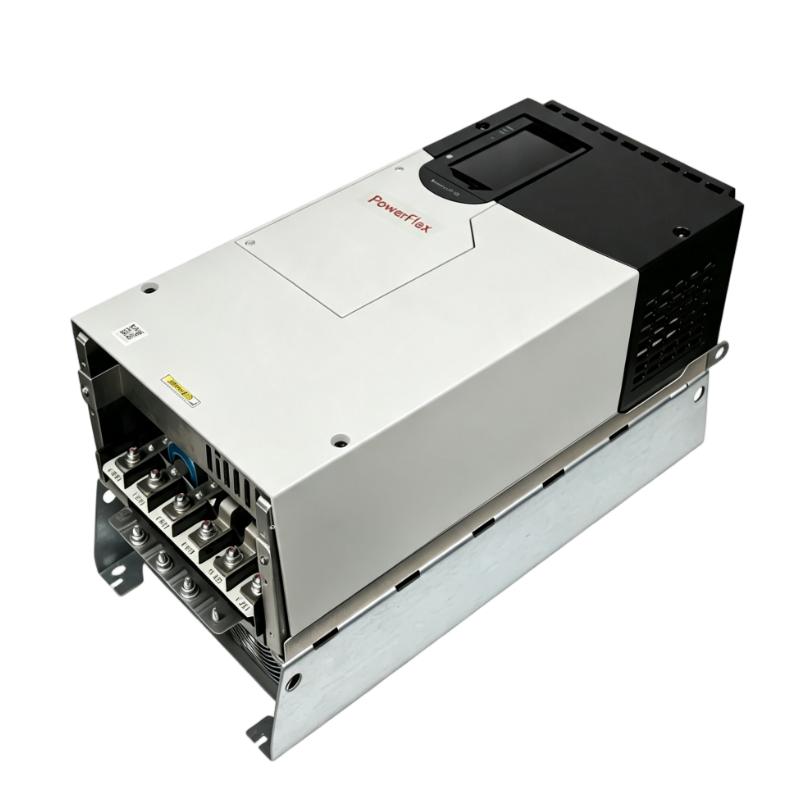
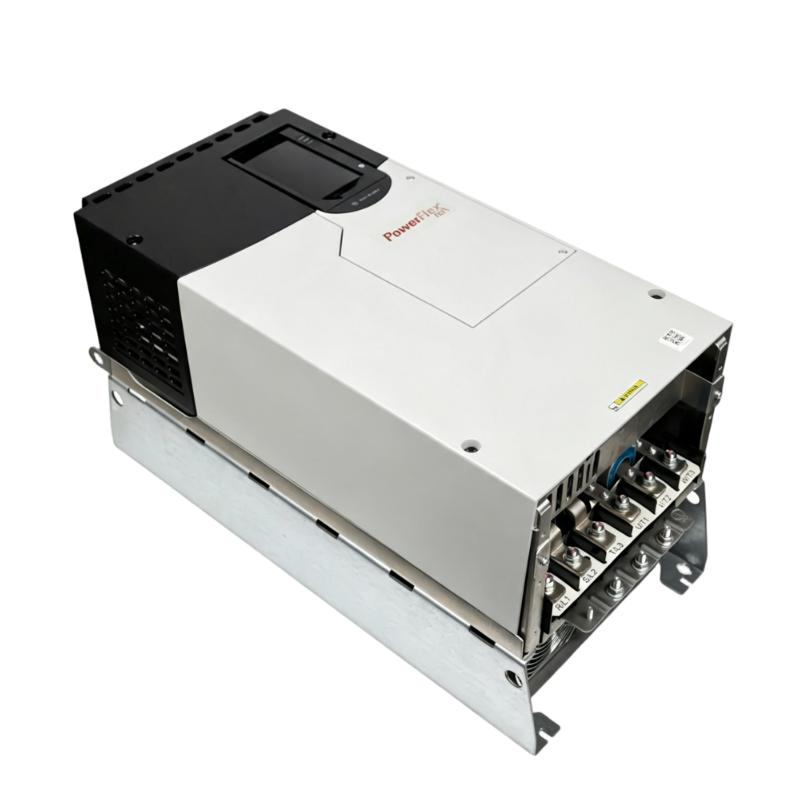
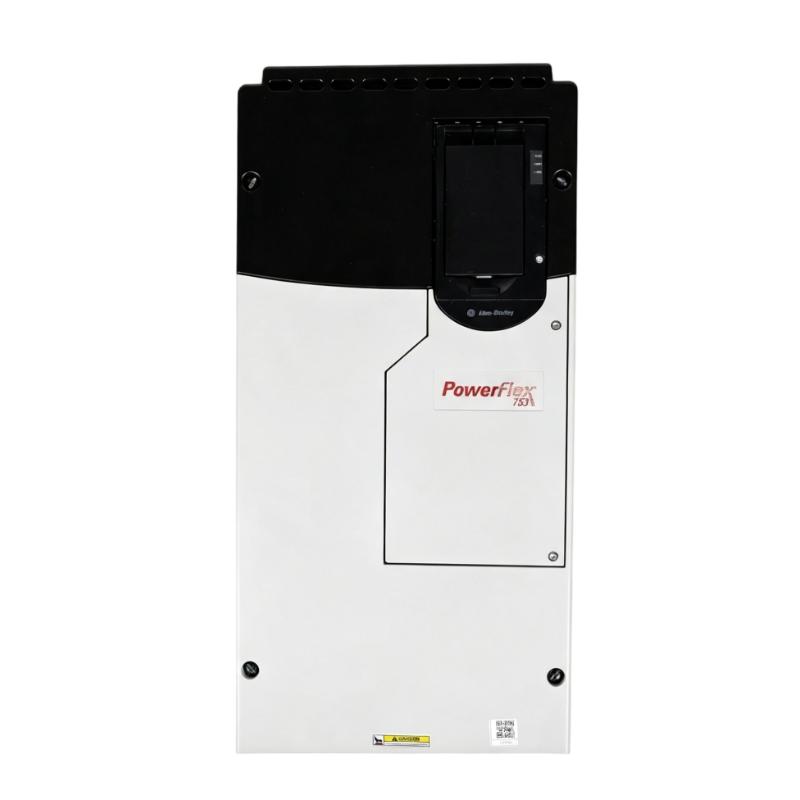
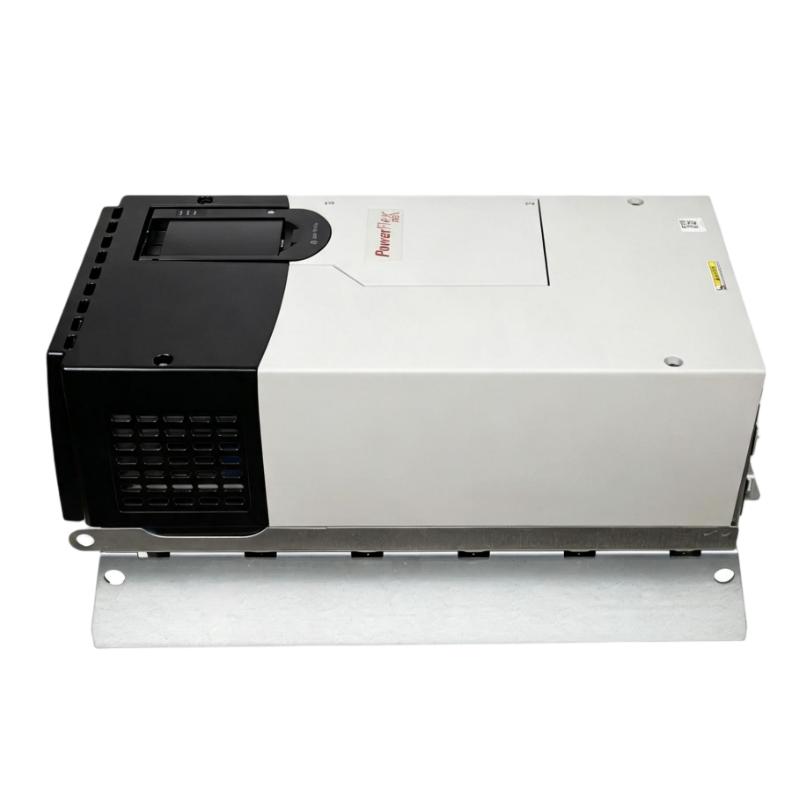
- Allen Bradley
- 20F1ANE144JN0NNNNN
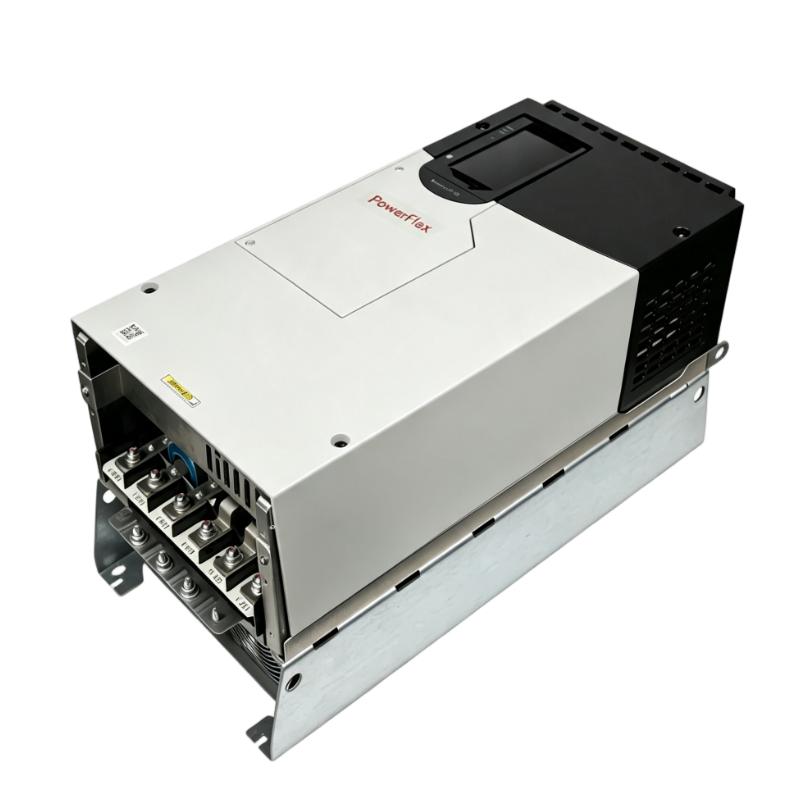
- PowerFlex 753 AC Drive
- USA
- 665.5 × 308 × 346.4 mm
- 38.6 kg
- Xiamen, China
- New & In Stock
- T/T, PayPal, Western Union
- 1 Year
- 1-3 Working Days
- DHL, UPS, TNT, FedEx and EMS.
- 24-Hour Service
- COO
- 77
Our advantage

Global Logistics
We have a 10-year logistics and express cooperation agreement, so our products can be shipped to any place in the world.

Brand new and original
Our products are imported in bulk from the place of origin. Because of the cooperative relationship, our products are all original and 100% new.

24-hour service
We provide 7*24 hours service to our customers. We will be there whenever you need us.

Price advantage
All our products are priced very favorably because we have our own warehouse and supply.
| Company Information | |||
| [email protected] | |||
| Mobile | +8615980777398 | ||
| +8615980777398 | |||
| 15980777398 |
Product Overview
The Allen Bradley 20F1ANE144JN0NNNNN is a PowerFlex 753 AC Drive used for variable-speed control of industrial AC motors. It is part of the PowerFlex 750-Series platform and fits applications where motor speed needs to follow a machine sequence, process demand, or controller-generated reference.
In a production system, the drive sits between the electrical supply and the motor while the automation controller determines how the motor should operate. This makes the PowerFlex 753 suitable for applications where a motor needs controlled starting, stopping, speed changes, and coordinated operation with other equipment.
Typical installations include conveyors, pumps, fans, material-handling equipment, and process machinery. The drive can also be incorporated into a larger Allen Bradley control architecture, allowing motor operation and drive status to become part of the overall machine or process-control strategy.
Technical Specifications
| Parameter | Specification |
|---|---|
| Manufacturer | Allen Bradley |
| Part Number | 20F1ANE144JN0NNNNN |
| Product Family | PowerFlex 750-Series |
| Product Type | PowerFlex 753 AC Drive |
| Application | Industrial AC Motor Control |
| Dimensions | 665.5 × 308 × 346.4 mm |
| Weight | 38.6 kg |
Product Features
- PowerFlex 753 AC Drive platform — Intended for industrial variable-frequency drive applications requiring controlled AC motor operation.
- Variable-speed operation — Allows motor speed to be adjusted according to machine or process requirements.
- Industrial automation integration — Can be incorporated into PLC-based control systems for coordinated motor operation.
- Flexible motor applications — Suitable for conveyors, pumps, fans, material-handling equipment, and process machinery.
- Controlled acceleration and deceleration — Supports applications where abrupt motor starting or stopping would be undesirable.
- Drive-based diagnostics — Operating status and fault information can be used during commissioning and maintenance.
Working Principle
The 20F1ANE144JN0NNNNN regulates the electrical output delivered to the connected AC motor rather than simply switching the motor supply on and off. The drive uses the configured motor-control parameters and the selected command and reference sources to determine how the motor should operate.
The basic energy and control path is:
Incoming Power → PowerFlex 753 AC Drive → Variable Electrical Output → AC Motor
For example, on a conveyor system, the controller may request a specific speed according to the production sequence. The drive then manages motor operation to follow the requested operating condition. A pump application can use the same principle to adjust motor speed as process demand changes.
During commissioning, the relationship between the drive’s command source, speed reference, motor parameters, and external controller should be checked as a complete system. A correct electrical installation alone does not guarantee that the motor will respond to the expected automation command.
Role in a PowerFlex 753 Control Architecture
| System Element | Function |
|---|---|
| PLC / Controller | Generates machine commands and process references |
| PowerFlex 753 AC Drive | Controls the connected AC motor |
| AC Motor | Converts electrical energy into mechanical motion |
| HMI | Provides operator control, status monitoring, and diagnostics |
| Process Sensors | Supply feedback used by the machine or process-control strategy |
| Industrial Communication Network | Transfers control and diagnostic information where network control is used |
Industrial Applications
| Application | Typical Use |
|---|---|
| Conveyor Systems | Adjusting conveyor speed for different production conditions |
| Pumping Systems | Matching motor speed to changing flow or process demand |
| Fans and Blowers | Controlling airflow according to operating requirements |
| Material Handling | Coordinating motor speed with feeders, conveyors, and handling equipment |
| Process Machinery | Maintaining controlled motor operation during production cycles |
| Industrial Equipment | Providing variable-speed control for continuously operating AC motors |
Installation and Maintenance
- Confirm application compatibility — Verify that the PowerFlex 753 drive configuration matches the motor and intended industrial application.
- Check power and motor connections — Inspect incoming power, motor wiring, grounding, and control connections before energizing the equipment.
- Configure motor data correctly — Enter the required motor information and review the applicable drive parameters before commissioning.
- Verify command and reference sources — Confirm whether the start/stop command and speed reference originate from the keypad, terminal connections, PLC, or another configured source.
- Check cooling and cabinet conditions — Keep the drive installation area clean and maintain suitable airflow around the equipment.
- Review diagnostic information — When faults occur, examine the drive status and fault information before replacing hardware.
- Inspect connections during scheduled maintenance — Check power, motor, control, and communication connections for looseness or signs of deterioration.
Related Components
| Component | Function / Relationship |
|---|---|
| Allen Bradley PowerFlex 753 AC Drive | Variable-speed motor-control device |
| Allen Bradley PLC | Provides machine and process control commands |
| Allen Bradley HMI | Operator interface for drive monitoring and control |
| AC Motor | Receives controlled electrical output from the drive |
| Motor Protection Components | Support protection of the motor and electrical installation |
| Industrial Ethernet / Control Network | Supports communication between automation equipment where applicable |
Recommended Related Models
| Model | Product Type | Typical Application |
|---|---|---|
| Allen Bradley 20F1ANE144JN0NNNNN | PowerFlex 753 AC Drive | Industrial AC motor control |
| Allen Bradley 20F1AND302AN0NNNNN | PowerFlex 753 AC Drive | Variable-speed industrial applications |
| Allen Bradley 20F1AND361AA0NNNNN | PowerFlex 753 AC Drive | Industrial motor-control systems |
| Allen Bradley PowerFlex 753 Series | AC Drive | General industrial variable-speed control |
| Allen Bradley PowerFlex 755 Series | AC Drive | Advanced industrial motor applications |
| Allen Bradley ControlLogix PLC | Programmable Controller | Coordinated drive and process control |
Key Advantages
- Suitable for industrial variable-speed AC motor applications.
- Fits PLC-based machine and process-control architectures.
- Supports controlled motor operation for changing production requirements.
- Applicable to conveyors, pumps, fans, material-handling systems, and process machinery.
- Provides drive status and diagnostic information useful during commissioning and maintenance.
- Uses the PowerFlex 753 platform for integration into established Allen Bradley automation environments.
Technical FAQs
What applications are suitable for the Allen Bradley 20F1ANE144JN0NNNNN?
The PowerFlex 753 AC Drive can be used in industrial applications where AC motor speed needs to change according to process requirements. Conveyors, pumps, fans, blowers, material-handling equipment, and general process machinery are common examples.
How should the command source be configured on a PowerFlex 753 drive?
The command source determines where the drive receives operating commands such as start and stop. Depending on the control architecture, commands may come from local controls, terminal interfaces, a PLC, or an industrial communication connection. The selected source should match the machine’s control strategy.
What is the difference between a speed reference and a start command on this AC drive?
The start command determines whether the drive should initiate motor operation, while the speed reference determines the requested operating speed. These functions can have separate configured sources, so a drive may appear to receive a start command correctly while still using an unexpected speed reference.
What should be investigated if a PowerFlex 753 drive repeatedly trips during operation?
Begin with the active fault information and determine whether the condition is related to the motor, electrical supply, configured parameters, mechanical load, or control command. Reviewing the fault history together with actual motor behavior can help distinguish an application problem from a drive hardware issue.