

ProductPRODUCT
Featured products
Contact Us
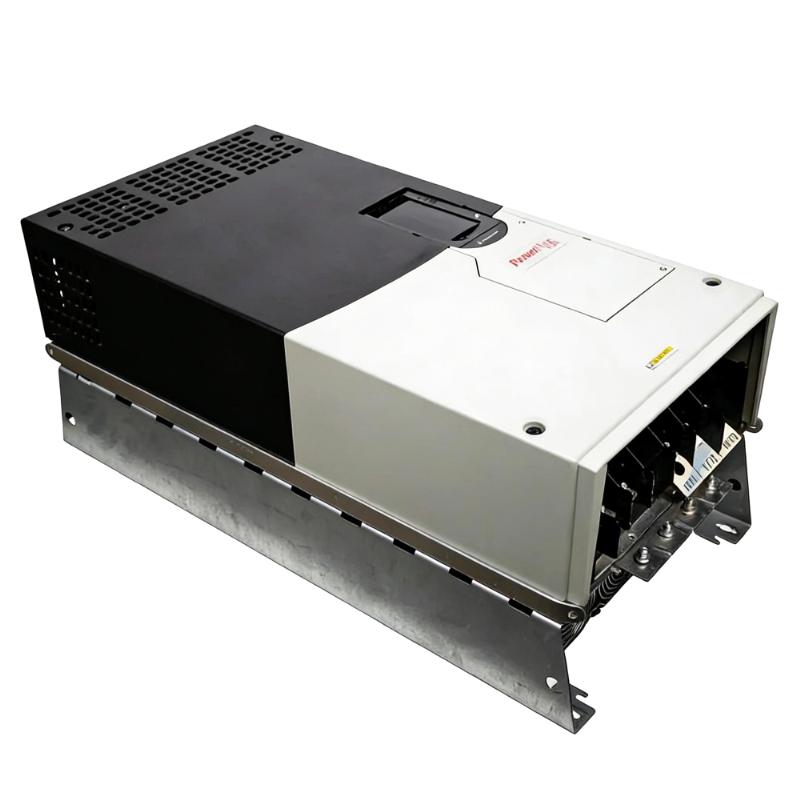
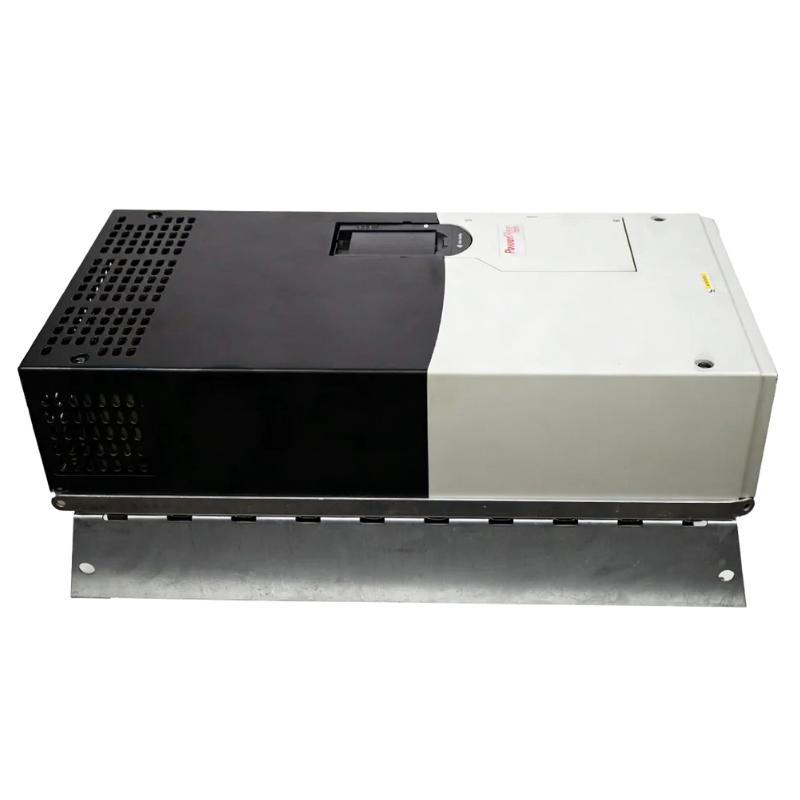
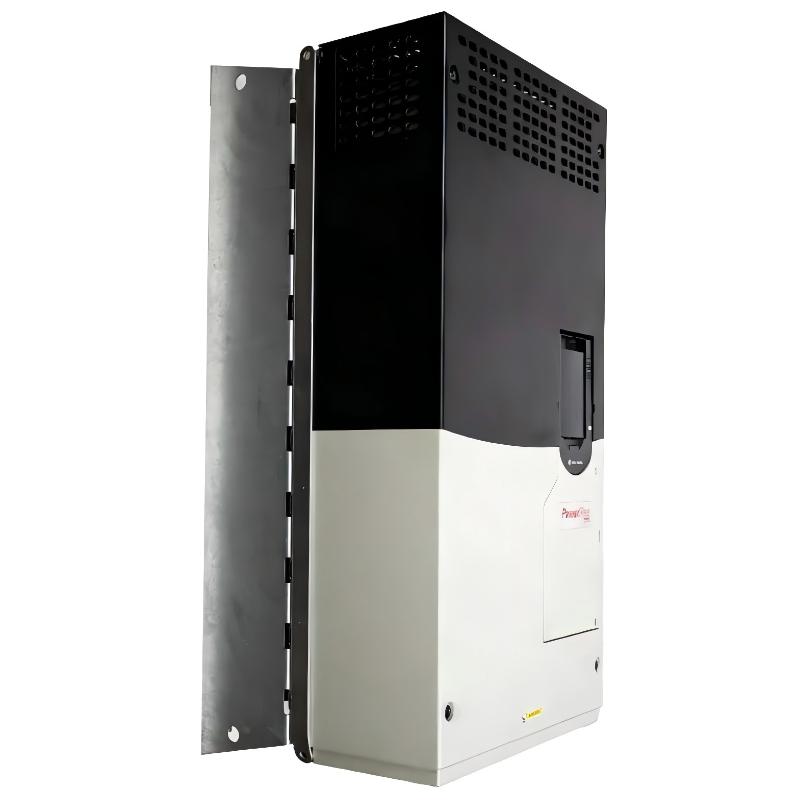
- Allen Bradley
- 20F1ANE024JA0NNNNN
- PowerFlex AC Drive
- USA
- 665.5 × 308 × 346.4 mm
- 48kg
- Xiamen, China
- New & In Stock
- T/T, PayPal, Western Union
- 1 Year
- 1-3 Working Days
- DHL, UPS, TNT, FedEx and EMS.
- 24-Hour Service
- COO
- 70
Our advantage

Global Logistics
We have a 10-year logistics and express cooperation agreement, so our products can be shipped to any place in the world.

Brand new and original
Our products are imported in bulk from the place of origin. Because of the cooperative relationship, our products are all original and 100% new.

24-hour service
We provide 7*24 hours service to our customers. We will be there whenever you need us.

Price advantage
All our products are priced very favorably because we have our own warehouse and supply.
| Company Information | |||
| [email protected] | |||
| Mobile | +8615980777398 | ||
| +8615980777398 | |||
| 15980777398 |
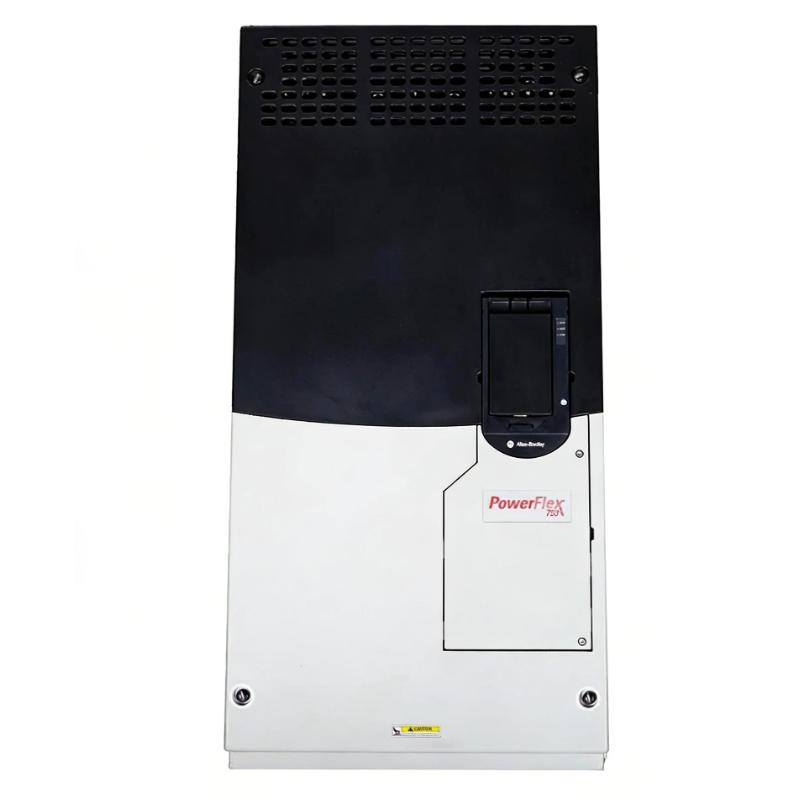
Allen-Bradley 20F1ANE024JA0NNNNN — Detailed Product Specifications, Product Introduction, Applications, Advantages and Model Selection Guide
1. Product Overview
The Allen-Bradley 20F1ANE024JA0NNNNN is a PowerFlex 753 AC variable frequency drive designed for three-phase industrial motor-control applications in the 600 VAC voltage class.
It is a 24 A, 20 HP normal-duty and 20 HP heavy-duty drive, using a Frame 6 mechanical platform and forced-air cooling.
The model is configured with embedded I/O, AC input with precharge, no DC terminals, filtered EMC configuration, an installed common-mode capacitor jumper, an internal dynamic-braking transistor and a blank front interface configuration without a HIM.
This combination makes the drive suitable for industrial applications where a relatively compact high-voltage AC drive is required for motors around the 20 HP class.
Typical applications include pumps, fans, blowers, conveyors, compressors, mixers, material-handling machinery, process equipment and general-purpose industrial motor control.
The 600 VAC, three-phase configuration is particularly useful in industrial installations where the motor system operates at a higher voltage than conventional 480 VAC equipment.
The model also benefits from the broader PowerFlex 753 architecture, allowing it to be integrated into machine-control and plant-automation systems rather than being used only as a standalone motor-speed controller.
2. Brand and Product Series
| Category | Specification |
|---|---|
| Brand | Allen-Bradley |
| Product Family | PowerFlex |
| Series | PowerFlex 753 |
| Product Type | AC Variable Frequency Drive |
| Drive Type | Air-Cooled AC Drive |
| Voltage Class | 600 VAC |
| Input Phase | Three Phase |
| Frame Size | Frame 6 |
| Enclosure | IP20/IP00, NEMA/UL Open Type |
| Normal-Duty Rating | 20 HP |
| Heavy-Duty Rating | 20 HP |
| Output Current | 24 A |
| Cooling | Forced Air |
| Embedded I/O | Yes |
| Dynamic Braking | Internal DB Transistor |
| HIM | Blank / No HIM |
| Filtering | Filtered |
| CM Jumper | Installed |
| Input Arrangement | AC Input with Precharge |
| DC Terminals | None |
The PowerFlex 753 series is designed for general-purpose industrial AC motor control, with an emphasis on flexible integration, adjustable-speed operation and scalable drive architecture.
The 20F1ANE024JA0NNNNN belongs to the 600 VAC three-phase branch of the PowerFlex 753 family.
This makes it different from many commonly encountered 480 VAC PowerFlex 753 models.
3. Complete Product Identification
| Parameter | Specification |
|---|---|
| Model | 20F1ANE024JA0NNNNN |
| Brand | Allen-Bradley |
| Series | PowerFlex 753 |
| Product Type | AC Variable Frequency Drive |
| Voltage Class | 600 VAC |
| Input Voltage Class | 600 VAC |
| Input Phase | 3 Phase |
| Output Phase | 3 Phase |
| Output Current | 24 A |
| Normal-Duty Power | 20 HP |
| Heavy-Duty Power | 20 HP |
| Approx. Normal-Duty Power | 14.9 kW |
| Approx. Heavy-Duty Power | 14.9 kW |
| Frame Size | Frame 6 |
| Cooling Method | Forced Air |
| Enclosure | IP20/IP00 |
| Enclosure Type | NEMA/UL Open Type |
| Input Type | AC Input with Precharge |
| DC Terminals | None |
| Filtering | Filtered |
| CM Jumper | Installed |
| Dynamic Braking | DB Transistor |
| Embedded I/O | Yes |
| HIM | Blank / No HIM |
| Approx. Height | 665.5 mm |
| Approx. Width | 308 mm |
| Approx. Depth | 346.4 mm |
| Approx. Dimensions | 665.5 × 308 × 346.4 mm |
| Approx. Weight | Approximately 38.6–48 kg, depending on configuration and published weight basis |
The standard Frame 6 open-type mechanical envelope is approximately 665.5 mm high × 308 mm wide × 346.4 mm deep.
Published PowerFlex 753 Frame 6 mechanical data gives an approximate base-frame weight of 38.6 kg. Some 600 VAC Frame 6 configurations are listed at approximately 48 kg, so a practical engineering allowance should be made for the exact configuration.
For cabinet construction, lifting and transportation, the final equipment documentation should be treated as the controlling reference.
4. Main Electrical Parameters
| Electrical Parameter | Specification |
|---|---|
| Model | 20F1ANE024JA0NNNNN |
| Voltage Class | 600 VAC |
| Input Voltage | 600 VAC class |
| Input Phase | 3 Phase |
| Output Phase | 3 Phase |
| Rated Output Current | 24 A |
| Normal-Duty Rating | 20 HP |
| Heavy-Duty Rating | 20 HP |
| Normal-Duty Power | Approx. 14.9 kW |
| Heavy-Duty Power | Approx. 14.9 kW |
| Input Frequency | 50/60 Hz class |
| Frame | 6 |
| Cooling | Forced Air |
| Input Arrangement | AC Input with Precharge |
| DC Terminals | None |
| Filtering | Filtered |
| CM Jumper | Installed |
| Dynamic Braking | DB Transistor |
| Embedded I/O | Yes |
| HIM | Blank / No HIM |
The most important electrical characteristics are the 600 VAC voltage class, 24 A output current and the 20 HP normal-duty / 20 HP heavy-duty ratings.
Because the normal-duty and heavy-duty horsepower ratings are both 20 HP, this particular model is convenient for applications where the motor requires approximately 20 HP and the application may operate under either conventional or more demanding duty conditions.
Even so, the motor’s actual full-load current should always be compared against the drive’s applicable current rating.
Horsepower alone should not be used as the only sizing criterion.
5. 600 VAC Voltage Class
The 20F1ANE024JA0NNNNN is designed for the 600 VAC three-phase class.
This is an important distinction when comparing it with PowerFlex 753 models designed for 480 VAC.
A 600 VAC drive should not simply be substituted with a lower-voltage model because the horsepower ratings appear similar.
The complete electrical system must be considered, including:
- Motor voltage
- Incoming supply voltage
- Motor full-load current
- Frequency
- Insulation requirements
- Protection devices
- Motor cable
- Grounding
- EMC requirements
- Cabinet arrangement
The 600 VAC class is particularly useful in industrial installations where higher system voltage is used to reduce current for a given motor power.
6. 24 A Output Rating
The drive provides a 24 A output-current rating.
This places it in the medium-power industrial motor-control category within the PowerFlex 753 family.
A 24 A drive can be used for motors around the 20 HP class when the motor’s actual nameplate current is compatible with the drive rating.
Typical motor applications include:
- Pumps
- Fans
- Blowers
- Conveyors
- Small compressors
- Mixers
- Agitators
- Machine tools
- Process equipment
- Material-handling machinery
The 24 A rating provides a useful margin for a broad range of industrial motors, but final sizing must always consider the actual motor current and duty requirements.
7. 20 HP Normal-Duty Rating
The drive has a 20 HP normal-duty rating.
Using the standard conversion:
20 HP × 0.746 ≈ 14.9 kW
Therefore, the normal-duty power class can be regarded as approximately 14.9 kW.
Normal-duty operation is commonly associated with applications where the load does not continuously demand extreme overload torque.
Typical examples include:
- Centrifugal pumps
- Centrifugal fans
- Ventilation fans
- Blowers
- Cooling systems
- Water circulation
- General conveyors
- Process machinery
For variable-torque loads, variable-speed operation can also provide substantial process flexibility.
8. 20 HP Heavy-Duty Rating
The drive is also rated at 20 HP heavy duty.
This is useful because heavy-duty applications can impose greater current and torque demands on a drive than ordinary variable-torque applications.
Potential heavy-duty applications include:
- Conveyors
- Mixers
- Agitators
- High-inertia machinery
- Material-handling systems
- Certain compressors
- Process machinery
- Machines requiring higher starting torque
The fact that the drive carries the same 20 HP value for both normal duty and heavy duty does not mean that every 20 HP motor application is automatically identical.
The actual motor current, torque requirements, acceleration time and duty cycle should still be evaluated.
9. Frame 6 Construction
The 20F1ANE024JA0NNNNN uses a Frame 6 mechanical platform.
Frame 6 is considerably larger than the smaller PowerFlex 753 frame sizes, providing the physical space required for higher-voltage and higher-power components.
| Mechanical Parameter | Specification |
|---|---|
| Model | 20F1ANE024JA0NNNNN |
| Frame | 6 |
| Height | 665.5 mm |
| Width | 308 mm |
| Depth | 346.4 mm |
| Dimensions | 665.5 × 308 × 346.4 mm |
| Approx. Base Weight | 38.6 kg |
| Approx. 600 V Configuration Weight | Up to approximately 48 kg |
| Cooling | Forced Air |
| Enclosure | IP20/IP00 |
| Enclosure Style | Open Type |
| Installation | Cabinet / Protected Panel |
The Frame 6 design gives the drive a substantial physical footprint compared with smaller compact drives.
When designing a cabinet, additional space must be provided for:
- Input cables
- Output cables
- Control wiring
- Grounding
- Airflow
- Maintenance
- Terminal access
- Cable bending radius
10. Dimensions and Weight
The standard open-type Frame 6 dimensions are approximately:
Height: 665.5 mm
Width: 308 mm
Depth: 346.4 mm
Therefore:
Overall approximate dimensions: 665.5 × 308 × 346.4 mm
The standard Frame 6 published mechanical weight is approximately 38.6 kg.
For some higher-voltage configurations, published product data may indicate a weight closer to 48 kg.
For this reason, a practical project specification can be written as:
Approximate weight: 38.6–48 kg, depending on exact configuration.
| Mechanical Parameter | Value |
|---|---|
| Model | 20F1ANE024JA0NNNNN |
| Height | 665.5 mm |
| Width | 308 mm |
| Depth | 346.4 mm |
| Overall Dimensions | 665.5 × 308 × 346.4 mm |
| Weight | Approx. 38.6–48 kg |
| Frame | 6 |
| Cooling | Forced Air |
| Enclosure | Open Type |
This distinction is useful when preparing a cabinet design or calculating transportation and lifting requirements.
11. Open-Type Enclosure
The drive uses an IP20/IP00, NEMA/UL Open Type construction.
This means the drive is normally installed inside a suitable electrical cabinet or protected control enclosure.
The open-type construction allows the system designer to integrate the drive into a larger industrial control panel.
The cabinet should provide protection against:
- Water
- Condensation
- Excessive dust
- Conductive particles
- Oil contamination
- Corrosive substances
- Mechanical impact
- Excessive humidity
The enclosure should also provide adequate airflow around the drive.
12. Forced-Air Cooling
The 20F1ANE024JA0NNNNN uses forced-air cooling.
This is particularly important for a Frame 6 drive operating at the 600 VAC class.
The cooling system removes heat from the power electronics and allows the drive to maintain an acceptable operating temperature when properly installed.
Important considerations include:
- Ambient temperature
- Cabinet temperature
- Cooling-air temperature
- Airflow
- Fan operation
- Dust accumulation
- Filter condition
- Installation altitude
- Heat generated by nearby equipment
A cabinet containing multiple drives should be evaluated based on the total heat load rather than the heat generated by only one drive.
13. AC Input with Precharge
The drive uses:
AC Input with Precharge
and:
No DC Terminals
The precharge circuit controls the initial charging of the drive’s internal DC-link capacitors.
This is important because large capacitors can otherwise create a very high inrush current when the equipment is energized.
The precharge arrangement provides a controlled method of energizing the drive.
14. No DC Terminals
The 20F1ANE024JA0NNNNN does not provide DC terminals in this configuration.
The normal system architecture is therefore:
Three-Phase AC Supply → PowerFlex 753 Drive → Three-Phase Motor
This is suitable for conventional AC-fed motor applications.
Applications requiring a common DC bus, regenerative DC-link architecture or specialized DC power arrangements should be evaluated using the appropriate drive configuration.
15. Filtered Configuration
The drive uses a filtered configuration.
This is important in industrial electrical systems where electromagnetic compatibility and conducted electrical noise need to be considered.
The filtering configuration can help support a cleaner electrical installation when combined with:
- Correct grounding
- Proper motor cable selection
- Correct cable routing
- Appropriate shielding
- Proper cabinet construction
- Separation of power and control wiring
Filtering should not be viewed as a replacement for correct installation practices.
16. CM Jumper Installed
The model is supplied with the CM jumper installed.
The common-mode capacitor arrangement affects the electrical relationship between the drive’s power circuitry and ground.
This becomes relevant when considering:
- EMC performance
- Grounding
- Motor cable characteristics
- Replacement drives
- Existing cabinet wiring
- Electrical noise
When replacing a PowerFlex drive, it is therefore better to compare the entire catalog number rather than selecting a drive based only on voltage and horsepower.
17. Internal Dynamic Braking Transistor
One of the useful characteristics of this exact configuration is:
Dynamic Braking: DB Transistor
The drive includes an internal dynamic-braking transistor.
This gives the system designer a more convenient starting point when the application requires controlled dissipation of regenerative energy during deceleration.
Typical applications where dynamic braking can be useful include:
- Conveyors
- High-inertia fans
- Rollers
- Centrifuges
- Mixers
- Material-handling equipment
- Rapid-stop machinery
- Machines with frequent acceleration and deceleration
The actual braking resistor and braking arrangement must still be correctly selected for the machine’s energy and duty-cycle requirements.
The presence of the internal transistor does not mean that every application automatically has sufficient braking capability.
18. Embedded I/O
The 20F1ANE024JA0NNNNN includes embedded I/O.
This allows the drive to be integrated into a machine-control system without necessarily requiring a large amount of additional external interface hardware.
Typical signals can include:
- Start command
- Stop command
- Enable
- Speed reference
- Run status
- Fault status
- Analog feedback
- Digital control signals
- Process signals
This makes the drive suitable for applications ranging from simple motor control to more structured automated machine systems.
19. Blank / No HIM
The model is configured as:
Blank / No HIM
HIM means Human Interface Module.
This configuration is useful when the drive is intended to be operated from:
- PLC
- HMI
- Remote operator station
- Central control system
- Industrial network
- Supervisory control system
Instead of placing an operator keypad directly on the drive, the control architecture can be designed around a central HMI or automation controller.
This is particularly practical in machine cabinets where local drive interaction is not required.
20. Product Introduction
The Allen-Bradley 20F1ANE024JA0NNNNN is a high-voltage industrial AC drive designed to regulate the speed and operating characteristics of three-phase motors.
The fundamental role of the drive is to convert fixed-frequency AC electrical power into a controlled output suitable for variable-speed motor operation.
This allows the motor to operate at different speeds instead of being restricted to a single fixed operating speed.
For example, a pump may need to operate at 60% speed during low demand and increase to 90% speed when process demand rises.
A conveyor may need a slow startup to avoid belt shock.
A fan may need to reduce speed when ventilation demand decreases.
A mixer may require different speeds during different stages of a production cycle.
The drive provides the electrical platform necessary to achieve these operating profiles.
21. Main Product Advantages
21.1 600 VAC High-Voltage Capability
The 600 VAC class allows the drive to be used in industrial electrical systems that operate above the common 480 VAC class.
This can be advantageous for larger industrial electrical systems where higher voltage is part of the plant distribution architecture.
21.2 24 A Output Current
The 24 A rating gives the drive a useful capacity for motors around the 20 HP class.
It provides a practical balance between power capacity and physical size.
21.3 20 HP Normal-Duty and Heavy-Duty Rating
The 20 HP rating in both duty categories makes this model versatile for a broad range of applications.
It can be considered for both variable-torque and more demanding constant-torque applications, subject to actual motor current and load requirements.
21.4 Internal Dynamic Braking Transistor
The internal DB transistor is an important advantage for machines requiring controlled deceleration.
It simplifies the drive architecture compared with configurations that do not provide the internal transistor.
21.5 Embedded I/O
Embedded I/O makes basic machine integration more straightforward.
21.6 Filtered Configuration
The filtered configuration is useful in industrial environments where EMC performance matters.
21.7 CM Jumper Installed
The installed CM jumper provides a defined common-mode configuration for the exact catalog version.
21.8 Forced-Air Cooling
Forced-air cooling is appropriate for a Frame 6 drive and supports continuous industrial operation when cabinet ventilation is properly designed.
21.9 Open-Type Cabinet Integration
The open-type construction gives system designers flexibility when incorporating the drive into a larger electrical cabinet.
21.10 No HIM
The blank/no-HIM configuration is well suited to centralized control systems.
22. Pump Applications
Pumps are one of the most common applications for variable-frequency drives.
A pump does not always need to operate at full speed.
Process demand may change according to:
- Water consumption
- Production output
- Pressure requirement
- Tank level
- Cooling demand
- Process flow
The drive can adjust motor speed according to the actual process requirement.
Typical applications include:
- Water circulation
- Cooling-water pumps
- Process pumps
- Transfer pumps
- Industrial water systems
- Chemical process pumps
- Filtration systems
- HVAC pumping systems
For centrifugal pumps, variable-speed control can provide both process control and potential energy savings.
23. Fan Applications
Industrial fans often operate under changing ventilation requirements.
The drive can adjust motor speed according to:
- Airflow demand
- Pressure
- Temperature
- Production level
- Ventilation requirements
- Cooling requirements
Potential applications include:
- Factory ventilation
- Cooling fans
- Exhaust systems
- Air-handling equipment
- Furnace ventilation
- Dust extraction
- Process ventilation
Controlled fan acceleration can also reduce mechanical shock.
24. Blower Applications
Blowers often require controlled airflow or pressure.
The drive can regulate blower speed based on feedback from the process.
Applications include:
- Aeration
- Dust collection
- Industrial air systems
- Pneumatic systems
- Process ventilation
- Wastewater systems
- Combustion-air systems
The ability to adjust blower speed can improve process stability and reduce unnecessary operation at full speed.
25. Conveyor Applications
Conveyors can benefit significantly from variable-speed control.
A conveyor motor does not always need to start at full speed.
The drive can use an acceleration ramp such as:
0% → 20% → 50% → 80% → 100%
This allows the mechanical system to accelerate gradually.
Potential benefits include reduced stress on:
- Belts
- Gearboxes
- Couplings
- Shafts
- Bearings
- Rollers
- Mechanical structures
The internal dynamic-braking transistor is also useful for applications where controlled deceleration is required.
26. Mixer and Agitator Applications
Mixers and agitators often require multiple operating speeds.
For example:
Loading → Low Speed
Initial Mixing → Medium Speed
Main Mixing → Higher Speed
Final Mixing → Controlled Speed
Discharge → Low Speed
A variable-frequency drive provides this flexibility.
The 20 HP heavy-duty rating makes the model relevant to many medium-sized mixing applications, provided the actual motor current and torque requirements are compatible.
27. Compressor Applications
Compressors can require controlled starting and operating speed.
The drive can provide:
- Soft acceleration
- Adjustable speed
- Process control
- Reduced mechanical shock
- Controlled operation
- Pressure-related speed adjustment
However, compressor type matters.
Reciprocating, screw and centrifugal compressors can have very different torque and operating characteristics.
The motor and compressor manufacturer’s operating requirements should therefore be considered before final drive selection.
28. Material-Handling Applications
Material-handling systems frequently benefit from variable-speed motor control.
Applications include:
- Production conveyors
- Feed conveyors
- Transfer systems
- Sorting systems
- Packaging machinery
- Processing lines
- Bulk material handling
The drive can synchronize motor speed with the wider machine process.
29. Process Machinery
The drive is suitable for general-purpose process machinery where motor speed needs to be adjusted according to production requirements.
Potential equipment includes:
- Pumps
- Fans
- Blowers
- Conveyors
- Mixers
- Agitators
- Rollers
- Small process compressors
- Cooling equipment
- Material-handling systems
The drive can function as one component within a larger automated production system.
30. PID Process Control
PID control can be valuable when the drive is used for process applications.
A simplified pressure-control system can operate as follows:
Pressure Sensor → Feedback → PID Controller → Speed Reference → Drive → Motor → Pump
The same concept can be applied to:
- Flow
- Pressure
- Temperature
- Level
- Airflow
- Vacuum
- Other process variables
This allows the drive to participate in closed-loop process control rather than merely receiving a fixed speed command.
31. Industrial Automation Integration
The PowerFlex 753 architecture can be incorporated into an industrial automation system.
A typical system may contain:
PLC + HMI + Drive + Motor + Sensors + Process Equipment
The drive can provide information relating to:
- Motor speed
- Current
- Operating status
- Fault conditions
- Warning conditions
- Speed reference
- Run status
- Process feedback
The embedded I/O can simplify local machine integration.
32. Energy-Saving Potential
Variable-speed operation can reduce energy consumption in applications where motor speed can be reduced without compromising process performance.
This is particularly relevant to:
- Centrifugal pumps
- Fans
- Blowers
- Cooling systems
The potential energy benefit depends on the actual load profile.
Factors include:
- Operating hours
- Required flow
- Required pressure
- Motor efficiency
- Drive efficiency
- Mechanical efficiency
- Process resistance
- Percentage of time operating at reduced speed
Therefore, the drive should be viewed as a tool for energy optimization rather than a guaranteed energy-saving device.
33. Controlled Motor Starting
Starting a medium-power motor directly from the electrical supply can produce a large starting current and mechanical shock.
A variable-frequency drive can gradually increase output frequency and voltage.
This provides a smoother transition from:
Zero Speed → Low Speed → Operating Speed
Potential benefits include:
- Reduced mechanical shock
- Reduced belt stress
- Reduced gearbox stress
- Reduced coupling stress
- Reduced process disturbance
- Improved starting control
34. Controlled Deceleration
Controlled deceleration is another important function.
Instead of allowing the motor to stop abruptly, the drive can reduce speed according to a programmed ramp.
This can improve machine behavior.
For example:
100% Speed → 80% → 60% → 40% → 20% → 0%
For applications with high inertia, the internal dynamic-braking transistor can be used with an appropriate braking resistor and properly engineered braking system.
35. Dynamic Braking Applications
The internal DB transistor is particularly useful when the machine must decelerate quickly.
| Application | Braking Requirement |
|---|---|
| Centrifugal Pump | Usually Low to Moderate |
| Fan | Usually Low to Moderate |
| Blower | Application Dependent |
| Conveyor | Moderate |
| High-Inertia Conveyor | High |
| Mixer | Application Dependent |
| Roller | Moderate to High |
| Centrifuge | High |
| Material Handling | Application Dependent |
| Rapid Stop Machinery | High |
The actual braking resistor selection depends on:
- Motor power
- Motor speed
- Load inertia
- Deceleration time
- Stop frequency
- Regenerative energy
- Duty cycle
36. Cabinet Design Considerations
The drive’s approximate dimensions are:
665.5 × 308 × 346.4 mm
The cabinet must accommodate the drive plus additional installation space.
Recommended design considerations include:
- Drive height
- Drive width
- Drive depth
- Cable bending radius
- Input terminals
- Output terminals
- Control terminals
- Grounding
- Airflow
- Maintenance access
- Heat dissipation
- Adjacent equipment
The cabinet structure should also be strong enough to support the drive.
37. Thermal Management
Thermal management is essential for reliable drive operation.
The cabinet should prevent hot air from circulating back into the drive’s cooling intake.
Important considerations include:
- Ambient temperature
- Internal cabinet temperature
- Cooling-air temperature
- Fan operation
- Ventilation
- Dust accumulation
- Airflow direction
- Cabinet heat load
- Installation altitude
- Maintenance
A poorly ventilated cabinet can cause unnecessary thermal stress even when the drive is electrically correctly sized.
38. Electrical Installation
| Installation Parameter | Requirement |
|---|---|
| Input Voltage | 600 VAC class |
| Input Phase | Three Phase |
| Output Current | 24 A |
| Normal-Duty Rating | 20 HP |
| Heavy-Duty Rating | 20 HP |
| Input Arrangement | AC with Precharge |
| DC Terminals | None |
| Filtering | Filtered |
| CM Jumper | Installed |
| Dynamic Braking | DB Transistor |
| Cooling | Forced Air |
| Enclosure | Open Type |
| Cabinet | Required for protected installation |
| Grounding | Proper protective grounding |
| Motor Cable | Correctly sized |
| EMC | Proper installation practices |
| Braking Resistor | Required where braking energy demands it |
39. Motor Selection
The motor should be evaluated using actual nameplate information.
| Motor Parameter | Importance |
|---|---|
| Rated Voltage | Must match the drive/system voltage class |
| Full-Load Current | Critical for drive sizing |
| Horsepower | Confirms general power class |
| Rated Frequency | Required for configuration |
| Rated Speed | Important for motor control |
| Rated Torque | Important for load matching |
| Starting Torque | Important for heavy-duty applications |
| Service Factor | Consider during sizing |
| Duty Cycle | Determines thermal requirements |
| Motor Type | Important for control configuration |
| Inertia | Important for acceleration/deceleration |
| Deceleration Time | Determines braking requirements |
| Motor Cable Length | Important for installation |
| Environment | Must be suitable for the motor |
A 20 HP motor is not automatically compatible simply because its horsepower matches.
The full-load current should be checked first.
40. Five Recommended Same-Series or Related Models
The following models are useful comparisons within the 600 VAC PowerFlex 753 group.
| Model | Voltage | Current | ND HP | HD HP | Frame | Dynamic Braking | Dimensions | Approx. Weight |
|---|---|---|---|---|---|---|---|---|
| 20F1ANE012JA0NNNNN | 600 VAC | 12 A | 10 HP | 7.5 HP | 6 | DB Transistor | 665.5 × 308 × 346.4 mm | Approx. 38.6–48 kg |
| 20F1ANE018JA0NNNNN | 600 VAC | 18 A | 15 HP | 10 HP | 6 | DB Transistor | 665.5 × 308 × 346.4 mm | Approx. 38.6–48 kg |
| 20F1ANE023JA0NNNNN | 600 VAC | 23 A | 20 HP | 15 HP | 6 | DB Transistor | 665.5 × 308 × 346.4 mm | Approx. 38.6–48 kg |
| 20F1ANE028JA0NNNNN | 600 VAC | 28 A | 25 HP | 20 HP | 6 | DB Transistor | 665.5 × 308 × 346.4 mm | Approx. 38.6–48 kg |
| 20F1ANE033JA0NNNNN | 600 VAC | 33 A | 30 HP | 25 HP | 6 | DB Transistor | 665.5 × 308 × 346.4 mm | Approx. 38.6–48 kg |
These models provide a convenient progression around the 20 HP class.
The 20F1ANE023JA0NNNNN is a particularly close alternative when the required current is slightly below 24 A.
The 20F1ANE028JA0NNNNN provides additional current capacity and is useful when the motor approaches the upper end of the 20 HP range.
The 20F1ANE033JA0NNNNN is a stronger option when a 25–30 HP class motor is being considered.
All five models use the same general 600 VAC PowerFlex 753 Frame 6 platform.
41. Same-Series Model Comparison
| Model | Rated Current | ND Power | HD Power | Best Application Range |
|---|---|---|---|---|
| 20F1ANE012JA0NNNNN | 12 A | 10 HP | 7.5 HP | Smaller 600 V motors |
| 20F1ANE018JA0NNNNN | 18 A | 15 HP | 10 HP | Medium-small industrial motors |
| 20F1ANE023JA0NNNNN | 23 A | 20 HP | 15 HP | Around 20 HP normal-duty applications |
| 20F1ANE024JA0NNNNN | 24 A | 20 HP | 20 HP | 20 HP normal/heavy-duty applications |
| 20F1ANE028JA0NNNNN | 28 A | 25 HP | 20 HP | Higher-current 20–25 HP applications |
| 20F1ANE033JA0NNNNN | 33 A | 30 HP | 25 HP | Larger 600 V motor applications |
The 20F1ANE024JA0NNNNN is particularly interesting because its 20 HP heavy-duty rating is equal to its 20 HP normal-duty rating.
That makes it more attractive for applications where the motor may experience demanding torque conditions.
42. Five Same-Brand Popular Models
The following models provide useful comparisons across the broader Allen-Bradley drive range.
| Model | Series | Voltage Class | Current / Rating | ND / HD Class | Frame / Size | Typical Application | Dimensions | Approx. Weight |
|---|---|---|---|---|---|---|---|---|
| 20F1ANE024JA0NNNNN | PowerFlex 753 | 600 VAC | 24 A | 20 HP / 20 HP | Frame 6 | 600 V industrial motors | 665.5 × 308 × 346.4 mm | Approx. 38.6–48 kg |
| 20F1AND024JA0NNNNN | PowerFlex 753 | 480 VAC class | 24 A class | Approx. 20 HP class | Frame dependent | General industrial motor control | Frame dependent | Frame dependent |
| 20F1AND125JA0NNNNN | PowerFlex 753 | 480 VAC | 125 A | 100 HP / 75 HP | Frame 6 | Large pumps, fans and machinery | 665.5 × 308 × 346.4 mm | Approx. 48 kg |
| 20G1AND024JA0NNNNN | PowerFlex 755 | 480 VAC class | 24 A class | Application dependent | Frame dependent | Advanced industrial motor control | Frame dependent | Frame dependent |
| 25B-D024N114 | PowerFlex 525 | 480 VAC class | Compact-drive class | Lower-power class | Compact frame | Small industrial machinery | Compact | Approx. 7–10 kg |
The models above cover several different application levels.
The 20F1ANE024JA0NNNNN is specifically attractive when the electrical system uses the 600 VAC class.
The PowerFlex 753 480 VAC models are better suited to conventional 480 VAC industrial systems.
The PowerFlex 755 family is a natural alternative when more advanced control, feedback or system-integration capabilities are required.
The PowerFlex 525 is positioned toward smaller and more compact machinery.
43. PowerFlex 753 vs PowerFlex 755
| Characteristic | 20F1ANE024JA0NNNNN | PowerFlex 755 Class |
|---|---|---|
| Series | PowerFlex 753 | PowerFlex 755 |
| Main Position | General industrial drive | Advanced industrial drive |
| Voltage Class | 600 VAC | Multiple voltage classes |
| Output Current | 24 A | Application dependent |
| Motor Power | 20 HP | Application dependent |
| Embedded I/O | Yes | Yes / expandable architecture |
| Feedback | Option-based | Advanced option capability |
| Dynamic Braking | DB transistor | Configuration dependent |
| HIM | Blank | Configuration dependent |
| Typical Application | Pumps, fans, conveyors, process equipment | Advanced machinery and process systems |
| System Complexity | Moderate | Higher |
| Flexibility | High | Very high |
The PowerFlex 753 is often a good choice when a reliable, flexible general-purpose industrial drive is needed.
The PowerFlex 755 platform becomes more attractive when the application requires advanced feedback, sophisticated motor control or more extensive system functionality.
44. Advantages for Pump Systems
For pump applications, the drive can adjust motor speed according to process demand.
A typical system might operate as follows:
Low Flow Requirement → Low Motor Speed
Medium Flow Requirement → Medium Motor Speed
High Flow Requirement → High Motor Speed
This can improve pressure and flow control.
For centrifugal pumps, reduced-speed operation can also reduce energy consumption when the process allows the lower operating point.
45. Advantages for Fan Systems
Fans frequently operate at less than full capacity.
A variable-frequency drive can reduce fan speed when the ventilation requirement is lower.
This can provide:
- Adjustable airflow
- Pressure control
- Controlled starting
- Reduced mechanical stress
- Potential energy savings
- Better process matching
46. Advantages for Conveyor Systems
The drive can provide smooth conveyor acceleration and deceleration.
This can help reduce mechanical shock to:
- Belts
- Gearboxes
- Couplings
- Bearings
- Shafts
- Rollers
The internal dynamic-braking transistor is an additional advantage when rapid or controlled stopping is required.
47. Advantages for Mixers and Agitators
The drive provides adjustable speed for different production stages.
For example:
Low-Speed Loading
→
Controlled Acceleration
→
Main Mixing
→
High-Speed Processing
→
Controlled Deceleration
→
Low-Speed Discharge
This type of control can make the production process easier to adjust.
48. Advantages for General Industrial Machinery
The drive can provide a combination of:
- Adjustable speed
- Controlled acceleration
- Controlled deceleration
- Dynamic braking
- Embedded I/O
- PID control
- Fault monitoring
- Process feedback
- Automation integration
This makes it suitable for a broad range of industrial machinery.
49. Maintenance Considerations
Maintenance should focus on the cooling system, electrical connections and cabinet environment.
Important inspection points include:
- Cooling fan
- Airflow passages
- Dust accumulation
- Electrical terminals
- Power connections
- Grounding
- Control wiring
- Cabinet ventilation
- Signs of overheating
- Mechanical mounting
- Braking components
- Communication connections
Because the drive uses forced-air cooling, fan condition should be monitored carefully.
50. Environmental Considerations
The open-type enclosure means that the drive should be installed in an appropriate protected environment.
The installation should be evaluated for:
- Temperature
- Humidity
- Condensation
- Dust
- Conductive particles
- Oil mist
- Corrosive chemicals
- Vibration
- Altitude
- Cooling-air quality
A clean and properly ventilated control cabinet can significantly improve long-term drive reliability.
51. Braking System Considerations
The internal DB transistor is a valuable feature, but the braking system still needs to be designed around the actual machine.
Important factors include:
- Motor speed
- Motor inertia
- Load inertia
- Deceleration time
- Number of stops per hour
- Regenerative energy
- Resistor rating
- Duty cycle
For a simple pump application, dynamic braking may not be a major requirement.
For a conveyor or high-inertia machine, braking can become an important part of the complete drive design.
52. Selection Checklist
Before using the 20F1ANE024JA0NNNNN, check:
| Selection Item | Requirement |
|---|---|
| Motor Voltage | Compatible with 600 VAC system |
| Motor Current | Within 24 A drive rating |
| Motor Power | Around 20 HP class |
| Normal Duty | 20 HP |
| Heavy Duty | 20 HP |
| Input Supply | 600 VAC class, three phase |
| Motor Frequency | Verify application requirement |
| Starting Torque | Evaluate |
| Acceleration Time | Evaluate |
| Deceleration Time | Evaluate |
| Braking Energy | Evaluate |
| Braking Resistor | Select if required |
| Cabinet | Adequate size |
| Cooling | Adequate forced-air ventilation |
| Environment | Suitable protected environment |
| EMC | Proper installation |
| Grounding | Correct grounding |
| Motor Cable | Correct size and routing |
| HIM | Not included |
| Embedded I/O | Included |
53. Detailed Parameter Table
| Category | Parameter | Specification |
|---|---|---|
| Product | Model | 20F1ANE024JA0NNNNN |
| Product | Brand | Allen-Bradley |
| Product | Series | PowerFlex 753 |
| Product | Product Type | AC Variable Frequency Drive |
| Product | Drive Type | Air-Cooled AC Drive |
| Electrical | Voltage Class | 600 VAC |
| Electrical | Input Voltage Class | 600 VAC |
| Electrical | Input Phase | 3 Phase |
| Electrical | Output Phase | 3 Phase |
| Electrical | Output Current | 24 A |
| Electrical | Normal-Duty Power | 20 HP |
| Electrical | Heavy-Duty Power | 20 HP |
| Electrical | Normal-Duty Power | Approx. 14.9 kW |
| Electrical | Heavy-Duty Power | Approx. 14.9 kW |
| Electrical | Input Frequency | 50/60 Hz class |
| Construction | Frame | 6 |
| Construction | Cooling | Forced Air |
| Construction | Enclosure | IP20/IP00 |
| Construction | Enclosure Type | NEMA/UL Open Type |
| Input | Input Type | AC Input with Precharge |
| Input | DC Terminals | None |
| EMC | Filtering | Filtered |
| EMC | CM Jumper | Installed |
| Braking | Dynamic Braking | DB Transistor |
| Braking | Internal DB Transistor | Yes |
| Interface | Embedded I/O | Yes |
| Interface | HIM | Blank / No HIM |
| Control | Variable-Speed Control | Yes |
| Control | PID | Supported |
| Mechanical | Height | 665.5 mm |
| Mechanical | Width | 308 mm |
| Mechanical | Depth | 346.4 mm |
| Mechanical | Dimensions | 665.5 × 308 × 346.4 mm |
| Mechanical | Weight | Approx. 38.6–48 kg |
| Installation | Mounting | Cabinet / Panel |
| Application | Motor Type | Three-Phase AC Motor |
| Application | Normal-Duty Class | 20 HP |
| Application | Heavy-Duty Class | 20 HP |
| Application | Typical Loads | Pumps, fans, conveyors, blowers, mixers |
| Cooling | Cooling Method | Forced Air |
| Braking | Braking Capability | Internal DB transistor |
| Enclosure | Installation Environment | Protected Cabinet |
54. Five Same-Series Models — Detailed Parameters
| Model | Voltage | Current | ND HP | HD HP | Frame | Cooling | Dynamic Braking | Dimensions | Weight |
|---|---|---|---|---|---|---|---|---|---|
| 20F1ANE012JA0NNNNN | 600 VAC | 12 A | 10 HP | 7.5 HP | 6 | Forced Air | DB Transistor | 665.5 × 308 × 346.4 mm | Approx. 38.6–48 kg |
| 20F1ANE018JA0NNNNN | 600 VAC | 18 A | 15 HP | 10 HP | 6 | Forced Air | DB Transistor | 665.5 × 308 × 346.4 mm | Approx. 38.6–48 kg |
| 20F1ANE023JA0NNNNN | 600 VAC | 23 A | 20 HP | 15 HP | 6 | Forced Air | DB Transistor | 665.5 × 308 × 346.4 mm | Approx. 38.6–48 kg |
| 20F1ANE028JA0NNNNN | 600 VAC | 28 A | 25 HP | 20 HP | 6 | Forced Air | DB Transistor | 665.5 × 308 × 346.4 mm | Approx. 38.6–48 kg |
| 20F1ANE033JA0NNNNN | 600 VAC | 33 A | 30 HP | 25 HP | 6 | Forced Air | DB Transistor | 665.5 × 308 × 346.4 mm | Approx. 38.6–48 kg |
These models form a useful progression around the target model.
The 20F1ANE024JA0NNNNN sits between the 23 A and 28 A versions.
For a motor close to the 20 HP range, the 24 A model provides a useful combination of current capacity and heavy-duty capability.
55. Five Same-Brand Models — Detailed Parameters
| Model | Series | Voltage Class | Current Class | ND / HD Rating | Frame | Main Application | Dimensions | Weight |
|---|---|---|---|---|---|---|---|---|
| 20F1ANE024JA0NNNNN | PowerFlex 753 | 600 VAC | 24 A | 20 HP / 20 HP | 6 | 600 V industrial motors | 665.5 × 308 × 346.4 mm | Approx. 38.6–48 kg |
| 20F1AND024JA0NNNNN | PowerFlex 753 | 480 VAC | Approx. 24 A class | Approx. 20 HP class | Frame dependent | General industrial motor control | Frame dependent | Frame dependent |
| 20F1AND125JA0NNNNN | PowerFlex 753 | 480 VAC | 125 A | 100 HP / 75 HP | 6 | Large pumps and fans | 665.5 × 308 × 346.4 mm | Approx. 48 kg |
| 20G1AND024JA0NNNNN | PowerFlex 755 | 480 VAC class | 24 A class | Application dependent | Frame dependent | Advanced industrial motor control | Frame dependent | Frame dependent |
| 25B-D024N114 | PowerFlex 525 | 480 VAC class | Compact-drive class | Lower-power class | Compact | Smaller machinery | Compact | Approx. 7–10 kg |
The same-brand comparison illustrates how the different drive families serve different application requirements.
The 20F1ANE024JA0NNNNN is specifically suited to the 600 VAC class.
The 20F1AND models are useful for conventional 480 VAC installations.
The PowerFlex 755 family is more appropriate when advanced drive functionality is required.
The PowerFlex 525 is better suited to smaller machines where compact dimensions and lower power are more important.
56. Model Selection by Motor Requirement
| Motor Requirement | Recommended Model | Reason |
|---|---|---|
| 7.5 HP HD / 10 HP ND | 20F1ANE012JA0NNNNN | Lower-current 600 V option |
| 10 HP HD / 15 HP ND | 20F1ANE018JA0NNNNN | Medium-small 600 V motor |
| 15 HP HD / 20 HP ND | 20F1ANE023JA0NNNNN | 20 HP normal-duty class |
| 20 HP HD / 20 HP ND | 20F1ANE024JA0NNNNN | Balanced 20 HP ND/HD rating |
| 20 HP HD / 25 HP ND | 20F1ANE028JA0NNNNN | Higher-current option |
| 25 HP HD / 30 HP ND | 20F1ANE033JA0NNNNN | Larger 600 V motor class |
The actual selection should always be based on motor nameplate current and load characteristics.
57. Model Selection by Application
| Application | Suggested Model | Main Reason |
|---|---|---|
| 10 HP 600 V pump | 20F1ANE012JA0NNNNN | Compact lower-current solution |
| 15 HP 600 V fan | 20F1ANE018JA0NNNNN | Suitable current class |
| 20 HP centrifugal pump | 20F1ANE024JA0NNNNN | 20 HP ND and HD |
| 20 HP conveyor | 20F1ANE024JA0NNNNN | 20 HP HD capability |
| 25 HP pump/fan | 20F1ANE028JA0NNNNN | Higher current capacity |
| 30 HP industrial motor | 20F1ANE033JA0NNNNN | 30 HP ND class |
58. Important Difference Between Similar Catalog Numbers
When comparing PowerFlex 753 drives, the last part of the catalog number can be extremely important.
Two models may have similar horsepower and current ratings but differ in:
- Filtering
- CM capacitor jumper configuration
- Dynamic braking
- Input arrangement
- HIM configuration
- I/O configuration
- Enclosure
- Voltage class
Therefore, the complete catalog number should be compared when selecting a replacement.
For the 20F1ANE024JA0NNNNN, the particularly important configuration characteristics are:
600 VAC
24 A
20 HP ND
20 HP HD
Frame 6
Filtered
CM jumper installed
DB transistor
Blank / No HIM
AC input with precharge
No DC terminals
These characteristics should be preserved when a direct replacement is required.
59. Why the 600 VAC Version Matters
The 600 VAC configuration is one of the most important characteristics of this model.
A 20 HP motor operating in a 600 VAC system has different electrical requirements from a 20 HP motor operating in a 480 VAC system.
Therefore, selecting a drive only by horsepower can lead to an incorrect result.
The correct selection process should begin with:
Motor Voltage
then:
Motor Full-Load Current
then:
Duty Requirement
then:
Application Torque
then:
Braking Requirement
then:
Drive Configuration
This approach is more reliable than choosing a drive based on horsepower alone.
60. Practical Application Example — 20 HP Pump
Consider a 20 HP centrifugal pump operating in a 600 VAC industrial system.
The process requires:
- Variable flow
- Controlled startup
- Pressure regulation
- Occasional reduced-speed operation
- Automatic PLC control
The 20F1ANE024JA0NNNNN can be a suitable drive candidate because it provides:
- 600 VAC class operation
- 20 HP normal-duty capability
- 24 A current capacity
- Embedded I/O
- PID capability
- Forced-air cooling
- Filtered configuration
- Controlled acceleration
- Variable-speed operation
The final selection would still require checking the actual motor nameplate current and pump load curve.
61. Practical Application Example — 20 HP Conveyor
A 20 HP conveyor may require:
- Controlled acceleration
- Adjustable operating speed
- Smooth stopping
- Frequent starts and stops
- Dynamic braking
The 20F1ANE024JA0NNNNN is attractive for this type of application because it includes an internal dynamic-braking transistor.
The braking resistor and complete braking duty would need to be sized according to the conveyor’s:
- Load mass
- Speed
- Inertia
- Acceleration time
- Deceleration time
- Stop frequency
62. Practical Application Example — 20 HP Mixer
A 20 HP mixer may operate through several production stages.
The drive can provide a speed profile such as:
Loading — 20% Speed
Initial Mixing — 40% Speed
Main Mixing — 70% Speed
High-Speed Processing — 90% Speed
Final Mixing — 50% Speed
Discharge — 20% Speed
This provides much more process flexibility than a simple fixed-speed starter.
63. Practical Application Example — Industrial Fan
A 20 HP industrial fan may not need to run at maximum speed continuously.
The drive can receive a speed reference based on:
- Temperature
- Pressure
- Airflow
- Production rate
- Ventilation demand
The motor can then operate only as fast as required.
This can improve process control and may reduce electrical consumption when the system operates below full capacity.
64. Overall Advantages Summary
| Advantage | Practical Value |
|---|---|
| 600 VAC Class | Suitable for high-voltage industrial systems |
| 24 A Output | Supports 20 HP-class motors |
| 20 HP ND | Suitable for variable-torque applications |
| 20 HP HD | Suitable for demanding 20 HP applications |
| DB Transistor | Useful for controlled deceleration |
| Embedded I/O | Simplifies machine integration |
| Filtered | Supports EMC-conscious installations |
| CM Jumper Installed | Defined common-mode configuration |
| Forced Air | Suitable for Frame 6 operation |
| Open Type | Flexible cabinet integration |
| No HIM | Good for centralized control |
| AC Precharge | Controlled DC-link charging |
| PID Capability | Useful for process control |
| PowerFlex 753 Architecture | Flexible industrial drive platform |
65. Final Product Assessment
The Allen-Bradley 20F1ANE024JA0NNNNN is a PowerFlex 753 AC variable frequency drive designed for 600 VAC three-phase industrial motor applications.
Its core specifications are:
24 A output current
20 HP normal duty
20 HP heavy duty
600 VAC
Three phase
Frame 6
Forced-air cooling
IP20/IP00 open-type construction
Filtered
CM jumper installed
DB transistor
Embedded I/O
Blank / No HIM
AC input with precharge
No DC terminals
The standard open-type Frame 6 mechanical envelope is approximately:
665.5 × 308 × 346.4 mm
The approximate base-frame weight is around:
38.6 kg
For certain 600 VAC configurations, a practical equipment-weight allowance of approximately:
38.6–48 kg
is appropriate until the exact supplied configuration is confirmed.
The drive is particularly well suited to 20 HP-class industrial motors where the electrical system operates at the 600 VAC level.
Its applications can include:
- Pumps
- Fans
- Blowers
- Conveyors
- Mixers
- Agitators
- Compressors
- Material-handling equipment
- Process machinery
- Cooling systems
- Industrial ventilation
The combination of 20 HP normal-duty and 20 HP heavy-duty capability is one of the strongest characteristics of the model.
The integrated dynamic-braking transistor is another important advantage, especially for machines that need controlled deceleration or experience regenerative energy.
The embedded I/O makes the drive practical for integration into automated machinery, while the blank/no-HIM configuration is well suited to PLC- and HMI-based control systems.
The filtered configuration and installed CM jumper are also important when designing or replacing an existing drive, particularly in systems where electromagnetic compatibility and grounding characteristics need to remain consistent.
The 600 VAC rating should receive special attention during product selection.
A 600 VAC PowerFlex 753 should be selected for a compatible 600 VAC motor and electrical distribution system rather than being treated as a direct substitute for a similar 480 VAC model.
For applications near the 20 HP range, the closely related 20F1ANE023JA0NNNNN, 20F1ANE028JA0NNNNN and 20F1ANE033JA0NNNNN models provide useful alternatives depending on the motor current and duty requirement.
The 20F1ANE024JA0NNNNN is therefore best described as a 600 VAC, 24 A, 20 HP normal-duty, 20 HP heavy-duty, Frame 6 PowerFlex 753 AC drive with embedded I/O, filtered input configuration, installed CM jumper and internal dynamic-braking transistor.
It is a strong choice for medium-power industrial motor applications where high-voltage operation, adjustable speed, controlled acceleration and deceleration, process flexibility and integration with an industrial automation system are required.