

ProductPRODUCT
Featured products
Contact Us
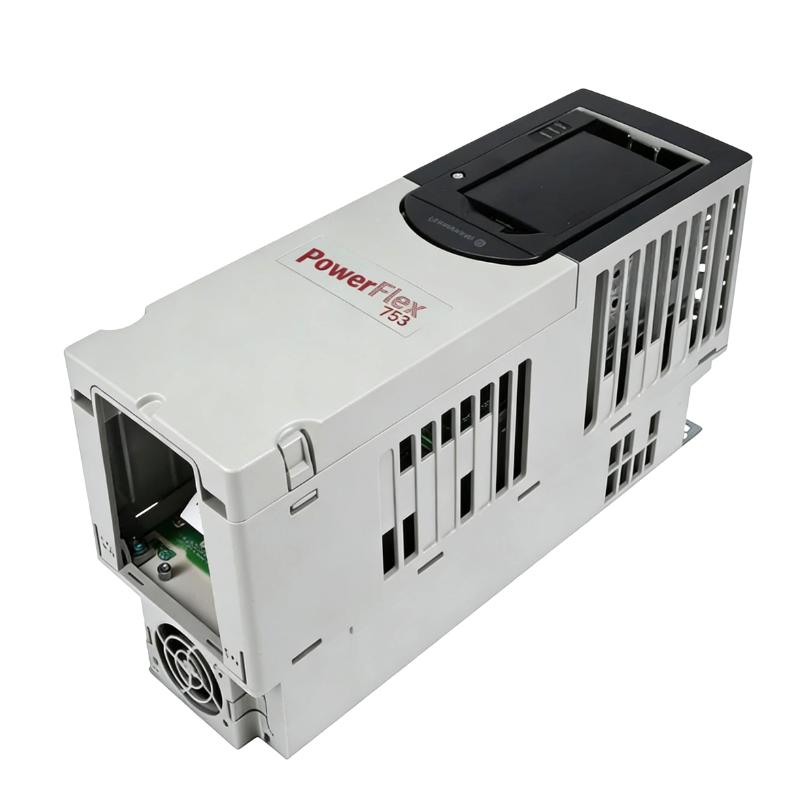
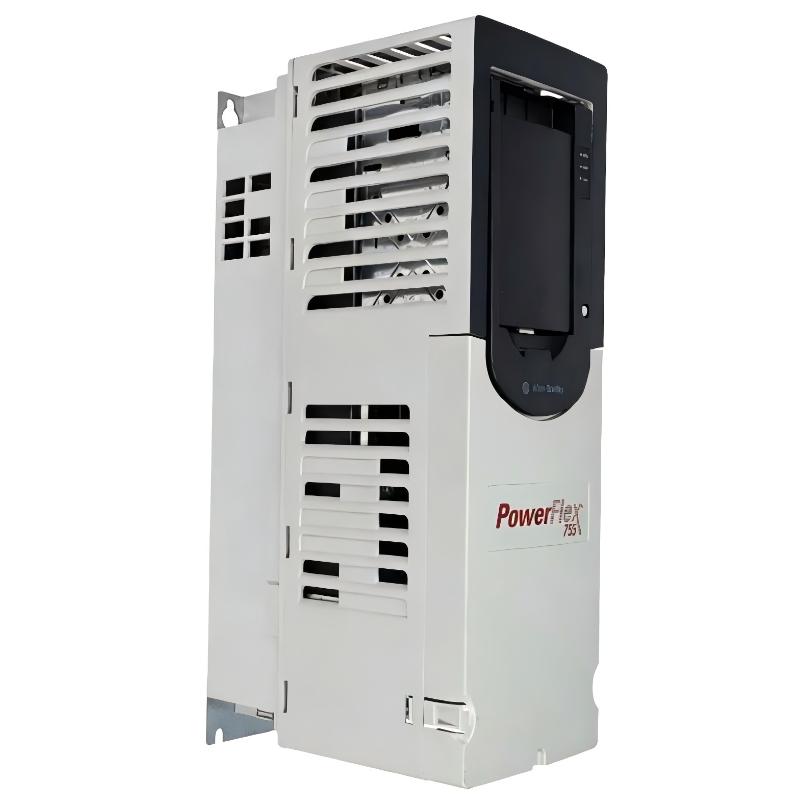
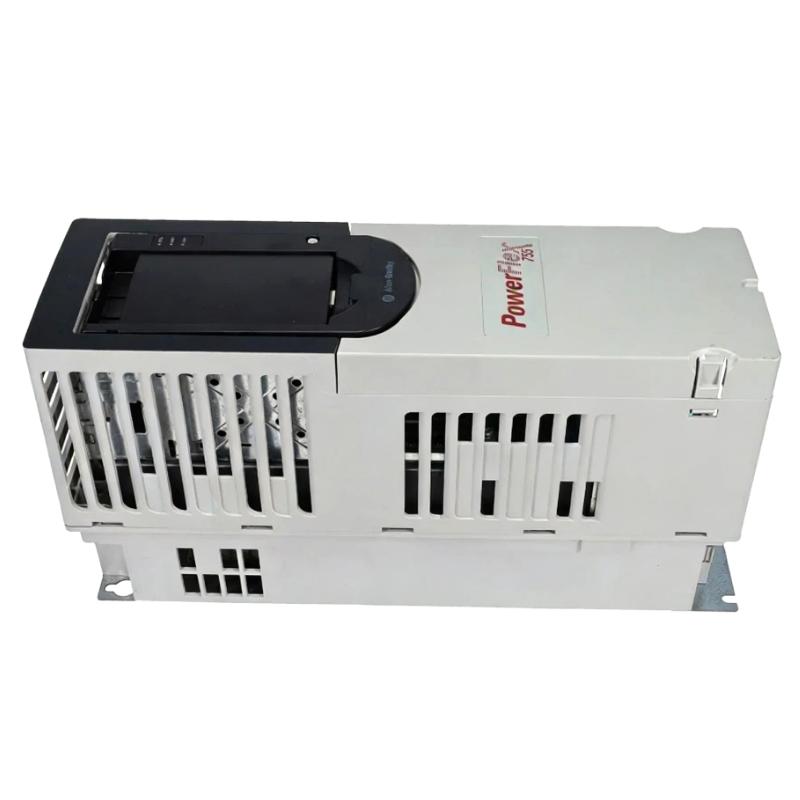
- Allen Bradley
- 20F11NC060AA0NNNNN
- PowerFlex AC Drive
- USA
- 350–400 × 550–700 × 300–400 mm
- 35kg
- Xiamen, China
- New & In Stock
- T/T, PayPal, Western Union
- 1 Year
- 1-3 Working Days
- DHL, UPS, TNT, FedEx and EMS.
- 24-Hour Service
- COO
- 56
Our advantage

Global Logistics
We have a 10-year logistics and express cooperation agreement, so our products can be shipped to any place in the world.

Brand new and original
Our products are imported in bulk from the place of origin. Because of the cooperative relationship, our products are all original and 100% new.

24-hour service
We provide 7*24 hours service to our customers. We will be there whenever you need us.

Price advantage
All our products are priced very favorably because we have our own warehouse and supply.
| Company Information | |||
| [email protected] | |||
| Mobile | +8615980777398 | ||
| +8615980777398 | |||
| 15980777398 |
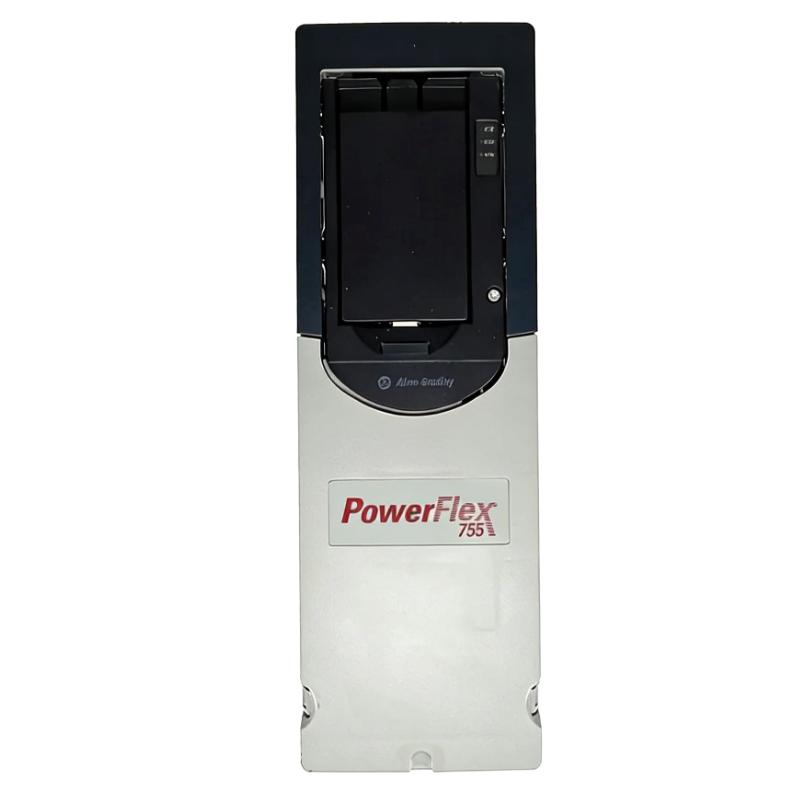
20F11NC060AA0NNNNN — Product Parameters, Introduction, Applications, Advantages and Related Models
1. Product Overview
The 20F11NC060AA0NNNNN is an industrial adjustable-frequency AC drive designed for variable-speed control of three-phase AC motors.
It belongs to the PowerFlex 753 series and is intended for industrial applications where a motor needs controlled starting, stopping, speed regulation, torque management, protection, monitoring and integration with an automated control system.
The model is in the 60 A class, making it suitable for applications requiring greater motor-current capacity than lower-rated drives in the same product family.
The drive is designed to convert incoming three-phase AC power into a controlled variable-frequency output. By controlling the frequency and voltage supplied to the motor, the drive allows the motor speed and operating characteristics to be adjusted according to the requirements of the machine.
Typical applications include conveyors, pumps, fans, blowers, mixers, feeders, rollers, material-handling equipment, processing machinery and other industrial systems requiring adjustable motor speed.
The complete catalog number should always be retained when specifying, purchasing, replacing or documenting the product because the individual characters identify the particular configuration and option arrangement.
2. Brand and Product Series
| Item | Description |
|---|---|
| Model | 20F11NC060AA0NNNNN |
| Brand | Allen-Bradley |
| Product Family | PowerFlex |
| Product Series | PowerFlex 753 |
| Product Type | Adjustable-Frequency AC Drive |
| Drive Category | Industrial Variable Frequency Drive |
| Input | Three-phase AC |
| Output | Variable-frequency three-phase AC |
| Current Class | Approximately 60 A |
| Voltage Class | 480 V class |
| Motor Type | Three-phase AC motor |
| Installation | Industrial panel / cabinet |
| Cooling | Forced air |
| Main Function | Variable-speed motor control |
The PowerFlex 753 series is designed for industrial motor-control applications that require more functionality than a conventional fixed-speed starter.
It provides a combination of motor-speed control, acceleration and deceleration control, protective functions, monitoring and automation integration.
3. Product Identification
The complete model number is:
20F11NC060AA0NNNNN
| Identification | Value |
|---|---|
| Complete Catalog Number | 20F11NC060AA0NNNNN |
| Brand | Allen-Bradley |
| Product Family | PowerFlex |
| Product Series | PowerFlex 753 |
| Product Type | Adjustable-Frequency AC Drive |
| Voltage Class | 480 V class |
| Current Class | Approximately 60 A |
| Input | Three-phase AC |
| Output | Variable-frequency three-phase AC |
| Motor Application | Three-phase AC motor |
| Installation | Industrial panel / cabinet |
The complete catalog number should be checked whenever the unit is being used as a replacement because similar-looking drives can have different electrical ratings, options or hardware configurations.
4. Main Technical Parameters
| Parameter | Specification / Reference |
|---|---|
| Model | 20F11NC060AA0NNNNN |
| Brand | Allen-Bradley |
| Series | PowerFlex 753 |
| Product Type | Industrial AC Variable Frequency Drive |
| Input Phase | Three-phase |
| Voltage Class | 480 V class |
| Input Frequency | 50/60 Hz |
| Output | Three-phase variable-frequency AC |
| Current Rating Class | Approximately 60 A |
| Motor Type | Three-phase AC motor |
| Variable-Speed Operation | Yes |
| Acceleration Control | Yes |
| Deceleration Control | Yes |
| Torque Control | Supported |
| Motor Protection | Integrated |
| Overcurrent Monitoring | Supported |
| Overvoltage Monitoring | Supported |
| Undervoltage Monitoring | Supported |
| Thermal Monitoring | Supported |
| Stall Protection | Supported |
| Fault Monitoring | Integrated |
| Diagnostic Functions | Integrated |
| PID Functions | Supported depending on configuration |
| Preset Speeds | Supported |
| Jog Function | Supported |
| Feedback | Configuration dependent |
| Communication | Configuration dependent |
| Mounting | Panel / cabinet |
| Cooling | Forced air |
| Installation Orientation | Normally vertical |
The approximately 60 A current class is one of the most important characteristics when evaluating this model.
Drive selection should be based on the actual motor full-load current, required overload capability and application duty rather than simply selecting a drive from the motor horsepower value.
5. Electrical Characteristics
The 20F11NC060AA0NNNNN is designed for three-phase industrial motor applications.
The incoming AC power is processed by the drive’s power electronics and converted into a controlled output for the motor.
A simplified electrical arrangement is:
Three-Phase AC Supply → AC Drive → Variable-Frequency Output → Three-Phase Motor → Mechanical Load
The drive changes the motor’s operating speed by changing the output frequency.
This makes it possible for a motor to operate at different speeds according to the requirements of the production process.
| Electrical Parameter | Description |
|---|---|
| Input Supply | Three-phase AC |
| Voltage Class | 480 V class |
| Frequency | 50/60 Hz |
| Output | Variable-frequency three-phase AC |
| Current Class | Approximately 60 A |
| Speed Reference | Local, I/O or communication depending on configuration |
| Motor Control | Programmable |
| Acceleration | Programmable |
| Deceleration | Programmable |
| Torque Control | Supported |
| Protection | Integrated |
| Diagnostics | Integrated |
| Feedback | Configuration dependent |
| Communication | Configuration dependent |
6. Motor Capacity and Drive Selection
The 60 A class places this model above several lower-current configurations in the same series.
When selecting the drive for a motor, the motor’s actual nameplate information should be evaluated.
Important information includes:
| Motor Parameter | Importance |
|---|---|
| Rated Voltage | Must be compatible with the drive |
| Full-Load Current | Critical for drive sizing |
| Rated Power | Useful for preliminary selection |
| Rated Frequency | Required for motor configuration |
| Rated Speed | Required for motor setup |
| Power Factor | Useful for electrical calculations |
| Motor Efficiency | Useful for energy calculations |
| Load Type | Determines operating requirements |
| Overload Requirement | Important for drive selection |
| Starting Torque | Important for heavy-load applications |
| Braking Requirement | Determines braking requirements |
| Feedback Requirement | Determines hardware/configuration requirements |
The motor’s full-load current must be appropriate for the drive’s applicable current rating.
Applications with high inertia, frequent acceleration, rapid deceleration or high starting torque should receive additional attention during drive selection.
7. Physical Dimensions and Weight
The physical size and weight of an industrial AC drive can vary according to frame size, hardware arrangement and installed options.
For preliminary engineering purposes, the following figures can be used as a reference range.
| Mechanical Parameter | Reference Value |
|---|---|
| Model | 20F11NC060AA0NNNNN |
| Installation | Panel / cabinet |
| Mounting Orientation | Vertical |
| Approximate Width | 350–400 mm |
| Approximate Height | 550–700 mm |
| Approximate Depth | 300–400 mm |
| Approximate Envelope | 350–400 × 550–700 × 300–400 mm |
| Approximate Weight | 22–35 kg |
| Weight Unit | kg |
| Cooling | Forced air |
| Ventilation | Required |
| Cabinet Installation | Yes |
| Cable Space | Required |
| Maintenance Clearance | Required |
The dimensional and weight ranges above are intended for preliminary layout and comparison.
For final cabinet engineering, lifting arrangements, shipping calculations and mounting drawings, the actual configured unit should be checked.
8. Product Introduction
The 20F11NC060AA0NNNNN is designed to provide controlled operation of industrial three-phase AC motors.
A motor connected directly to a fixed-frequency supply normally operates at a speed determined mainly by its design and the supplied frequency.
Industrial machines, however, often need different operating speeds.
A conveyor may need a slow speed during loading and a faster speed during normal transportation.
A pump may need to adjust speed according to pressure or flow demand.
A fan may need different speeds according to ventilation requirements.
A mixer may require several operating speeds during different stages of a process.
A feeder may need precise speed adjustment to control the amount of material entering a production process.
The drive provides electronic control for these situations.
It can accelerate the motor according to a programmed ramp, operate at a selected speed, change the speed reference during operation and decelerate the motor according to the required stopping profile.
This makes the drive an important part of the machine-control system rather than simply an electrical motor starter.
9. Variable-Speed Operation
Variable-speed operation is one of the principal functions of the product.
Depending on the configured control system, the speed reference can be supplied through:
- Local operator control.
- Analog input signals.
- Digital inputs.
- Preset-speed commands.
- Industrial controllers.
- Communication networks.
- Process-control systems.
This allows motor speed to become an adjustable process variable.
A typical operating sequence can be:
Low Speed → Acceleration → Production Speed → Speed Adjustment → Deceleration → Stop
Different speed references can be selected for different stages of the production process.
10. Controlled Acceleration
Starting a motor directly across a fixed-frequency supply can produce a substantial starting current and a sudden mechanical load.
The drive provides controlled acceleration by increasing the output frequency according to a programmed acceleration ramp.
This can help reduce sudden mechanical stress.
Controlled acceleration is especially useful for:
- Conveyors.
- Belts.
- Chains.
- Gearboxes.
- Couplings.
- Rollers.
- Pumps.
- Fans.
- Mixers.
- High-inertia machinery.
The acceleration time can be selected according to the mechanical requirements of the equipment.
A longer acceleration period can provide a smoother mechanical transition, while a shorter acceleration period can be used when the machine requires a faster response and the motor/drive system can support it.
11. Controlled Deceleration
The drive can also control the stopping process.
Instead of immediately removing the motor’s operating command, the drive can reduce output frequency according to a programmed deceleration profile.
This can provide smoother machine stopping.
Controlled deceleration is useful for:
- Conveyors.
- Rollers.
- Material-handling systems.
- High-inertia machines.
- Fans.
- Pumps.
- Processing machinery.
Where rapid stopping is required, the braking requirements should be evaluated separately.
The appropriate braking method depends on the mechanical load, inertia, stopping time, motor characteristics and overall system design.
12. Motor Speed Regulation
Motor speed regulation allows the machine to adapt to changing production requirements.
For example, a conveyor can use different speeds for:
- Loading.
- Transportation.
- Inspection.
- Sorting.
- Processing.
- Packaging.
- Discharge.
A pump can change speed according to flow or pressure requirements.
A fan can change speed according to airflow demand.
A feeder can change speed according to the required material flow.
The drive therefore becomes part of the process-control system.
13. Torque Control
Torque performance is important where the mechanical load varies during operation.
Typical examples include:
- Loaded conveyors.
- Mixers.
- Rollers.
- Feeders.
- Material-handling machinery.
- Processing equipment.
- High-inertia machines.
The drive can be configured according to the required motor-control method.
Actual torque performance depends on motor data, control mode, operating speed, load characteristics and commissioning parameters.
Accurate motor nameplate information is therefore important during commissioning.
14. Motor Protection
The drive incorporates monitoring and protective functions designed to help protect the drive and motor system.
Typical functions include:
- Overcurrent monitoring.
- Overvoltage monitoring.
- Undervoltage monitoring.
- Motor overload protection.
- Thermal monitoring.
- Stall-related protection.
- Drive temperature monitoring.
- Fault detection.
- Feedback monitoring where applicable.
Correct motor information should be entered during commissioning.
Accurate motor parameters help the drive provide suitable control and protective behavior.
15. Diagnostic Functions
An important advantage of an industrial variable-frequency drive is the amount of operating information that can be made available to maintenance personnel.
Depending on the configuration, useful information can include:
| Diagnostic Information | Purpose |
|---|---|
| Drive Status | Indicates current operating state |
| Motor Current | Indicates motor loading |
| Output Frequency | Indicates operating frequency |
| Speed Reference | Shows commanded speed |
| Actual Speed | Indicates motor operating speed |
| Alarm Status | Indicates warning conditions |
| Fault Status | Helps identify shutdown conditions |
| Temperature | Supports thermal monitoring |
| Communication Status | Helps verify network operation |
| Operating Parameters | Supports commissioning and troubleshooting |
This information can make troubleshooting more systematic.
Maintenance personnel can review drive status and operating conditions before replacing components.
16. Automation Integration
The drive can be integrated into an industrial automation system.
A typical arrangement is:
Industrial Controller → I/O or Communication Network → AC Drive → Motor → Machine
The controller can provide:
- Start commands.
- Stop commands.
- Speed references.
- Direction commands.
- Preset speeds.
- Process setpoints.
The drive can provide information such as:
- Run status.
- Speed information.
- Motor current.
- Alarm status.
- Fault information.
This allows the motor to become an integrated part of an automated production process.
17. Process Control
The drive can be used where motor speed needs to respond to a process variable.
Examples include:
- Pressure.
- Flow.
- Airflow.
- Ventilation.
- Pumping.
- Blower operation.
- Material flow.
- Production rate.
The control system can determine the required operating condition and provide an appropriate speed reference to the drive.
The drive then adjusts motor speed according to that command.
This type of control can provide greater flexibility than operating a motor at one fixed speed.
18. Main Product Advantages
18.1 Adjustable Motor Speed
The most obvious advantage is the ability to adjust motor speed electronically.
This allows the machine to operate at different speeds without relying entirely on mechanical speed-changing equipment.
18.2 Smooth Starting
Controlled acceleration can reduce sudden mechanical loading.
This can help reduce stress on:
- Belts.
- Chains.
- Gearboxes.
- Couplings.
- Bearings.
- Rollers.
- Mechanical transmission systems.
18.3 Controlled Stopping
Controlled deceleration can provide smoother stopping.
This is particularly useful for high-inertia equipment and material-handling systems.
18.4 Flexible Process Operation
Different operating speeds can be used during different production stages.
This can make the same machine more adaptable to changing production requirements.
18.5 Motor Monitoring
The drive can monitor important operating parameters such as current, frequency and status.
18.6 Integrated Protection
Protective functions can help identify abnormal electrical and operating conditions.
18.7 Automation Integration
The drive can become part of an automated machine-control architecture.
18.8 Potential Energy Reduction
In suitable variable-load applications, reducing motor speed can reduce energy consumption.
This is particularly relevant to certain pump, fan and blower applications.
Actual savings depend on the equipment, load profile and operating conditions.
19. Typical Applications
| Application | Suitability | Main Benefit |
|---|---|---|
| Conveyor | Excellent | Variable speed and controlled starting |
| Pump | Excellent | Flow and pressure adjustment |
| Fan | Excellent | Airflow control |
| Blower | Excellent | Variable airflow |
| Mixer | Excellent | Adjustable process speed |
| Roller | Excellent | Controlled rotational speed |
| Feeder | Excellent | Adjustable material flow |
| Material Handling | Excellent | Controlled acceleration |
| Production Line | Excellent | Flexible motor speed |
| Processing Equipment | Very Good | Adjustable process operation |
| General Machinery | Very Good | Variable-speed motor control |
20. Conveyor Applications
Conveyors frequently require different operating speeds.
A production system may require a slower speed during loading and a faster speed during normal transportation.
The drive can provide these speed changes electronically.
Controlled acceleration can also reduce mechanical stress on:
- Conveyor belts.
- Chains.
- Sprockets.
- Gearboxes.
- Couplings.
- Bearings.
Controlled deceleration can provide smoother stopping.
This is especially useful where products must remain stable while the conveyor starts and stops.
21. Pump Applications
Pumping systems can benefit from variable-speed operation.
Instead of operating continuously at full speed, the motor speed can be adjusted according to process demand.
Potential advantages include:
- Adjustable flow.
- Pressure regulation.
- Smooth starting.
- Smooth stopping.
- Reduced mechanical stress.
- Potential energy savings.
For suitable variable-torque pumping systems, lower operating speed can reduce power consumption.
Actual energy performance depends on the pump curve, system resistance and operating profile.
22. Fan and Blower Applications
Fans and blowers often operate under changing airflow requirements.
A variable-frequency drive can reduce motor speed when full airflow is not necessary.
Typical applications include:
- Industrial ventilation.
- Exhaust systems.
- Cooling equipment.
- Air-handling machinery.
- Dust collection.
- Process ventilation.
Reducing fan speed can provide energy-saving opportunities in suitable systems.
23. Mixer Applications
Industrial mixers often require different speeds during different stages of operation.
A typical cycle can be:
Loading → Low-Speed Mixing → Medium-Speed Mixing → High-Speed Mixing → Controlled Stop
The drive can provide the required speed changes.
This can be useful when different process stages require different motor speeds or torque characteristics.
24. Roller Applications
Industrial rollers often require stable and adjustable rotational speed.
Roller speed can affect:
- Material movement.
- Production rate.
- Product spacing.
- Processing speed.
- Web handling.
- Packaging speed.
The drive allows roller speed to be adjusted according to production requirements.
25. Material-Handling Applications
Material-handling systems can benefit significantly from controlled acceleration and deceleration.
Typical equipment includes:
- Conveyors.
- Feeders.
- Transfer systems.
- Rollers.
- Sorting equipment.
- Transport machinery.
The drive allows motor speed to be adjusted according to the production process.
This can improve flexibility and reduce sudden mechanical loading.
26. Installation Considerations
The 20F11NC060AA0NNNNN is intended for industrial electrical installation.
A suitable cabinet or enclosure should provide sufficient space for:
- Drive mounting.
- Power wiring.
- Motor wiring.
- Control wiring.
- Communication wiring.
- Cooling airflow.
- Maintenance access.
- Cable routing.
The drive should normally be installed in the recommended orientation.
Cooling paths and ventilation openings should remain unobstructed.
The cabinet design should account for heat generated by the drive during operation.
27. Cabinet Design Reference
| Parameter | Preliminary Reference |
|---|---|
| Drive Model | 20F11NC060AA0NNNNN |
| Approx. Width | 350–400 mm |
| Approx. Height | 550–700 mm |
| Approx. Depth | 300–400 mm |
| Approx. Weight | 22–35 kg |
| Weight Unit | kg |
| Mounting | Vertical panel/cabinet |
| Cooling | Forced air |
| Ventilation | Required |
| Cable Routing | Required |
| Maintenance Space | Required |
| Cabinet Support | Must support drive weight |
| Installation Environment | Must be suitable for the equipment |
The final enclosure should be designed using the actual physical configuration.
The cabinet should also provide adequate clearance for wiring, ventilation and service access.
28. Heat Dissipation
An AC drive produces heat during operation.
Heat generation depends on several factors, including:
- Motor current.
- Motor load.
- Drive efficiency.
- Switching conditions.
- Ambient temperature.
- Installation arrangement.
If multiple drives are installed inside the same enclosure, the combined heat generation should be considered.
Adequate airflow is important for reliable operation.
Blocked cooling paths can cause excessive internal temperature and may reduce component service life.
29. Environmental Considerations
The installation environment should be evaluated before commissioning.
| Environmental Factor | Consideration |
|---|---|
| Ambient Temperature | Must remain within the permitted operating range |
| Humidity | Condensation should be avoided |
| Dust | Can affect cooling and electronic components |
| Chemical Vapors | Can affect electronic components |
| Vibration | Should be evaluated |
| Altitude | Can affect thermal performance |
| Airflow | Must remain sufficient |
| Enclosure | Must suit the installation environment |
| Maintenance | Cooling paths should be inspected periodically |
Dusty environments may require appropriate cabinet filtration and cooling arrangements.
30. Five Same-Series or Closely Related Models
The following models are useful for comparison within the same general product family and current-capacity range.
| Model | Product Series | Approx. Current Class | Voltage Class | Approx. Dimensions | Weight (kg) | Typical Application |
|---|---|---|---|---|---|---|
| 20F11NC030AA0NNNNN | PowerFlex 753 | 30 A class | 480 V | 250–300 × 450–550 × 250–300 mm | 12–20 | General industrial machinery |
| 20F11NC037AA0NNNNN | PowerFlex 753 | 37 A class | 480 V | 300–350 × 500–650 × 300–350 mm | 18–28 | Medium industrial machinery |
| 20F11NC043AA0NNNNN | PowerFlex 753 | 43 A class | 480 V | 300–400 × 500–650 × 300–350 mm | 18–30 | Industrial machinery |
| 20F11NC052AA0NNNNN | PowerFlex 753 | 52 A class | 480 V | 300–400 × 550–700 × 300–400 mm | 20–32 | Higher-capacity machinery |
| 20F11NC060AA0NNNNN | PowerFlex 753 | 60 A class | 480 V | 350–400 × 550–700 × 300–400 mm | 22–35 | Higher-capacity industrial equipment |
The 60 A model is the largest-current example in this comparison.
A higher current rating does not automatically make one model a direct replacement for another.
Motor current, overload duty, braking requirements, enclosure arrangement, control requirements and hardware configuration should be checked before substitution.
31. Same-Series Technical Comparison
| Parameter | 20F11NC030AA0NNNNN | 20F11NC037AA0NNNNN | 20F11NC043AA0NNNNN | 20F11NC052AA0NNNNN | 20F11NC060AA0NNNNN |
|---|---|---|---|---|---|
| Product Series | PowerFlex 753 | PowerFlex 753 | PowerFlex 753 | PowerFlex 753 | PowerFlex 753 |
| Voltage Class | 480 V | 480 V | 480 V | 480 V | 480 V |
| Current Class | 30 A | 37 A | 43 A | 52 A | 60 A |
| Input Phase | Three-phase | Three-phase | Three-phase | Three-phase | Three-phase |
| Motor Type | AC | AC | AC | AC | AC |
| Variable Speed | Yes | Yes | Yes | Yes | Yes |
| Acceleration Control | Yes | Yes | Yes | Yes | Yes |
| Deceleration Control | Yes | Yes | Yes | Yes | Yes |
| Torque Control | Supported | Supported | Supported | Supported | Supported |
| PID | Supported | Supported | Supported | Supported | Supported |
| Diagnostics | Yes | Yes | Yes | Yes | Yes |
| Feedback | Configuration dependent | Configuration dependent | Configuration dependent | Configuration dependent | Configuration dependent |
| Communication | Configuration dependent | Configuration dependent | Configuration dependent | Configuration dependent | Configuration dependent |
| Approx. Width | 250–300 mm | 300–350 mm | 300–400 mm | 300–400 mm | 350–400 mm |
| Approx. Height | 450–550 mm | 500–650 mm | 500–650 mm | 550–700 mm | 550–700 mm |
| Approx. Depth | 250–300 mm | 300–350 mm | 300–350 mm | 300–400 mm | 300–400 mm |
| Approx. Weight | 12–20 kg | 18–28 kg | 18–30 kg | 20–32 kg | 22–35 kg |
32. Five Related Models for Broader Selection
| Model | Product Series | Product Type | Voltage Class | Approx. Rating | Approx. Dimensions | Weight (kg) | Typical Application |
|---|---|---|---|---|---|---|---|
| 20F11NC030AA0NNNNN | PowerFlex 753 | AC Drive | 480 V class | 30 A class | 250–300 × 450–550 × 250–300 mm | 12–20 | General machinery |
| 20F11NC037AA0NNNNN | PowerFlex 753 | AC Drive | 480 V class | 37 A class | 300–350 × 500–650 × 300–350 mm | 18–28 | Medium industrial machinery |
| 20F11NC052AA0NNNNN | PowerFlex 753 | AC Drive | 480 V class | 52 A class | 300–400 × 550–700 × 300–400 mm | 20–32 | Higher-capacity machinery |
| 20G1AND248JN0NNNNN | PowerFlex 755 | AC Drive | 480 V class | 248 A class | 350–450 × 600–800 × 300–400 mm | 55–80 | Large process equipment |
| 20G1AND361JN0NNNNN | PowerFlex 755 | AC Drive | 480 V class | 361 A class | 400–500 × 700–900 × 350–450 mm | 70–100 | Large industrial machinery |
The first three options are closer to the original model in terms of general product family and application range.
The larger PowerFlex 755 models are intended for substantially higher motor-current requirements and larger industrial equipment.
33. Five Popular Models from the Same Brand
| Model | Product Series | Product Type | Voltage Class | Approx. Rating | Approx. Dimensions | Weight (kg) | Typical Application |
|---|---|---|---|---|---|---|---|
| 20F11NC060AA0NNNNN | PowerFlex 753 | AC Drive | 480 V class | 60 A class | 350–400 × 550–700 × 300–400 mm | 22–35 | Industrial machinery |
| 20F11NC043AA0NNNNN | PowerFlex 753 | AC Drive | 480 V class | 43 A class | 300–400 × 500–650 × 300–350 mm | 18–30 | General industrial machinery |
| 20G1AND248JN0NNNNN | PowerFlex 755 | AC Drive | 480 V class | 248 A class | 350–450 × 600–800 × 300–400 mm | 55–80 | Large process equipment |
| 20G1AND361JN0NNNNN | PowerFlex 755 | AC Drive | 480 V class | 361 A class | 400–500 × 700–900 × 350–450 mm | 70–100 | Large industrial machinery |
| 25B-D030N114 | PowerFlex 525 | AC Drive | 480 V class | 30 A class | 250–300 × 150–250 × 220–300 mm | 5–9 | Compact industrial machinery |
These models cover different capacity levels and machine requirements.
The PowerFlex 525 is physically smaller and is generally more suitable for compact machinery.
The PowerFlex 753 is more appropriate where greater industrial capability and expansion flexibility are required.
The PowerFlex 755 is better suited to larger motors and more demanding industrial systems.
34. PowerFlex Family Comparison
| Feature | PowerFlex 525 | PowerFlex 753 | PowerFlex 755 |
|---|---|---|---|
| General Position | Compact industrial drive | Industrial drive | Higher-performance industrial drive |
| Typical Application | Compact machinery | Medium/high-capacity industrial machinery | Large/high-performance machinery |
| Physical Size | Compact | Medium | Larger |
| Variable Speed | Yes | Yes | Yes |
| Acceleration Control | Yes | Yes | Yes |
| Deceleration Control | Yes | Yes | Yes |
| Torque Control | Supported | Advanced | Advanced |
| PID Functions | Supported | Supported | Supported |
| Diagnostics | Yes | Yes | Yes |
| Feedback | Configuration dependent | Available | Available |
| Communication | Available | Available | Extensive options |
| Expansion Capability | Good | Strong | Strong |
| Larger Motor Applications | Limited | Good | Excellent |
| Complex Machinery | Good | Very Good | Excellent |
35. Comparison with a Conventional Motor Starter
| Function | Conventional Starter | 20F11NC060AA0NNNNN |
|---|---|---|
| Start / Stop | Yes | Yes |
| Variable Speed | No | Yes |
| Controlled Acceleration | Limited | Yes |
| Controlled Deceleration | Limited | Yes |
| Motor Current Monitoring | Limited | Yes |
| Motor Protection | Basic | Advanced |
| Process Speed Control | No | Yes |
| PID Functions | No | Supported |
| Diagnostics | Limited | Advanced |
| Automation Integration | Limited | Yes |
| Preset Speeds | No | Yes |
| Energy Optimization Potential | Limited | Yes |
The principal difference is that a conventional starter primarily provides motor switching and basic protection.
An adjustable-frequency drive provides considerably more control over motor operation.
36. Energy-Saving Potential
Variable-speed operation can provide energy-saving opportunities where the required mechanical output changes over time.
This is especially relevant to:
- Centrifugal pumps.
- Fans.
- Blowers.
A fixed-speed motor may continue operating at a relatively high speed even when the process requires less output.
The drive can reduce motor speed when appropriate.
For suitable variable-torque systems, reducing speed can substantially reduce mechanical power requirements.
Actual energy savings depend on:
- Motor efficiency.
- Load characteristics.
- Operating hours.
- Required speed range.
- Pump or fan characteristics.
- Mechanical losses.
- Process requirements.
The presence of a variable-frequency drive alone does not guarantee energy savings.
37. Maintenance Benefits
The drive’s monitoring and diagnostic functions can support preventive and condition-based maintenance.
Useful information may include:
- Motor current.
- Output frequency.
- Speed reference.
- Actual speed.
- Drive status.
- Alarm status.
- Fault information.
- Temperature information.
- Communication status.
This information can help maintenance personnel determine whether a problem is related to:
- Incoming power.
- Motor loading.
- Drive operation.
- Mechanical equipment.
- Communication.
- Thermal conditions.
This can make troubleshooting more structured and reduce unnecessary component replacement.
38. Industrial Modernization
The 20F11NC060AA0NNNNN can be considered for industrial modernization projects where an existing fixed-speed motor or older variable-speed system needs improved control.
Typical modernization objectives include:
- Adding variable-speed operation.
- Improving motor protection.
- Improving diagnostics.
- Integrating motor control with automation.
- Reducing mechanical starting shock.
- Improving process control.
- Adding multiple operating speeds.
- Improving machine flexibility.
A modernization project should evaluate the complete system rather than the drive alone.
The motor, cabinet, control system, wiring, braking arrangement, mechanical load and operating environment should all be considered.
39. Suitable Industrial Equipment
| Equipment | Typical Use |
|---|---|
| Conveyor | Variable transport speed |
| Pump | Flow and pressure control |
| Fan | Airflow control |
| Blower | Variable airflow |
| Mixer | Multiple mixing speeds |
| Roller | Adjustable rotational speed |
| Feeder | Material-flow adjustment |
| Material Handling | Controlled acceleration |
| Packaging Equipment | Adjustable production speed |
| Processing Machinery | Variable process speed |
| General Machinery | Flexible motor operation |
40. Motor Compatibility
Before commissioning the drive, the motor nameplate should be checked carefully.
Important information includes:
| Motor Data | Reason |
|---|---|
| Rated Voltage | Confirms electrical compatibility |
| Rated Frequency | Required for motor configuration |
| Full-Load Current | Critical for drive sizing |
| Rated Power | Used for preliminary selection |
| Rated Speed | Required for motor setup |
| Power Factor | Useful for calculations |
| Efficiency | Useful for energy calculations |
| Motor Type | Important for control selection |
| Overload Requirement | Determines application duty |
| Feedback | Required where applicable |
Correct motor information is important for proper motor control.
Incorrect motor parameters can result in poor performance, excessive current or unsuitable protection behavior.
41. Cabinet and Wiring Considerations
The drive normally forms part of a larger electrical panel.
A typical installation may include:
- Main disconnect.
- Circuit protection.
- Fuses.
- Terminal blocks.
- Control relays.
- Industrial controller.
- Communication equipment.
- Line reactors where required.
- Filters where required.
- Grounding equipment.
- Cooling equipment.
Power wiring and control wiring should be arranged appropriately.
Adequate separation can help reduce electrical interference.
The cabinet should provide enough room for cable routing and maintenance.
42. Typical System Architecture
A typical power arrangement is:
Incoming Three-Phase Power
↓
Main Protection / Disconnect
↓
20F11NC060AA0NNNNN
↓
Three-Phase AC Motor
↓
Gearbox / Coupling
↓
Mechanical Load
The control architecture may be:
Industrial Controller
↓
I/O or Communication Network
↓
AC Drive
↓
Motor Speed / Torque
↓
Machine Process
This allows the drive to function as the electronic interface between the automation system and the motor.
43. Typical Operating Sequence
Step 1 — Start Command
The control system sends a start command to the drive.
Step 2 — Acceleration
The drive gradually increases the output frequency.
Step 3 — Normal Operation
The motor reaches the required operating speed.
Step 4 — Process Adjustment
The controller changes the speed reference when production conditions change.
Step 5 — Speed Regulation
The drive adjusts motor operation according to the new reference.
Step 6 — Stop Command
The controller sends a stop command.
Step 7 — Deceleration
The drive reduces motor speed according to the programmed deceleration profile.
Step 8 — Motor Stop
The motor reaches the required stopped condition.
This sequence provides substantially greater control than direct fixed-speed starting.
44. Detailed Technical Comparison
| Parameter | 20F11NC030AA0NNNNN | 20F11NC037AA0NNNNN | 20F11NC043AA0NNNNN | 20F11NC052AA0NNNNN | 20F11NC060AA0NNNNN |
|---|---|---|---|---|---|
| Series | PowerFlex 753 | PowerFlex 753 | PowerFlex 753 | PowerFlex 753 | PowerFlex 753 |
| Voltage Class | 480 V | 480 V | 480 V | 480 V | 480 V |
| Current Class | 30 A | 37 A | 43 A | 52 A | 60 A |
| Input | Three-phase | Three-phase | Three-phase | Three-phase | Three-phase |
| Motor Type | AC | AC | AC | AC | AC |
| Variable Speed | Yes | Yes | Yes | Yes | Yes |
| Acceleration Control | Yes | Yes | Yes | Yes | Yes |
| Deceleration Control | Yes | Yes | Yes | Yes | Yes |
| Torque Control | Supported | Supported | Supported | Supported | Supported |
| PID | Supported | Supported | Supported | Supported | Supported |
| Diagnostics | Yes | Yes | Yes | Yes | Yes |
| Feedback | Configuration dependent | Configuration dependent | Configuration dependent | Configuration dependent | Configuration dependent |
| Communication | Configuration dependent | Configuration dependent | Configuration dependent | Configuration dependent | Configuration dependent |
| Approx. Width | 250–300 mm | 300–350 mm | 300–400 mm | 300–400 mm | 350–400 mm |
| Approx. Height | 450–550 mm | 500–650 mm | 500–650 mm | 550–700 mm | 550–700 mm |
| Approx. Depth | 250–300 mm | 300–350 mm | 300–350 mm | 300–400 mm | 300–400 mm |
| Approx. Weight | 12–20 kg | 18–28 kg | 18–30 kg | 20–32 kg | 22–35 kg |
45. Recommended Selection by Application
| Application Requirement | Recommended Direction |
|---|---|
| Lower motor current | Lower-capacity PowerFlex 753 |
| Medium motor current | PowerFlex 753 |
| Around 37 A class | 37 A-class configuration |
| Around 43 A class | 43 A-class configuration |
| Around 60 A class | 20F11NC060AA0NNNNN |
| Higher motor current | Higher-capacity PowerFlex 753 |
| Large industrial motor | PowerFlex 755 |
| Compact machine | PowerFlex 525 |
| Complex machinery | PowerFlex 753 / PowerFlex 755 |
| Large process equipment | PowerFlex 755 |
| Variable-speed pump/fan | PowerFlex 753 or PowerFlex 755 according to capacity |
46. Replacement Checklist
Before replacing an existing drive with the 20F11NC060AA0NNNNN, the following items should be checked.
| Check Item | Requirement |
|---|---|
| Catalog Number | 20F11NC060AA0NNNNN |
| Input Voltage | Confirm actual supply |
| Input Phase | Confirm three-phase supply |
| Motor Voltage | Check motor nameplate |
| Motor Current | Check full-load current |
| Motor Power | Check kW / HP |
| Motor Frequency | Check rated frequency |
| Motor Speed | Check rated RPM |
| Load Type | Constant / variable torque |
| Overload Requirement | Determine application duty |
| Acceleration Time | Determine required ramp |
| Deceleration Time | Determine required ramp |
| Braking | Determine braking requirement |
| Feedback | Check encoder/feedback requirement |
| Communication | Check control-system interface |
| I/O | Check control signals |
| Physical Dimensions | Verify actual unit |
| Weight | Verify actual kg |
| Cooling | Check cabinet airflow |
| Environment | Check temperature, dust and humidity |
| Mounting | Verify mounting arrangement |
47. Key Advantages at a Glance
| Advantage | Practical Result |
|---|---|
| Variable-speed operation | Motor speed can follow process requirements |
| Controlled acceleration | Reduced mechanical starting shock |
| Controlled deceleration | Smoother stopping |
| Motor protection | Better monitoring of abnormal conditions |
| Diagnostics | Easier troubleshooting |
| Process control | Better machine control |
| Automation integration | Suitable for automated production |
| Adjustable references | Flexible operation |
| Torque-control capability | Better response to changing loads |
| Industrial construction | Suitable for industrial machinery |
| Energy-saving potential | Useful for suitable variable-load systems |
| Scalable product family | Easier capacity matching |
| 60 A class | Suitable for higher-current applications within the family |
48. Important Selection Considerations
Although the 20F11NC060AA0NNNNN is in the 60 A class, current rating alone should not be used to determine whether it is suitable for every application.
Several factors should be evaluated.
Motor Full-Load Current
The actual motor current is one of the most important selection criteria.
The drive should be appropriately sized for the motor’s actual electrical requirements.
Motor Voltage
The motor voltage must be compatible with the drive’s voltage class.
Application Duty
Normal-duty and heavy-duty applications can have different requirements.
Starting Load
High starting torque requirements should be considered.
Operating Speed
The required minimum and maximum motor speeds should be evaluated.
Braking
If the machine must stop rapidly, the braking system should be evaluated.
Feedback
Encoder or other feedback requirements can affect the required configuration.
Communication
The required communication method should be checked against the automation system.
Cabinet Space
The physical dimensions and cooling requirements should be considered before installation.
49. Why the 60 A Model Can Be Useful
The 20F11NC060AA0NNNNN provides a higher current capacity than the 30 A, 37 A, 43 A and 52 A examples listed above.
This makes it useful when the motor requires a higher current rating while the application still falls within the capabilities of the PowerFlex 753 product family.
It can be particularly useful in applications where:
- Motor load changes significantly.
- Starting torque is important.
- The machine has substantial inertia.
- Variable speed is required.
- Process speed needs to be controlled automatically.
- The motor must be integrated into an industrial automation system.
- Motor status and diagnostic information are important.
The 60 A class provides additional capacity compared with smaller configurations, but the correct model should still be selected based on the motor nameplate and application duty.
50. Advantages for Large Industrial Machinery
For larger machinery, motor control becomes increasingly important.
A direct-on-line motor starter can provide simple start and stop operation, but it does not provide the same degree of speed control.
The 20F11NC060AA0NNNNN can provide:
- Adjustable operating speed.
- Controlled acceleration.
- Controlled deceleration.
- Motor monitoring.
- Protective functions.
- Process-control capability.
- Automation integration.
- Diagnostic information.
These functions can be useful for production systems where motor behavior directly affects product quality, throughput or mechanical performance.
51. Application in Production Lines
Production lines often have several machines that must operate in coordination.
For example:
Feeder → Conveyor → Processing Machine → Inspection → Packaging
The speed of one section may need to correspond to the speed of another.
A variable-frequency drive allows the motor speed to become a controllable machine parameter.
The controller can change the speed reference according to production requirements.
This can help coordinate different sections of the production line.
52. Application in Material Flow
Material-flow systems frequently require controlled speed.
Examples include:
- Feed conveyors.
- Screw feeders.
- Belt feeders.
- Rollers.
- Transfer systems.
- Sorting systems.
The drive can change motor speed to adjust material movement.
This can be useful when the material flow needs to correspond to a downstream processing rate.
53. Application in High-Inertia Machinery
High-inertia machinery can create significant mechanical and electrical demands during starting and stopping.
Examples include:
- Large rollers.
- Heavy conveyors.
- Large fans.
- Mixers.
- Processing machinery.
Controlled acceleration can gradually bring the system up to speed.
Controlled deceleration can reduce the sudden mechanical effects associated with stopping.
The exact acceleration and deceleration settings should be established according to the mechanical system.
54. Maintenance and Troubleshooting
When abnormal operation occurs, a systematic troubleshooting process is recommended.
The following information should be checked:
| Check | Purpose |
|---|---|
| Incoming Voltage | Verify power supply |
| Motor Current | Check loading |
| Output Frequency | Check operating command |
| Speed Reference | Verify requested speed |
| Fault Status | Identify drive shutdown |
| Alarm Status | Identify warning conditions |
| Motor Wiring | Check electrical connections |
| Motor Condition | Check mechanical/electrical condition |
| Cooling | Check airflow |
| Cabinet Temperature | Check thermal conditions |
| Communication | Check controller connection |
| Mechanical Load | Check for excessive resistance |
This approach can help distinguish between electrical, control, mechanical and environmental problems.
55. Product Selection Summary
| Selection Factor | 20F11NC060AA0NNNNN |
|---|---|
| Product Family | PowerFlex |
| Series | PowerFlex 753 |
| Current Class | Approximately 60 A |
| Voltage Class | 480 V |
| Input | Three-phase AC |
| Motor Control | Variable-frequency |
| Application Level | Industrial |
| Typical Motor Application | Medium/high-capacity AC motors |
| Variable Speed | Yes |
| Controlled Acceleration | Yes |
| Controlled Deceleration | Yes |
| Torque Control | Supported |
| Diagnostics | Integrated |
| Motor Protection | Integrated |
| Automation Integration | Supported |
| Feedback | Configuration dependent |
| Communication | Configuration dependent |
| Approx. Width | 350–400 mm |
| Approx. Height | 550–700 mm |
| Approx. Depth | 300–400 mm |
| Approx. Weight | 22–35 kg |
| Weight Unit | kg |
56. Final Detailed Product Summary
The 20F11NC060AA0NNNNN is a PowerFlex 753 industrial adjustable-frequency AC drive in the approximately 60 A, 480 V class.
It is designed for three-phase AC motor applications where fixed-speed operation is not sufficient.
The drive allows the motor to accelerate, operate and decelerate according to programmed operating requirements.
Its variable-speed capability makes it suitable for conveyors, pumps, fans, blowers, mixers, feeders, rollers, material-handling systems, processing equipment and general industrial machinery.
The drive can provide controlled acceleration, which can reduce sudden mechanical stress during motor starting.
It can also provide controlled deceleration, which can improve stopping behavior and reduce sudden mechanical loading.
Motor monitoring and protective functions can help identify abnormal operating conditions.
Diagnostic information can make maintenance and troubleshooting more efficient.
The drive can also be incorporated into an automated control system through appropriate I/O and communication arrangements.
For suitable pump, fan and blower applications, variable-speed operation may provide energy-saving benefits because the motor does not necessarily need to operate continuously at maximum speed.
The approximately 60 A capacity makes this model particularly interesting for applications that require more current capacity than smaller PowerFlex 753 configurations.
For preliminary mechanical planning, the drive can be considered to occupy approximately 350–400 mm in width, 550–700 mm in height and 300–400 mm in depth, with an indicative weight of approximately 22–35 kg.
These dimensional and weight figures are reference ranges and should not replace the actual mechanical drawing or configured-unit information when finalizing a cabinet or installation.
When replacing or selecting this drive, the most important parameters to verify are:
- Incoming supply voltage.
- Three-phase input requirements.
- Motor rated voltage.
- Motor full-load current.
- Motor power.
- Motor rated frequency.
- Motor rated speed.
- Required overload duty.
- Starting torque.
- Operating speed range.
- Acceleration requirements.
- Deceleration requirements.
- Braking requirements.
- Feedback requirements.
- Communication requirements.
- Cabinet dimensions.
- Cooling requirements.
- Installation environment.
The 20F11NC060AA0NNNNN is therefore best understood as a higher-current industrial variable-speed drive within the PowerFlex 753 family, intended for applications where controlled motor operation, process flexibility, protection, diagnostics and automation integration are important.
57. Final Parameter Table
| Parameter | 20F11NC060AA0NNNNN |
|---|---|
| Brand | Allen-Bradley |
| Product Family | PowerFlex |
| Product Series | PowerFlex 753 |
| Product Type | Industrial Adjustable-Frequency AC Drive |
| Voltage Class | 480 V class |
| Current Class | Approximately 60 A |
| Input Phase | Three-phase |
| Input Frequency | 50/60 Hz |
| Output | Variable-frequency three-phase AC |
| Motor Type | Three-phase AC motor |
| Variable-Speed Control | Yes |
| Acceleration Control | Yes |
| Deceleration Control | Yes |
| Torque Control | Supported |
| PID Functions | Supported depending on configuration |
| Motor Protection | Integrated |
| Overcurrent Monitoring | Supported |
| Overvoltage Monitoring | Supported |
| Undervoltage Monitoring | Supported |
| Thermal Monitoring | Supported |
| Stall Protection | Supported |
| Diagnostic Functions | Integrated |
| Feedback | Configuration dependent |
| Communication | Configuration dependent |
| Cooling | Forced air |
| Mounting | Panel / cabinet |
| Recommended Orientation | Vertical |
| Approx. Width | 350–400 mm |
| Approx. Height | 550–700 mm |
| Approx. Depth | 300–400 mm |
| Approx. Overall Envelope | 350–400 × 550–700 × 300–400 mm |
| Approx. Weight | 22–35 kg |
| Weight Unit | kg |
| Typical Applications | Conveyors, pumps, fans, blowers, mixers, feeders, rollers, material handling and industrial machinery |
| Main Advantage | Variable-speed motor control with integrated protection, monitoring and automation capabilities |
58. Conclusion
The 20F11NC060AA0NNNNN is a higher-capacity industrial AC drive designed for three-phase motor applications requiring adjustable speed and controlled motor operation.
Its PowerFlex 753 series architecture makes it suitable for industrial machinery where motor control, process flexibility, diagnostics and integration with an automation system are important.
Compared with a conventional motor starter, the drive provides substantially more control over motor acceleration, operating speed and deceleration.
Its approximately 60 A current class makes it a useful choice for higher-current applications within the same product family.
The most suitable applications include conveyors, pumps, fans, blowers, mixers, feeders, rollers, material-handling equipment and production machinery.
For final engineering selection, the actual motor nameplate current, motor voltage, overload requirement, mechanical load, braking requirement, feedback requirement, communication arrangement, environmental conditions and physical installation space should all be evaluated together.
For preliminary planning, the product can be treated as approximately 350–400 mm wide, 550–700 mm high, 300–400 mm deep and 22–35 kg.
These figures are intended as reference values for early-stage comparison and layout planning.
Overall, the 20F11NC060AA0NNNNN is a strong choice within the PowerFlex 753 family when an industrial machine requires a higher-current variable-frequency drive with adjustable speed, controlled acceleration and deceleration, motor protection, diagnostics and automation integration.