

ProductPRODUCT
Featured products
Contact Us
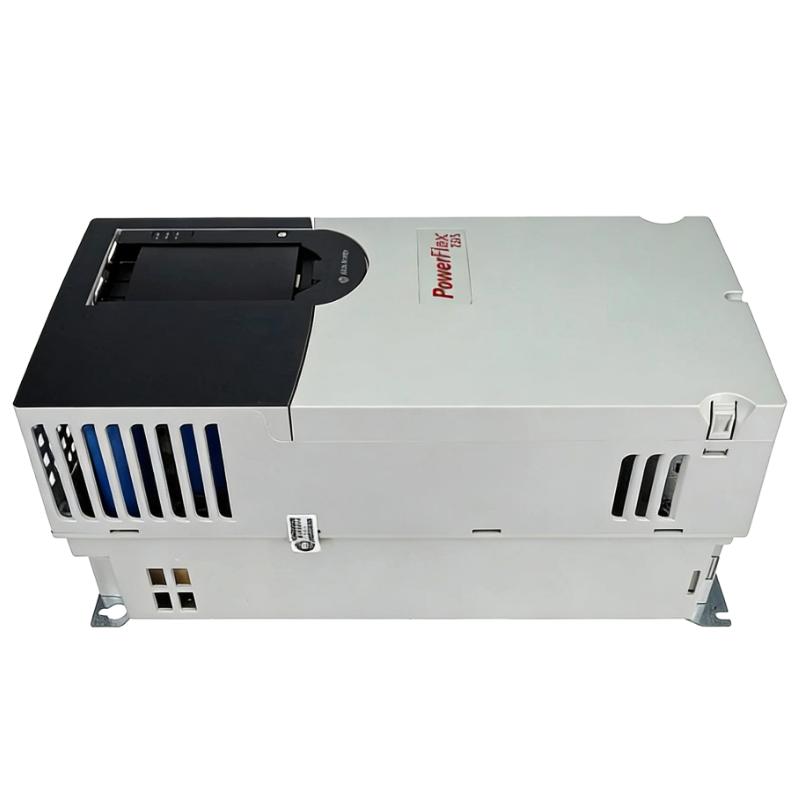
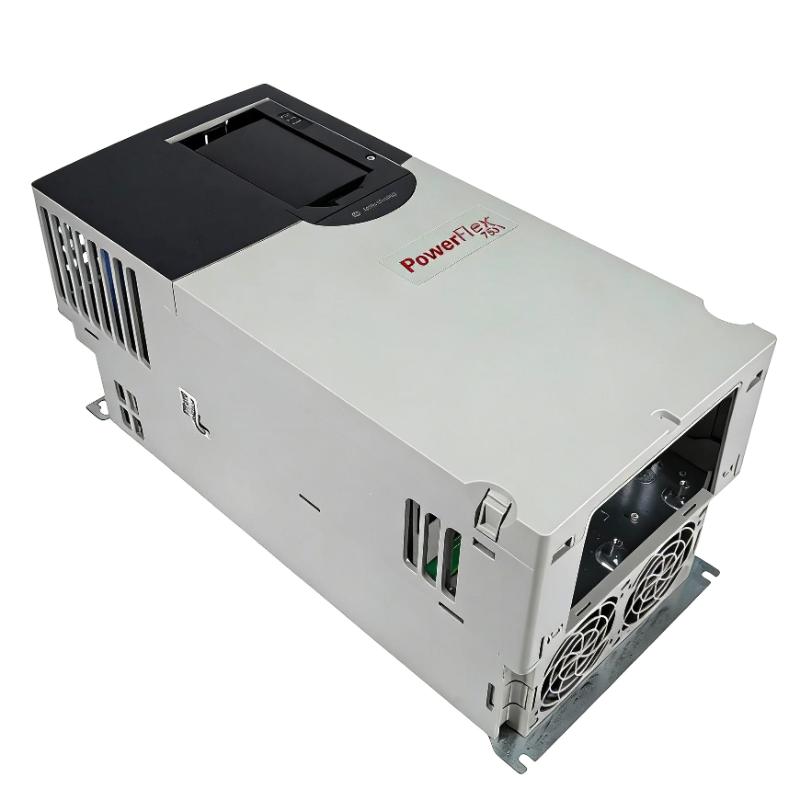
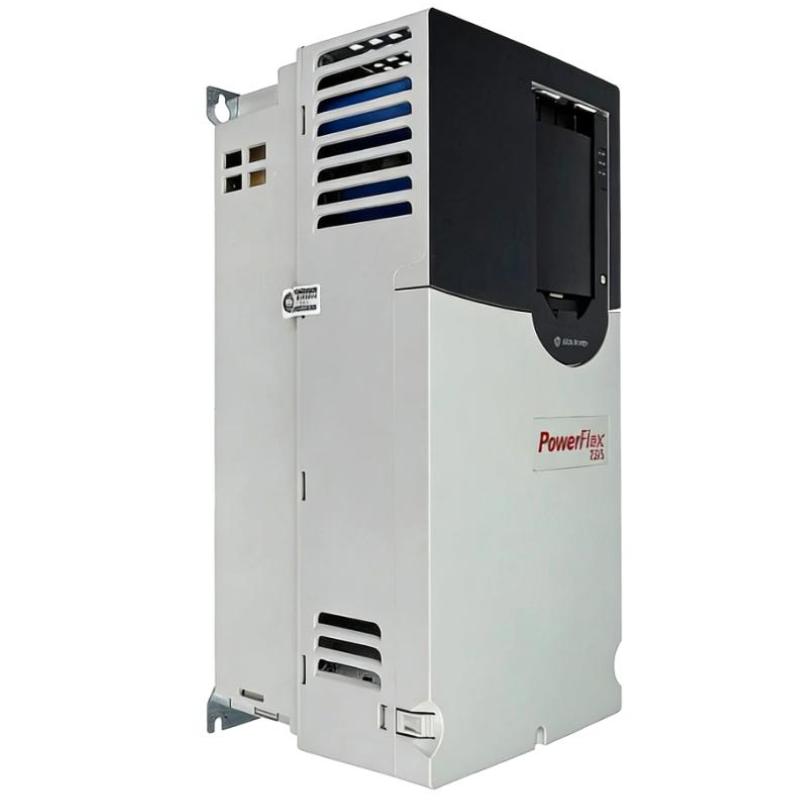
- Allen Bradley
- 20F11NB070JA0NNNNN
- PowerFlex AC Drive
- USA
- 540 mm x 330 mm x 210 mm
- 14.6kg
- Xiamen, China
- New & In Stock
- T/T, PayPal, Western Union
- 1 Year
- 1-3 Working Days
- DHL, UPS, TNT, FedEx and EMS.
- 24-Hour Service
- COO
- 49
Our advantage

Global Logistics
We have a 10-year logistics and express cooperation agreement, so our products can be shipped to any place in the world.

Brand new and original
Our products are imported in bulk from the place of origin. Because of the cooperative relationship, our products are all original and 100% new.

24-hour service
We provide 7*24 hours service to our customers. We will be there whenever you need us.

Price advantage
All our products are priced very favorably because we have our own warehouse and supply.
| Company Information | |||
| [email protected] | |||
| Mobile | +8615980777398 | ||
| +8615980777398 | |||
| 15980777398 |
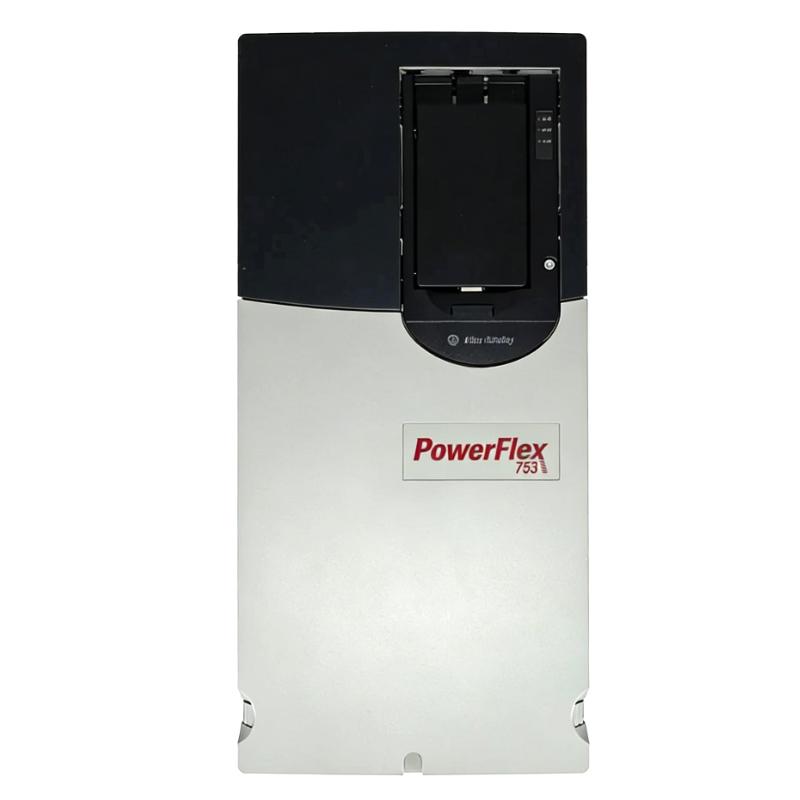
Allen-Bradley 20F11NB070JA0NNNNN
PowerFlex 753 AC Drive — Complete Product Overview and Model Selection Guide
1. Product Overview
The Allen-Bradley 20F11NB070JA0NNNNN is a PowerFlex 753 AC Drive, designed for industrial three-phase motor speed control and machine automation applications.
This model is a relatively high-capacity member of the 240 V-class PowerFlex 753 range. It is rated at 70 A continuous output current, with a 25 HP Normal Duty rating and a 20 HP Heavy Duty rating. The drive uses a Frame 5 mechanical configuration and is designed as an air-cooled, open-type drive for installation inside a suitable electrical enclosure.
The model includes embedded I/O, an AC input with precharge and DC terminals, a built-in dynamic-braking transistor, a filtered configuration, and a CM capacitor jumper installed. It is supplied with a blank front configuration without a local HIM, making it well suited to machines where drive operation is handled through a PLC, HMI, supervisory system, or centralized control station.
The 20F11NB070JA0NNNNN occupies an important position within the PowerFlex 753 family because it provides substantially more current capacity than the 54 A model while remaining within the same general 240 V industrial-drive class.
For a motor-control application in the approximately 20–25 HP range, this model provides a practical combination of output capacity, overload capability, dynamic braking, embedded control I/O, cabinet integration, and flexible motor-control functions.
2. Brand and Product Series
| Category | Information |
|---|---|
| Model | 20F11NB070JA0NNNNN |
| Brand | Allen-Bradley |
| Product Family | PowerFlex 750-Series |
| Product Series | PowerFlex 753 |
| Product Type | Industrial AC Variable Frequency Drive |
| Drive Category | Adjustable Frequency AC Drive |
| Cooling Type | Forced-air / air cooled |
| Construction | Open Type |
| Frame | Frame 5 |
| Voltage Class | 240 V AC |
| Input Phase | Three-phase |
| Output Current | 70 A |
| Normal Duty Rating | 25 HP |
| Heavy Duty Rating | 20 HP |
| Dynamic Braking | Internal DB transistor |
| HIM | Blank / No HIM |
| Embedded I/O | Yes |
| Filtering | Filtered |
| CM Jumper | Installed |
| Input Configuration | AC input with precharge |
| DC Terminals | Yes |
| Typical Application | Industrial motor control |
The model is specifically identified as a PowerFlex 753 AC drive with a 70 A rating, 25 HP Normal Duty rating, 20 HP Heavy Duty rating, 240 V three-phase input, Frame 5 construction, filtering, CM jumper configuration, dynamic-braking transistor, and blank/no-HIM configuration.
3. Model Number Interpretation
The catalog number 20F11NB070JA0NNNNN contains several configuration elements that identify the drive’s product family, voltage class, current rating, mechanical configuration, and factory-installed options.
| Catalog Number Element | General Meaning |
|---|---|
| 20F | PowerFlex 753 drive family |
| 11 | 240 V-class configuration |
| NB | 240 V-class frame/current family |
| 070 | 70 A output-current rating |
| J | Open-type configuration |
| A | Factory option configuration |
| 0 | Standard option position |
| NNNNN | No additional selected options in the corresponding positions |
The most important information contained in this catalog number is the 70 A current class, 240 V three-phase input, Frame 5, open construction, filtered configuration, internal braking transistor, and blank/no-HIM arrangement.
For practical selection work, the complete catalog number should be retained rather than shortened to “20F 70 A,” because the suffix identifies important factory configuration details.
4. Main Technical Parameters
| Parameter | Specification |
|---|---|
| Model | 20F11NB070JA0NNNNN |
| Brand | Allen-Bradley |
| Series | PowerFlex 753 |
| Product Family | PowerFlex 750-Series |
| Product Type | AC Variable Frequency Drive |
| Input Voltage | 200–240 V AC class |
| Nominal Voltage | 240 V AC |
| Lower Voltage Class | 208 V AC |
| Input Phase | 3-phase |
| Output Current | 70 A |
| Normal Duty | 25 HP |
| Normal Duty Power | Approximately 18.5–18.6 kW |
| Heavy Duty | 20 HP |
| Heavy Duty Power | Approximately 14.9–15 kW |
| Frame Size | Frame 5 |
| Enclosure | Open Type |
| Protection Class | IP20/IP00 class |
| Cooling | Forced air |
| Input Type | AC input with precharge |
| DC Terminals | Yes |
| Dynamic Braking | DB transistor |
| EMC / Filtering | Filtered |
| CM Configuration | CM jumper installed |
| Embedded I/O | Yes |
| HIM | Blank / No HIM |
| Mounting | Panel / cabinet installation |
| Motor Control | V/Hz, sensorless/vector-oriented control depending on configuration |
| Typical Motor Range | Approximately 20–25 HP |
| Approx. Dimensions | Frame 5 enclosure; allow additional installation clearance |
| Approx. Weight | Frame 5 configuration; verify exact shipping/package weight for procurement |
| Primary Use | Industrial three-phase motor speed control |
The key electrical ratings are 70 A, 25 HP Normal Duty, 20 HP Heavy Duty, and 240 V three-phase.
5. Dimensions and Weight
Because the user-selected model is a Frame 5 drive, its mechanical envelope is larger than the Frame 4 54 A model.
For panel planning, the important point is that the 20F11NB070JA0NNNNN should be treated as a Frame 5 cabinet-mounted drive, rather than using the smaller dimensions of the 54 A Frame 4 version.
| Mechanical Parameter | 20F11NB070JA0NNNNN |
|---|---|
| Model | 20F11NB070JA0NNNNN |
| Frame | Frame 5 |
| Construction | Open Type |
| Cooling | Forced Air |
| Height | Approximately Frame 5 class |
| Width | Approximately Frame 5 class |
| Depth | Approximately Frame 5 class |
| Installation | Electrical cabinet / control panel |
| Service Clearance | Required |
| Ventilation Clearance | Required |
| Weight | Approximate Frame 5 class; confirm final value from the mechanical drawing before cabinet fabrication |
| Shipping Weight | Higher than bare-drive weight because of packaging |
| Mounting Surface | Vertical panel/cabinet mounting |
For this particular model, the available product information confirms the Frame 5 mechanical classification but does not provide a reliable bare-drive kilogram value in the accessible product summary. It is therefore better engineering practice not to invent a kilogram figure. The final cabinet design should use the mechanical drawing for the exact mounting envelope and the equipment documentation for the final shipping/load calculation.
This distinction is important because the weight of a drive can be represented differently in different catalogs: some figures refer to the bare drive, some to the packed product, and some to a particular enclosure or accessory configuration.
6. Electrical Characteristics
The 20F11NB070JA0NNNNN is designed for 200–240 V AC three-phase input power, with 240 V being the primary voltage class.
The drive converts incoming AC power into a controlled variable-frequency output for the motor.
The output frequency and voltage are controlled according to the selected motor-control method and application requirements.
The 70 A continuous output rating is one of the most important characteristics of the model.
This gives the drive a substantially greater current capability than the 54 A version in the same voltage class.
The Normal Duty rating is 25 HP, while the Heavy Duty rating is 20 HP. This difference reflects the fact that applications with greater overload requirements require additional thermal and current margin.
7. Normal Duty and Heavy Duty Ratings
The model’s two principal motor ratings are:
| Duty Classification | Rating |
|---|---|
| Normal Duty | 25 HP / approximately 18.5–18.6 kW |
| Heavy Duty | 20 HP / approximately 14.9–15 kW |
| Continuous Current | 70 A |
| Voltage | 200–240 V AC class |
| Phase | 3-phase |
The distinction between Normal Duty and Heavy Duty should not be ignored during drive selection.
A motor may physically be rated at 25 HP, but that does not automatically mean every 25 HP machine is suitable for the Normal Duty rating.
If the application involves frequent acceleration, high starting torque, repeated overloads, high-inertia loads, or severe cyclic operation, the Heavy Duty rating should be considered.
For this model, the Heavy Duty rating is approximately 20 HP.
That means a 20 HP motor operating in a demanding application can be a more appropriate match than trying to operate a larger motor under a heavy-duty load simply because its horsepower is close to the Normal Duty figure.
8. Embedded I/O
The model includes embedded I/O, which is valuable for machine integration.
The drive can provide a local interface between the motor-control system and external control signals without requiring every basic control function to be implemented through separate hardware.
Typical applications for embedded I/O include:
- Start and stop commands.
- Forward and reverse control.
- External speed reference.
- Run status.
- Fault indication.
- Interlock signals.
- Analog reference signals.
- Digital control signals.
- Machine permissive signals.
This is especially useful in production machinery where the drive is one part of a larger automation system.
The drive can be installed inside a control cabinet while the operator interacts with the machine through a separate HMI.
9. Blank / No HIM Configuration
The catalog configuration specifies Blank / No HIM.
HIM means Human Interface Module.
A HIM normally provides a local keypad and display for programming, monitoring, and troubleshooting the drive.
This model does not include the local HIM as part of its standard catalog configuration.
That configuration is particularly appropriate for centralized automation systems.
For example, a machine may have:
PLC → control logic → drive → motor
while the operator interacts with:
HMI → machine control screen → PLC → drive
In such an architecture, a permanent drive-mounted keypad may not be necessary.
The no-HIM configuration can also reduce unnecessary operator access to drive parameters and help standardize the control interface across multiple machines.
10. Dynamic Braking
The 20F11NB070JA0NNNNN includes an internal dynamic-braking transistor.
This is a useful feature for applications that need controlled deceleration.
When a motor slows down, the rotating mechanical system can return energy to the drive’s DC bus.
If that energy causes the DC-bus voltage to rise, a braking system can direct the excess energy into an appropriately selected external braking resistor.
The internal braking transistor provides the switching element needed for this function.
Typical applications include:
- High-inertia conveyors.
- Material handling machinery.
- Packaging machinery.
- Rapidly decelerating production equipment.
- Rotating machinery.
- Machine tools.
- Process machinery.
- Applications requiring frequent controlled stopping.
The braking resistor itself must be selected according to the actual application.
The drive’s internal braking transistor should therefore be viewed as an important enabling component rather than as a complete braking system by itself.
11. Filtering and CM Jumper
The model is configured with a filter installed and CM jumper installed.
This configuration is useful in industrial environments where electromagnetic compatibility needs to be considered.
Variable frequency drives use high-frequency switching to control motor voltage and frequency.
The switching process can create high-frequency electrical components that may travel through power and motor cables.
A properly configured filter and grounding system can help control these effects.
The CM jumper configuration also needs to be considered together with the site’s grounding arrangement.
The final installation should take into account:
- Motor cable length.
- Motor cable construction.
- Grounding system.
- Cabinet grounding.
- Drive filter configuration.
- Motor insulation.
- Nearby instrumentation.
- Communication wiring.
- Analog signal wiring.
- EMC requirements.
12. Cooling System
The 20F11NB070JA0NNNNN uses forced-air cooling.
The cooling system is important because the drive’s power electronics generate heat during operation.
For cabinet installation, sufficient ventilation must be provided.
A control cabinet containing several drives can generate considerable heat.
Therefore, cabinet thermal design should consider:
- Drive losses.
- Ambient temperature.
- Cabinet size.
- Fan arrangement.
- Heat exchanger or air-conditioning requirements.
- Clearance around the drive.
- Other heat-generating components.
- Altitude.
- Motor operating profile.
The physical drive dimensions alone are not sufficient for cabinet design.
The installation needs appropriate service access and airflow clearance as well.
13. Product Introduction in Practical Terms
The easiest way to understand the 20F11NB070JA0NNNNN is to view it as a medium-power industrial motor-control platform.
It sits above the 54 A / 20 HP-class PowerFlex 753 configuration and provides 70 A of continuous output capability.
This additional current capacity is valuable when a machine operates near the upper end of the smaller drive’s range or when additional current margin is required.
The model is particularly suitable for machines where speed needs to be controlled rather than simply switching the motor on and off.
Instead of:
Motor ON → full speed
the drive allows a control system to manage:
Acceleration → operating speed → speed changes → controlled deceleration → stop
This can improve mechanical behavior, production control, and process flexibility.
14. Main Product Applications
14.1 Conveyor Systems
Conveyors are one of the most natural applications for this type of drive.
A conveyor motor can be operated at different speeds according to production requirements.
The drive can provide controlled acceleration, controlled deceleration, and adjustable running speed.
Typical examples include:
- Belt conveyors.
- Roller conveyors.
- Assembly conveyors.
- Packaging conveyors.
- Transfer conveyors.
- Material-handling conveyors.
- Production-line conveyors.
The 70 A rating gives this model useful capacity for medium-power conveyor motors.
15. Pump Applications
The drive can be used for variable-speed pump systems.
Instead of operating the pump continuously at one fixed speed, the drive can adjust motor speed according to the required process condition.
Possible applications include:
- Industrial water circulation.
- Cooling-water systems.
- Process-fluid circulation.
- Pressure-controlled systems.
- Flow-control systems.
- Industrial pumping equipment.
For centrifugal pump applications, variable-speed operation can be particularly useful because flow and pressure requirements often change during the production process.
16. Fan and Blower Applications
Fans and blowers can benefit from adjustable-speed operation.
The drive can vary motor speed according to:
- Airflow requirements.
- Pressure.
- Temperature.
- Ventilation demand.
- Process conditions.
This makes the PowerFlex 753 platform suitable for industrial ventilation and process-air applications.
17. Packaging Machinery
Packaging machines frequently require controlled motor speed.
A machine may need to accelerate, maintain a stable operating speed, slow down, stop, and restart repeatedly.
The drive provides the electrical control needed for this type of operation.
Applications may include:
- Packaging conveyors.
- Feed mechanisms.
- Material transport.
- Roll-driven machinery.
- Production-line auxiliary drives.
The no-HIM configuration is also useful when the packaging machine has a centralized operator panel.
18. Material Handling
The 20F11NB070JA0NNNNN can be used for medium-power material-handling machinery.
Typical equipment includes:
- Transfer systems.
- Conveyor systems.
- Feed systems.
- Sorting equipment.
- Production-line handling equipment.
- Pallet handling machinery.
- Warehouse automation equipment.
The ability to control acceleration and deceleration can reduce mechanical shock to belts, couplings, gearboxes, shafts, and other transmission components.
19. Machine Tools
The drive can also be applied to appropriate machine-tool auxiliary systems.
Possible uses include:
- Cooling equipment.
- Pumps.
- Fans.
- Auxiliary rotating machinery.
- Material feed systems.
- Machine-tool spindle-related applications where the motor and required control method are appropriate.
Applications requiring very precise positioning should be evaluated separately because a conventional variable-frequency drive is not automatically equivalent to a dedicated servo system.
20. Mixers and Process Machinery
Industrial mixers often operate under changing load conditions.
A drive can provide adjustable speed according to the process stage.
For example:
- Low-speed starting.
- Controlled acceleration.
- Normal mixing speed.
- Speed adjustment during processing.
- Controlled deceleration.
- Stop.
This can provide more flexibility than fixed-speed motor operation.
The Heavy Duty rating should be considered carefully for mixers because some materials can create high starting and operating torque.
21. Main Product Advantages
21.1 70 A Output Capacity
The most obvious advantage is the 70 A output rating.
This provides considerably more current capacity than the 54 A model in the same voltage class.
The additional capacity can be useful when selecting a drive for a motor near the upper end of the 20 HP range.
21.2 25 HP Normal Duty Rating
The 25 HP Normal Duty rating gives the model a substantial industrial motor-control range.
It can be used for machines requiring approximately 25 HP under appropriate Normal Duty conditions.
This makes it suitable for a wide range of industrial equipment.
21.3 20 HP Heavy Duty Rating
The 20 HP Heavy Duty rating provides a useful option for applications with more demanding load conditions.
This is important for applications where the motor may experience:
- High starting torque.
- Frequent acceleration.
- Frequent deceleration.
- Repeated overloads.
- High-inertia loads.
- Cyclic loading.
21.4 Internal Dynamic-Braking Transistor
The internal DB transistor is another strong feature.
It provides a practical basis for dynamic braking without requiring the switching transistor to be provided as a separate drive module.
This can simplify system design for applications where controlled deceleration is required.
21.5 Embedded I/O
Embedded I/O helps simplify integration into machine-control systems.
Basic control and monitoring signals can be handled directly through the drive architecture.
This can reduce external wiring and simplify cabinet organization.
21.6 No-HIM Configuration
The blank/no-HIM configuration can be an advantage rather than a limitation.
It is particularly suitable for machines where:
- The PLC controls the drive.
- The HMI provides the operator interface.
- The drive is mounted inside a cabinet.
- Local parameter access should be limited.
- Multiple drives are managed from one central interface.
21.7 Filtered Configuration
The filtered configuration provides an additional layer of electrical-noise management.
This is useful for industrial installations containing sensitive control equipment.
21.8 Frame 5 Construction
Frame 5 provides a practical mechanical platform for the 70 A class.
It gives the drive additional capacity compared with smaller Frame 3 and Frame 4 configurations.
22. Comparison with 20F11NB054JA0NNNNN
The 54 A and 70 A models are closely related and are often useful alternatives when selecting a drive.
| Parameter | 20F11NB054JA0NNNNN | 20F11NB070JA0NNNNN |
|---|---|---|
| Series | PowerFlex 753 | PowerFlex 753 |
| Voltage | 240 V class | 240 V class |
| Output Current | 54 A | 70 A |
| Normal Duty | 20 HP | 25 HP |
| Heavy Duty | 15 HP | 20 HP |
| Frame | Frame 4 | Frame 5 |
| Cooling | Forced Air | Forced Air |
| Enclosure | Open Type | Open Type |
| Embedded I/O | Yes | Yes |
| Dynamic Braking | DB Transistor | DB Transistor |
| Filtering | Yes | Yes |
| CM Jumper | Installed | Installed |
| HIM | Blank / No HIM | Blank / No HIM |
| Relative Capacity | Medium | Higher |
| Typical Use | 15–20 HP class | 20–25 HP class |
The main difference is straightforward: the 20F11NB070JA0NNNNN provides more current and a higher Normal Duty rating.
If a machine is comfortably within the 54 A model’s rating, moving to the 70 A model may not be necessary.
If the machine is approaching the 54 A limit, however, the 70 A model provides additional capacity and may be the more appropriate selection.
23. Five Recommended Models from the Same Series or Closely Related Range
The following models are useful alternatives or comparison points within the PowerFlex 753 240 V range.
| Model | Series | Voltage | Output Current | Normal Duty | Heavy Duty | Frame | Dimensions / Mechanical Class | Weight kg | Typical Use |
|---|---|---|---|---|---|---|---|---|---|
| 20F11NB042JA0NNNNN | PowerFlex 753 | 240 V | 42 A | 15 HP | 10 HP | Frame 3 | Frame 3 open type | Verify by exact configuration | Smaller industrial machines |
| 20F11NB054JA0NNNNN | PowerFlex 753 | 240 V | 54 A | 20 HP | 15 HP | Frame 4 | Frame 4 open type | Approx. 13.6 kg | 15–20 HP machinery |
| 20F11NB070JA0NNNNN | PowerFlex 753 | 240 V | 70 A | 25 HP | 20 HP | Frame 5 | Frame 5 open type | Verify by exact mechanical drawing | 20–25 HP machinery |
| 20F11NB080JA0NNNNN | PowerFlex 753 | 240 V | 80 A | 30 HP | 25 HP | Frame 5 | Frame 5 open type | Verify by exact configuration | Higher-current machinery |
| 20F1ANB104JN0NNNNN | PowerFlex 753 | 240 V class | 104 A | 40 HP | 30 HP | Frame 6 | Frame 6 open type | Verify by exact configuration | Larger industrial equipment |
The 240 V PowerFlex 753 selection range includes 42 A, 54 A, 70 A, 80 A and 104 A configurations corresponding to progressively higher motor ratings.
Recommendation 1 — 20F11NB042JA0NNNNN
This is a useful choice when the motor requirement is around 15 HP Normal Duty.
It provides less current capacity than the 70 A reference model and can therefore be a better fit when the machine does not require the larger Frame 5 configuration.
Recommendation 2 — 20F11NB054JA0NNNNN
This is one of the closest alternatives.
With a 54 A rating and 20 HP Normal Duty capability, it sits immediately below the reference model.
It is particularly useful when the actual motor current remains comfortably below 70 A.
Recommendation 3 — 20F11NB070JA0NNNNN
This is the reference model and provides the 70 A / 25 HP Normal Duty combination.
It is the best choice among these five when the application genuinely needs the additional capacity.
Recommendation 4 — 20F11NB080JA0NNNNN
This provides another step upward in the 240 V range.
The 80 A configuration is suitable for applications where the 70 A rating is becoming restrictive.
Recommendation 5 — 20F1ANB104JN0NNNNN
This moves into a larger Frame 6 configuration and provides substantially more current capacity.
It is appropriate for larger industrial motors and applications where the 70 A and 80 A drives are no longer sufficient.
24. Five Popular Models from the Same Brand for Broader Comparison
For broader selection, the following models cover different PowerFlex configurations and power levels.
| Model | Series | Voltage Class | Output Current / Rating | Normal Duty | Heavy Duty | Frame / Class | Dimensions | Weight kg | Typical Application |
|---|---|---|---|---|---|---|---|---|---|
| 20F11NB054JA0NNNNN | PowerFlex 753 | 240 V | 54 A | 20 HP | 15 HP | Frame 4 | Approx. Frame 4 | Approx. 13.6 | Medium industrial machinery |
| 20F11NB070JA0NNNNN | PowerFlex 753 | 240 V | 70 A | 25 HP | 20 HP | Frame 5 | Frame 5 | Verify exact drawing | Medium-high power machinery |
| 20F11NB080JA0NNNNN | PowerFlex 753 | 240 V | 80 A | 30 HP | 25 HP | Frame 5 | Frame 5 | Verify exact drawing | Larger conveyors and process machines |
| 20G11ND027JA0NNNNN | PowerFlex 755 | 480 V class | 27 A class | Approx. 20 HP | Application-dependent | PowerFlex 755 | Configuration dependent | Configuration dependent | Advanced industrial motor control |
| 20G11NB070JA0NNNNN | PowerFlex 755 | 240 V class | 70 A | Approx. 27 HP class | Application-dependent | PowerFlex 755 | Configuration dependent | Configuration dependent | Higher-performance industrial applications |
The 20G series belongs to the PowerFlex 755 side of the PowerFlex 750-Series and is useful when the application requires a more advanced drive architecture or different control configuration.
25. PowerFlex 753 vs. PowerFlex 755
When selecting between related models, it is useful to understand the difference in positioning.
| Feature | PowerFlex 753 | PowerFlex 755 |
|---|---|---|
| Primary Purpose | General industrial machine control | More advanced industrial drive applications |
| Typical Application | Machinery and process equipment | Advanced machinery and plant applications |
| Embedded I/O | Yes | Yes |
| Option Architecture | Flexible | Flexible |
| Feedback Options | Available | Available |
| Safety Options | Available | Available |
| Communication Options | Expandable | Broadly expandable |
| Motor Control | V/Hz and vector-based methods | Advanced vector/control capabilities |
| Best Fit | General machine automation | More demanding or sophisticated applications |
| Reference Model | 20F11NB070JA0NNNNN | 20G-series models |
The 20F11NB070JA0NNNNN is therefore best regarded as a flexible industrial machine drive rather than simply a basic variable-speed controller.
26. Typical Industries
The model can be considered for applications in many industrial sectors.
| Industry | Example Equipment |
|---|---|
| Manufacturing | Production machinery |
| Packaging | Conveyors and feed systems |
| Material Handling | Conveyor and transfer systems |
| Warehousing | Material transport |
| Food Processing | Pumps, conveyors, mixers |
| Chemical Processing | Pumps and process machinery |
| Water Treatment | Pumps and blowers |
| HVAC / Industrial Ventilation | Fans and blowers |
| Automotive Manufacturing | Conveyor and production machinery |
| General Machinery | Motors and rotating equipment |
| Process Industries | Pumps, fans, mixers |
| Assembly Automation | Conveyor and machine drives |
27. Application Advantages
Conveyor Applications
The drive allows controlled acceleration and deceleration.
This can reduce mechanical shock and make production-line speed adjustments easier.
Pump Applications
Variable-speed operation allows motor speed to follow process demand.
This can improve process control and may reduce energy consumption in suitable variable-torque applications.
Fan Applications
Fan speed can be adjusted according to airflow demand.
This is useful where full-speed operation is not always required.
Mixer Applications
The motor can operate at different speeds for different process stages.
The Heavy Duty rating should be checked carefully when mixing dense or high-viscosity materials.
Material Handling
Controlled acceleration can help reduce belt and gearbox stress.
Controlled stopping can also improve production-line coordination.
28. Important Engineering Considerations
The model should not be selected based solely on horsepower.
The following factors should be checked:
| Selection Factor | Why It Matters |
|---|---|
| Motor Nameplate Current | Determines whether 70 A capacity is adequate |
| Motor Voltage | Must match the drive voltage class |
| Duty Classification | Determines ND vs. HD suitability |
| Starting Torque | Important for high-load machinery |
| Acceleration Time | Affects current demand |
| Deceleration Time | Determines braking requirements |
| Load Inertia | Important for dynamic braking |
| Motor Cable Length | Can affect electrical performance |
| Ambient Temperature | Affects thermal capacity |
| Altitude | Can affect drive derating |
| Enclosure | Determines environmental protection |
| Cooling | Determines cabinet thermal requirements |
| EMC Requirements | Important for industrial electrical systems |
| Feedback Requirements | Determines whether additional hardware is needed |
| Communication | Determines required network option |
| Safety | Determines required safety architecture |
29. Why 70 A Is Significant
The jump from 54 A to 70 A is not simply a numerical increase.
It represents a meaningful increase in drive capacity.
A machine that operates near the upper limit of a 54 A drive may experience less margin during acceleration and overload conditions.
The 70 A model provides additional current capability.
This is particularly useful when:
- The motor operates near its rated load.
- The machine has frequent acceleration.
- The motor experiences cyclic loads.
- The load has high starting torque.
- The application requires dynamic braking.
- The motor current is close to the smaller drive’s limit.
The correct selection should still be based on the actual motor nameplate current and application duty rather than simply selecting the largest available drive.
30. Cabinet Installation
Because the 20F11NB070JA0NNNNN is an open-type Frame 5 drive, it is intended to be installed as part of a properly engineered electrical enclosure.
The cabinet should provide:
- Adequate physical protection.
- Sufficient ventilation.
- Proper grounding.
- Appropriate cable entry.
- Sufficient power-terminal clearance.
- Control wiring separation.
- Service access.
- Heat dissipation.
- Appropriate environmental protection.
A cabinet containing several drives should be thermally analyzed rather than sized only according to physical fit.
31. Maintenance Considerations
Regular maintenance should focus on the surrounding installation as well as the drive itself.
Important items include:
- Cooling airflow.
- Fan condition.
- Dust accumulation.
- Electrical connections.
- Grounding.
- Cable condition.
- Cabinet temperature.
- Fault history.
- Motor condition.
- Braking resistor condition when used.
Industrial drives often operate for long periods, so maintaining a clean airflow path can be important for long-term reliability.
32. Advantages Compared with a Simple Fixed-Speed Starter
A fixed-speed starter primarily provides motor switching.
The 20F11NB070JA0NNNNN provides a much broader control range.
| Function | Fixed-Speed Starter | 20F11NB070JA0NNNNN |
|---|---|---|
| Motor Start/Stop | Yes | Yes |
| Adjustable Speed | No | Yes |
| Controlled Acceleration | Limited | Yes |
| Controlled Deceleration | Limited | Yes |
| Variable Process Speed | No | Yes |
| Dynamic Braking Capability | No | Yes |
| Embedded Drive I/O | No | Yes |
| Motor Control Algorithms | No | Yes |
| Electronic Monitoring | Limited | Extensive |
| Automation Integration | Limited | Strong |
| Speed Reference | No | Yes |
This makes the drive particularly valuable when motor speed is an active part of the production process.
33. Overall Product Advantages
The strongest features of the 20F11NB070JA0NNNNN can be summarized as follows:
1. 70 A output capability
Suitable for relatively high-current motors within the 240 V-class PowerFlex 753 range.
2. 25 HP Normal Duty rating
Provides useful capacity for medium-power industrial machines.
3. 20 HP Heavy Duty rating
Allows the model to be considered for more demanding applications.
4. Frame 5 design
Provides a mechanical platform appropriate for the 70 A class.
5. Embedded I/O
Simplifies integration into machine-control systems.
6. Internal dynamic-braking transistor
Provides a practical foundation for controlled braking applications.
7. Filtered configuration
Supports industrial EMC considerations.
8. No-HIM configuration
Well suited to centralized PLC/HMI control.
9. Open-type construction
Provides flexibility for cabinet designers.
10. Broad application range
Suitable for conveyors, pumps, fans, blowers, material handling, packaging equipment, mixers, and general industrial machinery.
34. Final Technical Summary
| Category | Final Specification |
|---|---|
| Exact Model | 20F11NB070JA0NNNNN |
| Brand | Allen-Bradley |
| Product Series | PowerFlex 753 |
| Product Family | PowerFlex 750-Series |
| Product Type | Industrial AC Drive |
| Voltage Class | 240 V AC |
| Input Voltage | 200–240 V AC |
| Input Phase | 3-phase |
| Output Current | 70 A |
| Normal Duty | 25 HP |
| Normal Duty Power | Approximately 18.5–18.6 kW |
| Heavy Duty | 20 HP |
| Heavy Duty Power | Approximately 14.9–15 kW |
| Frame | Frame 5 |
| Enclosure | Open Type |
| Protection | IP20/IP00 class |
| Cooling | Forced Air |
| Input | AC with Precharge |
| DC Terminals | Yes |
| Embedded I/O | Yes |
| Filtering | Yes |
| CM Jumper | Installed |
| Dynamic Braking | Internal DB Transistor |
| HIM | Blank / No HIM |
| Typical Application | Industrial motor speed control |
| Typical Motor Class | 20–25 HP |
| Cabinet Installation | Yes |
| Recommended Environment | Industrial control cabinet |
| Dimensions | Frame 5; use exact mechanical drawing for final enclosure dimensions |
| Weight | kg value should be confirmed against the exact mechanical/shipping documentation before procurement |
35. Final Recommendation
For a 20–25 HP industrial motor application in the 200–240 V three-phase range, the 20F11NB070JA0NNNNN is a strong choice when the application requires approximately 70 A of continuous output capability.
Compared with the 54 A model, it provides additional current capacity and moves the Normal Duty rating from 20 HP to 25 HP.
For a standard conveyor, pump, fan, blower, packaging machine, material-handling system, or general industrial machine, the model offers a well-balanced combination of power capacity and control flexibility.
For demanding applications involving high inertia, frequent starts, rapid deceleration, or high torque, the 20 HP Heavy Duty rating and internal dynamic-braking transistor become especially important considerations.
The model is also well suited to centralized automation because it has embedded I/O while being configured without a local HIM.
When comparing alternatives, the closest models are the 20F11NB054JA0NNNNN below it and the 20F11NB080JA0NNNNN above it. The 42 A model is appropriate for smaller 15 HP-class applications, while the 104 A Frame 6 model becomes relevant for substantially larger motors.
In practical terms, the 20F11NB070JA0NNNNN can be regarded as a high-capacity 240 V-class PowerFlex 753 drive for the 20–25 HP industrial motor range, with particular strengths in current capacity, overload capability, dynamic braking, embedded I/O, cabinet integration, and centralized machine control.