

ProductPRODUCT
Featured products
Contact Us
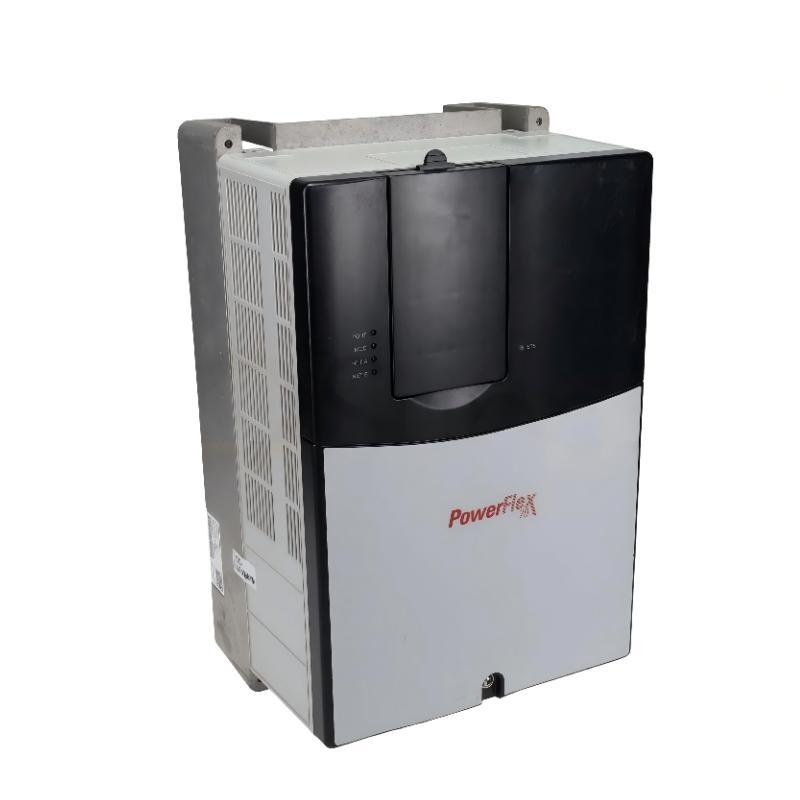
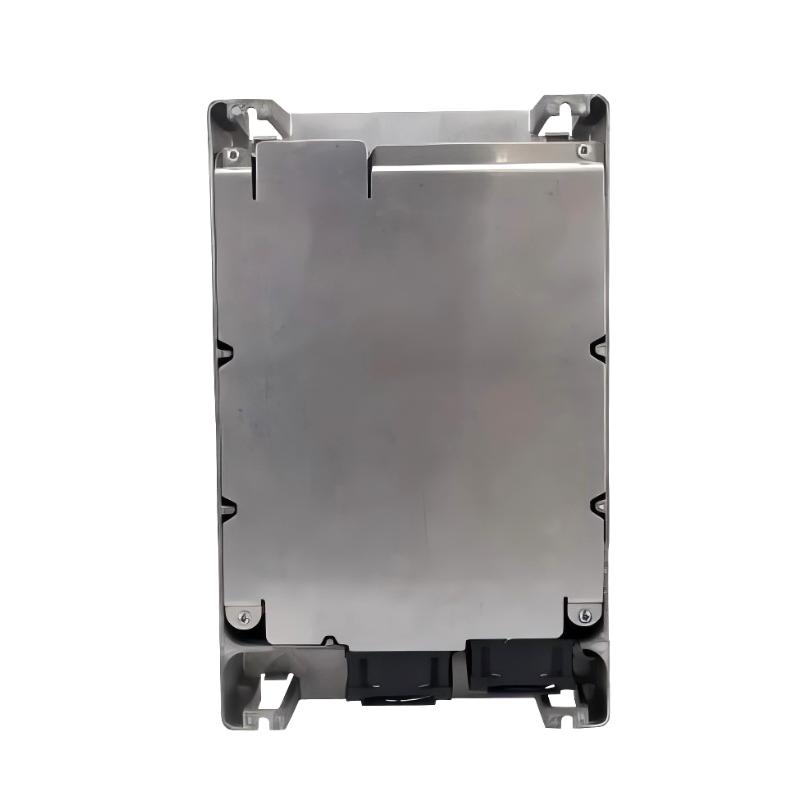
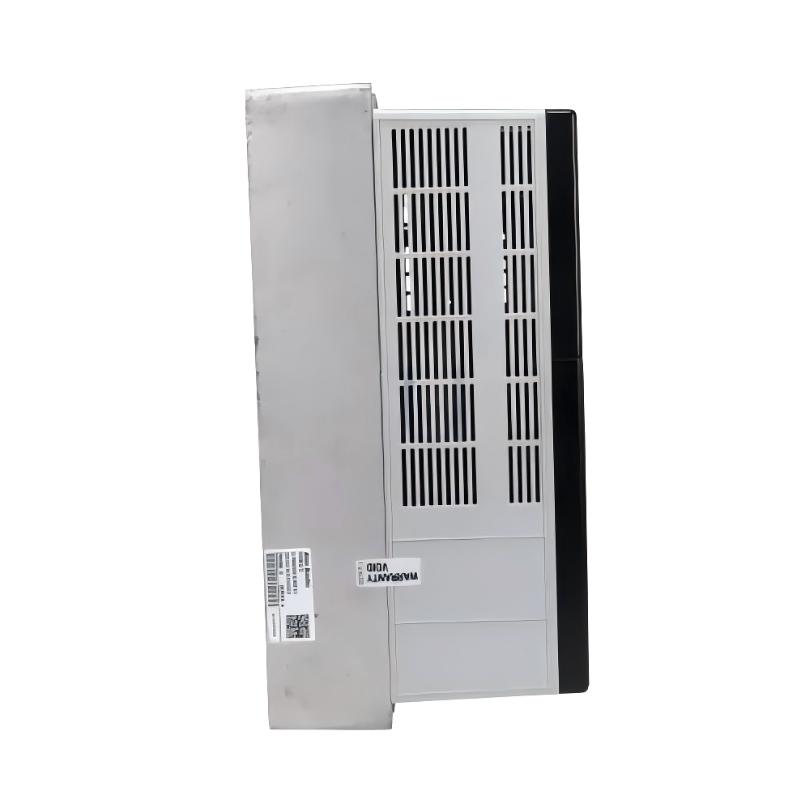
- Allen Bradley
- 20AE017A0AYNNNC0
- PowerFlex AC Drive
- USA
- 180–270 × 320–430 × 170–270 mm
- 16kg
- Xiamen, China
- New & In Stock
- T/T, PayPal, Western Union
- 1 Year
- 1-3 Working Days
- DHL, UPS, TNT, FedEx and EMS.
- 24-Hour Service
- COO
- 52
Our advantage

Global Logistics
We have a 10-year logistics and express cooperation agreement, so our products can be shipped to any place in the world.

Brand new and original
Our products are imported in bulk from the place of origin. Because of the cooperative relationship, our products are all original and 100% new.

24-hour service
We provide 7*24 hours service to our customers. We will be there whenever you need us.

Price advantage
All our products are priced very favorably because we have our own warehouse and supply.
| Company Information | |||
| [email protected] | |||
| Mobile | +8615980777398 | ||
| +8615980777398 | |||
| 15980777398 |
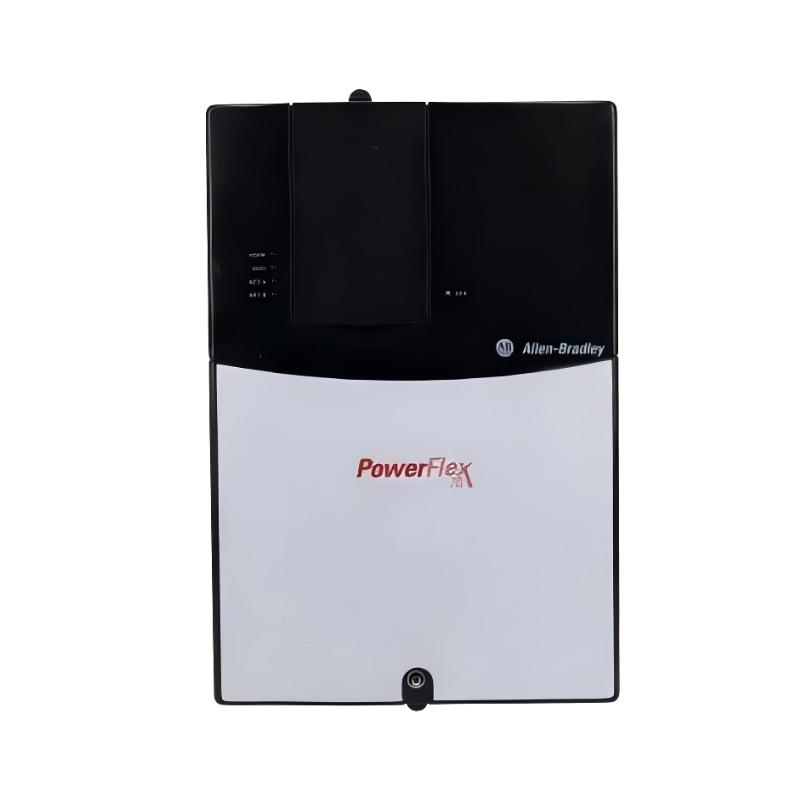
20AE017A0AYNNNC0 — Detailed Product Parameters, Introduction, Applications, Advantages and Related Models
1. Product Overview
The 20AE017A0AYNNNC0 is an industrial adjustable-frequency AC drive designed for variable-speed control of three-phase AC motors.
The product belongs to the PowerFlex 70 series and is intended for industrial machinery where controlled motor speed, smooth acceleration and deceleration, motor protection, fault monitoring, and flexible control are required.
With an approximately 17 A current class, this model is positioned above the smaller-current versions of the same drive family and is suitable for a broad range of industrial motor applications.
Typical applications include conveyors, pumps, fans, blowers, mixers, feeders, rollers, material-handling equipment, processing machinery, packaging equipment, and general-purpose machine systems.
The drive provides electronic control of motor speed by regulating the electrical output supplied to the motor. Instead of simply switching a motor on or off, the drive allows the motor to operate at different speeds according to the requirements of the machine.
This makes the product particularly useful where production speed, material flow, pressure, airflow, or process conditions need to be adjusted during operation.
2. Product Identification
| Parameter | Specification |
|---|---|
| Model | 20AE017A0AYNNNC0 |
| Brand | Allen-Bradley |
| Product Family | PowerFlex |
| Product Series | PowerFlex 70 |
| Product Type | Adjustable-Frequency AC Drive |
| Drive Type | Variable-Frequency Drive |
| Current Class | Approximately 17 A |
| Input | Three-phase AC |
| Output | Three-phase variable-frequency AC |
| Motor Type | Three-phase AC motor |
| Speed Control | Variable |
| Acceleration Control | Programmable |
| Deceleration Control | Programmable |
| Motor Protection | Integrated |
| Fault Monitoring | Integrated |
| Diagnostic Functions | Integrated |
| Typical Installation | Industrial electrical cabinet |
| Cooling | Forced-air cooling |
| Mounting | Panel / cabinet |
| Approximate Weight | 8–16 kg |
| Weight Unit | kg |
3. Brand and Product Series
The 20AE017A0AYNNNC0 belongs to the PowerFlex 70 product series.
The PowerFlex 70 series is designed for general industrial adjustable-speed motor control.
It provides a practical solution for machines that require more functionality than a conventional motor starter but do not necessarily require a large high-power drive system.
The series is commonly associated with applications where the motor needs:
- Adjustable operating speed.
- Controlled acceleration.
- Controlled deceleration.
- Motor protection.
- Operating-status monitoring.
- Fault diagnostics.
- Flexible speed references.
- Integration with industrial automation.
The 17 A class of the 20AE017A0AYNNNC0 makes it suitable for applications requiring a higher current capability than smaller drive variants.
4. Basic Technical Parameters
| Parameter | Description |
|---|---|
| Model | 20AE017A0AYNNNC0 |
| Product Family | PowerFlex |
| Product Series | PowerFlex 70 |
| Product Type | Adjustable-Frequency AC Drive |
| Current Rating Class | Approximately 17 A |
| Input Phase | Three-phase |
| Output Phase | Three-phase |
| Input Frequency | 50/60 Hz class |
| Output Frequency | Adjustable |
| Motor Speed | Variable |
| Acceleration Time | Programmable |
| Deceleration Time | Programmable |
| Speed Reference | Programmable |
| Motor Overload Protection | Supported |
| Overcurrent Protection | Supported |
| Overvoltage Monitoring | Supported |
| Undervoltage Monitoring | Supported |
| Thermal Monitoring | Supported |
| Stall Protection | Supported |
| Fault Diagnostics | Yes |
| Alarm Monitoring | Yes |
| PID Control | Configuration dependent |
| Communication | Configuration dependent |
| Feedback | Configuration dependent |
| Cooling | Forced air |
| Mounting | Panel / cabinet |
| Approx. Width | 180–270 mm |
| Approx. Height | 320–430 mm |
| Approx. Depth | 170–270 mm |
| Approx. Dimensions | 180–270 × 320–430 × 170–270 mm |
| Approx. Weight | 8–16 kg |
| Weight | 8–16 kg |
5. Electrical Characteristics
The 20AE017A0AYNNNC0 is designed for three-phase AC motor applications and provides adjustable-frequency output for variable-speed operation.
The approximately 17 A current class provides a useful capacity range for medium-duty industrial machinery.
Drive selection should not be based on current alone.
The following motor characteristics should also be evaluated:
- Motor rated voltage.
- Motor rated current.
- Motor rated power.
- Motor frequency.
- Motor speed.
- Required starting torque.
- Continuous torque.
- Overload requirement.
- Acceleration requirement.
- Deceleration requirement.
- Duty cycle.
- Ambient temperature.
The motor nameplate information should be used when configuring the drive.
6. Electrical Parameter Table
| Electrical Parameter | Specification / Description |
|---|---|
| Model | 20AE017A0AYNNNC0 |
| Drive Series | PowerFlex 70 |
| Current Class | Approximately 17 A |
| Supply Type | Three-phase AC |
| Output Type | Three-phase variable-frequency AC |
| Input Frequency | 50/60 Hz class |
| Output Frequency | Adjustable |
| Motor Speed Control | Yes |
| Acceleration Ramp | Programmable |
| Deceleration Ramp | Programmable |
| Motor Overload Protection | Supported |
| Overcurrent Monitoring | Supported |
| Overvoltage Monitoring | Supported |
| Undervoltage Monitoring | Supported |
| Thermal Monitoring | Supported |
| Stall Protection | Supported |
| Fault Detection | Yes |
| Alarm Functions | Yes |
| PID Function | Configuration dependent |
| External Speed Reference | Supported |
| Communication | Configuration dependent |
| Feedback | Configuration dependent |
| Motor Control | Programmable AC motor control |
7. Mechanical Parameters
The exact physical dimensions depend on the applicable frame, mounting arrangement, options, and final hardware configuration.
For preliminary engineering and product comparison, the following values can be used as approximate planning figures.
| Mechanical Parameter | Approximate Value |
|---|---|
| Model | 20AE017A0AYNNNC0 |
| Width | 180–270 mm |
| Height | 320–430 mm |
| Depth | 170–270 mm |
| Approximate Overall Envelope | 180–270 × 320–430 × 170–270 mm |
| Weight | 8–16 kg |
| Weight Unit | kg |
| Mounting | Panel / cabinet |
| Mounting Orientation | Generally vertical |
| Cooling | Forced air |
| Ventilation | Required |
| Service Clearance | Required |
| Cabinet Installation | Suitable |
The dimensions and weight in this section should be regarded as approximate engineering values.
They are useful for preliminary cabinet planning, transportation estimates, and product comparison.
For final cabinet fabrication or mechanical replacement, the exact configured hardware should be checked before production.
8. Product Introduction
The main purpose of the 20AE017A0AYNNNC0 is to provide controlled variable-speed operation for an AC motor.
A conventional motor starter generally provides basic starting and stopping.
An adjustable-frequency drive provides considerably more control.
The drive processes incoming AC power and generates a controlled output for the motor.
The output frequency can be changed to control motor speed.
The basic operating structure can be represented as:
Three-Phase AC Power
↓
20AE017A0AYNNNC0
↓
Variable-Frequency Three-Phase Output
↓
AC Motor
↓
Mechanical Machine
This arrangement gives the machine designer control over motor speed and acceleration rather than relying entirely on a fixed-speed motor arrangement.
9. Operating Principle
The drive receives electrical power from the industrial AC supply.
Its internal power electronics convert and regulate the electrical energy before delivering controlled power to the motor.
The frequency of the output is one of the primary factors determining motor speed.
The general control process is:
Speed Command
↓
Drive Control
↓
Output Frequency / Voltage
↓
Motor Speed
↓
Machine Operating Speed
The speed command can be generated locally or provided by an external control system depending on the application and installed configuration.
10. Variable-Speed Operation
Variable-speed operation is one of the most important features of the product.
Many industrial machines do not need to operate at maximum speed continuously.
For example, a conveyor may need different speeds during loading, production, inspection, and shutdown.
A pump may require different flow rates.
A fan may need reduced airflow when the process demand is lower.
A mixer may require several speeds during different production stages.
The drive allows these operating conditions to be handled electronically.
| Machine Condition | Typical Drive Operation |
|---|---|
| Startup | Controlled acceleration |
| Low production | Reduced speed |
| Normal production | Normal speed |
| Increased production | Higher speed |
| Inspection | Low-speed operation |
| Setup | Reduced speed |
| Shutdown | Controlled deceleration |
11. Controlled Acceleration
The drive can gradually increase motor speed according to a programmed acceleration ramp.
This is important for machinery where sudden acceleration could create mechanical stress.
Controlled acceleration can help reduce:
- Mechanical shock.
- Belt tension changes.
- Chain stress.
- Gearbox stress.
- Product movement.
- Vibration.
- Excessive starting current.
The actual acceleration time should be selected according to motor capacity, mechanical inertia, load characteristics, and production requirements.
12. Controlled Deceleration
The drive can also control the motor during stopping.
Instead of immediately disconnecting the motor, the output frequency can be reduced according to the programmed deceleration profile.
This can be beneficial for:
- Conveyors.
- Rollers.
- Fans.
- Mixers.
- Material-handling equipment.
- Packaging equipment.
- Processing machines.
A suitable deceleration time can help reduce mechanical shock and improve machine behavior.
For high-inertia loads, braking requirements should be evaluated separately.
13. Motor Protection
Motor protection is an important function of an industrial adjustable-frequency drive.
The drive can monitor operating conditions and respond when abnormal electrical or thermal conditions occur.
Typical protection areas include:
- Motor overload.
- Excessive current.
- Excessive voltage.
- Low voltage.
- Thermal conditions.
- Stall conditions.
- Drive temperature.
- Electrical faults.
Correct motor configuration is important because protection and control functions depend on accurate motor information.
14. Diagnostic Functions
Industrial machines need useful information when a fault occurs.
The drive provides operating and diagnostic information that can assist maintenance personnel.
| Diagnostic Information | Purpose |
|---|---|
| Drive Status | Shows current operating condition |
| Output Frequency | Shows commanded/output frequency |
| Speed Reference | Shows requested speed |
| Motor Current | Helps indicate motor loading |
| Fault Status | Identifies shutdown conditions |
| Alarm Status | Indicates warning conditions |
| Temperature | Helps evaluate thermal conditions |
| Operating Parameters | Supports troubleshooting |
| Communication Status | Helps diagnose control-system problems |
| Motor Information | Supports correct setup |
These functions can make troubleshooting more systematic than using a basic motor starter.
15. Industrial Automation Integration
The drive can be incorporated into an automated machine-control system.
A typical control structure is:
Industrial Controller
↓
Control / Communication Interface
↓
20AE017A0AYNNNC0
↓
AC Motor
↓
Machine
The controller can provide commands such as:
- Start.
- Stop.
- Forward.
- Reverse.
- Speed reference.
- Preset speed.
The drive can provide status information such as:
- Running.
- Stopped.
- Speed.
- Output frequency.
- Motor current.
- Alarm.
- Fault.
This makes the drive useful as an integrated machine-control component.
16. Typical Applications
| Application | Typical Function |
|---|---|
| Conveyor | Variable transport speed |
| Pump | Flow control |
| Fan | Airflow control |
| Blower | Variable air delivery |
| Mixer | Adjustable mixing speed |
| Feeder | Material-flow control |
| Roller | Line-speed control |
| Packaging Machine | Production-speed adjustment |
| Material Handling | Controlled motor operation |
| Processing Equipment | Process-speed control |
| Industrial Ventilation | Airflow regulation |
| Circulation System | Variable circulation |
| Small / Medium Machinery | General motor-speed control |
| Machine Tools | Motor-speed regulation |
| Production Equipment | Flexible operating speed |
17. Conveyor Applications
Conveyors are often required to operate at different speeds.
Production requirements can change according to material type, production volume, inspection procedures, or downstream equipment.
The drive can provide controlled speed adjustment without requiring a mechanical speed-change system.
| Conveyor Condition | Typical Operation |
|---|---|
| Empty | Low / moderate speed |
| Loading | Reduced speed |
| Normal Production | Normal speed |
| High Production | Increased speed |
| Inspection | Low speed |
| Product Changeover | Reduced speed |
| Shutdown | Controlled deceleration |
The drive can also help coordinate the conveyor with other machines in an automated production line.
18. Pump Applications
Pumps frequently operate under changing process requirements.
A fixed-speed pump may deliver more flow than necessary during low-demand periods.
A variable-frequency drive can reduce motor speed when the process requires less flow.
Potential applications include:
- Process-water systems.
- Cooling systems.
- Circulation pumps.
- Fluid-transfer systems.
- Industrial water systems.
- Auxiliary process systems.
Variable-speed operation can also provide potential energy savings in suitable variable-torque pump applications.
Actual energy savings depend on the complete hydraulic system and operating profile.
19. Fan and Blower Applications
Fans and blowers often need different airflow levels.
The drive can adjust motor speed according to the required airflow.
Typical applications include:
- Industrial ventilation.
- Exhaust systems.
- Cooling equipment.
- Air-handling systems.
- Drying equipment.
- Process ventilation.
- Dust-control systems.
Reducing motor speed during periods of lower demand can provide improved process control and may reduce energy consumption.
20. Mixer Applications
Industrial mixers can require multiple operating speeds.
A typical production cycle may be:
Loading
↓
Initial Mixing
↓
Main Mixing
↓
High-Speed Mixing
↓
Final Mixing
↓
Discharge
The drive can be programmed or commanded to provide different speed references for each stage.
This provides more process flexibility than a simple fixed-speed motor starter.
21. Feeder Applications
A feeder controls the rate at which material enters another machine.
The drive can adjust motor speed according to the required feed rate.
| Material Requirement | Typical Operation |
|---|---|
| Low Feed Rate | Low speed |
| Normal Feed Rate | Medium speed |
| High Feed Rate | Higher speed |
| Reduced Production | Reduced speed |
| Stop | Controlled deceleration |
This is useful when the feeder needs to coordinate with upstream or downstream equipment.
22. Main Product Advantages
22.1 Variable-Speed Control
The motor can operate at different speeds according to machine requirements.
This provides considerably more flexibility than fixed-speed operation.
22.2 Controlled Acceleration
A programmable acceleration ramp can provide smoother motor startup.
22.3 Controlled Deceleration
A programmable deceleration ramp can provide smoother stopping.
22.4 Motor Protection
Integrated monitoring helps identify abnormal motor and drive operating conditions.
22.5 Fault Diagnostics
Diagnostic information can help maintenance personnel troubleshoot problems.
22.6 Automation Integration
The drive can be incorporated into an industrial control architecture.
22.7 Flexible Speed References
Different speed commands can be used for different machine conditions.
22.8 Potential Energy Optimization
Variable-speed operation can provide energy-saving opportunities, especially in suitable pump and fan applications.
22.9 Industrial Application Range
The approximately 17 A class is appropriate for a wide range of medium-duty industrial machines.
22.10 Reduced Mechanical Stress
Controlled acceleration and deceleration can reduce sudden changes in mechanical load.
23. Advantages Compared with a Conventional Motor Starter
| Function | Conventional Starter | 20AE017A0AYNNNC0 |
|---|---|---|
| Start / Stop | Yes | Yes |
| Variable Speed | No | Yes |
| Controlled Acceleration | Limited | Yes |
| Controlled Deceleration | Limited | Yes |
| Adjustable Speed Reference | No | Yes |
| Motor Current Monitoring | Limited | Yes |
| Fault Diagnostics | Basic | Advanced |
| Motor Protection | Basic | Integrated |
| Multiple Speed Operation | Limited | Yes |
| Process-Speed Control | No | Yes |
| Automation Integration | Limited | Yes |
| Potential Energy Optimization | Limited | Yes |
| Operating Data | Limited | Yes |
24. Environmental Considerations
The installation environment has a direct influence on drive reliability.
Important factors include:
- Ambient temperature.
- Humidity.
- Dust.
- Chemical contamination.
- Vibration.
- Altitude.
- Cabinet ventilation.
- Cooling airflow.
- Electrical noise.
- Cable routing.
The electrical cabinet should provide sufficient airflow around the drive.
Cooling openings should not be blocked.
Excessive dust should be prevented from accumulating around ventilation areas.
Condensation should also be avoided.
25. Cabinet Installation
When installing the drive in a cabinet, sufficient space should be provided for:
- Cooling airflow.
- Power wiring.
- Motor wiring.
- Control wiring.
- Communication wiring.
- Maintenance access.
- Heat dissipation.
- Inspection.
The cabinet designer should consider the heat generated by the drive together with the heat produced by other electrical equipment.
A cabinet with insufficient ventilation can result in excessive internal temperature and reduced component life.
26. Motor Selection
The motor should be matched to the drive based on actual application requirements.
| Motor Parameter | Importance |
|---|---|
| Motor Voltage | Must match the applicable drive voltage class |
| Motor Current | Critical for drive selection |
| Motor Power | Determines approximate capacity |
| Motor Frequency | Required for configuration |
| Motor Speed | Important for control |
| Motor Type | Determines appropriate control strategy |
| Starting Torque | Important for heavy loads |
| Continuous Torque | Important for continuous applications |
| Overload Requirement | Important for duty selection |
| Feedback Requirement | Determines control configuration |
| Duty Cycle | Determines thermal loading |
The motor full-load current is particularly important.
The drive should not be selected only by horsepower or kilowatt rating.
27. High-Inertia Loads
Some machines have significant rotating inertia.
Examples include:
- Large fans.
- Blowers.
- Rollers.
- Mixers.
- Conveyors.
- Drums.
- Large rotating assemblies.
These applications may require careful consideration of:
- Acceleration time.
- Deceleration time.
- Motor torque.
- Drive current.
- Load inertia.
- Braking requirements.
- Motor thermal capacity.
- Mechanical transmission.
For high-inertia applications, correct drive sizing is especially important.
28. Energy Efficiency
A variable-frequency drive can create energy-saving opportunities when applied correctly.
This is particularly relevant to:
- Centrifugal pumps.
- Fans.
- Blowers.
In these applications, reducing speed can significantly reduce the power required by the load.
However, actual energy savings depend on the complete system.
Important factors include:
- Motor efficiency.
- Pump efficiency.
- Fan efficiency.
- System resistance.
- Operating hours.
- Average speed.
- Required process output.
- Load profile.
Therefore, energy savings should be calculated from actual machine data rather than using a generic percentage.
29. Maintenance
A regular maintenance program can improve drive reliability.
| Inspection Item | Purpose |
|---|---|
| Cooling Fan | Confirm proper cooling |
| Ventilation Openings | Prevent airflow restriction |
| Cabinet Temperature | Identify excessive heat |
| Electrical Connections | Check for loose connections |
| Motor Cable | Check physical condition |
| Grounding | Verify grounding |
| Fault History | Identify recurring faults |
| Alarm History | Identify abnormal operation |
| Motor Current | Evaluate loading |
| Drive Temperature | Check thermal condition |
| Communication | Verify control-system operation |
| Cabinet Cleanliness | Reduce contamination and cooling problems |
Cooling performance is especially important for electronic power equipment.
30. Troubleshooting Guide
| Symptom | Areas to Check |
|---|---|
| Drive Does Not Start | Start command, interlocks, active fault |
| Motor Does Not Rotate | Output command, wiring, motor condition |
| Excessive Current | Mechanical load, motor data, acceleration |
| Overtemperature | Cooling, ambient temperature, load |
| Unexpected Stop | Fault history, control signal, protection |
| Incorrect Speed | Speed reference, motor configuration |
| Communication Fault | Network, wiring, configuration |
| Excessive Noise | Grounding, cable routing, electrical installation |
| Repeated Fault | Mechanical load, motor, supply, configuration |
| Slow Acceleration | Acceleration setting, inertia, torque requirement |
Repeatedly resetting a fault without investigating the underlying cause is not recommended.
31. Five Same-Series or Closely Related Models
The following models are suitable as comparison choices within the same general product family or closely related current ranges.
| Model | Series | Current Class | Input | Output | Approx. Dimensions | Weight (kg) | Typical Application |
|---|---|---|---|---|---|---|---|
| 20AE011A0AYNNNC0 | PowerFlex 70 | 11 A class | Three-phase AC | Variable-frequency AC | 180–250 × 300–400 × 160–250 mm* | 7–14* | General machinery |
| 20AE017A0AYNNNC0 | PowerFlex 70 | 17 A class | Three-phase AC | Variable-frequency AC | 180–270 × 320–430 × 170–270 mm* | 8–16* | Medium industrial machinery |
| 20AE022A0AYNNNC0 | PowerFlex 70 | 22 A class | Three-phase AC | Variable-frequency AC | 200–280 × 350–450 × 180–280 mm* | 10–20* | Conveyors, pumps, fans |
| 20AE030A0AYNNNC0 | PowerFlex 70 | 30 A class | Three-phase AC | Variable-frequency AC | 220–320 × 380–500 × 200–300 mm* | 12–25* | Medium industrial equipment |
| 20AE040A0AYNNNC0 | PowerFlex 70 | 40 A class | Three-phase AC | Variable-frequency AC | 240–340 × 400–520 × 220–320 mm* | 15–30* | Higher-load machinery |
*Approximate comparison values. Exact dimensions and weight depend on frame, voltage configuration, options, enclosure arrangement, and final hardware.
32. Same-Series Comparison
| Parameter | 20AE011A0AYNNNC0 | 20AE017A0AYNNNC0 | 20AE022A0AYNNNC0 | 20AE030A0AYNNNC0 | 20AE040A0AYNNNC0 |
|---|---|---|---|---|---|
| Product Series | PowerFlex 70 | PowerFlex 70 | PowerFlex 70 | PowerFlex 70 | PowerFlex 70 |
| Current Class | 11 A | 17 A | 22 A | 30 A | 40 A |
| Three-Phase Input | Yes | Yes | Yes | Yes | Yes |
| Variable Speed | Yes | Yes | Yes | Yes | Yes |
| Acceleration Control | Yes | Yes | Yes | Yes | Yes |
| Deceleration Control | Yes | Yes | Yes | Yes | Yes |
| Motor Protection | Yes | Yes | Yes | Yes | Yes |
| Diagnostics | Yes | Yes | Yes | Yes | Yes |
| Approx. Width | 180–250 mm | 180–270 mm | 200–280 mm | 220–320 mm | 240–340 mm |
| Approx. Height | 300–400 mm | 320–430 mm | 350–450 mm | 380–500 mm | 400–520 mm |
| Approx. Depth | 160–250 mm | 170–270 mm | 180–280 mm | 200–300 mm | 220–320 mm |
| Approx. Weight | 7–14 kg | 8–16 kg | 10–20 kg | 12–25 kg | 15–30 kg |
33. Five Related Models — Detailed Parameter Table
| Model | Product Series | Current Class | Input | Motor Control | Approx. Dimensions | Weight (kg) | Typical Application |
|---|---|---|---|---|---|---|---|
| 20AE011A0AYNNNC0 | PowerFlex 70 | 11 A | Three-phase AC | Variable speed | 180–250 × 300–400 × 160–250 mm* | 7–14* | Pumps, fans, conveyors |
| 20AE017A0AYNNNC0 | PowerFlex 70 | 17 A | Three-phase AC | Variable speed | 180–270 × 320–430 × 170–270 mm* | 8–16* | General industrial machinery |
| 20AE022A0AYNNNC0 | PowerFlex 70 | 22 A | Three-phase AC | Variable speed | 200–280 × 350–450 × 180–280 mm* | 10–20* | Material handling |
| 20AE030A0AYNNNC0 | PowerFlex 70 | 30 A | Three-phase AC | Variable speed | 220–320 × 380–500 × 200–300 mm* | 12–25* | Industrial equipment |
| 20AE040A0AYNNNC0 | PowerFlex 70 | 40 A | Three-phase AC | Variable speed | 240–340 × 400–520 × 220–320 mm* | 15–30* | Higher-load machinery |
34. Five Popular Models from the Same Brand
The following products represent useful comparison choices across different drive families and capacity ranges.
| Model | Product Series | Capacity / Current Class | Input | Variable Speed | Approx. Dimensions | Weight (kg) | Typical Application |
|---|---|---|---|---|---|---|---|
| 20AE017A0AYNNNC0 | PowerFlex 70 | 17 A class | Three-phase AC | Yes | 180–270 × 320–430 × 170–270 mm* | 8–16* | General industrial machinery |
| 20F11NC030AA0NNNNN | PowerFlex 753 | 30 A class | Three-phase AC | Yes | 250–350 × 450–600 × 250–350 mm* | 15–25* | Advanced industrial machinery |
| 20G1ANC140AA0NNNNN | PowerFlex 755 | 140 A class | Three-phase AC | Yes | 350–500 × 700–900 × 300–500 mm* | 40–70* | Large industrial machinery |
| 25B-D030N114 | PowerFlex 525 | 30 A class | Three-phase AC | Yes | 250–300 × 150–250 × 220–300 mm* | 5–9* | Compact machinery |
| 22F-D012N104 | PowerFlex 4M | Small-drive class | Three-phase / configuration dependent | Yes | 100–150 × 180–250 × 120–180 mm* | 1–3* | Small industrial machinery |
*Approximate comparison figures. Exact electrical ratings, dimensions, and weights vary according to the specific configuration.
35. Product Family Comparison
| Feature | PowerFlex 4M | PowerFlex 525 | PowerFlex 70 | PowerFlex 753 | PowerFlex 755 |
|---|---|---|---|---|---|
| Primary Application | Small machinery | Compact industrial machinery | General industrial machinery | Advanced industrial machinery | Large / advanced machinery |
| Compact Design | Excellent | Excellent | Very good | Good | Moderate |
| Variable Speed | Yes | Yes | Yes | Yes | Yes |
| Acceleration Control | Yes | Yes | Yes | Yes | Yes |
| Deceleration Control | Yes | Yes | Yes | Yes | Yes |
| Motor Protection | Yes | Yes | Yes | Yes | Yes |
| Diagnostics | Basic | Good | Good | Advanced | Advanced |
| PID Capability | Application dependent | Yes | Yes | Yes | Yes |
| Communication | Limited | Good | Available | Extensive | Extensive |
| Feedback | Limited | Configuration dependent | Configuration dependent | Advanced | Advanced |
| Small Motor Applications | Excellent | Excellent | Very good | Good | Less suitable |
| Medium Motor Applications | Limited | Very good | Excellent | Excellent | Excellent |
| Large Motor Applications | No | Limited | Application dependent | Excellent | Excellent |
| Complex Machinery | Basic | Good | Very good | Excellent | Excellent |
36. Why Choose the 20AE017A0AYNNNC0?
The 20AE017A0AYNNNC0 provides a useful balance between motor-control capacity and general industrial functionality.
Its approximately 17 A current class makes it suitable for applications that require more capacity than smaller drive models while remaining considerably smaller than high-current industrial drives.
The product can provide:
- Variable motor speed.
- Controlled acceleration.
- Controlled deceleration.
- Motor protection.
- Fault monitoring.
- Diagnostic information.
- Flexible speed references.
- Automation integration.
- Process control.
- Potential energy optimization.
For general machinery, this combination can reduce the need for separate mechanical speed-control equipment.
37. Application Selection Guide
| Requirement | Suitability |
|---|---|
| Fixed-speed motor only | More functionality than necessary |
| Variable motor speed | Highly suitable |
| Controlled acceleration | Highly suitable |
| Controlled deceleration | Highly suitable |
| Conveyor | Suitable |
| Pump | Suitable |
| Fan | Suitable |
| Blower | Suitable |
| Mixer | Suitable |
| Feeder | Suitable |
| Roller | Suitable |
| Packaging equipment | Suitable |
| Material handling | Suitable |
| General industrial machinery | Highly suitable |
| Large high-current motor | Larger drive may be required |
| Simple ON/OFF operation | Basic starter may be more economical |
| Advanced motion-control application | Dedicated motion-control equipment may be more appropriate |
38. Control Functions
| Control Function | Purpose |
|---|---|
| Start | Starts motor operation |
| Stop | Stops motor operation |
| Forward | Forward motor rotation |
| Reverse | Reverse motor rotation |
| Speed Reference | Sets desired operating speed |
| Preset Speed | Selects predefined speed |
| Run Status | Indicates operating condition |
| Fault Status | Indicates abnormal condition |
| Alarm Status | Indicates warning condition |
| Current Feedback | Indicates motor loading |
| Frequency Feedback | Indicates output frequency |
| Process Reference | Provides external speed/process command |
39. Installation Considerations
The drive is an electrical power-control device and should be installed by appropriately qualified personnel.
Important considerations include:
- Correct input power.
- Appropriate protection.
- Correct grounding.
- Proper conductor sizing.
- Correct motor wiring.
- Appropriate cable selection.
- Separation of power and control cables.
- Adequate cabinet ventilation.
- Correct motor parameters.
- Appropriate acceleration and deceleration settings.
- Correct environmental conditions.
The drive should be treated as part of the complete electrical system rather than as an isolated component.
40. Maintenance Recommendations
A regular maintenance program should include inspection of:
- Cooling fans.
- Airflow openings.
- Electrical terminals.
- Motor cables.
- Grounding.
- Cabinet temperature.
- Dust accumulation.
- Fault history.
- Alarm history.
- Motor current.
- Drive temperature.
- Communication status.
Early identification of abnormal conditions can reduce unexpected machine downtime.
41. Troubleshooting Advantages
One of the major benefits of an industrial adjustable-frequency drive is the amount of operational information available to maintenance personnel.
For example, if a conveyor suddenly stops, maintenance personnel can examine the drive status and fault information before beginning a detailed physical inspection.
If motor current is unusually high, possible causes may include:
- Excessive mechanical load.
- Incorrect motor parameters.
- Excessive acceleration demand.
- Motor problems.
- Cable problems.
- Incorrect drive configuration.
This provides a more structured approach to troubleshooting.
42. Overall Advantages Summary
| Advantage | Practical Benefit |
|---|---|
| Variable-Speed Control | Adjusts machine operating speed |
| Controlled Acceleration | Reduces mechanical startup shock |
| Controlled Deceleration | Provides smoother stopping |
| Motor Protection | Helps protect motor and drive |
| Fault Diagnostics | Simplifies troubleshooting |
| Operating Monitoring | Provides useful machine information |
| Automation Integration | Allows controller-based operation |
| Flexible Speed Reference | Supports different process conditions |
| Potential Energy Savings | Useful for suitable variable-torque applications |
| Industrial Design | Suitable for industrial machinery |
| 17 A Current Class | Provides useful medium-range capacity |
| Flexible Applications | Suitable for many machine types |
43. Final Technical Specification Summary
| Parameter | 20AE017A0AYNNNC0 |
|---|---|
| Brand | Allen-Bradley |
| Product Family | PowerFlex |
| Product Series | PowerFlex 70 |
| Product Type | Adjustable-Frequency AC Drive |
| Current Class | Approximately 17 A |
| Input Phase | Three-phase |
| Output Phase | Three-phase |
| Input Frequency | 50/60 Hz class |
| Output Frequency | Adjustable |
| Motor Speed Control | Yes |
| Acceleration Control | Yes |
| Deceleration Control | Yes |
| Motor Protection | Integrated |
| Overcurrent Monitoring | Yes |
| Overvoltage Monitoring | Yes |
| Undervoltage Monitoring | Yes |
| Thermal Monitoring | Yes |
| Stall Monitoring | Yes |
| Fault Diagnostics | Yes |
| Alarm Functions | Yes |
| PID | Configuration dependent |
| Feedback | Configuration dependent |
| Communication | Configuration dependent |
| Cooling | Forced air |
| Mounting | Panel / cabinet |
| Approx. Width | 180–270 mm |
| Approx. Height | 320–430 mm |
| Approx. Depth | 170–270 mm |
| Approx. Dimensions | 180–270 × 320–430 × 170–270 mm |
| Approx. Weight | 8–16 kg |
| Weight | 8–16 kg |
| Typical Applications | Conveyors, pumps, fans, blowers, mixers, feeders, rollers |
| Main Advantage | Flexible variable-speed industrial motor control |
44. Conclusion
The 20AE017A0AYNNNC0 is an industrial adjustable-frequency AC drive belonging to the PowerFlex 70 series.
Its approximately 17 A current class makes it a suitable choice for a wide range of industrial motor-control applications where variable speed, controlled acceleration, controlled deceleration, motor protection, and diagnostic functions are required.
The product is particularly useful for machinery that cannot operate efficiently with a simple fixed-speed motor arrangement.
Conveyors can use the drive to adjust transport speed.
Pumps can use variable-speed operation to match fluid demand.
Fans and blowers can adjust airflow according to process requirements.
Mixers can use different speed settings during different production stages.
Feeders can adjust material flow according to the production rate.
Rollers and other rotating machinery can benefit from controlled acceleration, deceleration, and speed adjustment.
The drive also provides protection and monitoring functions that can help improve machine reliability.
When an abnormal condition occurs, diagnostic information can help maintenance personnel determine whether the problem is related to the motor, mechanical load, electrical supply, configuration, temperature, or another part of the system.
The drive can also be incorporated into an industrial automation architecture.
A controller can provide start, stop, direction, and speed commands, while the drive can return operating and fault information.
This makes the product suitable for both standalone machinery and automated production systems.
For preliminary mechanical planning, an approximate envelope of 180–270 mm wide × 320–430 mm high × 170–270 mm deep and an approximate weight of 8–16 kg can be used.
These mechanical values are intended as planning estimates rather than final fabrication dimensions.
Actual physical dimensions and weight may vary depending on frame, voltage configuration, options, enclosure arrangement, and final hardware.
For cabinet manufacturing, replacement work, shipping calculations, or lifting requirements, the exact configured unit should be verified before final engineering decisions are made.
The main strengths of the 20AE017A0AYNNNC0 are its variable-speed capability, controlled motor operation, protection functions, diagnostic capability, flexible control, and suitability for a broad range of industrial machinery.
For lower-current applications, smaller members of the same family can be considered.
For applications requiring substantially higher motor current, larger drive models or higher-capacity drive families should be selected.
Overall, the 20AE017A0AYNNNC0 can be regarded as a practical medium-capacity industrial variable-speed drive for applications where reliable AC motor control and process flexibility are important.