

ProductPRODUCT
Featured products
Contact Us
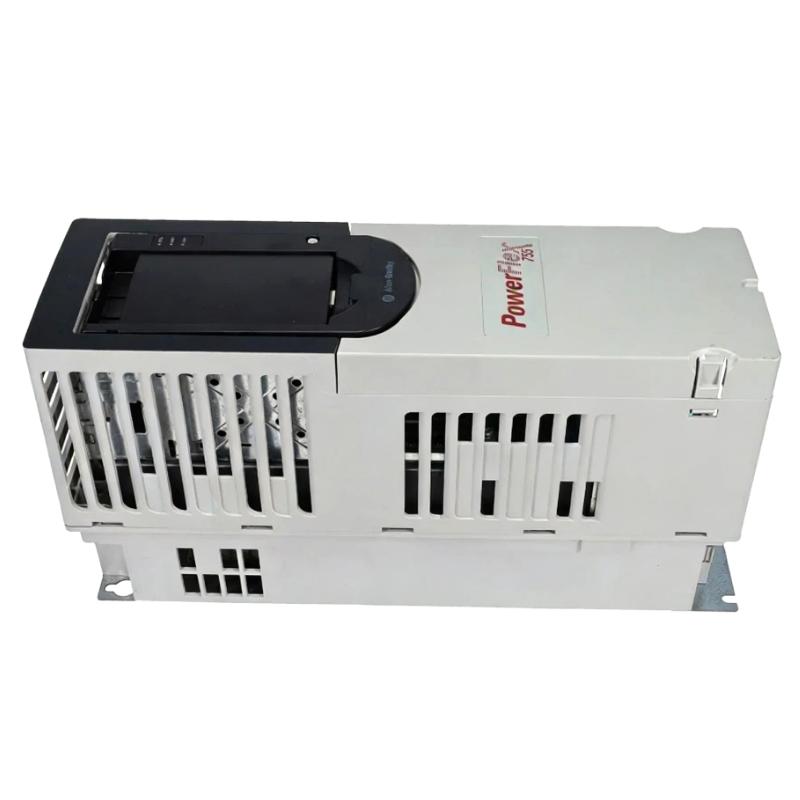
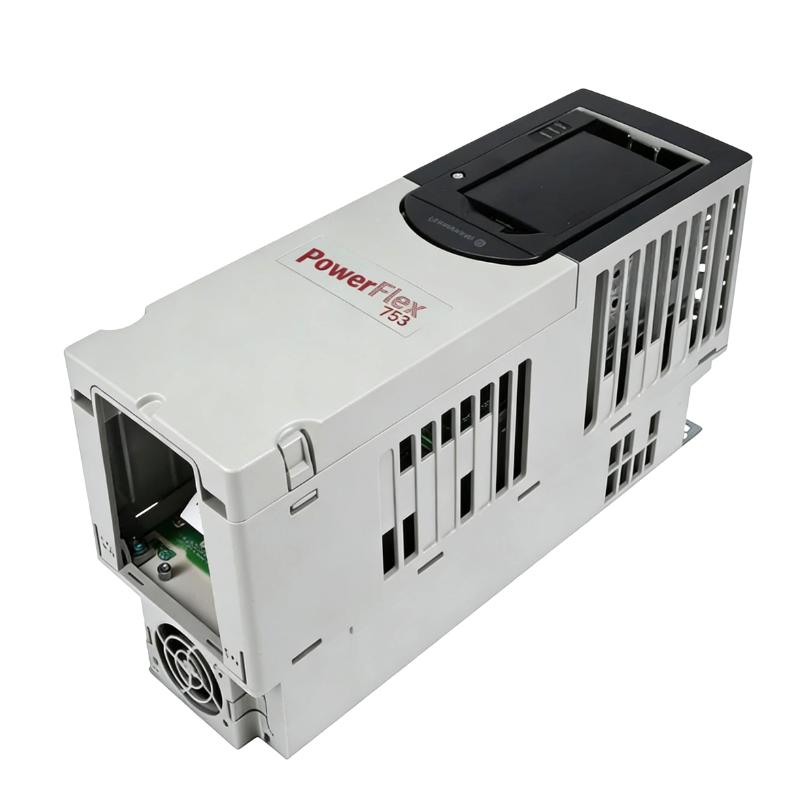
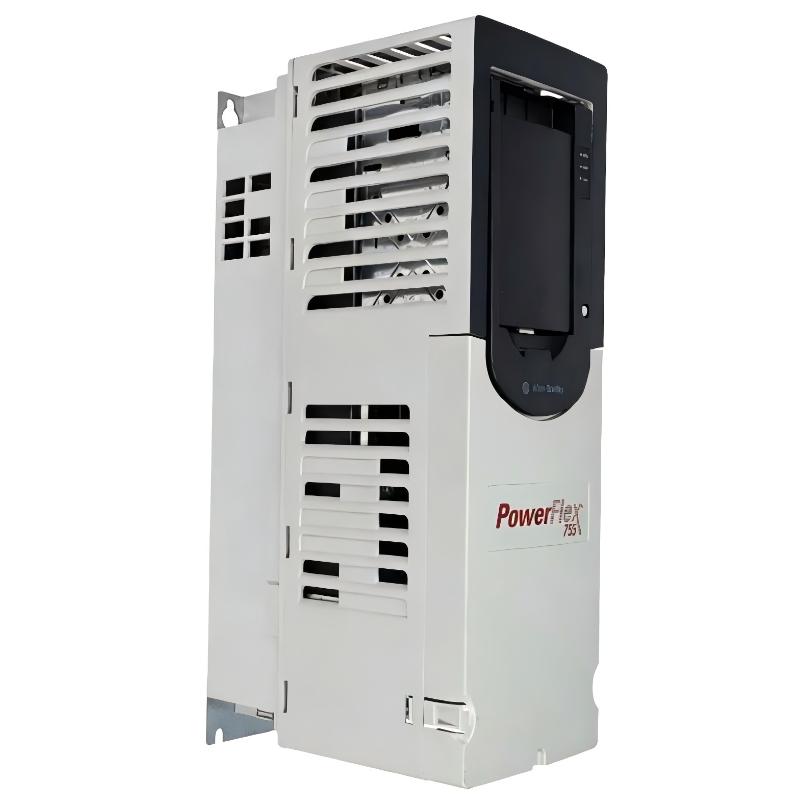
- Allen Bradley
- 20AB4P2A0AYNNNC0
- PowerFlex AC Drive
- USA
- 150–200 × 250–350 × 150–220 mm
- 10kg
- Xiamen, China
- New & In Stock
- T/T, PayPal, Western Union
- 1 Year
- 1-3 Working Days
- DHL, UPS, TNT, FedEx and EMS.
- 24-Hour Service
- COO
- 63
Our advantage

Global Logistics
We have a 10-year logistics and express cooperation agreement, so our products can be shipped to any place in the world.

Brand new and original
Our products are imported in bulk from the place of origin. Because of the cooperative relationship, our products are all original and 100% new.

24-hour service
We provide 7*24 hours service to our customers. We will be there whenever you need us.

Price advantage
All our products are priced very favorably because we have our own warehouse and supply.
| Company Information | |||
| [email protected] | |||
| Mobile | +8615980777398 | ||
| +8615980777398 | |||
| 15980777398 |
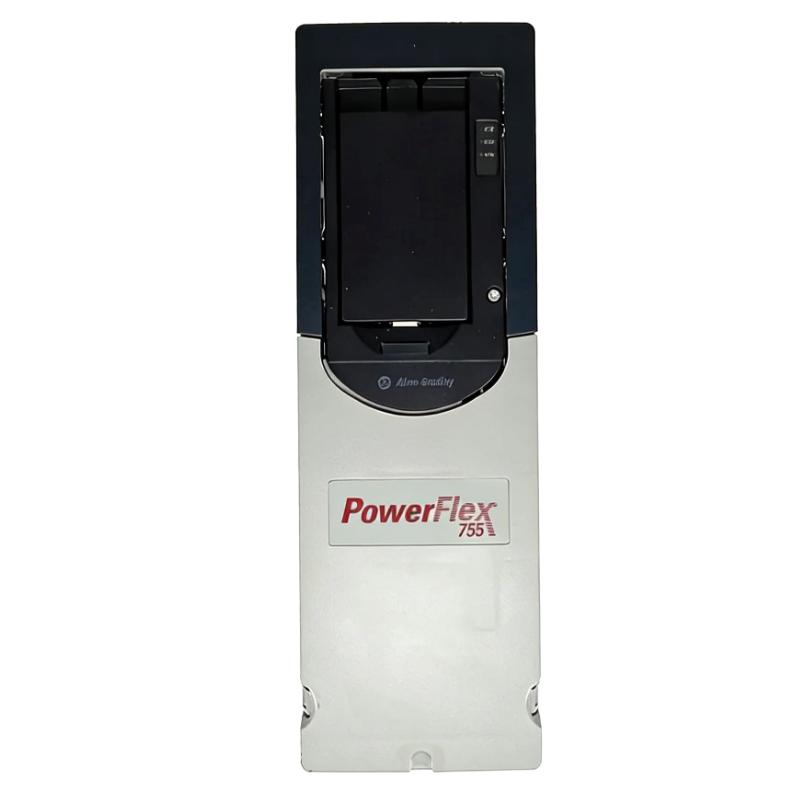
20AB4P2A0AYNNNC0 — Detailed Product Information, Technical Parameters, Applications, Advantages and Related Models
1. Product Overview
The 20AB4P2A0AYNNNC0 is an industrial adjustable-frequency AC drive designed for variable-speed control of three-phase AC motors.
This model belongs to the PowerFlex 70 drive family and is positioned as a compact industrial drive for applications that require reliable motor-speed regulation, controlled starting and stopping, motor protection, and integration with an industrial control system.
The model is particularly suitable for general-purpose industrial machinery where a conventional direct-on-line starter would not provide sufficient speed control or process flexibility.
Typical applications include conveyors, pumps, fans, blowers, mixers, small processing machines, material-handling equipment, machine tools, and other rotating machinery.
The 4.2 A class configuration makes this model appropriate for relatively small motor loads within the applicable voltage class. Exact motor horsepower or kilowatt compatibility should always be established from the motor’s rated voltage, full-load current, duty requirements, overload requirements, and the actual application.
2. Product Identification
| Parameter | Description |
|---|---|
| Model | 20AB4P2A0AYNNNC0 |
| Brand | Allen-Bradley |
| Product Family | PowerFlex |
| Product Series | PowerFlex 70 |
| Product Type | Adjustable-Frequency AC Drive |
| Drive Type | Variable-Frequency Drive |
| Current Class | Approximately 4.2 A |
| Input | Three-phase AC |
| Output | Variable-frequency three-phase AC |
| Motor Type | Three-phase AC motor |
| Speed Control | Yes |
| Acceleration Control | Yes |
| Deceleration Control | Yes |
| Motor Protection | Integrated |
| Diagnostic Functions | Integrated |
| Control | Digital / programmable |
| Installation | Industrial panel or cabinet |
| Cooling | Fan-cooled / forced-air depending on frame |
| Typical Application | General industrial motor control |
| Approximate Weight | 5–10 kg |
| Weight Unit | kg |
3. Brand and Product Series
The 20AB4P2A0AYNNNC0 belongs to the PowerFlex 70 series.
The PowerFlex 70 series is designed for general-purpose industrial motor control and is commonly used where a machine requires more flexibility than a simple contactor or motor starter can provide.
The drive can regulate motor speed by changing the frequency and voltage supplied to the motor.
This makes it possible to operate machinery at different speeds according to the production process.
The product is also intended to provide functions such as controlled acceleration, controlled deceleration, motor protection, fault monitoring, and integration with industrial automation systems.
4. Basic Technical Parameters
| Parameter | Specification / Reference |
|---|---|
| Model | 20AB4P2A0AYNNNC0 |
| Product Series | PowerFlex 70 |
| Product Type | Adjustable-Frequency AC Drive |
| Current Rating Class | Approximately 4.2 A |
| Input Phase | Three-phase |
| Output Phase | Three-phase |
| Input Frequency | 50/60 Hz class |
| Output Frequency | Adjustable |
| Motor Control | Variable-speed AC motor control |
| Acceleration | Adjustable |
| Deceleration | Adjustable |
| Speed Reference | Programmable |
| Torque Control | Supported |
| PID Function | Supported depending on configuration |
| Motor Overload Protection | Supported |
| Overcurrent Protection | Supported |
| Overvoltage Protection | Supported |
| Undervoltage Monitoring | Supported |
| Thermal Monitoring | Supported |
| Stall Protection | Supported |
| Fault Diagnostics | Yes |
| Alarm Functions | Yes |
| Communication | Configuration dependent |
| Feedback | Configuration dependent |
| Cooling | Forced-air / fan cooling |
| Mounting | Panel / cabinet |
| Installation Orientation | Generally vertical |
| Approx. Width | 150–200 mm |
| Approx. Height | 250–350 mm |
| Approx. Depth | 150–220 mm |
| Approx. Dimensions | 150–200 × 250–350 × 150–220 mm |
| Approx. Weight | 5–10 kg |
| Weight | 5–10 kg |
| Typical Duty | General industrial motor control |
5. Dimensions and Weight
The physical dimensions of a PowerFlex drive can vary according to frame size, enclosure arrangement, control options, and other configuration details.
For preliminary equipment-layout purposes, the 20AB4P2A0AYNNNC0 can be considered a relatively compact industrial drive.
| Mechanical Parameter | Approximate Value |
|---|---|
| Model | 20AB4P2A0AYNNNC0 |
| Width | 150–200 mm |
| Height | 250–350 mm |
| Depth | 150–220 mm |
| Approx. Overall Envelope | 150–200 × 250–350 × 150–220 mm |
| Weight | 5–10 kg |
| Weight Unit | kg |
| Mounting | Vertical panel mounting |
| Cooling | Forced air |
| Cabinet Installation | Suitable |
| Service Clearance | Required |
| Ventilation | Required |
These dimensions and weight values are approximate planning values rather than certified mechanical specifications.
For final cabinet fabrication, replacement work, transportation planning, or lifting calculations, the actual configured unit should be measured or checked against its applicable mechanical documentation.
6. Product Introduction
The 20AB4P2A0AYNNNC0 functions as the electronic speed-control interface between the incoming electrical supply and an AC motor.
A conventional motor starter mainly provides switching and basic protection.
An adjustable-frequency drive performs a much broader function.
It controls the electrical output delivered to the motor so that the motor can run at different speeds.
A typical system can be represented as:
Three-Phase AC Power
↓
20AB4P2A0AYNNNC0
↓
Variable-Frequency Motor Output
↓
Three-Phase AC Motor
↓
Mechanical Equipment
The motor speed can then be changed according to the requirements of the machine.
This is useful when the production process does not always require the motor to run at one fixed speed.
7. Operating Principle
The drive receives electrical power from the industrial AC supply.
Internally, the incoming power is converted and electronically controlled.
The drive then produces a controlled three-phase output for the motor.
The output frequency determines the operating speed of the motor within the applicable control range.
A simplified relationship is:
Speed Reference → Drive Control → Output Frequency → Motor Speed → Machine Speed
For example, if a conveyor needs to run more slowly, the speed reference can be reduced.
If the production rate increases, the speed reference can be increased.
This makes the drive an important part of the machine’s overall process-control system.
8. Variable-Speed Operation
Variable-speed control is one of the main reasons for using this type of drive.
A motor connected directly to a fixed-frequency supply normally operates close to its designed operating speed.
A variable-frequency drive allows the motor to operate at different speeds.
| Operating Condition | Typical Drive Function |
|---|---|
| Startup | Controlled acceleration |
| Low production | Reduced motor speed |
| Normal production | Normal speed |
| High production | Increased speed |
| Inspection | Low-speed operation |
| Positioning / setup | Reduced speed |
| Shutdown | Controlled deceleration |
This provides greater flexibility for production machinery.
9. Controlled Acceleration
Direct starting of a motor can produce a sudden change in torque and mechanical speed.
This can be undesirable in machines containing:
- Gearboxes.
- Belts.
- Chains.
- Couplings.
- Rollers.
- Fans.
- Pumps.
- Conveyors.
- Mechanical transmissions.
The drive can gradually increase the motor speed according to a programmed acceleration time.
This can provide smoother startup behavior.
It may also reduce mechanical shock and improve machine handling characteristics.
10. Controlled Deceleration
The same principle applies when stopping the motor.
Instead of removing the motor command abruptly, the drive can reduce the output frequency according to a programmed deceleration profile.
This can be useful for:
- Conveyors.
- Fans.
- Pumps.
- Rollers.
- Mixers.
- Material-handling machines.
- Rotating process equipment.
The correct deceleration time depends on the load inertia and the mechanical characteristics of the machine.
11. Motor Protection
The drive provides monitoring functions intended to help protect the motor and drive system during abnormal operating conditions.
Typical protection and monitoring functions include:
- Overcurrent monitoring.
- Overvoltage monitoring.
- Undervoltage monitoring.
- Thermal monitoring.
- Motor overload protection.
- Stall-related protection.
- Drive temperature monitoring.
- Fault detection.
- Alarm monitoring.
These functions provide considerably more information than a basic motor switching device.
Correct motor data must be entered into the drive for the applicable motor-protection functions to operate properly.
12. Diagnostic Capability
Industrial production equipment benefits from clear diagnostic information.
When a machine stops unexpectedly, maintenance personnel need to determine whether the problem is related to:
- The electrical supply.
- The motor.
- The drive.
- The control system.
- The mechanical load.
- Excessive temperature.
- Communication.
The drive can provide operating and fault information that helps narrow down the cause.
| Diagnostic Information | Purpose |
|---|---|
| Drive Status | Shows operating condition |
| Output Frequency | Indicates commanded electrical output |
| Speed Reference | Shows requested speed |
| Motor Current | Indicates electrical loading |
| Fault Status | Identifies shutdown condition |
| Alarm Status | Identifies warning condition |
| Temperature | Supports thermal troubleshooting |
| Communication Status | Helps diagnose control problems |
| Operating Parameters | Supports maintenance |
| Motor Data | Supports configuration checks |
13. Industrial Automation Integration
The drive can be incorporated into an industrial automation system.
A typical architecture is:
Industrial Controller
↓
I/O or Communication Network
↓
20AB4P2A0AYNNNC0
↓
AC Motor
↓
Machine
The controller can provide commands such as:
- Start.
- Stop.
- Speed reference.
- Direction.
- Preset speed.
- Process control command.
The drive can return information such as:
- Running status.
- Speed.
- Current.
- Fault status.
- Alarm status.
- Operating condition.
This makes the drive suitable for automated machinery rather than only standalone motor operation.
14. Typical Applications
| Application | Purpose |
|---|---|
| Conveyor | Adjustable material-transport speed |
| Small Pump | Flow adjustment |
| Fan | Airflow control |
| Blower | Variable air delivery |
| Mixer | Adjustable mixing speed |
| Feeder | Controlled material flow |
| Roller | Variable line speed |
| Machine Tool | Controlled spindle or auxiliary speed |
| Packaging Equipment | Production-speed control |
| Material Handling | Smooth motor operation |
| Processing Equipment | Variable process speed |
| General Machinery | Motor-speed regulation |
15. Conveyor Applications
Conveyors often operate under changing production conditions.
A conveyor may need to run slowly while material is being loaded and faster during normal production.
The drive allows the conveyor speed to be adjusted.
| Conveyor Condition | Typical Drive Operation |
|---|---|
| Empty | Low / moderate speed |
| Loading | Reduced speed |
| Normal operation | Normal speed |
| High production | Increased speed |
| Inspection | Reduced speed |
| Product changeover | Low speed |
| Shutdown | Controlled deceleration |
The drive can also help reduce the mechanical shock associated with starting the conveyor.
16. Pump Applications
Pumps often have variable process requirements.
For example, the required flow may change during production.
Instead of operating continuously at a fixed motor speed, the drive can adjust the motor speed according to the process requirement.
Typical applications include:
- Circulation pumps.
- Cooling systems.
- Process-water systems.
- Fluid-transfer equipment.
- Industrial pumping systems.
Variable-speed operation can provide better process flexibility and may reduce energy consumption in suitable variable-torque applications.
17. Fan and Blower Applications
Fans and blowers frequently operate under variable airflow requirements.
For example, an industrial ventilation system may need less airflow during low production.
The drive can reduce motor speed accordingly.
Applications include:
- Industrial ventilation.
- Exhaust systems.
- Cooling equipment.
- Air handling.
- Process ventilation.
- Drying equipment.
- Dust-handling systems.
The energy benefit depends on the actual fan system, operating profile, motor efficiency, and process requirements.
18. Mixer Applications
Mixers often require different operating speeds.
A typical cycle could be:
Loading
↓
Initial Mixing
↓
Main Mixing
↓
High-Speed Mixing
↓
Final Mixing
↓
Discharge
The drive allows the motor speed to be adjusted between these stages.
This can improve process flexibility and provide more consistent machine operation.
19. Feeder Applications
Industrial feeders are often required to deliver material at a controlled rate.
Motor speed can be adjusted according to the production demand.
| Production Requirement | Drive Operation |
|---|---|
| Low feed rate | Low speed |
| Normal feed rate | Medium speed |
| High feed rate | Higher speed |
| Reduced material demand | Reduced speed |
| Stop | Controlled deceleration |
This makes it easier to coordinate a feeder with downstream machinery.
20. Advantages of the Product
20.1 Compact Industrial Design
The 20AB4P2A0AYNNNC0 is suitable for industrial applications where panel space is important.
Its smaller current class makes it significantly easier to integrate than high-power drive assemblies.
20.2 Variable-Speed Control
The drive can operate a motor at different speeds according to the machine requirement.
20.3 Smooth Starting
Controlled acceleration can reduce sudden mechanical loading.
20.4 Controlled Stopping
Controlled deceleration can provide smoother shutdown behavior.
20.5 Motor Protection
Integrated monitoring functions can help protect the motor and drive system.
20.6 Diagnostic Functions
Fault and operating information can assist maintenance personnel.
20.7 Automation Compatibility
The drive can be incorporated into an automated production system.
20.8 Process Flexibility
Different speed references can be used for different machine conditions.
20.9 Potential Energy Reduction
Appropriate variable-torque applications may benefit from reduced motor speed during periods of reduced demand.
20.10 Suitable for General Industrial Machinery
The product is well suited to applications that require dependable motor-speed control without the physical size of a high-power drive.
21. Advantages Compared with a Conventional Starter
| Function | Conventional Starter | 20AB4P2A0AYNNNC0 |
|---|---|---|
| Start / Stop | Yes | Yes |
| Variable Speed | No | Yes |
| Controlled Acceleration | Limited | Yes |
| Controlled Deceleration | Limited | Yes |
| Speed Reference | No | Yes |
| Motor Current Monitoring | Limited | Yes |
| Fault Diagnostics | Basic | Advanced |
| Motor Protection | Basic | Integrated |
| PID Functions | No | Supported depending on configuration |
| Automation Integration | Limited | Yes |
| Multiple Operating Speeds | Limited | Yes |
| Process-Speed Control | No | Yes |
| Potential Energy Optimization | Limited | Yes |
22. Electrical Parameter Summary
| Electrical Parameter | Description |
|---|---|
| Model | 20AB4P2A0AYNNNC0 |
| Drive Series | PowerFlex 70 |
| Drive Type | AC adjustable-frequency drive |
| Input | Three-phase AC |
| Input Frequency | 50/60 Hz class |
| Output | Three-phase AC |
| Current Class | Approximately 4.2 A |
| Output Frequency | Adjustable |
| Motor Speed | Variable |
| Acceleration Time | Programmable |
| Deceleration Time | Programmable |
| Motor Protection | Integrated |
| Overcurrent Protection | Supported |
| Overvoltage Monitoring | Supported |
| Undervoltage Monitoring | Supported |
| Thermal Monitoring | Supported |
| Stall Monitoring | Supported |
| PID | Supported depending on configuration |
| Feedback | Configuration dependent |
| Communication | Configuration dependent |
| Control | Digital / programmable |
23. Mechanical Parameter Summary
| Mechanical Parameter | Approximate Value |
|---|---|
| Model | 20AB4P2A0AYNNNC0 |
| Width | 150–200 mm |
| Height | 250–350 mm |
| Depth | 150–220 mm |
| Overall Envelope | 150–200 × 250–350 × 150–220 mm |
| Weight | 5–10 kg |
| Weight Unit | kg |
| Mounting | Panel / cabinet |
| Orientation | Generally vertical |
| Cooling | Forced air |
| Service Clearance | Required |
| Ventilation | Required |
24. Environmental and Installation Considerations
Although the drive is intended for industrial use, the installation environment still has a significant effect on long-term reliability.
Important factors include:
- Ambient temperature.
- Humidity.
- Dust.
- Chemical vapors.
- Vibration.
- Altitude.
- Cabinet ventilation.
- Cooling airflow.
- Electrical noise.
- Motor cable routing.
A cabinet should provide adequate ventilation and should prevent excessive accumulation of dust around cooling openings.
The drive should not be installed where condensation or uncontrolled moisture can directly affect the electronics.
25. Cabinet Installation
The drive is normally installed inside an industrial panel or electrical cabinet.
Adequate space should be provided around the drive for:
- Cooling airflow.
- Power wiring.
- Motor wiring.
- Control wiring.
- Communication cables.
- Inspection.
- Maintenance.
- Heat dissipation.
The cabinet thermal design should account for the heat generated by the drive and all other installed components.
26. Motor Selection Considerations
The drive should be matched with the motor based on actual electrical and mechanical requirements.
| Motor Parameter | Why It Matters |
|---|---|
| Motor Voltage | Must match the drive voltage class |
| Motor Current | Critical for drive sizing |
| Motor Power | Determines approximate capacity |
| Motor Frequency | Required for correct setup |
| Motor Speed | Important for speed control |
| Motor Type | Determines control configuration |
| Overload Requirement | Important for duty selection |
| Starting Torque | Important for heavy loads |
| Feedback Requirement | Determines whether feedback hardware is needed |
| Duty Cycle | Determines thermal loading |
The motor’s rated current is especially important.
A drive should not be selected only from the motor horsepower or kilowatt value.
27. High-Inertia Applications
For machinery with high mechanical inertia, the acceleration and deceleration settings require particular attention.
Examples include:
- Fans.
- Blowers.
- Rollers.
- Mixers.
- Conveyors.
- Rotating drums.
- Large mechanical assemblies.
The machine designer should evaluate:
- Load inertia.
- Required acceleration time.
- Required deceleration time.
- Starting torque.
- Running torque.
- Braking requirements.
- Motor thermal loading.
28. Energy-Saving Potential
Variable-frequency drives can provide energy-saving opportunities when used in suitable applications.
This is particularly relevant to variable-torque loads such as:
- Fans.
- Blowers.
- Centrifugal pumps.
For these applications, reducing motor speed can substantially reduce the power required by the mechanical system.
However, energy savings should be calculated using the actual operating profile.
Important factors include:
- Motor efficiency.
- Pump or fan characteristics.
- Required process flow.
- Operating hours.
- Average speed.
- Mechanical losses.
- System resistance.
Therefore, the presence of a variable-frequency drive does not automatically guarantee a specific percentage of energy savings.
29. Maintenance Considerations
Routine maintenance should include inspection of the installation environment and cooling system.
Recommended inspection areas include:
| Inspection Item | Purpose |
|---|---|
| Cooling Fan | Confirm proper operation |
| Airflow | Check cooling performance |
| Cabinet Temperature | Identify excessive heat |
| Electrical Connections | Check for looseness |
| Motor Cable | Check physical condition |
| Grounding | Verify proper grounding |
| Fault History | Identify recurring problems |
| Alarm History | Identify abnormal conditions |
| Motor Current | Check loading |
| Drive Temperature | Evaluate thermal condition |
| Communication | Verify control-system connection |
Keeping the cooling system clean is particularly important for electronic power equipment.
30. Troubleshooting Reference
| Symptom | Possible Area to Check |
|---|---|
| Drive Will Not Start | Control command, interlock, fault status |
| Motor Does Not Rotate | Output command, motor wiring, motor condition |
| Excessive Current | Mechanical load, motor data, acceleration |
| Overtemperature | Cooling airflow, ambient temperature, load |
| Unexpected Stop | Fault history, control signal, protection |
| Speed Incorrect | Speed reference, motor parameters |
| Communication Problem | Network, wiring, configuration |
| Excessive Noise | Electrical installation, motor cable arrangement |
| Repeated Fault | Mechanical load, motor, power supply, configuration |
| Slow Acceleration | Acceleration setting, load inertia, torque requirement |
A repeated fault should not simply be reset continuously.
The underlying cause should be identified before the machine is returned to normal operation.
31. Five Same-Series or Closely Related Models
The following models are useful comparison points when selecting a PowerFlex 70-class drive or a closely related industrial variable-frequency drive.
| Model | Product Series | Current Class | Input | Motor Control | Approx. Dimensions | Weight (kg) | Typical Application |
|---|---|---|---|---|---|---|---|
| 20AB4P2A0AYNNNC0 | PowerFlex 70 | 4.2 A class | Three-phase AC | Variable speed | 150–200 × 250–350 × 150–220 mm* | 5–10* | General machinery |
| 20AB2P1A0AYNNNC0 | PowerFlex 70 | 2.1 A class | Three-phase AC | Variable speed | 120–180 × 220–320 × 130–200 mm* | 3–7* | Small machinery |
| 20AB3P5A0AYNNNC0 | PowerFlex 70 | 3.5 A class | Three-phase AC | Variable speed | 120–180 × 220–320 × 130–200 mm* | 3–7* | Pumps, fans, conveyors |
| 20AB6P0A0AYNNNC0 | PowerFlex 70 | 6.0 A class | Three-phase AC | Variable speed | 150–220 × 250–350 × 150–230 mm* | 5–11* | General industrial equipment |
| 20AB010A0AYNNNC0 | PowerFlex 70 | 10 A class | Three-phase AC | Variable speed | 180–250 × 300–400 × 160–250 mm* | 7–14* | Larger machinery |
*Approximate comparison values. Actual dimensions and weights can vary according to frame size, options, enclosure arrangement, and hardware configuration.
32. Comparison of Same-Series / Related Models
| Parameter | 20AB2P1A0AYNNNC0 | 20AB3P5A0AYNNNC0 | 20AB4P2A0AYNNNC0 | 20AB6P0A0AYNNNC0 | 20AB010A0AYNNNC0 |
|---|---|---|---|---|---|
| Series | PowerFlex 70 | PowerFlex 70 | PowerFlex 70 | PowerFlex 70 | PowerFlex 70 |
| Current Class | 2.1 A | 3.5 A | 4.2 A | 6.0 A | 10 A |
| Input | Three-phase | Three-phase | Three-phase | Three-phase | Three-phase |
| Variable Speed | Yes | Yes | Yes | Yes | Yes |
| Acceleration Control | Yes | Yes | Yes | Yes | Yes |
| Deceleration Control | Yes | Yes | Yes | Yes | Yes |
| Motor Protection | Yes | Yes | Yes | Yes | Yes |
| Diagnostics | Yes | Yes | Yes | Yes | Yes |
| Approx. Width | 120–180 mm | 120–180 mm | 150–200 mm | 150–220 mm | 180–250 mm |
| Approx. Height | 220–320 mm | 220–320 mm | 250–350 mm | 250–350 mm | 300–400 mm |
| Approx. Depth | 130–200 mm | 130–200 mm | 150–220 mm | 150–230 mm | 160–250 mm |
| Approx. Weight | 3–7 kg | 3–7 kg | 5–10 kg | 5–11 kg | 7–14 kg |
33. Five Related Models — Detailed Parameters
| Model | Series | Current Class | Input | Output | Approx. Dimensions | Weight (kg) | Typical Application |
|---|---|---|---|---|---|---|---|
| 20AB2P1A0AYNNNC0 | PowerFlex 70 | 2.1 A | Three-phase AC | Variable-frequency AC | 120–180 × 220–320 × 130–200 mm* | 3–7* | Small pumps, fans, conveyors |
| 20AB3P5A0AYNNNC0 | PowerFlex 70 | 3.5 A | Three-phase AC | Variable-frequency AC | 120–180 × 220–320 × 130–200 mm* | 3–7* | General machinery |
| 20AB4P2A0AYNNNC0 | PowerFlex 70 | 4.2 A | Three-phase AC | Variable-frequency AC | 150–200 × 250–350 × 150–220 mm* | 5–10* | Industrial machinery |
| 20AB6P0A0AYNNNC0 | PowerFlex 70 | 6.0 A | Three-phase AC | Variable-frequency AC | 150–220 × 250–350 × 150–230 mm* | 5–11* | Conveyors, pumps, fans |
| 20AB010A0AYNNNC0 | PowerFlex 70 | 10 A | Three-phase AC | Variable-frequency AC | 180–250 × 300–400 × 160–250 mm* | 7–14* | Larger industrial machinery |
34. Five Popular Models from the Same Brand
For a broader product comparison, the following models represent commonly encountered drive families and useful alternatives across different application sizes.
| Model | Product Series | Current / Power Class | Input | Variable Speed | Approx. Dimensions | Weight (kg) | Typical Application |
|---|---|---|---|---|---|---|---|
| 20AB4P2A0AYNNNC0 | PowerFlex 70 | 4.2 A class | Three-phase AC | Yes | 150–200 × 250–350 × 150–220 mm* | 5–10* | General industrial machinery |
| 20F11NC030AA0NNNNN | PowerFlex 753 | 30 A class | Three-phase AC | Yes | 250–350 × 450–600 × 250–350 mm* | 15–25* | Industrial machinery |
| 20G1ANC140AA0NNNNN | PowerFlex 755 | 140 A class | Three-phase AC | Yes | 350–500 × 700–900 × 300–500 mm* | 40–70* | Large industrial machinery |
| 25B-D030N114 | PowerFlex 525 | 30 A class | Three-phase AC | Yes | 250–300 × 150–250 × 220–300 mm* | 5–9* | Compact industrial equipment |
| 22F-D012N104 | PowerFlex 4M | Small-drive class | Three-phase / application dependent | Yes | 100–150 × 180–250 × 120–180 mm* | 1–3* | Small machinery |
*Approximate engineering values. Exact physical dimensions, weight, voltage, and current ratings should be confirmed for the exact configuration before selection.
35. Product Family Comparison
| Feature | PowerFlex 4M | PowerFlex 525 | PowerFlex 70 | PowerFlex 753 | PowerFlex 755 |
|---|---|---|---|---|---|
| General Application | Small machinery | Compact industrial machinery | General industrial machinery | Advanced industrial machinery | Large / advanced machinery |
| Compact Design | Excellent | Excellent | Very good | Good | Moderate |
| Variable Speed | Yes | Yes | Yes | Yes | Yes |
| Acceleration Control | Yes | Yes | Yes | Yes | Yes |
| Deceleration Control | Yes | Yes | Yes | Yes | Yes |
| Motor Protection | Yes | Yes | Yes | Yes | Yes |
| Diagnostics | Basic / good | Good | Good | Advanced | Advanced |
| PID | Application dependent | Yes | Yes | Yes | Yes |
| Communication Options | Limited | Strong | Available | Extensive | Extensive |
| Feedback | Limited | Available depending on configuration | Available depending on configuration | Strong | Strong |
| Small Motor Applications | Excellent | Excellent | Very good | Good | Less suitable |
| Medium Motor Applications | Limited | Very good | Excellent | Excellent | Excellent |
| Large Motor Applications | No | Limited | Limited / application dependent | Excellent | Excellent |
| Complex Machinery | Basic | Good | Very good | Excellent | Excellent |
36. Why Choose the 20AB4P2A0AYNNNC0?
The main reason to choose the 20AB4P2A0AYNNNC0 is the combination of compact physical size and industrial motor-control functionality.
For applications that only require start and stop, a conventional starter may be sufficient.
However, when the machine requires variable speed, controlled acceleration, controlled deceleration, process-speed adjustment, motor monitoring, or automation integration, an adjustable-frequency drive provides significantly more functionality.
The 4.2 A class also makes this model more appropriate for relatively small industrial motor applications than large-frame high-current drives.
37. Application Selection Guide
| Requirement | Suitability |
|---|---|
| Fixed-speed motor only | Drive may be more functionality than required |
| Variable motor speed | Very suitable |
| Controlled acceleration | Very suitable |
| Controlled deceleration | Very suitable |
| Conveyor | Suitable |
| Small pump | Suitable |
| Fan | Suitable |
| Blower | Suitable |
| Mixer | Suitable |
| Feeder | Suitable |
| Small processing machine | Suitable |
| Large high-current motor | Not the preferred size class |
| Complex multi-axis motion | A dedicated motion-control solution may be more appropriate |
| Simple motor switching | A conventional starter may be more economical |
38. Product Advantages in Practical Operation
Better Process Control
The motor can operate at the speed required by the production process rather than being restricted to one fixed operating speed.
Reduced Mechanical Shock
Controlled acceleration and deceleration can make machine operation smoother.
Improved Production Flexibility
Operators or controllers can change the motor speed when production requirements change.
Better Troubleshooting
Drive diagnostics provide more information than a simple motor starter.
Easier Automation
The drive can become part of the overall machine-control architecture.
Potential Energy Benefits
Suitable variable-speed pump, fan, and blower applications may benefit from reduced operating speed.
Compact Installation
Compared with larger industrial drive configurations, the 4.2 A class is relatively compact.
39. Typical Control Signals
Depending on the exact configuration, an industrial drive system can use a combination of digital and analog control signals or a communication network.
Typical control information includes:
| Signal / Information | Function |
|---|---|
| Start | Starts motor operation |
| Stop | Stops motor operation |
| Forward | Commands forward operation |
| Reverse | Commands reverse operation |
| Speed Reference | Sets desired speed |
| Preset Speed | Selects predefined speed |
| Run Status | Indicates motor operation |
| Fault | Indicates abnormal condition |
| Alarm | Indicates warning |
| Current | Provides load information |
| Frequency | Indicates output frequency |
40. Installation and Safety Considerations
The drive is an electrical power-control device and should be installed by qualified personnel.
The installation should consider:
- Electrical isolation.
- Grounding.
- Input protection.
- Correct cable sizing.
- Motor cable routing.
- Control cable separation.
- Cabinet ventilation.
- Heat dissipation.
- Environmental conditions.
- Motor compatibility.
- Correct parameter configuration.
The drive should not be treated as a simple plug-in electronic component.
Correct electrical installation is essential for reliable operation.
41. Final Technical Summary
| Parameter | 20AB4P2A0AYNNNC0 |
|---|---|
| Brand | Allen-Bradley |
| Product Family | PowerFlex |
| Product Series | PowerFlex 70 |
| Product Type | Adjustable-Frequency AC Drive |
| Current Class | Approximately 4.2 A |
| Input | Three-phase AC |
| Output | Three-phase variable-frequency AC |
| Input Frequency | 50/60 Hz class |
| Variable-Speed Control | Yes |
| Acceleration Control | Yes |
| Deceleration Control | Yes |
| Motor Protection | Integrated |
| Overcurrent Monitoring | Yes |
| Overvoltage Monitoring | Yes |
| Undervoltage Monitoring | Yes |
| Thermal Monitoring | Yes |
| Stall Monitoring | Yes |
| Fault Diagnostics | Yes |
| Alarm Functions | Yes |
| PID | Supported depending on configuration |
| Feedback | Configuration dependent |
| Communication | Configuration dependent |
| Cooling | Forced air / fan cooling |
| Mounting | Panel / cabinet |
| Approx. Width | 150–200 mm |
| Approx. Height | 250–350 mm |
| Approx. Depth | 150–220 mm |
| Approx. Dimensions | 150–200 × 250–350 × 150–220 mm |
| Approx. Weight | 5–10 kg |
| Weight | 5–10 kg |
| Main Applications | Conveyors, pumps, fans, blowers, mixers, feeders, rollers |
| Main Advantage | Compact variable-speed industrial motor control |
42. Conclusion
The 20AB4P2A0AYNNNC0 is a compact industrial adjustable-frequency AC drive from the PowerFlex 70 series.
Its approximately 4.2 A current class places it in a considerably smaller capacity range than large industrial drives, making it more appropriate for smaller motors and general-purpose industrial machinery.
Its principal purpose is to control the speed and operating behavior of a three-phase AC motor.
Instead of allowing the motor to operate only at a fixed speed, the drive can adjust the motor speed according to the requirements of the machine.
This is especially useful for conveyors, pumps, fans, blowers, mixers, feeders, rollers, packaging equipment, and other machinery where operating speed needs to change during production.
The controlled acceleration function can provide a smoother transition from stopped to operating speed.
This can be particularly useful for conveyors, fans, pumps, and other equipment where sudden acceleration may create unnecessary mechanical stress.
Controlled deceleration provides similar benefits during stopping.
The integrated monitoring and diagnostic functions are also valuable for industrial maintenance.
When an unexpected machine stop occurs, information such as drive status, output frequency, motor current, alarm condition, and fault status can help maintenance personnel determine where the problem may be located.
The drive can also be integrated into an automated machine-control system.
A controller can provide start, stop, direction, and speed commands, while the drive can return operating and fault information.
From a physical-installation perspective, an approximate envelope of 150–200 mm wide × 250–350 mm high × 150–220 mm deep, with an approximate weight of 5–10 kg, can be used for preliminary layout planning.
These mechanical values are approximate and should not be used as final cabinet-fabrication or shipping specifications.
The actual dimensions and weight can depend on the specific frame, options, enclosure arrangement, and configuration.
Overall, the 20AB4P2A0AYNNNC0 is best suited to industrial applications where a relatively compact drive is required to provide variable motor speed, controlled acceleration and deceleration, motor protection, diagnostics, and integration with an industrial control system.