

ProductPRODUCT
Featured products
Contact Us
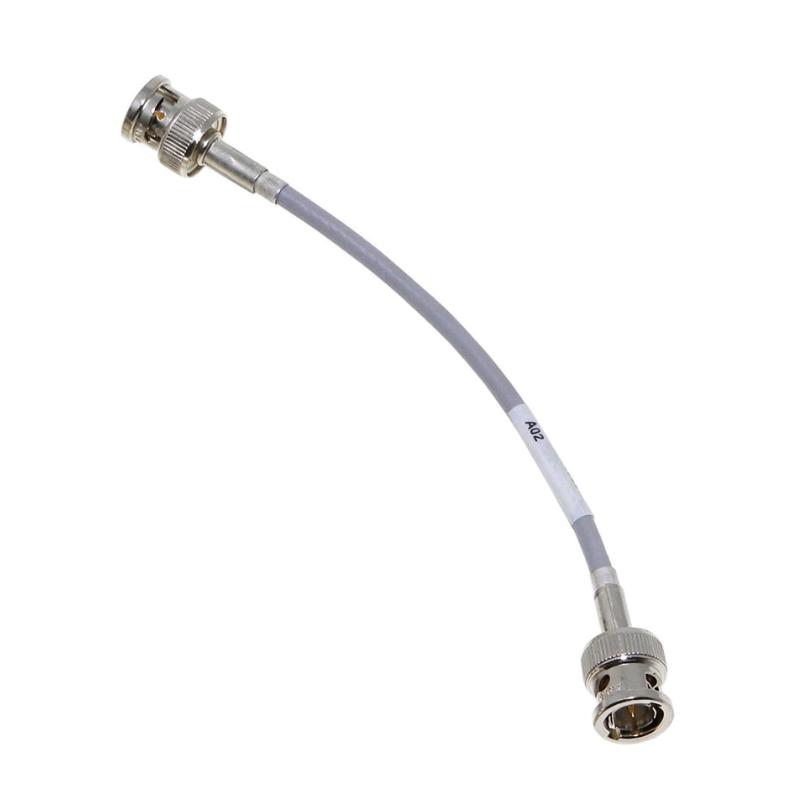
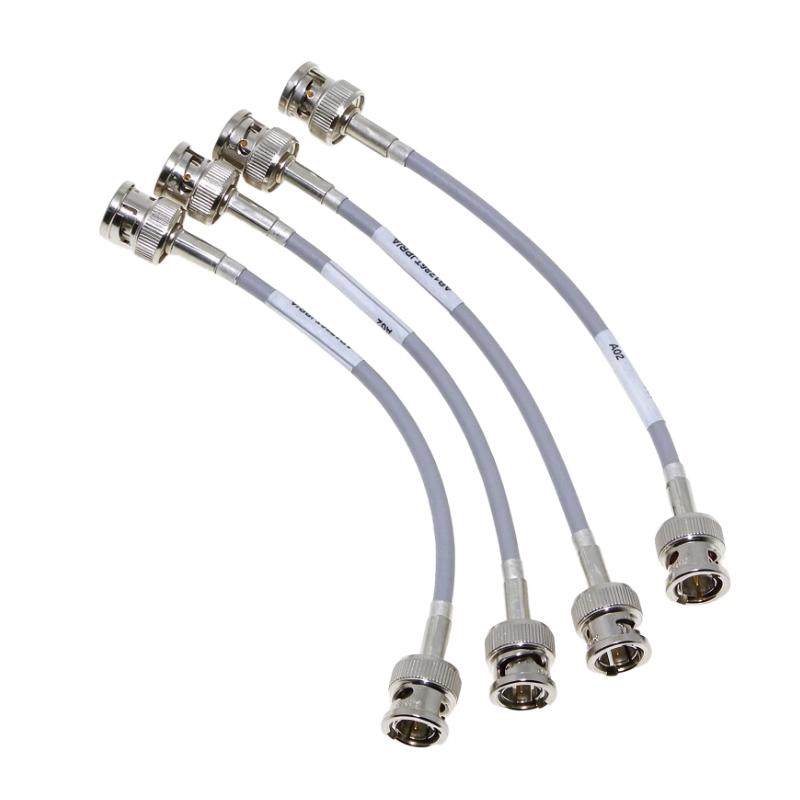
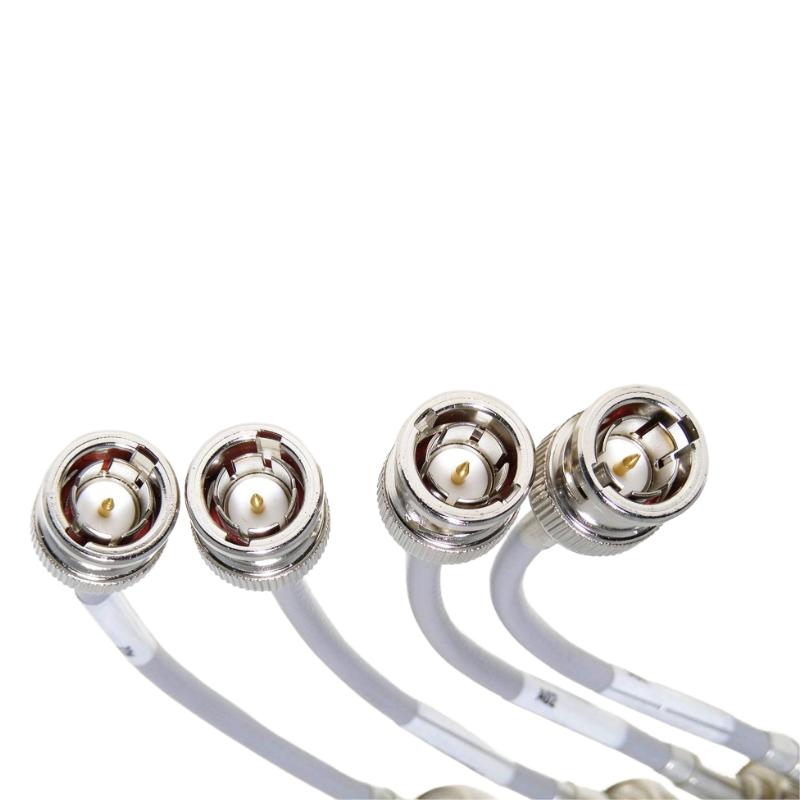
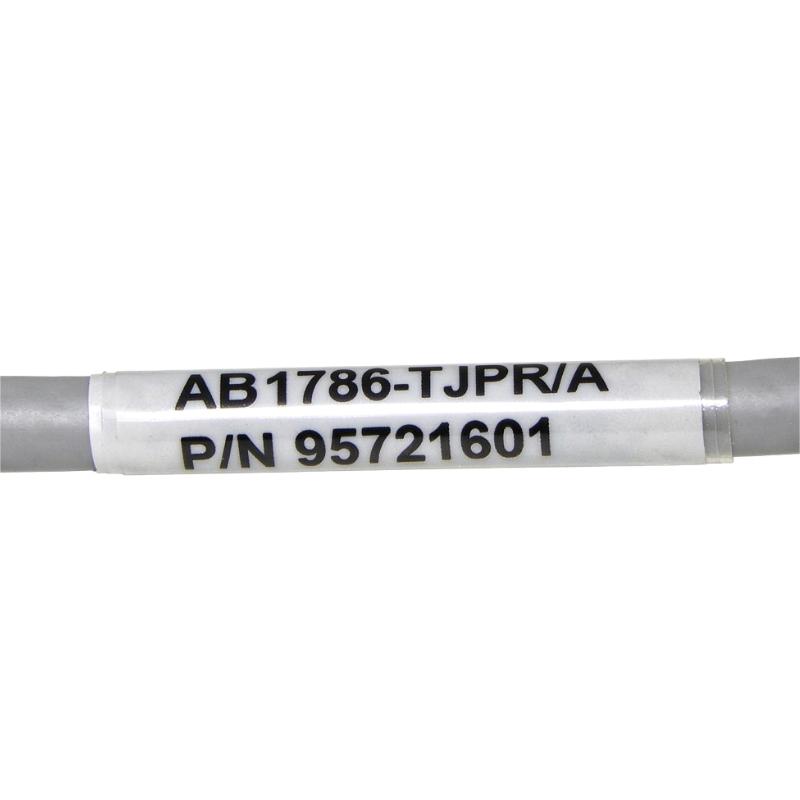
- Allen Bradley
- 1786-TJPR
- ControlNet Media Coaxial Jumper
- USA
- 5 inch
- 3 kg
- Xiamen, China
- New & In Stock
- T/T, PayPal, Western Union
- 1 Year
- 1-3 Working Days
- DHL, UPS, TNT, FedEx and EMS.
- 24-Hour Service
- COO
- 4
Our advantage

Global Logistics
We have a 10-year logistics and express cooperation agreement, so our products can be shipped to any place in the world.

Brand new and original
Our products are imported in bulk from the place of origin. Because of the cooperative relationship, our products are all original and 100% new.

24-hour service
We provide 7*24 hours service to our customers. We will be there whenever you need us.

Price advantage
All our products are priced very favorably because we have our own warehouse and supply.
| Company Information | |||
| [email protected] | |||
| Mobile | +8615980777398 | ||
| +8615980777398 | |||
| 15980777398 |
Product Overview
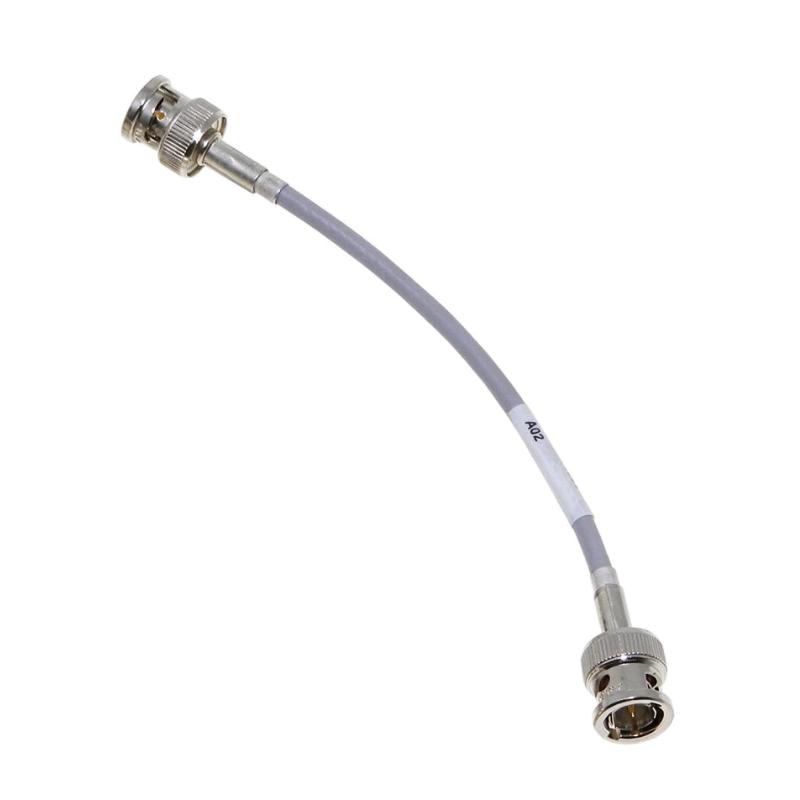
The Allen-Bradley 1786-TJPR is a flexible coaxial jumper used to interconnect ControlNet media taps within industrial communication networks. It features a short 5-inch cable assembly with BNC plug connectors at both ends, allowing adjacent network taps to be connected without using a rigid barrel connector.
In a typical ControlNet installation, T-taps and Y-taps are mounted along a DIN rail to establish connections between the coaxial trunk and individual network devices. Depending on the mounting arrangement, these taps may need a short interconnection to maintain the required network layout. The 1786-TJPR provides this connection through a flexible coaxial cable.
One practical application is connecting vertically mounted ControlNet taps inside a control cabinet. When several taps are installed close together, a rigid connector may not provide sufficient clearance or flexibility. The 1786-TJPR allows the taps to be interconnected while accommodating the required cable routing.
Its flexible construction also makes it useful when the physical positioning of adjacent taps needs some adjustment during panel assembly. However, the short jumper should not be treated as a general-purpose extension cable or a replacement for the main RG-6 trunk.
An important installation consideration is its bending requirement. Rockwell Automation specifies a minimum bend radius of 38 mm (1.5 inches) for this jumper. The cable should not be sharply folded to fit into restricted spaces, as excessive bending can affect its electrical characteristics.
The 1786-TJPR is a passive coaxial accessory. It does not process ControlNet data, provide signal amplification, or require an external power supply. Its function is to maintain the electrical connection between compatible ControlNet tap interfaces.
Technical Specifications
| Parameter | Specification |
|---|---|
| Manufacturer | Allen-Bradley |
| Brand | Rockwell Automation |
| Model | 1786-TJPR |
| Product Series | ControlNet |
| Product Type | ControlNet Media Coaxial Jumper |
| Component Type | Flexible Coaxial Jumper |
| Media Type | ControlNet Coaxial |
| Connector Configuration | Plug-to-Plug |
| Connector Type | BNC |
| Cable Construction | Flexible Coaxial |
| Environmental Protection | IP20 |
| Minimum Bend Radius | 38 mm (1.5 in.) |
| Operating Temperature | -20 to +80°C |
| Typical Application | Interconnecting ControlNet Taps |
| Cable Length | 5 inch |
| Shipping Weight | 3 kg |
Product Features
- 5-Inch Flexible Jumper: Provides a short connection between adjacent ControlNet media taps.
- BNC Plug-to-Plug Configuration: Features male BNC connectors at both ends for compatible tap interfaces.
- Flexible Cable Construction: Accommodates tap arrangements where a rigid barrel connector is unsuitable.
- ControlNet Media Compatibility: Intended for use within Allen-Bradley coaxial ControlNet installations.
- Compact Interconnection: Helps connect vertically arranged taps on DIN rail assemblies.
- Defined Bend Radius: Supports installation with a specified minimum bend radius of 38 mm.
- IP20 Protection: Intended for installation in appropriately protected industrial environments.
- Passive Signal Transmission: Carries electrical communication signals without requiring an independent power supply.
- Factory-Assembled Jumper: Reduces the need to prepare and terminate a short coaxial cable connection in the field.
- Tap Installation Flexibility: Provides an alternative to rigid BNC barrel connectors when connecting adjacent taps.
Product Working Principle
The 1786-TJPR maintains the coaxial electrical connection between two compatible ControlNet tap interfaces.
ControlNet uses a shared coaxial communication medium. The main trunk carries network signals throughout the installation, while individual taps provide connection points for controllers and other network devices.
When two taps need to be interconnected, the 1786-TJPR connects their BNC interfaces through its flexible coaxial conductor. The central conductor carries the electrical signal, while the surrounding dielectric and shielding maintain the required transmission characteristics.
A typical connection arrangement is:
ControlNet T-Tap / Y-Tap → 1786-TJPR → Adjacent ControlNet T-Tap / Y-Tap
Unlike a rigid BNC barrel connector, the flexible jumper allows a small amount of movement and routing adjustment between the connected tap assemblies.
However, the jumper has different attenuation characteristics from standard RG-6 trunk cable. Rockwell Automation notes that its attenuation is approximately twice that of standard 1786-RG6 coaxial cable. This should be considered when planning the complete ControlNet media arrangement.
The jumper also has a minimum bend radius of 38 mm. Maintaining this radius helps prevent excessive mechanical stress and deterioration of the coaxial transmission characteristics.
The 1786-TJPR does not regenerate or amplify communication signals. It simply maintains the electrical path between the connected tap interfaces.
Role in Allen-Bradley ControlNet Network Architecture
The 1786-TJPR functions as an interconnection accessory within the ControlNet coaxial media architecture. It is primarily used to connect adjacent T-taps or Y-taps, particularly when the taps are installed vertically on a DIN rail.
In a typical cabinet installation, multiple taps are arranged along a mounting rail. The jumper connects the appropriate BNC interfaces while allowing the tap assembly to maintain its intended physical arrangement.
A typical configuration is:
ControlNet RG-6 Trunk → 1786-TPS / 1786-TPR → 1786-TJPR → Adjacent Tap → ControlNet Network Device
| System Component | Function |
|---|---|
| Allen-Bradley 1786-TJPR | Provides a flexible plug-to-plug coaxial connection between taps |
| 1786-RG6 | Provides the main ControlNet coaxial trunk cable |
| 1786-RG6F | Provides high-flex coaxial cable for suitable installation environments |
| 1786-TPS | Provides a straight BNC T-tap |
| 1786-TPR | Provides a right-angle BNC T-tap |
| 1786-TPYS | Provides a straight BNC Y-tap |
| 1786-TPYR | Provides a right-angle BNC Y-tap |
| 1786-BNCP | Provides a rigid BNC plug-to-plug barrel connection |
| 1786-TCAP | Terminates unused ControlNet tap connections |
| 1786-XT | Provides 75-ohm termination at the ends of coaxial network segments |
| ControlNet Communication Modules | Connect PLC controllers to the ControlNet network |
The 1786-TJPR is particularly useful in vertical DIN rail mounting arrangements where adjacent taps require a flexible coaxial interconnection rather than a rigid barrel connector.
Industrial Applications
The 1786-TJPR is used in ControlNet installations where adjacent coaxial taps need to be interconnected within industrial control cabinets and equipment enclosures.
| Industrial Application | Typical Use |
|---|---|
| Automotive Manufacturing | Interconnecting ControlNet taps in production-line control cabinets |
| Packaging Machinery | Connecting adjacent network taps inside machine control panels |
| Steel Manufacturing | Maintaining coaxial tap connections in distributed automation cabinets |
| Power Generation | Interconnecting ControlNet media taps in electrical control rooms |
| Oil and Gas Automation | Providing short coaxial connections between network tap assemblies |
| Chemical Processing | Connecting adjacent taps in process automation enclosures |
| Water Treatment | Supporting ControlNet tap arrangements in PLC control panels |
| Material Handling | Interconnecting network taps in conveyor control cabinets |
| Industrial Drive Systems | Connecting adjacent ControlNet media interfaces near drive control equipment |
| General Manufacturing | Providing flexible tap-to-tap connections in existing ControlNet installations |
Installation and Maintenance
- Verify Connector Compatibility: Confirm that both connection points use compatible BNC interfaces designed for the ControlNet coaxial media system.
- Inspect the Jumper: Check the cable jacket and both BNC connectors for deformation, contamination, or visible mechanical damage.
- Plan Tap Positioning: Arrange the T-taps or Y-taps according to the intended DIN rail layout before connecting the jumper.
- Check Mounting Stability: Ensure that the connected taps are securely mounted and that the jumper will not carry the mechanical load of unsupported components.
- Connect the First End: Align the first BNC plug with the corresponding tap interface and secure the connection.
- Connect the Second End: Attach the opposite BNC plug to the adjacent tap, ensuring that the connector is fully seated.
- Maintain the Bend Radius: Keep the jumper bend radius at or above 38 mm (1.5 inches) throughout installation.
- Avoid Excessive Cable Stress: Do not twist, stretch, sharply fold, or compress the jumper when arranging adjacent taps.
- Check DIN Rail Arrangement: For vertical mounting, verify that the connected taps remain properly positioned and that the jumper does not interfere with nearby components.
- Inspect Electrical Connections: Check both BNC interfaces for loose connections or signs of wear that could affect signal transmission.
- Verify Network Communication: After installation, check the ControlNet network status and confirm that the connected devices communicate normally.
- Document and Maintain: Record the tap arrangement and inspect the jumper during routine maintenance, particularly where cabinet access or equipment replacement may disturb the connections.
During troubleshooting, inspect the jumper before replacing active network modules. A loose BNC connection or excessive bending can introduce communication problems even when the ControlNet controller and network adapters are operating normally.
Compatible System Components
| Component | Function |
|---|---|
| Allen-Bradley 1786-TJPR | Flexible 5-inch ControlNet coaxial jumper |
| Allen-Bradley 1786-TPS | Straight ControlNet BNC T-tap |
| Allen-Bradley 1786-TPR | Right-angle ControlNet BNC T-tap |
| Allen-Bradley 1786-TPYS | Straight ControlNet BNC Y-tap |
| Allen-Bradley 1786-TPYR | Right-angle ControlNet BNC Y-tap |
| Allen-Bradley 1786-BNCP | BNC plug-to-plug barrel connector |
| Allen-Bradley 1786-BNC | BNC coaxial cable plug |
| Allen-Bradley 1786-TCAP | ControlNet media dummy load connector |
| Allen-Bradley 1786-XT | ControlNet BNC terminating resistor |
| Allen-Bradley 1786-RG6 | Standard ControlNet RG-6 coaxial trunk cable |
| Allen-Bradley 1786-RG6F | High-flex ControlNet coaxial cable |
Recommended Related Models
| Model / Product | Product Type | Typical Application |
|---|---|---|
| Allen-Bradley 1786-BNCP | ControlNet BNC Plug-to-Plug Barrel Connector | Rigid connections between compatible tap interfaces |
| Allen-Bradley 1786-TPS | ControlNet Straight BNC T-Tap | Connecting network devices to the coaxial trunk |
| Allen-Bradley 1786-TPR | ControlNet Right-Angle BNC T-Tap | Alternative tap mounting arrangement |
| Allen-Bradley 1786-TPYS | ControlNet Straight BNC Y-Tap | Providing a Y-shaped coaxial tap connection |
| Allen-Bradley 1786-TPYR | ControlNet Right-Angle BNC Y-Tap | Providing an alternative Y-tap configuration |
| Allen-Bradley 1786-RG6 | ControlNet Quad-Shield RG-6 Coaxial Cable | Building the main ControlNet trunk |
Key Advantages
- Flexible 5-inch coaxial jumper for ControlNet installations.
- BNC plug-to-plug connector configuration.
- Suitable for interconnecting adjacent T-taps and Y-taps.
- Supports vertical DIN rail tap arrangements.
- Minimum bend radius of 38 mm (1.5 inches).
- Passive operation without an external power supply.
- Provides an alternative to rigid BNC barrel connections.
Technical FAQs
1. What is the main application of the Allen-Bradley 1786-TJPR?
The 1786-TJPR is used to connect adjacent ControlNet coaxial taps. It is particularly useful when T-taps or Y-taps are mounted vertically on a DIN rail and require a flexible connection between their BNC interfaces.
2. What type of connectors are installed on the 1786-TJPR?
The jumper has a plug-to-plug configuration, meaning both ends are fitted with male BNC connectors. It connects to compatible BNC interfaces on ControlNet tap assemblies.
3. What is the minimum bend radius of the 1786-TJPR?
The specified minimum bend radius is 38 mm (1.5 inches). Maintaining this radius is important because excessive bending can affect the coaxial cable’s electrical characteristics and communication performance.
4. Can the 1786-TJPR replace the 1786-BNCP barrel connector?
Not in every installation. Both components provide plug-to-plug connections, but the 1786-TJPR is a flexible cable jumper, whereas the 1786-BNCP is a rigid barrel connector. The jumper is suitable for connecting vertically arranged taps, while barrel connectors are intended for appropriately aligned taps mounted securely on the same DIN rail or mounting surface.