

ProductPRODUCT
Featured products
Contact Us
- Allen Bradley
- 1786-TNCLXT4
- ControlNet TNC 75 Ohm Terminator Plug
- USA
- 50 × 20 × 40 mm
- 0.1 kg
- Xiamen, China
- New & In Stock
- T/T, PayPal, Western Union
- 1 Year
- 1-3 Working Days
- DHL, UPS, TNT, FedEx and EMS.
- 24-Hour Service
- COO
- 5
Our advantage

Global Logistics
We have a 10-year logistics and express cooperation agreement, so our products can be shipped to any place in the world.

Brand new and original
Our products are imported in bulk from the place of origin. Because of the cooperative relationship, our products are all original and 100% new.

24-hour service
We provide 7*24 hours service to our customers. We will be there whenever you need us.

Price advantage
All our products are priced very favorably because we have our own warehouse and supply.
| Company Information | |||
| [email protected] | |||
| Mobile | +8615980777398 | ||
| +8615980777398 | |||
| 15980777398 |
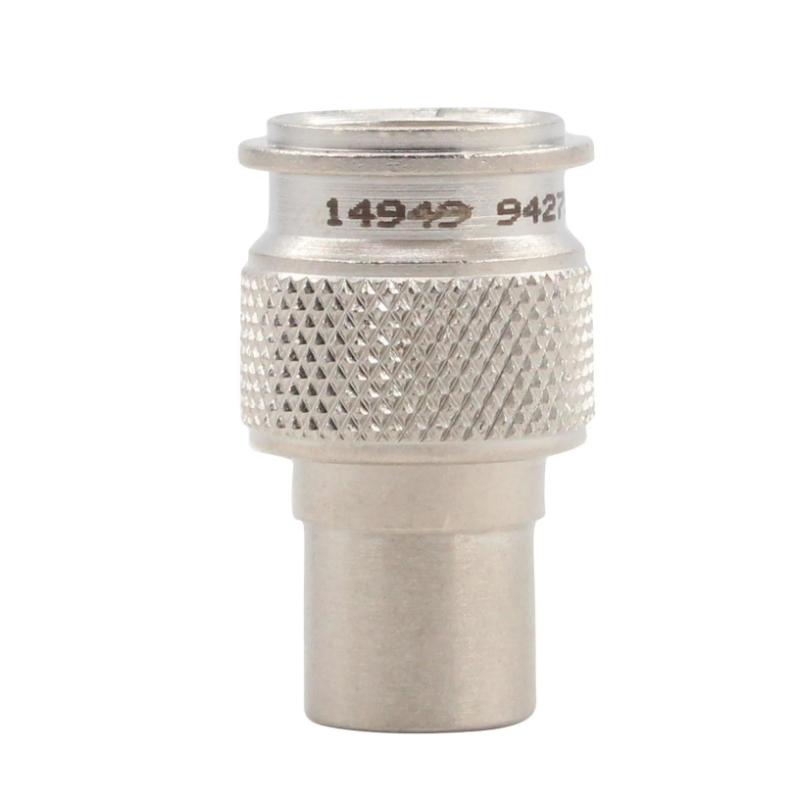
Product Overview
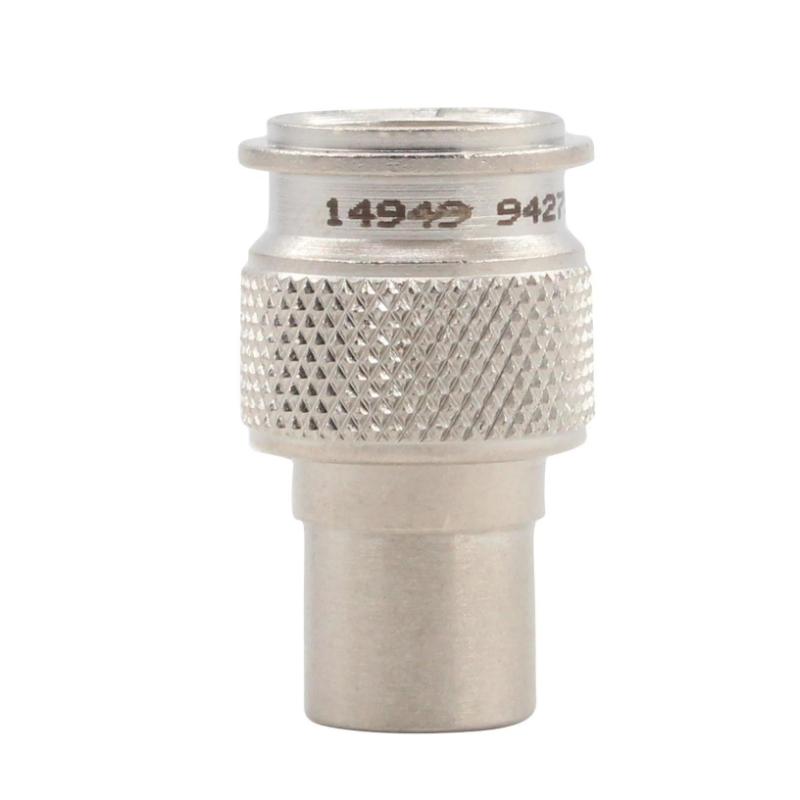
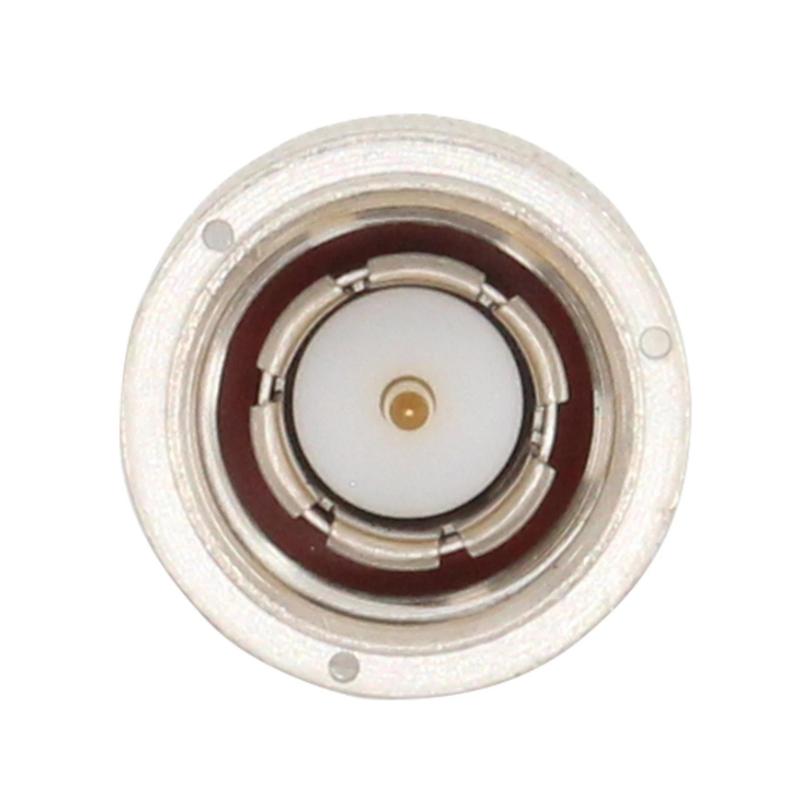
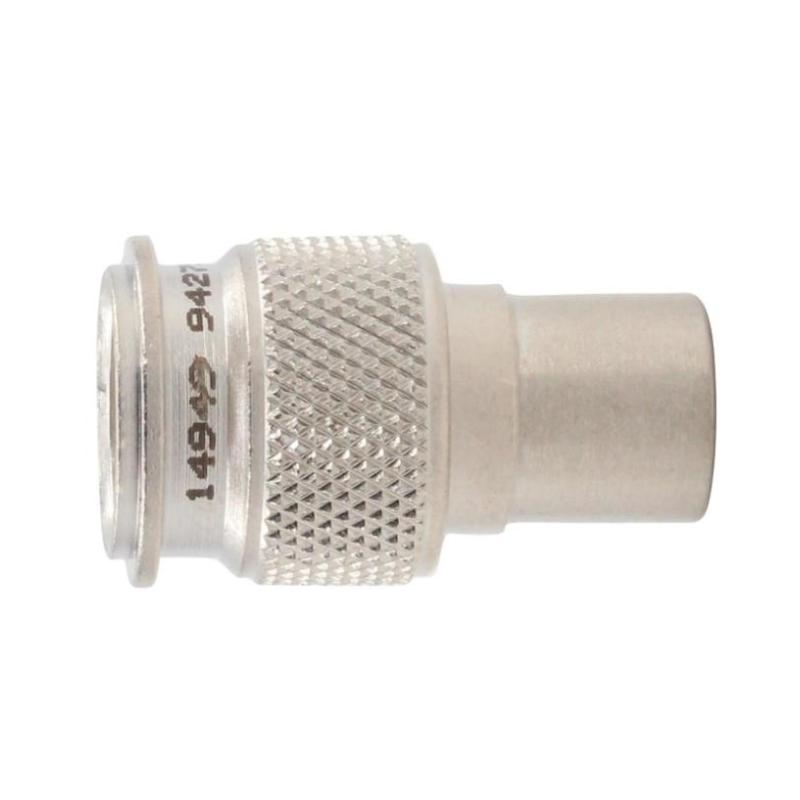
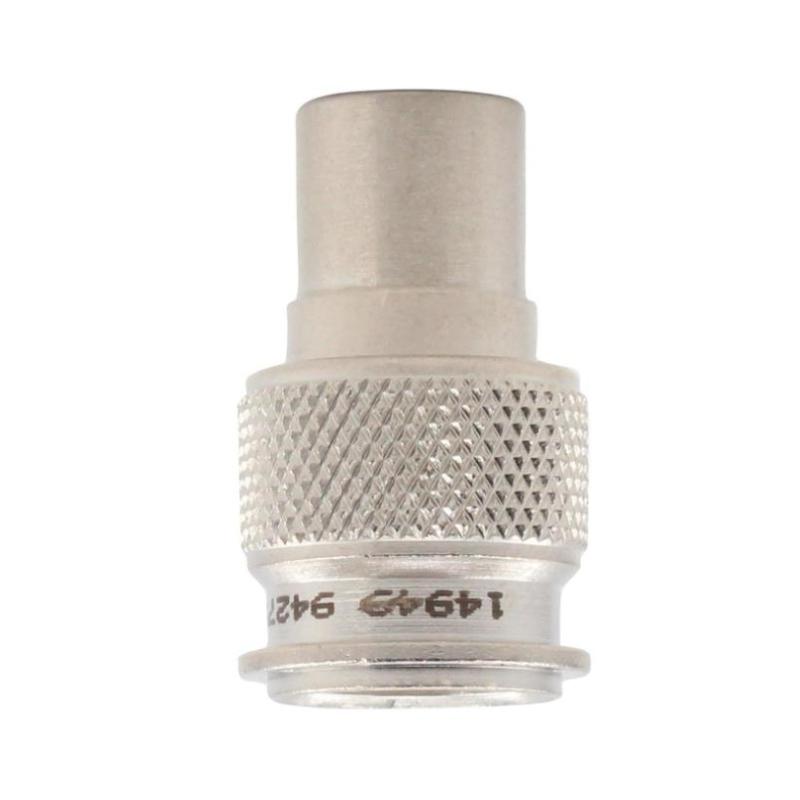
The Allen-Bradley 1786-TNCLXT4 is a 75-ohm TNC terminating plug used in ControlNet IP67 coaxial media networks. Its primary function is to terminate the physical ends of a coaxial trunk segment, preventing signal reflections that can interfere with communication between network devices.
Unlike ordinary TNC connectors such as the 1786-TNCL10 or 1786-TNCLP4, the 1786-TNCLXT4 contains an internal 75-ohm termination element. It is not intended to join two cable sections or extend a coaxial connection. Instead, it provides the electrical termination required at the boundaries of a ControlNet coaxial segment.
In a typical ControlNet installation, multiple taps are connected along a shared RG-6 coaxial trunk cable. The first and last taps in each segment have an unused trunk connection that must be terminated. The 1786-TNCLXT4 is installed at the appropriate TNC interface on these end taps.
For example, in a production-line control network containing several PLC controllers and distributed I/O stations, the coaxial trunk may pass through multiple control cabinets. Regardless of how many devices are connected along the segment, the physical ends of the trunk must have the correct termination. Without it, transmitted signals can reflect from unterminated cable ends and interfere with incoming communication signals.
The 1786-TNCLXT4 is part of the sealed ControlNet TNC media component family. Its threaded connector provides mechanical retention, while the IP67-rated connection system supports installations exposed to dust and moisture when properly mated with compatible components.
Another important selection consideration is connector compatibility. ControlNet installations using BNC media require the 1786-XT terminating resistor, whereas TNC-based installations use the 1786-TNCLXT4. Both perform 75-ohm termination, but their connector interfaces are different.
The 1786-TNCLXT4 is a passive network component. It does not require an external power supply, communicate with the controller, or perform signal amplification. Its function is specifically to maintain the correct electrical termination at the end of a ControlNet coaxial segment.
Technical Specifications
| Parameter | Specification |
|---|---|
| Manufacturer | Allen-Bradley |
| Brand | Rockwell Automation |
| Model | 1786-TNCLXT4 |
| Product Series | ControlNet |
| Product Type | ControlNet Media Connector |
| Component Type | TNC 75 Ohm Terminator Plug |
| Connector Type | TNC |
| Connection Configuration | Terminating Plug |
| Termination Impedance | 75 Ω |
| Media Type | Coaxial |
| Network Compatibility | Allen-Bradley ControlNet |
| Environmental Protection | IP67 when fully mated |
| Temperature Rating | -20 to +80°C |
| Package Quantity | 4 pieces |
| Application | ControlNet Coaxial Trunk Termination |
| Dimensions | 50 × 20 × 40 mm |
| Weight | 0.1 kg |
Product Features
- 75-Ohm Termination: Matches the required impedance of the ControlNet coaxial media system.
- TNC Plug Configuration: Provides a threaded connection for compatible TNC tap interfaces.
- Signal Reflection Control: Absorbs signal energy at the physical ends of a coaxial trunk segment.
- IP67 Media Compatibility: Supports sealed connections when fully mated with compatible components.
- Threaded Coupling: Helps maintain mechanical connection in industrial installations.
- Passive Electrical Design: Requires no external power or network configuration.
- ControlNet-Specific Application: Intended for TNC-based ControlNet coaxial network termination.
- Industrial Environmental Suitability: Supports installations where dust and moisture protection are required.
- Four-Piece Packaging: Supplied in a package containing four terminating plugs.
- BNC Alternative Available: Provides a TNC termination option alongside the BNC-based 1786-XT.
Product Working Principle
The 1786-TNCLXT4 works by providing a matched 75-ohm electrical load at the end of a ControlNet coaxial trunk segment.
ControlNet uses a shared coaxial communication medium. Electrical signals travel along the trunk cable and pass through the connected taps to reach network devices. When a signal reaches an unterminated cable end, part of its energy can be reflected back along the cable.
These reflected signals may overlap with subsequent transmissions, creating interference and potentially causing communication errors.
The 1786-TNCLXT4 addresses this problem through its internal 75-ohm termination element. When installed on the unused trunk connection of an end tap, it presents the appropriate impedance to the coaxial network and absorbs the signal energy reaching that endpoint.
A typical arrangement is:
ControlNet Trunk Cable → End Tap → 1786-TNCLXT4 (75 Ω Termination)
A complete coaxial segment requires termination at both physical ends. Therefore, two appropriate terminating resistors are normally required for each independent trunk segment.
The termination arrangement is determined by the connector type used in the network. For a TNC-based segment, the 1786-TNCLXT4 is used. For a conventional BNC-based segment, the corresponding 1786-XT is selected.
The terminator does not regenerate or amplify communication signals. It simply provides the electrical load necessary to prevent reflections and maintain the intended transmission characteristics of the coaxial network.
Role in Allen-Bradley ControlNet Network Architecture
The 1786-TNCLXT4 serves as the end-of-line termination component in Allen-Bradley ControlNet TNC coaxial networks.
In a typical ControlNet architecture, the trunk cable connects multiple taps, with each tap providing a connection point for a network device. The trunk segment must be terminated at its two physical endpoints to prevent signal reflections.
The 1786-TNCLXT4 is installed on the unused trunk connection of the end taps when the network uses TNC media interfaces.
A representative arrangement is:
1786-TNCLXT4 → End T-Tap → ControlNet RG-6 Trunk → Intermediate Taps → End T-Tap → 1786-TNCLXT4
| System Component | Function |
|---|---|
| Allen-Bradley 1786-TNCLXT4 | Provides 75-ohm termination for TNC coaxial trunk segments |
| 1786-RG6 | Provides the main ControlNet coaxial trunk cable |
| 1786-TNCJ4 | Provides a TNC jack-to-jack bullet connection |
| 1786-TNCJI4 | Provides an isolated TNC jack-to-jack bulkhead connection |
| 1786-TNCL10 | Provides a male TNC connector for coaxial cable termination |
| 1786-TNCLP4 | Provides a TNC plug-to-plug barrel connection |
| 1786-TCT2BD1 | Provides an IP67 TNC T-tap with a straight BNC drop connection |
| 1786-TPST2T | Provides a straight TNC-to-TNC ControlNet tap |
| 1786-TPRT2T | Provides a right-angle TNC-to-TNC ControlNet tap |
| 1786-XT | Provides 75-ohm termination for BNC-based ControlNet coaxial segments |
| 1786-RPFS | Provides short-distance fiber communication between ControlNet network sections |
The 1786-TNCLXT4 is a termination component rather than a cable coupling or network tap. Its position is determined by the physical boundaries of the coaxial trunk segment, not by the number or location of individual network nodes.
Industrial Applications
The 1786-TNCLXT4 is used wherever ControlNet coaxial trunk segments require proper 75-ohm termination. Its application is especially relevant in installations using sealed TNC media connections.
| Industrial Application | Typical Use |
|---|---|
| Automotive Manufacturing | Terminating ControlNet trunk segments connecting production-line PLCs and distributed I/O stations |
| Steel Manufacturing | Preventing signal reflections in coaxial communication networks serving production equipment |
| Power Generation | Maintaining proper termination in ControlNet-based plant automation networks |
| Oil and Gas Automation | Terminating TNC coaxial network segments in industrial control installations |
| Chemical Processing | Maintaining signal integrity in distributed process control networks |
| Water Treatment | Providing end-of-line termination for ControlNet communication segments |
| Packaging Machinery | Terminating coaxial network connections between machine control stations |
| Material Handling | Maintaining communication performance across conveyor control networks |
| Industrial Drive Systems | Terminating ControlNet trunk sections connecting drive control equipment |
| General Manufacturing | Supporting correct coaxial network configuration during installation and maintenance |
Installation and Maintenance
- Identify the Segment Endpoints: Determine the two physical ends of the ControlNet coaxial trunk segment before installing the terminating plugs.
- Verify Connector Compatibility: Confirm that the network uses TNC media interfaces. Do not substitute the BNC-based 1786-XT for this TNC terminating plug.
- Inspect the Terminator: Check the TNC threads, connector contacts, and housing for visible damage or contamination.
- Inspect the End Tap: Verify that the TNC interface on the selected end tap is clean and suitable for termination.
- Prepare the Connection: Remove any temporary connector or protective cap from the unused trunk interface where the terminator will be installed.
- Align the TNC Plug: Position the 1786-TNCLXT4 against the female TNC interface and ensure that the threads are correctly aligned.
- Secure the Connection: Engage the threaded coupling and tighten it according to the applicable connector installation requirements.
- Terminate the Opposite End: Install the second appropriate terminating resistor at the other physical end of the same trunk segment.
- Check Environmental Sealing: Verify that the terminator is fully mated with a compatible sealed interface to maintain the required IP67 protection.
- Inspect the Cable Arrangement: Ensure that the trunk cable and end taps are securely mounted and that no unused trunk endpoint has been left unterminated.
- Verify Network Communication: Power up or restart the network as required by the maintenance procedure and check the ControlNet communication status.
- Perform Routine Inspection: During scheduled maintenance, examine both terminators for loose connections, damaged threads, corrosion, or signs of environmental contamination.
When troubleshooting intermittent ControlNet communication, check the termination arrangement before replacing active network modules. A missing, incorrectly positioned, or incompatible terminating resistor can cause communication problems even when the controllers and network adapters are functioning normally.
Compatible System Components
| Component | Function |
|---|---|
| Allen-Bradley 1786-TNCLXT4 | TNC 75-ohm terminating resistor plug |
| Allen-Bradley 1786-XT | BNC 75-ohm ControlNet terminating resistor |
| Allen-Bradley 1786-RG6 | Standard ControlNet RG-6 coaxial cable |
| Allen-Bradley 1786-TNCJ4 | TNC jack-to-jack bullet connector |
| Allen-Bradley 1786-TNCJI4 | Isolated TNC jack-to-jack bulkhead connector |
| Allen-Bradley 1786-TNCL10 | TNC coaxial cable connector plug |
| Allen-Bradley 1786-TNCLP4 | TNC plug-to-plug barrel connector |
| Allen-Bradley 1786-TCT2BD1 | IP67 TNC tap with straight BNC drop connector |
| Allen-Bradley 1786-TPST2T | Straight TNC-to-TNC ControlNet tap |
| Allen-Bradley 1786-TPRT2T | Right-angle TNC-to-TNC ControlNet tap |
Recommended Related Models
| Model / Product | Product Type | Typical Application |
|---|---|---|
| Allen-Bradley 1786-XT | ControlNet BNC 75-Ohm Terminator | Terminating BNC-based coaxial trunk segments |
| Allen-Bradley 1786-TNCL10 | ControlNet Media TNC Connector Plug | Preparing TNC coaxial cable connections |
| Allen-Bradley 1786-TNCLP4 | ControlNet TNC Plug-to-Plug Connector | Joining compatible female TNC interfaces |
| Allen-Bradley 1786-TNCJ4 | ControlNet TNC Jack-to-Jack Connector | Providing inline TNC cable connections |
| Allen-Bradley 1786-TNCJI4 | ControlNet Isolated TNC Jack-to-Jack Connector | Providing isolated panel bulkhead connections |
| Allen-Bradley 1786-TCT2BD1 | ControlNet Media IP67 TNC Connector Tap | Connecting network devices to sealed ControlNet media |
Key Advantages
- 75-ohm termination matched to the ControlNet coaxial media system.
- Male TNC plug configuration for compatible end taps.
- Helps prevent signal reflections at trunk segment endpoints.
- IP67 protection when fully mated with compatible interfaces.
- Threaded coupling for secure mechanical installation.
- Passive operation without external power.
- Four-piece package for multiple termination points or maintenance requirements.
Technical FAQs
1. Why does the ControlNet network require the 1786-TNCLXT4?
ControlNet coaxial trunk segments require matched termination at both physical ends. Without proper termination, electrical signals can reflect from open cable endpoints and interfere with subsequent transmissions. The 1786-TNCLXT4 provides the required 75-ohm load for TNC-based media connections.
2. How many 1786-TNCLXT4 terminators are required for one ControlNet segment?
A standard coaxial segment requires two terminating resistors, one at each physical end of the trunk cable. The exact number of TNC terminators depends on the number of independently terminated TNC-based segments in the network.
3. What is the difference between the 1786-TNCLXT4 and 1786-XT?
Both components provide 75-ohm termination, but their connector interfaces are different. The 1786-TNCLXT4 uses a threaded TNC connection for IP67 media installations, while the 1786-XT is the BNC terminating resistor used with conventional ControlNet coaxial taps.
4. Can the 1786-TNCLXT4 be installed on an intermediate ControlNet tap?
The terminator should be installed at the physical endpoint of the coaxial trunk segment, not on an intermediate tap that continues the trunk cable. Installing termination at the wrong location can interfere with the intended network configuration.