

ProductPRODUCT
Featured products
Contact Us
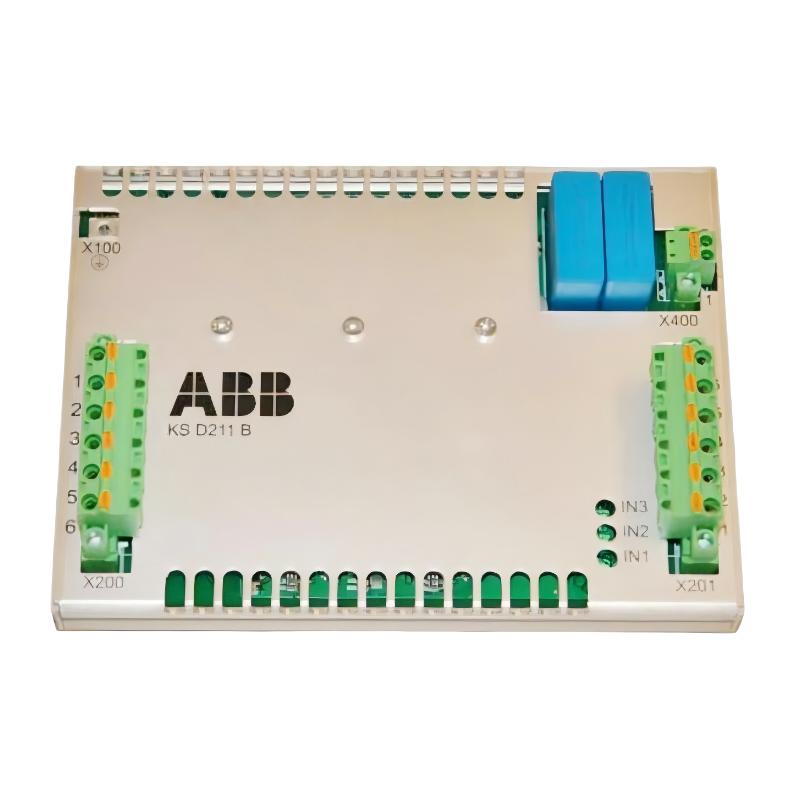
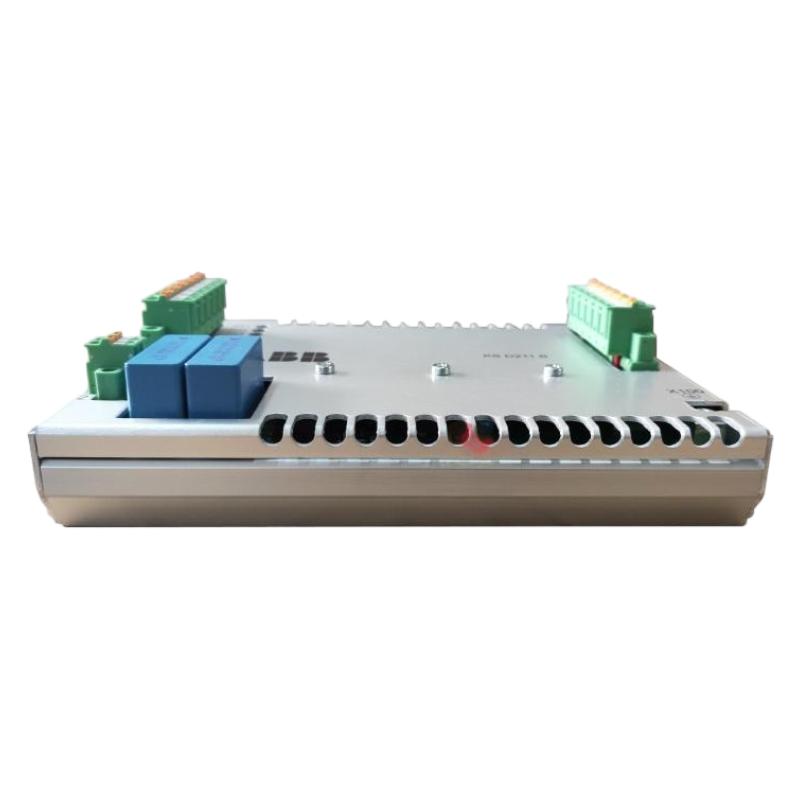
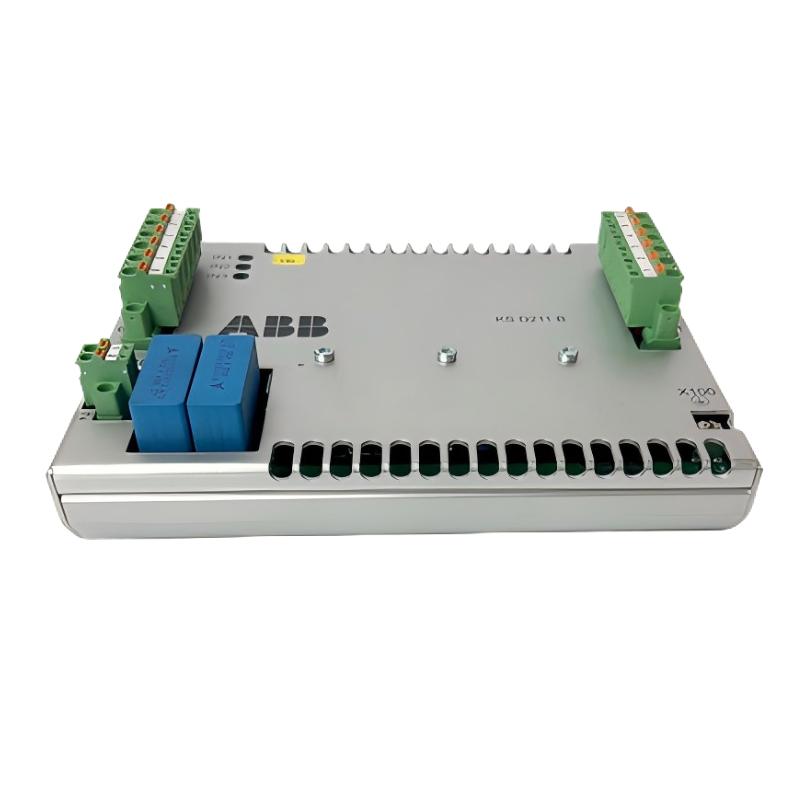
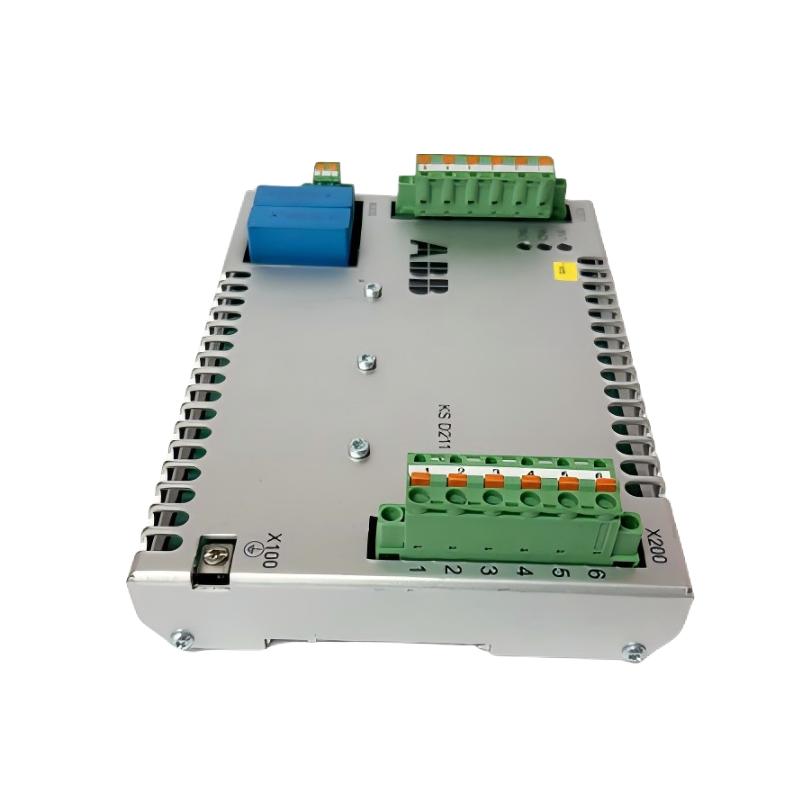
- ABB
- KSD211B 3BHE022455R1101
- Input Coupling Unit
- Sweden (SE)
- 120× 165 × 50 mm
- 0.5 kg
- Xiamen, China
- New & In Stock
- T/T, PayPal, Western Union
- 1 Year
- 1-3 Working Days
- DHL, UPS, TNT, FedEx and EMS.
- 24-Hour Service
- COO
- 98
Our advantage

Global Logistics
We have a 10-year logistics and express cooperation agreement, so our products can be shipped to any place in the world.

Brand new and original
Our products are imported in bulk from the place of origin. Because of the cooperative relationship, our products are all original and 100% new.

24-hour service
We provide 7*24 hours service to our customers. We will be there whenever you need us.

Price advantage
All our products are priced very favorably because we have our own warehouse and supply.
| Company Information | |||
| [email protected] | |||
| Mobile | +8615980777398 | ||
| +8615980777398 | |||
| 15980777398 |
Introduction
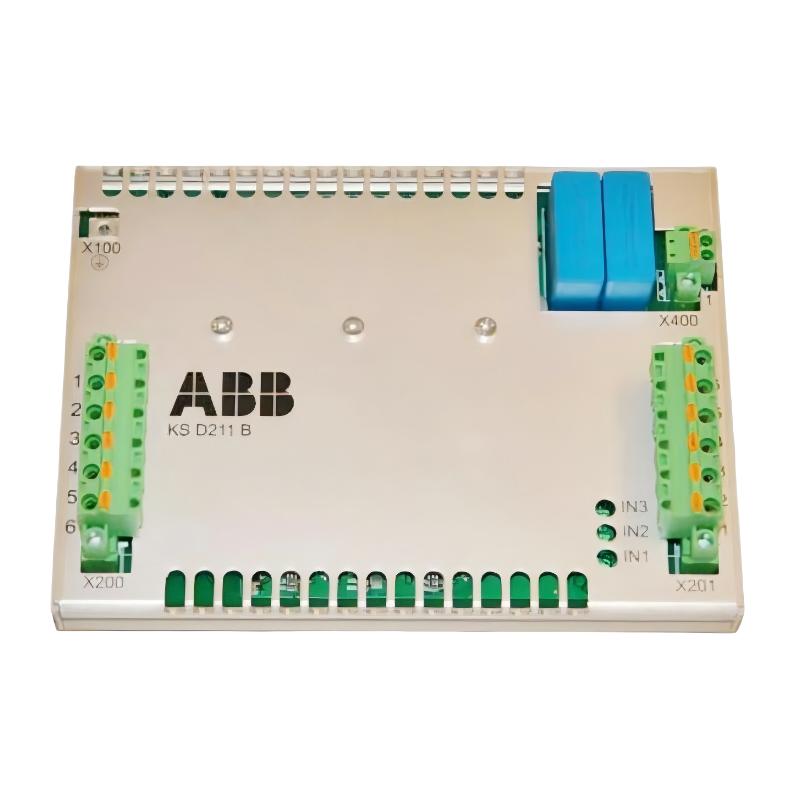
The ABB KSD211B (3BHE022455R1101) is an industrial input coupling unit designed to support signal interface and communication within ABB automation and power electronics systems. This module plays an important role in linking external input signals with internal control circuits, ensuring accurate signal transmission and stable system operation.
In complex industrial automation environments, input coupling units are essential for safely transferring signals between field devices and control platforms. They help isolate, condition, and transmit input data so that controllers and monitoring systems can interpret operational information reliably.
The KSD211B module is commonly integrated into industrial drive systems, converter platforms, and automation control architectures, where dependable signal coupling is necessary for maintaining system coordination and control accuracy.
Technical Specifications
| Parameter | Specification |
|---|---|
| Manufacturer | ABB |
| Model | KSD211B |
| Part Number | 3BHE022455R1101 |
| Product Type | Input Coupling Unit |
| Function | Signal interface and input coupling |
| Installation Type | Internal automation system module |
| Interface Type | Industrial signal interface |
| Application Systems | Industrial drives and automation control equipment |
| Dimensions | 120 × 165 × 50 mm (H x W x D) |
| Weight | 0.5 kg |
| Operating Environment | Industrial automation installations |
| Mounting | Integrated module installation |
Product Overview
The ABB KSD211B input coupling unit is designed to provide a reliable interface between external input signals and internal automation controllers. In industrial control environments, signals from sensors, switches, and monitoring devices must be properly conditioned before reaching the main control system.
This coupling unit ensures that incoming signals are accurately transferred while protecting sensitive control electronics from electrical disturbances. By stabilizing the signal interface, the module contributes to precise system monitoring and control.
Core functions of the unit include:
-
Receiving and coupling external input signals
-
Supporting communication between field devices and controllers
-
Providing signal conditioning and interface support
-
Ensuring stable data transfer within automation systems
Because of these capabilities, the KSD211B is widely used in systems where reliable input signal handling is essential for operational safety and performance.
Applications
Industrial Drive Platforms
Motor drive systems require accurate signal input from sensors and monitoring equipment to maintain stable speed and torque control.
Automation Control Systems
Input coupling units are used in automated production lines where sensor data must be transmitted to control processors.
Power Converter Equipment
Converters and inverters depend on input modules to receive operational data used for system regulation.
Process Industry Installations
Facilities such as chemical plants, energy production sites, and water treatment systems rely on reliable signal interfaces to monitor and control complex processes.
Infrastructure and Energy Systems
Automation systems used in substations and electrical distribution networks require dependable signal communication between field devices and control platforms.
Advantages
Reliable Signal Interface
Ensures accurate and stable transmission of input signals between external devices and internal controllers.
Industrial System Compatibility
Designed to integrate with ABB automation systems and industrial drive platforms.
Robust Design
Engineered for continuous operation in demanding industrial environments.
Improved Control Accuracy
Stable signal coupling helps maintain precise monitoring and operational control.
Efficient System Integration
The modular design simplifies installation and maintenance within automation equipment.
Compatible Modules and System Components
The KSD211B input coupling unit typically operates within larger automation platforms alongside several other ABB system modules.
| Module | Product Type | Function |
|---|---|---|
| ABB PEC Controller | Power Electronics Controller | Central automation control |
| ABB Drive Control Boards | Control PCB | Motor drive regulation |
| ABB Interface Modules | Communication Module | Data transmission |
| ABB Industrial Drives | Drive System | Motor speed and torque control |
| ABB Signal Interface Boards | Interface PCB | Sensor and input signal processing |
These components together form an integrated automation system capable of controlling complex industrial operations.
Recommended Alternative Models
For similar signal interface applications or system configuration changes, several related ABB modules may also be considered.
| Model | Product Type | Application | Key Feature |
|---|---|---|---|
| ABB KSD211A | Input Coupling Module | Automation systems | Stable signal interface |
| ABB KSD212B | Signal Interface Unit | Drive platforms | Enhanced signal processing |
| ABB KSD213A | Input Interface Module | Industrial control systems | Improved compatibility |
| ABB KSD214B | Coupling Interface Board | Converter systems | High reliability |
| ABB KSD215A | Industrial Input Module | Automation equipment | Robust industrial design |
Technical FAQs
What is the function of the ABB KSD211B module?
It is an input coupling unit used to transmit and condition input signals between external devices and internal automation control systems.
Where is the KSD211B commonly installed?
The module is typically installed in industrial drive systems, converter platforms, and automation control equipment.
Why are input coupling units important in automation systems?
They ensure reliable signal transmission from sensors and field devices to control processors, enabling accurate system monitoring.
Can the KSD211B be replaced during maintenance?
Yes, it is designed as a modular component and can be replaced during maintenance to restore normal system functionality.