

ProductPRODUCT
Featured products
Contact Us
- ABB
- 5SDF0260D0001 3BHL000206P0001
- Industrial Rectifier Diode
- Sweden (SE)
- 38 mm
- 0.51 kg
- Xiamen, China
- New & In Stock
- T/T, PayPal, Western Union
- 1 Year
- 1-3 Working Days
- DHL, UPS, TNT, FedEx and EMS.
- 24-Hour Service
- COO
- 7
Our advantage

Global Logistics
We have a 10-year logistics and express cooperation agreement, so our products can be shipped to any place in the world.

Brand new and original
Our products are imported in bulk from the place of origin. Because of the cooperative relationship, our products are all original and 100% new.

24-hour service
We provide 7*24 hours service to our customers. We will be there whenever you need us.

Price advantage
All our products are priced very favorably because we have our own warehouse and supply.
| Company Information | |||
| [email protected] | |||
| Mobile | +8615980777398 | ||
| +8615980777398 | |||
| 15980777398 |
Product Overview
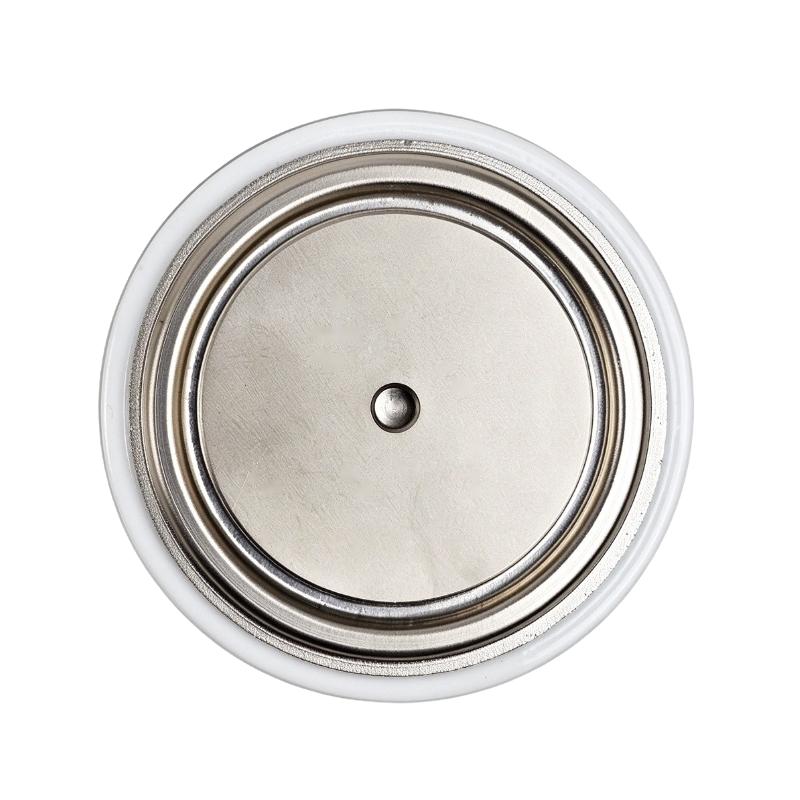
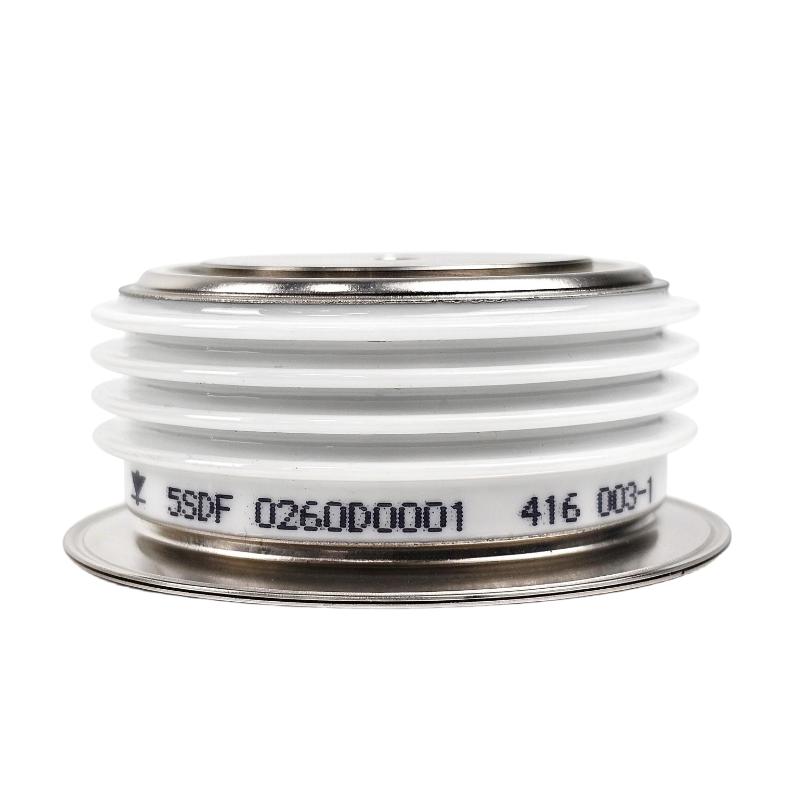
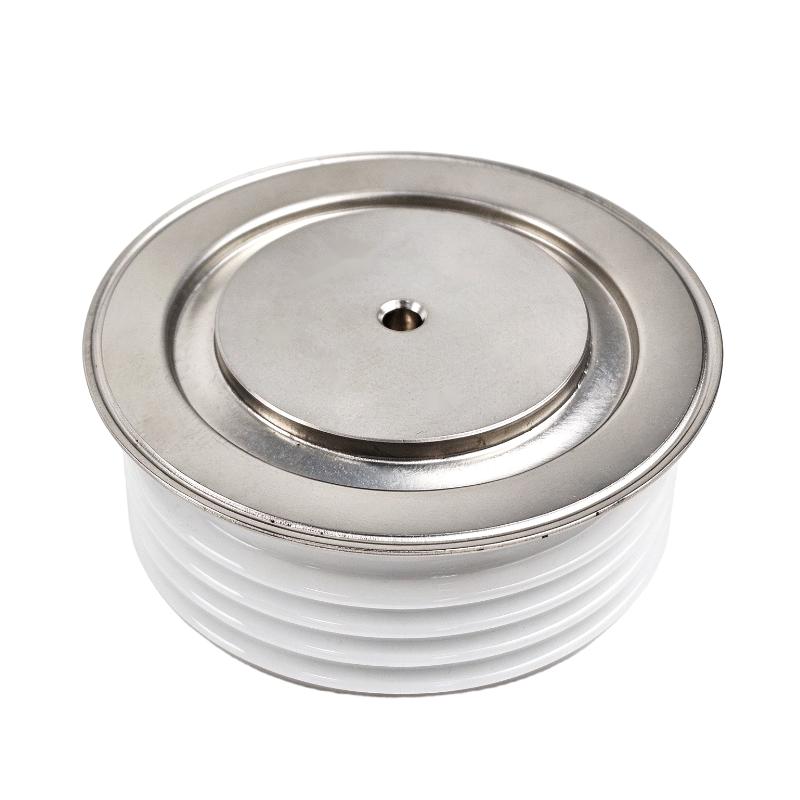
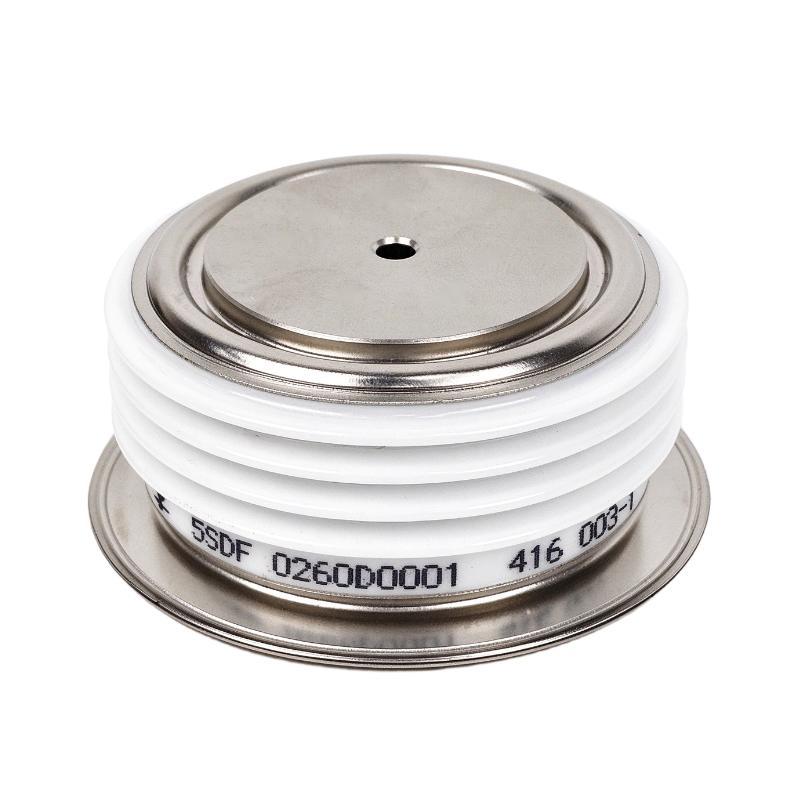
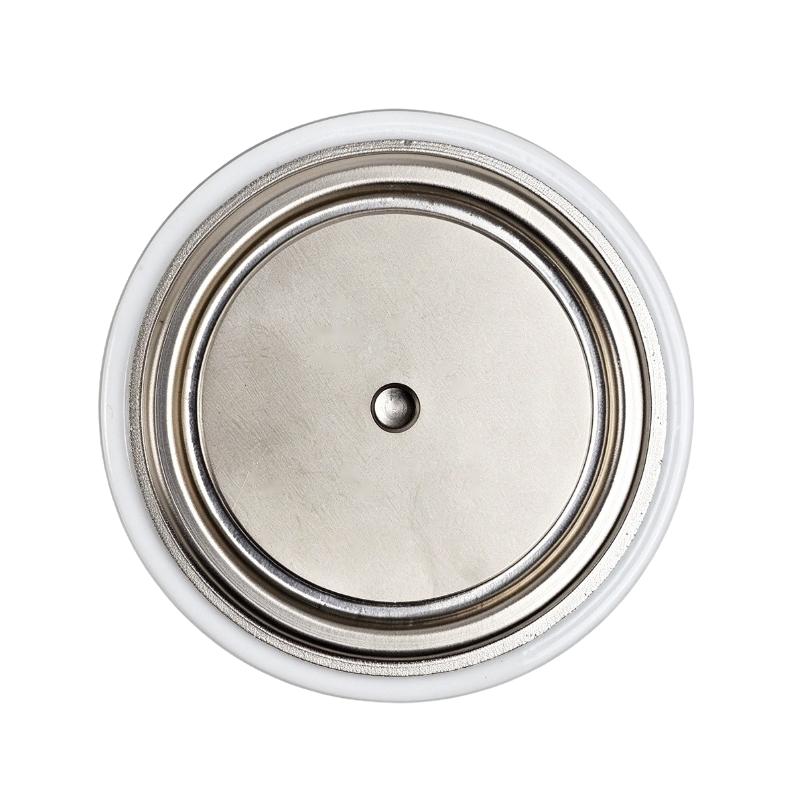
The ABB 5SDF0260D0001, associated with ordering number 3BHL000206P0001, is an industrial rectifier diode used in high-voltage power conversion circuits. It is identified as a 38 mm, 6 kV diode for industrial rectifier applications, where controlled current paths and reverse-voltage blocking are essential to the operation of the power electronic assembly.
In an industrial drive or a high-power conversion cabinet, rectifier diodes form part of the semiconductor network that converts electrical power from one form to another. Their electrical characteristics affect current flow, voltage distribution, heat generation, and the overall operating conditions of the rectifier assembly. During maintenance, engineers need to match the replacement diode to the original electrical rating and mounting arrangement rather than relying on its physical diameter alone.
This component is a power semiconductor rather than a complete rectifier module. It performs the one-way conduction function within the circuit, while the surrounding assembly provides the electrical connections, mechanical support, cooling, insulation, and protection required for operation. Its suitability for a particular installation depends on the circuit topology and the diode’s specified electrical and thermal limits.
The two identifiers, 5SDF0260D0001 and 3BHL000206P0001, should be retained when checking parts records and replacement requirements. The first identifies the diode type, while the second is an associated ABB ordering number. Both are useful when distinguishing the required component from other high-voltage rectifier devices.
For maintenance teams, the main selection considerations are the rated reverse voltage, forward-current requirements, mounting interface, thermal contact, and electrical clearances. These details must match the equipment in which the diode operates.
Technical Specifications
| Parameter | Specification |
|---|---|
| Manufacturer | ABB |
| Model | 5SDF0260D0001 |
| Ordering Number | 3BHL000206P0001 |
| Product Type | Industrial Rectifier Diode |
| Component Category | Power Semiconductor Diode |
| Nominal Voltage Class | 6 kV |
| Forward Current Rating | 8 A |
| Diameter | 38 mm |
| Weight | 0.51 kg |
Product Features
- High-voltage rectification: Intended for rectifier circuits operating within the specified 6 kV voltage class.
- Unidirectional current conduction: Allows current to flow in the forward direction under suitable operating conditions while blocking reverse current within its rated limits.
- Power semiconductor construction: Functions as an individual semiconductor component within a larger power conversion assembly.
- Defined mounting diameter: The 38 mm diameter is a key mechanical reference when checking the existing installation and replacement interface.
- Circuit-level integration: Operates as part of a rectifier or power electronic network rather than independently controlling or regulating the complete system.
- Rating-specific replacement: The full model and ordering number help engineers identify the intended diode when matching electrical characteristics and mechanical requirements.
- Thermal management requirements: Heat generated during forward conduction must be dissipated through the mounting and cooling arrangement specified for the equipment.
Working Principle
The ABB 5SDF0260D0001 uses the electrical behavior of a semiconductor junction to conduct current primarily in one direction. When the diode is forward-biased and the applied conditions are within its operating limits, current can pass through the device. When reverse-biased, the junction blocks current until the reverse-voltage limit is approached.
Within a rectifier circuit, this behavior allows the diode to conduct during the appropriate part of the electrical cycle and block current during the opposite polarity. The surrounding circuit determines how the diode contributes to the conversion process.
The basic current path is:
AC or Pulsating Electrical Supply → Rectifier Diode Network → DC Circuit or Power Conversion Stage
The diode does not regulate output voltage by itself. Output characteristics depend on the complete circuit, including the supply, rectifier topology, connected load, and any additional filtering or control equipment.
During forward conduction, the diode dissipates power due to its forward voltage drop and current. The resulting heat must be transferred through the specified mounting interface into the equipment’s cooling arrangement. Poor thermal contact, unsuitable mounting pressure, or inadequate cooling can raise junction temperature and shorten component service life.
Reverse-voltage conditions are equally important. The diode must withstand the voltage imposed by the circuit, including relevant transient conditions, without exceeding its specified rating. Engineers should therefore verify the electrical design and protection arrangement before replacing the component.
Role in the Power Conversion Architecture
The 5SDF0260D0001 occupies the semiconductor conduction stage of a rectifier assembly. Its behavior helps determine when current can flow through the circuit and when reverse current is blocked.
| System Element | Function |
|---|---|
| AC or Pulsating Supply | Provides the electrical input to the conversion circuit |
| ABB 5SDF0260D0001 Diode | Conducts forward current and blocks reverse current within its operating limits |
| Rectifier Network | Arranges semiconductor devices to obtain the required current path |
| Electrical Busbars and Connections | Carry current between semiconductor devices and the rest of the circuit |
| Mounting and Cooling Assembly | Provides mechanical support and removes heat from the semiconductor |
| Protection Components | Limit or interrupt electrical stress according to the equipment design |
| DC Circuit or Connected Load | Receives power from the rectifier arrangement |
| Monitoring and Protection System | Monitors relevant electrical and thermal conditions where provided |
In a rectifier cabinet, a diode failure can affect the current path and may cause abnormal current distribution, loss of conversion performance, or protective trips. Troubleshooting should include the surrounding circuit and other semiconductor devices rather than treating the diode as an isolated part.
Industrial Applications
| Application | Practical Use |
|---|---|
| Industrial Rectifier Assemblies | Provides one-way current conduction within rectifier circuits |
| High-Voltage Power Conversion | Supports conversion circuits operating within the device’s specified voltage class |
| Industrial Drive Equipment | Serves as a semiconductor component in compatible power conversion arrangements |
| Power Electronic Cabinets | Forms part of the rectifier network and its associated electrical connections |
| DC Power Systems | Supports rectification where the electrical design matches the diode’s ratings |
| Industrial Equipment Overhauls | Replaces a failed semiconductor after electrical and mechanical compatibility checks |
| Preventive Maintenance | Supports inspection and testing of rectifier components during scheduled maintenance |
Installation and Maintenance
- Verify the complete part number: Confirm both 5SDF0260D0001 and 3BHL000206P0001 against the equipment documentation and installed component identification.
- Isolate the power circuit: Follow the equipment’s approved shutdown, isolation, and discharge procedures before handling the diode. Verify the absence of hazardous voltage using suitable test equipment.
- Check electrical ratings: Confirm the voltage class and current requirements against the original circuit design. Do not substitute a diode based only on its nominal diameter.
- Inspect the mounting interface: Check the contact surface for contamination, corrosion, unevenness, or mechanical damage that could affect installation or heat transfer.
- Verify mechanical compatibility: Confirm the mounting arrangement, contact geometry, and clearances against the existing assembly before fitting the replacement.
- Prepare the thermal contact: Clean and prepare the mounting surfaces according to the equipment’s specified procedure. Use thermal interface materials only where the original assembly requires them.
- Follow the specified fastening procedure: Apply the prescribed mounting method and tightening requirements. Do not invent a torque value when the applicable installation documentation is unavailable.
- Inspect electrical connections: Check the terminals, busbars, and contact surfaces for signs of overheating, pitting, or loosening. Correct connection defects before returning the assembly to service.
- Check polarity and circuit position: Confirm that the replacement diode is installed in the correct orientation and position within the rectifier network.
- Evaluate cooling conditions: Inspect the associated heatsink, cooling passages, and thermal interfaces for blockage or deterioration. The cooling arrangement must meet the equipment’s operating requirements.
- Perform electrical checks: Use the approved test procedure to assess the diode and associated circuit. Ensure that test methods and applied voltages are suitable for the component.
- Record replacement details: Document the installed part number, inspection results, and relevant commissioning measurements to support future maintenance and fault diagnosis.
Compatible System Components
| Component | Function |
|---|---|
| Rectifier Busbars | Provide electrical connections between semiconductor devices |
| Semiconductor Mounting Assembly | Secures the diode within the power conversion equipment |
| Heatsink or Cooling Structure | Removes heat generated during forward conduction |
| Electrical Insulation Components | Maintain the required electrical separation within the assembly |
| Overcurrent Protection | Limits damage from abnormal current conditions according to the circuit design |
| Surge Protection Components | Help manage transient electrical stresses where specified |
| Rectifier Monitoring Equipment | Monitors electrical or thermal conditions where included in the system |
Recommended Related Models
| Model | Product Type | Selection Consideration |
|---|---|---|
| ABB 5SDF0260D0001 / 3BHL000206P0001 | 38 mm, 6 kV Diode | Reference model for the specified rectifier application |
| ABB 5SDD0760D0001 | 38 mm, 6 kV Rectifier Diode | Compare forward-current characteristics and semiconductor technology |
| ABB 5SDD1060F0001 | 50 mm, 6 kV Rectifier Diode | Consider for applications requiring a different current rating and mounting format |
| ABB 5SDF0345D0006 / 3BHL000200P0001 | Press-Pack Diode | Related power semiconductor; verify voltage, current, and mounting requirements |
| ABB 5SDF0460F0001 | 51 mm, 6 kV Diode | Compare electrical ratings and mechanical interface |
| ABB 5SDF0545F0001 | 51 mm, 45 kV Diode | Relevant to higher-voltage applications, subject to circuit requirements |
| ABB 5SDA0738D0001 | 32 mm, 38 kV Diode | A different voltage and mounting class for comparison |
| ABB 5SDF02D6002 | Fast Recovery Diode | Related fast-recovery semiconductor; verify the complete electrical specification |
| ABB 5SDF02D6004 | Fast Recovery Diode | Compare blocking voltage, current rating, and switching characteristics |
| ABB 5SDF03D4501 | Fast Recovery Diode | Related fast-recovery diode for specification-based comparison |
| ABB 5SDF03D4502 | Fast Recovery Diode | Check the voltage class, forward-current rating, and package compatibility |
| ABB 5SDF04F6004 | Fast Recovery Diode | Consider where fast-recovery characteristics are required |
| ABB 5SDF05F4502 | Fast Recovery Diode | Compare current capability and voltage rating for the intended circuit |
| ABB 5SDF08H6005 | Fast Recovery Diode | Higher-current fast-recovery family member; verify the full rating and housing |
Key Advantages
- One-way current conduction for compatible rectifier circuits.
- Identifiable 6 kV voltage class and 8 A current rating.
- 38 mm diameter for mechanical identification and mounting checks.
- Individual semiconductor construction for integration into power conversion equipment.
- Full model and ordering number for spare-parts identification.
Technical FAQs
What do the two numbers 5SDF0260D0001 and 3BHL000206P0001 identify?
They are associated identifiers for the same ABB industrial rectifier diode. Retaining both numbers helps match the component against equipment records and spare-parts requirements.
Can this diode be replaced with another 38 mm rectifier diode?
Not on diameter alone. The replacement must also match the required voltage and current ratings, semiconductor characteristics, mounting interface, thermal requirements, and circuit position.
Why is thermal contact important when installing the diode?
Forward current produces heat inside the semiconductor. The mounting interface transfers this heat to the cooling structure, so contamination, poor contact, or an incorrect installation can cause excessive operating temperature.
What should be checked if a rectifier circuit trips after diode replacement?
Check the diode’s orientation, electrical connections, insulation, cooling arrangement, and condition of the surrounding semiconductor network. Testing should follow the equipment’s approved procedures before the circuit is energized again.