

ProductPRODUCT
Featured products
Contact Us
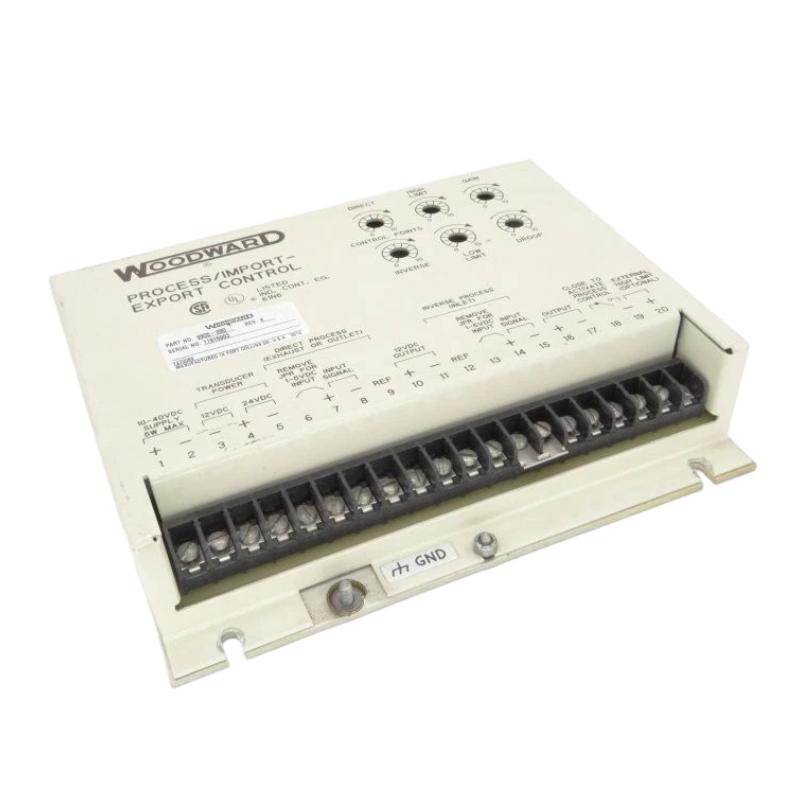
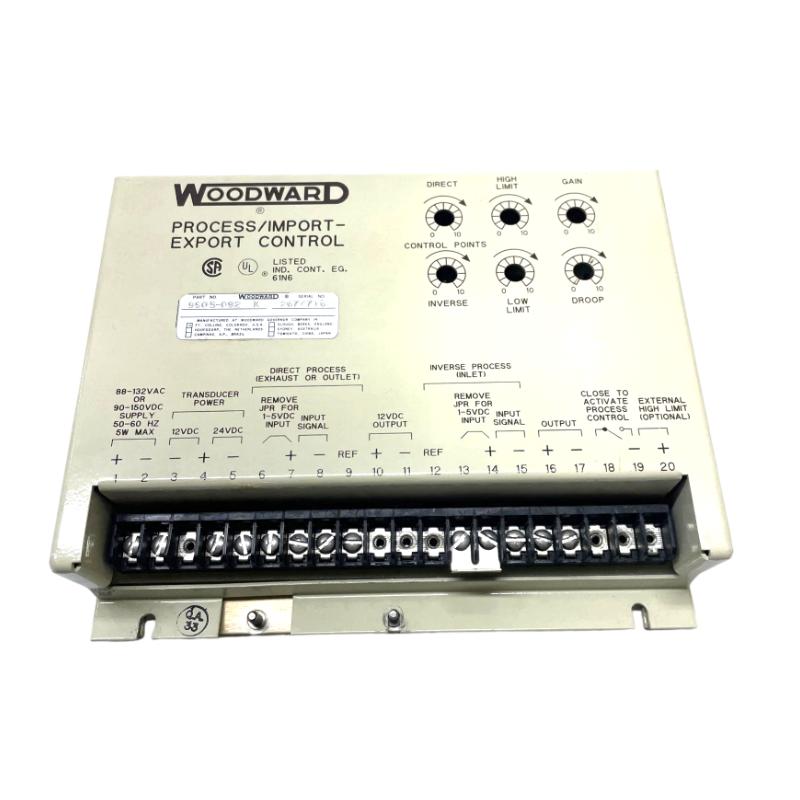
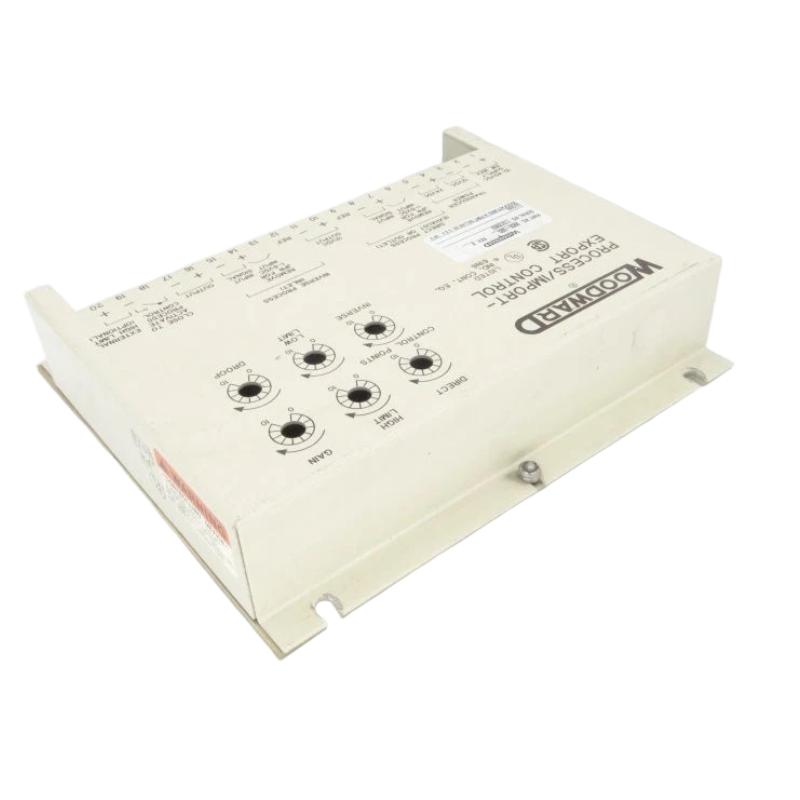
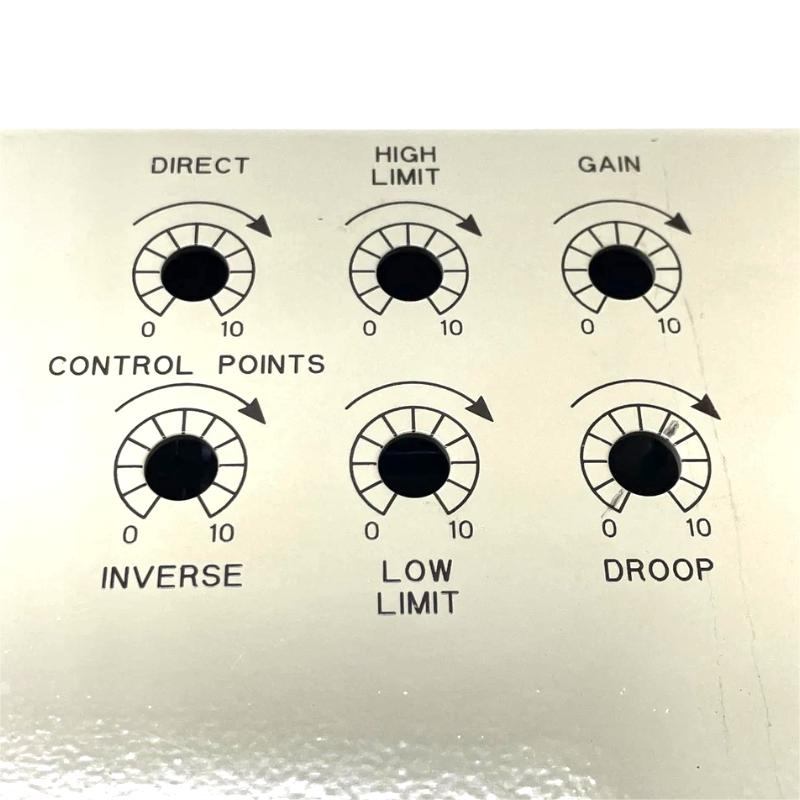
- Woodward
- 9905-946
- Automatic Synchronizer
- USA
- 187 x 124 x 84 mm
- 1.36 kg
- Xiamen, China
- New & In Stock
- T/T, PayPal, Western Union
- 1 Year
- 1-3 Working Days
- DHL, UPS, TNT, FedEx and EMS.
- 24-Hour Service
- COO
- 8
Our advantage

Global Logistics
We have a 10-year logistics and express cooperation agreement, so our products can be shipped to any place in the world.

Brand new and original
Our products are imported in bulk from the place of origin. Because of the cooperative relationship, our products are all original and 100% new.

24-hour service
We provide 7*24 hours service to our customers. We will be there whenever you need us.

Price advantage
All our products are priced very favorably because we have our own warehouse and supply.
| Company Information | |||
| [email protected] | |||
| Mobile | +8615980777398 | ||
| +8615980777398 | |||
| 15980777398 |
Product Overview
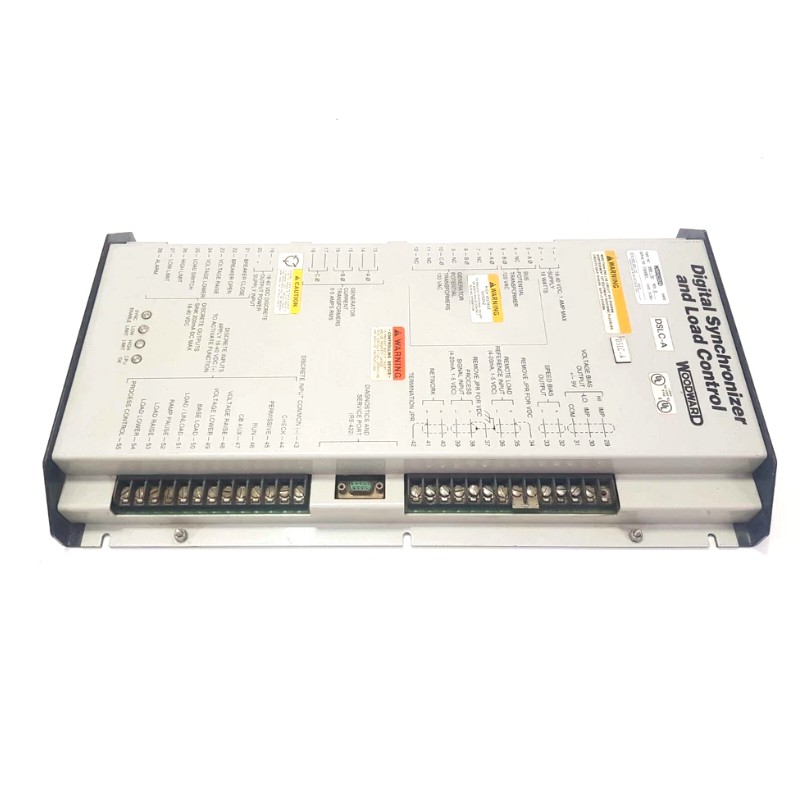
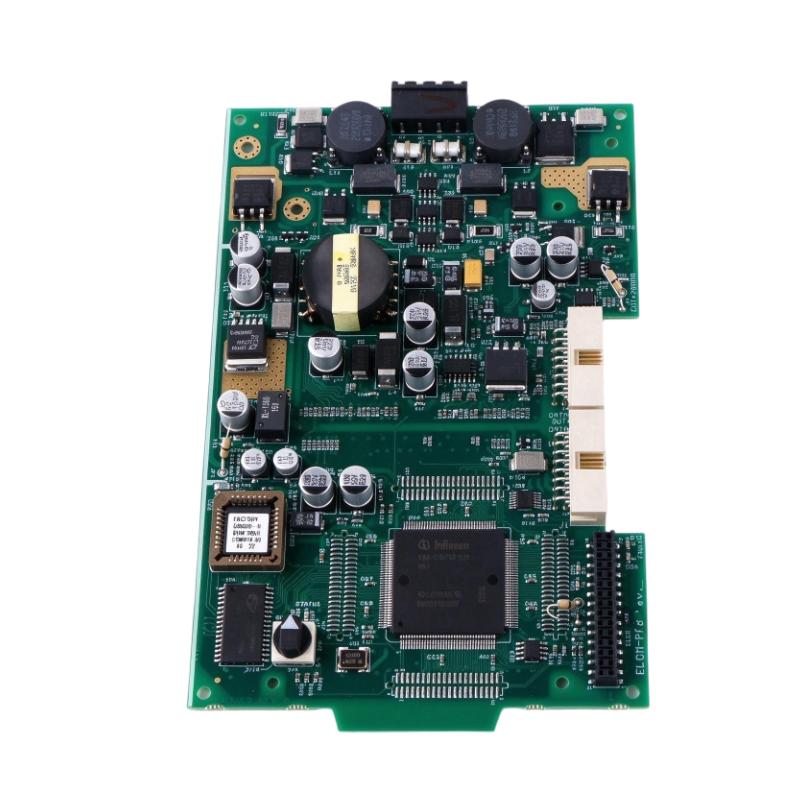
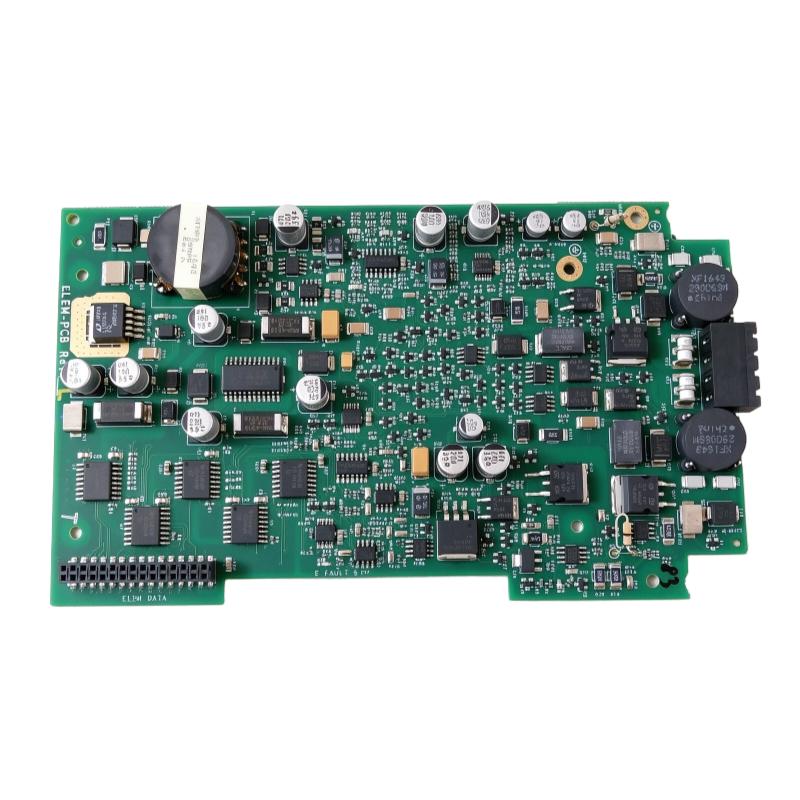
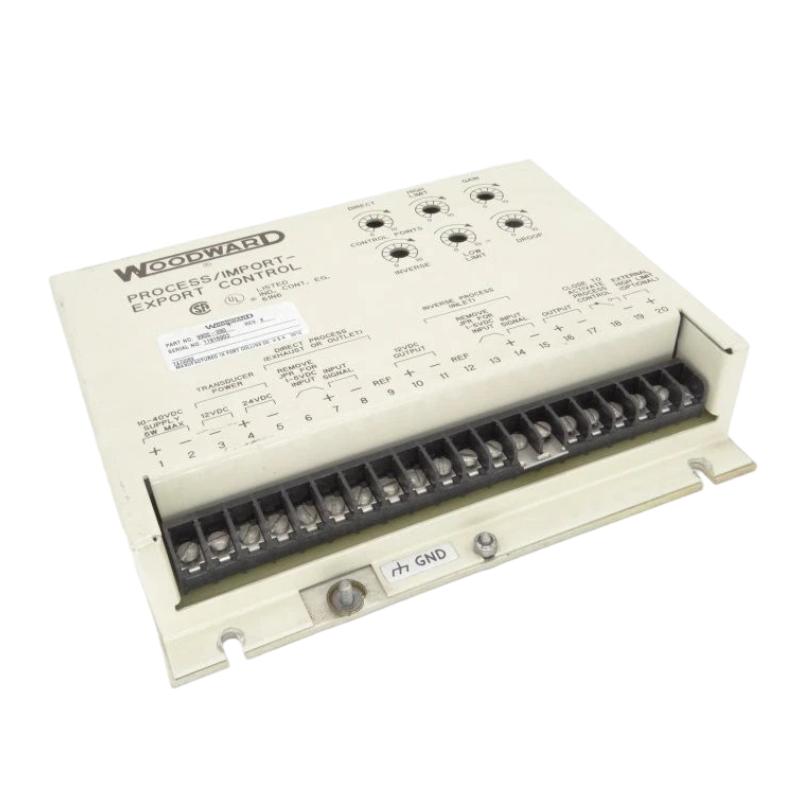
The Woodward 9905-946 Automatic Synchronizer is an industrial control component identified for generator synchronization applications. Automatic synchronizers are used in power generation systems to coordinate an incoming generator with an energized electrical bus before the generator circuit breaker is closed.
When multiple generators operate in parallel, their electrical outputs must be synchronized. The incoming generator must reach an appropriate operating frequency, phase relationship, and voltage condition before connection. If these conditions are not properly coordinated, closing the breaker can produce electrical and mechanical disturbances that may affect the generator, prime mover, switchgear, and connected power system.
An automatic synchronizer supports this process by monitoring electrical conditions and issuing control signals to the generator’s speed-control and, where supported, voltage-regulation systems. Depending on the specific synchronizer configuration, it can also provide a breaker-closing command when the required synchronization conditions are satisfied.
Woodward supplies synchronization and generator-control equipment for industrial power generation, engine-driven generator sets, and power management applications. Its synchronizer product families are designed to work with compatible governor, load-sharing, voltage-regulation, and switchgear equipment.
The 9905-946 should be identified by its complete part number and revision. Its exact electrical ratings, terminal arrangement, voltage-matching capability, and compatible control systems should be confirmed from the unit’s nameplate and corresponding technical documentation before installation or replacement. Specifications published for other Woodward synchronizer models should not automatically be applied to this part number.
For maintenance teams and industrial spare-parts buyers, accurate model identification is especially important. Synchronizer configurations can differ in input voltage, phase-matching window, voltage-matching function, output type, and breaker-control arrangement.
Technical Specifications
| Parameter | Specification |
|---|---|
| Brand | Woodward |
| Manufacturer | Woodward |
| Model | 9905-946 |
| Product Type | Automatic Synchronizer |
| Application | Generator synchronization |
| Main Function | Synchronization of incoming generator with electrical bus |
| Control Purpose | Frequency and phase coordination before generator paralleling |
| Voltage Matching | Confirm exact configuration from nameplate and documentation |
| Synchronization Window | Confirm exact model specification |
| Electrical Inputs | Verify according to the applicable product documentation |
| Control Outputs | Verify terminal configuration and compatible governor system |
| Breaker Control | Confirm whether a dedicated breaker-close output is provided |
| Dimensions Provided | 187 × 124 × 84 mm |
| Weight Provided | 1.36 kg |
| Typical Installation | Generator control panel or switchgear control system |
Important: The dimensions and weight above are the supplied listing values. The available Woodward SPM-A documentation does not establish that model 9905-946 shares the specifications of other SPM-A part numbers. Verify the exact model, revision, electrical ratings, and mechanical dimensions before ordering or installing the unit.
Function and Working Principle
An automatic synchronizer is used to prepare an incoming generator for connection to an energized bus. Its main responsibility is to help establish suitable synchronization conditions before the generator circuit breaker closes.
1. Frequency Matching
The incoming generator must operate at a frequency compatible with the electrical bus. The synchronizer monitors the relationship between generator frequency and bus frequency.
When the incoming generator frequency is too low or too high, the synchronizer may issue speed-adjustment signals to the compatible governor or engine-speed controller.
The objective is to bring the generator frequency close to the bus frequency while maintaining a suitable rate of phase-angle movement.
Frequency matching is particularly important in installations where multiple generator sets operate in parallel. Poor frequency coordination can cause unstable load sharing or undesirable electrical disturbances during connection.
2. Phase-Angle Matching
Frequency matching alone is not sufficient for safe generator paralleling. The relative phase angle between the incoming generator voltage and the bus voltage must also fall within an acceptable synchronization window.
The synchronizer monitors the phase relationship and determines when the incoming generator is approaching the appropriate connection point.
A suitable phase-angle condition helps reduce the electrical disturbance that may occur when the circuit breaker closes.
The acceptable phase-angle window and associated timing characteristics depend on the exact synchronizer model and configuration.
3. Voltage Matching
In generator systems that require automatic voltage matching, the synchronizer may coordinate with the generator’s voltage regulator.
The system compares the incoming generator voltage with the bus voltage and, where supported, issues raise or lower commands to the voltage-control equipment.
Not every synchronizer configuration includes voltage-matching functionality. Therefore, the exact capability of the 9905-946 must be confirmed before it is used in an application that requires automatic voltage adjustment.
4. Breaker-Close Coordination
Once the required synchronization conditions are satisfied, an automatic synchronizer may provide a breaker-close command.
The closing operation must account for the response time of the circuit breaker. The command may need to be issued before the ideal electrical phase coincidence so that the breaker contacts close at the intended point.
This timing depends on the breaker operating characteristics and the synchronizer’s configuration.
The breaker-close circuit should also include the required electrical and mechanical interlocks. The synchronizer should not be treated as a replacement for the complete switchgear protection and safety system.
5. Generator Control Coordination
The synchronizer normally operates as part of a larger generator-control arrangement. Its performance depends on the response of the governor, voltage regulator, measurement circuits, and circuit breaker.
The overall synchronization sequence must be engineered and commissioned as a complete system rather than treating the synchronizer as an independent device.
Role in Industrial Power Generation Systems
The Woodward 9905-946 is identified as an automatic synchronizer for generator-control applications. In a generator installation, synchronization is one stage of the wider power-management process.
Generator Paralleling
When a standby generator or additional generating unit is connected to an energized bus, the incoming unit must be synchronized before its breaker is closed.
The synchronizer supports this process by coordinating the generator’s electrical conditions with the bus.
This is relevant to installations where several generator sets operate together to provide electrical power for industrial facilities or critical infrastructure.
Governor Integration
The generator governor regulates the speed of the engine or other prime mover.
During synchronization, the synchronizer may send speed-adjustment commands to a compatible governor. These commands help bring the incoming generator frequency into the required relationship with the bus.
The exact signal type and electrical interface depend on the synchronizer and governor models.
Voltage Regulator Integration
The generator’s automatic voltage regulator controls generator terminal voltage.
Where voltage matching is supported, the synchronizer can coordinate with the voltage regulator to reduce the difference between generator voltage and bus voltage before paralleling.
The voltage-control arrangement must be checked against the specific synchronizer configuration.
Switchgear and Breaker Control
The generator circuit breaker connects the generator to the electrical bus.
The synchronizer may provide a close command when synchronization conditions are suitable. The switchgear system must also provide appropriate electrical interlocks, breaker-status feedback, and protection functions.
Correct integration helps ensure that generator connection follows the intended operating sequence.
Power Management Systems
In installations with multiple generator sets, synchronization works alongside load-sharing and generator-management equipment.
After a generator has been connected to the bus, load-sharing controls can help distribute the electrical load among operating units. Synchronization and load sharing are related functions, but they are not identical.
Industrial Applications
Automatic synchronization equipment is used in power generation systems where generators must connect to an energized bus under controlled conditions.
1. Industrial Power Plants
Industrial facilities may operate their own generator sets to provide electricity for production equipment, utilities, and auxiliary systems.
An automatic synchronizer supports the connection of an incoming generator to the plant electrical bus. This is useful where generator units are started, stopped, or brought online according to facility demand.
2. Diesel Generator Systems
Diesel generator sets are commonly used for standby power, independent power generation, and multi-generator installations.
When multiple generator sets are operated in parallel, the incoming unit must be synchronized with the existing bus before connection.
The synchronizer works with compatible engine governors, voltage regulators, and circuit breakers to support this sequence.
3. Gas Engine Power Generation
Gas engine generator installations may be used in industrial power plants, distributed generation systems, and combined heat and power facilities.
Where multiple units operate in parallel, synchronization is necessary before an additional generator can be connected to the common bus.
The control system must account for engine response, generator characteristics, voltage regulation, and breaker timing.
4. Emergency and Standby Power Systems
Large facilities may use multiple standby generator sets to provide backup power during utility interruptions.
Automatic synchronization can support the connection of additional generator units to a common bus, provided the electrical architecture is designed for parallel operation.
The complete standby power system also requires appropriate transfer logic, protection, load management, and safety interlocks.
5. Combined Heat and Power Facilities
Combined heat and power systems generate electricity while recovering useful thermal energy.
In installations with multiple generating units, synchronization equipment can help coordinate generator connection to the facility bus or an approved grid-parallel system.
The operating strategy depends on the plant’s electrical design and applicable grid-connection requirements.
6. Marine and Offshore Power Systems
Marine power systems may use several generator sets to supply propulsion auxiliaries, navigation equipment, pumps, and onboard electrical loads.
Where generators operate in parallel, synchronization is necessary before an incoming unit is connected to the main switchboard.
Marine installations require careful consideration of electrical protection, redundancy, environmental conditions, and applicable classification requirements.
Installation and System Integration
The installation of an automatic synchronizer must follow the applicable product documentation and the electrical design of the generator system.
1. Confirm the Exact Model
Before installation, verify the complete part number, revision, nameplate information, and terminal identification.
Do not assume that the 9905-946 has the same input voltage, voltage-matching function, synchronization window, or output characteristics as another Woodward synchronizer.
The applicable wiring diagram and technical manual should be used for all electrical connections.
2. Verify Generator and Bus Voltage Inputs
The synchronizer must receive the correct electrical measurements from the incoming generator and the bus.
Confirm the voltage-transformer arrangement, measurement range, phase connections, and grounding requirements.
Incorrect voltage-sensing connections can cause synchronization errors and may create unsafe operating conditions.
3. Check Governor Compatibility
The speed-control output must be compatible with the connected governor.
Verify the output signal type, electrical rating, polarity, and control response. The governor should be tested to ensure that speed-adjustment commands produce the expected response.
Do not connect an output based only on terminal labels from another synchronizer model.
4. Verify Voltage-Regulator Interface
If automatic voltage matching is required, confirm that the synchronizer supports this function and is compatible with the generator’s voltage regulator.
Check the available raise and lower commands, signal ratings, wiring arrangement, and operating limits.
If the installed synchronizer does not provide voltage matching, the system must use an appropriate alternative voltage-control arrangement.
5. Check Circuit Breaker Control
The breaker-close output must be matched to the circuit breaker’s control circuit.
Verify contact ratings, coil voltage, breaker closing time, auxiliary contacts, and required interlocks.
A separate protection and interlocking system should prevent closing under prohibited conditions.
6. Configure Synchronization Parameters
Synchronization parameters should be set according to the generator, governor, voltage regulator, breaker, and electrical bus characteristics.
Depending on the device configuration, relevant settings may include:
- Permitted frequency difference.
- Phase-angle acceptance window.
- Voltage-matching tolerance.
- Synchronization timing.
- Governor response characteristics.
- Breaker closing compensation.
- Operating and permissive conditions.
Use only settings documented for the exact 9905-946 configuration.
7. Commissioning and Functional Testing
Commissioning should be performed by qualified personnel familiar with generator paralleling systems.
Testing should verify voltage measurement, frequency measurement, phase relationship, governor response, voltage-regulator response where applicable, breaker-close logic, and protection interlocks.
The system should be tested under controlled conditions before being placed into normal service. Record the final settings and retain the wiring diagrams for future maintenance.
Compatible System Components
An automatic synchronizer normally works with several electrical and mechanical control components. The following table identifies typical system components, not guaranteed accessories or confirmed direct replacements for the 9905-946.
| Component | Function | Integration Considerations |
|---|---|---|
| Generator | Produces electrical power | Verify voltage, frequency, phase sequence, and rated output |
| Engine or prime mover | Drives the generator | Must respond correctly to speed-control commands |
| Electronic governor | Regulates prime-mover speed | Confirm output signal compatibility |
| Automatic voltage regulator | Controls generator terminal voltage | Required where automatic voltage matching is used |
| Voltage transformers | Provide voltage measurement signals | Verify ratio, connection, and insulation ratings |
| Generator circuit breaker | Connects the generator to the bus | Check coil ratings, closing time, and auxiliary contacts |
| Load-sharing controller | Coordinates real-power distribution | Confirm compatibility with the governor and generator-control architecture |
| Generator protection relay | Detects electrical faults and abnormal conditions | Protection settings must coordinate with the generator and switchgear |
| Control power supply | Supplies the control system | Verify voltage, current capacity, and backup requirements |
| Switchgear panel | Houses electrical switching and control equipment | Provide suitable wiring, protection, and environmental conditions |
The complete system must be engineered to ensure that measurement signals, control outputs, breaker logic, and protection functions operate together correctly.
Alternative Models and Replacement Considerations
When replacing a Woodward automatic synchronizer, the model number alone is not sufficient to establish compatibility.
The following Woodward product families and model groups may be relevant to synchronization projects, but they should not be treated as direct replacements without a detailed technical comparison.
| Related Woodward Product | General Function | Replacement Considerations |
|---|---|---|
| Woodward SPM-A Synchronizer | Automatic generator synchronization | Compare voltage inputs, phase window, voltage matching, and output characteristics |
| Woodward DSM Synchronizer | Digital synchronization | Review control interfaces, measurement requirements, and system configuration |
| Woodward DSLC Digital Synchronizer and Load Control | Synchronization and generator load-control functions | Assess the complete control strategy and required load-sharing functions |
| Woodward 2301A Control | Engine speed control and load sharing | Used as part of a generator-control system; not a direct synchronizer replacement |
| Woodward 2500 Load Control | Generator load-management applications | Confirm system architecture and interface compatibility |
Before selecting a replacement, compare:
- Complete part number and hardware revision.
- Generator and bus voltage input requirements.
- Frequency measurement range.
- Phase-angle synchronization window.
- Voltage-matching capability.
- Governor control output.
- Voltage-regulator control output.
- Breaker-close relay characteristics.
- Control power requirements.
- Panel dimensions and terminal arrangement.
- Compatibility with existing protection and load-sharing equipment.
A newer synchronizer may offer different configuration and communication options. Replacing an older unit may therefore require wiring modifications, parameter changes, and complete system recommissioning.
Key Advantages
Automatic Synchronization Support
Automatic synchronization equipment helps coordinate the incoming generator with the energized bus before the circuit breaker is closed.
Improved Generator Connection Control
By coordinating frequency and phase conditions, a properly configured synchronizer supports a more controlled generator-paralleling process.
Integration with Generator Controls
Synchronizers can operate with compatible governors, voltage regulators, switchgear, and load-sharing equipment.
Support for Multi-Generator Systems
Automatic synchronization is an important function in installations where multiple generator sets connect to a common electrical bus.
Reduced Manual Synchronization Work
Automatic control can reduce the need for operators to perform every synchronization adjustment manually, provided the complete system is correctly configured and protected.
Industrial Power-System Application
Woodward synchronization products are designed for generator-control environments, including industrial power generation and engine-driven generator systems.
Technical FAQs
1. What is the Woodward 9905-946?
The Woodward 9905-946 is identified as an automatic synchronizer for generator-control applications. Its intended role is to support synchronization of an incoming generator with an energized electrical bus.
2. What does an automatic synchronizer do?
An automatic synchronizer monitors the electrical relationship between an incoming generator and a bus. Depending on its configuration, it can coordinate frequency, phase angle, voltage matching, and breaker-closing operations.
3. Can the 9905-946 synchronize two generators?
Automatic synchronizers are used in generator-paralleling systems. Whether this specific unit is suitable for a particular installation depends on its exact configuration and compatibility with the generator controls and switchgear.
4. Does the 9905-946 provide voltage matching?
This capability must be confirmed from the exact model documentation and nameplate. Different Woodward synchronizer configurations offer different voltage-matching functions.
5. Does it directly control the generator engine?
A synchronizer generally works with a compatible governor or speed-control system. It should not be assumed to replace the engine governor itself.
6. Does it provide a circuit-breaker closing signal?
Some Woodward synchronizer configurations provide a breaker-close relay output. The exact output arrangement and contact ratings for the 9905-946 must be checked against its applicable technical documentation.
7. What equipment is required for generator synchronization?
A typical installation includes a generator, voltage measurement circuits, governor, voltage regulator where required, synchronizer, circuit breaker, and generator protection equipment.
8. Can the 9905-946 replace another Woodward synchronizer?
Not automatically. The replacement must match the electrical inputs, control outputs, synchronization settings, voltage-matching requirements, breaker interface, and mechanical installation.
9. What should be checked before purchasing this model?
Confirm the complete part number, hardware revision, nameplate, terminal condition, physical condition, and available test information. Verify that the electrical configuration matches the existing generator-control system.
10. Are the supplied dimensions and weight confirmed by Woodward?
The listing values are 187 × 124 × 84 mm and 1.36 kg. These should be treated as supplied product data until confirmed against the exact 9905-946 mechanical drawing or physical unit.
Procurement and Maintenance Recommendations
When sourcing the Woodward 9905-946, begin by confirming the complete part number and revision printed on the product label. This is particularly important because synchronizer models can have different voltage inputs, synchronization windows, voltage-matching capabilities, and control-output arrangements.
For replacement purchases, compare the existing unit’s wiring diagram with the proposed replacement documentation. Confirm the governor interface, voltage-regulator interface, breaker-close circuit, and required protection interlocks before approving the substitution.
For used or surplus units, request clear photographs of the front panel, nameplate, terminals, and enclosure. Ask for available functional-test information and confirm whether the unit has been inspected or refurbished. Check warranty and return conditions before placing an order.
During maintenance, inspect terminal connections, wiring insulation, grounding, panel ventilation, and control-system operation. Any adjustment to synchronization settings should be performed by qualified personnel using the correct technical documentation.
Maintain a record of the original configuration, wiring, and commissioning settings. This information can help reduce troubleshooting time and support future equipment replacement.
Conclusion
The Woodward 9905-946 Automatic Synchronizer is identified for generator synchronization applications, where the incoming generator must be coordinated with an energized bus before connection. Automatic synchronization is an important part of generator paralleling and power-management systems, working alongside governors, voltage regulators, circuit breakers, and protection equipment.
For industrial procurement and maintenance, verifying the exact 9905-946 configuration is essential. Its electrical inputs, synchronization settings, voltage-matching capability, output characteristics, and mechanical specifications should be confirmed from the product nameplate and applicable documentation before installation or replacement.