

ProductPRODUCT
Featured products
Contact Us
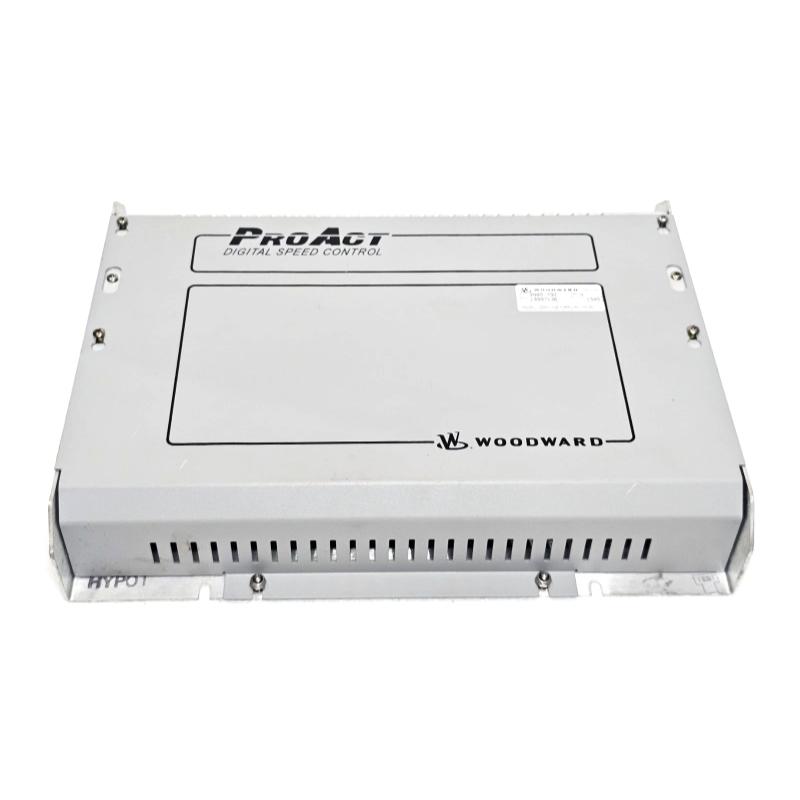
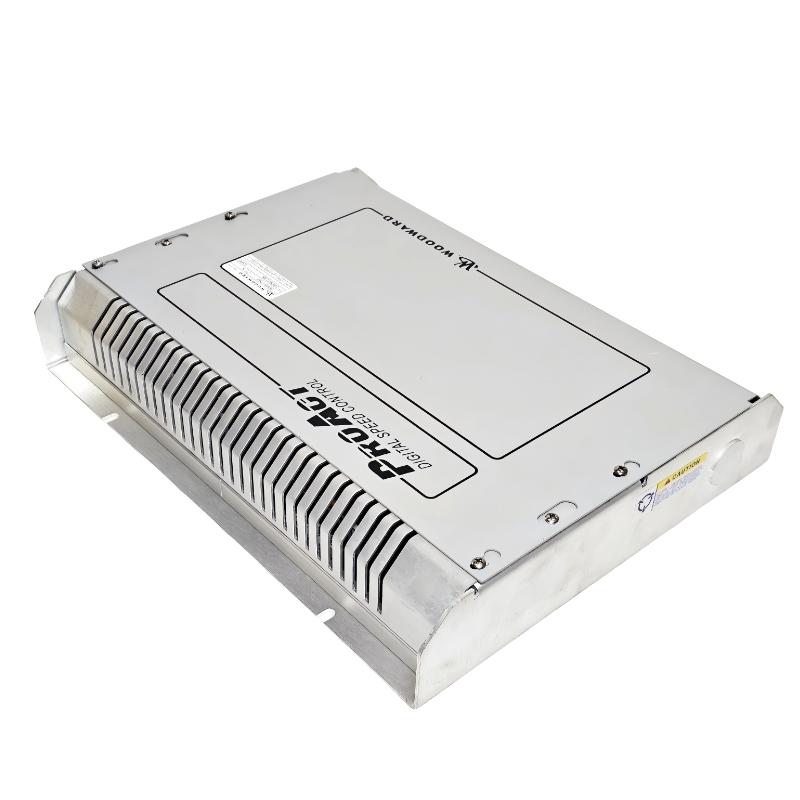
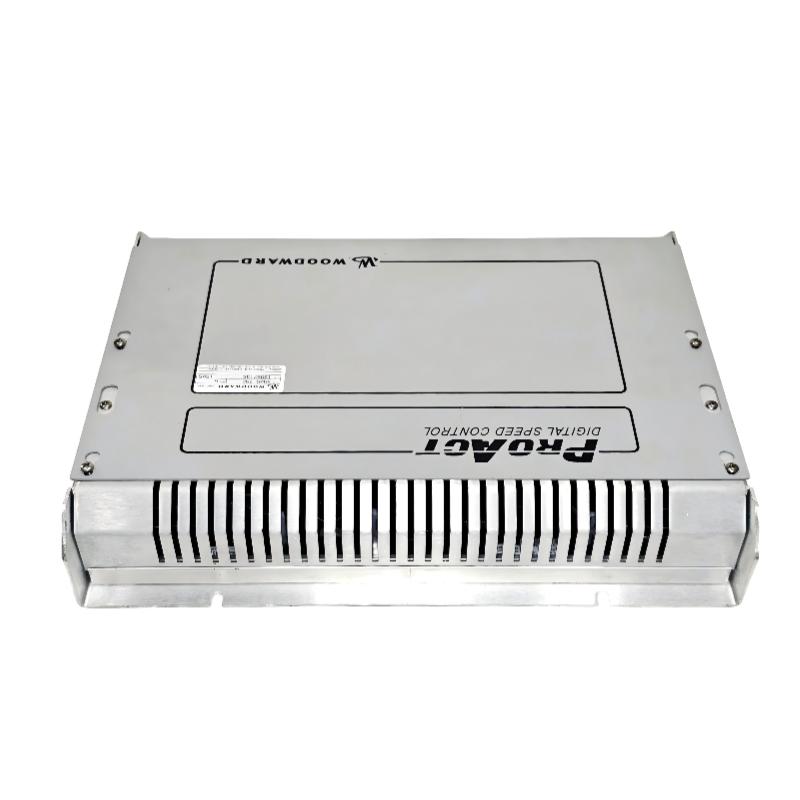
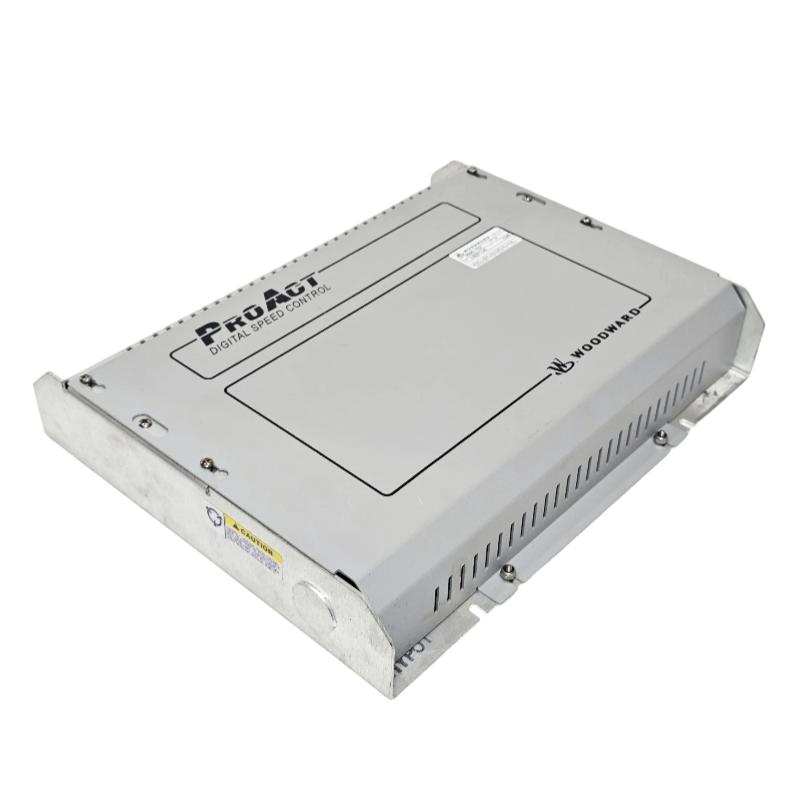
- Woodward
- 9905-792
- Digital Speed Controller
- USA
- 215.9 x 157.48 x 78.74 mm
- 2.56 kg
- Xiamen, China
- New & In Stock
- T/T, PayPal, Western Union
- 1 Year
- 1-3 Working Days
- DHL, UPS, TNT, FedEx and EMS.
- 24-Hour Service
- COO
- 6
Our advantage

Global Logistics
We have a 10-year logistics and express cooperation agreement, so our products can be shipped to any place in the world.

Brand new and original
Our products are imported in bulk from the place of origin. Because of the cooperative relationship, our products are all original and 100% new.

24-hour service
We provide 7*24 hours service to our customers. We will be there whenever you need us.

Price advantage
All our products are priced very favorably because we have our own warehouse and supply.
| Company Information | |||
| [email protected] | |||
| Mobile | +8615980777398 | ||
| +8615980777398 | |||
| 15980777398 |
Product Overview
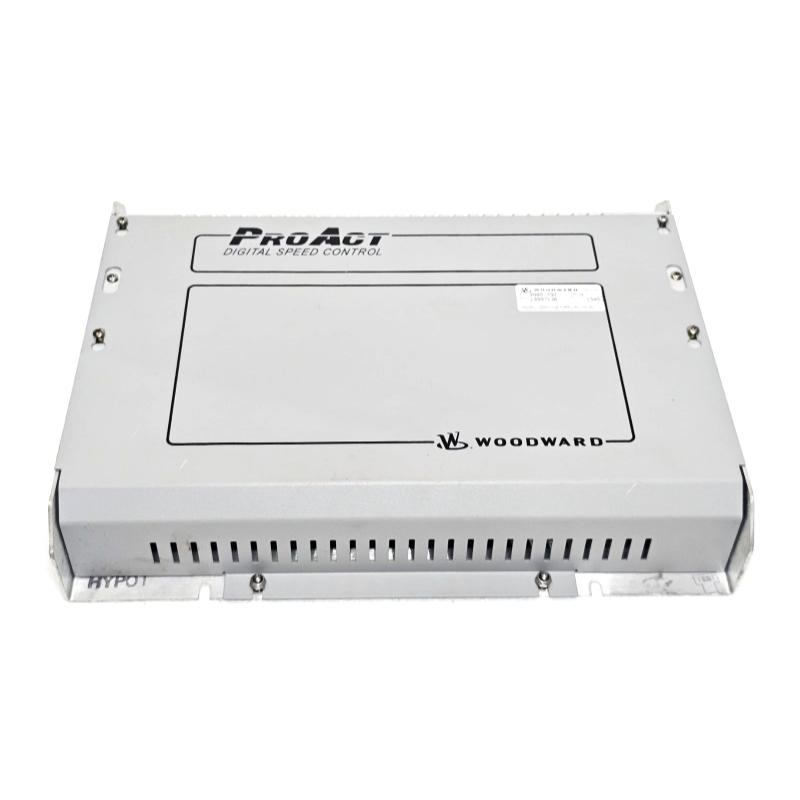
The Woodward 9905-792 Digital Speed Controller is an electronic engine-governing control designed to regulate the speed of reciprocating engines used in industrial machinery and generator applications. It belongs to Woodward’s ProAct digital speed-control family and combines engine-speed regulation with a 4–20 mA fuel-limit input.
Unlike a conventional variable frequency drive, which controls the speed of an electric motor by adjusting its electrical supply, the Woodward 9905-792 manages the speed of an engine through an electronic governing system. It processes speed feedback and operating reference signals, calculates the required control response, and sends commands to an electric actuator connected to the engine’s fuel-control mechanism.
The controller is designed for applications in which stable engine speed is important to mechanical drive performance or generator operation. In a generator set, for example, engine speed directly affects generator frequency. The governor therefore plays an important role in maintaining the required operating speed as electrical load changes.
One of the important features of the 9905-792 is its integrated 4–20 mA fuel-limit input. This input allows an external process signal to influence the permitted fuel demand. It can be used in applications where engine fuel delivery must be limited according to operating conditions or other process requirements.
The Woodward 9905-792 is commonly identified as a ProAct digital speed control with fuel-limiting functionality. It should be considered as part of a complete engine-governing system, including a suitable speed sensor, power supply, actuator, fuel mechanism, and associated control equipment.
Technical Specifications
| Parameter | Specification |
|---|---|
| Brand | Woodward |
| Model | 9905-792 |
| Product Series | ProAct |
| Product Type | Digital Speed Controller |
| Control Function | Electronic engine speed governing |
| Fuel Limiting Function | Integrated 4–20 mA fuel-limit input |
| Typical Application | Reciprocating engine speed control |
| Engine Types | Compatible diesel and gas reciprocating engines |
| Speed Feedback | Compatible engine speed-sensing device |
| Remote Speed Reference | Configurable according to system design |
| Actuator Interface | Compatible ProAct electric actuator |
| Load Sharing | Auxiliary load-sensor input can be used in suitable configurations |
| Control Method | Electronic closed-loop speed regulation |
| Dimensions Provided | 215.9 × 157.48 × 78.74 mm |
| Weight Provided | 2.56 kg |
| Installation | Engine-control panel or suitable control enclosure |
| Manufacturer | Woodward |
Note: Electrical supply options, actuator output characteristics, terminal assignments, and other detailed ratings must be verified against the exact 9905-792 hardware revision and its applicable installation manual. Do not assume specifications from other Woodward 9905-series controllers apply to this model.
Function and Working Principle
The Woodward 9905-792 operates as the main electronic speed-regulating component in a compatible ProAct engine-governing system. Its primary task is to maintain the desired engine speed by comparing the actual speed with the commanded speed and adjusting the actuator output accordingly.
1. Engine Speed Detection
The governing system requires a speed-sensing device to measure engine rotation. A compatible magnetic pickup or other supported speed sensor detects the passage of engine-related features and generates an electrical signal corresponding to rotational speed.
The controller receives this feedback and determines the actual engine speed. This information is essential for identifying whether the engine is operating below, above, or at the desired speed.
Reliable speed feedback is important for stable governing performance. Sensor installation, air gap, wiring, signal quality, and compatibility must be checked according to the applicable system documentation.
2. Digital Speed Regulation
The controller compares the measured engine speed with the selected speed reference. If the actual speed falls below the target, the controller can increase the actuator command to request more fuel. If the actual speed rises above the target, it can reduce the command.
This closed-loop process continuously adjusts engine operation in response to changes in load and operating conditions.
For a generator set, the governing system must respond to load changes while maintaining the engine speed required for the generator’s intended electrical frequency. For a mechanical drive, it helps maintain the required rotational speed of the driven equipment.
3. ProAct Actuator Control
The 9905-792 is designed to operate with a compatible ProAct electric actuator. The actuator converts the controller’s electrical command into mechanical movement.
Depending on the engine arrangement, the actuator may operate a fuel rack, throttle mechanism, or associated linkage. Adjusting this mechanism changes the fuel supplied to the engine and therefore influences the engine’s torque and rotational speed.
The actuator must be correctly matched to the engine and fuel-control mechanism. Mechanical travel, linkage arrangement, actuator direction, and operating limits should be verified during installation.
4. Integrated 4–20 mA Fuel Limiting
A distinguishing feature of the 9905-792 is its 4–20 mA fuel-limit input. This input allows an external analog signal to influence the maximum permitted fuel demand.
For example, an engine application may require fuel delivery to be restricted according to a process variable, equipment operating limit, or other external control condition. The fuel-limit function can help coordinate engine output with these requirements.
The exact scaling, signal interpretation, and control response must be configured according to the applicable manual and system design. A 4–20 mA input should not be assumed to have the same meaning or range across different controller models.
5. Load Sharing Support
In generator applications, multiple generator sets may operate in parallel. Load-sharing arrangements coordinate the output of individual engines so that the generators operate together rather than allowing one unit to carry an inappropriate proportion of the total load.
The Woodward ProAct control system provides an auxiliary input that can be used for load-sensor connections in suitable load-sharing applications.
The complete load-sharing system may require additional sensing, control, and generator equipment. The 9905-792 should not be treated as a standalone synchronizer or complete generator load-management system.
Role in Industrial Control Systems
The Woodward 9905-792 can serve as the engine speed-control element within a larger industrial automation and power-generation architecture.
Engine Management
The controller receives engine speed feedback and operating references, then adjusts the actuator command to maintain the required speed. It works with the engine’s fuel-control mechanism and associated mechanical components.
Its performance depends on correct sensor installation, actuator compatibility, fuel-system adjustment, and controller configuration.
Generator Set Control
For generator sets, engine speed regulation is directly related to generator frequency. The governor helps maintain the required engine speed when electrical demand changes.
A generator control system may also include voltage regulation, protection relays, circuit breakers, synchronization equipment, and load-management functions. These components perform different tasks and must be coordinated with the engine governor.
PLC and Supervisory System Integration
A PLC or supervisory control system may provide operating commands, monitor engine status, and coordinate the generator or mechanical-drive process.
Depending on the system design, external analog signals may be used for speed reference or fuel limiting. The exact interface must be checked against the 9905-792 documentation and the connected equipment.
The controller should not be assumed to provide modern industrial Ethernet or Modbus connectivity unless the specific hardware and associated interface documentation confirm it.
Process Protection and Operating Coordination
Engine speed control is only one part of an industrial engine-management system. Other devices may monitor oil pressure, coolant temperature, exhaust temperature, vibration, and overspeed conditions.
These protection functions may be implemented through separate engine-protection equipment or an integrated control architecture. The 9905-792’s governing function should be coordinated with these systems without assuming it replaces dedicated shutdown protection.
Industrial Applications
The Woodward 9905-792 is designed for engine-governing applications where stable and responsive speed regulation is required.
1. Diesel Generator Sets
Diesel generator sets require stable engine speed to support the generator’s intended electrical frequency. When electrical load changes, the engine governor adjusts fuel demand to help maintain the required speed.
The 9905-792 can form part of a compatible generator engine-control system, working with the speed sensor, ProAct actuator, generator controller, and associated protection devices.
2. Gas Generator Sets
Gas engines used for power generation also require accurate speed regulation. Changes in electrical demand affect the engine’s torque requirements, and the governing system must adjust the fuel-control mechanism accordingly.
The controller’s fuel-limit input can be useful in applications where an external process signal is required to restrict fuel demand.
3. Industrial Mechanical Drives
Some industrial machines are driven directly by reciprocating engines rather than electric motors. These installations require engine speed control to maintain the operating speed of pumps, compressors, and other mechanical equipment.
The 9905-792 can be used in a suitable engine-governing arrangement where its control characteristics and actuator interface match the application.
4. Industrial Pumping Systems
Engine-driven pumps may operate in facilities where independent engine power is required. Stable engine speed helps maintain predictable pump operation, although actual flow and pressure also depend on pump design and system conditions.
The governor regulates engine speed; it does not directly replace dedicated pressure, flow, or pump-protection controllers.
5. Compressor Applications
Reciprocating engines may provide mechanical power to industrial compressors. Engine speed regulation helps maintain the required operating conditions as compressor demand changes.
The controller must be configured according to engine characteristics, compressor load behavior, actuator response, and the equipment manufacturer’s operating limits.
6. Marine Auxiliary Engine Systems
Engine-governing systems are also used in certain marine auxiliary applications. Stable engine speed can be important for auxiliary generator operation and mechanically driven equipment.
Marine installations require careful attention to environmental conditions, vibration, electrical supply quality, and applicable marine approval requirements. Confirm the suitability of the exact controller configuration before use.
Installation and System Integration
Correct installation is essential for accurate speed measurement, reliable actuator operation, and stable engine performance.
1. Verify the Controller Model
Before installation, confirm that the controller identification label shows 9905-792. Do not rely solely on the physical appearance of the enclosure or a similar Woodward part number.
Different Woodward speed-control models may have different power supply options, speed-sensor inputs, actuator output ratings, and terminal assignments.
2. Install the Speed Sensor
The speed sensor must be installed in the correct position and connected to the appropriate input terminals. For magnetic pickup systems, the sensor’s mechanical alignment and air gap are important.
Incorrect sensor installation can result in unstable speed readings, poor governing response, or failure to detect engine speed.
Inspect the sensor cable and connections for damage, loose terminals, and electrical interference.
3. Connect the ProAct Actuator
The actuator must be compatible with the 9905-792 and the engine’s fuel-control mechanism.
Before connecting the actuator, verify its electrical requirements, output compatibility, mechanical travel, linkage direction, and operating limits. Incorrect actuator wiring or mechanical adjustment can result in improper fuel control.
The actuator and fuel linkage should be inspected for binding or excessive friction before the engine is started.
4. Configure the 4–20 mA Fuel-Limit Input
If the fuel-limit function is used, confirm the external signal source and its electrical characteristics. Verify the signal scaling, minimum and maximum values, wiring polarity, and configured control response.
A signal fault or incorrect scaling may cause the fuel limit to operate differently from the intended process requirement.
5. Configure Speed References
Set the required engine speed and verify the remote speed-reference arrangement where applicable.
The governing system should be tested at controlled operating conditions. Confirm that the controller responds correctly to speed changes and that the actuator moves in the intended direction.
6. Test the Complete Governing System
Before returning the engine to normal service, inspect the wiring, power supply, speed sensor, actuator, fuel linkage, and external signal connections.
Carry out commissioning according to the applicable Woodward procedures. Verify stable idle and operating speed, response to load changes, fuel-limit behavior, and the operation of independent engine-protection systems.
Overspeed protection and emergency shutdown functions should be tested using the approved procedures for the engine installation. Never rely on an unverified software setting as the only means of protecting personnel and equipment from overspeed.
Compatible System Components
The 9905-792 is intended to operate as part of a complete engine-governing system. The following components may be used in a compatible installation, depending on the engine and application.
| Component | Function | Compatibility Considerations |
|---|---|---|
| ProAct electric actuator | Converts controller output into mechanical fuel-control movement | Must match the controller output and engine linkage |
| Magnetic pickup speed sensor | Measures engine rotational speed | Verify sensor type, installation, signal level, and wiring |
| Engine fuel rack or throttle linkage | Controls fuel delivery | Confirm mechanical travel and actuator compatibility |
| External power supply | Provides electrical power to the control system | Use the exact voltage and protection requirements specified for the controller |
| 4–20 mA signal source | Provides an external fuel-limit reference | Verify signal scaling, polarity, and configured function |
| Load sensor | Provides load-related information for suitable sharing arrangements | Confirm system architecture and signal compatibility |
| PLC | Coordinates engine operation with industrial processes | Use documented electrical interfaces and control signals |
| Generator controller | Manages generator operating sequences and related functions | Coordinate governor commands with generator-control logic |
| Engine protection system | Monitors abnormal engine conditions and initiates protective actions | Maintain independent shutdown and overspeed protection as required |
| Control panel | Houses and protects the governing equipment | Provide suitable mounting, wiring access, and environmental protection |
These components are examples of equipment used in a complete system. They are not necessarily supplied with the 9905-792 controller.
Alternative Models and Replacement Considerations
The Woodward 9905-792 is a specific ProAct digital speed-control model with an integrated 4–20 mA fuel-limit input. A replacement should be selected according to the original system configuration rather than by matching the product description alone.
| Alternative or Related Product | Considerations |
|---|---|
| Woodward ProAct control models | Check actuator compatibility, fuel-limit functionality, power requirements, and control configuration |
| Woodward 701 Digital Speed Control | A different engine-governing family; not automatically interchangeable with the 9905-792 |
| Woodward 721 Digital Speed Control | Designed for specific generator engine-control applications; verify input and output arrangements |
| Woodward 2301A speed-control products | May be considered for certain governing and load-sharing systems, subject to detailed engineering review |
| Current Woodward digital engine controls | May provide an upgrade path, but usually require configuration, wiring, and commissioning review |
Before selecting a replacement, compare:
- Controller model and hardware revision.
- Power supply voltage and current requirements.
- Speed-sensor type and input characteristics.
- Actuator output type and electrical rating.
- ProAct actuator compatibility.
- 4–20 mA fuel-limit functionality.
- Remote speed-reference arrangement.
- Load-sharing requirements.
- Terminal assignments and wiring.
- Engine fuel-control linkage.
- Mounting dimensions and environmental conditions.
A controller with similar speed-regulation functionality may still be unsuitable if its actuator output or fuel-limit input differs from the original equipment.
Key Advantages
Integrated Digital Speed Regulation
The 9905-792 uses electronic speed feedback and control logic to regulate engine operation. This supports consistent engine-speed management when the controller is correctly matched to the engine and actuator.
Dedicated Fuel-Limit Input
The integrated 4–20 mA fuel-limit input provides a way to incorporate an external process signal into fuel-demand management.
ProAct Actuator Compatibility
The controller is designed for use with compatible ProAct electric actuators, allowing electronic commands to influence the engine’s fuel-control mechanism.
Support for Generator Applications
Stable engine speed is important for generator frequency regulation. The controller can form part of a suitable generator engine-governing system.
Application Flexibility
The ProAct governing concept can be applied to compatible reciprocating-engine installations used for mechanical drives and power generation.
Integration with External Control Systems
The controller can work alongside external sensors, load-sensing devices, PLCs, generator controls, and engine-protection equipment when the interfaces are correctly engineered.
Technical FAQs
1. What is the Woodward 9905-792?
The Woodward 9905-792 is a ProAct digital speed controller designed to regulate reciprocating-engine speed. It also includes a 4–20 mA fuel-limit input.
2. Is the 9905-792 a PLC or a variable frequency drive?
No. It is an electronic engine speed governor. It controls engine speed through a compatible actuator and fuel-control mechanism rather than controlling the electrical frequency supplied to an AC motor.
3. What is the purpose of the 4–20 mA input?
The 4–20 mA input provides an external fuel-limit signal. It allows a compatible process signal to influence the permitted fuel demand according to the controller’s configuration.
4. Can the 9905-792 control a diesel engine?
It is designed for reciprocating-engine governing applications. Suitability for a specific diesel engine depends on actuator compatibility, fuel-linkage design, sensor arrangement, and the engine manufacturer’s requirements.
5. Can it be used with a gas engine?
The ProAct digital speed-control system is intended for compatible reciprocating-engine applications. Confirm the engine type, actuator arrangement, fuel-control method, and system configuration before installation.
6. Does it require a speed sensor?
Yes. The governing system requires a suitable speed-sensing device to provide actual engine-speed feedback. The sensor type and installation must match the controller’s documented input requirements.
7. Does the controller include an actuator?
The controller and actuator are separate system components. Confirm whether a ProAct actuator is included in the supplied package before purchasing.
8. Can it be used in a generator set?
Yes, it can form part of a compatible generator engine-governing system. The complete installation may also require a generator controller, voltage regulator, load-sharing equipment, and independent protection devices.
9. Can it communicate directly with a PLC?
External control integration depends on the documented input and output interfaces of the exact controller configuration. Do not assume that the 9905-792 includes Ethernet, Modbus, or another communication protocol without confirming the relevant documentation.
10. What should be checked before purchasing a replacement?
Verify the complete model number, hardware revision, power requirements, speed-sensor input, actuator output, fuel-limit input, terminal configuration, and physical condition. Confirm compatibility with the existing engine and actuator before ordering.
Procurement and Maintenance Recommendations
When purchasing a Woodward 9905-792 Digital Speed Controller, begin by confirming the complete model number and comparing it with the identification label on the installed unit. The ProAct product family includes different control configurations, and similar-looking controllers may have different input and output characteristics.
For used or surplus equipment, request clear photographs of the front label, terminal connections, enclosure, and circuit-board condition where appropriate. Confirm whether the unit has been tested and whether any accessories, connectors, or documentation are included.
For critical engine and generator applications, the controller should be evaluated together with the speed sensor, actuator, fuel linkage, power supply, and protection equipment. A replacement controller should not be installed without checking these interfaces.
During maintenance, inspect the controller connections, sensor wiring, actuator linkage, and external analog signals. Check for loose terminals, damaged cables, mechanical binding, and unstable speed feedback. Keep a record of the controller’s operating parameters and configuration changes.
Commissioning and troubleshooting should be carried out by personnel familiar with Woodward engine-governing systems. Overspeed protection, emergency shutdown functions, and other engine safety devices must be maintained and tested according to the applicable equipment procedures.
Conclusion
The Woodward 9905-792 ProAct Digital Speed Controller is an electronic governing device designed to regulate reciprocating-engine speed in mechanical-drive and generator applications. Its integrated 4–20 mA fuel-limit input provides additional control over fuel demand, while its speed-regulation function works with a compatible speed sensor and ProAct actuator.
For industrial maintenance, generator control, and engine-management applications, the complete governing system must be considered when selecting or replacing this controller. Verifying the model, electrical interfaces, actuator compatibility, fuel-limit configuration, and engine requirements helps support reliable operation and reduces the risk of incorrect replacement.