

ProductPRODUCT
Featured products
Contact Us
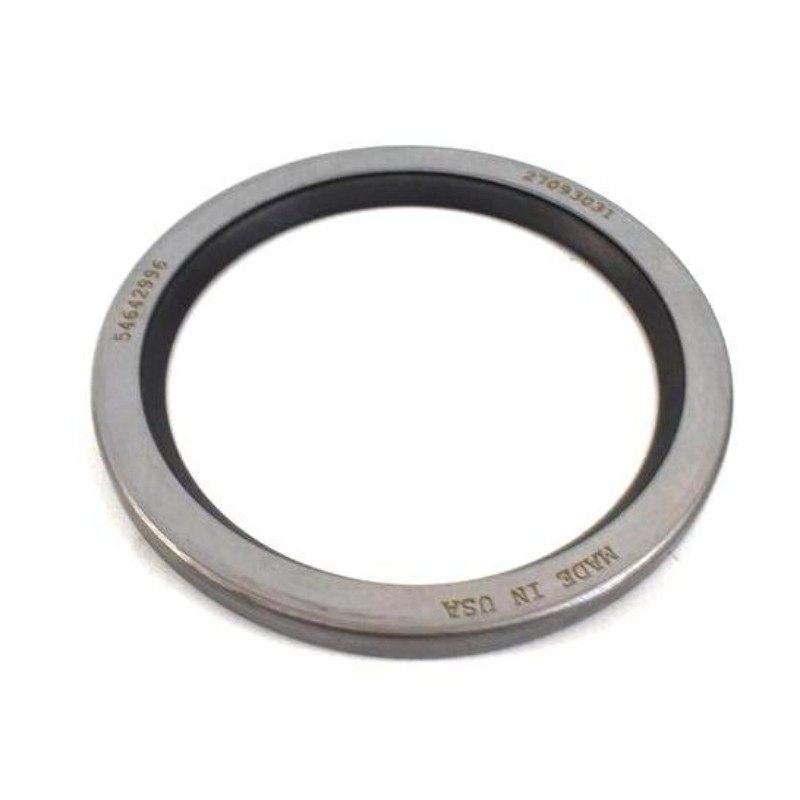
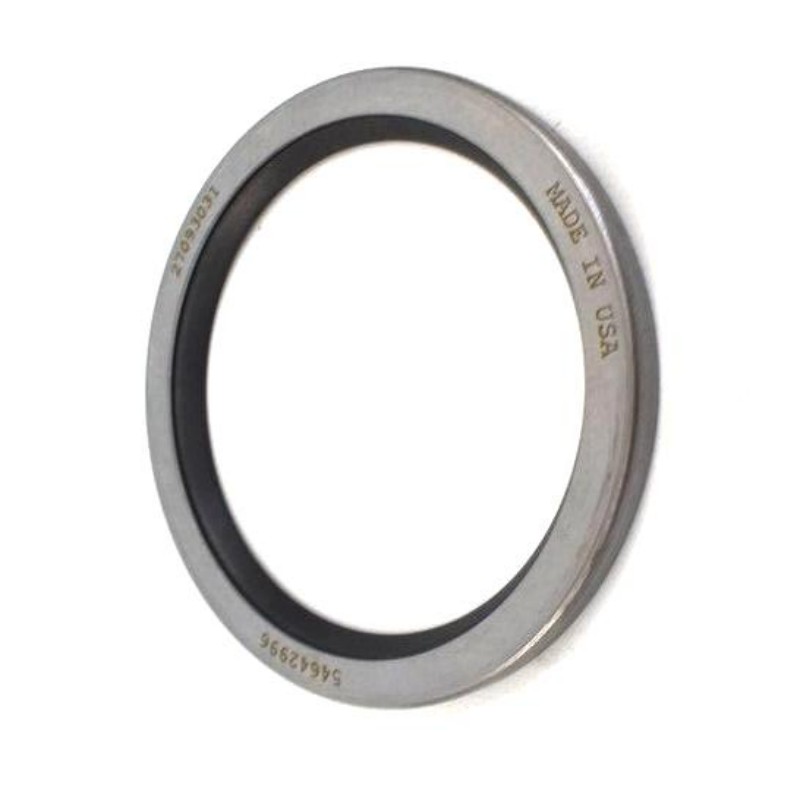
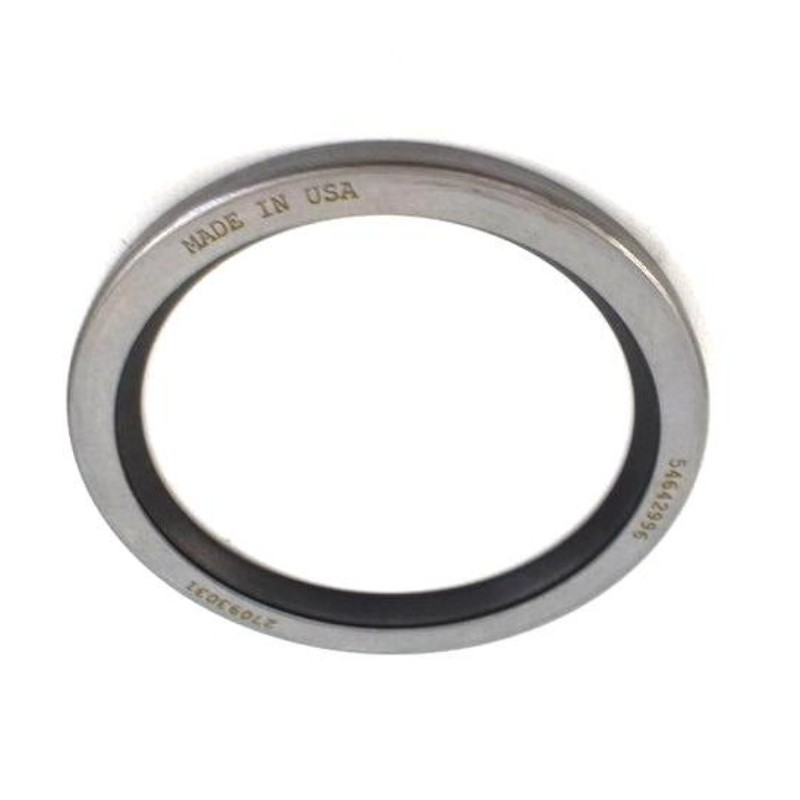
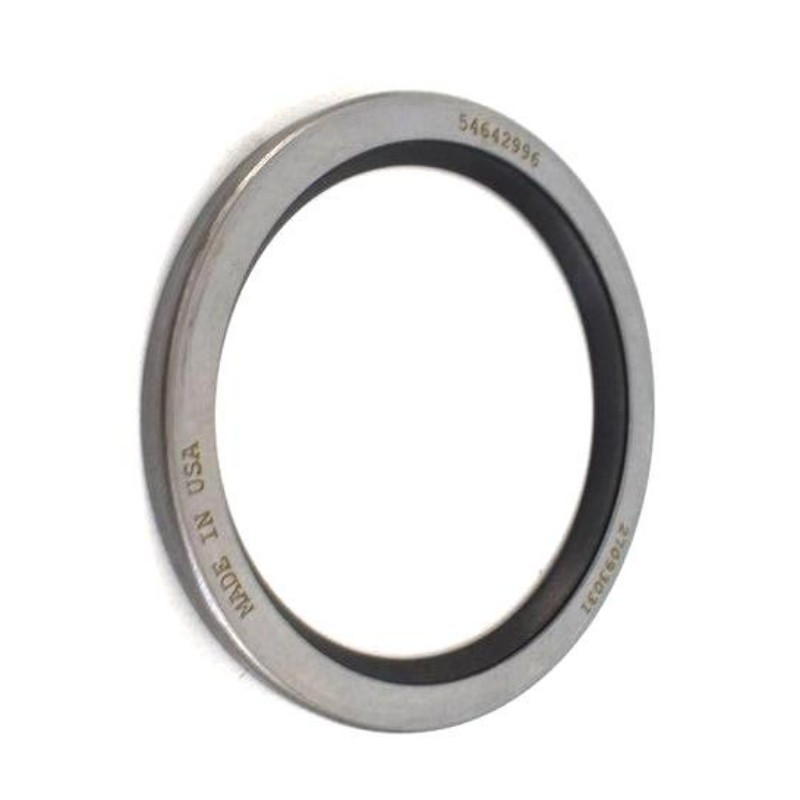
- Ingersoll Rand
- 47553883001 54642996
- Shaft Seal
- USA
- 76 × 94 × 7 mm
- 0.05 kg
- Xiamen, China
- New & In Stock
- T/T, PayPal, Western Union
- 1 Year
- 1-3 Working Days
- DHL, UPS, TNT, FedEx and EMS.
- 24-Hour Service
- COO
- 7
Our advantage

Global Logistics
We have a 10-year logistics and express cooperation agreement, so our products can be shipped to any place in the world.

Brand new and original
Our products are imported in bulk from the place of origin. Because of the cooperative relationship, our products are all original and 100% new.

24-hour service
We provide 7*24 hours service to our customers. We will be there whenever you need us.

Price advantage
All our products are priced very favorably because we have our own warehouse and supply.
| Company Information | |||
| [email protected] | |||
| Mobile | +8615980777398 | ||
| +8615980777398 | |||
| 15980777398 |
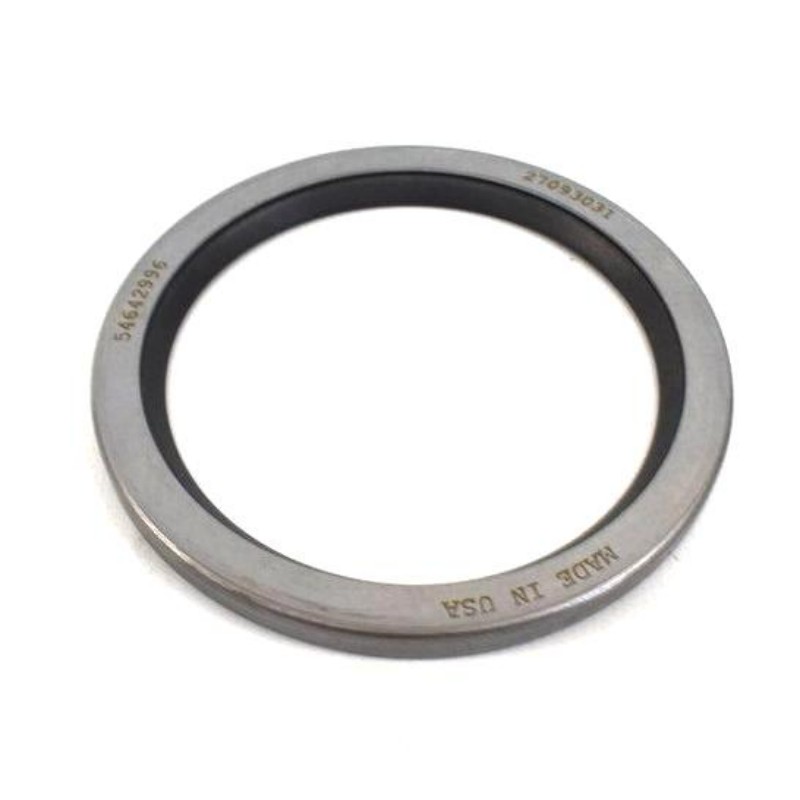
Product Overview
The Ingersoll Rand 47553883001 54642996 Shaft Seal is a replacement sealing component for compatible Ingersoll Rand compressor equipment. Its purpose is to maintain a seal around a rotating shaft, helping prevent lubricant leakage and limiting the entry of contaminants into the associated mechanical assembly.
In rotating compressor equipment, the shaft passes through a stationary housing, creating an interface that must remain sealed while the shaft turns. The shaft seal maintains contact with the rotating surface and the surrounding housing to control fluid leakage during operation. Its performance affects lubricant retention, cleanliness around the shaft assembly, and the condition of nearby mechanical components.
A worn shaft seal may cause oil residue around the shaft, visible leakage near the housing, or gradual lubricant loss. Leakage can also originate from damaged mating surfaces, excessive shaft movement, or incorrect installation, so the condition of the complete sealing arrangement should be evaluated before replacing the seal.
The 54642996 part number is associated with a shaft seal identified by the designation RD 76/94 × 7. This identifies the seal by its nominal dimensional designation and helps distinguish it from other sealing components used in compressor assemblies. The replacement must match the original installation, including the shaft interface, housing fit, sealing direction, and operating environment.
For maintenance teams, replacing a shaft seal is not simply a matter of fitting a new sealing element. The shaft surface, bearing condition, alignment, and installation method can all influence the service life of the replacement.
Technical Specifications
| Parameter | Specification |
|---|---|
| Manufacturer | Ingersoll Rand |
| Model / Part Number | 47553883001 / 54642996 |
| Product Type | Shaft Seal |
| Component Category | Rotary Shaft Sealing Component |
| Seal Designation | RD 76/94 × 7 |
| Primary Function | Seals the interface between a rotating shaft and its housing |
| Application | Compatible Ingersoll Rand compressor equipment |
| Operating Function | Helps retain lubricant and limit contaminant ingress |
| Installation Position | Designated shaft-sealing location |
| Dimensions | 76 × 94 × 7 mm |
| Weight | 0.05 kg |
Product Features
- Rotating-shaft sealing: Helps control leakage at the interface between the shaft and stationary housing.
- Defined seal designation: The RD 76/94 × 7 marking distinguishes this seal from other shaft-seal sizes.
- Lubricant retention: Supports the intended containment of lubricant within the associated mechanical assembly.
- Contamination control: Helps limit the entry of dust and other external contaminants where the seal provides that barrier.
- Replacement-part identification: Uses the 54642996 reference for maintenance records and spare-parts identification.
- Serviceable sealing arrangement: Allows replacement of the sealing element when inspection identifies wear or leakage.
Working Principle
The shaft seal operates at the boundary between a rotating shaft and a stationary housing. Its sealing lip or contact surface maintains the required interface with the shaft, while the outer portion fits into the designated housing bore.
A simplified arrangement is:
Lubricated Mechanical Assembly → Shaft Seal → Rotating Shaft Interface
As the shaft rotates, the sealing surface maintains contact with the shaft while accommodating normal rotational movement. The seal helps retain lubricant on the intended side of the interface and limits leakage along the shaft. Its effectiveness depends on the condition of the sealing surface, shaft finish, installation alignment, and operating environment.
Over time, heat, friction, lubricant condition, contamination, and shaft wear can affect the sealing interface. A hardened or damaged lip may no longer maintain sufficient contact, while a scored shaft can create a leakage path even when a new seal is installed.
The RD 76/94 × 7 designation provides a dimensional reference for identifying the component. Correct installation also depends on the original assembly design, including the orientation of the sealing lip and any specified lubrication or fitting procedure. The designation alone does not establish the seal material, maximum operating temperature, pressure capability, or rotational-speed limit.
Before returning the equipment to service, inspect the shaft surface and housing bore, install the seal using the specified method, and verify that the assembly operates without abnormal leakage.
Role in the Compressor Mechanical Assembly
The 54642996 shaft seal provides the sealing interface at its designated rotating-shaft location. It works with the shaft, housing, bearings, and lubricant system to maintain the intended mechanical and fluid boundaries.
Rotating Shaft → Shaft Seal → Stationary Housing → Lubricated Mechanical Assembly
| System Component | Function |
|---|---|
| 54642996 Shaft Seal | Helps prevent leakage at the rotating-shaft interface |
| Rotating Shaft | Transmits mechanical rotation through the assembly |
| Shaft Housing | Supports the seal and provides the stationary sealing surface |
| Bearings | Support shaft rotation and control radial or axial movement within design limits |
| Lubrication System | Supplies lubricant to the designated mechanical components |
| Sealing Surface | Provides the contact interface required for leakage control |
| Retaining or Mounting Components | Maintain the specified assembly position where fitted |
| Compressor Drive Assembly | Transfers mechanical power to the compressor mechanism |
Industrial Applications
| Application | Typical Use |
|---|---|
| Rotary Screw Compressors | Sealing designated rotating-shaft interfaces |
| Industrial Compressor Maintenance | Replacing worn seals identified during inspection |
| Lubricated Mechanical Assemblies | Limiting lubricant leakage around rotating shafts |
| Compressor Overhaul Work | Renewing shaft seals during disassembly and inspection |
| Preventive Maintenance | Replacing seals when condition checks indicate deterioration |
| Corrective Maintenance | Addressing leakage traced to the shaft-sealing interface |
| Industrial Utility Equipment | Maintaining sealing integrity in compatible compressor installations |
| Rotating Machinery Service | Restoring the specified shaft-to-housing sealing arrangement |
Installation and Maintenance
- Verify the part number: Confirm 54642996 and the associated 47553883001 reference against the installed component and equipment parts identification.
- Check the seal designation: Compare the RD 76/94 × 7 marking and the original seal configuration before removing the existing component.
- Identify the leakage source: Determine whether leakage originates at the shaft seal or from a nearby joint, housing connection, or lubricant line.
- Shut down the equipment: Follow the approved compressor shutdown procedure and prevent an unexpected restart during maintenance.
- Isolate the system: Apply the required electrical isolation and depressurization procedures before accessing the shaft assembly.
- Inspect the shaft surface: Check for scoring, corrosion, wear, or a damaged running surface that could prevent the replacement seal from functioning correctly.
- Examine the housing bore: Remove contamination and inspect the seal seat for damage, deformation, or residue from the previous installation.
- Check the surrounding components: Assess bearing condition and shaft movement where accessible, since excessive movement can contribute to premature seal failure.
- Install the replacement seal: Follow the applicable assembly procedure for orientation, fitting tools, surface preparation, and any specified installation lubricant.
- Avoid damaging the sealing lip: Protect the seal from sharp edges, keyways, threads, and improper handling during installation.
- Verify operation after reassembly: Restore the equipment according to the approved procedure and inspect the shaft area for leakage during operation.
- Record the maintenance work: Document the part number, observed leakage, shaft and housing condition, replacement date, and post-maintenance inspection results.
Compatible System Components
| Component | Function |
|---|---|
| Compatible Ingersoll Rand Compressor Assembly | Provides the equipment installation for the specified shaft seal |
| Rotating Shaft | Forms the rotating sealing surface |
| Shaft Housing | Supports the seal and maintains its installed position |
| Bearings | Support shaft rotation and help control movement |
| Lubrication Circuit | Supplies lubricant to the relevant mechanical assembly |
| Retaining Components | Secure associated parts where required by the assembly design |
| Compressor Drive Components | Transmit mechanical power to the rotating assembly |
Recommended Related Models
| Model / Part Number | Product Type | Main Application |
|---|---|---|
| Ingersoll Rand 54642996 | Shaft Seal | Replacement seal with RD 76/94 × 7 designation |
| Ingersoll Rand 54479753 | Double Shaft Seal | Separate shaft-sealing component for compatible equipment |
| Ingersoll Rand 35299908 | Seal | Related compressor sealing component |
| Ingersoll Rand 35319680 | Seal | Replacement sealing component for specified equipment |
| Ingersoll Rand 36856037 | Seal | Industrial equipment sealing component |
| Ingersoll Rand 47548105001 | Shaft Seal | Shaft-sealing component listed for Ingersoll Rand equipment |
Key Advantages
- Helps control lubricant leakage at the rotating-shaft interface.
- Supports the intended sealing boundary between the shaft and housing.
- Provides a defined part reference for replacement and maintenance records.
- Allows the sealing element to be renewed when inspection identifies wear or damage.
- Supports compressor maintenance when installed with the correct fit and orientation.
Technical FAQs
What does the RD 76/94 × 7 designation indicate?
It identifies the shaft seal’s nominal dimensional designation, distinguishing it from seals with different shaft and housing requirements. The exact fitting dimensions and installation orientation should be checked against the original assembly.
What can cause a new shaft seal to leak shortly after installation?
Common causes include damage to the sealing lip during fitting, a scored shaft surface, an unsuitable seal orientation, contamination, or excessive shaft movement. The housing bore and associated bearings should also be inspected if leakage returns soon after replacement.
Should the shaft seal be replaced whenever lubricant is found near the shaft?
Not automatically. First identify the source of the lubricant. Leakage may originate from a nearby joint, connection, or another sealing component. If the shaft seal is confirmed as the source, inspect the shaft and housing before installing a replacement.
Why is the shaft surface important when replacing this seal?
The sealing surface must be sufficiently smooth and undamaged for the seal to maintain its intended contact. Grooves, corrosion, or abnormal shaft movement can create leakage paths and shorten the service life of a new seal.