

ProductPRODUCT
Featured products
Contact Us
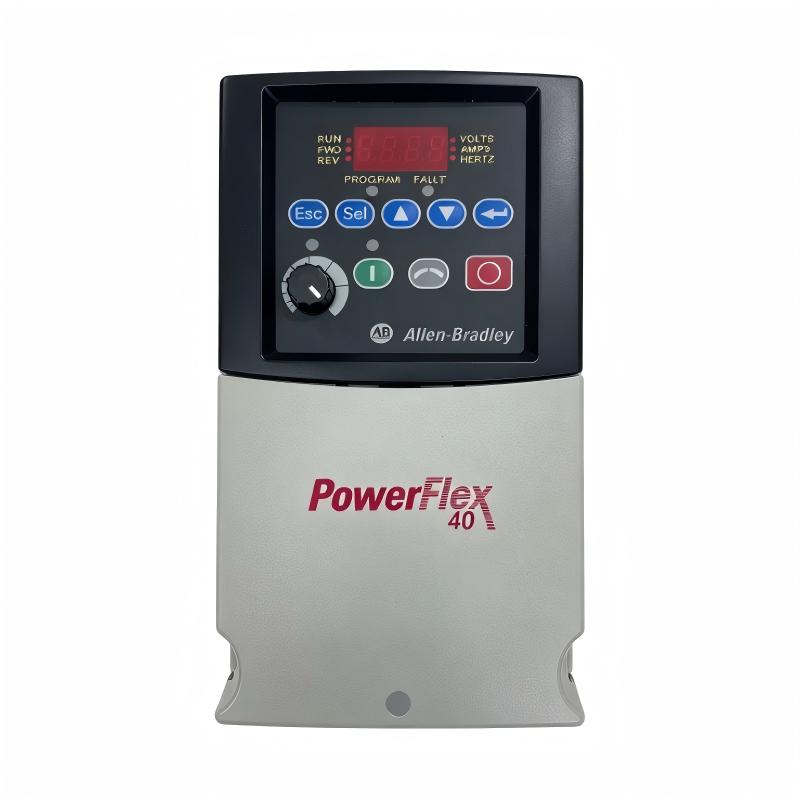
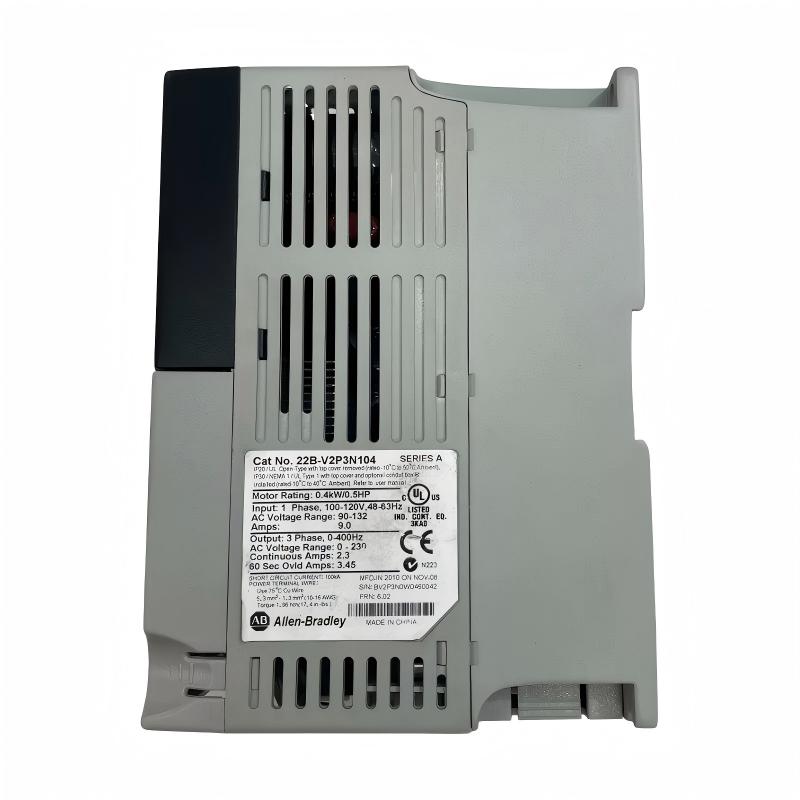
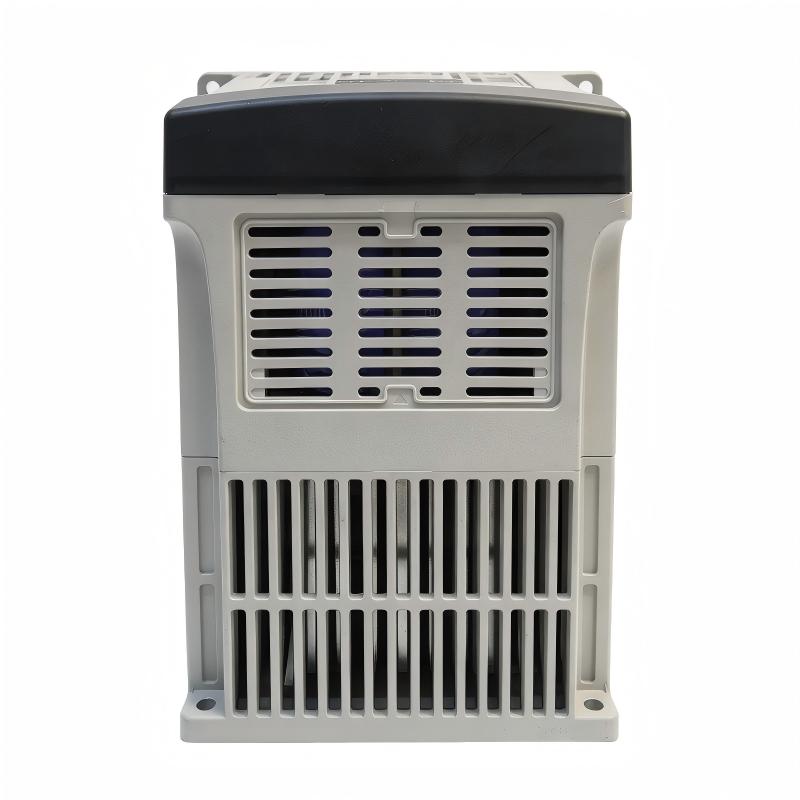
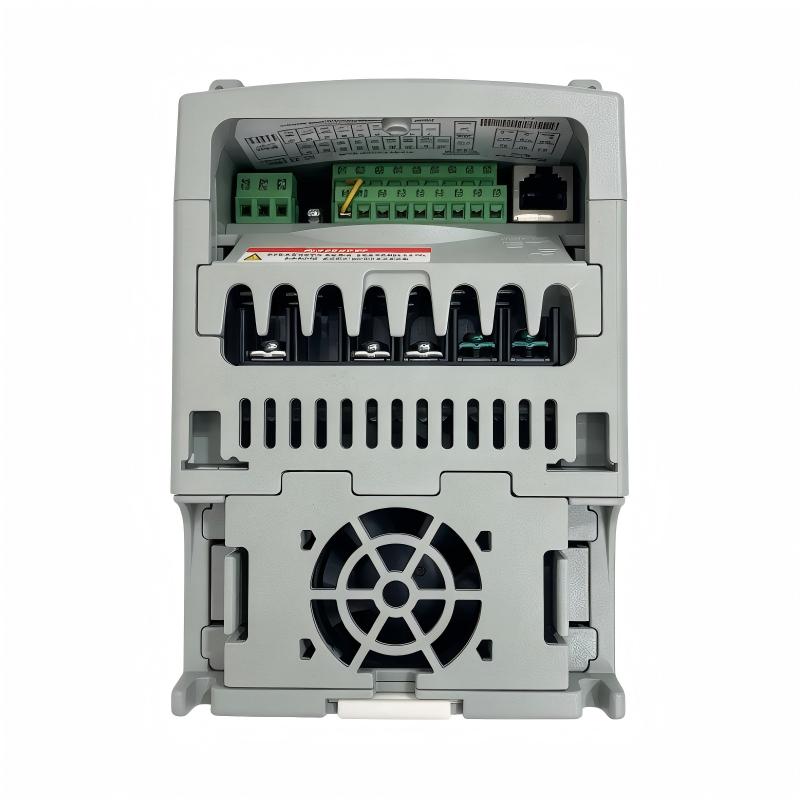
- Allen Bradley
- 22B-V2P3N104
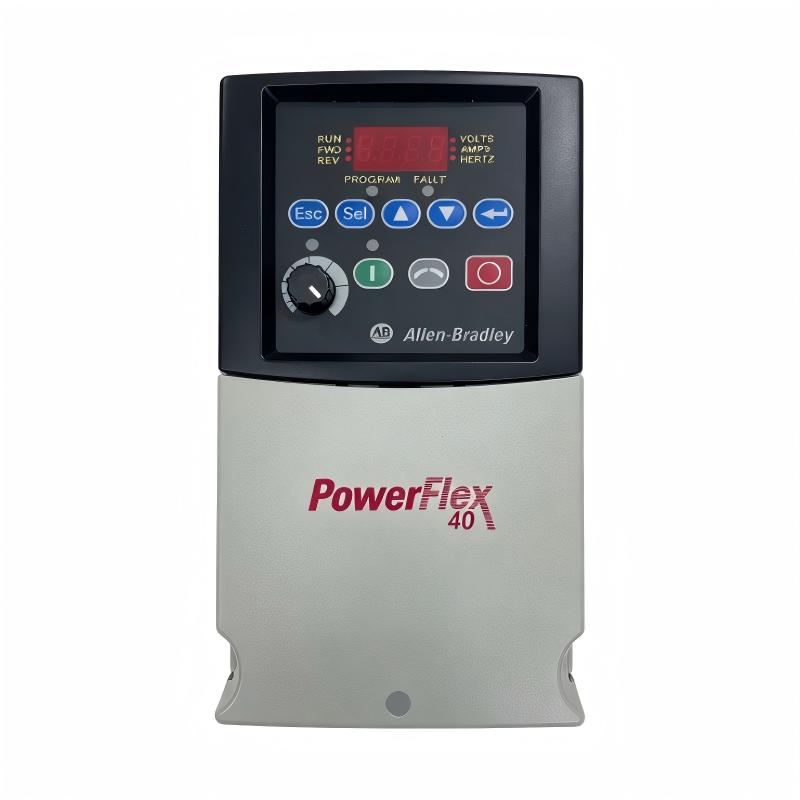
- PowerFlex 40 AC Drive
- USA
- 180 x 100 x 136 mm
- 2.2 kg
- Xiamen, China
- New & In Stock
- T/T, PayPal, Western Union
- 1 Year
- 1-3 Working Days
- DHL, UPS, TNT, FedEx and EMS.
- 24-Hour Service
- COO
- 7
Our advantage

Global Logistics
We have a 10-year logistics and express cooperation agreement, so our products can be shipped to any place in the world.

Brand new and original
Our products are imported in bulk from the place of origin. Because of the cooperative relationship, our products are all original and 100% new.

24-hour service
We provide 7*24 hours service to our customers. We will be there whenever you need us.

Price advantage
All our products are priced very favorably because we have our own warehouse and supply.
| Company Information | |||
| [email protected] | |||
| Mobile | +8615980777398 | ||
| +8615980777398 | |||
| 15980777398 |
Product Overview
The Allen-Bradley 22B-V2P3N104 PowerFlex 40 AC Drive is a compact variable frequency drive designed to provide adjustable speed control for small three-phase AC motors. Manufactured by Allen-Bradley, a brand of Rockwell Automation, this drive belongs to the PowerFlex 40 family, which was developed for general-purpose industrial motor control applications.
With a rated power of 0.4 kW (0.5 HP), the 22B-V2P3N104 is suitable for compact machinery and auxiliary equipment that requires controlled motor starting, adjustable operating speed, and basic motor protection functions. Its 100–120 V AC single-phase input makes it appropriate for installations where a suitable low-voltage supply is available, while its output supports three-phase motor operation within the drive’s specified ratings.
The PowerFlex 40 series combines a compact design with an integral keypad, LED display, configurable operating parameters, and RS-485 communication capability. These features allow operators and maintenance technicians to configure drive behavior, monitor operating conditions, and integrate the unit into compatible automation systems.
This model is identified by catalog number 22B-V2P3N104. It is important to distinguish it from other PowerFlex 40 variants because the product family includes models with different input voltages, current ratings, enclosure configurations, and filter options.
The 22B-V2P3N104 is a discontinued model. When purchasing this drive for maintenance, repair, or replacement, buyers should verify the catalog number, product condition, firmware or revision details where relevant, and compatibility with the existing motor and control system.
Technical Specifications
| Parameter | Specification |
|---|---|
| Brand | Allen-Bradley |
| Manufacturer | Rockwell Automation |
| Model | 22B-V2P3N104 |
| Product Series | PowerFlex 40 |
| Product Type | AC Variable Frequency Drive |
| Rated Power | 0.4 kW |
| Horsepower Rating | 0.5 HP |
| Input Voltage | 100–120 V AC |
| Input Phase | Single-phase |
| Input Voltage Range | 90–132 V AC |
| Rated Output Current | 2.3 A |
| Output Type | Three-phase AC |
| Output Voltage Class | Up to 230 V AC, according to the applicable drive configuration and manual |
| Frequency Rating | 50/60 Hz supply |
| Enclosure Rating | IP20 |
| NEMA/UL Enclosure Type | Type Open |
| Mounting | Panel mounting |
| Operator Interface | Integral keypad and LED display |
| Communication | RS-485 |
| Integrated Brake IGBT | Included |
| CE-Compliant Filter | Not included in this catalog configuration |
| Dimensions | 180 × 100 × 136 mm, as provided |
| Weight | 2.2 kg, as provided |
| Product Status | Discontinued |
| Replacement Consideration | 25B-V2P5N104; verify application compatibility before substitution |
Note: Confirm the exact terminal arrangement, output voltage, allowable motor ratings, and installation clearances using the documentation for catalog number 22B-V2P3N104. The dimensions and weight above are the supplied listing values and should be verified against the physical unit before installation.
Function and Working Principle
The primary function of the 22B-V2P3N104 is to regulate the speed of an AC motor by controlling the frequency and voltage supplied to the motor. Unlike direct-on-line motor starting, which applies the available supply frequency immediately, a variable frequency drive can accelerate and decelerate a motor according to configured operating parameters.
1. AC Input and Power Conversion
The drive receives single-phase AC power within its specified input range. Its internal power-conversion circuitry rectifies the incoming AC voltage into DC power, which is then used by the drive’s inverter stage.
The DC bus provides the intermediate power required for variable-frequency output generation. Appropriate supply protection, grounding, and wiring are essential for reliable operation.
2. Variable-Frequency Output
The inverter stage uses power-switching devices to generate a controlled three-phase output for a compatible motor. By changing the output frequency, the drive adjusts the motor’s synchronous speed.
For an induction motor, synchronous speed is determined by the supply frequency and the number of motor poles. Actual motor speed also depends on motor slip and operating load.
This approach allows equipment operators to adjust conveyor speed, fan airflow, or other motor-driven processes without relying solely on mechanical throttling or fixed-speed operation.
3. Motor Acceleration and Deceleration
The PowerFlex 40 supports configurable acceleration and deceleration behavior. Gradual acceleration can help reduce mechanical shock during startup, while controlled deceleration can improve stopping behavior within the limits of the application.
The appropriate ramp times depend on motor characteristics, load inertia, process requirements, and the drive’s operating limits. A short ramp is not always desirable, especially when the driven equipment has significant inertia.
4. Motor Control and Operating Parameters
The drive’s parameter settings define important operating characteristics, such as commanded speed, acceleration time, deceleration time, and relevant motor data.
Correct motor parameter configuration is necessary for stable performance. Incorrect settings may cause poor acceleration, unexpected trips, inadequate torque, or operation outside the motor’s intended limits.
5. Operator Interface and Communication
The integral keypad and LED display provide a local interface for configuration and operating information. RS-485 communication supports connection to compatible external control equipment using an appropriate communication arrangement.
The exact communication protocol, wiring requirements, and supported commands must be confirmed for the installed system. RS-485 describes an electrical interface and should not, by itself, be treated as confirmation of a particular network protocol.
Role in Industrial Control Systems
The 22B-V2P3N104 can serve as the motor-control component between a low-voltage electrical supply, a compatible motor, and a machine’s control system.
In a typical installation, the drive receives power through a correctly rated branch circuit and supplies controlled output power to the motor. Run commands and speed references may be provided locally or through a compatible external control arrangement.
Motor Speed Regulation
The drive enables process equipment to operate at adjustable speeds. This is useful when the required operating rate changes with production demand, material flow, or machine operating conditions.
Controlled Starting
Gradual acceleration can reduce abrupt torque changes and mechanical stress compared with direct-on-line starting. The actual reduction in electrical and mechanical stress depends on the motor, drive settings, and connected load.
Integration with Automation Equipment
The drive can be used alongside PLCs, relays, sensors, push buttons, and operator interfaces. A PLC may coordinate motor operation with upstream and downstream equipment, while the drive performs the motor-speed control function.
For RS-485 integration, verify protocol support, device addressing, communication settings, and the applicable interface hardware before commissioning.
Maintenance and Troubleshooting
The local interface and configurable operating parameters support maintenance work, including setup verification and investigation of operating faults. Technicians should review the drive’s fault information and application conditions rather than repeatedly resetting a fault without identifying its cause.
Industrial Applications
The PowerFlex 40 22B-V2P3N104 is intended for small motor-control tasks where its voltage, current, and power ratings match the application.
1. Small Conveyor Systems
The drive can regulate the speed of compact conveyors used for packaging, component transfer, and light material handling. Adjustable speed may help coordinate product movement between process stations.
Motor current, startup torque, conveyor load, and required acceleration must be checked before selection.
2. Packaging Equipment
Small packaging machines may require controlled movement of belts, rollers, or auxiliary mechanisms. A variable frequency drive can provide speed adjustment to support different production rates.
Machine designers should verify that the drive’s control behavior and stopping characteristics satisfy the packaging process requirements.
3. Fans and Ventilation Equipment
Compatible small fans and ventilation systems may benefit from adjustable motor speed. Reducing fan speed can reduce airflow and may lower energy consumption when the process does not require full output.
The actual energy savings depend on fan characteristics, system resistance, operating conditions, and the control strategy.
4. Small Pumps
Where the motor and pump are compatible with variable-frequency operation, the drive may regulate flow by changing motor speed. This can provide more flexible process control than continuously operating at a fixed speed.
Pump type, minimum operating speed, cooling, lubrication, and any required dry-run or pressure protection should be considered separately.
5. Auxiliary Machinery
The drive may be used for small mixers, feeders, machine auxiliaries, and other equipment within its rated capabilities. The load profile and starting requirements should be evaluated before selecting a drive.
6. Industrial Retrofit Projects
Existing equipment may contain a PowerFlex 40 drive that needs repair or replacement. In these cases, the catalog number, electrical configuration, control wiring, mounting dimensions, and existing parameter settings should be documented before work begins.
Because the 22B-V2P3N104 has been discontinued, retrofit planning should also consider the long-term availability of compatible replacement equipment.
Installation and System Integration
Correct installation is necessary to maintain safe operation and reduce the likelihood of nuisance trips or premature component failure.
1. Verify the Electrical Supply
Confirm that the available supply matches the drive’s single-phase 100–120 V AC input specification and permitted voltage range. Do not assume that a drive can accept a different voltage simply because another PowerFlex 40 model can.
The branch circuit, protective devices, conductor sizes, and disconnecting arrangements must comply with the applicable electrical code and the manufacturer’s instructions.
2. Confirm Motor Compatibility
Check the motor nameplate before connecting the motor. Verify rated voltage, full-load current, frequency, power, insulation suitability, and expected load conditions.
The motor must be compatible with the drive’s available output voltage and current. Do not select a motor solely by horsepower; current rating and application requirements are equally important.
3. Provide Appropriate Enclosure and Ventilation
The drive has an IP20 / NEMA UL Type Open enclosure classification. It should be installed in a suitable electrical cabinet or protected location where required by the surrounding environment.
Allow the clearances specified in the applicable manual. Keep cooling passages free of dust, wiring debris, and other obstructions. Excessive ambient temperature and poor ventilation can reduce reliability.
4. Complete Power and Control Wiring
Follow the wiring diagrams for the exact catalog number. Separate motor power conductors from sensitive control and communication wiring where required by the installation instructions.
Use appropriate grounding practices and maintain the specified cable routing and termination requirements. Do not make wiring changes while the drive is energized.
5. Configure Operating Parameters
Before running the motor, set the required motor and application parameters. These may include motor data, command source, speed reference, acceleration and deceleration times, and applicable limits.
Begin commissioning with the driven machine in a safe condition. Verify the commanded direction, motor response, and stop behavior before returning the equipment to normal production.
6. Configure Communication When Required
If the drive will communicate with a PLC or another controller over RS-485, confirm the supported protocol and interface configuration. Check addressing, baud rate, parity, cable arrangement, and termination requirements as applicable.
Communication failures should be investigated systematically. Check the physical wiring and configuration before assuming that the drive itself is defective.
7. Test and Document the Installation
After installation, verify supply voltage, grounding, motor connections, operating commands, and fault response. Record the final parameter configuration and retain the relevant wiring diagrams.
For a replacement project, compare the new drive’s terminals and control behavior with the original installation before reconnecting field wiring.
Compatible System Components
The 22B-V2P3N104 is normally used as part of a wider motor-control arrangement. The following table identifies component categories that may be used with it, subject to the applicable electrical ratings and configuration.
| Component | Role in the System | Compatibility Consideration |
|---|---|---|
| Compatible three-phase AC motor | Converts electrical power into mechanical motion | Match voltage, current, horsepower, and load requirements |
| PLC | Coordinates machine logic and motor commands | Verify the control interface and required signal types |
| RS-485 communication interface | Supports communication with external control equipment | Confirm protocol and network configuration |
| Branch circuit protection | Protects the supply circuit under specified fault conditions | Select according to the manufacturer’s instructions and applicable code |
| Disconnect switch | Provides a means of isolating electrical power | Select suitable voltage, current, and installation rating |
| Control relays or switches | Provide discrete control signals where supported | Confirm control-terminal specifications |
| Operator push buttons | Provide local start, stop, or command inputs where configured | Verify the intended control scheme |
| Electrical enclosure | Protects equipment and supports installation | Account for IP20 enclosure limitations, ventilation, and clearances |
| Grounding conductors | Support electrical safety and noise management | Follow applicable grounding requirements |
| Motor and power cables | Carry power between the drive and motor | Select suitable conductor sizes, insulation, and routing |
These are system-level component categories, not a guarantee that every item connects directly to a specific terminal. Use the drive’s wiring documentation to determine the correct interface and ratings.
Alternative Models and Replacement Considerations
When the 22B-V2P3N104 needs to be replaced, the choice should be based on the application rather than physical similarity alone.
| Model or Product Category | Description | Replacement Considerations |
|---|---|---|
| Allen-Bradley 25B-V2P5N104 | PowerFlex 525 family drive identified as an engineering replacement option | Verify input supply, motor ratings, mounting, control terminals, and communication requirements |
| Allen-Bradley PowerFlex 40 family | Earlier drive family with multiple voltage and current configurations | Select only a model with the correct electrical configuration and features |
| Allen-Bradley PowerFlex 4 family | Compact AC drive family for general-purpose motor control | Confirm motor ratings, command interface, communications, and application suitability |
| Current-generation compact AC drive | Modern alternative for a retrofit or new installation | Evaluate lifecycle support, control functionality, and commissioning requirements |
Is 25B-V2P5N104 a Direct Replacement?
The 25B-V2P5N104 is identified as the engineering replacement for the discontinued 22B-V2P3N104. However, an engineering replacement should not automatically be treated as a drop-in replacement.
Before ordering, compare the original and proposed drive for input voltage, phase, motor output rating, physical dimensions, mounting pattern, terminal assignments, control wiring, communications, and parameter requirements.
A newer drive may use different terminals, parameter names, software tools, or communication capabilities. Additional engineering work may be required to adapt the existing machine.
How to Choose a Suitable Alternative
A replacement selection should begin with the original motor’s nameplate and the application’s operating requirements. Confirm the required speed range, load torque, starting conditions, braking requirements, available supply, and control method.
For an existing machine, document the original wiring and parameters before removing the old unit. This can help reduce commissioning time and avoid errors during retrofit work.
Key Advantages
Compact Installation
The PowerFlex 40 series is designed for compact motor-control applications. Its small-drive format can be useful in machine panels where installation space is limited, provided that the required ventilation and clearances are maintained.
Adjustable Motor Speed
The drive supports variable-frequency motor control, enabling equipment to operate at different speeds according to process requirements.
Integrated Operator Interface
The integral keypad and LED display provide a convenient local interface for configuration and basic operating tasks.
RS-485 Communication Capability
The communication interface can support integration with compatible control equipment, subject to protocol and configuration requirements.
Controlled Motor Starting
Configurable acceleration and deceleration can support smoother machine operation when correctly matched to the motor and load.
Practical Maintenance Use
For facilities with existing PowerFlex 40 installations, retaining the correct catalog number during repair planning helps ensure that electrical and control requirements are not confused with those of other models in the series.
Technical FAQs
1. What is the rated power of the Allen-Bradley 22B-V2P3N104?
The drive is rated at 0.4 kW, equivalent to 0.5 HP.
2. What input voltage does this drive require?
The 22B-V2P3N104 is designed for 100–120 V AC single-phase input, with a documented operating range of 90–132 V AC. Confirm the permitted supply conditions in the applicable manual before installation.
3. What is its rated output current?
The rated output current is 2.3 A. The motor must be selected so that its electrical requirements remain within the drive’s specified capabilities.
4. Can the drive control a three-phase motor?
Yes. This catalog configuration is designed for single-phase AC input and three-phase motor output. The motor voltage and current must be compatible with the drive’s output specifications.
5. Does the 22B-V2P3N104 include an operator keypad?
Yes. The model description identifies an integral keypad and LED display.
6. Does this model support communication?
The model includes RS-485 communication capability. Confirm the supported protocol, configuration, and any required external interface before integrating it with a PLC or supervisory system.
7. Does it include a CE-compliant filter?
The catalog configuration is listed without a CE-compliant filter. If electromagnetic compatibility is important to the installation, review the applicable requirements and determine whether additional filtering or other measures are necessary.
8. Is the 22B-V2P3N104 still manufactured?
The model is discontinued. For existing equipment, buyers may need to consider remaining inventory, repair options, or an engineered replacement.
9. What should be checked before purchasing a used or replacement unit?
Confirm the complete catalog number, nameplate data, physical condition, terminal condition, product revision, and required accessories. For used equipment, ask for clear photographs and any available testing information. Verify that the unit matches the intended input voltage and motor application.
10. Can a newer drive be installed without changing the wiring?
Not necessarily. Even when a newer drive is listed as a replacement, terminal assignments, control methods, communication configuration, mounting dimensions, and programming requirements may differ. Review the replacement documentation before beginning the retrofit.
Procurement and Maintenance Recommendations
When sourcing the Allen-Bradley 22B-V2P3N104, accurate identification is essential. The PowerFlex 40 family contains several visually similar models with different input voltages, current ratings, and configuration options. Confirm the complete catalog number rather than relying only on the series name.
For maintenance inventory, record the drive’s catalog number, installation location, connected motor data, control method, and relevant operating parameters. This information helps technicians distinguish the required unit from similar products.
Before replacing an installed drive, isolate electrical power and follow the required safety procedures. Allow the specified discharge time and verify that hazardous voltage is absent before touching power terminals. Installation and servicing should be performed by qualified personnel.
For a discontinued drive, evaluate both short-term repair needs and long-term equipment support. Keeping a compatible spare may help restore an existing machine, while a planned upgrade may be more appropriate when availability, reliability, or control-system requirements have changed.
For export procurement, provide the complete part number and request confirmation of the exact model, product condition, included accessories, and packing details. If the drive is being purchased for a retrofit, confirm compatibility with the existing electrical supply and motor before placing the order.
Conclusion
The Allen-Bradley 22B-V2P3N104 PowerFlex 40 AC Drive is a compact 0.4 kW (0.5 HP) variable frequency drive designed for small motor-control applications. Its 100–120 V AC single-phase input, 2.3 A output rating, integral keypad, LED display, and RS-485 communication capability make it relevant to compact machinery and industrial maintenance installations.
Because the model has been discontinued, procurement decisions should include careful catalog-number verification and an assessment of replacement options. Whether used to maintain existing equipment or support a retrofit project, the drive should be selected and installed according to the motor’s electrical requirements, the application’s operating conditions, and the manufacturer’s technical documentation.