

ProductPRODUCT
Featured products
Contact Us
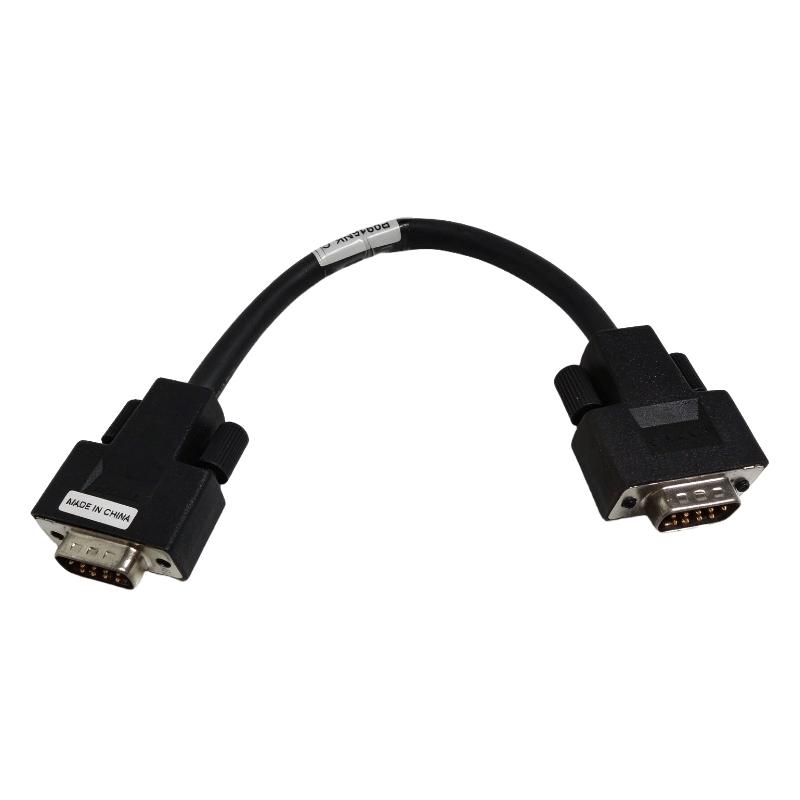
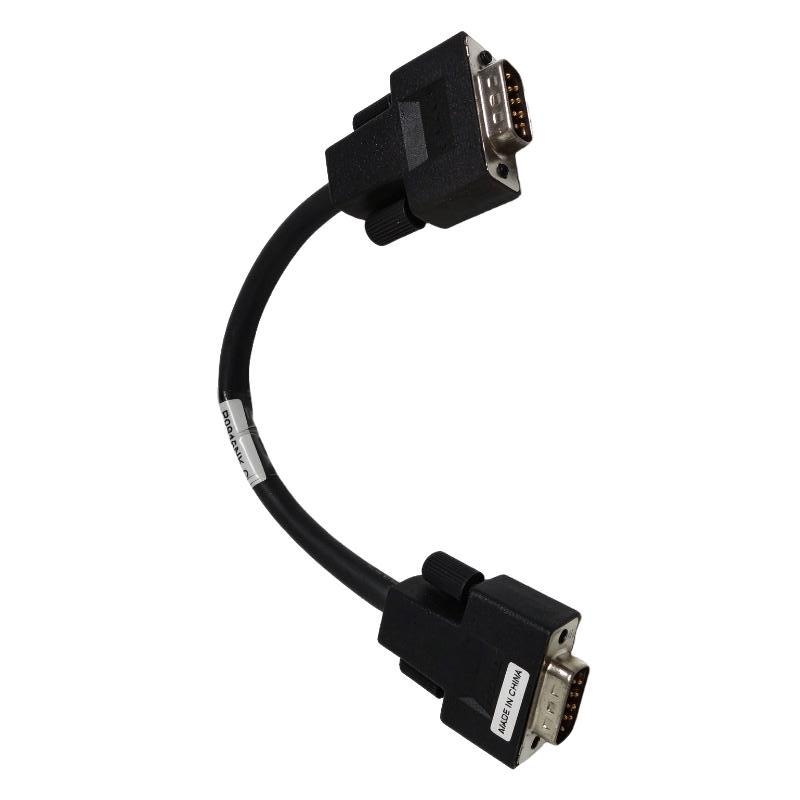
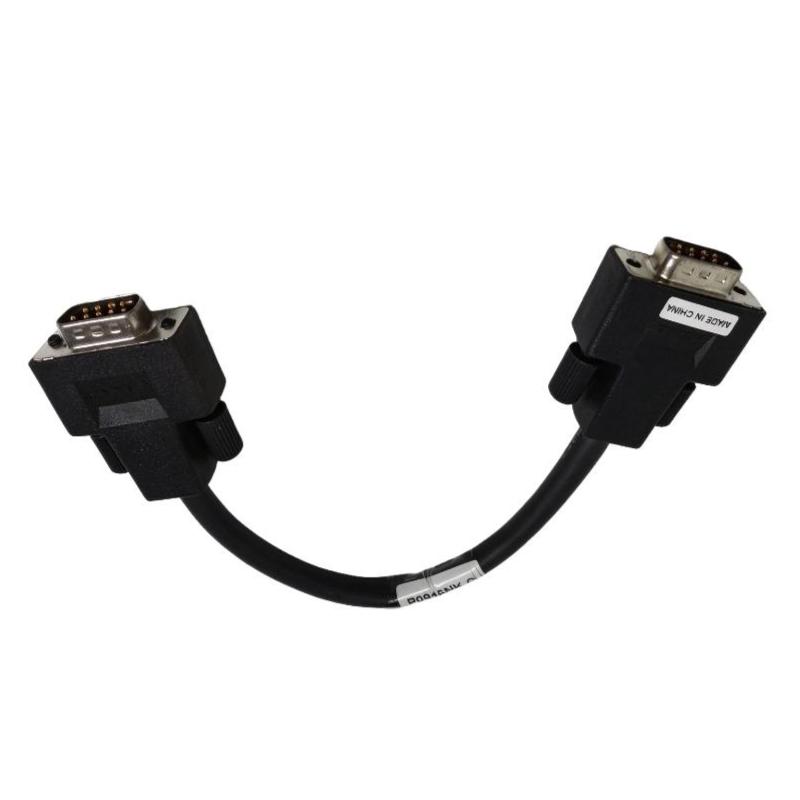
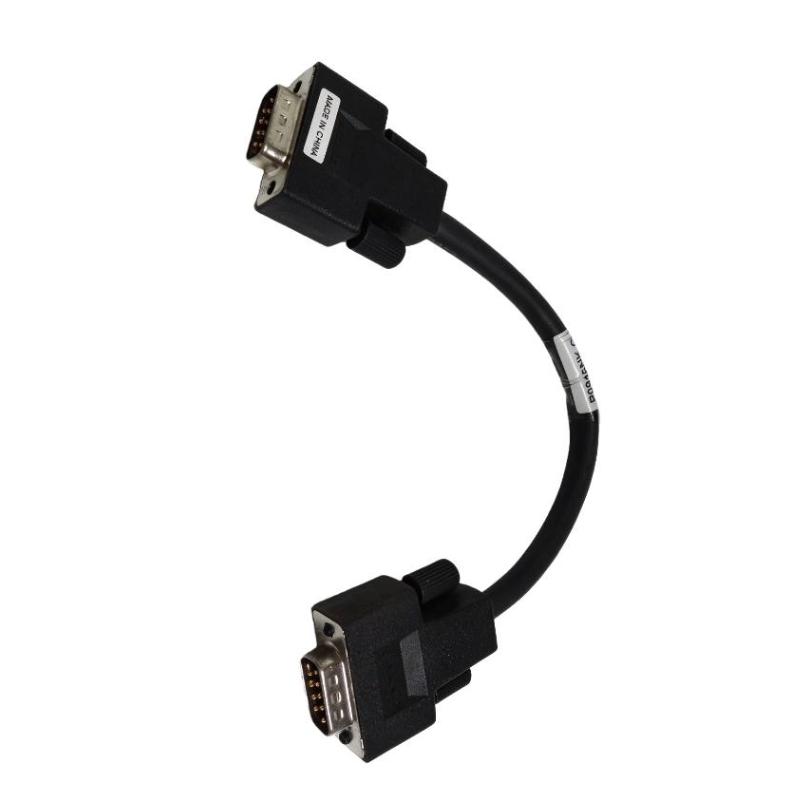
- Foxboro
- P0917JJ
- Fieldbus Cable Assembly
- USA
- 0.5 meters
- 3 kg
- Xiamen, China
- New & In Stock
- T/T, PayPal, Western Union
- 1 Year
- 1-3 Working Days
- DHL, UPS, TNT, FedEx and EMS.
- 24-Hour Service
- COO
- 5
Our advantage

Global Logistics
We have a 10-year logistics and express cooperation agreement, so our products can be shipped to any place in the world.

Brand new and original
Our products are imported in bulk from the place of origin. Because of the cooperative relationship, our products are all original and 100% new.

24-hour service
We provide 7*24 hours service to our customers. We will be there whenever you need us.

Price advantage
All our products are priced very favorably because we have our own warehouse and supply.
| Company Information | |||
| [email protected] | |||
| Mobile | +8615980777398 | ||
| +8615980777398 | |||
| 15980777398 |
Product Overview
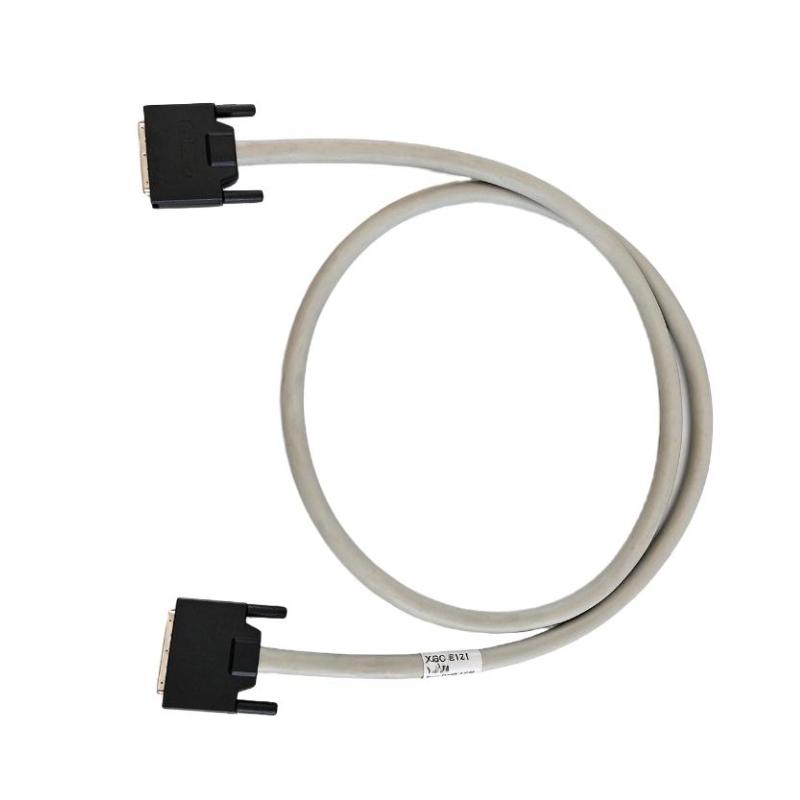
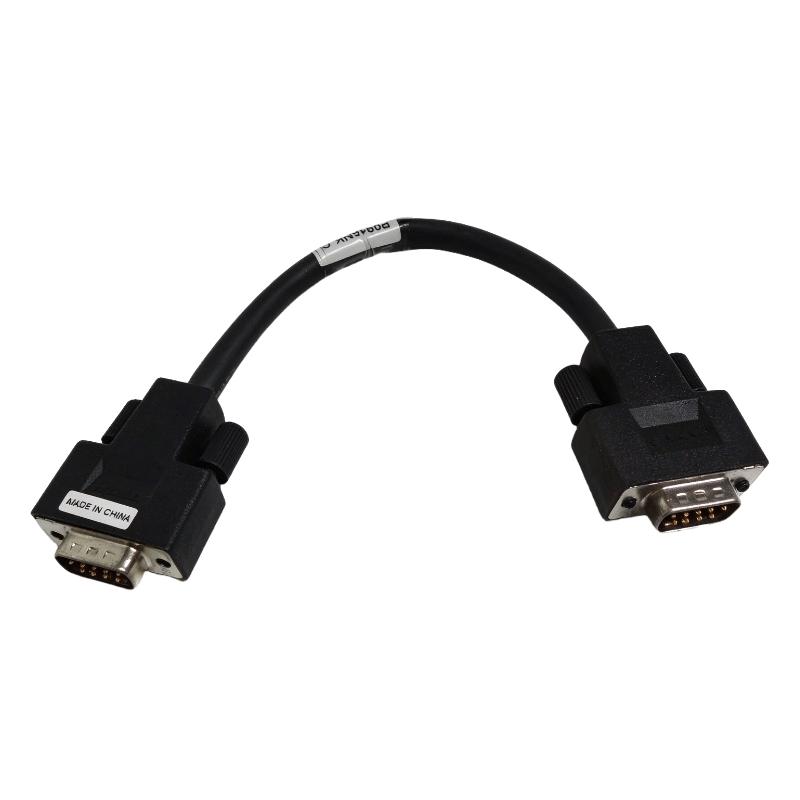
The Foxboro P0917JJ is a 2 Mbps HDLC base-to-base cable assembly used in compatible Foxboro I/A Series distributed control systems. It connects designated base interfaces to extend the communication path between control-system hardware. With a cable length of 0.5 meters, it is suitable for installations where connected bases are positioned close enough to use a short interconnection cable.
In a distributed control system cabinet, multiple baseplates may be linked to support communication between processors, fieldbus expansion hardware, and associated modules. The P0917JJ provides the physical connection for the designated HDLC link, allowing the connected equipment to exchange signals through the intended communication architecture.
The P0917JJ belongs to a family of HDLC cable assemblies available in several lengths. Selecting the correct cable involves more than matching the distance between two connectors. The interface type, cable reference, communication requirements, and installed hardware configuration must also match. A cable intended for module fieldbus connections or field termination assemblies should not automatically be substituted for a base-to-base HDLC cable.
For maintenance engineers, this assembly is particularly relevant when replacing damaged interconnection cables or restoring communication after control-system hardware has been moved. Connector condition, cable routing, and correct interface assignment all affect the integrity of the communication link.
Technical Specifications
| Parameter | Specification |
|---|---|
| Manufacturer | Foxboro |
| Model | P0917JJ |
| Product Family | I/A Series |
| Product Type | Fieldbus Cable Assembly |
| Cable Application | 2 Mbps HDLC base-to-base communication |
| Communication Rate | 2 Mbps |
| Cable Length | 0.5 meters |
| Connection Type | Base-to-base |
| Cable Function | Electrical communication signal transmission |
| System Application | Compatible Foxboro I/A Series hardware |
| Shipping Weight | 3 kg |
Product Features
- 2 Mbps HDLC communication: Supports the specified base-to-base communication link in compatible I/A Series configurations.
- 0.5-meter cable length: Accommodates short connections between appropriately positioned interfaces.
- Dedicated interconnection function: Provides a physical signal path between designated system components.
- Passive cable assembly: Carries electrical signals without independently processing or regenerating communication data.
- Multiple cable-length options: Allows engineers to select an appropriate cable for the system’s connection layout.
- Maintenance replacement: Supports restoration of an existing communication connection without changing the overall control-system architecture.
Working Principle
The P0917JJ carries electrical communication signals between compatible I/A Series interfaces. When the connected equipment exchanges data over the designated HDLC link, the cable provides the conductive path needed to transmit those signals.
A simplified connection is:
Compatible I/A Series Interface A → P0917JJ Cable → Compatible I/A Series Interface B
The cable itself does not execute control logic, interpret messages, or determine communication timing. These functions are handled by the connected hardware. Correct operation depends on the cable matching the required interface, wiring arrangement, and electrical characteristics.
The cable’s length also affects how it should be routed inside the cabinet. It should reach both connection points without being stretched tightly, crushed behind mounting hardware, or bent excessively near the connectors. These precautions help protect the conductors and connector terminations during normal operation and future maintenance.
If a communication fault appears after a cable replacement, engineers should first verify the part number, connector seating, cable condition, and interface assignments. Checking these items can help distinguish a physical connection problem from a fault in the connected control-system hardware.
Role in the Foxboro I/A Series Communication Architecture
The P0917JJ provides the physical connection for a designated HDLC communication link between compatible system interfaces. The connected equipment performs the actual communication processing and control functions.
I/A Series Hardware A → P0917JJ HDLC Cable → I/A Series Hardware B → Control-System Communication Functions
| System Element | Function |
|---|---|
| Foxboro P0917JJ | Carries electrical signals across the designated base-to-base link |
| First Compatible Interface | Provides one endpoint of the communication connection |
| Second Compatible Interface | Provides the other endpoint of the communication connection |
| Control Processor | Executes control logic and coordinates system operation where applicable |
| Fieldbus Expansion Hardware | Supports compatible expansion and communication arrangements |
| Connector Assembly | Establishes the physical electrical connection |
| Cabinet Wiring | Maintains the intended routing of communication and power circuits |
Industrial Applications
| Application | Practical Use |
|---|---|
| Foxboro I/A Series DCS Cabinets | Connecting compatible hardware interfaces within an established system layout |
| Control-System Expansion | Providing the specified cable connection between supported system components |
| Process Automation Plants | Maintaining communication links in installed control cabinets |
| Chemical Processing Facilities | Supporting interconnections between compatible control-system hardware |
| Oil and Gas Installations | Maintaining designated communication paths in process-control systems |
| Power Generation Plants | Replacing interconnection cables during scheduled control-system maintenance |
| Water and Wastewater Facilities | Maintaining compatible distributed control equipment |
| Control Cabinet Refurbishment | Replacing a damaged cable while retaining the existing architecture |
| Industrial Troubleshooting | Investigating physical connection faults affecting system communication |
| Legacy DCS Maintenance | Supporting continued maintenance of compatible I/A Series installations |
Installation and Maintenance
- Verify the complete part number: Confirm P0917JJ against the existing cable identification and the applicable system configuration.
- Identify both connection points: Determine the intended interfaces before disconnecting the installed cable.
- Confirm interface compatibility: Check that both endpoints support the required HDLC connection and cable arrangement.
- Follow the maintenance procedure: Apply the appropriate equipment isolation and communication-maintenance procedures before handling the connection.
- Inspect the cable jacket: Look for cuts, crushing, deformation, and other signs of mechanical damage.
- Examine the connectors: Check for bent contacts, contamination, corrosion, damaged housings, or loose retaining hardware.
- Maintain suitable cable routing: Avoid sharp bends, excessive tension, and contact with sharp cabinet edges or moving parts.
- Check adjacent wiring: Ensure the cable is not trapped beneath mounting hardware or routed in a way that interferes with other connections.
- Reconnect both ends: Fit each connector to its designated interface and secure it according to the applicable installation requirements.
- Verify the communication arrangement: Confirm the connection follows the system’s required topology and interface assignments.
- Test system communication: Check the relevant status indications and confirm that the expected communication link is operating after reconnection.
- Record the maintenance work: Document the cable reference, connected interfaces, inspection findings, and post-maintenance test results.
Compatible System Components
| Component | Function |
|---|---|
| Foxboro P0917JJ | Provides the designated 2 Mbps HDLC cable connection |
| Foxboro I/A Series Baseplate | Provides compatible hardware mounting and connection interfaces |
| Foxboro FCP270 | Performs control processing and supports compatible system communication arrangements |
| Foxboro FEM100 | Supports fieldbus expansion and associated baseplate connections |
| Foxboro FCM Series Hardware | Provides compatible communication or expansion functions according to the installed configuration |
| Foxboro P0916RB | HDLC terminator used in applicable system arrangements |
| Foxboro P0916ND | Short 0.25-meter HDLC base-to-base cable |
| Foxboro P0916MZ | 1-meter HDLC cable option |
| Foxboro P0916NC | 3-meter HDLC cable option |
| Foxboro I/A Series Control Modules | Perform assigned control and process I/O functions |
Recommended Related Models
| Model | Product Type | Typical Application |
|---|---|---|
| Foxboro P0916ND | 2 Mbps HDLC Base-to-Base Cable | Short 0.25-meter connection |
| Foxboro P0916MZ | 2 Mbps HDLC Cable | 1-meter interconnection |
| Foxboro P0916NC | 2 Mbps HDLC Cable | 3-meter interconnection |
| Foxboro P0916NB | 2 Mbps HDLC Cable | 5-meter interconnection |
| Foxboro P0916NA | 2 Mbps HDLC Cable | 10-meter interconnection |
| Foxboro P0916RB | HDLC Terminator | Termination of applicable HDLC connections |
Key Advantages
- Supports the designated 2 Mbps HDLC communication connection.
- Provides a 0.5-meter cable option for short-distance interconnections.
- Helps maintain the established wiring arrangement in compatible I/A Series installations.
- Allows a matching cable assembly to be replaced without redesigning the communication architecture.
Technical FAQs
Which communication connection does the P0917JJ support?
The P0917JJ is associated with a 2 Mbps HDLC base-to-base connection in compatible Foxboro I/A Series configurations. Confirm the connected hardware and required interface arrangement before installation.
How should the P0917JJ be selected against other HDLC cable lengths?
Choose the cable according to the distance between the designated interfaces and the system’s cable-routing requirements. The 0.5-meter length is suitable only when the installation geometry and interface specifications permit its use.
Can the P0917JJ be used as a replacement for a module fieldbus cable?
Not automatically. HDLC base-to-base cables and module fieldbus cables can serve different connection functions. Verify the required cable reference, interface type, and wiring arrangement before selecting a replacement.
What should be checked if communication is lost after installing the P0917JJ?
Inspect connector seating, cable damage, interface assignments, and compatibility with the connected hardware. If the physical connection is correct, check the relevant system status indications and investigate the connected equipment according to the applicable troubleshooting procedure.