

ProductPRODUCT
Featured products
Contact Us
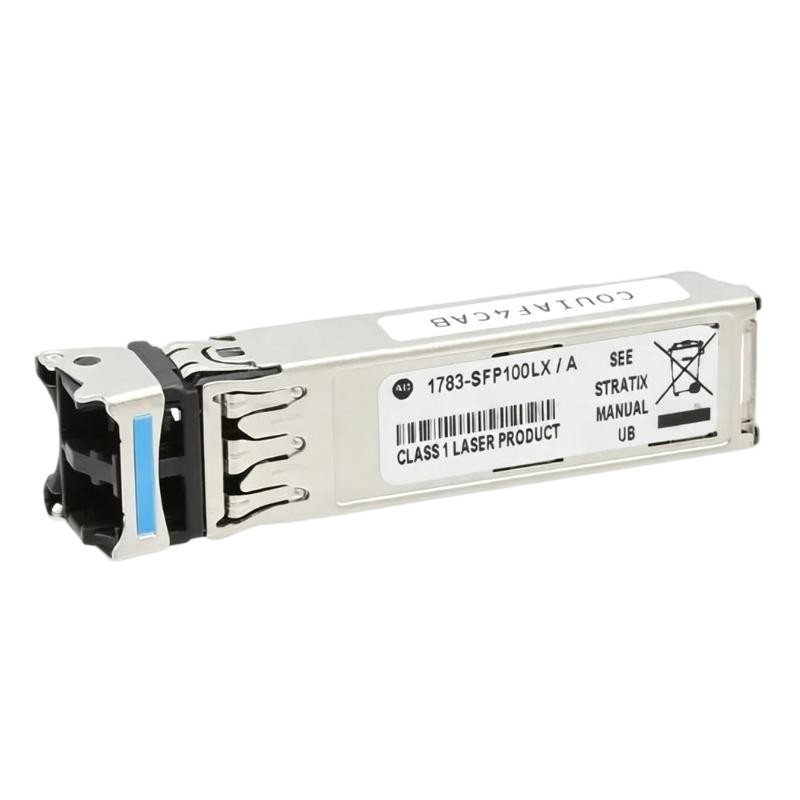
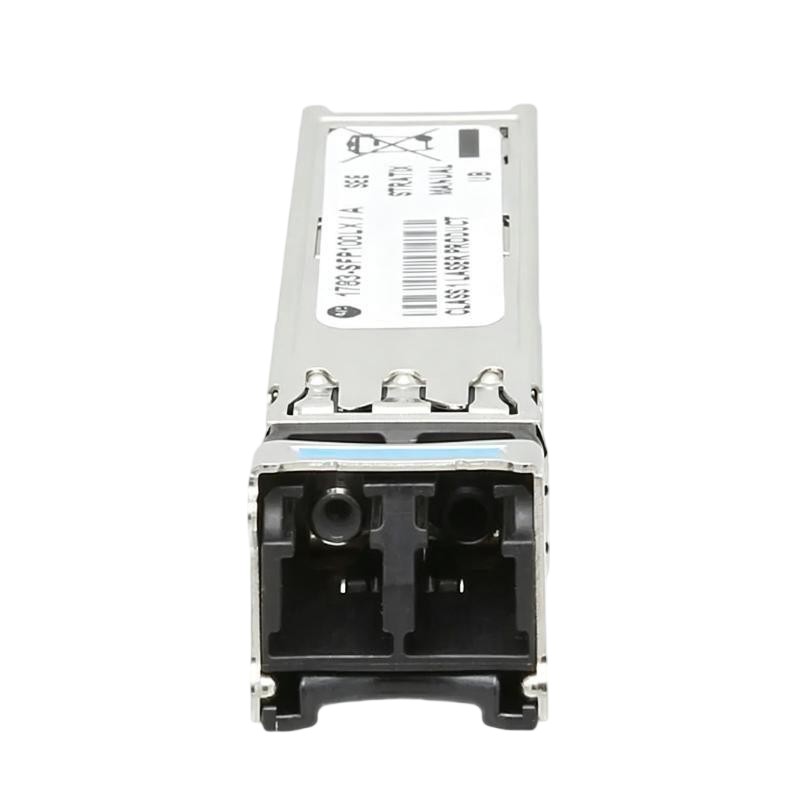
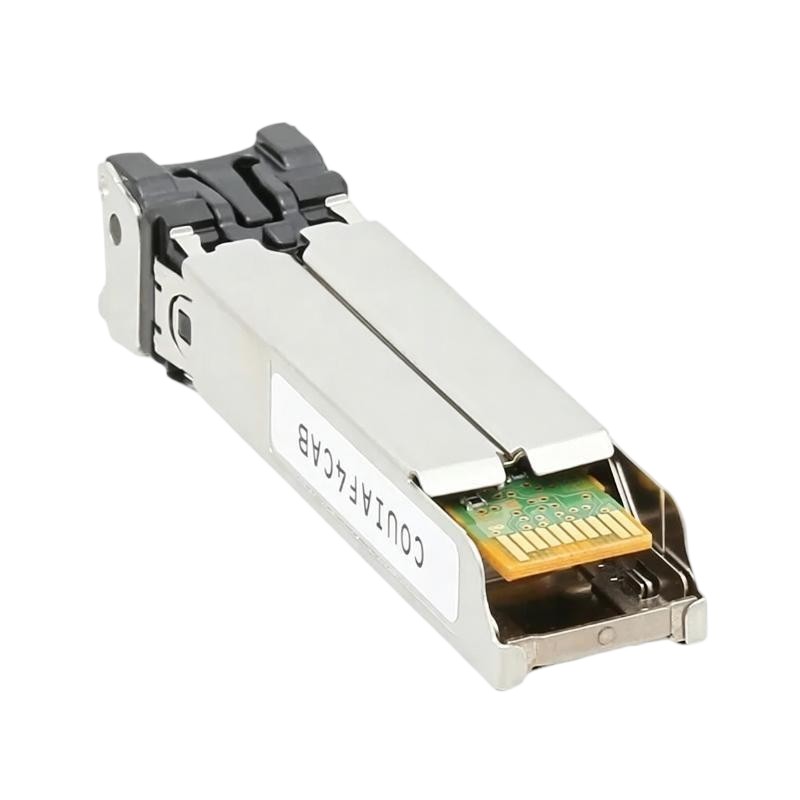
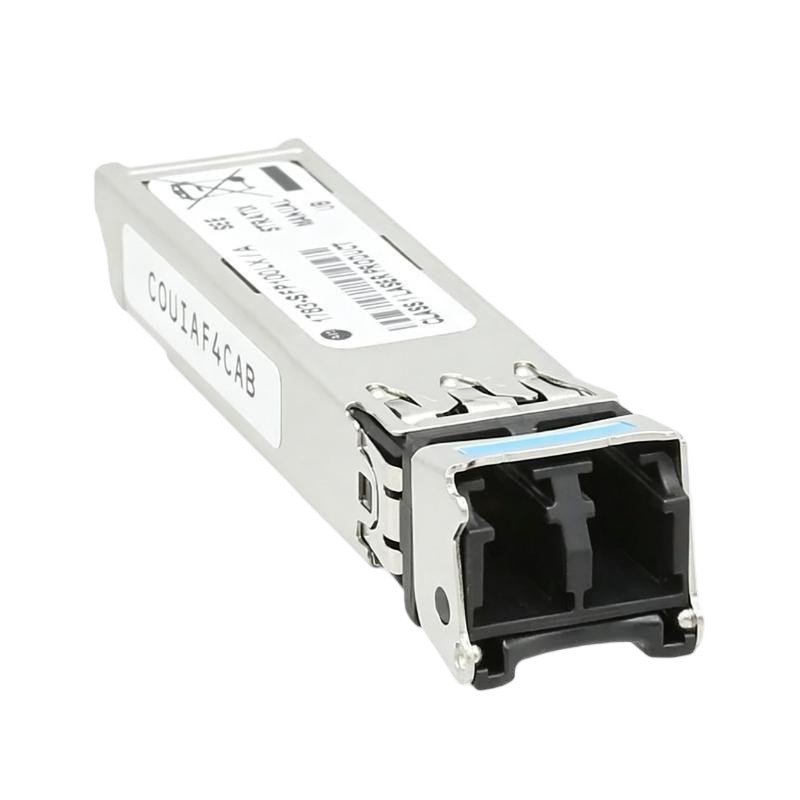
- Allen Bradley
- 1783-SFP100LX
- 100BASE-LX SFP Fiber Transceiver
- USA
- 90 × 25 × 50 mm
- 0.03 kg
- Xiamen, China
- New & In Stock
- T/T, PayPal, Western Union
- 1 Year
- 1-3 Working Days
- DHL, UPS, TNT, FedEx and EMS.
- 24-Hour Service
- COO
- 4
Our advantage

Global Logistics
We have a 10-year logistics and express cooperation agreement, so our products can be shipped to any place in the world.

Brand new and original
Our products are imported in bulk from the place of origin. Because of the cooperative relationship, our products are all original and 100% new.

24-hour service
We provide 7*24 hours service to our customers. We will be there whenever you need us.

Price advantage
All our products are priced very favorably because we have our own warehouse and supply.
| Company Information | |||
| [email protected] | |||
| Mobile | +8615980777398 | ||
| +8615980777398 | |||
| 15980777398 |
Product Overview
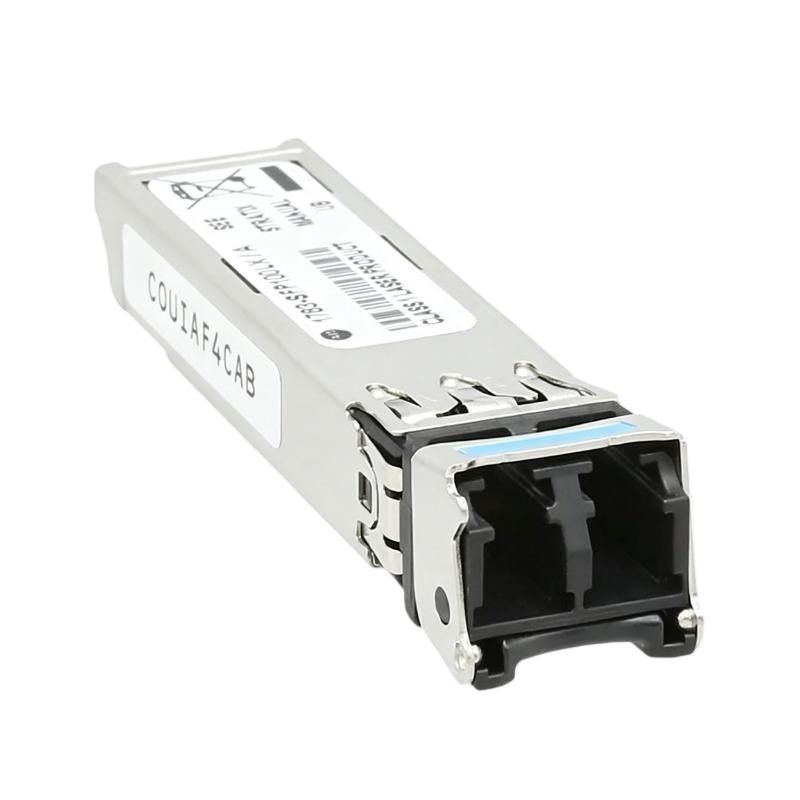
The Allen Bradley 1783-SFP100LX Stratix 100BASE-LX SFP Fiber Transceiver is an optical Ethernet module used to establish fiber-based network connections between compatible industrial Ethernet devices. Installed in a supported SFP port, it provides the optical interface needed to transmit Ethernet data over a fiber-optic link. This arrangement is useful when network connections must span separate equipment areas, control cabinets, or production zones where copper cabling is not the preferred option.
In industrial automation systems, fiber links can connect network switches serving PLCs, HMIs, remote I/O stations, and supervisory equipment. Optical transmission also avoids creating a conductive electrical path between the two ends of the fiber link, which can be beneficial when network equipment is installed in areas with different electrical conditions.
The 1783-SFP100LX belongs to the Stratix fiber connectivity product category and is intended for compatible 100BASE-LX network applications. Correct deployment requires checking the host device’s supported transceivers, the applicable fiber specification, the connector arrangement, and the optical interface at the remote end. The transceiver provides the physical link; network switching and traffic management remain the responsibility of the connected equipment.
Technical Specifications
| Parameter | Specification |
|---|---|
| Brand | Allen Bradley |
| Model | 1783-SFP100LX |
| Product Series | Stratix |
| Product Type | 100BASE-LX SFP Fiber Transceiver |
| Module Category | Small Form-Factor Pluggable (SFP) Transceiver |
| Ethernet Standard | 100BASE-LX |
| Data Rate | 100 Mbps |
| Transmission Medium | Fiber-Optic Cable |
| Optical Interface | SFP |
| Primary Function | Optical Ethernet Signal Conversion |
| Network Application | Industrial Fiber Ethernet Connectivity |
| Typical Host Equipment | Compatible Industrial Ethernet Switches |
| Installation Method | SFP Port Installation |
| Communication Type | Optical Ethernet Transmission |
| Dimensions | 90 × 25 × 50 mm |
| Weight | 0.03 kg |
Product Features
- Fiber Ethernet connectivity: Provides an optical interface for compatible industrial Ethernet equipment, supporting network connections over fiber-optic cabling.
- 100BASE-LX operation: Supports Ethernet communication at 100 Mbps when used with compatible host equipment and link components.
- SFP form factor: Fits a supported SFP slot, allowing the optical interface to be installed or replaced separately from the host network device.
- Electrical isolation: Fiber-optic transmission does not create a conductive path between the connected devices, helping isolate their electrical environments.
- Industrial network integration: Can be incorporated into compatible Stratix-based Ethernet installations that require optical connectivity.
- Distributed equipment connections: Supports fiber-based communication between network locations that are separated by distance, layout, or electrical considerations.
- Modular maintenance: Allows the transceiver to be handled as an individual network component during troubleshooting or replacement.
- Structured network design: Supports network architectures that use optical links to connect switches or other compatible devices in separate zones.
Working Principle
The 1783-SFP100LX converts electrical Ethernet signals from a compatible host device into optical signals for transmission through a fiber-optic cable. At the receiving end, a compatible transceiver converts the incoming optical signals back into electrical Ethernet signals so that the connected network equipment can process the data.
Once installed in a supported SFP port, the module serves as the optical interface between the host device and the fiber link. The host switch continues to handle Ethernet frame forwarding, VLAN functions, and other network operations according to its configuration. The transceiver itself does not operate as an independent switch or router.
For example, a network switch in a control cabinet may need to exchange data with another switch in a separate production area. The local switch sends Ethernet traffic through the SFP interface, the module converts the electrical signal into an optical signal, and the fiber carries it to the remote interface. The receiving device then processes and forwards the traffic through its own network ports.
A simplified signal path is:
Industrial Ethernet Switch → 1783-SFP100LX → Fiber-Optic Cable → Compatible Remote Optical Interface → Industrial Network
The link depends on compatible optical interfaces, the correct fiber and connector arrangement, acceptable optical loss, and support for the transceiver by the host devices.
Role in an Industrial Ethernet Control Architecture
The 1783-SFP100LX provides the physical optical connection between compatible network devices. In an industrial control architecture, this can allow Ethernet traffic to travel between switches serving different production cells or control areas without requiring a direct copper connection between those locations.
| Network Component | Function | Relationship to the 1783-SFP100LX |
|---|---|---|
| Stratix Industrial Ethernet Switch | Connects network devices and forwards Ethernet traffic | Provides the supported SFP port and electrical Ethernet interface |
| 1783-SFP100LX | Converts electrical Ethernet signaling to optical signaling and back | Provides the optical interface for the fiber link |
| Fiber-Optic Cable | Carries optical signals between network locations | Forms the physical transmission path |
| Remote Optical Transceiver | Provides the optical interface at the opposite end | Must be compatible with the selected link standard and optical characteristics |
| PLC or PAC Controller | Executes machine and process control logic | Exchanges data over the connected industrial network |
| HMI Panel | Displays process information and operator controls | Communicates with controllers through the network |
| SCADA Server | Collects process data and supports supervisory monitoring | Uses the fiber-connected network when required by the system design |
| Engineering Workstation | Supports programming, configuration, and diagnostics | Accesses controllers and network equipment through configured network paths |
In a distributed automation system, the transceiver may be installed in a switch that connects a local control network to a remote network segment. The optical link carries Ethernet traffic, while the host equipment determines how that traffic is forwarded. Engineers should confirm the required link characteristics and interface compatibility before commissioning the connection.
Industrial Applications
| Application | Network Requirement | Role of the 1783-SFP100LX |
|---|---|---|
| Manufacturing Production Lines | Ethernet connectivity between machine cells and control cabinets | Provides an optical interface for a compatible 100 Mbps link |
| PLC Network Interconnection | Data exchange between network segments containing controllers | Carries Ethernet traffic through a fiber connection |
| Distributed Control Cabinets | Communication between equipment installed in separate cabinets | Supports fiber-based network interconnection |
| Motor and Drive Areas | Network connectivity near electrically noisy equipment | Provides a nonconductive optical transmission path |
| Packaging and Assembly Systems | Connections between machine controllers, operator stations, and monitoring equipment | Supports optical links between compatible network devices |
| Water and Wastewater Facilities | Ethernet connections across process areas and equipment rooms | Provides fiber connectivity where supported by the network design |
| Material Handling Systems | Communication between conveyors, remote control panels, and supervisory systems | Carries network traffic between compatible switches |
| Industrial Network Expansion | Adding an optical connection to an existing compatible device | Uses the SFP interface to extend network connectivity |
| Supervisory Control Networks | Data exchange between switches serving HMI and SCADA equipment | Provides the physical fiber link for Ethernet communications |
Installation and Maintenance
- Verify host-device compatibility. Confirm that the target switch or network device supports the 1783-SFP100LX and the intended 100BASE-LX interface.
- Review the network topology. Identify the local and remote devices, cable route, intended link speed, and role of the optical connection.
- Prepare the installation area. Ensure the host device is securely mounted and there is adequate access for module insertion and fiber connection.
- Follow electrical safety procedures. Apply the required isolation and handling procedures before installing or removing the transceiver.
- Inspect the module. Check the housing and optical interface for visible damage. Avoid touching exposed optical surfaces.
- Install the transceiver correctly. Align the module with the supported SFP slot and secure it according to the host equipment’s installation procedure.
- Confirm fiber and connector compatibility. Check the applicable fiber specification, connector type, and optical requirements for both ends of the link.
- Clean the optical connectors. Contamination can increase signal loss or prevent a link from establishing. Use suitable fiber inspection and cleaning practices before connection.
- Connect and route the cable carefully. Avoid excessive bending, pulling, crushing, or twisting, and maintain the cable’s specified bend radius.
- Check link status. After connecting the fiber, inspect the host device’s status indicators or management interface for an active optical link.
- Perform end-to-end testing. Verify communication between the local and remote devices, including the required PLC, HMI, or supervisory traffic.
- Maintain installation records. Document the module location, cable route, remote endpoint, and relevant network settings. Inspect the optical path during troubleshooting or scheduled maintenance.
If the link fails to establish, check host-device compatibility, fiber type, connector cleanliness, cable continuity, and the remote transceiver. Confirm that the complete optical path meets the requirements of the selected interfaces. A link problem may originate in the cabling or host configuration rather than in the SFP module.
Related Components
| Component | Function | Relationship to the 1783-SFP100LX |
|---|---|---|
| Stratix Industrial Ethernet Switch | Provides industrial Ethernet switching | Hosts the transceiver when the specific switch model supports it |
| Fiber-Optic Cable | Carries optical signals between network devices | Provides the physical path for the Ethernet link |
| Compatible Remote SFP Transceiver | Provides the optical interface at the other end | Completes the optical connection when the link characteristics match |
| Fiber Patch Panel | Organizes and terminates fiber connections | Supports structured cabling between cabinets and network locations |
| PLC or PAC Controller | Executes automation logic | Exchanges control data over the connected Ethernet network |
| HMI Panel | Provides operator visualization and control | Communicates with controllers through the network |
| Managed Ethernet Switch | Connects network devices and manages traffic | Can act as the remote endpoint if its SFP interface is compatible |
| Fiber Inspection and Cleaning Tools | Inspect and clean optical connectors | Help maintain the optical path and reduce connector-related faults |
Recommended Related Models
| Model | Product Name | Typical Application |
|---|---|---|
| 1783-SFP100FX | Allen Bradley Stratix 100BASE-FX SFP Fiber Transceiver | 100 Mbps Ethernet connectivity over a compatible fiber link |
| 1783-SFP100EXC | Allen Bradley Stratix 100BASE-EX Single-Mode Fiber SFP Module | 100 Mbps Ethernet connectivity using the applicable single-mode fiber interface |
| 1783-SFP1GSX | Allen Bradley Stratix 1000BASE-SX Fiber SFP Module | Gigabit Ethernet connectivity over compatible multimode fiber |
| 1783-SFP1GLX | Allen Bradley Stratix 1000BASE-LX Fiber SFP Module | Gigabit Ethernet connectivity using the applicable LX optical interface |
| 1783-SFP100LX | Allen Bradley Stratix 100BASE-LX SFP Fiber Transceiver | 100 Mbps optical Ethernet connectivity |
| 1783-RA2TGB | Allen Bradley Stratix 4300 Remote Access Router | Industrial remote-access networking |
| 1783-RMS06T | Allen Bradley Stratix 8300 6-Port Ethernet Switch | Managed industrial Ethernet switching |
These models support different optical standards, data rates, or network functions. They should not be treated as direct substitutes solely because they belong to the Stratix family. Before selecting an alternative, compare the host device’s supported transceivers, fiber specification, connector arrangement, link requirements, and intended network role.
Key Advantages
- Adds optical Ethernet connectivity to compatible industrial network equipment.
- Supports 100 Mbps communication over a suitable fiber-optic link.
- Provides electrical isolation between the two ends of the fiber connection.
- Fits a modular SFP-based network architecture.
- Supports connections between industrial network locations where fiber is appropriate.
- Allows the optical interface to be replaced separately from the host device.
Technical FAQs
1. What is the Allen Bradley 1783-SFP100LX used for?
The 1783-SFP100LX is a Stratix 100BASE-LX SFP fiber transceiver used to provide an optical Ethernet interface for compatible network equipment. It enables Ethernet traffic to travel over a suitable fiber-optic connection at 100 Mbps.
2. What type of fiber is required for the 1783-SFP100LX?
The appropriate fiber type must match the transceiver’s optical specification. Before installation, verify the supported fiber, connector arrangement, and optical requirements for the module and the remote-end interface.
3. Does the 1783-SFP100LX perform network switching?
No. It is an optical transceiver, not a standalone Ethernet switch. It converts between electrical Ethernet signaling and optical signaling, while the host device handles switching, traffic forwarding, and network configuration.
4. What should be checked if the 1783-SFP100LX does not establish a link?
Check that the host device supports the module, the fiber and connectors are compatible, the optical surfaces are clean, and the cable is undamaged. Also verify the remote transceiver and review the host device’s link status before changing network settings.