

ProductPRODUCT
Featured products
Contact Us
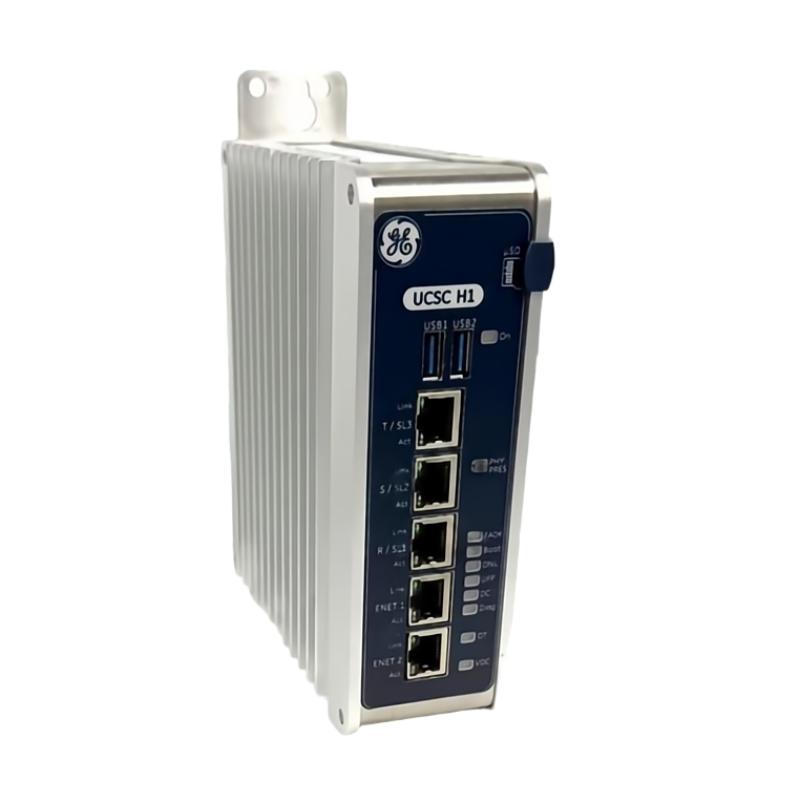
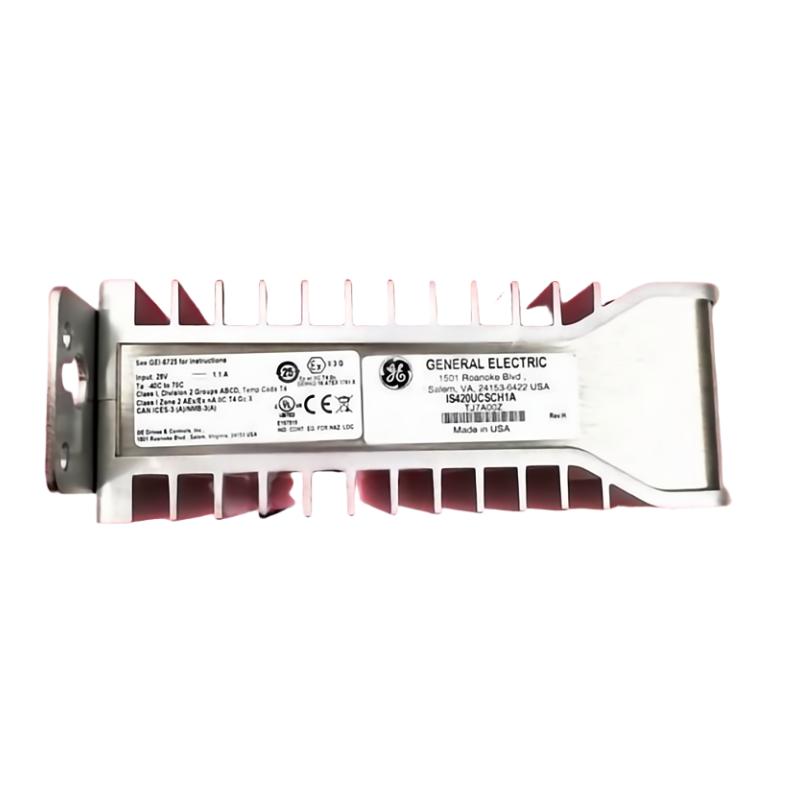
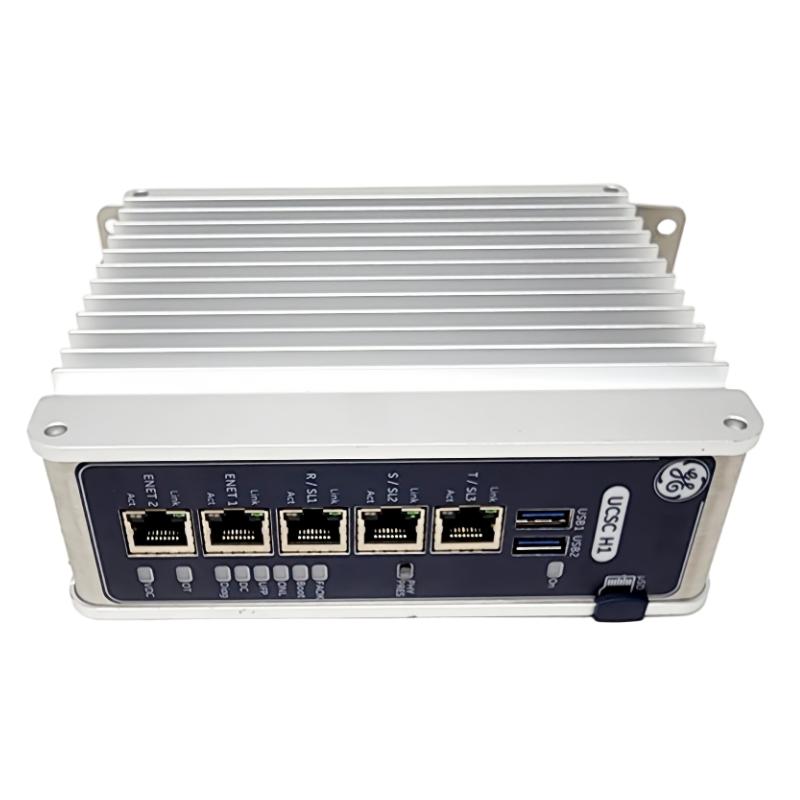
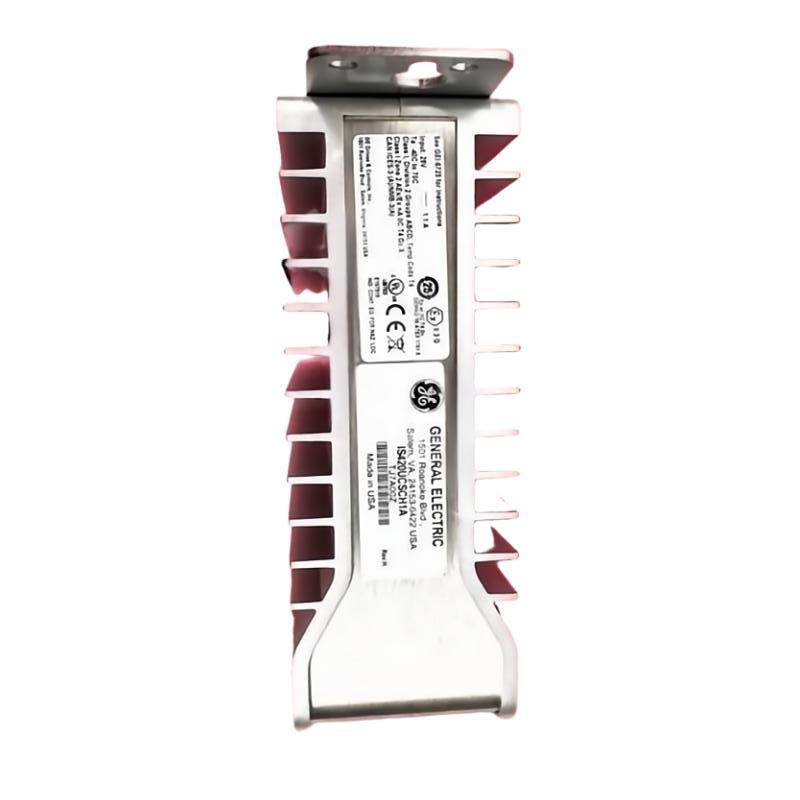
- GE
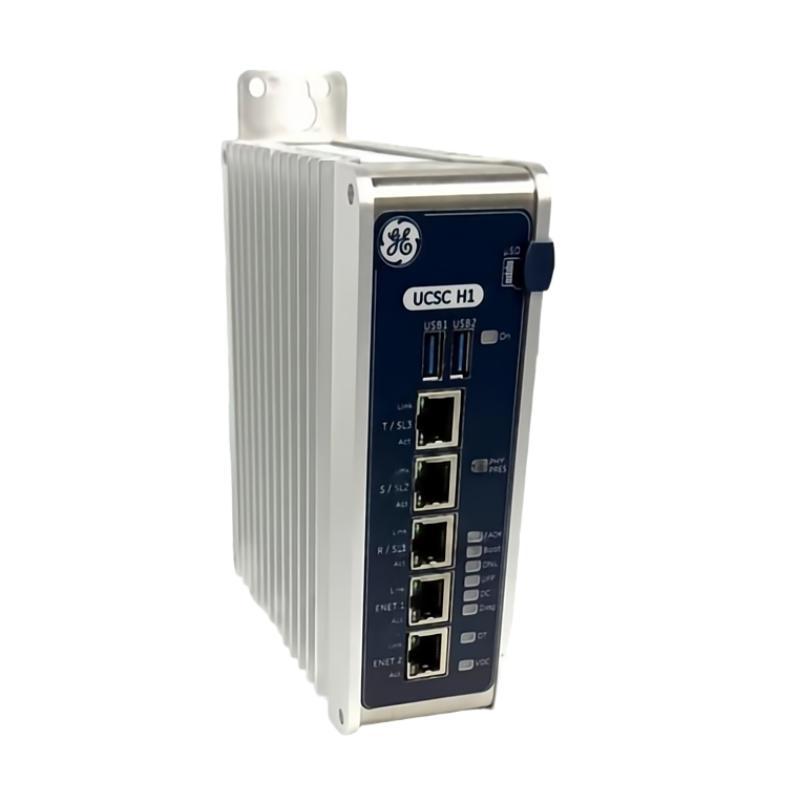
- IS420UCSCH1A
- Dual-Core Mark VIe Controller
- USA
- 168 x 150 x 55 mm
- 1.327 kg
- Xiamen, China
- New & In Stock
- T/T, PayPal, Western Union
- 1 Year
- 1-3 Working Days
- DHL, UPS, TNT, FedEx and EMS.
- 24-Hour Service
- COO
- 6
Our advantage

Global Logistics
We have a 10-year logistics and express cooperation agreement, so our products can be shipped to any place in the world.

Brand new and original
Our products are imported in bulk from the place of origin. Because of the cooperative relationship, our products are all original and 100% new.

24-hour service
We provide 7*24 hours service to our customers. We will be there whenever you need us.

Price advantage
All our products are priced very favorably because we have our own warehouse and supply.
| Company Information | |||
| [email protected] | |||
| Mobile | +8615980777398 | ||
| +8615980777398 | |||
| 15980777398 |
Product Overview
The GE IS420UCSCH1A Dual-Core Mark VIe Controller is an industrial control component designed for use within compatible GE Mark VIe automation architectures. Modern industrial control systems require dependable processing, coordinated communication, and continuous access to equipment and process information. Controller hardware provides the processing foundation for executing configured control strategies and coordinating the operation of connected system components.
The GE Mark VIe platform is associated with demanding industrial control applications, including power generation and turbine-related systems. Within these environments, control hardware works alongside I/O modules, field instrumentation, communication interfaces, engineering tools, and operator interfaces to support process supervision and equipment operation. Correct controller selection is essential because hardware compatibility, application configuration, and system architecture directly affect commissioning and maintenance.
The GE IS420UCSCH1A is identified as a Dual-Core Mark VIe Controller. Its supplied dimensions are 168 × 150 × 55 mm, and its weight is approximately 1.327 kg. These specifications are useful for equipment layout, inventory management, and replacement planning. Before installation, technicians should verify the full product designation, hardware revision, supported interfaces, firmware requirements, and compatibility with the target Mark VIe system.
Technical Specifications
| Parameter | Specification |
|---|---|
| Manufacturer | General Electric (GE) |
| Model Number | IS420UCSCH1A |
| Product Name | Dual-Core Mark VIe Controller |
| Product Family | GE Mark VIe Control System |
| Product Type | Industrial Controller |
| Processor Architecture | Dual-core, as identified by the product designation |
| Primary Function | Industrial control and processing within a compatible system |
| Dimensions | 168 × 150 × 55 mm |
| Weight | 1.327 kg |
| Installation | According to the compatible Mark VIe hardware configuration |
| Firmware Requirements | Verify against the installed control-system configuration |
| Communication Interfaces | Confirm from the applicable hardware documentation |
| Power Requirements | Verify before installation |
| Application | Industrial automation and compatible Mark VIe control applications |
Note: Detailed processor specifications, supported communication protocols, memory capacity, operating temperature, redundancy arrangements, and firmware compatibility should be confirmed using the technical documentation for the exact IS420UCSCH1A revision.
What Is the GE IS420UCSCH1A Dual-Core Controller?
The IS420UCSCH1A is identified as a dual-core controller for the GE Mark VIe control platform. A controller is a central component in an industrial automation architecture because it processes configured control logic and coordinates information exchanged with connected devices.
The dual-core designation indicates a processor architecture that uses two processing cores. The actual division of tasks between those cores depends on the controller’s design, firmware, and application configuration. It should not automatically be interpreted as proof of controller redundancy, fault tolerance, or a particular performance rating.
In a Mark VIe installation, controller hardware must operate as part of a correctly configured system. Its functionality depends on the supported I/O architecture, associated communication equipment, application software, and engineering configuration. Selecting the correct controller is therefore more than a matter of matching physical dimensions or a similar model number.
Function and Working Principle
1. Execution of Control Logic
Industrial controllers execute configured application logic to manage equipment and process operations. The control application evaluates available input information, applies programmed conditions, and determines the appropriate system response.
Depending on the application, this can include equipment sequencing, process supervision, operating-state management, and control of connected devices. The specific control functions supported by the IS420UCSCH1A must be established from its approved application and system documentation.
2. Processing of Field Information
Industrial automation systems collect data from sensors, transmitters, switches, and other field devices through compatible I/O hardware. The controller uses the information made available by the configured system to evaluate operating conditions.
Accurate processing depends on correct signal mapping, suitable scaling, valid configuration data, and reliable communication with the relevant I/O components.
3. Coordination of System Components
A controller normally exchanges information with other components in the automation architecture. These may include I/O assemblies, network interfaces, operator stations, and engineering systems.
The supported communication paths and protocols vary by hardware and configuration. For the IS420UCSCH1A, the actual interface requirements should be checked before integrating it into an existing network.
4. Use of Dual-Core Processing
A dual-core processor provides two processing cores within the controller’s processing architecture. This may allow supported software to distribute or organize processing tasks across the available resources.
Actual performance depends on the controller design, firmware, application workload, and system configuration. The dual-core designation alone does not establish processing speed, scan time, or redundancy behavior.
5. Diagnostics and System Supervision
Industrial control platforms commonly provide diagnostic information to help operators and maintenance personnel identify abnormal conditions. Depending on the installed system, this information may relate to controller status, communication, configuration, or connected hardware.
Technicians should use the diagnostics available in the applicable Mark VIe environment rather than assume that every monitoring feature is supported by every controller revision.
Role in the GE Mark VIe Control System
The Mark VIe architecture is designed for industrial control applications in which multiple hardware and software elements must operate together. A controller provides processing and coordination functions within that broader architecture.
The overall system may include:
- Controller hardware for executing configured application logic
- I/O modules for acquiring field signals and interfacing with compatible equipment
- Field sensors and transmitters for measuring process conditions
- Communication components for exchanging system information
- Operator interfaces for viewing operating status and alarms
- Engineering tools for configuration, diagnostics, and maintenance
- Power and mounting hardware appropriate to the installation
The IS420UCSCH1A must be used in a supported configuration that satisfies the requirements of the host control system. The specific controller role, network arrangement, and associated components should be confirmed from the installed system design.
Industrial Applications
Power Generation
Power-generation facilities rely on industrial control systems to coordinate equipment operation, monitor process conditions, and support reliable plant operation. Suitable controller hardware can form part of the automation architecture where the specific model is supported by the installation.
Gas and Steam Turbine Control
Turbine systems require carefully configured control functions for equipment supervision and operation. Controller selection must account for the applicable control architecture, application requirements, firmware, and supported interfaces.
The IS420UCSCH1A should only be assigned to a turbine-control application when its compatibility and intended function have been verified.
Balance-of-Plant Systems
Power facilities also use automation systems for auxiliary equipment and balance-of-plant processes. These installations may combine controllers, I/O hardware, sensors, communication networks, and operator interfaces to coordinate system operation.
Industrial Process Automation
Industrial process facilities depend on controllers to execute configured logic and coordinate connected equipment. A compatible controller can help integrate process information and operating commands within the approved control architecture.
Equipment Monitoring and Coordination
Industrial installations often require continuous supervision of equipment status, operating conditions, and control-system health. Controller hardware contributes to these functions through its configured application and its interaction with supported system components.
These examples describe general industrial control applications. They do not establish that every application is supported by the IS420UCSCH1A; suitability must be confirmed against the exact hardware and system configuration.
Installation and System Integration
Proper installation helps protect the controller and maintain the integrity of the control system. All installation work should follow the approved procedures for the equipment in which the IS420UCSCH1A will be used.
1. Confirm Model Identification
Verify that the product label identifies the module as IS420UCSCH1A. Record the hardware revision and any other relevant identification information.
Compare these details with the installed controller and the site’s configuration records. Similar-looking GE controllers may differ in functionality, supported interfaces, or firmware requirements.
2. Verify System Compatibility
Confirm that the controller is approved for the intended Mark VIe configuration. Check the hardware arrangement, required accessories, firmware compatibility, application requirements, and supported communication interfaces.
Do not assume that a controller can replace another unit simply because both belong to the same product family.
3. Follow Electrical and Handling Precautions
Before removing or installing the controller, follow the site’s isolation and lockout procedures, along with the manufacturer’s electrostatic-discharge precautions. Ensure that the equipment is placed in the required safe state before handling the hardware.
Controller replacement in a live industrial system can affect process operation. Any work involving an operating plant should be performed under the approved maintenance and operational procedures.
4. Inspect the Mounting Location
Check the mounting area for mechanical damage, contamination, moisture, excessive heat, or vibration. Ensure that the installation provides adequate support and that the module can be secured according to the host-system design.
The supplied dimensions of 168 × 150 × 55 mm should be used as a planning reference and verified against the physical unit and its installation requirements.
5. Check Connections and Configuration
Inspect the applicable connectors and confirm their positions before installation. Verify power, communication, and associated hardware requirements against the documentation for the exact revision.
After installation, confirm that the controller’s configuration matches the approved system design. Firmware, application files, and network settings should not be changed without the appropriate authorization and validated procedures.
6. Commission the Controller
Use the approved commissioning procedure to verify hardware recognition, controller status, required communication paths, and application configuration. Review diagnostic information for unexpected conditions.
Where operational testing is required, perform it under controlled conditions with appropriate safeguards. Confirm that the system behaves as expected before returning the equipment to normal service, and document the final hardware and configuration details.
Troubleshooting the GE IS420UCSCH1A
Controller faults should be investigated systematically. A problem that appears to originate in the controller may instead involve configuration, power, network communication, I/O hardware, or another system component.
Controller Does Not Start or Initialize
If the controller fails to initialize, check:
- Complete model number and hardware revision
- Correct installation and mounting
- Applicable power requirements
- Connector condition and seating
- Compatibility with the installed control platform
- Firmware and configuration requirements
- Available system diagnostic messages
Do not assume that the controller itself has failed until the surrounding installation has been checked.
Communication Failure
Communication problems may prevent the controller from exchanging information with connected system components. Depending on the configuration, possible causes include connection faults, incompatible settings, incorrect network configuration, or faults in associated hardware.
Verify the supported interface, inspect the relevant connections, and review the host system’s diagnostic information. Do not change network settings without confirming the approved configuration.
Controller Not Recognized
If the system does not recognize the controller, confirm the product identity, installation position, hardware revision, and system compatibility. Review the configuration records and any available hardware status information.
A mismatch between the installed hardware and the configured system may produce symptoms similar to a hardware defect.
Unexpected Control Behavior
Unexpected system behavior may result from incorrect application configuration, invalid input data, communication interruptions, incompatible firmware, or problems in connected equipment.
Review alarms and event records, check recent maintenance changes, and verify the signal and application configuration. Changes to a running control application should follow the site’s authorization and validation procedures.
Intermittent Faults
Intermittent problems can be associated with loose connections, environmental conditions, unstable power, network interruptions, or faults in related equipment.
Record when the fault occurs and compare the event history with controller status and communication diagnostics. This can help determine whether the issue is local to the controller or part of a wider system problem.
Repeated Diagnostic Alarms
Repeated alarms should be evaluated according to their actual diagnostic descriptions. Record the alarm text, timing, operating conditions, and any recent hardware or configuration changes.
Avoid clearing alarms repeatedly without identifying the underlying cause. Persistent or safety-related faults should be investigated by qualified personnel using the approved maintenance procedure.
Maintenance and Reliability Recommendations
A structured maintenance program helps protect control hardware and improves the quality of troubleshooting.
Visual inspection: Examine the controller and surrounding installation for visible damage, contamination, corrosion, or signs of overheating.
Connection inspection: Check accessible connectors and associated wiring for physical damage or insecure connections, following the approved handling procedures.
Environmental management: Maintain the installation within the environmental limits specified for the controller and host system.
Diagnostic review: Monitor available controller status information, alarms, and event records to identify recurring issues.
Configuration control: Maintain records of the hardware revision, firmware requirements, application configuration, network settings, and associated equipment.
Replacement planning: Verify the complete model designation and compatibility requirements before ordering replacement hardware.
Controlled testing: Perform controller tests and configuration changes only through approved procedures, especially where the equipment supports critical industrial operations.
Compatible System Components
The IS420UCSCH1A should be evaluated as part of the complete Mark VIe installation. Depending on the approved system design, related component categories may include:
| Component Category | Function in the Control Architecture |
|---|---|
| Mark VIe I/O Hardware | Provides interfaces for compatible field signals |
| Field Sensors and Transmitters | Measure process variables and equipment conditions |
| Communication Interfaces | Support data exchange between compatible system components |
| Operator Interface | Presents process status, alarms, and operating information |
| Engineering and Configuration Tools | Support application setup and system diagnostics |
| Power Supply Hardware | Provides power according to the system design |
| Terminal and Connection Assemblies | Organize electrical connections to field and system hardware |
| Cabinet and Mounting Hardware | Supports installation and environmental protection |
This table describes general component categories rather than a confirmed list of directly compatible part numbers. The exact I/O assemblies, communication interfaces, software tools, and accessories must be verified against the IS420UCSCH1A documentation and the installed Mark VIe configuration.
Replacement and Procurement Considerations
Selecting the correct controller is essential for reducing downtime and avoiding configuration incompatibilities. A replacement should match the requirements of the existing control system rather than merely its physical appearance.
Before purchasing a GE IS420UCSCH1A, confirm:
- Complete model number: IS420UCSCH1A
- Product designation: Dual-Core Mark VIe Controller
- Hardware revision and label information
- Compatibility with the installed Mark VIe architecture
- Firmware and application requirements
- Supported interfaces and network configuration
- Required associated hardware and accessories
- Physical dimensions and installation arrangement
- Product condition and traceability
The supplied dimensions are 168 × 150 × 55 mm, and the supplied weight is 1.327 kg. These values are useful for inventory and logistics planning but do not establish functional interchangeability.
For used or refurbished units, check the product identification and visible condition and confirm that the hardware revision meets the requirements of the target installation. Any replacement should be commissioned using the site’s approved procedures.
Key Advantages
Dual-Core Processing Architecture
The product is identified as a dual-core controller. The practical processing capabilities and task allocation depend on its hardware design, firmware, and application configuration.
Integration with Industrial Control
When correctly matched to a supported Mark VIe configuration, the controller can perform its assigned control and coordination functions within the larger automation system.
Support for Complex System Architectures
Industrial controller hardware operates alongside I/O, communication, instrumentation, and operator-interface components to support integrated plant automation.
Defined Physical Specifications
The supplied dimensions of 168 × 150 × 55 mm and weight of 1.327 kg provide useful information for inventory, equipment planning, and replacement logistics.
Structured Maintenance and Diagnostics
Correct identification, configuration records, and diagnostic review help maintenance teams investigate faults and plan replacement activities more efficiently.
Technical FAQs
What is the GE IS420UCSCH1A?
The GE IS420UCSCH1A is identified as a Dual-Core Mark VIe Controller intended for compatible industrial control applications. Its exact supported functions depend on the hardware revision and system configuration.
What are the dimensions of the IS420UCSCH1A?
The supplied dimensions are 168 × 150 × 55 mm.
How much does the IS420UCSCH1A weigh?
The supplied weight is approximately 1.327 kg.
What does the dual-core designation mean?
A dual-core processor contains two processing cores. How these cores are used depends on the controller’s architecture, firmware, and application software. The designation alone does not confirm redundancy or a specific processing-performance level.
Is the IS420UCSCH1A suitable for turbine control?
Its use in a turbine-control application must be verified against the exact Mark VIe system design and approved hardware configuration. The product designation alone is not sufficient to establish suitability for a specific turbine or safety-related function.
Which communication protocols does the controller support?
Supported communication interfaces and protocols should be confirmed from the applicable hardware documentation. They should not be inferred solely from the model number.
What should be checked before replacing the controller?
Verify the full part number, hardware revision, host-system compatibility, firmware requirements, application configuration, and associated hardware. Follow approved isolation and commissioning procedures during replacement.
What can cause a controller communication fault?
Possible causes include connection problems, incorrect configuration, incompatible settings, network issues, or faults in related equipment. System diagnostics should be reviewed before replacing the controller.
Conclusion
The GE IS420UCSCH1A Dual-Core Mark VIe Controller is an industrial controller component intended for use in a compatible GE Mark VIe control architecture. Controller hardware supports the execution and coordination of configured industrial control functions and works alongside I/O assemblies, communication interfaces, field instrumentation, and engineering systems.
With supplied dimensions of 168 × 150 × 55 mm and a weight of 1.327 kg, the unit has clearly defined physical specifications for equipment planning and replacement logistics. Reliable operation depends on correct product identification, compatible firmware and configuration, suitable system integration, and adherence to approved installation and maintenance procedures.
For procurement or replacement, verify the complete IS420UCSCH1A designation and hardware revision against the target system. Confirming the actual technical capabilities and compatibility requirements before installation helps reduce commissioning risks and supports dependable industrial control operation.