

ProductPRODUCT
Featured products
Contact Us
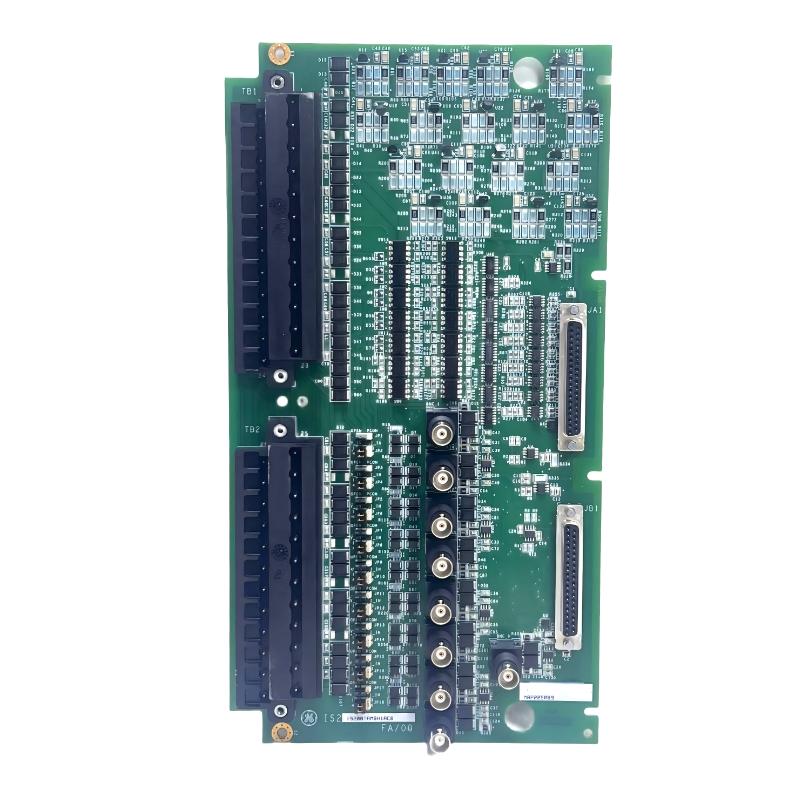
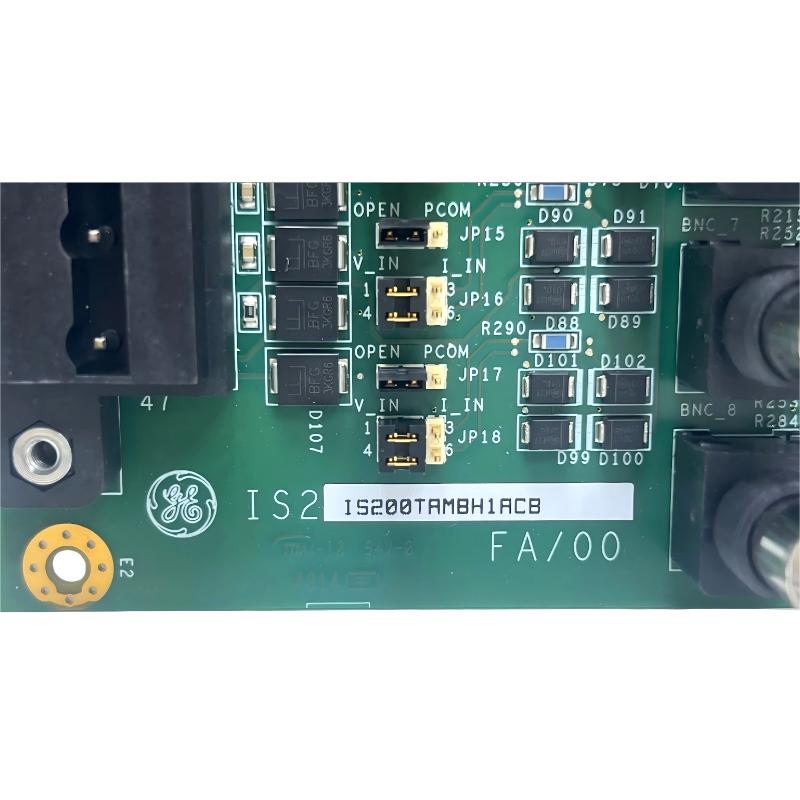
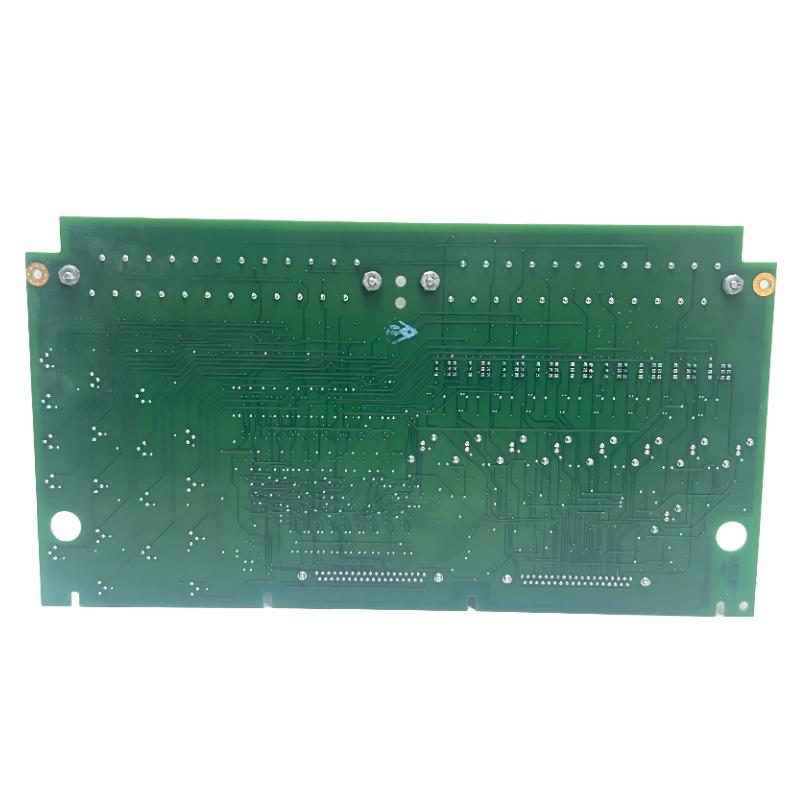
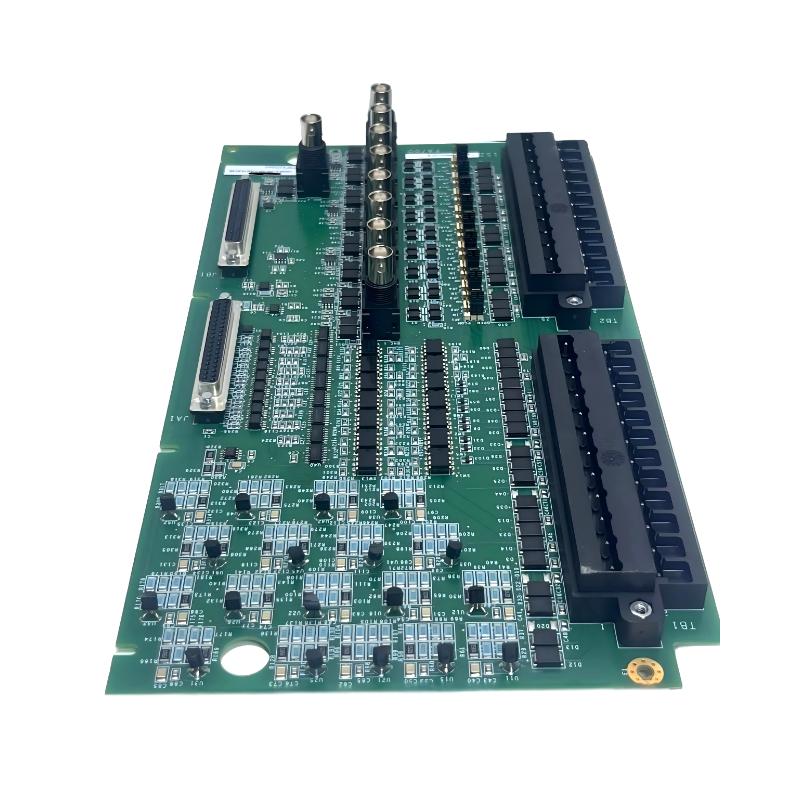
- GE
- IS200TAMBH1ACB
- Acoustic Monitoring Terminal Board
- USA
- 180 × 100 × 40 mm
- 0.5 kg
- Xiamen, China
- New & In Stock
- T/T, PayPal, Western Union
- 1 Year
- 1-3 Working Days
- DHL, UPS, TNT, FedEx and EMS.
- 24-Hour Service
- COO
- 3
Our advantage

Global Logistics
We have a 10-year logistics and express cooperation agreement, so our products can be shipped to any place in the world.

Brand new and original
Our products are imported in bulk from the place of origin. Because of the cooperative relationship, our products are all original and 100% new.

24-hour service
We provide 7*24 hours service to our customers. We will be there whenever you need us.

Price advantage
All our products are priced very favorably because we have our own warehouse and supply.
| Company Information | |||
| [email protected] | |||
| Mobile | +8615980777398 | ||
| +8615980777398 | |||
| 15980777398 |
Product Overview
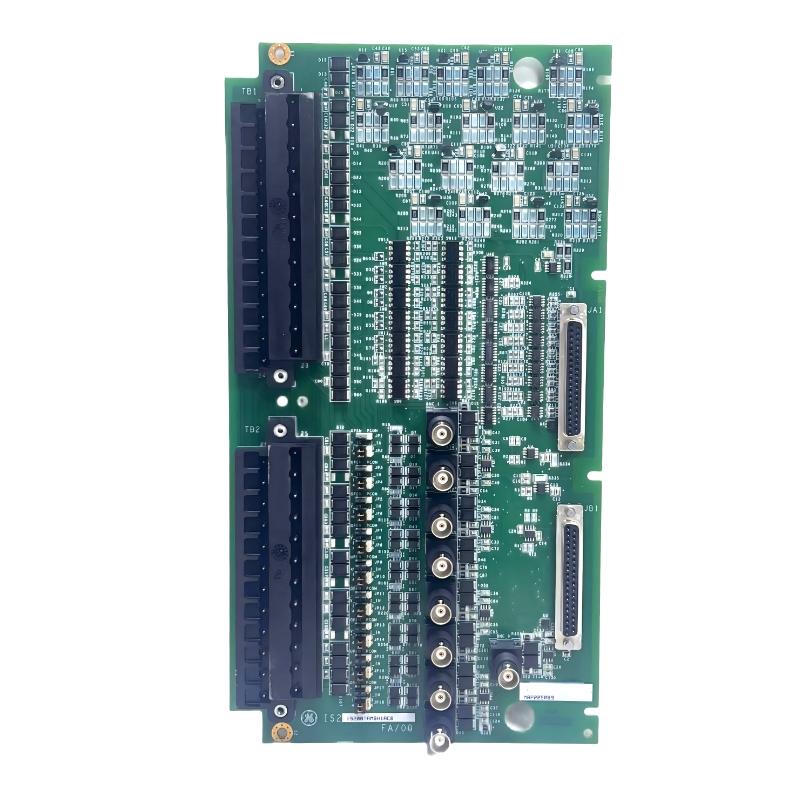
The GE IS200TAMBH1ACB is a Mark VI acoustic monitoring terminal board used as part of the signal interface for acoustic monitoring applications in GE turbine control systems. The board provides a structured connection point for acoustic-related field signals and associated monitoring circuitry within the Mark VI control architecture.
Acoustic monitoring can be used to observe high-frequency or sound-related characteristics associated with turbine equipment and auxiliary systems. The terminal-board layer helps organize the connection between field sensing equipment and the electronic processing hardware responsible for interpreting the acquired signals.
In an installed Mark VI system, the IS200TAMBH1ACB is used within the cabinet-level signal path rather than serving as the primary control processor. Its role is centered on signal termination, routing, and interfacing, allowing acoustic monitoring information to move from the field side toward the appropriate Mark VI processing and monitoring functions.
Technical Specifications
| Parameter | Specification |
|---|---|
| Product Model | IS200TAMBH1ACB |
| Product Type | Acoustic Monitoring Terminal Board |
| Product Family | GE Mark VI |
| Series | Mark VI |
| Primary Function | Acoustic Signal Termination and Interface |
| Signal Type | Acoustic / Monitoring Signals |
| System Role | Field Signal Interface |
| Application | Turbine Acoustic Monitoring |
| Installation | Mark VI Control Cabinet |
| Interface Function | Field Wiring and Signal Routing |
| Monitoring System | GE Mark VI Control System |
| Board Architecture | Terminal Board |
| Typical Connection | Acoustic Monitoring Sensors and Associated Electronics |
| Dimensions | 180 × 100 × 40 mm |
| Weight | 0.5 kg |
Product Features
- Provides an acoustic monitoring signal interface within the GE Mark VI architecture.
- Organizes field-side connections associated with acoustic monitoring circuits.
- Provides a defined termination point between monitoring equipment and control-system wiring.
- Supports structured routing of acoustic-related signals within the control cabinet.
- Suitable for turbine monitoring applications using acoustic sensing equipment.
- Separates field signal termination from higher-level control and monitoring processing.
- Facilitates inspection and troubleshooting of acoustic monitoring signal paths.
- Fits established GE Mark VI turbine control installations.
Working Principle
The IS200TAMBH1ACB functions primarily as a terminal and signal-interface board within an acoustic monitoring arrangement. It is not the main control processor and does not independently execute turbine control logic.
1. Acoustic sensing equipment detects field conditions
Acoustic sensors or related monitoring equipment detect sound or high-frequency phenomena associated with the monitored turbine or auxiliary equipment.
2. Sensor wiring enters the terminal-board layer
The sensor circuits are routed through the cabinet wiring to the terminal board. The board provides an organized physical connection point between field wiring and the remainder of the monitoring system.
3. Signals are routed toward the processing hardware
The acoustic-related signals pass through the appropriate interface path toward the Mark VI electronics responsible for signal acquisition, analysis, or monitoring. The terminal board keeps the physical wiring arrangement organized and traceable.
4. Mark VI processing interprets monitoring information
The appropriate Mark VI processing and monitoring functions use the acquired information according to the configured turbine application. Depending on the overall system design, acoustic information may contribute to equipment monitoring, diagnostics, or protective decision-making.
5. Operators and maintenance personnel use the resulting information
Once the signal has been processed by the applicable Mark VI system functions, the resulting information can be used for turbine supervision, alarm handling, troubleshooting, or maintenance activities.
The terminal board therefore forms part of the physical signal path rather than performing the complete acoustic analysis itself.
Role in a Mark VI Acoustic Monitoring Control Architecture
The IS200TAMBH1ACB occupies the terminal and field-interface layer of the GE Mark VI acoustic monitoring architecture. It connects acoustic monitoring circuits with the system’s electronic processing layer while keeping field wiring organized within the control cabinet.
| Architecture Layer | Typical Component | Role |
|---|---|---|
| Equipment Layer | Gas Turbine / Auxiliary Equipment | Generates the monitored acoustic conditions |
| Sensing Layer | Acoustic Sensor / Monitoring Device | Detects acoustic or related equipment conditions |
| Field Wiring Layer | Sensor and Signal Cables | Carries monitoring signals into the control cabinet |
| Terminal Interface Layer | IS200TAMBH1ACB | Terminates and routes acoustic monitoring connections |
| Processing Layer | Mark VI Control Electronics | Acquires and processes configured monitoring information |
| Control Layer | Mark VI Control Processor | Uses system information within turbine control strategies |
| Operator Layer | HMI / Turbine Monitoring Station | Displays alarms, status, and monitoring information |
Industrial Applications
| Application | Use of IS200TAMBH1ACB |
|---|---|
| Gas Turbine Control | Interfaces acoustic monitoring signals within the Mark VI system |
| Turbine Condition Monitoring | Provides the cabinet-level connection for acoustic sensing circuits |
| Combustion Monitoring | Supports signal routing associated with acoustic-related monitoring |
| Turbine Diagnostics | Provides an organized signal path for monitoring equipment |
| Power Generation | Used within turbine control and monitoring cabinets |
| Industrial Gas Turbines | Supports acoustic monitoring installations |
| Maintenance Systems | Provides accessible termination points for signal inspection |
| Retrofit Projects | Supports replacement or refurbishment of existing Mark VI signal-interface hardware |
Installation and Maintenance
- Verify that the IS200TAMBH1ACB matches the existing GE Mark VI acoustic monitoring architecture before installation.
- Review the applicable Mark VI cabinet drawings and wiring documentation to identify all associated terminal connections.
- Isolate the relevant control and monitoring circuits according to the plant’s electrical safety procedures before removing or installing the board.
- Identify and label field conductors before disconnecting an existing terminal board to prevent wiring errors during reinstallation.
- Inspect terminals, connectors, and board interfaces for loose connections, contamination, corrosion, or mechanical damage.
- Check acoustic sensor wiring for continuity and physical integrity when an expected monitoring signal is missing.
- Verify that each field connection is landed on the correct terminal according to the approved Mark VI wiring documentation.
- Inspect the associated signal-processing hardware when the terminal connections are correct but the monitoring value remains abnormal.
- Avoid unnecessary disturbance of adjacent turbine control wiring during board replacement or cabinet maintenance.
- After installation, perform a controlled signal verification to confirm that the acoustic monitoring path is correctly connected.
- Review Mark VI diagnostics and alarm information if the monitoring signal is intermittent, unstable, or unavailable.
- Record terminal changes, wiring corrections, inspection results, and functional test results in the turbine control maintenance documentation.
Related Components
| Component | Function |
|---|---|
| GE Mark VI Control Processor | Executes configured turbine control and monitoring strategies |
| Acoustic Monitoring Sensor | Detects acoustic conditions associated with monitored equipment |
| Signal Conditioning / Acquisition Hardware | Receives and processes sensor-related signals |
| Mark VI I/O Hardware | Provides the electronic interface between field signals and control processing |
| Terminal Wiring | Connects field sensors and monitoring equipment to the terminal board |
| Turbine Control Cabinet | Houses the terminal, I/O, and control electronics |
| Operator Interface | Displays monitoring values, alarms, and turbine status |
| Field Instrumentation | Provides additional equipment condition information used by the control system |
Recommended Related Models
| Model | Product Type | Typical Relationship |
|---|---|---|
| GE IS200TBAIH1C | Mark VI Analog Terminal Board | Related Mark VI terminal interface board |
| GE IS200TBCIH2C | Mark VI Contact Input Terminal Board | Related Mark VI field signal termination board |
| GE IS200TBQBG1A | Mark VI Terminal Board | Related Mark VI terminal interface hardware |
| GE IS200TBTCH1B | Mark VI Terminal Board | Related turbine control terminal board |
| GE IS200TRLYH1B | Mark VI Relay Output Board | Related Mark VI field interface hardware |
Key Advantages
- Provides a dedicated terminal interface for Mark VI acoustic monitoring applications.
- Organizes acoustic monitoring field connections within the control cabinet.
- Supports a structured signal path between sensors and Mark VI processing hardware.
- Simplifies field wiring inspection and signal-path troubleshooting.
- Suitable for established GE turbine control installations.
- Helps maintain an organized acoustic monitoring interface during system maintenance.
Technical FAQs
What is the function of the IS200TAMBH1ACB?
The IS200TAMBH1ACB functions as an acoustic monitoring terminal board within the GE Mark VI architecture. Its primary role is to provide organized termination and signal interfacing between acoustic monitoring field circuits and the associated Mark VI electronics.
Is the IS200TAMBH1ACB responsible for acoustic signal analysis?
The terminal board itself should not be treated as the primary signal-analysis or turbine-control processor. It provides the physical interface and routing path, while the applicable Mark VI acquisition and processing hardware handles the electronic processing required by the monitoring application.
What should be checked if an acoustic monitoring signal is missing?
Start with the acoustic sensor and field wiring, then check the terminal connections and associated signal interface hardware. If the physical circuit is intact, review the relevant Mark VI diagnostics and configuration to determine whether the problem is located farther along the signal-processing path.
Can the IS200TAMBH1ACB be replaced without checking the cabinet wiring?
The existing wiring should always be identified and documented before replacement. Terminal boards are part of a defined cabinet wiring architecture, so incorrect conductor placement can result in missing signals, incorrect monitoring points, or unexpected system behavior.