

ProductPRODUCT
Featured products
Contact Us
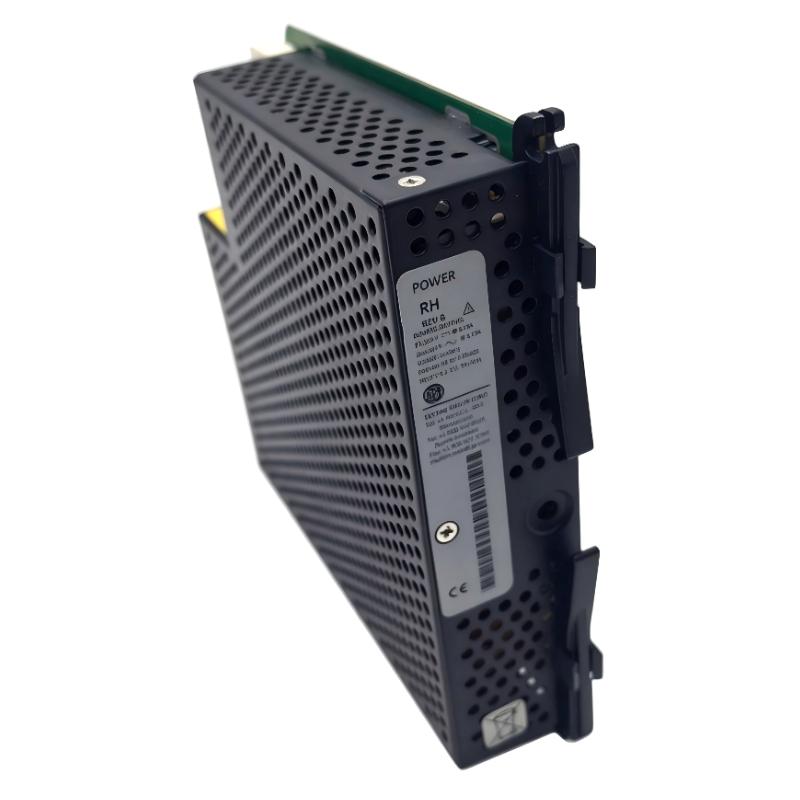
- GE
- UR RHH
- Second Generation Power Supply Module
- USA
- 120 × 30 × 100 mm
- 0.7 kg
- Xiamen, China
- New & In Stock
- T/T, PayPal, Western Union
- 1 Year
- 1-3 Working Days
- DHL, UPS, TNT, FedEx and EMS.
- 24-Hour Service
- COO
- 8
Our advantage

Global Logistics
We have a 10-year logistics and express cooperation agreement, so our products can be shipped to any place in the world.

Brand new and original
Our products are imported in bulk from the place of origin. Because of the cooperative relationship, our products are all original and 100% new.

24-hour service
We provide 7*24 hours service to our customers. We will be there whenever you need us.

Price advantage
All our products are priced very favorably because we have our own warehouse and supply.
| Company Information | |||
| [email protected] | |||
| Mobile | +8615980777398 | ||
| +8615980777398 | |||
| 15980777398 |
Product Overview
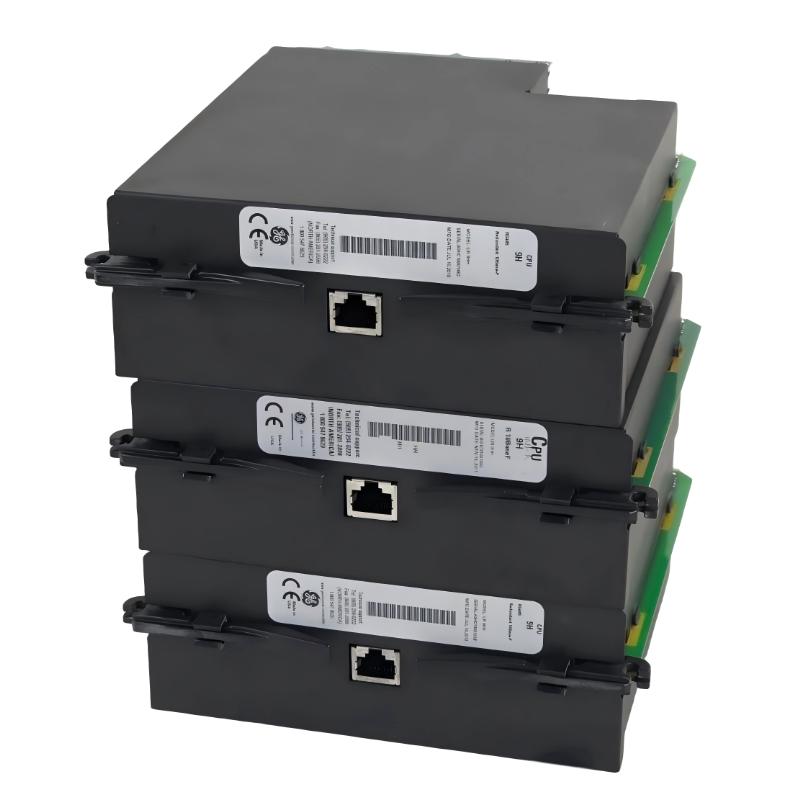
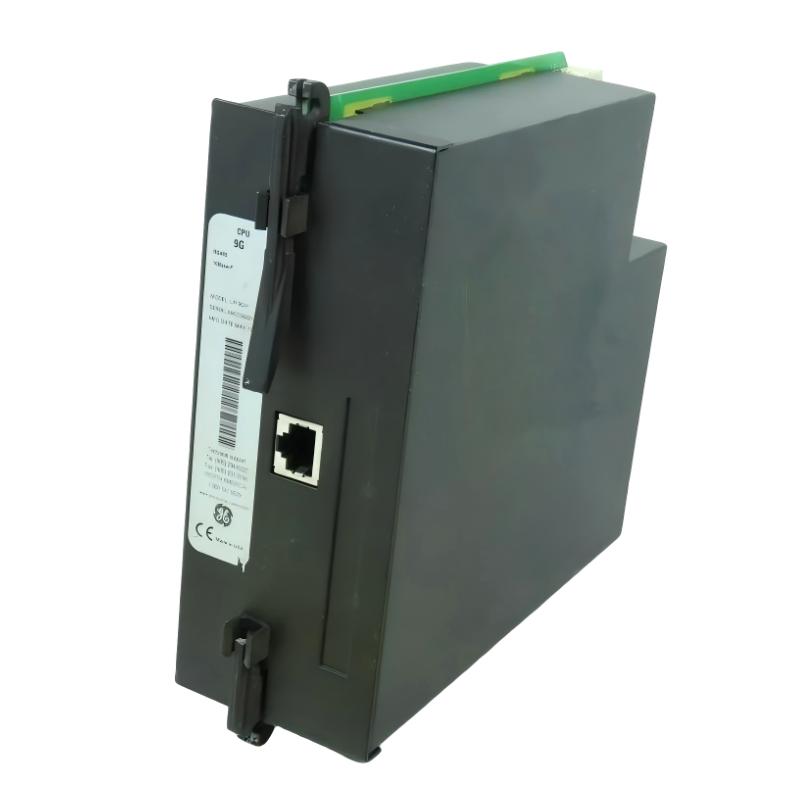
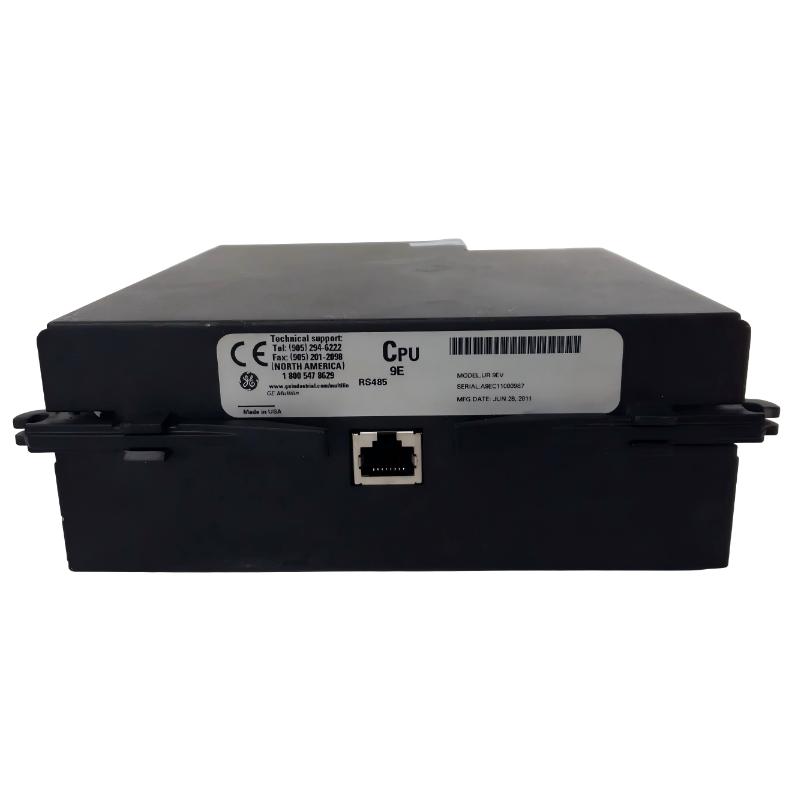
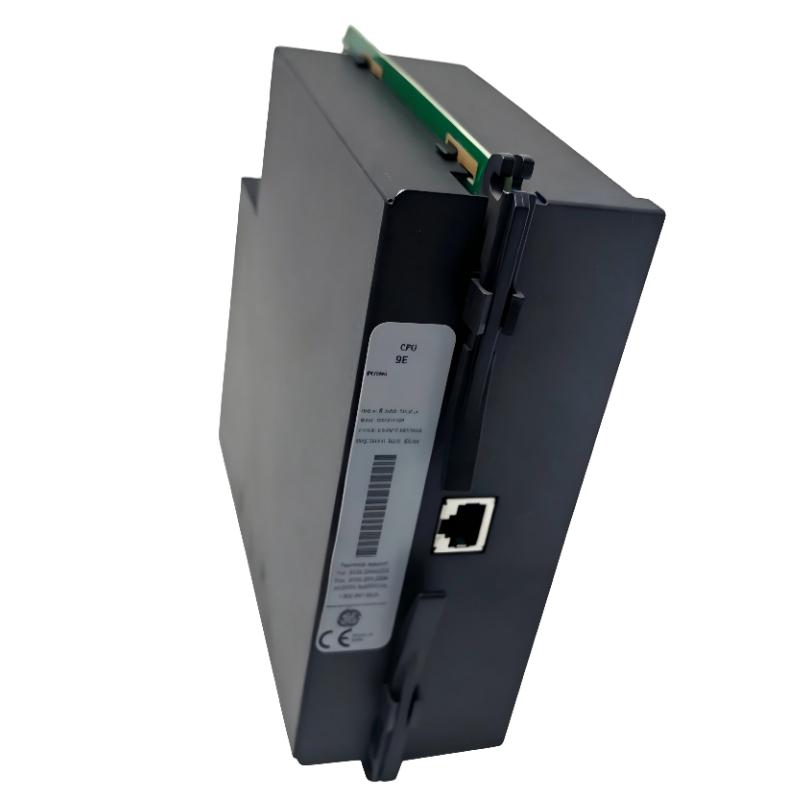
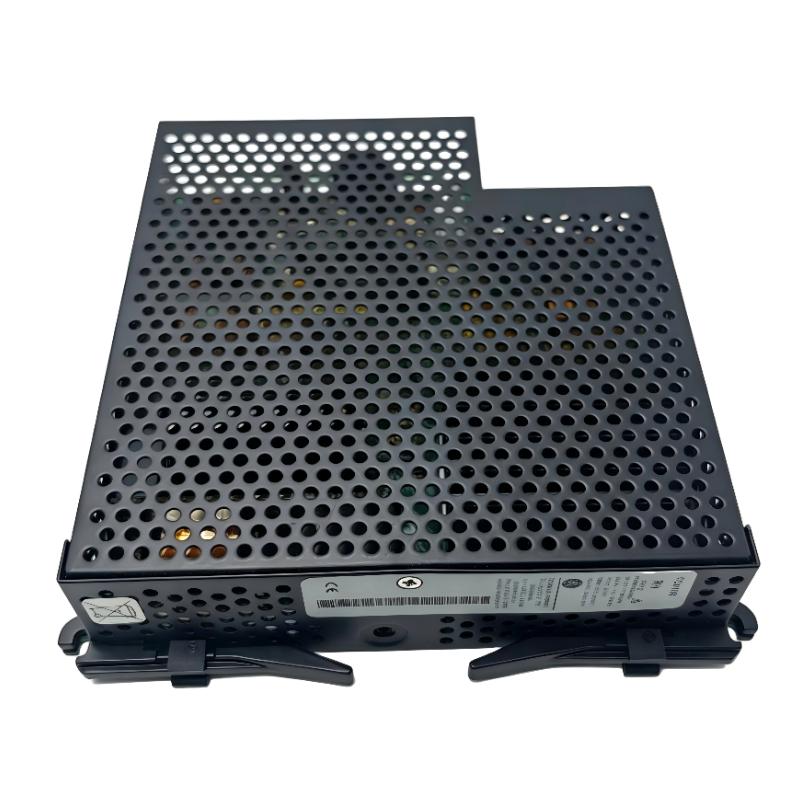
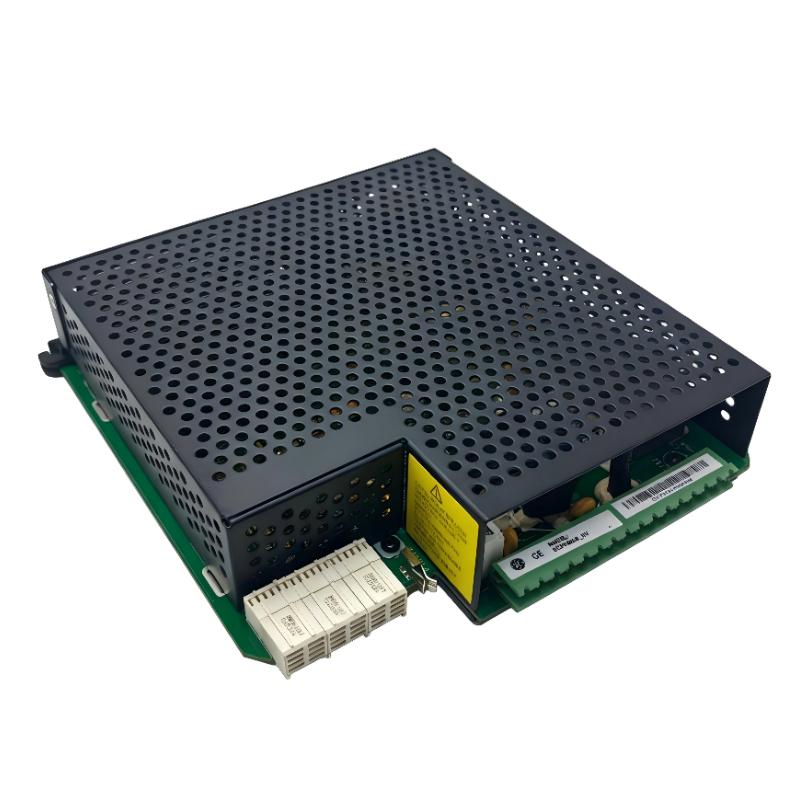
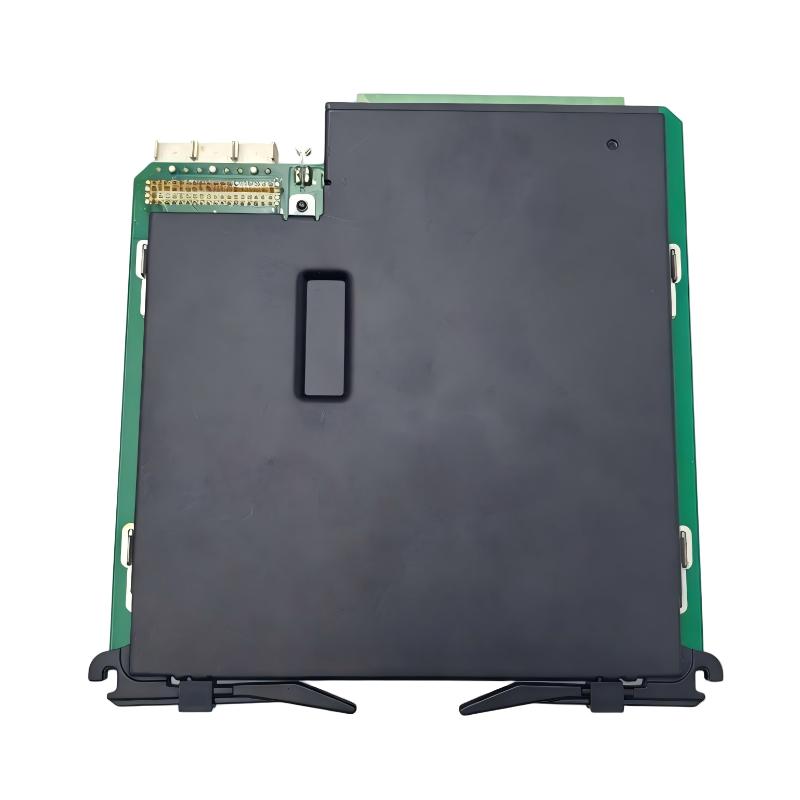
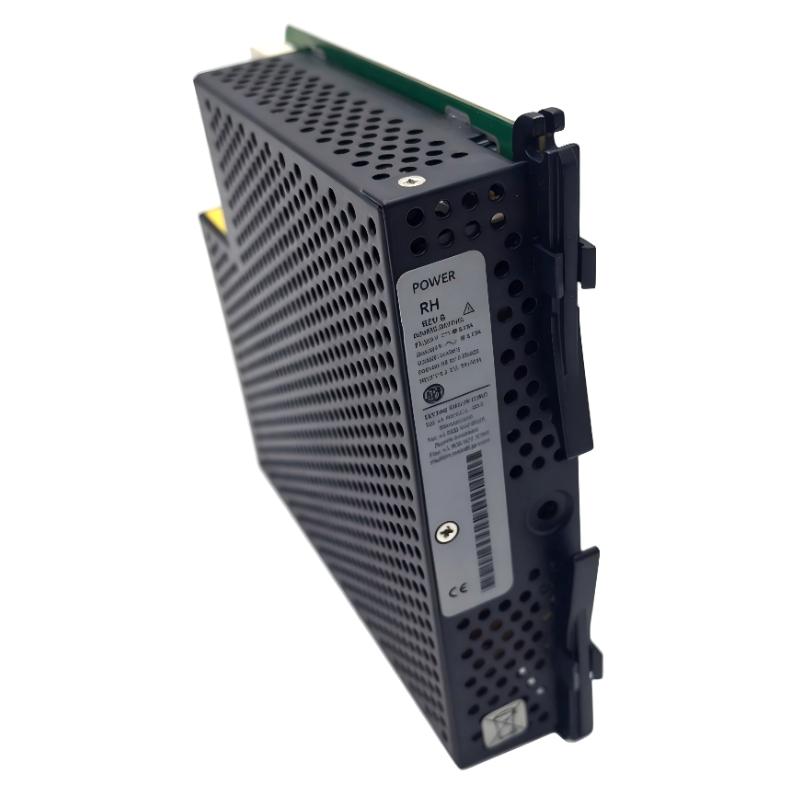
The GE UR RHH is a Second Generation Power Supply Module for the Multilin UR Series modular protection platform. It forms the power entry and distribution section of the relay, supplying the operating power required by the CPU, measurement interfaces, I/O modules, communication modules, and other installed relay functions.
In a typical protection panel, the power supply module sits at the foundation of the relay’s electrical architecture. The CPU and functional modules depend on a suitable internal power source before they can process measurements, execute protection logic, communicate with supervisory equipment, or provide control functions. A dedicated power supply module therefore affects the availability of the complete relay rather than a single protection channel.
The UR RHH is particularly relevant during relay installation, service, and replacement work where the power supply section needs to be maintained without changing the overall modular protection architecture. Correct module compatibility and secure electrical installation are important when restoring a UR Series relay to service.
Technical Specifications
| Parameter | Specification |
|---|---|
| Product Model | UR RHH |
| Product Type | Second Generation Power Supply Module |
| Product Family | Multilin UR |
| Series | Multilin UR Series |
| Module Type | Power Supply Module |
| Generation | Second Generation |
| System Role | Relay power supply |
| Power Function | Supplies operating power to the relay system |
| Architecture | Modular UR Series |
| Module Integration | CPU, I/O, measurement, and communication modules |
| Application | Protection and control systems |
| Installation | Modular relay chassis |
| Service Role | Relay power supply replacement and maintenance |
| Dimensions | 120 × 30 × 100 mm |
| Weight | 0.7 kg |
Product Features
- Second Generation power supply module for the Multilin UR Series platform.
- Provides the power foundation for the relay’s internal functional modules.
- Supports operation of CPU, I/O, measurement, and communication sections within the modular architecture.
- Suitable for maintaining compatible UR Series protection systems.
- Centralizes the relay’s power supply function within a dedicated module.
- Useful for service and replacement work involving the power section of a UR relay.
- Integrates into the same modular chassis architecture used by other UR Series functional modules.
- Helps establish the required power path before relay processing and protection functions can operate.
Working Principle
1. Receiving the relay power source
The power supply module receives the applicable electrical supply provided to the relay. Its role is to interface the incoming supply with the internal power requirements of the modular UR Series system.
2. Powering the internal relay architecture
After receiving the supply, the UR RHH supports the internal power distribution required by the relay’s functional modules. The CPU, I/O, measurement, communication, and other installed sections depend on the power system for normal operation.
3. Supporting system startup
When the relay is energized, the power supply section must establish the required operating power before the CPU and other modules can complete their startup sequence. An abnormal power supply condition can therefore affect several relay functions at the same time.
4. Maintaining module operation
During normal operation, the power supply continuously supports the relay’s internal electronics. Stable power availability allows measurement processing, protection logic, diagnostics, communication, and control functions to operate as part of the integrated relay system.
5. Supporting fault diagnosis
Power-related problems can appear as broader system symptoms, including failure to initialize, loss of module operation, unexpected resets, or communication abnormalities. Maintenance personnel should therefore evaluate the power supply together with the CPU, chassis, wiring, and other modules when investigating system-wide faults.
Role in a Multilin UR Series Protection Control Architecture
The UR RHH occupies the power layer of the modular UR Series architecture. Unlike a CPU or measurement module, it does not execute protection logic or acquire field measurements. Instead, it supplies the operating power that allows those functional sections to perform their respective tasks.
| Architecture Layer | Typical Function | Relationship with UR RHH |
|---|---|---|
| Incoming Power | Supplies electrical power to the relay | Provides the source handled by the power supply section |
| Power Supply Module | Conditions and supplies relay operating power | UR RHH provides the relay power function |
| CPU Module | Processes protection and control logic | Depends on the relay power system for operation |
| CT/VT Modules | Interface electrical measurements | Require relay power for their electronic functions |
| I/O Modules | Interface field status and control signals | Operate as part of the powered modular system |
| Communication Modules | Exchange data with external systems | Depend on the relay’s internal power architecture |
| Protection Functions | Execute configured protection logic | Operate through the powered relay platform |
Industrial Applications
| Application | Use of the UR RHH |
|---|---|
| Generator Protection | Supplies operating power for the modular relay used in generator protection |
| Motor Protection | Supports the powered relay architecture used for motor protection |
| Transformer Protection | Provides the power foundation for compatible transformer protection configurations |
| Feeder Protection | Supports continuous operation of the relay’s measurement and protection functions |
| Substation Protection | Powers the modular UR Series relay within a protection panel |
| Industrial Power Systems | Supports relay operation in plant electrical protection systems |
| Distribution Systems | Provides the power layer for compatible distribution protection applications |
| Relay Maintenance | Used when servicing or replacing the power supply section of a UR Series relay |
Installation and Maintenance
- Isolate the relay supply — Follow the site’s electrical safety procedures and isolate the applicable power source before removing the power supply module.
- Verify module compatibility — Confirm that the UR RHH is suitable for the existing Multilin UR Series relay and its generation-specific architecture.
- Check the incoming supply — Verify that the external power source and associated wiring are appropriate before energizing the replacement module.
- Inspect the module — Check the module housing, connector area, and accessible interfaces for visible damage or contamination.
- Inspect the chassis — Examine the intended module position and mating interface for mechanical damage or foreign material.
- Use ESD precautions — Handle the electronic module with suitable electrostatic discharge protection during installation and service.
- Seat the module correctly — Align the power supply module with the chassis and ensure that it is fully seated without excessive force.
- Check adjacent modules — Confirm that the CPU, I/O, measurement, communication, and other installed modules remain correctly seated.
- Energize under controlled conditions — Restore power according to the approved commissioning or maintenance procedure and observe the relay during startup.
- Check system diagnostics — Review available relay and module diagnostic information for power-related or initialization abnormalities.
- Verify complete relay operation — Confirm that the CPU, I/O, communications, measurements, alarms, and configured protection functions return to normal operation.
- Document the maintenance work — Record the replacement, configuration status, diagnostic results, and functional test results for future service and troubleshooting.
Related Components
| Component | Function |
|---|---|
| GE Multilin UR CPU Modules | Provide central processing for the powered relay system |
| GE Multilin UR CT/VT Modules | Interface current and voltage measurement signals |
| GE Multilin UR Digital I/O Modules | Interface field status and control circuits |
| GE Multilin UR Analog I/O Modules | Interface applicable analog signals |
| GE Multilin UR Communication Modules | Connect the relay to external monitoring and control systems |
| GE Multilin UR Relay Chassis | Provides the modular platform for the power supply and functional modules |
| Field Power Wiring | Delivers the applicable external supply to the relay |
| Relay Configuration Software | Supports configuration, diagnostics, and maintenance after module service |
Recommended Related Models
| Model | Product Type | Typical Relationship |
|---|---|---|
| GE UR 9AH | Universal Relay CPU Module | Central processing module for the same UR Series architecture |
| GE UR 9CH | Universal Relay CPU Module | Related UR Series CPU module |
| GE UR 9EH | Universal Relay CPU Module | Central processing module for compatible UR relay configurations |
| GE UR 9EV | Universal Relay CPU Module | Related UR Series CPU module |
| GE UR 9GH | Universal Relay CPU Module | Related UR Series CPU module |
| GE UR 8GH | CT/VT Ground Protection Module | Measurement interface for ground protection applications |
| GE UR 8LH | CT/VT Module | CT/VT measurement interface within the modular UR architecture |
Key Advantages
- Provides the power foundation for a Multilin UR Series modular relay.
- Supports the coordinated operation of CPU, I/O, measurement, and communication modules.
- Centralizes the relay’s power supply function in a dedicated module.
- Suitable for maintenance and replacement of the power section in compatible UR systems.
- Supports restoration of complete relay operation following power-supply service.
- Integrates directly into the modular structure of the UR Series protection platform.
Technical FAQs
What is the function of the GE UR RHH?
The UR RHH is a Second Generation Power Supply Module that supplies the operating power required by the Multilin UR Series relay’s internal functional modules.
Can a power supply problem affect multiple UR relay functions?
Yes. Because the power supply supports multiple sections of the modular relay, an abnormal power condition can affect CPU operation, I/O, measurements, communications, diagnostics, and other functions simultaneously.
What should be checked before replacing a UR RHH?
The relay should be isolated according to the site’s safety procedure. The replacement module’s compatibility, incoming power wiring, chassis interface, installed modules, and relevant configuration information should also be checked before service.
How can a power supply issue be distinguished from a CPU or I/O fault?
Start by reviewing system startup behavior and available diagnostics, then check the incoming supply, power supply module, module seating, CPU status, I/O status, and communication behavior. A system-wide loss of several functions can indicate a common power-related issue, but the individual modules and configuration should also be verified.