

ProductPRODUCT
Featured products
Contact Us
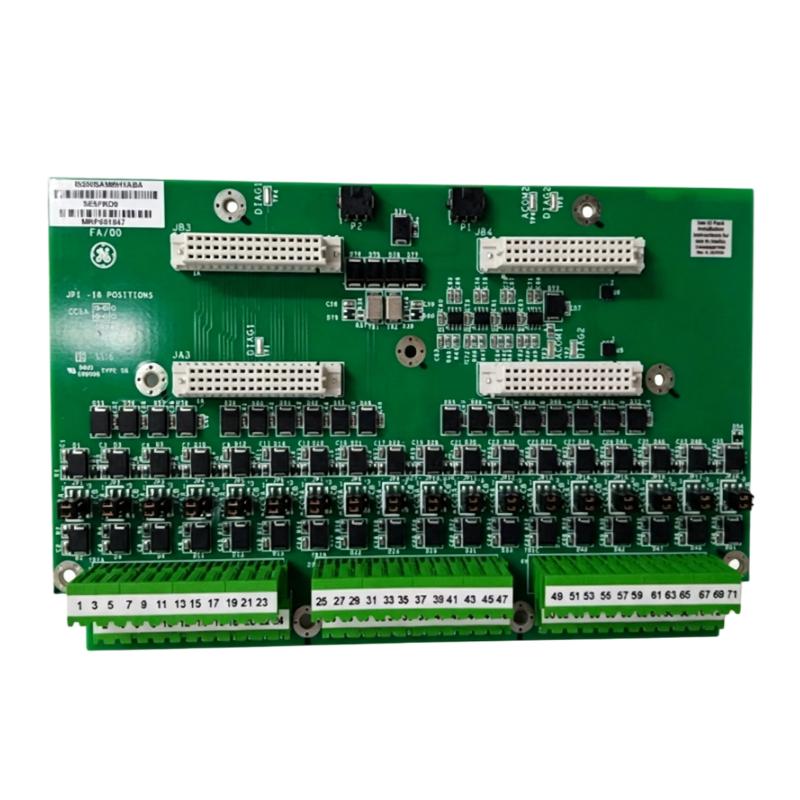
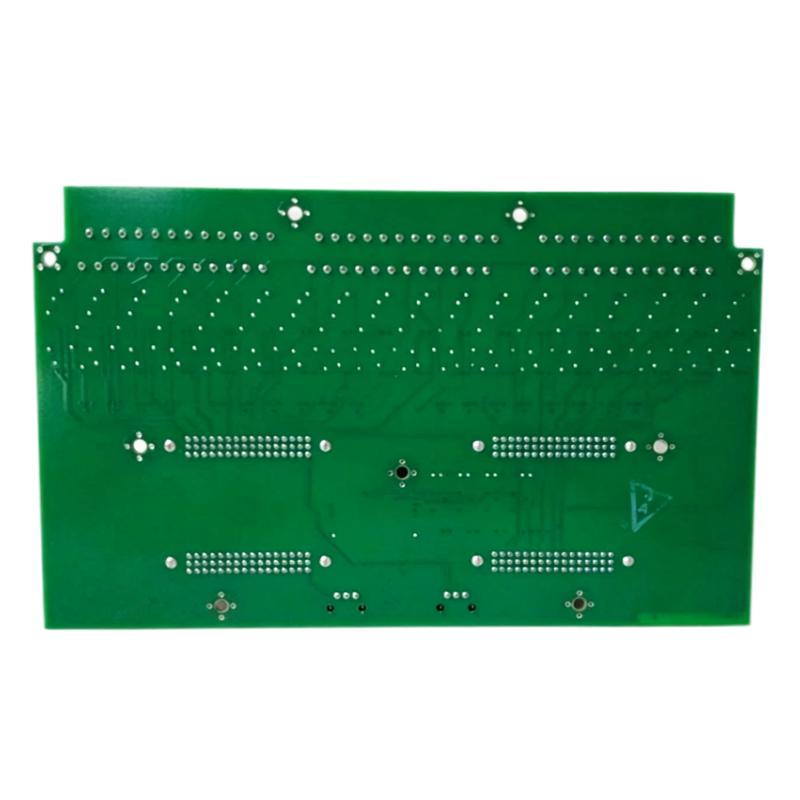
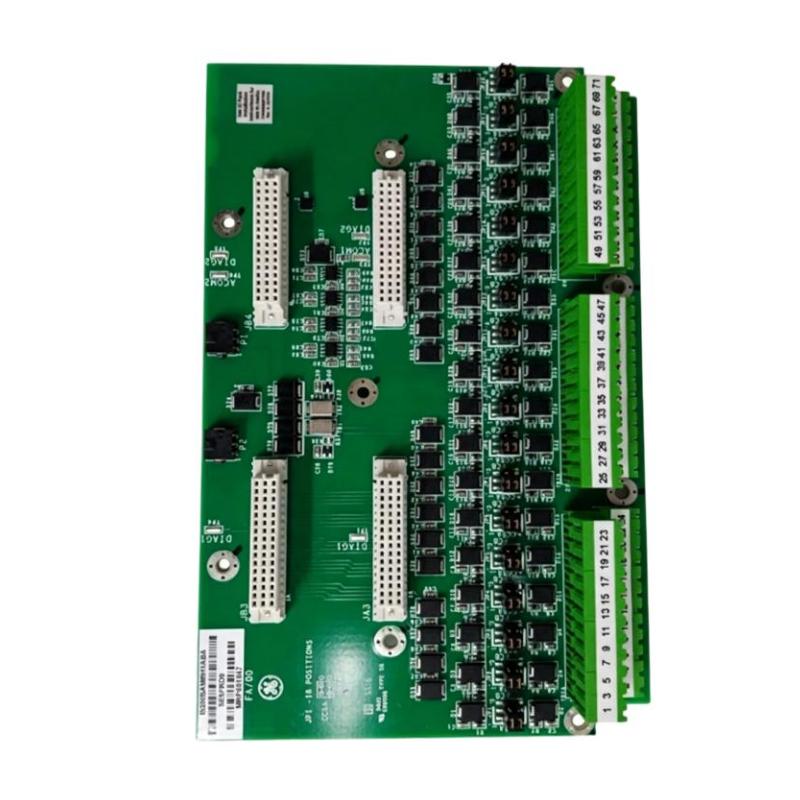
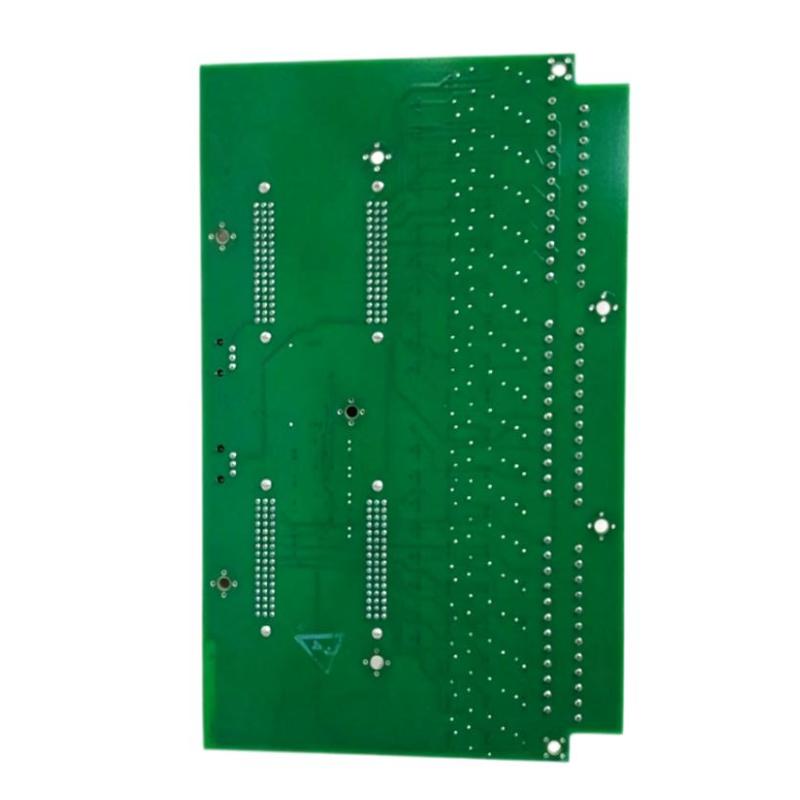
- GE
- IS200SAMBH1ABA
- Acoustic Monitoring Terminal Board
- USA
- 185 × 30 × 110 mm
- 0.3 kg
- Xiamen, China
- New & In Stock
- T/T, PayPal, Western Union
- 1 Year
- 1-3 Working Days
- DHL, UPS, TNT, FedEx and EMS.
- 24-Hour Service
- COO
- 34
Our advantage

Global Logistics
We have a 10-year logistics and express cooperation agreement, so our products can be shipped to any place in the world.

Brand new and original
Our products are imported in bulk from the place of origin. Because of the cooperative relationship, our products are all original and 100% new.

24-hour service
We provide 7*24 hours service to our customers. We will be there whenever you need us.

Price advantage
All our products are priced very favorably because we have our own warehouse and supply.
| Company Information | |||
| [email protected] | |||
| Mobile | +8615980777398 | ||
| +8615980777398 | |||
| 15980777398 |
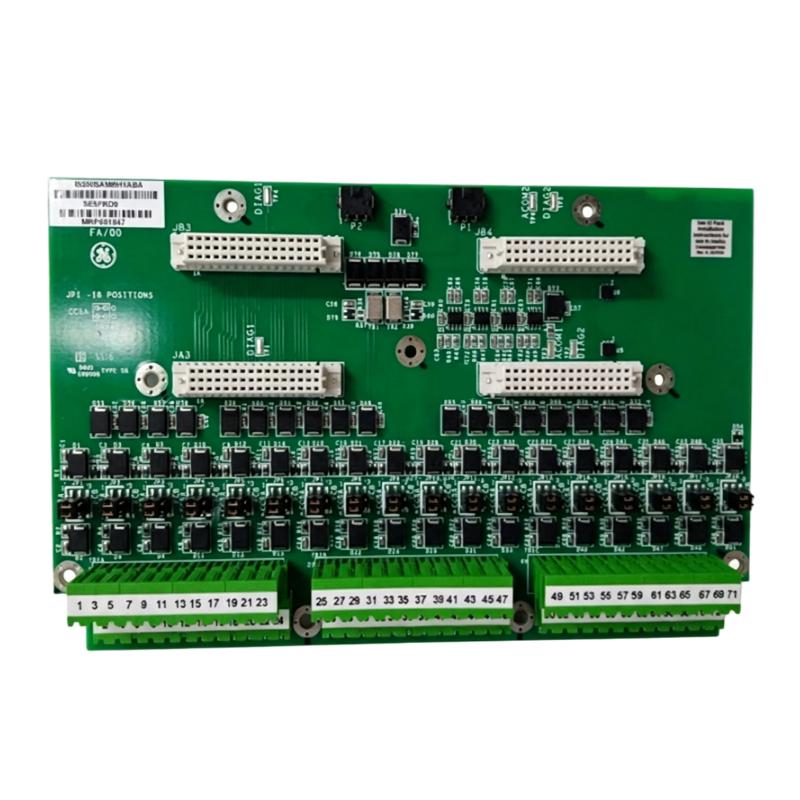
Product Overview
The GE IS200SAMBH1ABA Mark VI Acoustic Monitoring Terminal Board is a terminal interface board used in the GE Mark VI control system. It is associated with acoustic monitoring functions and provides the field-side termination and signal interface required to connect acoustic monitoring devices with the control system.
In a Mark VI installation, acoustic signals can be used to monitor equipment conditions and identify changes in operating behavior. The SAMBH board forms part of the hardware interface between the connected acoustic monitoring equipment and the Mark VI control architecture, allowing field signals to be routed into the appropriate control and monitoring channels.
For replacement work, the complete IS200SAMBH1ABA part number should be matched with the installed Mark VI hardware configuration. Terminal connections, associated cables, and the receiving control or monitoring board should be checked before commissioning.
Technical Specifications
| Parameter | Specification |
|---|---|
| Manufacturer | GE |
| Model | IS200SAMBH1ABA |
| Product Family | Mark VI |
| Product Type | Acoustic Monitoring Terminal Board |
| Board Function | Acoustic Monitoring Signal Interface |
| Application | Gas Turbine Control and Monitoring |
| System | GE Mark VI |
| Module Type | Terminal Board |
| Signal Interface | Acoustic Monitoring Signals |
| Dimensions | 185 × 30 × 110 mm |
| Weight | 0.3 kg |
Product Features
- Terminal interface board for GE Mark VI acoustic monitoring applications.
- Provides a structured connection point for associated acoustic monitoring signals.
- Integrates acoustic monitoring hardware with the Mark VI control architecture.
- Suitable for turbine control and condition-monitoring applications.
- Supports organized field wiring and signal routing within the control system.
- Intended for system-level integration rather than standalone control logic execution.
- Suitable for replacement and maintenance of existing Mark VI installations.
Working Principle
The IS200SAMBH1ABA operates at the signal-interface level of the Mark VI system. Acoustic monitoring devices generate electrical signals associated with the monitored equipment, and these signals are routed through the terminal board to the corresponding Mark VI control or monitoring hardware.
A simplified signal path is:
Acoustic Monitoring Device → IS200SAMBH1ABA → Mark VI Control / I/O Hardware → Monitoring and Control Logic
The terminal board provides the physical termination and routing interface. The associated Mark VI control hardware handles signal acquisition, processing, alarm logic, monitoring, and any application-specific response.
During troubleshooting, the signal path should be checked from the acoustic sensor and field wiring through the terminal connections and onward to the receiving Mark VI hardware. This helps distinguish wiring or termination problems from issues in the monitoring or control electronics.
Role in a Mark VI Turbine Control Architecture
| System Element | Function |
|---|---|
| Acoustic Monitoring Devices | Detect acoustic activity associated with monitored equipment |
| Field Wiring | Carries acoustic monitoring signals to the control cabinet |
| GE IS200SAMBH1ABA | Provides the terminal interface for acoustic monitoring signals |
| Mark VI I/O Hardware | Receives and processes connected field signals |
| Mark VI Controller | Executes configured control and monitoring logic |
| Mark VI Operator Interface | Displays operating information, alarms, and diagnostic data |
| Turbine Equipment | Source of the acoustic conditions being monitored |
The IS200SAMBH1ABA is positioned between the acoustic monitoring field devices and the Mark VI control-system electronics. Its role is primarily concerned with signal termination and interconnection rather than independent signal interpretation.
Industrial Applications
| Application | Typical Use |
|---|---|
| Gas Turbine Control | Acoustic monitoring within turbine control systems |
| Turbine Condition Monitoring | Interface for acoustic monitoring equipment |
| Power Generation | Monitoring of turbine equipment during operation |
| Combustion Monitoring | Connection of acoustic-related monitoring signals |
| Turbine Maintenance | Signal interface during diagnostic and maintenance activities |
| Mark VI Retrofit | Replacement of existing acoustic monitoring terminal hardware |
Installation and Maintenance
- Confirm the complete IS200SAMBH1ABA part number before removing the installed board.
- Place the associated Mark VI equipment in the required safe maintenance state.
- Isolate relevant power and field circuits according to the site’s electrical safety procedure.
- Document existing terminal connections before disconnecting field wiring.
- Inspect terminals, connectors, and cables for looseness, contamination, or physical damage.
- Verify that the replacement board matches the existing Mark VI system configuration.
- Install the board in the correct cabinet or mounting position.
- Reconnect field wiring according to the approved wiring documentation.
- Check cable routing and shielding where required for acoustic monitoring signals.
- Verify all terminal and connector connections before restoring power.
- Check Mark VI diagnostics and monitoring values after energization.
- Perform a functional test of the acoustic monitoring signal path before returning the equipment to normal operation.
Related Components
| Component | Relationship |
|---|---|
| GE Mark VI Controller | Executes turbine control and monitoring logic |
| Mark VI I/O Boards | Receive and process field signals associated with the terminal board |
| Acoustic Monitoring Sensors | Provide the monitored acoustic signals |
| Field Terminal Wiring | Connects acoustic monitoring devices to the terminal board |
| Mark VI Control Cabinet | Houses the associated control and interface hardware |
| Mark VI Operator Interface | Displays monitoring information and system alarms |
| Turbine Monitoring Equipment | Uses acquired signals for equipment condition assessment |
Recommended Related Models
| Model | Product Type / Application |
|---|---|
| GE IS200SAMBH1ABA | Mark VI Acoustic Monitoring Terminal Board |
| GE Mark VI Terminal Boards | Field signal termination and interface hardware |
| GE Mark VI I/O Boards | Field signal acquisition and processing |
| GE Mark VI Controllers | Turbine control and monitoring hardware |
| GE Mark VI Interface Boards | Signal routing and system interconnection |
Key Advantages
- Dedicated acoustic monitoring interface for GE Mark VI systems.
- Provides organized field termination and signal routing.
- Supports integration of acoustic monitoring devices with turbine controls.
- Suitable for maintenance and replacement applications.
- Fits into the broader Mark VI turbine monitoring architecture.
Technical FAQs
What is the primary function of the IS200SAMBH1ABA?
The IS200SAMBH1ABA is a Mark VI Acoustic Monitoring Terminal Board. It provides the physical termination and interface for acoustic monitoring signals within the GE Mark VI control architecture.
Does the IS200SAMBH1ABA process acoustic signals independently?
The terminal board primarily handles signal termination and interconnection. Signal acquisition, processing, monitoring logic, and application-specific responses are handled by the associated Mark VI I/O and control hardware.
What should be checked when replacing an IS200SAMBH1ABA?
Verify the complete board part number, Mark VI system configuration, terminal assignments, connected acoustic monitoring devices, and field wiring. Existing wiring should be documented before removal so that each connection can be restored correctly.
What can cause an abnormal acoustic monitoring signal after replacement?
Possible causes include incorrect terminal connections, damaged or poorly connected field wiring, problems with the acoustic monitoring device, shielding or grounding issues, or faults in the receiving Mark VI I/O hardware. Checking the complete signal path helps isolate the source of the problem.