

ProductPRODUCT
Featured products
Contact Us
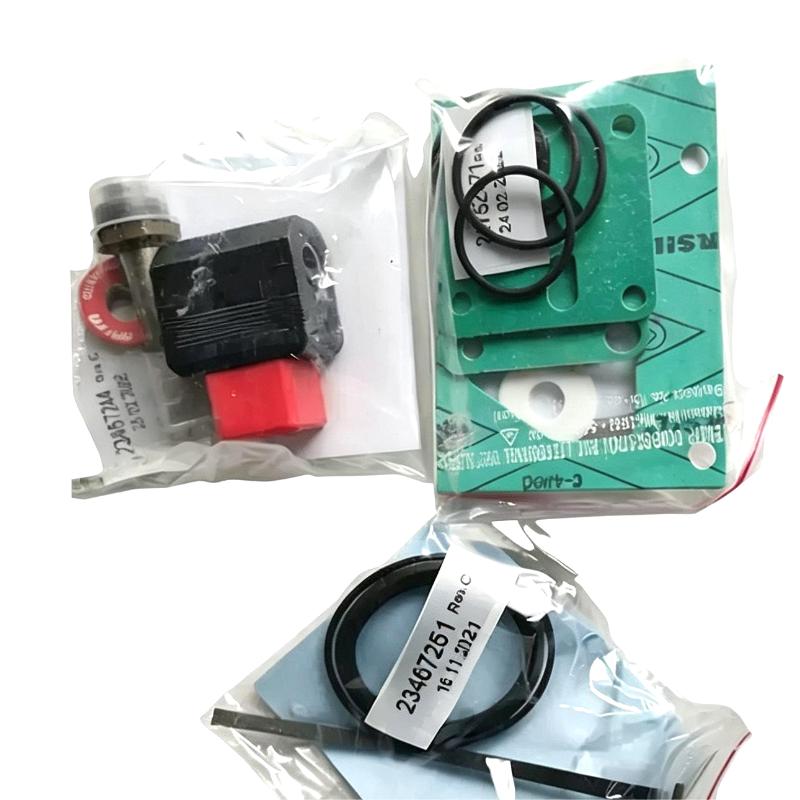
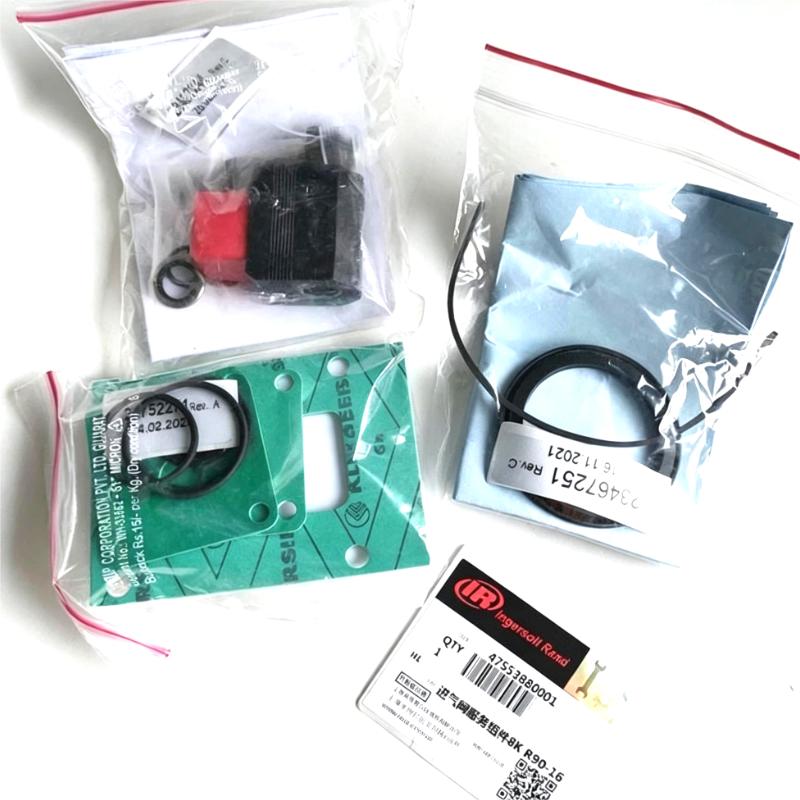
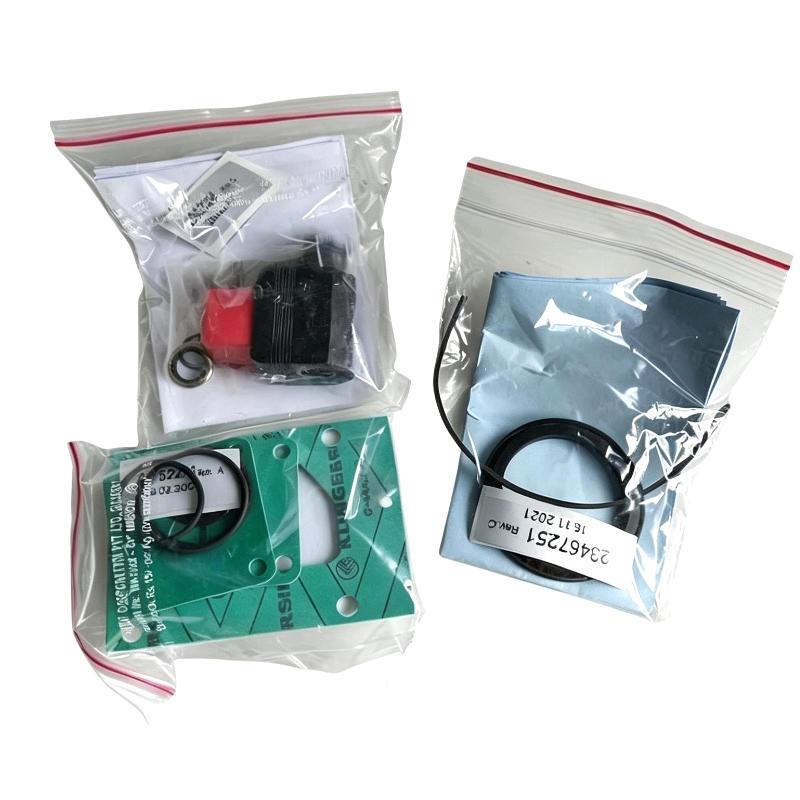
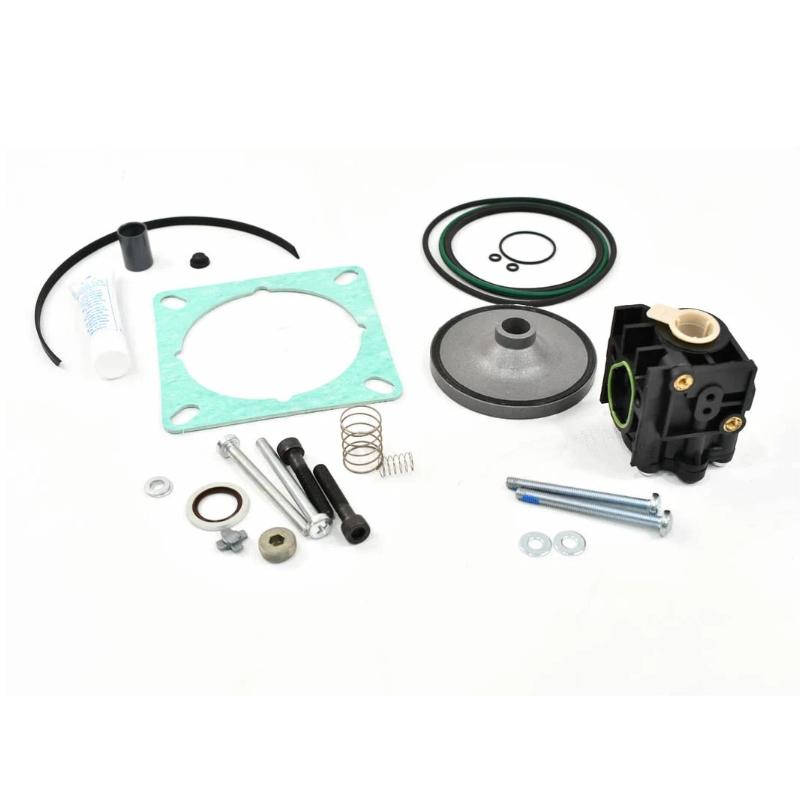
- Ingersoll Rand
- 47588563001 47553880001
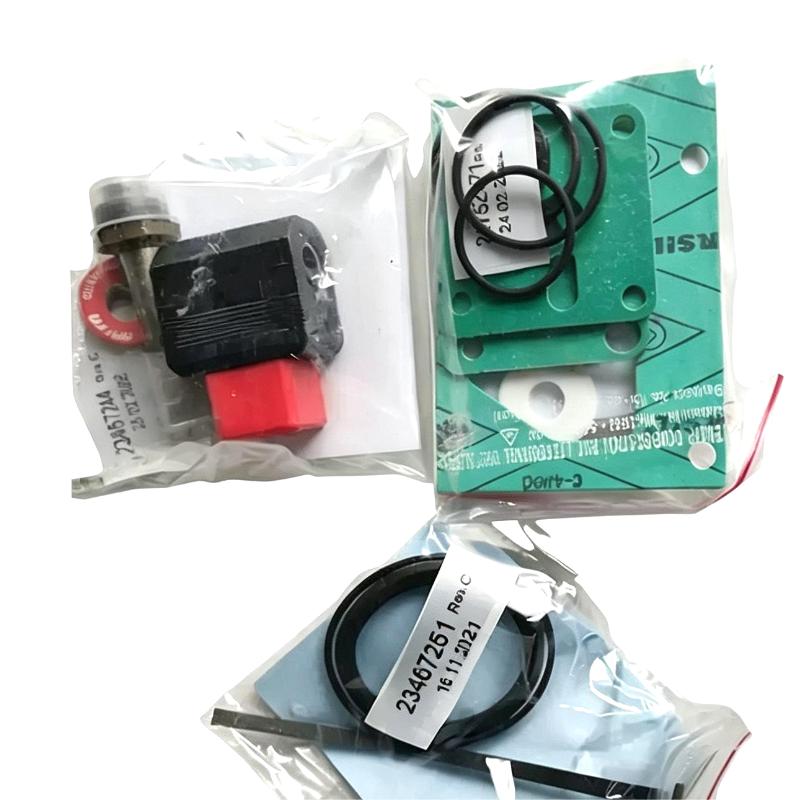
- Intake Valve Service Kit
- USA
- 250 × 180 × 120 mm
- 2.0 kg
- Xiamen, China
- New & In Stock
- T/T, PayPal, Western Union
- 1 Year
- 1-3 Working Days
- DHL, UPS, TNT, FedEx and EMS.
- 24-Hour Service
- COO
- 79
Our advantage

Global Logistics
We have a 10-year logistics and express cooperation agreement, so our products can be shipped to any place in the world.

Brand new and original
Our products are imported in bulk from the place of origin. Because of the cooperative relationship, our products are all original and 100% new.

24-hour service
We provide 7*24 hours service to our customers. We will be there whenever you need us.

Price advantage
All our products are priced very favorably because we have our own warehouse and supply.
| Company Information | |||
| [email protected] | |||
| Mobile | +8615980777398 | ||
| +8615980777398 | |||
| 15980777398 |
Product Overview
The Ingersoll Rand 47588563001 47553880001 Intake Valve Service Kit is a service part for the intake valve assembly used on applicable Ingersoll Rand rotary screw compressors. Part number 47553880001 is associated with an 8,000-hour intake valve service application for compressors in the R90-160 family, including applicable R90-160, R90-160I, and R90-160IE configurations.
In practical maintenance work, this kit becomes relevant when the compressor reaches its scheduled intake-valve service interval or when inspection shows wear in the valve assembly. The intake valve sits on the compressor’s inlet side, where it regulates the air entering the air end. Its condition directly affects how the machine responds when changing between loaded and unloaded operating conditions.
For example, a compressor may continue running while its intake valve has developed excessive wear, contamination, or sealing deterioration. The more noticeable symptoms can appear during loading and unloading rather than as an immediate machine shutdown. This is why intake-valve service is normally handled as part of a planned maintenance procedure rather than waiting for a complete valve failure.
The 47588563001 reference relates to the broader maintenance-kit context, while 47553880001 identifies the intake valve service kit. When preparing a spare-parts order, maintenance engineers should compare both the compressor model and the existing valve or service-kit part number, particularly when working across different R90-160 configurations.
Technical Specifications
| Parameter | Specification |
|---|---|
| Manufacturer | Ingersoll Rand |
| Part Number | 47553880001 |
| Associated Maintenance Reference | 47588563001 |
| Product Type | Intake Valve Service Kit |
| Service Category | Compressor Maintenance |
| Service Application | 8,000-hour Intake Valve Service |
| Compressor Family | R90-160 Series |
| Related Configurations | R90-160 / R90-160I / R90-160IE |
| Primary Function | Intake Valve Servicing |
| System Location | Compressor Air Intake |
| Equipment Type | Rotary Screw Compressor |
| Dimensions | 250 × 180 × 120 mm |
| Weight | 2.0 kg |
Product Features
The 47553880001 kit is focused on the intake-valve side of compressor maintenance rather than general machine servicing.
- Ingersoll Rand intake valve service kit
- Part number 47553880001
- Associated with 47588563001 maintenance reference
- Intended for an 8,000-hour service application
- Associated with applicable R90-160 compressor configurations
- Used for intake valve maintenance
- Supports service work on the compressor air-entry system
- Relevant to compressor loading and unloading behavior
- Suitable for scheduled maintenance programs
- Useful for corrective maintenance following valve inspection
- Suitable for industrial compressor spare-parts inventory
The exact service-kit application should be checked against the compressor configuration before installation. Similar compressor models can use different maintenance parts even when their overall machine arrangement appears similar.
Working Principle
The intake valve determines how much ambient air is admitted into the compressor air end. It does not operate independently of the compressor’s control strategy; its position changes according to the operating condition of the machine.
During normal operation, the sequence can be viewed from a maintenance perspective:
Air Filter → Intake Valve → Compressor Air End → Air/Oil Separator → Compressed-Air System
When the compressor needs to produce compressed air, the intake valve moves toward the required operating position and allows the air end to receive the appropriate air flow.
When demand falls and the compressor changes to an unloaded condition, the intake side is regulated to reduce the amount of air entering the compression process.
This makes the physical condition of the valve important. A valve that moves slowly, does not reach its intended position, or fails to seal correctly can affect compressor response. The resulting symptoms may appear as abnormal loading, delayed unloading, pressure behavior outside the expected operating pattern, or increased service requirements.
For maintenance engineers, the practical point is that an intake-valve problem should be evaluated as part of the complete capacity-control circuit. The valve itself, its associated pneumatic or mechanical components, and the compressor control system all need to be considered before identifying the failed component.
Role in the Compressor System
The intake valve is located upstream of the air end, making it one of the first controlled components in the compressor’s air path.
A simplified arrangement is:
Ambient Air → Intake Filter → Intake Valve → Screw Air End → Separator System → Cooling System → Plant Air Network
The 47553880001 service kit therefore relates to the air intake and compressor capacity-control section, rather than the downstream compressed-air treatment system.
| System Component | Relationship to Intake Valve |
|---|---|
| Intake Air Filter | Removes contaminants before air reaches the valve |
| Intake Valve | Regulates air entering the air end |
| Control Components | Influence valve movement and compressor capacity |
| Screw Air End | Compresses the admitted air |
| Separator System | Separates oil from compressed air |
| Oil Filter | Maintains oil cleanliness |
| Temperature Control Valve | Regulates compressor oil temperature |
| Oil Cooler | Removes heat from the oil circuit |
| Compressor Controller | Coordinates operating conditions |
| Plant Air System | Receives the compressor’s output |
This relationship is particularly useful when troubleshooting because an intake-valve symptom does not necessarily originate inside the valve itself.
Industrial Applications
The service kit is relevant wherever the applicable Ingersoll Rand compressor configuration is used as a central compressed-air source.
| Application | Typical Service Requirement |
|---|---|
| Factory Compressed-Air Systems | Maintaining compressor availability |
| Automotive Manufacturing | Supporting pneumatic production equipment |
| Metalworking | Supplying air to production machinery and tools |
| Process Manufacturing | Maintaining plant utility air |
| Packaging | Supporting pneumatic actuators and machinery |
| Chemical Processing | Compressor maintenance for plant air systems |
| General Industrial Plants | Scheduled servicing of centralized compressors |
| Equipment Maintenance Facilities | Intake-valve inspection and replacement work |
The kit itself is a maintenance component, so its application is determined primarily by the compressor model and intake-valve configuration rather than by the industry alone.
Installation and Maintenance
Intake-valve servicing requires more than replacing the service components. Before starting work, the compressor should be placed in a safe maintenance condition, with electrical power isolated and stored pneumatic energy released according to the applicable maintenance procedure.
During inspection, technicians should pay attention to the valve’s physical movement and the condition of its sealing and control-related components.
Recommended checks include:
- Confirm the complete 47553880001 part number.
- Verify the compressor model and configuration.
- Check the existing intake-valve assembly.
- Isolate electrical power before servicing.
- Release stored compressed-air pressure.
- Inspect the intake valve for contamination.
- Check for abnormal mechanical resistance.
- Inspect serviceable sealing components.
- Check associated pneumatic or mechanical connections.
- Inspect hoses and fittings around the intake system.
- Compare removed components with the replacement kit.
- Reassemble the valve according to the approved procedure.
- Verify free movement after assembly.
- Check compressor loading behavior after restart.
- Check unloading operation.
- Monitor pressure response during a controlled operating test.
- Record the maintenance activity and installed part number.
If a compressor does not load correctly after intake-valve service, the investigation should extend beyond the valve. Control solenoids, pneumatic lines, sensors, controller signals, and other capacity-control components can produce similar operating symptoms.
Related Components
The intake valve should be considered together with the other parts that support compressor air handling and scheduled maintenance.
| Component | Function / Relationship |
|---|---|
| 47553880001 | Intake Valve Service Kit |
| 47588563001 | Preventive Maintenance Kit Reference |
| 47553881001 | Related Intake Valve Service Kit |
| 47552954001 | Thermostatic Valve Service Kit |
| 47553882001 | Gearbox Maintenance Kit |
| 47553886001 | Air-Cooled Hose Maintenance Kit |
| 47553888001 | Related Air-Cooled Hose Maintenance Kit |
| 47553890001 | Water-Cooled Hose Maintenance Kit |
| Air Intake Filter | Protects the intake system from airborne contaminants |
| Oil Filter | Filters compressor lubricating oil |
| Air/Oil Separator | Separates oil from compressed air |
| Compressor Controller | Manages compressor operating states |
The exact combination of service components depends on the compressor variant and maintenance schedule.
Recommended Related Models
For spare-parts cataloging, the most useful related products are other intake-valve service parts and maintenance components associated with the same compressor families.
| Model / Part Number | Product Type | Application |
|---|---|---|
| Ingersoll Rand 47553880001 | Intake Valve Service Kit | R90-160 / R90-160I / R90-160IE |
| Ingersoll Rand 47553881001 | Intake Valve Service Kit | Related R90-160 intake-valve configuration |
| Ingersoll Rand 23531593 | Intake Valve Service Kit | R90-160N / R90-160NE |
| Ingersoll Rand 47548442001 | Intake Valve Maintenance Kit | New Cobra 90-160 / M90-160 |
| Ingersoll Rand 47545138001 | Intake Valve Maintenance Kit with Modulation | New Cobra 90-160 |
| Ingersoll Rand 47552954001 | Thermostatic Valve Maintenance Kit | Compressor temperature-control maintenance |
| Ingersoll Rand 47553882001 | Gearbox Maintenance Kit | R90-160 family |
| Ingersoll Rand 47553886001 | Air-Cooled Hose Maintenance Kit | R90-160 / R90-160I |
| Ingersoll Rand 47553890001 | Water-Cooled Hose Maintenance Kit | R90-160 / R90-160I |
Key Advantages
- 8,000-hour intake-valve service application.
- Part number 47553880001 for applicable R90-160 configurations.
- Focused on intake-valve maintenance rather than general compressor servicing.
- Relevant to compressor loading and unloading functions.
- Suitable for scheduled maintenance and valve inspection work.
- Useful for maintaining an organized compressor spare-parts inventory.
- Can be matched with other R90-160 maintenance components.
Technical FAQs
What does the “8K” service designation mean for 47553880001?
The 47553880001 kit is associated with an 8,000-hour intake valve service application. The actual maintenance timing should still follow the service schedule applicable to the specific compressor configuration and operating conditions.
Why can intake-valve wear appear as a loading or unloading problem?
The intake valve controls the amount of air entering the air end. If its movement or sealing performance deteriorates, the compressor may not transition between operating states as expected. Similar symptoms can also come from pneumatic controls or other capacity-control components, so the valve should be tested as part of the complete system.
Should 47553880001 be selected solely because the compressor is an R90-160?
No. The R90-160 family contains different configurations, and service-part compatibility can vary. The complete compressor designation and existing intake-valve part number should be checked before ordering.
What should be checked if the compressor still behaves abnormally after intake-valve service?
Start with the valve’s mechanical movement and assembly condition, then check the associated control components, pneumatic connections, solenoids, sensors, and controller operation. If the valve is functioning correctly, the fault may exist elsewhere in the compressor capacity-control circuit.