

ProductPRODUCT
Featured products
Contact Us
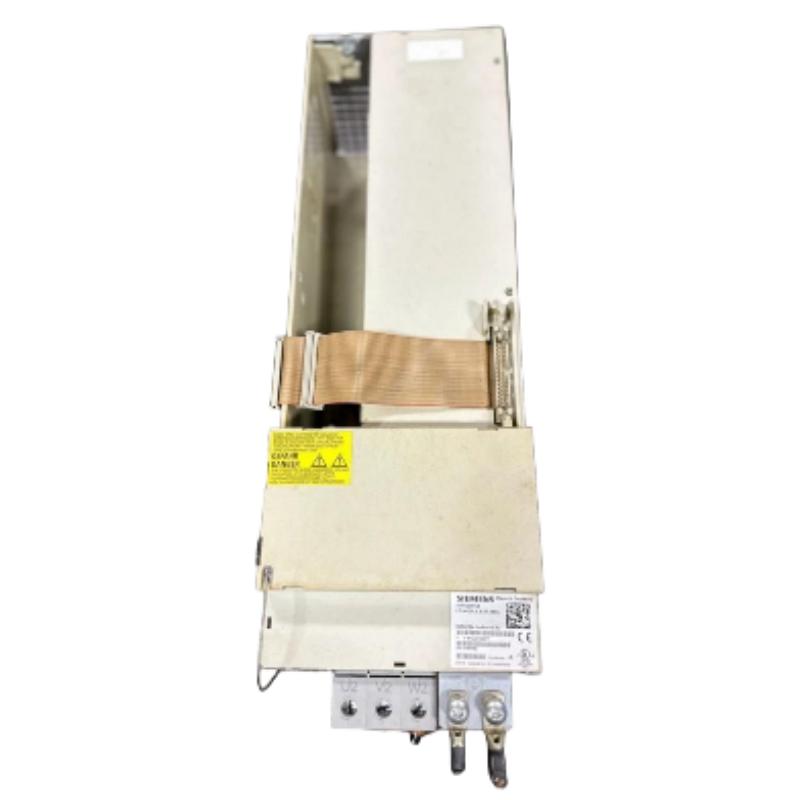
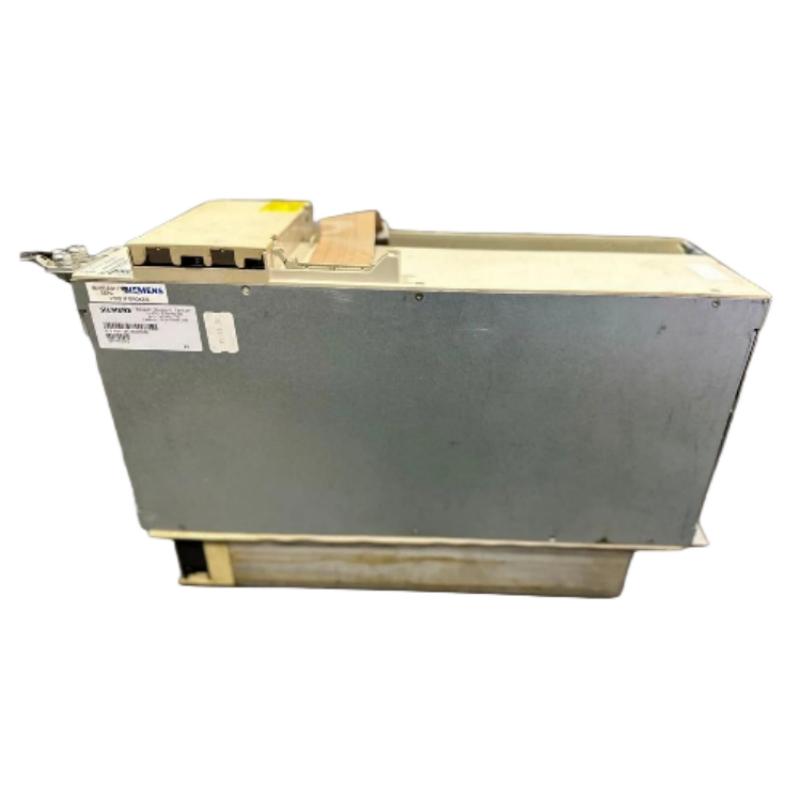
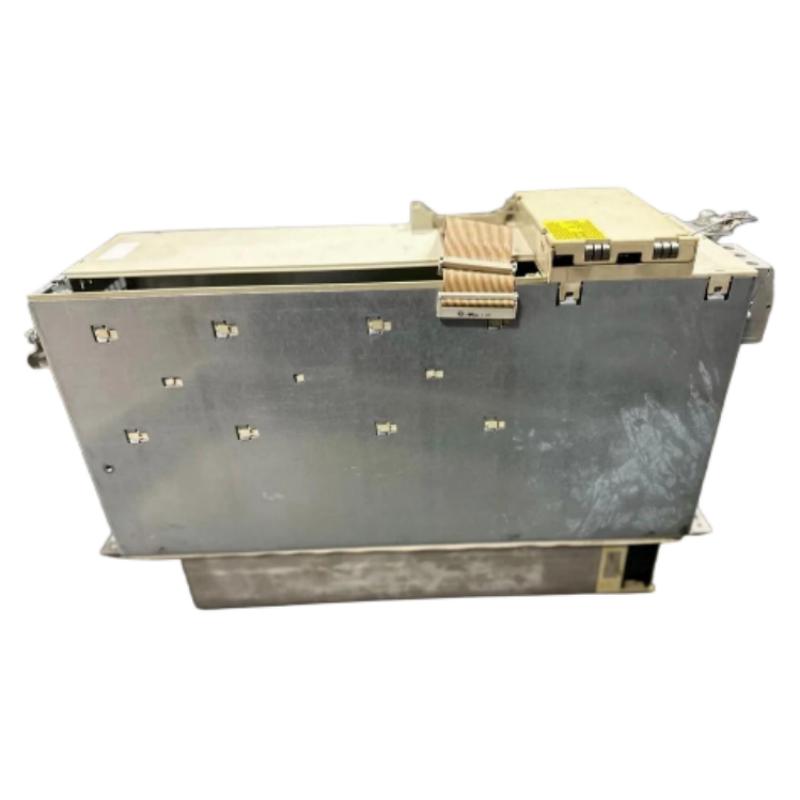
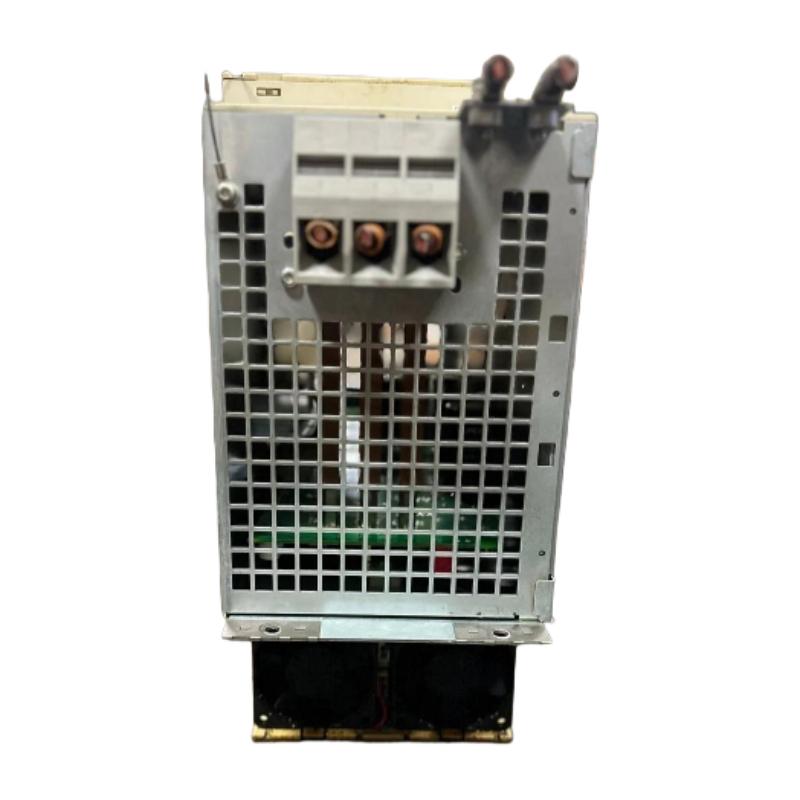
- Siemens
- 6SN1124-1AA00-0EA2
- Power Module
- Germany
- 152 × 533 × 305 mm
- 10.5 kg
- Xiamen, China
- New & In Stock
- T/T, PayPal, Western Union
- 1 Year
- 1-3 Working Days
- DHL, UPS, TNT, FedEx and EMS.
- 24-Hour Service
- COO
- 3
Our advantage

Global Logistics
We have a 10-year logistics and express cooperation agreement, so our products can be shipped to any place in the world.

Brand new and original
Our products are imported in bulk from the place of origin. Because of the cooperative relationship, our products are all original and 100% new.

24-hour service
We provide 7*24 hours service to our customers. We will be there whenever you need us.

Price advantage
All our products are priced very favorably because we have our own warehouse and supply.
| Company Information | |||
| [email protected] | |||
| Mobile | +8615980777398 | ||
| +8615980777398 | |||
| 15980777398 |
1. Product Overview
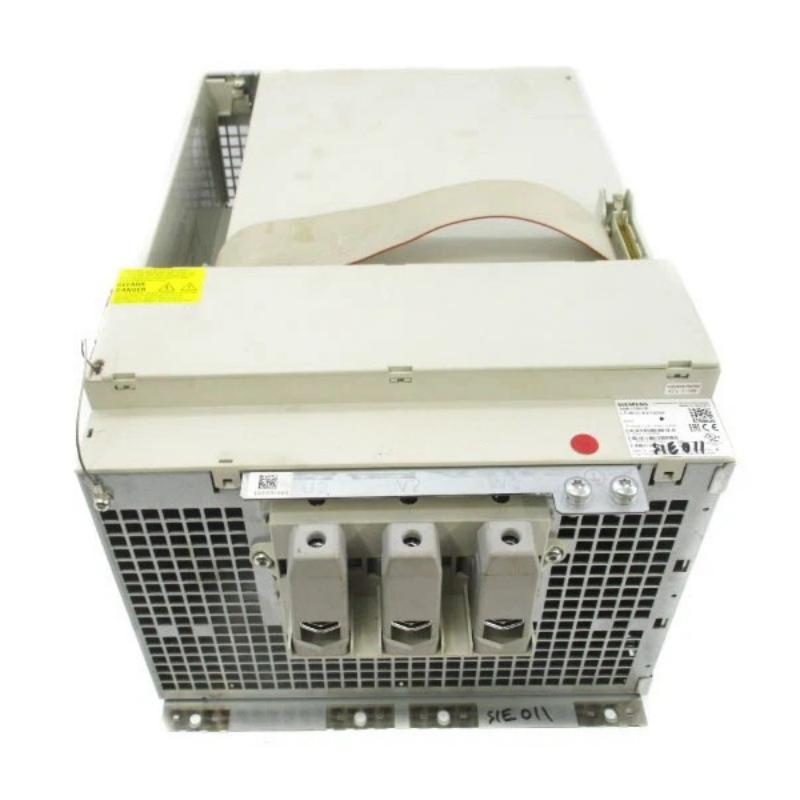
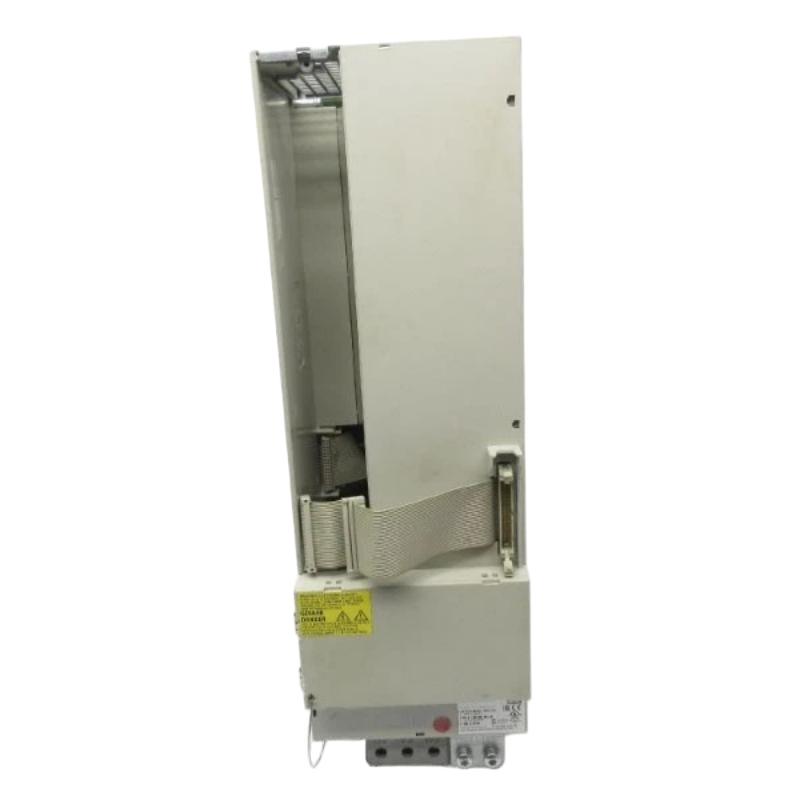
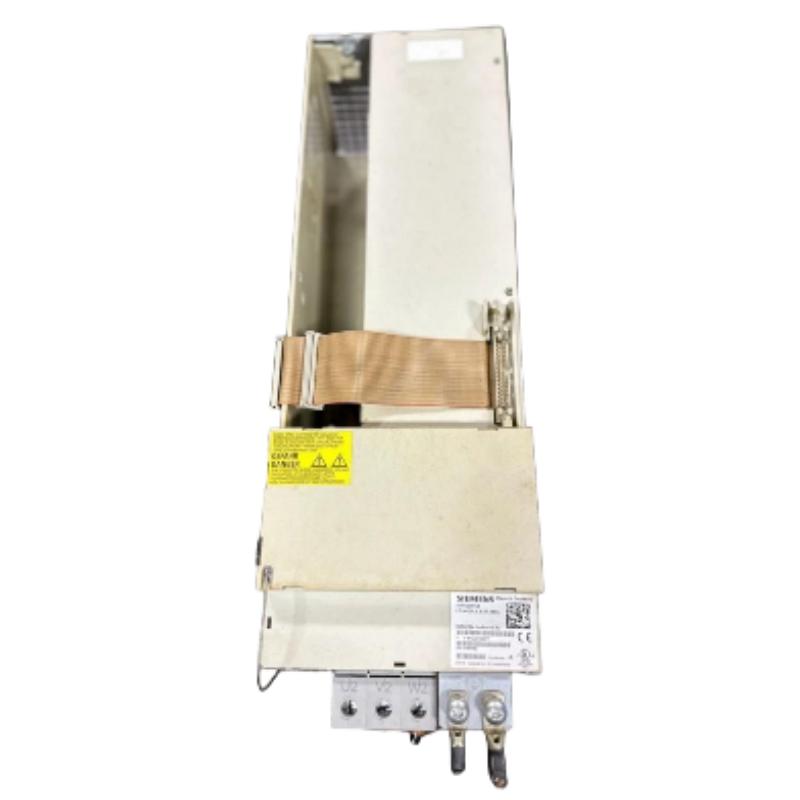
The Siemens 6SN1124-1AA00-0EA2 Power Module is an industrial drive component associated with the Siemens SIMODRIVE 611 family. Power modules in this drive platform are used in compatible motion-control systems to provide controlled electrical power for motor operation in applications such as CNC machinery, machine tools, and automated manufacturing equipment.
In an industrial drive installation, the power module works alongside the appropriate power supply, control components, motor, and system interfaces. The complete configuration determines how the drive responds to motion commands and supports functions such as speed regulation, positioning, and coordinated machine movement.
The 6SN1124-1AA00-0EA2 should be evaluated according to its exact electrical ratings, intended motor application, cooling requirements, and compatibility with the existing SIMODRIVE 611 hardware. Although related models may share the same product family, differences in electrical characteristics or mechanical configuration can affect whether a module is suitable as a replacement.
With supplied dimensions of 152 × 533 × 305 mm and a weight of 10.5 kg, this module also requires appropriate consideration during cabinet layout, handling, mounting, and maintenance planning.
Before installation or replacement, verify the complete part number and confirm all model-specific technical details against the installed drive configuration.
2. Technical Specifications
| Parameter | Specification |
|---|---|
| Brand | Siemens |
| Model | 6SN1124-1AA00-0EA2 |
| Product Type | Power Module |
| Product Family | SIMODRIVE 611 |
| Application | Industrial drive and motion control |
| Typical Equipment | CNC machines, machine tools, and automated production equipment |
| Dimensions | 152 × 533 × 305 mm |
| Weight | 10.5 kg |
| Electrical Ratings | Verify against the exact model documentation |
| Motor Compatibility | Confirm according to motor type and drive configuration |
| Cooling Requirements | Verify the approved cooling arrangement for this model |
| Mounting Arrangement | Confirm the specified SIMODRIVE 611 installation configuration |
| System Compatibility | Verify with the associated power supply, control components, and motor |
| Replacement Status | Confirm part-number equivalence and hardware condition before use |
The dimensions and weight listed above are the supplied product specifications. Current ratings, permissible motor combinations, electrical connections, and other detailed operating limits should be verified before commissioning.
3. Function and Working Principle
A power module provides the power-conversion stage required to operate a motor within a compatible industrial drive system. In a SIMODRIVE 611 installation, it forms part of a coordinated arrangement of electrical power, control electronics, and motor-related components.
The drive system receives commands from the machine’s control architecture and uses the appropriate drive components to regulate motor operation. Depending on the application and supported configuration, this can include controlling movement, maintaining the requested speed, and coordinating an axis with other machine functions.
3.1 Electrical Power Conversion
Industrial drive systems convert incoming electrical energy into a form suitable for controlled motor operation. The power module participates in this process according to its specified electrical design and the surrounding drive configuration.
Correct selection is important because the module must meet the requirements of the connected motor and operate within the limits of the drive system.
3.2 Motion-Control Integration
The power module does not operate independently of the wider automation system. It works with the appropriate control hardware and interfaces to execute the intended motion commands.
In CNC and machine-tool applications, correct integration supports predictable axis behavior and coordinated operation with other machine functions.
3.3 Thermal Management
Power conversion produces heat, making thermal management an important part of drive-system design. The installation must follow the cooling method and mounting arrangement specified for the exact module.
Restricted cooling, excessive ambient temperature, or operation outside the specified limits can contribute to overheating and drive faults.
3.4 System-Level Operation
The overall operating characteristics depend on the complete configuration, including the power supply, control components, motor, wiring, and machine application. The module’s precise operating limits and function should therefore be established from the applicable technical documentation rather than inferred from the model number alone.
4. Role in Industrial Automation Systems
The Siemens 6SN1124-1AA00-0EA2 can be considered for compatible SIMODRIVE 611 installations where a suitable power module is required for an industrial motion-control application.
CNC Machine Tools
CNC equipment uses controlled drives to coordinate feed axes and other motor-driven functions. Correctly matched power modules help provide the drive output required by the configured motor system.
Industrial Motion Control
Automated machinery often requires accurate movement and repeatable positioning. The power module works with the relevant drive and control components to support the intended operating sequence.
Legacy Automation Equipment
Industrial facilities may continue operating established Siemens drive systems for many years. When a component requires replacement, identifying a compatible module can help maintain the existing machine architecture and reduce unnecessary changes to the wider control system.
Machine Maintenance and Repair
Accurate module identification helps maintenance teams manage spare parts, diagnose equipment faults, and document hardware changes. The complete part number should be checked before a replacement is approved.
Equipment Modernization
When an existing machine is upgraded, engineers must assess whether the installed drive architecture remains suitable. Any replacement or retrofit should account for electrical compatibility, motor requirements, cooling, mechanical fit, and control-system support.
5. Industrial Applications
The following are typical application environments for compatible industrial power modules. Suitability for any particular machine must be confirmed against the module’s verified specifications.
5.1 CNC Milling Machines
CNC milling machines use controlled motor drives to move axes and coordinate machining operations. The appropriate power module supports the motor assigned to its position in the machine’s drive configuration.
5.2 CNC Turning Equipment
Turning machines require coordinated control of their motor-driven functions. Compatible drive components help support the motion requirements defined by the machine’s control system.
5.3 Precision Manufacturing Machinery
Automated manufacturing equipment often relies on controlled movement for positioning, tool handling, and repeatable production sequences. Properly matched drive hardware helps maintain the intended operating behavior.
5.4 Industrial Production Lines
Production lines may incorporate machine tools, transfer mechanisms, and other motor-driven equipment. Power modules form part of the drive architecture used to control these mechanical functions.
5.5 Maintenance of Existing Siemens Drive Systems
Where a facility operates SIMODRIVE 611 equipment, a verified replacement may help restore a machine without redesigning the entire drive system. The module must still be confirmed as compatible with the installed configuration.
6. Installation and System Integration
The following checklist provides general guidance for installation planning. The model-specific Siemens instructions and site safety procedures must take precedence.
Step 1: Verify the Product Identity
Confirm that the label shows 6SN1124-1AA00-0EA2. Compare the part number with the existing unit, equipment documentation, and spare-parts records.
Do not assume that another module in the same product family is interchangeable simply because it has a similar appearance.
Step 2: Isolate the Equipment
Before removing or installing the module, isolate the relevant power sources and follow the site’s lockout/tagout procedure.
Industrial drives may retain hazardous electrical energy after the incoming supply has been disconnected. Observe the specified discharge time and verify the safe state using the approved procedure before handling internal or electrical connections.
Step 3: Inspect the Module
Check the housing, connectors, terminals, and mounting surfaces for visible damage, contamination, corrosion, or signs of overheating. If the unit has been stored or transported, inspect it before installation.
Step 4: Confirm Electrical Compatibility
Review the approved wiring diagrams and verify the required supply arrangement, motor connections, control interfaces, grounding, and protective measures.
Never assume terminal assignments, voltage levels, or current ratings from the product name alone.
Step 5: Verify Mounting and Cooling
Confirm that the module fits the designated mounting position and that the installation follows the specified mechanical arrangement. Check the cooling requirements for the exact model and ensure that the cabinet or drive assembly provides the required heat dissipation.
Step 6: Install the Module
Mount the unit according to the approved procedure. Use the specified fasteners and tightening requirements, and ensure that all required mechanical connections are secure.
Because the module weighs 10.5 kg, use appropriate handling practices to avoid injury or damage during removal and installation.
Step 7: Inspect Electrical Connections
Check the relevant power, motor, control, and protective-ground connections. Verify that cables are correctly routed and secured and that connectors are fully engaged.
Step 8: Commission the System
After the installation has been checked, restore power according to the approved commissioning procedure. Review drive status and diagnostic messages, then conduct the required functional tests before returning the machine to normal service.
7. Common Problems and Troubleshooting
A fault involving a power module may originate in the module itself or in the surrounding electrical, mechanical, or control system. Troubleshooting should proceed systematically.
| Symptom | Possible Causes | Recommended Checks |
|---|---|---|
| Drive fails to start | Supply fault, installation issue, or system interlock | Check supply conditions, system status, and diagnostic messages |
| Motor does not respond | Missing enable command, motor connection issue, or control fault | Review control signals, wiring, and drive diagnostics |
| Drive reports an electrical fault | Wiring problem, motor fault, or incompatible configuration | Follow the approved diagnostic procedure and verify the connected equipment |
| Overtemperature warning | Cooling restriction, high ambient temperature, or excessive load | Inspect the cooling arrangement and review operating conditions |
| Intermittent operation | Loose connections, unstable supply, or thermal issues | Inspect connections and evaluate the supply and cooling conditions |
| Replacement module is not accepted | Incorrect part number or incompatible hardware configuration | Verify the exact model and associated drive components |
| Fault persists after replacement | Root cause may be external to the module | Check the motor, cables, power supply, control hardware, and system configuration |
7.1 Check Supply Conditions
Confirm that the drive system receives the required electrical supply and that associated supply components are functioning correctly. Measurements must be carried out by qualified personnel using suitable instruments and approved procedures.
7.2 Inspect Motor and Cable Connections
Damaged cables, loose connections, incorrect wiring, or motor-related problems may prevent normal operation. Inspect the relevant connections and follow the manufacturer’s procedure before performing electrical tests.
7.3 Review Diagnostic Messages
Record fault codes and status information before resetting alarms or changing parameters. Diagnostic history may help identify whether the problem originates in the power module or another part of the drive system.
7.4 Check Cooling and Environmental Conditions
Verify that the installation meets the specified environmental and cooling requirements. Look for obstructions, contamination, or signs of excessive heat.
7.5 Confirm Module Compatibility
If the module has been replaced recently, recheck the complete part number and system configuration. Physical fit alone does not establish electrical or functional compatibility.
8. Preventive Maintenance
Preventive maintenance can help improve drive-system reliability and reduce avoidable interruptions.
- Inspect electrical connections: Check for loose terminals, damaged cables, contamination, and signs of overheating.
- Maintain cooling arrangements: Keep the specified heat-removal path clear and follow the applicable maintenance procedure.
- Monitor diagnostic history: Record recurring faults and investigate their causes rather than repeatedly resetting alarms.
- Check operating conditions: Confirm that motor load and ambient conditions remain within the approved limits.
- Maintain cabinet cleanliness: Prevent dust and debris from interfering with cooling and electrical connections.
- Protect spare modules: Store replacement units in suitable conditions and protect them against moisture, contamination, and electrostatic discharge.
- Maintain technical records: Keep accurate part numbers, wiring diagrams, configuration records, and maintenance history.
- Follow electrical safety procedures: Isolate the drive and verify that stored electrical energy has been safely discharged before servicing.
Maintenance intervals should reflect the equipment manufacturer’s recommendations, the operating environment, and the site’s maintenance strategy.
9. Compatibility and Replacement Considerations
Selecting a replacement for the Siemens 6SN1124-1AA00-0EA2 requires verification of the complete drive configuration.
| Selection Factor | What to Verify |
|---|---|
| Exact model | Confirm 6SN1124-1AA00-0EA2 |
| Product family | Verify compatibility with the installed SIMODRIVE 611 system |
| Electrical ratings | Confirm the specified operating limits and required current capacity |
| Motor requirements | Match the module to the intended motor and application |
| Cooling | Verify the prescribed cooling method and installation arrangement |
| Mechanical fit | Check dimensions, mounting position, and cabinet clearance |
| Electrical interfaces | Confirm power, motor, control, and grounding connections |
| Associated components | Check the power supply and other required drive hardware |
| Hardware condition | Determine whether the unit is new, used, refurbished, or tested |
| Commissioning | Identify any required inspection, configuration checks, or functional tests |
The dimensions and weight of the module are useful for handling and cabinet planning, but they do not prove that it can replace another model. Any proposed substitute must be checked for electrical, mechanical, and functional equivalence.
10. Key Benefits of Correct Module Selection
Support for Existing Drive Installations
A correctly identified power module can help maintain compatible SIMODRIVE 611 equipment and simplify repair planning for established industrial machinery.
Accurate Spare-Parts Identification
Using the complete model number reduces the risk of ordering an incorrect replacement and helps maintain consistent inventory records.
Better Maintenance Planning
Documented technical details support equipment inspections, replacement decisions, and maintenance scheduling.
Improved Troubleshooting
Verifying the module and the surrounding drive configuration helps technicians investigate faults systematically and distinguish module-related problems from external causes.
Practical Handling and Installation Planning
The supplied dimensions of 152 × 533 × 305 mm and weight of 10.5 kg provide useful information for cabinet layout, transport, and installation preparation.
These benefits depend on selecting a suitable module and following the correct installation and operating procedures.
11. Frequently Asked Questions
Q1: What is the Siemens 6SN1124-1AA00-0EA2?
It is a Siemens power module associated with the SIMODRIVE 611 family and intended for compatible industrial drive applications.
Q2: What are its dimensions?
The supplied dimensions are 152 × 533 × 305 mm.
Q3: How much does the 6SN1124-1AA00-0EA2 weigh?
The supplied product weight is 10.5 kg.
Q4: What equipment can use this module?
Potential applications include compatible CNC machines, machine tools, and industrial motion-control systems. Actual suitability depends on the module’s verified specifications and the installed drive configuration.
Q5: Can this module replace another 6SN1124 model?
Not necessarily. Modules in the same family may have different electrical ratings, motor requirements, or installation characteristics. Confirm technical equivalence before replacement.
Q6: What should be checked before installation?
Verify the complete part number, electrical requirements, motor compatibility, mounting arrangement, cooling requirements, wiring, and associated drive components.
Q7: Why might the drive fail after a module replacement?
Possible causes include an incompatible replacement, incorrect wiring, supply problems, motor faults, cooling issues, or configuration errors. Review diagnostic information and follow the approved commissioning procedure.
Q8: Does the module require preventive maintenance?
The maintenance requirements depend on the installation and operating environment. Periodic inspection of connections, cooling arrangements, diagnostic history, and surrounding equipment is generally important.
Q9: What precautions are necessary when handling the module?
Follow the site’s electrical isolation procedure, observe the specified discharge time for stored electrical energy, verify the safe state, and use suitable handling methods for the 10.5 kg unit.
12. Conclusion
The Siemens 6SN1124-1AA00-0EA2 Power Module is an industrial drive component associated with the SIMODRIVE 611 platform. With supplied dimensions of 152 × 533 × 305 mm and a weight of 10.5 kg, it can be assessed for suitable applications where a compatible power module is required.
For reliable operation, engineers should verify the exact electrical specifications, motor requirements, cooling arrangement, and compatibility with the existing drive system before installation or replacement. Careful product identification, safe handling, systematic commissioning, and preventive maintenance help support dependable operation and reduce unnecessary downtime in industrial automation systems.