

ProductPRODUCT
Featured products
Contact Us
- Ingersoll Rand
- 47572166001 23523772
- Filter Pad
- USA
- 10 × 880 × 1420 mm
- 0.227 kg
- Xiamen, China
- New & In Stock
- T/T, PayPal, Western Union
- 1 Year
- 1-3 Working Days
- DHL, UPS, TNT, FedEx and EMS.
- 24-Hour Service
- COO
- 3
Our advantage

Global Logistics
We have a 10-year logistics and express cooperation agreement, so our products can be shipped to any place in the world.

Brand new and original
Our products are imported in bulk from the place of origin. Because of the cooperative relationship, our products are all original and 100% new.

24-hour service
We provide 7*24 hours service to our customers. We will be there whenever you need us.

Price advantage
All our products are priced very favorably because we have our own warehouse and supply.
| Company Information | |||
| [email protected] | |||
| Mobile | +8615980777398 | ||
| +8615980777398 | |||
| 15980777398 |
Product Overview
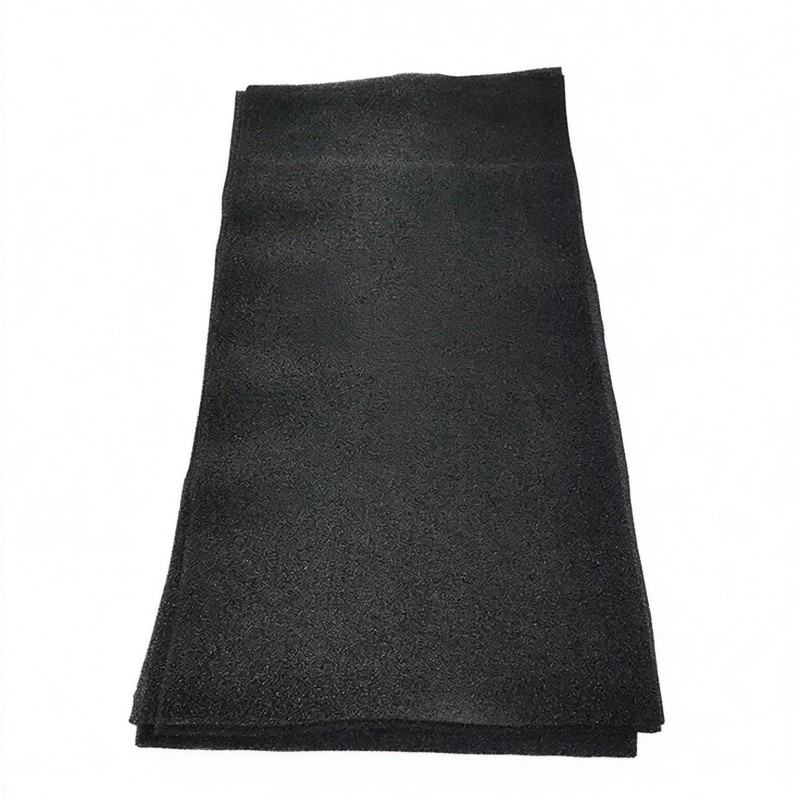
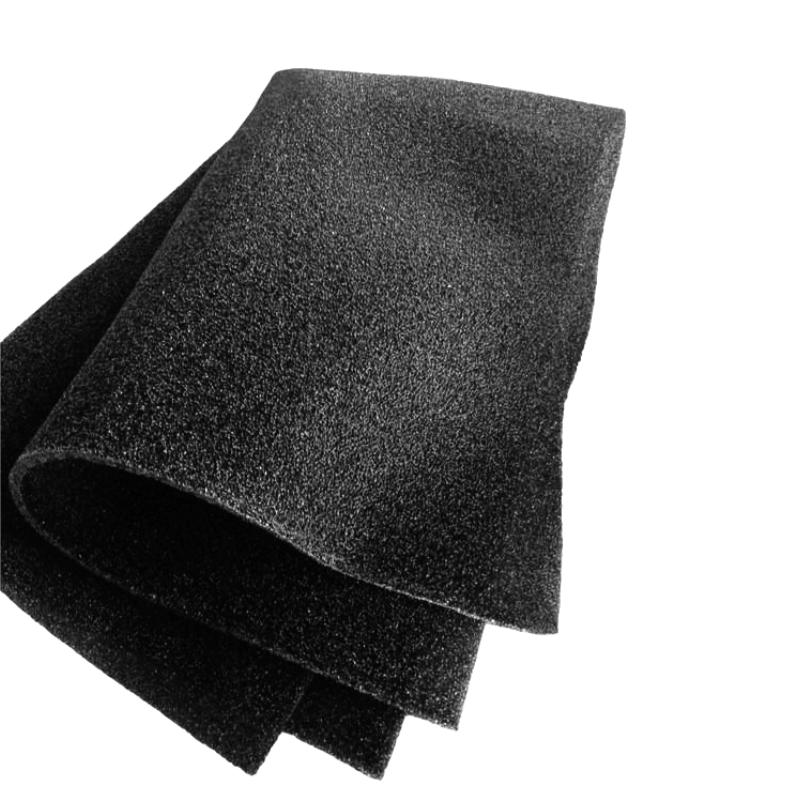
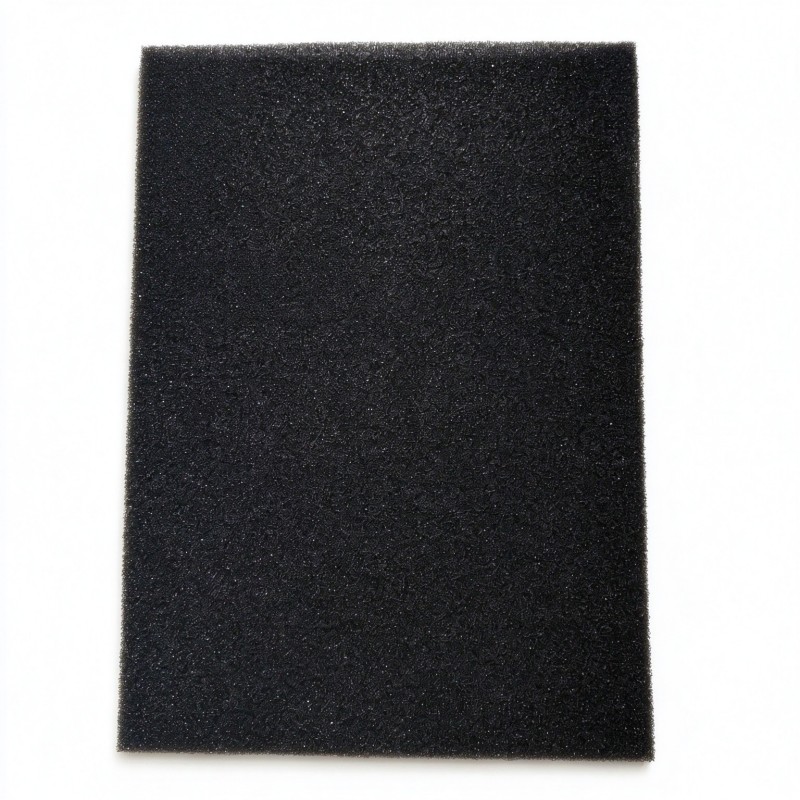
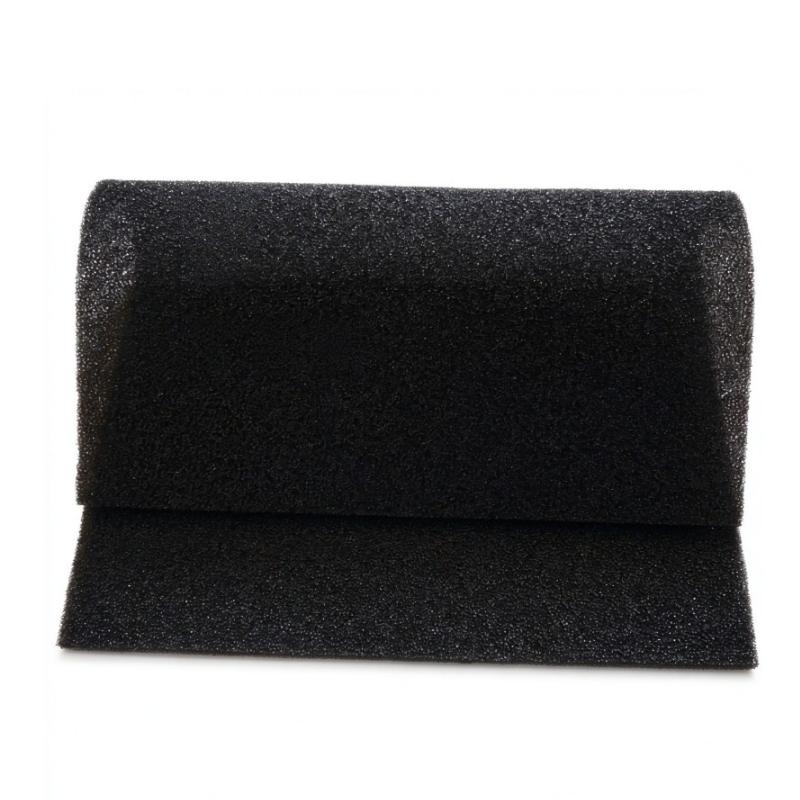
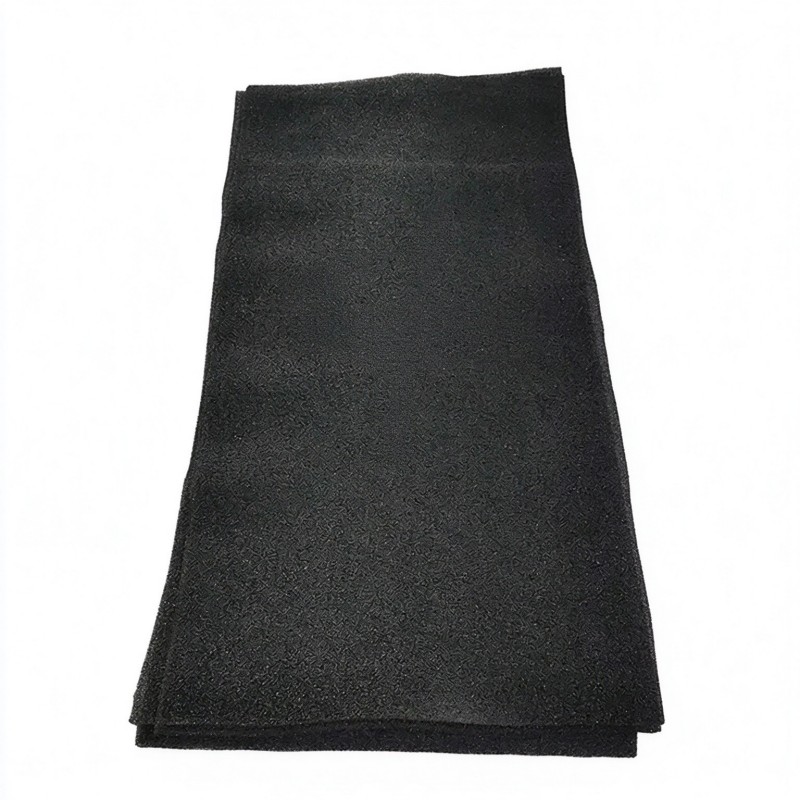
The Ingersoll Rand 47572166001 23523772 Filter Pad is a pre-filter pad used in compatible industrial air compressor intake assemblies. Unlike a conventional cylindrical filter element, this pad is installed as a flat filtration layer within an intake enclosure. Its purpose is to capture airborne dust and larger particulate matter before air enters the downstream intake system.
In industrial compressor installations, the intake enclosure may be exposed to dust from production areas, outdoor air or surrounding equipment. A pre-filter pad helps intercept this contamination before it reaches the main intake filtration stage. This is particularly relevant for compressor packages operating in manufacturing plants, metalworking facilities and other environments where airborne particles accumulate during normal production.
The 23523772 part reference is identified as a pre-filter pad in Ingersoll Rand compressor parts documentation. Its application is associated with an intake door assembly, where the pad is installed alongside supporting and retaining components. The supplied 47572166001 reference should also be retained when identifying the product in this listing, and compatibility should be checked against the installed compressor and intake enclosure.
Because a filter pad covers an intake opening rather than fitting inside a cylindrical housing, correct placement and coverage are important. Gaps around the pad can allow dust to bypass the filtration layer, while excessive contamination can restrict the air entering the enclosure.
Technical Specifications
| Parameter | Specification |
|---|---|
| Manufacturer | Ingersoll Rand |
| Model / Part Number | 47572166001 |
| Alternate Part Number | 23523772 |
| Product Type | Filter Pad |
| Product Category | Compressor Intake Pre-Filter Pad |
| Application | Industrial Air Compressor Intake Assemblies |
| Primary Function | Captures airborne particulate matter before downstream intake filtration |
| Installation Position | Intake enclosure or pre-filter assembly, subject to equipment configuration |
| Filter Format | Flat filter pad |
| Typical Equipment Context | Compatible Ingersoll Rand industrial compressor packages |
| Filtration Media Material | Not confirmed |
| Filtration Efficiency | Not confirmed |
| Filtration Rating | Not confirmed |
| Replacement Requirement | Inspect and replace according to equipment maintenance requirements |
| Dimensions | 10 × 880 × 1420 mm |
| Weight | 0.227 kg |
Product Features
- Pre-filtration: Captures airborne particles before they enter the downstream intake system.
- Flat-pad configuration: Fits an intake enclosure or retaining assembly rather than a conventional cylindrical filter housing.
- Intake contamination control: Helps reduce the amount of dust reaching subsequent filtration components.
- Large-area coverage: Covers the specified intake opening when correctly positioned.
- Maintenance accessibility: Can be inspected and replaced during servicing of the intake enclosure.
- Part-number identification: The supplied references support maintenance documentation and replacement-part identification.
- Airflow considerations: Accumulated dust can increase resistance through the pad, making condition checks important.
- Correct placement: Full coverage and proper retention help prevent unfiltered air from bypassing the pad.
Working Principle
The pre-filter pad works by allowing incoming air to pass through its filtration layer while retaining a portion of the airborne particulate matter. The pad is positioned across the intake opening so that air drawn into the compressor enclosure encounters the filtration material before proceeding to downstream components.
During operation, particles accumulate on the upstream surface and within the pad. In a dusty production environment, this buildup may occur more quickly than in a clean installation. As the pad loads with contamination, airflow resistance can increase, potentially reducing the air available to the compressor if the restriction becomes excessive.
The pad’s effectiveness also depends on how it is fitted. If it is folded, damaged or poorly retained, air may travel around the edges instead of passing through the filtration material. Dust can then reach the downstream intake components despite the presence of the pad.
For maintenance personnel, inspection should focus on the amount and distribution of accumulated dust, the condition of the pad and the integrity of its retaining arrangement. A heavily contaminated or damaged pad should be replaced according to the applicable service requirements. Cleaning or reusing the pad should only be considered if the specified maintenance procedure permits it.
The pre-filter pad serves a different role from a main intake filter. It should not automatically be treated as a substitute for the primary filter element or as a component of the compressor’s oil filtration circuit.
Role in an Industrial Air Compressor Intake System
The filter pad provides an initial barrier against airborne contamination at the compressor intake enclosure. It works with the intake door, retaining structure and downstream filtration components to control particulate entry into the machine.
Atmospheric Air → Intake Door and Pre-Filter Pad → Downstream Intake Filter, Where Fitted → Intake Valve → Compressor Airend
| System Component | Function | Relationship to the Filter Pad |
|---|---|---|
| 47572166001 / 23523772 Filter Pad | Captures airborne particulate matter | Provides pre-filtration at the intake opening |
| Intake Door Assembly | Supports and closes the intake enclosure | Holds the pad in its intended position where specified |
| Retaining Grill | Supports or retains the filter pad | Helps maintain coverage across the intake opening |
| Intake Housing | Directs air toward the compressor intake | Provides the surrounding structure for the filtration assembly |
| Main Intake Filter | Performs downstream intake filtration where fitted | Provides a separate filtration stage |
| Intake Ducting | Carries incoming air toward the compressor | Must remain unobstructed |
| Intake Valve | Regulates air admission where fitted | Controls airflow entering the compression section |
| Compressor Airend | Compresses incoming air | Receives air from the intake system |
| Filter Seals | Seal interfaces within the intake assembly | Help limit unfiltered air bypass |
| Compressor Controller | Manages machine operation | May indicate operating conditions associated with intake restriction where supported |
Industrial Applications
| Application | Typical Equipment | Role of the Filter Pad |
|---|---|---|
| Manufacturing Plants | Industrial compressor packages | Captures intake dust generated by general production activity |
| Metalworking Facilities | Compressors installed near machining operations | Helps intercept airborne particulate matter before it reaches downstream filtration |
| Automotive Production | Centralized compressed-air systems | Supports intake contamination control in production environments |
| Outdoor Compressor Installations | Enclosed compressor packages exposed to ambient air | Helps reduce particulate entry through the intake opening |
| Packaging Operations | Compressors supplying pneumatic production equipment | Supports intake pre-filtration during routine operation |
| Chemical Processing | Industrial utility-air compressors | Helps control airborne contamination entering the intake assembly |
| General Industrial Workshops | Compressors operating under variable dust conditions | Supports inspection and replacement based on actual contamination |
| Continuous-Process Industries | Compressor packages running for extended periods | Forms part of the intake maintenance routine |
Installation and Maintenance
- Verify the part references: Confirm that 47572166001 and 23523772 match the required pad and intake assembly configuration.
- Identify the compressor model: Check the installed equipment and applicable parts configuration before removing the existing pad.
- Shut down and isolate the equipment: Follow the compressor’s shutdown and isolation procedure before opening the intake enclosure.
- Inspect the intake door assembly: Check the door, retaining grill and surrounding structure for damage or accumulated debris.
- Remove the existing pad carefully: Avoid shaking loose dust into the intake duct or downstream filtration components.
- Inspect the pad condition: Look for heavy contamination, tears, deformation or deterioration of the filtration material.
- Clean the retaining area: Remove accumulated dust from the enclosure and retaining surfaces using an appropriate maintenance method.
- Compare the replacement pad: Confirm the part reference and check that the pad covers the intended intake opening.
- Position the pad correctly: Install it in the specified orientation without folds, gaps or damage that could affect airflow.
- Secure the retaining assembly: Refit the grill, cover or other retaining components according to the installed design.
- Check the intake after servicing: Confirm that the pad remains in position and that the intake path is unobstructed before returning the compressor to normal operation.
- Record the maintenance: Document the part reference, replacement date and observed contamination level for future service planning.
Related Components
| Component | Function | Relationship to the Filter Pad |
|---|---|---|
| Intake Door Assembly | Provides access to and closure of the intake enclosure | Supports the installation arrangement for the pad |
| Retaining Grill | Holds or supports the pad | Helps prevent movement and maintain coverage |
| Intake Housing | Directs air toward the compressor | Forms the surrounding intake structure |
| Main Intake Filter | Removes additional airborne contaminants where fitted | Performs downstream filtration |
| Intake Ducting | Carries incoming air | Must remain clear to avoid additional restriction |
| Intake Valve | Regulates air admission where fitted | Controls air entering the compression section |
| Filter Seals | Seal mating interfaces | Help prevent unfiltered air from bypassing filtration |
| Compressor Airend | Compresses incoming air | Receives air from the intake system |
| Compressor Controller | Manages operating sequences | May monitor related operating conditions where supported |
Recommended Related Models
| Model / Product | Product Type | Relationship | Selection Consideration |
|---|---|---|---|
| Ingersoll Rand 47572166001 | Filter Pad | Main product reference | Confirm compatibility with the installed intake assembly |
| Ingersoll Rand 23523772 | Pre-Filter Pad | Alternate reference supplied for the product | Verify the required pad and retaining arrangement |
| Ingersoll Rand 23523780 | Intake Grill | Related intake assembly component | Confirm the retaining structure used with the pad |
| Ingersoll Rand 23523855 | Intake Door Assembly | Related assembly identified in compressor parts documentation | Verify the applicable enclosure configuration |
| Ingersoll Rand 23487457 | Air Filter | Related intake filtration component | Select separately according to the compressor’s main-filter specification |
| Ingersoll Rand 23545841 | Air/Oil Separator | Related compressor maintenance component | Serves a downstream separation function and is not interchangeable with the pad |
Key Advantages
- Helps capture airborne particulate matter at the compressor intake enclosure.
- Supports pre-filtration before downstream intake filtration.
- Covers the intended intake opening when correctly fitted.
- Allows straightforward inspection during intake enclosure maintenance.
- Supports replacement tracking through identifiable part references.
Technical FAQs
What is the difference between a pre-filter pad and a main intake filter?
A pre-filter pad provides an initial filtration layer at the intake enclosure. A main intake filter performs its own filtration function downstream where fitted. The pad should not be assumed to replace the specified main filter.
How can incorrect installation affect the filter pad’s performance?
Gaps, folds or poor retention can allow incoming air to bypass the filtration material. This may permit dust to reach downstream components even when the pad itself is present.
When should the 23523772 filter pad be replaced?
Replacement depends on the applicable service requirements and the pad’s observed condition. Heavy contamination, tears, deformation or evidence of restricted airflow are reasons to inspect the component and determine whether replacement is necessary.
Which components should be inspected when servicing this pad?
Inspect the intake door, retaining grill, surrounding enclosure and any downstream intake filter. These parts affect how the pad is held in position and how air moves through the intake assembly.