

ProductPRODUCT
Featured products
Contact Us
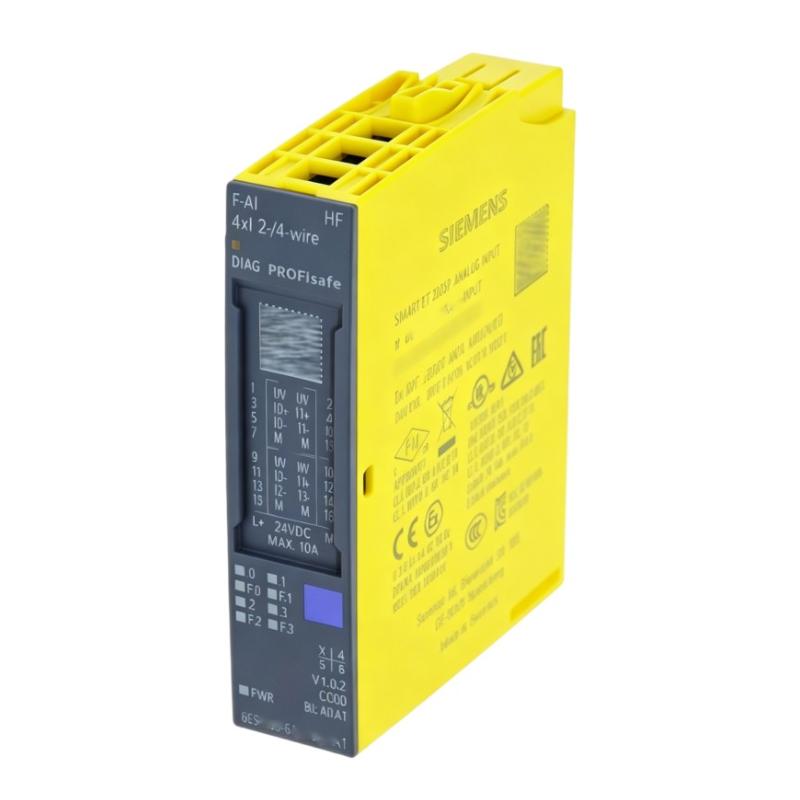
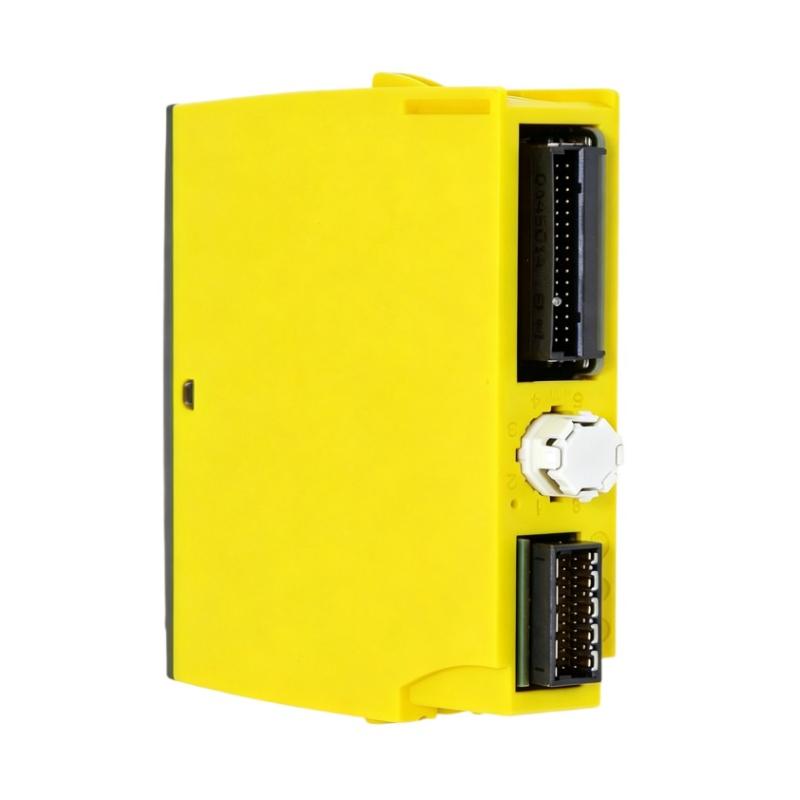
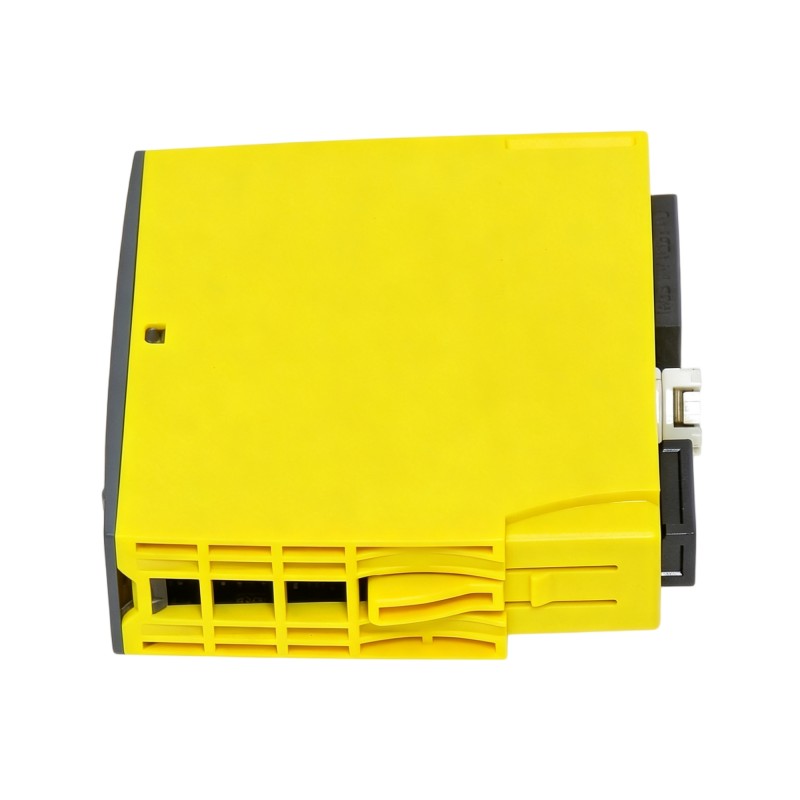
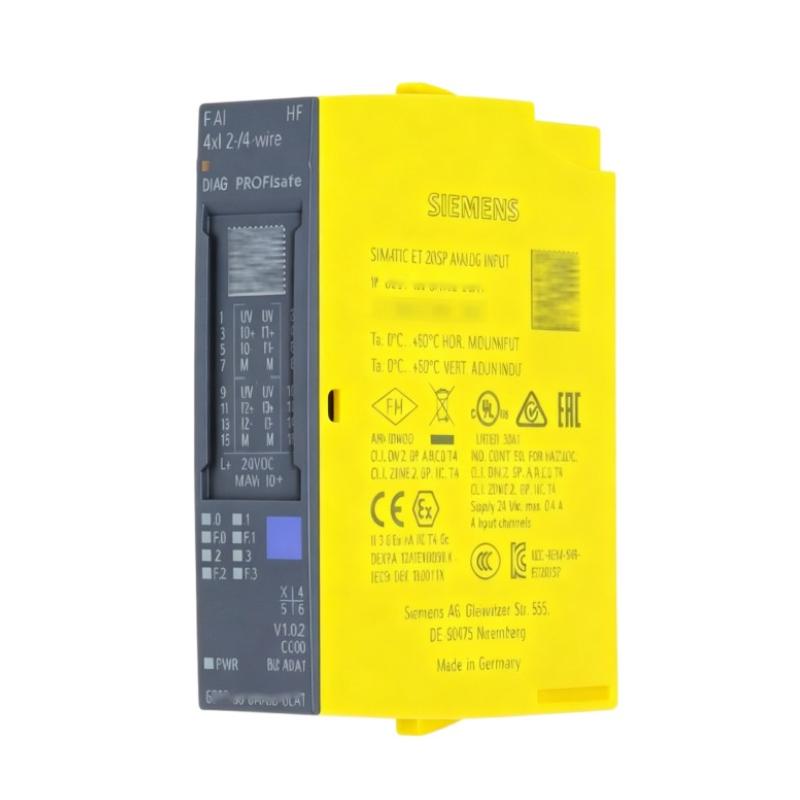
- Siemens
- 6AG1136-6AA00-2CA1
- Analog Output Module
- Germany
- 15 × 73 × 58 mm
- 0.066 kg
- Xiamen, China
- New & In Stock
- T/T, PayPal, Western Union
- 1 Year
- 1-3 Working Days
- DHL, UPS, TNT, FedEx and EMS.
- 24-Hour Service
- COO
- 52
Our advantage

Global Logistics
We have a 10-year logistics and express cooperation agreement, so our products can be shipped to any place in the world.

Brand new and original
Our products are imported in bulk from the place of origin. Because of the cooperative relationship, our products are all original and 100% new.

24-hour service
We provide 7*24 hours service to our customers. We will be there whenever you need us.

Price advantage
All our products are priced very favorably because we have our own warehouse and supply.
| Company Information | |||
| [email protected] | |||
| Mobile | +8615980777398 | ||
| +8615980777398 | |||
| 15980777398 |
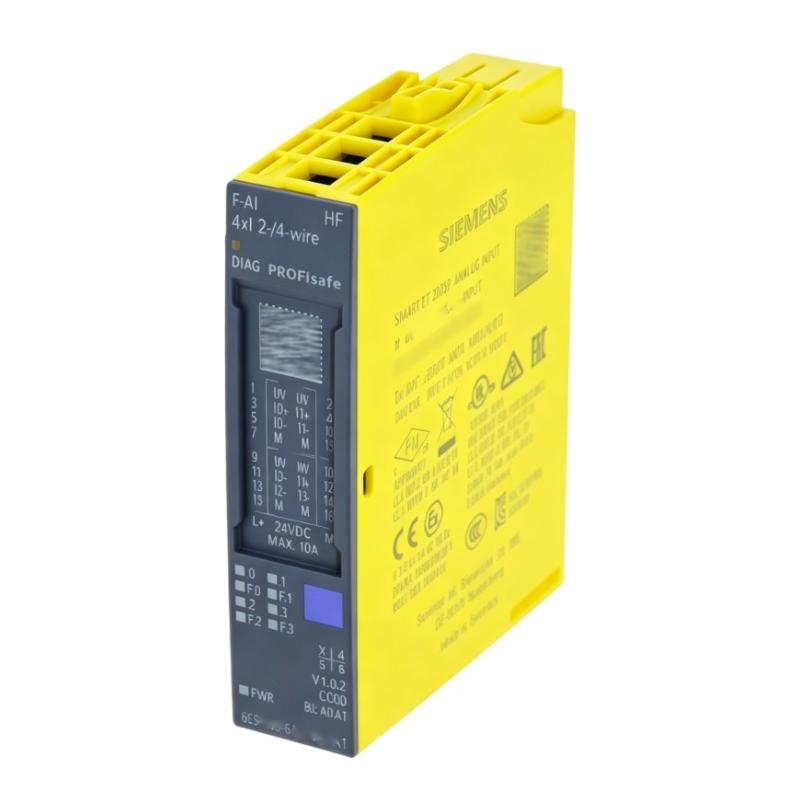
Product Overview
The Siemens 6AG1136-6AA00-2CA1 SIPLUS ET 200SP Fail-Safe Analog Output Module is a fail-safe analog output module for the SIPLUS ET 200SP distributed I/O platform. It is intended for automation architectures where analog output functions need to be incorporated into a safety-related control system.
Unlike a conventional analog output module, a fail-safe analog output module is used in applications where the output function forms part of a defined safety concept. The module works with the safety control architecture to transmit analog commands to compatible field devices while supporting the diagnostic and fault-handling requirements of a safety-oriented automation system.
The module is particularly relevant to machinery and process applications where the controlled device cannot rely solely on standard automation logic. Typical examples include safety-related actuator control, controlled shutdown functions, and applications requiring a higher level of fault detection within the I/O architecture.
Technical Specifications
| Parameter | Specification |
|---|---|
| Manufacturer | Siemens |
| Model | 6AG1136-6AA00-2CA1 |
| Product Family | SIPLUS ET 200SP |
| Product Type | Fail-Safe Analog Output Module |
| Application | Safety-Related Distributed I/O |
| Dimensions | 15 × 73 × 58 mm |
| Weight | 0.066 kg |
Product Features
The 6AG1136-6AA00-2CA1 combines analog output functionality with the safety-oriented architecture of the SIPLUS ET 200SP platform.
Key characteristics include:
- Siemens SIPLUS ET 200SP fail-safe analog output module
- Model 6AG1136-6AA00-2CA1
- Intended for safety-related analog output applications
- Suitable for distributed I/O architectures
- Supports integration into safety-oriented automation systems
- Provides analog output functionality at the field level
- Designed for use with compatible ET 200SP system components
- Compact modular installation
- Suitable for machinery and industrial process applications
- Supports diagnostic-oriented safety system architectures
The complete safety configuration should be evaluated before installation, including the safety controller, communication architecture, field device, wiring, and required safety functions.
Working Principle
The module forms part of the output path between a safety control system and a compatible analog field device.
A simplified architecture can be represented as:
Safety Controller → ET 200SP Communication Interface → Fail-Safe Analog Output Module → Safety-Related Field Device
The safety program determines the required output state or analog command according to the machine or process safety logic. The ET 200SP station transfers the relevant process information to the output module, which handles the field-side analog output function.
The fail-safe architecture also considers fault conditions. Depending on the configured safety function, abnormal conditions can result in diagnostic information or a defined safe response rather than allowing an undetected output fault to continue controlling the process.
This makes the module different from a standard analog output card: its role must be considered within the complete functional safety architecture, rather than only as a means of generating an analog signal.
Role in a Safety Automation Architecture
The 6AG1136-6AA00-2CA1 occupies the fail-safe analog output layer of a distributed safety I/O system.
A typical architecture can be viewed as:
Safety PLC / F-CPU → Industrial Network → ET 200SP Station → F-AO Module → Safety-Related Actuator
The module can form the interface between the safety control logic and an analog-controlled field device where the application requires safety-related output handling.
Potentially associated field equipment may include:
- Safety-related actuators
- Controlled valves
- Drive-related control interfaces
- Process actuators
- Analog-controlled machinery
- Other field devices incorporated into a safety function
The actual safety function depends on the application risk assessment, safety program, field-device characteristics, and complete system configuration.
Industrial Applications
The module is suited to industrial automation environments where safety functions and analog control need to coexist within a distributed I/O architecture.
| Application | Typical Use |
|---|---|
| Machine Safety | Safety-related analog actuator control |
| Process Automation | Safety-oriented process output functions |
| Production Machinery | Controlled safety responses |
| Packaging Equipment | Safety-related field control |
| Material Handling | Safety-oriented actuator interfaces |
| Manufacturing Lines | Distributed safety I/O |
| Industrial Equipment | Safety-related analog control |
| Process Plants | Safety instrumentation and control architectures |
| Automated Machinery | Integration with safety PLC systems |
The module should only be used for safety functions that are supported by the complete configured system and applicable engineering requirements.
Installation and Maintenance
Installation requires more attention than a conventional analog output module because the module forms part of a safety-related architecture.
Recommended practices include:
- Confirm the complete 6AG1136-6AA00-2CA1 order number.
- Verify the required ET 200SP station configuration.
- Confirm compatibility with the safety controller and communication architecture.
- Check the applicable safety design before installation.
- Place the module in the correct ET 200SP station position.
- Confirm correct BaseUnit and mechanical seating.
- Inspect field wiring before energizing the system.
- Verify wiring against the approved safety design.
- Configure the module using the appropriate Siemens engineering environment.
- Check safety-related parameters and diagnostics.
- Perform commissioning tests for the complete safety function.
- Verify the defined response under relevant fault conditions.
- Record diagnostic information during commissioning.
- Re-test the safety function after maintenance or wiring changes.
Maintenance should not be limited to checking whether the module powers up. The complete safety function, including controller logic, communications, field wiring, and actuator response, should be verified after work has been performed.
Related Components
The fail-safe analog output module operates as one element of a broader safety automation system.
| Component | Function |
|---|---|
| Siemens F-CPU | Executes safety-related control logic |
| ET 200SP Interface Module | Connects the distributed station to the control network |
| ET 200SP BaseUnit | Provides module mounting and electrical connections |
| Fail-Safe Analog Output Module | Handles safety-related analog output functions |
| PROFINET Network | Transfers process and safety-related data |
| Safety Engineering Software | Configures hardware and safety functions |
| Safety-Related Actuator | Performs the commanded field action |
| 24 V DC Power Supply | Supplies the applicable automation circuits |
| Field Wiring | Connects the safety I/O to field equipment |
| Diagnostic System | Supports fault identification and maintenance |
The complete combination must be engineered as a safety system rather than treating the F-AO module as an independent safety device.
Recommended Related Models
| Model / Product Family | Product Type | Typical Application |
|---|---|---|
| Siemens 6AG1136-6AA00-2CA1 | SIPLUS ET 200SP Fail-Safe Analog Output Module | Safety-related analog output |
| Siemens SIPLUS ET 200SP F-I/O Modules | Fail-Safe I/O | Distributed safety applications |
| Siemens ET 200SP Interface Modules | Interface Module | Distributed I/O communication |
| Siemens SIMATIC S7-1500F | Fail-Safe PLC / CPU | Central safety control |
| Siemens SIMATIC ET 200SP | Distributed I/O Platform | Modular field I/O |
| Siemens SIPLUS S7-1500F Components | Ruggedized Safety Hardware | Safety-oriented industrial automation |
Model selection should be based on the required safety function, I/O type, controller architecture, and field-device requirements.
Key Advantages
- Siemens SIPLUS ET 200SP fail-safe analog output module
- Model 6AG1136-6AA00-2CA1
- Supports safety-related analog output applications
- Integrates into distributed ET 200SP architectures
- Suitable for safety-oriented machine and process control
- Supports field-level analog control within a safety architecture
- Compact modular installation
- Suitable for applications requiring SIPLUS hardware
- Supports diagnostic-oriented safety system integration
Technical FAQs
What distinguishes the 6AG1136-6AA00-2CA1 from a standard ET 200SP analog output module?
The key distinction is its role in a fail-safe automation architecture. A standard analog output module is primarily intended for conventional process or machine control, while the 6AG1136-6AA00-2CA1 is intended for safety-related applications within an appropriately engineered safety system.
Can the module be treated as an independent safety device?
No. Its safety function depends on the complete system architecture, including the safety controller, configured safety logic, communication system, wiring, connected field device, and applicable engineering requirements. The module itself should not be considered a standalone safety solution.
What should be checked if the analog output enters a safe state unexpectedly?
The investigation should include module diagnostics, safety-controller diagnostics, communication status, field wiring, power conditions, configured safety parameters, and the connected actuator. A safe-state response can be triggered by a detected fault elsewhere in the safety chain rather than by an electronic failure of the output module.
Why is commissioning testing particularly important for this type of module?
A fail-safe output is part of a defined safety function, so simply verifying that an analog signal is present is not sufficient. The complete safety response should be tested, including normal operation, relevant fault conditions, diagnostic behavior, and the expected safe response of the connected equipment.