

ProductPRODUCT
Featured products


Contact Us
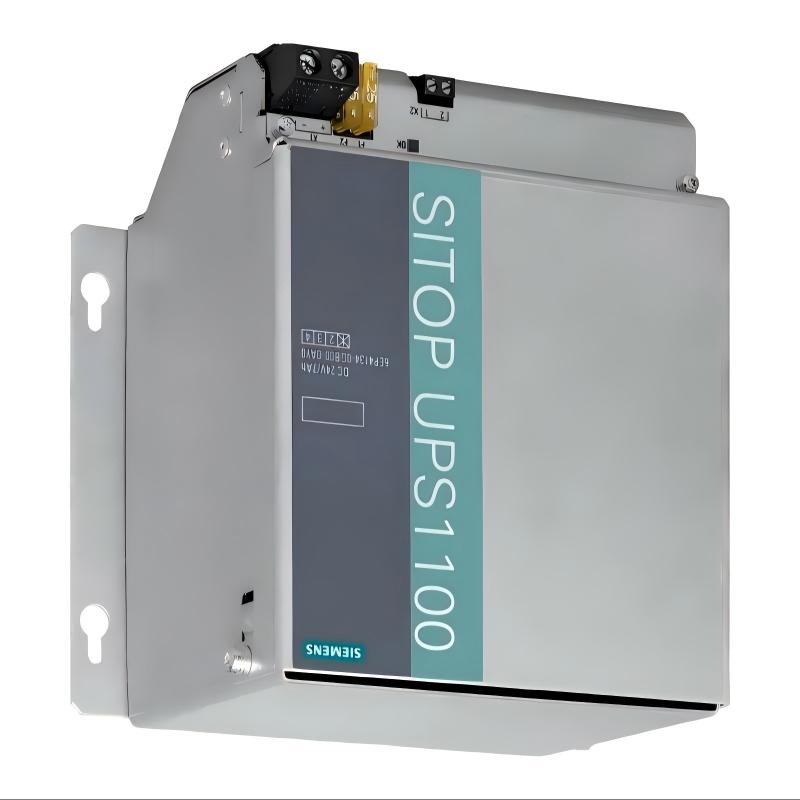
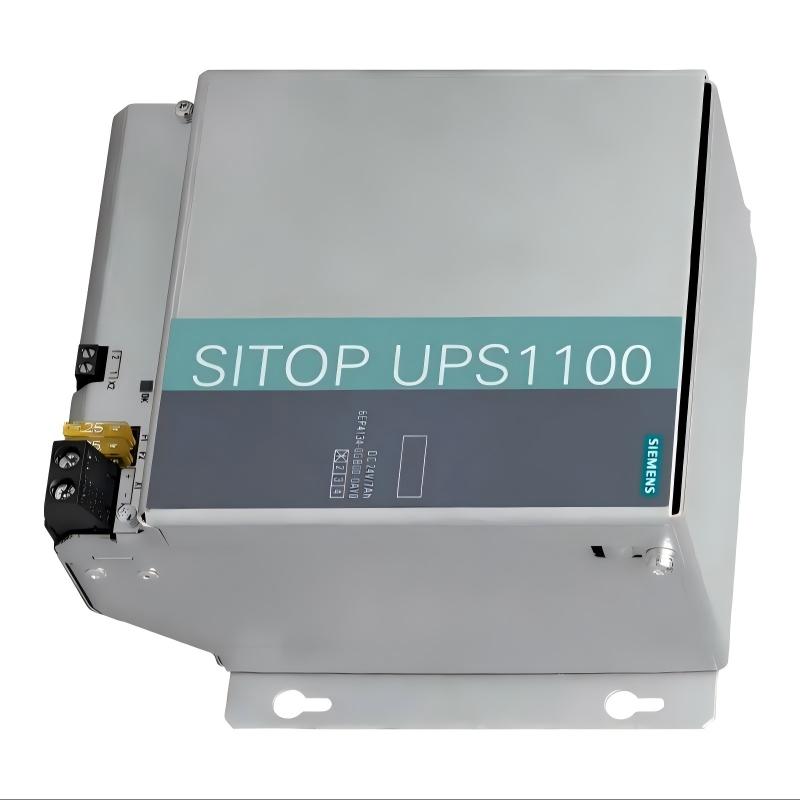
- Siemens
- 6AG1134-0GB00-4AY0
- Battery Module
- Germany
- 186 × 186 × 110 mm
- 6.1 kg
- Xiamen, China
- New & In Stock
- T/T, PayPal, Western Union
- 1 Year
- 1-3 Working Days
- DHL, UPS, TNT, FedEx and EMS.
- 24-Hour Service
- COO
- 60
Our advantage

Global Logistics
We have a 10-year logistics and express cooperation agreement, so our products can be shipped to any place in the world.

Brand new and original
Our products are imported in bulk from the place of origin. Because of the cooperative relationship, our products are all original and 100% new.

24-hour service
We provide 7*24 hours service to our customers. We will be there whenever you need us.

Price advantage
All our products are priced very favorably because we have our own warehouse and supply.
| Company Information | |||
| [email protected] | |||
| Mobile | +8615980777398 | ||
| +8615980777398 | |||
| 15980777398 |
Product Overview
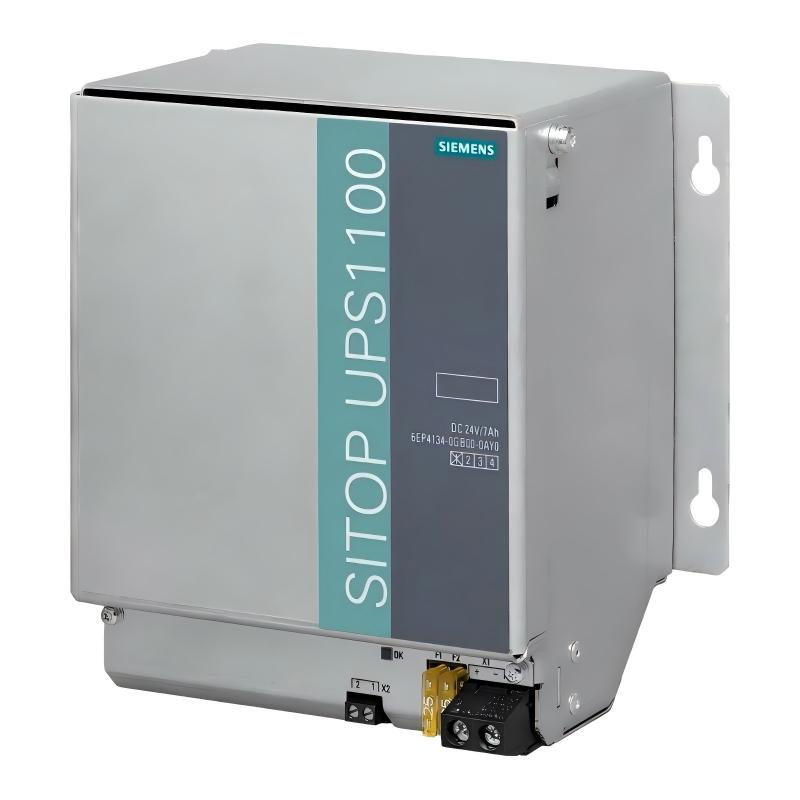
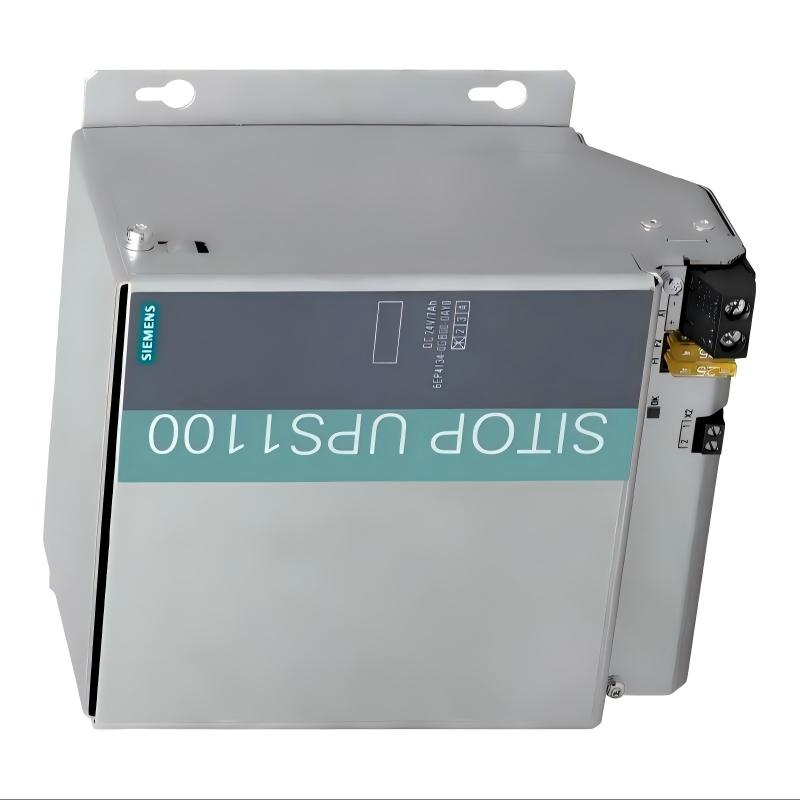
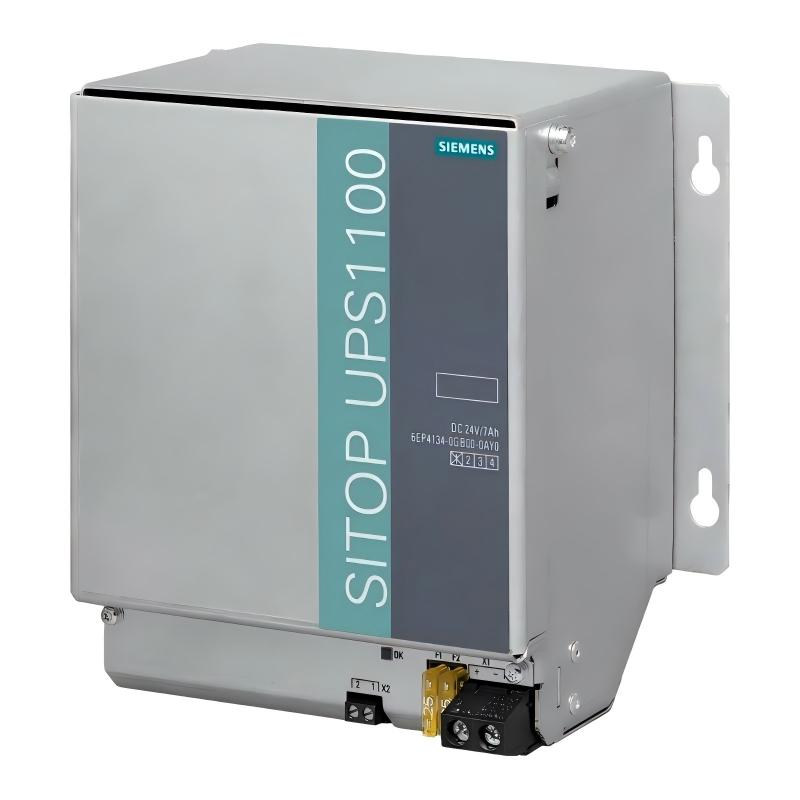
The Siemens 6AG1134-0GB00-4AY0 is a SIPLUS PS UPS1100 Battery Module designed to provide backup energy storage for Siemens SITOP DC uninterruptible power supply systems. It is based on the corresponding UPS1100 battery module architecture and uses maintenance-free, sealed lead-acid batteries.
The module provides a 24 V DC, 7 Ah energy-storage solution and is intended to work together with compatible Siemens DC UPS equipment. During normal operation, the battery module is charged by the connected UPS system. When the primary 24 V DC supply becomes unavailable or unstable, the stored energy can be used to maintain the connected DC load for the required backup period.
The SIPLUS version is designed for more demanding industrial environments. Its conformal-coated construction and specified environmental characteristics make it suitable for control cabinets and industrial installations where temperature, condensation, dust, chemical exposure, or other environmental stresses may be present.
The supplied product information is:
- Manufacturer: Siemens
- Product Family: SIPLUS PS UPS1100
- Model: 6AG1134-0GB00-4AY0
- Product Type: Battery Module
- Battery Type: Maintenance-free sealed lead-acid battery
- Battery Capacity: 7 Ah
- Nominal System Voltage: 24 V DC
- Number of Cells: 12
- Dimensions: 186 × 186 × 110 mm
- Weight: 6.1 kg
- Mounting: Wall mounting
- Application: DC UPS Backup Power
- Protection: IP20
The module is intended as an energy-storage component rather than as a standalone DC power supply. Correct compatibility with the connected UPS system must therefore be confirmed before installation.
Technical Specifications
| Parameter | Specification |
|---|---|
| Manufacturer | Siemens |
| Product Family | SIPLUS PS UPS1100 |
| Model | 6AG1134-0GB00-4AY0 |
| Product Type | Battery Module |
| Battery Technology | Sealed Lead-Acid |
| Battery Type | Maintenance-Free |
| Nominal Battery Voltage | 24 V DC |
| Battery Capacity | 7 Ah |
| Number of Cells | 12 |
| Maximum Output Current | 40 A |
| Peak Current | Up to 120 A |
| Maximum Charging Current | Approximately 2.1 A |
| Operating Temperature | Approximately -15 °C to +50 °C |
| Storage Recommendation | Preferably fully charged and approximately 0 °C to +20 °C for extended storage |
| Conformal Coating | Yes |
| Protection Rating | IP20 |
| Electrical Connection | Screw terminals |
| Power Terminal Wire Range | 0.5 to 16 mm² |
| Control/Status Terminal Wire Range | 0.14 to 4 mm² |
| Included Protection | 25 A fuse |
| Mounting | Wall mounting |
| Rail Mounting | No |
| Dimensions | 186 × 186 × 110 mm |
| Weight | 6.1 kg |
| Application | SITOP DC UPS Systems |
Function and Working Principle
The IC200TBM002-style junction concept is different from a battery module. The 6AG1134-0GB00-4AY0 functions specifically as an energy-storage unit in a DC UPS system.
A typical power architecture is:
AC Power
↓
24 V DC Power Supply
↓
SITOP DC UPS
↓
24 V DC Industrial Load
↕
6AG1134-0GB00-4AY0 Battery Module
During normal operation, the power supply provides energy to the DC load while the UPS charges the battery module.
When the primary DC supply fails, the UPS changes to battery operation:
Battery Module
↓
DC UPS
↓
24 V DC Control System
↓
PLC / HMI / Network / Critical Loads
This allows critical automation equipment to remain operational for a defined period rather than shutting down immediately after loss of the primary power source.
Role in Industrial Control Systems
The battery module is particularly important in automation applications where an uncontrolled power interruption could cause:
- PLC shutdown
- Loss of machine data
- Communication interruption
- Unexpected machine stopping
- Loss of process information
- HMI shutdown
- Controller restart
- Production interruption
A DC UPS battery module can provide the stored energy required for controlled shutdown or temporary continued operation.
Typical critical loads may include:
- PLC CPUs
- Industrial Ethernet equipment
- HMI panels
- Remote I/O
- Control relays
- Instrumentation
- Monitoring equipment
- Industrial PCs
The exact backup duration depends on the connected load and the operating condition of the battery.
Typical Industrial Applications
Manufacturing Automation
The module can be used in control cabinets for:
- Assembly machines
- Production lines
- Automated inspection equipment
- Conveyor systems
- Robotic cells
- Material handling systems
The UPS can keep critical control electronics operating during short power interruptions.
Process Automation
Typical applications include:
- Water treatment
- Chemical processing
- Pump control
- Utility systems
- Process monitoring
- Industrial instrumentation
Maintaining power to control electronics can prevent uncontrolled process interruption.
Data and Communication Systems
The battery module can support DC UPS systems supplying:
- Industrial Ethernet switches
- Communication equipment
- Remote I/O
- Control gateways
- Monitoring devices
Maintaining network availability can be important during short-duration power disturbances.
Machine Shutdown Protection
A DC UPS can also be used to provide sufficient time for:
- Saving machine data
- Completing controlled shutdown procedures
- Storing PLC information
- Closing applications
- Maintaining alarms
- Protecting critical process information
Installation Guide
1. Verify Product Identification
Before installation, confirm the product marking:
Siemens 6AG1134-0GB00-4AY0
Inspect the battery module for:
- Cracked enclosure
- Swelling
- Leakage
- Damaged terminals
- Corrosion
- Mechanical deformation
- Loose components
- Signs of overheating
Do not install a battery module showing physical damage or leakage.
2. Verify UPS Compatibility
The 6AG1134-0GB00-4AY0 is intended to operate as a battery module for compatible Siemens DC UPS systems.
Before installation, verify:
- UPS model
- Battery voltage
- Battery capacity
- Connection arrangement
- Charging requirements
- Battery monitoring arrangement
- Fuse requirements
Never connect the battery module to an incompatible power supply.
3. Select the Installation Location
The module is designed for wall mounting rather than standard DIN-rail mounting.
The supplied mechanical data specifies:
- Width: 186 mm
- Height: 186 mm
- Depth: 110 mm
- Mounting height: approximately 201 mm
Allow sufficient clearance for:
- Wiring
- Ventilation
- Inspection
- Maintenance
- Battery replacement
4. Check Mechanical Support
The module weighs approximately 6.1 kg.
The mounting structure must therefore be capable of supporting the battery module securely.
Use appropriate mounting hardware for the cabinet or wall construction.
5. Inspect Battery Condition
Before connection, check:
- Battery housing
- Terminals
- Cable condition
- Fuse
- Polarity
- Mechanical mounting
Do not connect the battery if its polarity or wiring arrangement is uncertain.
6. Connect the Battery
Connect the battery module to the compatible DC UPS according to the approved electrical design.
Pay particular attention to:
+ BAT
and
– BAT
Reverse polarity can cause severe electrical faults.
7. Verify Protection
The supplied product information identifies a 25 A fuse as part of the accessory package.
Verify that the battery protection arrangement is correctly installed and suitable for the system.
Never bypass the battery protection device.
Commissioning Procedure
Step 1 — Mechanical Inspection
Confirm secure mounting.
Step 2 — Battery Inspection
Check enclosure, terminals, and cable condition.
Step 3 — Polarity Verification
Measure and verify correct battery polarity.
Step 4 — UPS Compatibility Check
Confirm the battery module is correctly matched with the UPS system.
Step 5 — Wiring Inspection
Check all battery and control connections.
Step 6 — Initial Power-Up
Energize the DC power supply according to the approved procedure.
Step 7 — Charging Verification
Confirm that the UPS begins charging the battery correctly.
Step 8 — Status Verification
Check available battery and UPS diagnostic information.
Step 9 — Backup Test
Perform a controlled power-failure test when permitted by the plant procedure.
Step 10 — Load Verification
Confirm that critical DC loads remain powered for the expected operating period.
Troubleshooting Guide
Problem 1: Battery Does Not Charge
Possible causes include:
- UPS charging problem
- Incorrect battery connection
- Reverse polarity
- Blown battery fuse
- Poor terminal connection
- Battery aging
- Incorrect UPS configuration
Recommended Checks
- Check battery polarity.
- Inspect the battery fuse.
- Check terminal connections.
- Verify UPS charging voltage.
- Check battery condition.
- Review UPS diagnostics.
Problem 2: UPS Immediately Reports Battery Fault
Possible causes include:
- Incorrect battery connection
- Low battery voltage
- Battery aging
- Open fuse
- Loose cable
- Incorrect battery configuration
Check the battery circuit before replacing the UPS.
Problem 3: Backup Time Is Too Short
Possible causes include:
- Battery aging
- Excessive connected load
- High operating temperature
- Insufficient charging
- Long battery storage period
- Frequent discharge cycles
Battery capacity decreases naturally over time.
Problem 4: Battery Voltage Is Low
Possible causes include:
- Deep discharge
- Battery aging
- Charging failure
- Long storage period
- High standby load
- Internal battery degradation
Measure the battery under controlled conditions and compare the result with the expected system behavior.
Problem 5: Battery Module Becomes Hot
Possible causes include:
- Excessive charging current
- High ambient temperature
- Battery degradation
- Internal battery fault
- Incorrect charging conditions
Abnormal heating should be investigated immediately.
Problem 6: UPS Switches to Battery Too Frequently
Possible causes include:
- Unstable primary power
- DC supply voltage fluctuations
- Incorrect power-supply configuration
- Poor wiring
- Loose terminals
Frequent battery operation can shorten battery service life.
Problem 7: Battery Fuse Opens Repeatedly
Possible causes include:
- Short circuit
- Incorrect wiring
- Excessive current
- Damaged battery cable
- Internal system fault
Do not repeatedly replace the fuse without finding the cause.
Problem 8: Battery Does Not Provide Backup Power
Possible causes include:
- Discharged battery
- Battery aging
- Open battery circuit
- Blown fuse
- Incorrect polarity
- UPS fault
- Loose terminal
Check the complete backup power path.
Battery Fault Diagnosis
A systematic troubleshooting sequence is recommended:
Primary DC Power Supply
↓
SITOP DC UPS
↓
Battery Connection
↓
25 A Protection
↓
6AG1134-0GB00-4AY0
↓
UPS Control / Charging Circuit
↓
Critical DC Load
This process helps identify whether a backup-power problem originates from the main supply, UPS, battery, protection device, wiring, or connected load.
Battery Life and Maintenance
Battery life depends strongly on:
- Operating temperature
- Charging conditions
- Discharge depth
- Discharge frequency
- Storage duration
- Ambient conditions
Typical energy-storage service life decreases as temperature rises.
For this type of sealed lead-acid energy storage, higher temperatures can significantly accelerate capacity loss and aging.
For example, the technical data indicates a typical point at which capacity falls to approximately 80% of original capacity of:
| Temperature | Typical Service Life |
|---|---|
| 20 °C | Approximately 4 years |
| 30 °C | Approximately 2 years |
| 40 °C | Approximately 1 year |
| 50 °C | Approximately 0.5 year |
These figures should be treated as typical values rather than guaranteed replacement intervals.
Preventive Maintenance
| Inspection Item | Recommended Check |
|---|---|
| Battery Housing | Inspect for swelling or damage |
| Battery Terminals | Check for corrosion |
| Wiring | Inspect insulation and connections |
| Fuse | Verify condition |
| Polarity | Confirm correct connection |
| Charging Voltage | Monitor periodically |
| Battery Temperature | Monitor cabinet conditions |
| UPS Diagnostics | Review alarms |
| Backup Time | Test periodically |
| Battery Age | Track installation date |
A battery can appear physically normal while its actual capacity has already degraded. Backup-time testing is therefore useful for critical systems.
Battery Storage Recommendations
If the battery module is stored before installation:
- Keep storage duration as short as practical.
- Store the battery fully charged.
- Maintain suitable storage temperature.
- Avoid prolonged high-temperature storage.
- Inspect battery condition before commissioning.
- Recharge according to the applicable maintenance procedure.
Long-term storage without appropriate charging can permanently reduce battery capacity.
Common Installation Mistakes
Reverse Polarity
Incorrect battery polarity can cause immediate electrical problems.
Always verify:
+ BAT → Positive
– BAT → Negative
before energizing the system.
Bypassing the Fuse
The battery protection device is an important safety component.
Never bypass or replace it with an unsuitable protection device.
Poor Mechanical Mounting
The module weighs approximately 6.1 kg, so the mounting structure must provide adequate mechanical support.
Excessive Cabinet Temperature
Battery life is strongly affected by temperature. Installing the module next to high-temperature equipment can significantly shorten its useful service life.
Insufficient Backup Testing
A battery should not be assumed to have full capacity simply because the UPS reports normal operation.
For critical systems, controlled backup testing is recommended.
6AG1134-0GB00-4AY0 Troubleshooting Table
| Symptom | Possible Cause | Recommended Action |
|---|---|---|
| Battery does not charge | Charging fault | Check UPS and battery circuit |
| Battery alarm | Low voltage or connection problem | Check battery voltage and wiring |
| Backup time too short | Battery aging | Perform capacity assessment |
| Battery voltage low | Deep discharge | Check charging system |
| Battery becomes hot | Charging or battery fault | Stop and investigate |
| UPS switches frequently to battery | Unstable primary power | Check DC supply |
| Fuse opens | Short circuit or overload | Find fault before replacing fuse |
| No backup power | Open battery circuit | Check battery path and UPS |
| Battery life is short | High temperature | Improve environmental conditions |
Key Advantages
- Designed for Siemens SIPLUS PS UPS1100 systems
- Provides 24 V DC / 7 Ah battery capacity
- Maintenance-free sealed lead-acid construction
- Suitable for industrial DC UPS applications
- Conformal-coated SIPLUS design
- Extended environmental capability
- Supports backup power for critical automation loads
- 186 × 186 × 110 mm compact enclosure
- 6.1 kg net weight
- Wall-mount installation
- Integrated battery protection arrangement
- Suitable for demanding industrial control environments
Technical FAQs
What is the Siemens 6AG1134-0GB00-4AY0?
The 6AG1134-0GB00-4AY0 is a SIPLUS PS UPS1100 battery module designed to provide stored energy for compatible Siemens 24 V DC UPS systems.
What is the battery capacity?
The module has a rated battery capacity of 7 Ah.
What voltage does the battery module provide?
It is designed for a 24 V DC UPS system.
What type of battery is used?
The module uses maintenance-free, sealed lead-acid batteries.
How many battery cells are included?
The specified configuration contains 12 cells.
What are the dimensions?
The module measures 186 × 186 × 110 mm.
What is the weight?
The supplied product weight is 6.1 kg.
Can the module be installed on a DIN rail?
No. The specified mounting method is wall mounting. It is designed to be screwed onto a flat surface.
What is the maximum output current?
The specified output current is 40 A, with a peak current capability of up to 120 A under the applicable conditions.
What is the maximum charging current?
The specified maximum charging current is approximately 2.1 A.
Why is the backup time shorter than expected?
Possible causes include battery aging, excessive connected load, elevated temperature, insufficient charging, frequent discharge cycles, or long-term storage.
How can I determine whether the battery is aging?
Compare actual backup performance with the expected system requirements. A battery can show normal voltage while having substantially reduced usable capacity.
Why is battery temperature important?
Sealed lead-acid battery service life decreases significantly as operating temperature increases. Proper cabinet ventilation and temperature management are therefore important.
Why does the UPS switch to battery frequently?
Frequent switching can be caused by unstable primary DC power, supply voltage fluctuations, poor wiring, loose terminals, or a problem in the primary power source.
What should I do if the battery fuse opens?
Do not simply install another fuse repeatedly. First identify possible short circuits, wiring problems, excessive current, or other faults in the battery circuit.
Can the battery module be used as a standalone power supply?
It should be treated as an energy-storage component for a compatible DC UPS system rather than as a standalone regulated power supply.
How should the battery be stored?
For extended storage, the battery should preferably remain fully charged and be kept in a suitable temperature-controlled environment. Long storage periods and high temperatures can significantly reduce battery life.
Conclusion
The Siemens 6AG1134-0GB00-4AY0 Battery Module is a 24 V DC, 7 Ah SIPLUS PS UPS1100 energy-storage module designed to support compatible Siemens DC UPS systems. It provides stored energy that can maintain critical automation loads during interruptions of the primary DC power source.
Its 186 × 186 × 110 mm enclosure and 6.1 kg weight make it a substantial wall-mounted battery component rather than a small DIN-rail device. The maintenance-free sealed lead-acid construction, conformal-coated SIPLUS design, and extended environmental characteristics make it suitable for industrial control cabinets and demanding automation environments.
Correct installation requires careful attention to UPS compatibility, battery polarity, mechanical mounting, fuse protection, wiring, and environmental temperature. During troubleshooting, technicians should inspect the complete energy path from the primary DC supply and UPS through the battery connection and protection circuit to the critical load.
For long-term reliability, battery temperature, charging behavior, backup capacity, terminal condition, and battery age should be monitored regularly. In critical automation applications, periodic controlled backup testing is especially valuable because a battery can appear electrically normal while its actual energy-storage capacity has already declined.