

ProductPRODUCT
Featured products
Contact Us
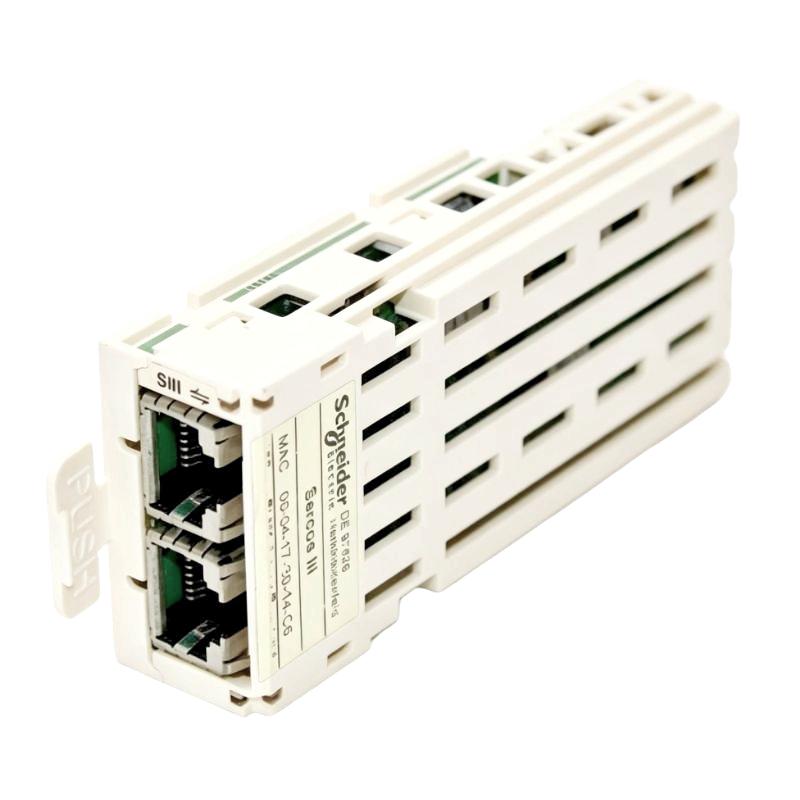
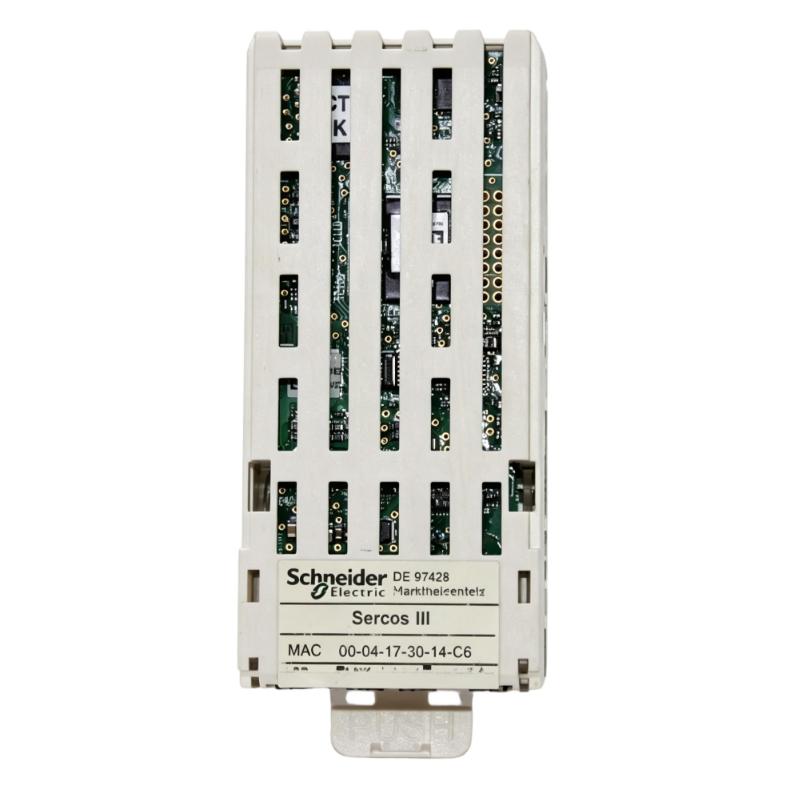
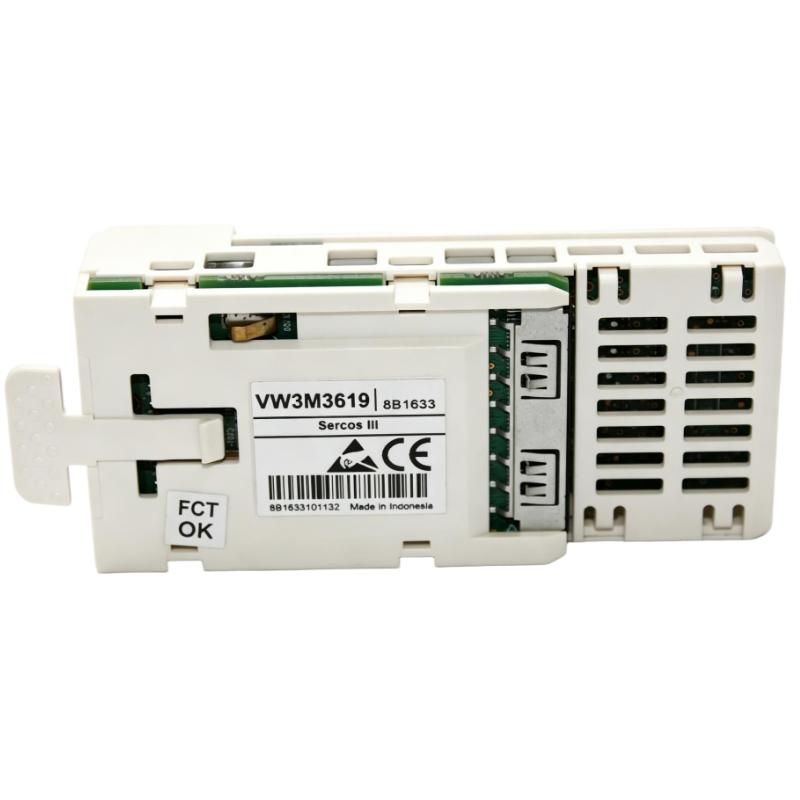
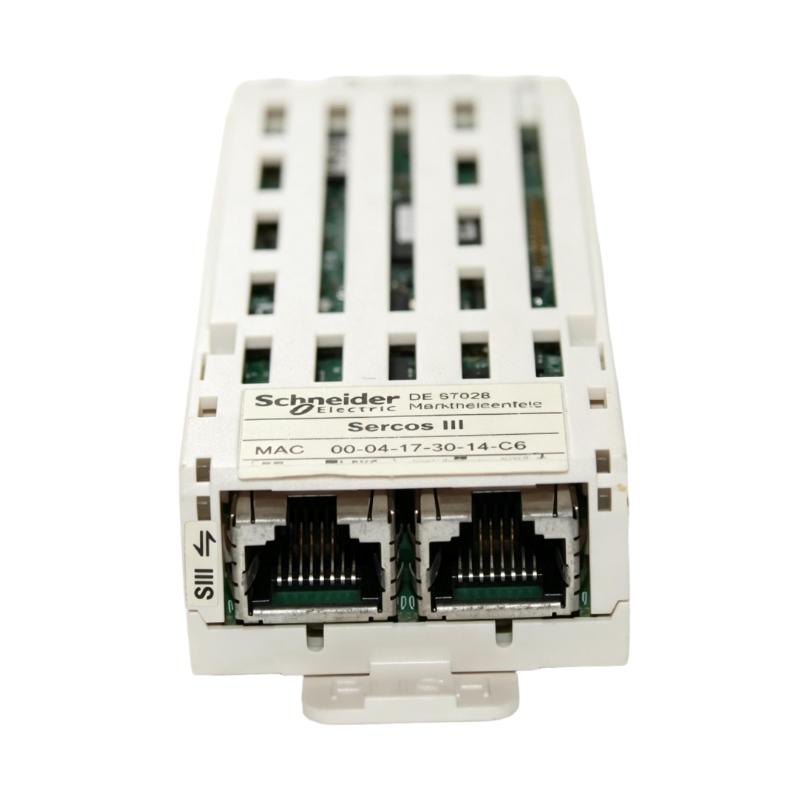
- Schneider
- VW3M3619
- Sercos III Communication Module
- France
- 89 x 41 x 61 mm
- 0.077 kg
- Xiamen, China
- New & In Stock
- T/T, PayPal, Western Union
- 1 Year
- 1-3 Working Days
- DHL, UPS, TNT, FedEx and EMS.
- 24-Hour Service
- COO
- 4
Our advantage

Global Logistics
We have a 10-year logistics and express cooperation agreement, so our products can be shipped to any place in the world.

Brand new and original
Our products are imported in bulk from the place of origin. Because of the cooperative relationship, our products are all original and 100% new.

24-hour service
We provide 7*24 hours service to our customers. We will be there whenever you need us.

Price advantage
All our products are priced very favorably because we have our own warehouse and supply.
| Company Information | |||
| [email protected] | |||
| Mobile | +8615980777398 | ||
| +8615980777398 | |||
| 15980777398 |
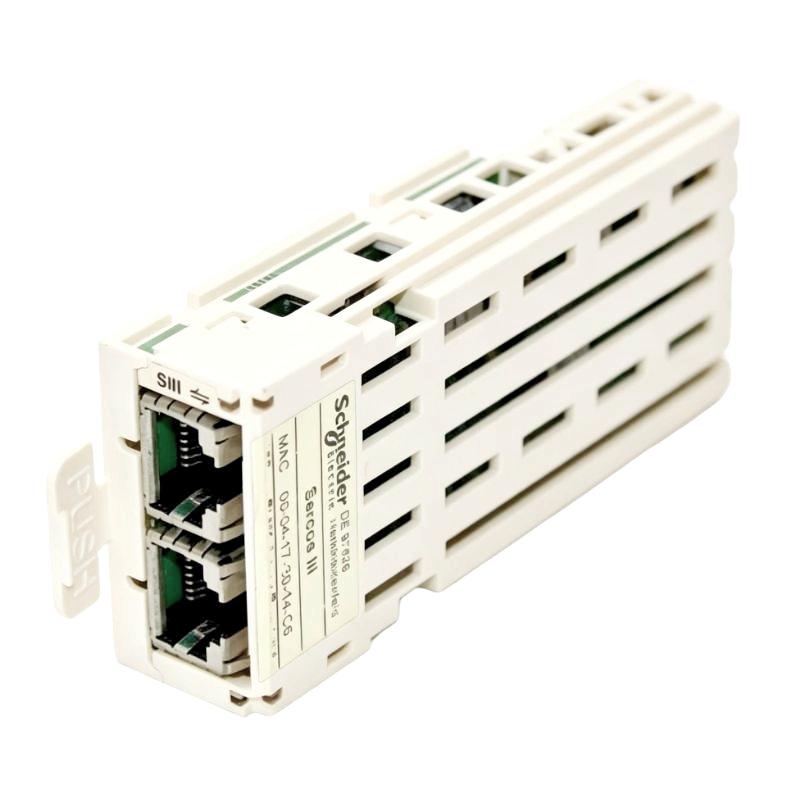
1. Product Overview
The Schneider VW3M3619 SERCOS III Communication Module is an industrial automation component identified for SERCOS III communication applications. SERCOS III is an industrial communication technology used in automation and motion control systems to support communication between compatible controllers, drives, and other networked equipment.
In modern industrial environments, communication modules play an important role in coordinating automation devices and enabling the exchange of control information. A suitable communication interface helps integrate equipment into the intended system architecture and supports communication between compatible devices.
The Schneider VW3M3619 has supplied dimensions of 89 × 41 × 61 mm and a listed weight of 0.077 kg. These specifications provide useful reference information for component identification, equipment layout planning, and replacement assessments.
The module should be selected and installed according to its documented function within the relevant Schneider Electric automation system. Before commissioning, engineers should verify the supported hardware family, communication interface, connection requirements, configuration procedures, and compatibility with the installed controller and drive equipment.
2. Technical Specifications
| Parameter | Specification |
|---|---|
| Brand | Schneider Electric |
| Model | VW3M3619 |
| Product Type | SERCOS III Communication Module |
| Product Category | Industrial Automation and Motion Control |
| Communication Technology | SERCOS III, as identified by the supplied product description |
| Dimensions | 89 × 41 × 61 mm |
| Weight | 0.077 kg |
| Primary Function | Communication integration within a compatible automation system |
| Typical Application | Industrial communication and motion control integration |
| Network Compatibility | Verify the supported network configuration and connected devices |
| Electrical Requirements | Confirm from the applicable technical documentation |
| Connection Requirements | Verify the approved connector and cable specifications |
| System Compatibility | Confirm compatibility with the intended controller, drive, and associated hardware |
| Installation Requirements | Follow the model-specific installation instructions |
The dimensions and weight listed above are based on the supplied product information. Additional specifications, including connector assignments, supported network topology, configuration requirements, and electrical ratings, should be verified before installation.
3. Function and Working Principle
A communication module provides an interface that allows compatible automation equipment to exchange information. In a SERCOS III-based system, communication may support the coordination of motion control devices and the transfer of relevant control and status information.
The exact role of the VW3M3619 depends on its documented implementation within the associated Schneider Electric hardware family. The module’s name identifies its communication technology, but detailed capabilities and supported configurations must be confirmed before integration.
3.1 Communication Between Automation Devices
Industrial automation systems commonly contain controllers, drives, motors, remote I/O, sensors, and other connected devices. These components must exchange information according to the requirements of the application.
A suitable communication interface helps establish the intended connection between supported devices. Depending on the system design, exchanged information may include control commands, equipment status, diagnostic information, and motion-related data.
3.2 SERCOS III in Motion Control
SERCOS III is an industrial Ethernet-based communication technology designed for automation and motion control. It supports communication between compatible automation components within a properly configured network.
In applications that use coordinated motion, communication performance and correct device configuration are important. The overall result depends on the controller, drives, network infrastructure, connected equipment, and system settings working together correctly.
3.3 Communication and System Configuration
Communication modules must be integrated according to the manufacturer’s supported hardware arrangement. Incorrect device selection, unsuitable cabling, unsupported network configurations, or improper settings may prevent devices from communicating.
For the VW3M3619, engineers should verify:
- The supported controller and drive hardware.
- The intended position of the module within the system.
- The applicable network and connection requirements.
- The required configuration software or parameters.
- The available status indicators and diagnostic procedures.
- The supported firmware and hardware combinations, where applicable.
These checks help reduce installation errors and support a more systematic commissioning process.
4. Role in Industrial Automation Systems
Communication interfaces are essential in industrial systems where multiple devices must exchange information reliably. A suitable SERCOS III communication module can form part of the communication architecture in compatible automation and motion control installations.
4.1 Controller and Drive Integration
Controllers execute automation logic, while drives regulate the operation of compatible motors. Communication between these components can support coordinated machine behavior when the devices and system configuration are designed for that purpose.
4.2 Coordinated Motion Control
Some machines require multiple axes or mechanisms to operate according to a common sequence or motion profile. Industrial communication networks can help exchange the information required for coordinated operation, subject to the capabilities of the installed equipment.
4.3 Equipment Status Monitoring
Connected automation devices may provide operating states, warnings, and diagnostic information to the controller or engineering system. Access to this information can help maintenance personnel identify abnormal conditions and determine where further investigation is needed.
4.4 Distributed Automation Architecture
Industrial installations often distribute control and drive equipment across cabinets, machines, or production areas. Properly selected communication interfaces help connect supported components within the intended network structure.
4.5 Maintenance and Troubleshooting
Communication faults can interrupt machine sequences or prevent connected devices from operating normally. Correct identification of the communication module, network connections, and system configuration helps technicians investigate faults without unnecessarily replacing hardware.
5. Industrial Applications
The VW3M3619 may be evaluated for applications where its verified specifications match the communication requirements of the installed automation system. The following examples describe general environments in which industrial communication and motion control technologies are used; they do not confirm suitability for every application.
Manufacturing and Assembly Lines
Automated manufacturing lines often coordinate conveyors, actuators, robotic equipment, and motor-driven mechanisms. Compatible communication systems can support information exchange between controllers and drive equipment.
Packaging Machinery
Packaging machines may contain multiple moving mechanisms that must operate in a coordinated sequence. A correctly configured industrial communication architecture can support communication between compatible control and motion devices.
Material Handling Equipment
Conveyors, transfer systems, and sorting equipment rely on coordinated operation to move products through production or distribution processes. Communication interfaces can help integrate the relevant controllers and drives where supported by the system design.
Automated Machinery
Industrial machinery may use multiple drives and controllers to manage speed, position, and operating sequences. Communication modules can help establish connections between compatible devices within the control architecture.
Motion Control Systems
Applications involving synchronized movement or multiple controlled axes may use SERCOS III communication technology. The module’s suitability depends on the verified hardware combination, configuration, and communication requirements.
Equipment Modernization
During maintenance or control-system upgrades, an existing communication module may need replacement. Engineers should confirm the exact part number, supported hardware, configuration requirements, and network compatibility before installing a replacement.
6. Installation and System Integration
Correct installation helps establish reliable communication and reduces the risk of equipment faults. The following checklist provides general guidance and does not replace the product-specific installation documentation.
Step 1: Verify the Product Model
Check the product label and confirm that the module is identified as Schneider VW3M3619. Compare the part number with the system drawings, equipment records, and original component where applicable.
Do not substitute a visually similar communication module without confirming its functional and technical compatibility.
Step 2: Isolate the Equipment
Place the machine or control system in a safe state and isolate the relevant power sources according to the site’s lockout/tagout procedures. Verify that the equipment is de-energized before handling electrical connections.
Follow any additional safety procedures required for the installed drive and control equipment.
Step 3: Inspect the Module and Mounting Location
Examine the module housing, connectors, and installation area for visible damage, contamination, corrosion, or signs of overheating. Confirm that the mounting arrangement and surrounding environment meet the specified requirements.
Step 4: Verify Hardware Compatibility
Confirm that the VW3M3619 is supported by the intended controller, drive, and associated automation components. Review the approved hardware configuration before installing the module.
Physical fit alone does not establish communication or electrical compatibility.
Step 5: Check Network Connections
Identify the approved communication ports, cable type, connector arrangement, and network topology from the relevant documentation. Inspect the cables for physical damage and ensure that all connections follow the approved installation plan.
Do not assume connector pin assignments or cable specifications based solely on the module designation.
Step 6: Install the Module
Mount and connect the module according to the manufacturer’s instructions. Ensure that the module is properly secured and that connectors are fully engaged.
Route communication cables according to the system’s installation and electromagnetic compatibility requirements. Avoid excessive bending, pulling, or mechanical strain.
Step 7: Configure the Communication System
Review the applicable configuration procedures for the controller, drive, and connected devices. Verify that the network settings, device configuration, and required software versions are consistent with the supported system arrangement.
Use documented parameters rather than unverified settings from another installation.
Step 8: Restore Power and Check Diagnostics
After completing the installation and inspection, restore power according to the approved commissioning procedure. Observe any available status indicators and review the controller or engineering software for communication faults.
Interpret status indications using the documentation for the exact product and connected system.
Step 9: Validate Network Operation
Confirm that the intended devices are detected and that communication operates as expected. Check relevant diagnostics and perform functional tests before returning the machine to normal production.
Where the application involves coordinated motion, verify operation using the approved commissioning procedure and appropriate machine safeguards.
7. Common Problems and Troubleshooting
Communication problems can result from incorrect wiring, incompatible hardware, network configuration errors, damaged cables, power issues, or faults in connected equipment. Troubleshooting should begin with basic checks before progressing to more detailed diagnostics.
| Symptom | Possible Causes | Recommended Checks |
|---|---|---|
| Module is not detected | Incorrect installation, unsupported hardware, or a connection problem | Verify the model, mounting, connections, and supported hardware arrangement |
| Communication cannot be established | Incorrect cabling, incompatible devices, or configuration errors | Check the approved network diagram, device compatibility, and configuration settings |
| Intermittent communication | Loose connections, damaged cables, electrical interference, or environmental problems | Inspect cables, connectors, grounding, routing, and installation conditions |
| Controller reports a network fault | Device configuration mismatch, connection issue, or hardware fault | Record diagnostic messages and review the network configuration |
| Connected drive is unavailable | Communication interruption, power problem, or unsupported configuration | Verify drive status, power, connections, and controller diagnostics |
| Communication fault appears after replacement | Incorrect replacement, configuration differences, or an external system problem | Compare part numbers, supported configurations, and commissioning settings |
| Repeated communication interruptions | Cable damage, electrical noise, configuration issues, or a fault in associated equipment | Investigate the complete communication path and review diagnostic history |
7.1 Inspect Cables and Connectors
Check the communication cables and connectors for looseness, damage, contamination, or incorrect routing. Confirm that the installed cable type and connection arrangement match the approved network design.
Replace damaged cables with suitable components that meet the system requirements.
7.2 Verify Device Compatibility
Confirm that all connected devices support the intended communication architecture. A device may be physically connectable yet remain incompatible with the controller, drive, or network configuration.
7.3 Review Network Configuration
Check the controller and engineering software for diagnostic messages, device recognition problems, or configuration inconsistencies. Compare the installed hardware against the approved project configuration.
Record the original settings before making changes, and avoid modifying unrelated parameters during troubleshooting.
7.4 Investigate Electrical Interference
Electrical interference can affect industrial communication systems. Review cable routing, shielding, grounding, and separation from power conductors according to the manufacturer’s installation guidance.
7.5 Check Power and Associated Equipment
Confirm that the relevant control and drive equipment is powered and operating normally. A communication fault may originate from a connected device or power supply rather than the VW3M3619 itself.
7.6 Determine Whether Replacement Is Required
If connections, configuration, power, and associated equipment have been checked but the fault persists, further testing may be necessary. Replace the module only after establishing a reasonable basis for identifying it as the source of the problem.
Do not open or modify the module unless an authorized repair procedure specifically permits it.
8. Preventive Maintenance and Reliability
Preventive maintenance helps reduce communication interruptions and supports reliable operation of industrial automation equipment.
- Inspect communication cables: Check for abrasion, crushing, loose connectors, or other signs of damage.
- Check connections: Confirm that connectors remain securely engaged and free from contamination.
- Maintain cabinet conditions: Keep the module within its specified environmental limits and prevent excessive dust accumulation.
- Review diagnostic history: Investigate recurring communication faults rather than relying on repeated resets.
- Protect cable routing: Maintain the approved routing and separation of communication cables from sources of electrical interference.
- Maintain configuration records: Keep accurate network diagrams, device lists, and controller project backups.
- Manage spare parts: Store replacement modules under suitable conditions and protect connectors from damage.
- Document hardware changes: Record replacement dates, model numbers, configuration changes, and commissioning results.
The appropriate maintenance interval depends on operating conditions, system criticality, manufacturer recommendations, and site maintenance policies.
9. Compatible System Components
Successful integration depends on the complete automation architecture. The following component categories should be reviewed when planning installation, troubleshooting, or replacement.
| Component Category | Integration Considerations |
|---|---|
| PLC or motion controller | Verify supported communication functionality, hardware requirements, and configuration compatibility |
| Servo drive or compatible drive equipment | Confirm support for the intended communication architecture and operating configuration |
| Communication cables | Check cable specifications, connector type, routing, and permitted installation conditions |
| Network connection hardware | Verify compatibility with the documented network topology and interface requirements |
| Power supply | Confirm the electrical requirements of the module and associated equipment |
| Engineering software | Check support for the installed hardware and required configuration functions |
| Connected automation devices | Verify that each device supports the intended communication system |
| Diagnostic tools | Ensure that suitable tools are available for reviewing communication and device status |
This table identifies component categories to evaluate; it does not establish compatibility with any specific part number. Exact compatibility should be confirmed against the approved configuration for the installed Schneider Electric system.
10. Replacement and Alternative Selection
When replacing the Schneider VW3M3619 SERCOS III Communication Module, engineers should compare the technical function and system compatibility before considering price or physical dimensions.
| Selection Factor | What to Verify |
|---|---|
| Exact model | Confirm the complete part number: VW3M3619 |
| Communication technology | Verify support for the required SERCOS III communication application |
| Functional role | Ensure the replacement performs the same documented function |
| Hardware compatibility | Confirm support from the controller, drive, and related modules |
| Network connections | Compare connector types and approved cable requirements |
| Mechanical dimensions | Check the supplied dimensions of 89 × 41 × 61 mm |
| Weight | Check the supplied weight of 0.077 kg where relevant to equipment planning |
| Configuration requirements | Determine whether software, parameter, or hardware configuration changes are necessary |
| Firmware and software support | Verify relevant version requirements where applicable |
| Product condition | Assess authenticity, testing status, storage condition, and warranty where applicable |
A communication module with similar dimensions or a comparable product name is not automatically a valid substitute. Any alternative should be evaluated against the actual technical requirements and approved system configuration.
11. Key Benefits of Correct Communication Module Selection
Selecting the appropriate communication module supports the intended integration of compatible automation equipment.
Reliable System Integration
A correctly matched communication interface helps establish the intended connection between supported devices and reduces the risk of incompatible hardware combinations.
Support for Coordinated Automation
In systems designed for SERCOS III communication, compatible network components can exchange the information required for supported automation and motion control functions.
Compact Equipment Planning
The supplied dimensions of 89 × 41 × 61 mm provide a reference for cabinet layout planning, component identification, and replacement assessment.
Lightweight Construction
The listed weight of 0.077 kg provides useful information for handling and equipment inventory. The approved mounting arrangement must still be followed.
Easier Maintenance Planning
Accurate part identification, documented configuration settings, and organized diagnostic records help maintenance teams investigate faults and manage replacement components.
These benefits depend on correct product identification, suitable installation, and verified compatibility with the surrounding automation system.
12. Technical FAQs
Q1: What is the Schneider VW3M3619?
The Schneider VW3M3619 is identified in the supplied product information as a SERCOS III Communication Module. Its exact function and supported hardware arrangement should be confirmed from the product label and applicable technical documentation.
Q2: What are the dimensions of the VW3M3619?
The supplied dimensions are 89 × 41 × 61 mm.
Q3: How much does the VW3M3619 weigh?
The supplied product weight is 0.077 kg.
Q4: What is SERCOS III communication?
SERCOS III is an industrial Ethernet-based communication technology used in automation and motion control systems to exchange information between compatible devices.
Q5: Can the VW3M3619 be used with any PLC or servo drive?
No. Compatibility depends on the supported hardware family, communication interface, configuration requirements, and the capabilities of the connected devices. These details must be verified before installation.
Q6: What should be checked before installing the module?
Confirm the complete model number, supported hardware, communication requirements, connection arrangement, cable specifications, installation instructions, and configuration procedures.
Q7: Why might the module fail to communicate with connected equipment?
Possible causes include incorrect connections, damaged cables, incompatible devices, configuration errors, power problems, or faults in associated equipment. Review diagnostic messages and verify the complete communication path.
Q8: Can another SERCOS III module replace the VW3M3619?
Only if the alternative is documented as functionally and technically compatible with the installed system. Support for the same communication technology alone does not guarantee equivalent functionality.
Q9: Does the VW3M3619 require software configuration?
Configuration requirements depend on the specific hardware architecture and application. Consult the applicable documentation to determine whether controller settings, drive parameters, or engineering software configuration are required.
Q10: What should be done if communication faults continue after replacement?
Inspect cabling, connectors, power, device compatibility, configuration settings, and diagnostic information. If the fault persists, investigate the connected equipment and complete network before concluding that the replacement module is defective.
13. Conclusion
The Schneider VW3M3619 SERCOS III Communication Module is an industrial automation component identified for communication applications in compatible control and motion systems. Its supplied dimensions of 89 × 41 × 61 mm and weight of 0.077 kg provide useful information for equipment identification, installation planning, and replacement evaluation.
Reliable operation depends on verifying the module’s precise function, supported hardware, network connections, configuration requirements, and compatibility with the complete automation architecture. Careful installation, structured commissioning, regular inspection, and systematic troubleshooting can help reduce avoidable communication faults and support dependable industrial equipment operation.