Product Overview
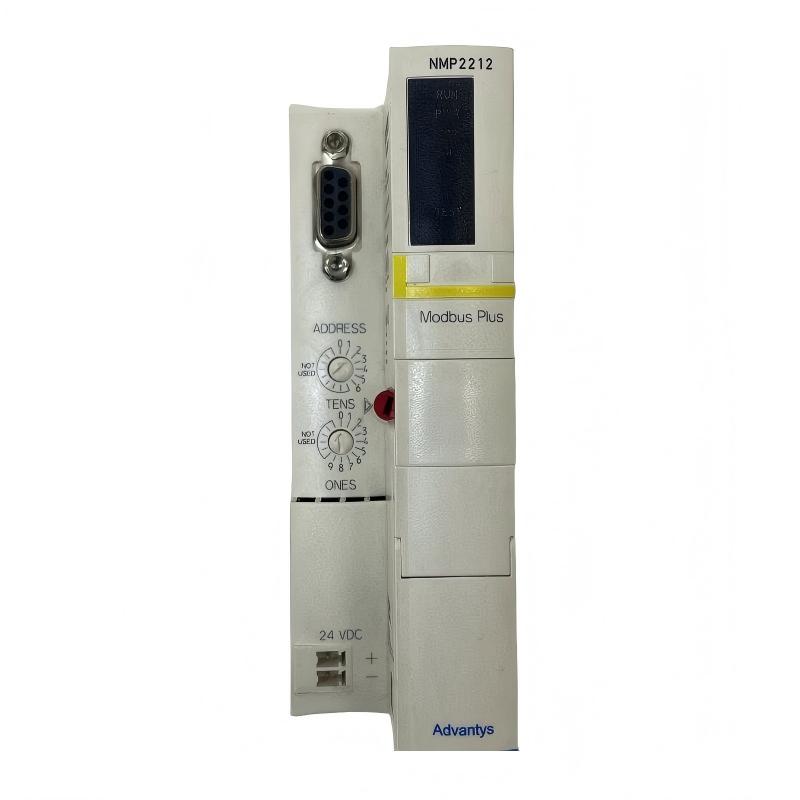
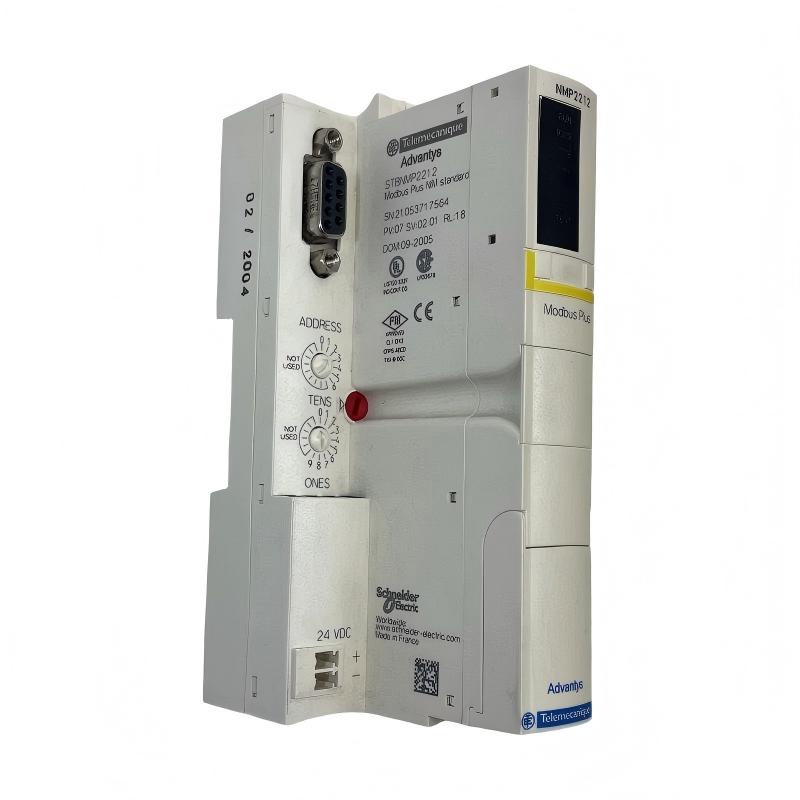
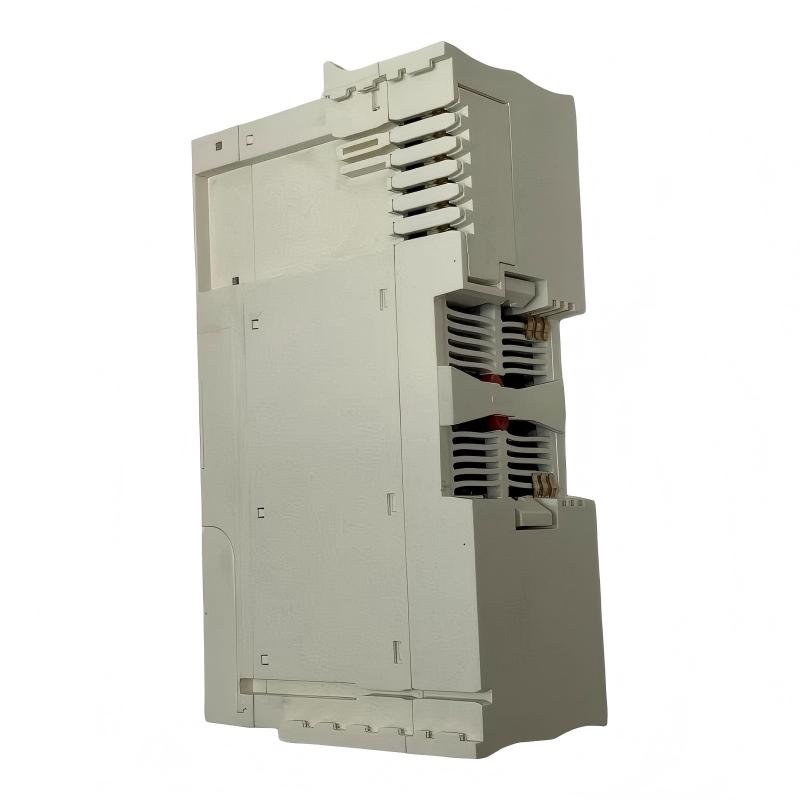
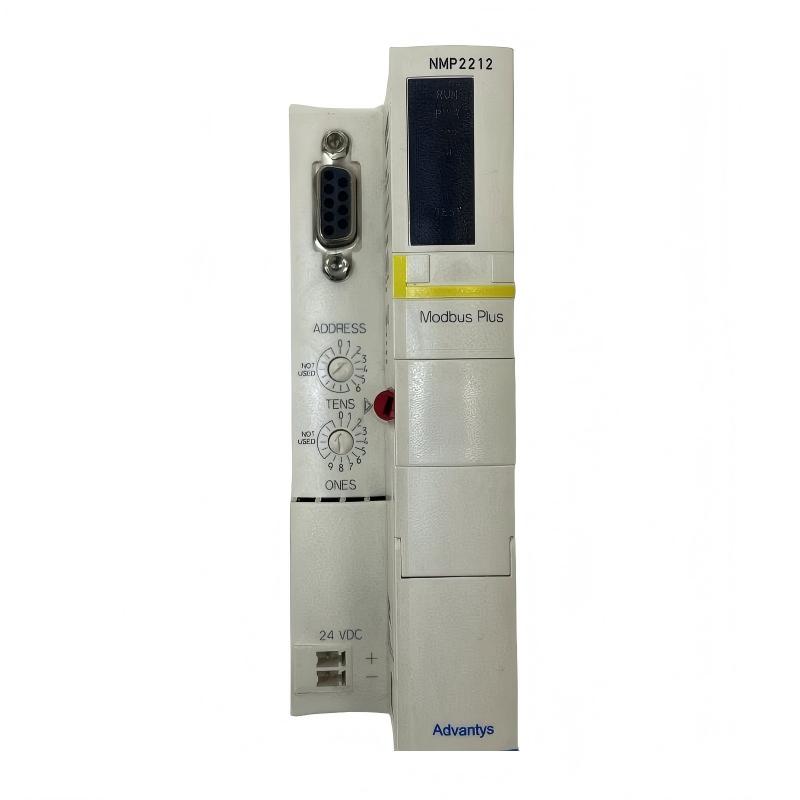
The Schneider STBNMP2212 Standard Network Interface Module is an industrial communication component designed for Schneider Electric Modicon STB distributed I/O systems. It provides reliable network communication, data exchange, and system interface functions to connect automation controllers with distributed field devices.
The Schneider STBNMP2212 operates as a communication gateway within industrial automation systems. It enables communication between network controllers and STB I/O modules, allowing efficient transmission of process information and supporting flexible distributed control architectures.
With a compact industrial structure and stable communication capability, the Schneider STBNMP2212 is suitable for PLC-based automation systems, industrial control cabinets, remote I/O applications, and equipment maintenance projects.
The Schneider STBNMP2212 configuration includes:
- Product Type: Standard Network Interface Module
- Model: STBNMP2212
- Application: Industrial Network Communication and Distributed I/O Management
- Dimensions: 40 x 128.3 x 70 mm
- Weight: 0.145 kg
The Schneider STBNMP2212 is suitable for Modicon STB automation platforms, industrial communication networks, and distributed control applications.
Technical Specifications
| Parameter |
Details |
| Manufacturer |
Schneider Electric |
| Model |
STBNMP2212 |
| Product Type |
Standard Network Interface Module |
| Series |
Modicon STB |
| Application |
Network Communication and Remote I/O Control |
| Installation Type |
STB Island Mounting |
| Dimensions |
40 x 128.3 x 70 mm |
| Weight |
0.145 kg |
| Main Function |
Network Interface and Data Communication |
| System Application |
Industrial Automation and Distributed Control Systems |
Function and Working Principle
The Schneider STBNMP2212 Standard Network Interface Module works as a communication interface between industrial control networks and Modicon STB distributed I/O modules.
The module receives communication commands from automation controllers, processes data transmission requests, and exchanges information with connected I/O modules. It helps industrial systems achieve reliable communication, centralized monitoring, and efficient control management.
The working process includes:
- Receiving communication signals from the industrial network.
- Processing network data through the interface module.
- Communicating with connected STB I/O modules.
- Transmitting input and output information.
- Supporting continuous automation operation.
The Schneider STBNMP2212 provides functions including:
- Network communication management
- Distributed I/O connection
- Data exchange support
- System integration assistance
- Communication status monitoring
Product Functions
The Schneider STBNMP2212 Standard Network Interface Module provides reliable communication functions for industrial automation systems.
| Function |
Description |
| Network Interface |
Connects automation networks with STB I/O modules |
| Data Transmission |
Transfers control and process information |
| Distributed Control Support |
Enables remote I/O management |
| Communication Management |
Maintains stable system data exchange |
| System Expansion |
Supports flexible automation configurations |
The module improves industrial automation efficiency by providing stable communication between control systems and field-level equipment.
Industrial Applications
The Schneider STBNMP2212 is widely used in industrial automation and distributed control environments.
| Industry |
Application |
| Manufacturing |
Machine automation systems |
| Automotive |
Production line communication |
| Packaging |
Automated equipment control |
| Food and Beverage |
Process automation |
| Water Treatment |
Distributed monitoring systems |
| Chemical Industry |
Industrial control applications |
| Energy Industry |
Equipment communication systems |
| Factory Automation |
Remote I/O networks |
Typical applications include:
- PLC distributed control systems
- Industrial communication networks
- Remote I/O stations
- Automation cabinets
- Machine control equipment
Installation Guide
Installation Preparation
Before installing the Schneider STBNMP2212:
- Confirm system compatibility
- Disconnect electrical power
- Prepare anti-static protection
- Check communication cables
- Verify mounting position
- Inspect module condition
Hardware Installation
Installation steps:
- Shut down the automation system completely.
- Install the Schneider STBNMP2212 module into the STB system.
- Secure the module in the correct position.
- Connect network communication wiring.
- Connect required power connections.
- Verify all connections before startup.
Configuration and Commissioning
After installation:
- Configure communication parameters
- Check module status indicators
- Verify network connection
- Confirm controller communication
- Test I/O data exchange
- Monitor system performance
Proper commissioning ensures reliable communication and stable distributed control operation.
Troubleshooting Guide
| Problem |
Possible Cause |
Solution |
| Network Communication Failure |
Cable connection problem |
Check communication wiring |
| Module Not Recognized |
Incorrect installation |
Verify module mounting |
| Data Exchange Failure |
Communication configuration error |
Check network settings |
| Communication Alarm |
Network interruption |
Inspect system connections |
| Unstable Operation |
Electrical interference |
Check grounding and wiring |
| Module Fault |
Hardware damage |
Replace network interface module |
Maintenance Recommendations
To maintain reliable Schneider STBNMP2212 operation:
- Keep control cabinets clean
- Prevent dust and moisture exposure
- Inspect network cables regularly
- Monitor communication status
- Check module indicators
- Perform preventive maintenance
Regular maintenance helps reduce communication failures and improves industrial automation system reliability.
System Integration
The Schneider STBNMP2212 Standard Network Interface Module can be integrated into various industrial control environments.
| System |
Application |
| Modicon PLC System |
Distributed I/O communication |
| Industrial Network |
Data exchange |
| SCADA System |
Remote equipment monitoring |
| HMI System |
Operator communication |
| Factory Automation Network |
Device connectivity |
The module provides a reliable communication connection between automation controllers and distributed field devices.
Key Advantages
- Reliable industrial communication performance
- Stable data transmission capability
- Supports distributed I/O applications
- Compact industrial design
- Simplifies automation system integration
- Improves communication reliability
- Supports flexible system expansion
- Reduces maintenance difficulty
- Suitable for industrial environments
Technical FAQs
What is the Schneider STBNMP2212 used for?
The Schneider STBNMP2212 is a standard network interface module used to connect Modicon STB distributed I/O systems with industrial automation networks.
What is the main function of the STBNMP2212?
Its main function is to provide stable communication between automation controllers and distributed I/O modules.
What type of equipment uses the Schneider STBNMP2212?
It is used in PLC systems, industrial automation equipment, remote I/O applications, and control networks.
What are the dimensions of the Schneider STBNMP2212?
The dimensions are 40 x 128.3 x 70 mm.
What is the weight of the Schneider STBNMP2212?
The weight is 0.145 kg.
Can the Schneider STBNMP2212 be replaced during maintenance?
Yes. The network interface module can be replaced during professional maintenance procedures when the original module requires repair or replacement.
Conclusion
The Schneider STBNMP2212 Standard Network Interface Module is a reliable industrial communication component designed to provide stable network connectivity and distributed I/O management for Schneider Electric automation systems.
With dependable communication performance, compact structure, and flexible integration capability, the Schneider STBNMP2212 helps improve industrial network efficiency, simplify automation management, and support reliable long-term operation.