

ProductPRODUCT
Featured products
Contact Us
- Schneider
- MT12N1
- Circuit Breaker
- France
- 301 x 276 x 196 mm
- 14 kg
- Xiamen, China
- New & In Stock
- T/T, PayPal, Western Union
- 1 Year
- 1-3 Working Days
- DHL, UPS, TNT, FedEx and EMS.
- 24-Hour Service
- COO
- 4
Our advantage

Global Logistics
We have a 10-year logistics and express cooperation agreement, so our products can be shipped to any place in the world.

Brand new and original
Our products are imported in bulk from the place of origin. Because of the cooperative relationship, our products are all original and 100% new.

24-hour service
We provide 7*24 hours service to our customers. We will be there whenever you need us.

Price advantage
All our products are priced very favorably because we have our own warehouse and supply.
| Company Information | |||
| [email protected] | |||
| Mobile | +8615980777398 | ||
| +8615980777398 | |||
| 15980777398 |
Product Overview
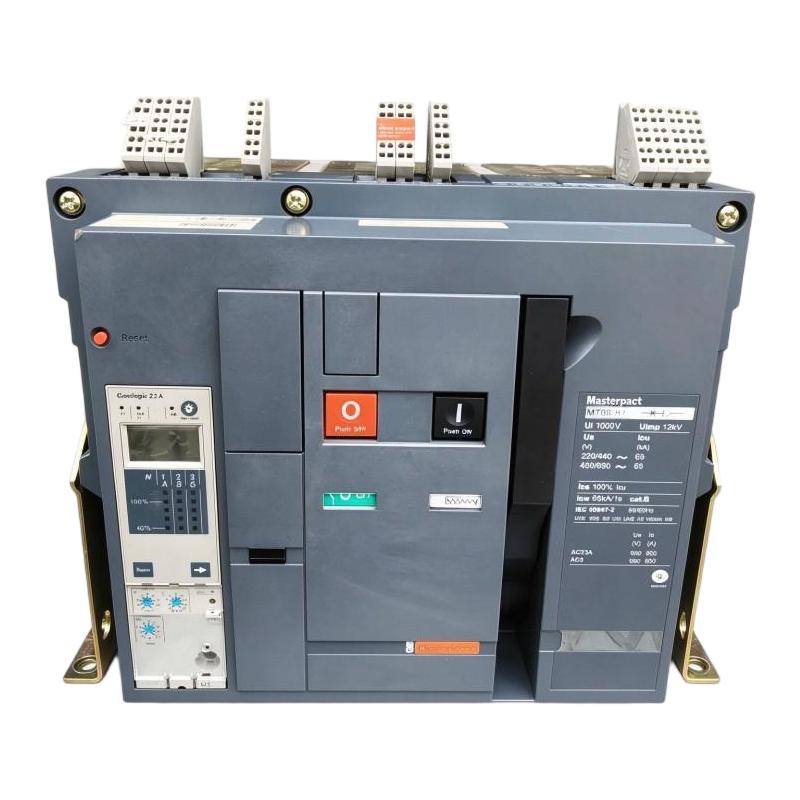
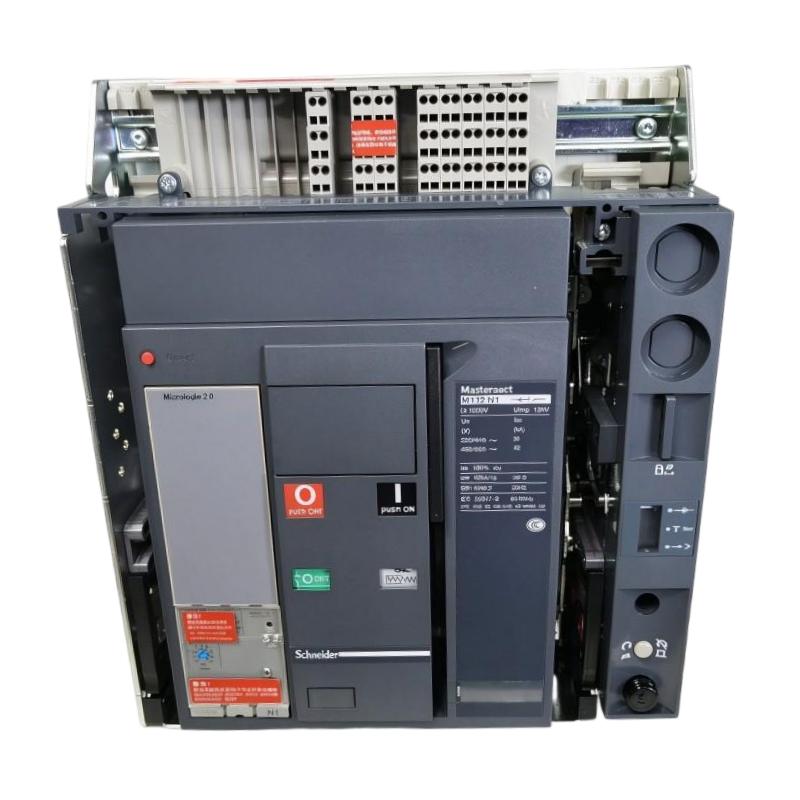
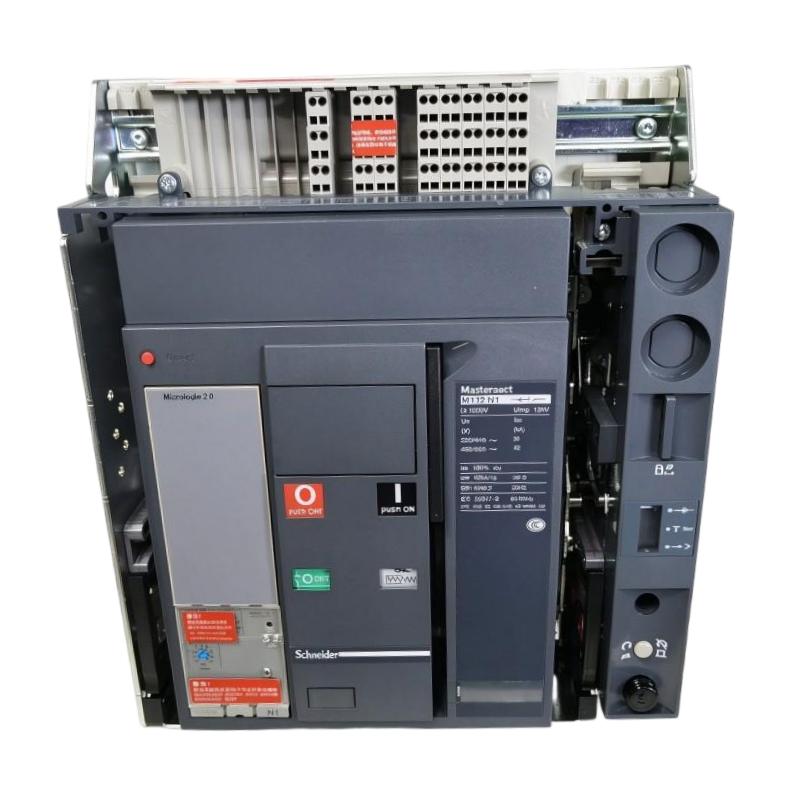
The Schneider Electric MT12N1 Circuit Breaker is identified in industrial electrical equipment listings as a Type M insulated-case circuit breaker associated with the Square D and Schneider Electric product range. Circuit breakers of this class are designed to protect electrical distribution systems by interrupting current when specified abnormal conditions occur, helping reduce the risk of equipment damage caused by overloads and short circuits.
Circuit breakers are essential components in industrial power distribution systems. They are installed in switchboards, distribution panels, and other electrical assemblies to provide controlled interruption of electrical circuits. Selecting the correct breaker requires consideration of the system voltage, rated current, short-circuit current, protection characteristics, and installation arrangement.
Available product listings associate the MT12N1 designation with a three-pole, solid-state electronic-protection circuit breaker rated for up to 1200 A, with a listed voltage rating of 600 V and a short-circuit interrupting rating of 50 kA at 480 V. Because the MT12N1 is an older model designation, buyers should verify these ratings against the actual nameplate and the technical documentation for the exact unit.
The complete product identification is especially important when sourcing legacy circuit breakers. Similar model numbers can refer to different product families, frame sizes, mounting configurations, and protection systems. The catalog number alone should not be used as the only basis for confirming electrical compatibility.
For industrial maintenance teams, the MT12N1 may be relevant when identifying existing switchgear, replacing a legacy breaker, or sourcing equipment for an established electrical distribution system. Before installation, the breaker must be checked against the original design and applicable electrical safety requirements.
Technical Specifications
| Parameter | Specification |
|---|---|
| Brand | Schneider Electric / Square D |
| Model | MT12N1 |
| Product Type | Insulated-Case Circuit Breaker |
| Product Family Identification | Type M / legacy listing |
| Pole Configuration | 3-pole |
| Listed Current Rating | Up to 1200 A; verify nameplate |
| Listed Voltage Rating | 600 V; verify applicable rating conditions |
| Listed Interrupting Rating | 50 kA at 480 V, as reported by product listings |
| Protection Type | Solid-state electronic protection |
| Dimensions Provided | 301 × 276 × 196 mm |
| Weight Provided | 14 kg |
| Product Lifecycle | Legacy model; confirm availability |
| Typical Application | Industrial power distribution and circuit protection |
Important specification note: The supplied dimensions and weight have not been conclusively matched to the MT12N1 Type M designation. The 301 × 276 × 196 mm dimensions and 14 kg weight appear in listings for other MasterPact breaker configurations. Confirm the physical unit, complete nameplate details, and manufacturer’s dimensional drawing before publishing these figures as verified specifications.
Function and Working Principle
A circuit breaker provides a means of interrupting an electrical circuit when current or other monitored conditions exceed the limits established by its protection system. Its main purpose is to help protect conductors, electrical equipment, and the wider distribution system from damaging electrical faults.
1. Overload Protection
An overload occurs when a circuit carries more current than intended for a sustained period. Excessive current can produce heat in conductors, terminals, and connected equipment.
A properly selected circuit breaker detects an overload through its protection mechanism and trips according to its configured characteristics. The resulting interruption helps limit thermal damage and supports the safe operation of the electrical distribution system.
The actual trip characteristics depend on the installed protection unit and its settings.
2. Short-Circuit Protection
A short circuit can cause a sudden, substantial increase in current. If the fault is not interrupted promptly, the resulting thermal and electrodynamic forces can damage electrical equipment.
The breaker must have an interrupting capacity appropriate for the prospective short-circuit current at the installation point. The interrupting rating must be checked at the applicable system voltage; a value specified at one voltage should not automatically be applied at another.
3. Electronic Protection
Available listings describe the MT12N1 as having solid-state electronic protection. Electronic protection systems monitor electrical conditions and determine when the breaker should trip based on the installed protection unit’s design and settings.
The precise functions available depend on the actual trip unit. Do not assume that every advanced protection feature, communication capability, or adjustable setting is available without identifying the installed hardware.
4. Circuit Isolation
When the breaker opens, it interrupts the protected circuit and can support isolation procedures when used in accordance with the equipment design and safety rules.
Opening a breaker does not necessarily make every part of a switchboard safe to touch. Upstream supplies, auxiliary circuits, stored energy, and other sources of electrical energy must be considered during maintenance.
Role in Industrial Power Distribution Systems
The MT12N1 designation is associated with high-current circuit protection for industrial electrical distribution. In a properly designed system, the breaker forms part of a coordinated protection arrangement that includes incoming supplies, busbars, feeders, downstream protective devices, and connected loads.
Main Distribution Protection
A high-current breaker may be installed at a distribution point to protect a section of an electrical system against overloads and short circuits. The selected breaker must match the system’s rated current, fault level, voltage, and coordination requirements.
Feeder Circuit Protection
Industrial facilities use feeder circuits to distribute power from main switchboards to production areas, motor-control centers, and other electrical panels. A suitable breaker can provide protection for the relevant feeder and help isolate a faulted section.
Coordination with Downstream Devices
Electrical protection coordination aims to ensure that the appropriate protective device operates when a fault occurs. Depending on the system design, this may reduce the impact of a fault on other parts of the facility.
Coordination studies should use the actual trip characteristics, breaker ratings, and available fault-current data rather than relying solely on the model designation.
Industrial Applications
The following are general applications for appropriately rated industrial circuit breakers. Suitability of the specific MT12N1 must be confirmed from its verified electrical specifications and the installation requirements.
1. Industrial Switchboards
Main and distribution switchboards use circuit breakers to protect incoming supplies and outgoing circuits. The breaker must be matched to the busbar system, rated voltage, available fault current, and required protection settings.
2. Manufacturing Facilities
Manufacturing plants distribute power to production machinery, auxiliary systems, and electrical control panels. Correctly selected circuit breakers help protect these distribution circuits and support planned maintenance and fault isolation.
3. Motor-Control Centers
Motor-control centers supply power to multiple motors and associated equipment. A main or feeder breaker may protect a section of the distribution system, while individual motor circuits require appropriately selected downstream protection.
A high-current breaker should not be assumed to provide all the protection needed for every individual motor.
4. Industrial Utilities
Pumping stations, ventilation systems, and other industrial utility installations rely on dependable electrical distribution. Breakers are selected according to the electrical characteristics of the loads and the system’s fault level.
5. Legacy Electrical Installations
Older industrial facilities may continue to use established switchgear designs. Identifying the correct legacy breaker can help maintenance teams preserve compatibility with existing assemblies while evaluating the need for modernization.
When replacement parts are no longer readily available, an engineering review may be necessary to determine whether a verified equivalent or a broader switchgear upgrade is appropriate.
Installation and System Integration
Circuit breakers must be installed by qualified personnel in accordance with the manufacturer’s instructions, applicable electrical codes, and the design of the switchgear assembly.
1. Verify the Complete Model Identification
Check the breaker nameplate for the complete catalog number, manufacturer, rated current, voltage, pole configuration, interrupting capacity, and protection-unit information.
The MT12N1 designation should be confirmed against the actual product because legacy and newer product-family naming can be similar.
2. Confirm Electrical Ratings
Before installation, verify that the breaker is suitable for the system’s operating voltage, continuous load current, and prospective short-circuit current.
The interrupting capacity must be sufficient for the available fault current at the installation point. A breaker with an inadequate interrupting rating can present a serious safety risk.
3. Check Mechanical Compatibility
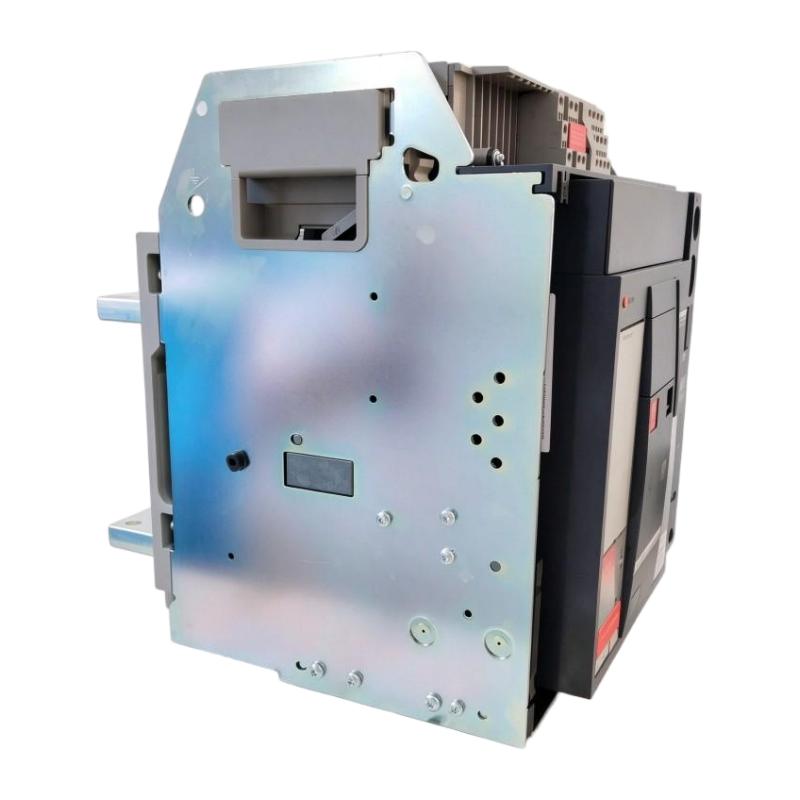
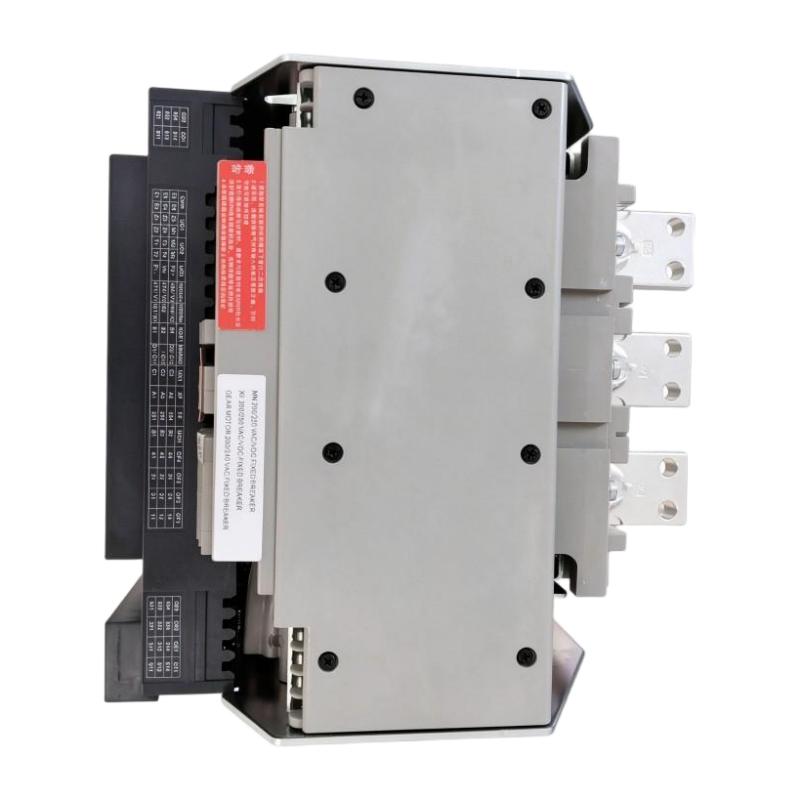
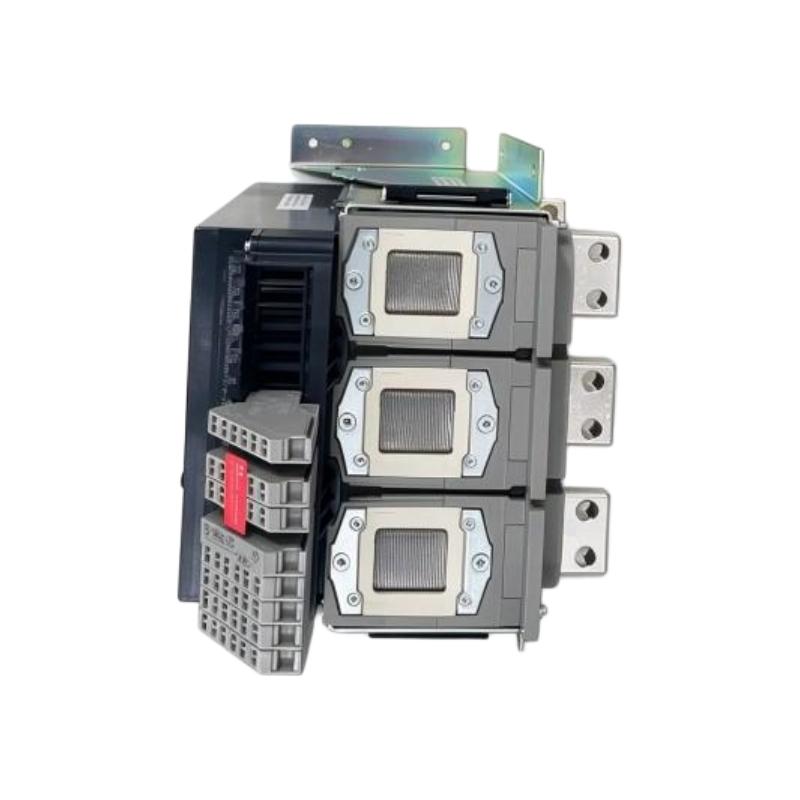
Confirm the breaker dimensions, mounting arrangement, terminal orientation, connection spacing, and clearances against the switchgear documentation.
The supplied dimensions of 301 × 276 × 196 mm and weight of 14 kg should be treated as listing information until they are verified against the actual MT12N1 unit. Mechanical fit should never be assumed from dimensions associated with a different breaker family.
4. Inspect Connections and Terminals
Check the condition of terminals, contact areas, insulation, operating mechanisms, and mounting hardware according to the manufacturer’s maintenance instructions. Connections must be tightened using the specified procedures and torque values.
Damaged insulation, loose connections, contamination, or mechanical wear can compromise breaker performance.
5. Verify Protection Settings
If the breaker uses an electronic protection unit, confirm that the installed unit and settings match the protection study and the requirements of the electrical system.
Protection settings should only be adjusted by authorized personnel following the approved engineering procedure.
6. Perform Appropriate Testing
Before returning equipment to service, complete the inspection and electrical tests required by the manufacturer’s documentation and the facility’s maintenance procedures.
For used or refurbished equipment, the inspection scope should account for storage conditions, operating history, contact wear, mechanical operation, and protection-system condition. Testing should be performed by qualified personnel using suitable equipment.
Compatible System Components
Compatibility depends on the specific switchgear assembly and the verified breaker configuration.
| Component | Function | Compatibility Considerations |
|---|---|---|
| Industrial switchboard | Houses and distributes electrical power | Verify the breaker mounting system and switchboard design |
| Busbar assembly | Distributes current within the switchgear | Check current rating, connection geometry, and thermal limits |
| Feeder conductors | Carry current to downstream equipment | Match conductor sizing and terminal requirements to the design |
| Electronic protection unit | Monitors electrical conditions and initiates tripping | Identify the actual installed unit and its supported functions |
| Downstream circuit breakers | Protect outgoing circuits | Complete coordination checks using actual trip characteristics |
| Current transformers or sensors, where applicable | Supply measurement signals to protection equipment | Verify the actual design and protection-unit requirements |
| Auxiliary contacts, where fitted | Provide breaker status signals | Confirm accessory type and terminal assignments |
| Switchgear enclosure | Provides mounting and environmental protection | Verify clearances, access, and enclosure design |
| Electrical monitoring system | Displays system status and measurements | Confirm the availability of compatible measurement or communication hardware |
This table describes common components in industrial distribution systems. It does not mean that all components or accessories are included with the MT12N1.
Alternative Models and Replacement Considerations
When replacing a legacy circuit breaker, the most important requirement is functional and electrical equivalence, not simply a similar model number or physical appearance.
| Replacement Approach | Considerations |
|---|---|
| Identical MT12N1 configuration | Verify nameplate details, condition, ratings, and mechanical compatibility |
| Another breaker in the same legacy family | Confirm frame size, pole configuration, mounting, trip unit, and interrupting capacity |
| A compatible breaker approved for the existing switchgear | Requires confirmation of manufacturer-approved compatibility and applicable standards |
| A newer MasterPact breaker | May require changes to mounting, connections, protection coordination, or switchgear design |
| Switchgear modernization | Consider when the original breaker or compatible replacement parts are unavailable |
Before selecting a replacement, compare:
- Rated operational voltage.
- Continuous current rating.
- Short-circuit interrupting capacity at the actual system voltage.
- Pole configuration.
- Protection-unit type and trip characteristics.
- Mounting and connection arrangements.
- Auxiliary contact and accessory requirements.
- Switchgear compatibility and required clearances.
- Applicable standards and certification requirements.
- Maintenance, testing, and commissioning requirements.
A newer breaker is not automatically a direct replacement for an older unit. Any substitution should be approved through an appropriate engineering and safety review.
Key Advantages
Circuit Protection
A correctly specified circuit breaker provides protection against applicable overload and short-circuit conditions, helping reduce the risk of electrical equipment damage.
High-Current Distribution Capability
The MT12N1 designation is associated with high-current industrial distribution equipment. Its exact rated current must be verified from the product nameplate before application.
Electronic Protection
The product listings describe solid-state electronic protection. The available protection functions and settings should be confirmed for the installed trip unit.
Support for Industrial Maintenance
Accurate identification of legacy circuit breakers can help maintenance teams source suitable replacement equipment and reduce uncertainty during repair projects.
Integration into Existing Switchgear
A verified compatible breaker can support the maintenance of an existing distribution assembly. Mechanical fit, electrical ratings, and protection coordination must all be established before installation.
Technical FAQs
1. What is the Schneider Electric MT12N1?
The MT12N1 designation appears in product listings for a Schneider Electric / Square D Type M insulated-case circuit breaker. Confirm the complete nameplate information to establish the exact product configuration.
2. What is the rated current of the MT12N1?
Available listings report a rating of up to 1200 A. The actual rated current and permitted operating conditions should be confirmed using the nameplate and the relevant technical documentation.
3. What voltage rating is associated with this model?
A product listing reports a 600 V rating. Confirm the applicable voltage rating and interrupting capacity for the exact breaker and installation.
4. What is its short-circuit interrupting capacity?
A listing reports 50 kA at 480 V. The appropriate interrupting capacity must be verified at the system’s actual voltage and prospective fault-current level.
5. Is the MT12N1 suitable for industrial switchboards?
It may be suitable for a compatible industrial distribution application if its verified electrical ratings, mechanical arrangement, and protection characteristics meet the switchboard requirements.
6. Can it replace another MasterPact breaker?
Not automatically. Breakers may differ in frame dimensions, mounting, connection geometry, protection units, and interrupting ratings. Confirm compatibility with the switchgear manufacturer and the relevant engineering documentation.
7. What should buyers check when purchasing a used MT12N1?
Check the complete nameplate, product condition, terminals, insulation, operating mechanism, protection-unit details, and available test records. Verify whether the unit is new, used, or refurbished and confirm applicable warranty terms.
8. Are the dimensions 301 × 276 × 196 mm and weight 14 kg confirmed for this model?
These are the supplied listing values, but they have not been conclusively matched to the MT12N1 Type M designation. Verify the physical unit and manufacturer’s drawing before relying on these figures.
9. Is the MT12N1 still manufactured?
It is identified in legacy product listings. Current production and availability should be confirmed with Schneider Electric or a qualified industrial spare-parts supplier.
10. Why is exact model verification important?
A model-number mismatch can lead to an incorrect current rating, insufficient interrupting capacity, incompatible mounting, or unsuitable protection characteristics. These errors can affect both equipment reliability and electrical safety.
Procurement and Maintenance Recommendations
When sourcing the Schneider Electric MT12N1, begin by verifying the nameplate and the original switchgear documentation. Confirm the product family, rated current, voltage, interrupting capacity, pole configuration, and protection-unit type before comparing offers from suppliers.
For legacy or surplus equipment, request clear photographs of the nameplate, front face, terminals, and mounting surfaces. Ask for available inspection or test records, confirm the equipment’s condition, and establish the warranty and return terms before purchase.
Dimensional and weight data should be verified independently of the model description. The supplied values of 301 × 276 × 196 mm and 14 kg should not be used for final installation or logistics planning until the exact unit has been identified.
Maintenance should follow the manufacturer’s approved procedures and the facility’s electrical safety program. Inspection may include checking the operating mechanism, terminals, insulation, contact condition, accessories, and protection settings as applicable to the exact design.
For replacement planning, review the full protection scheme and switchgear assembly. If the original model or compatible parts are unavailable, use an engineering assessment to identify a suitable alternative rather than substituting a breaker based only on nominal current or external dimensions.
Conclusion
The Schneider Electric MT12N1 is associated with a legacy Type M insulated-case circuit breaker used in industrial power distribution. Available product listings describe a three-pole breaker with solid-state electronic protection and ratings reported up to 1200 A, 600 V, and 50 kA at 480 V.
Because the supplied dimensions and weight may correspond to a different MasterPact configuration, exact identification is essential before publication, procurement, or installation. Verifying the nameplate, electrical ratings, mechanical compatibility, and protection requirements helps ensure that the selected breaker is appropriate for the intended industrial application.