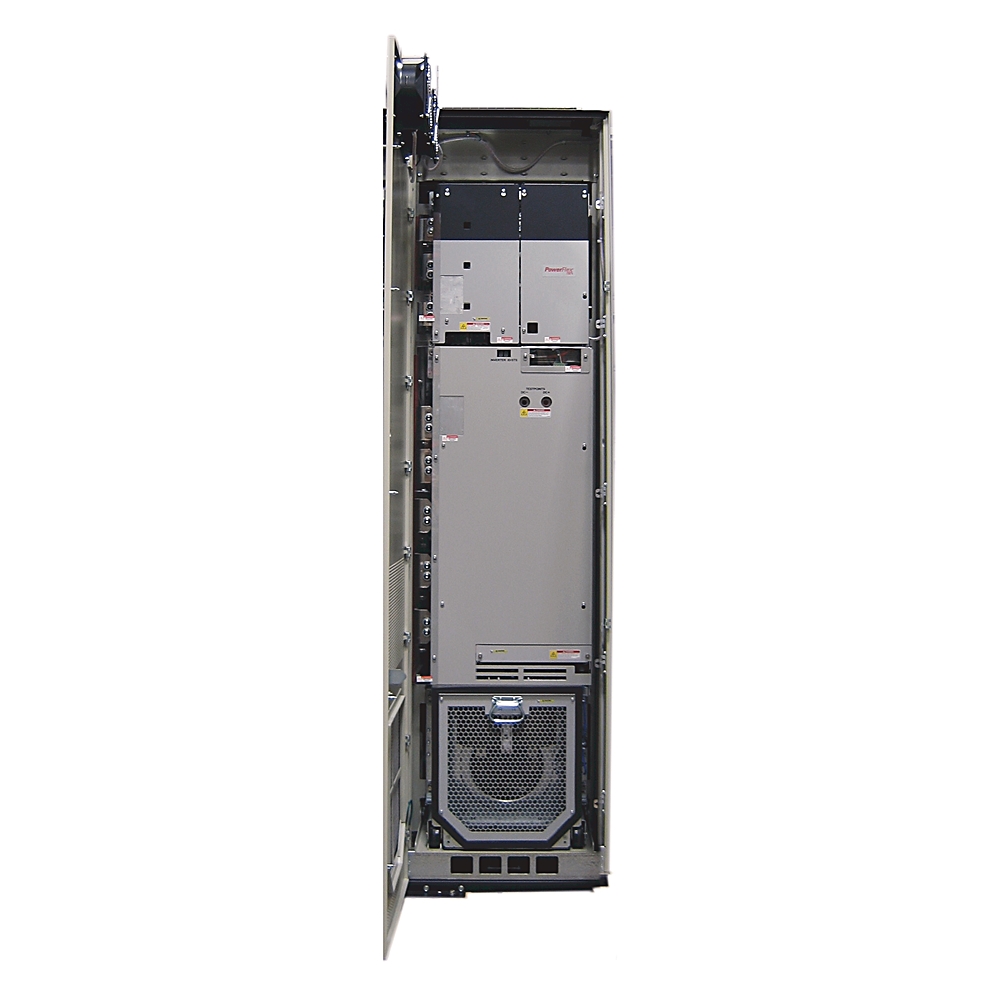
Rockwell Automation is expanding its industrial cybersecurity strategy by bringing artificial intelligence into the defense of operational technology (OT) environments. The company recently joined Anthropic’s Project Glasswing, a collaborative initiative focused on applying AI to help organizations identify and respond to cybersecurity risks in complex environments.
AI Enters the Industrial Cybersecurity Layer
Modern factories increasingly connect PLCs, industrial networks, HMIs, drives, remote-access systems and enterprise applications. This connectivity improves visibility and flexibility, but it also creates more potential points that security teams must monitor.
For industrial organizations, cybersecurity is particularly challenging because OT systems often need to operate continuously. A security response cannot simply follow the same approach used for conventional IT systems where devices can be taken offline or restarted.
AI can help security teams analyze large quantities of network and operational information, identify unusual behavior and prioritize potential threats.
Project Glasswing Focuses on Industrial Defense
Rockwell Automation’s participation in Project Glasswing reflects the growing interest in using AI as part of industrial cyber defense.
The concept is particularly relevant to manufacturing environments where cybersecurity teams need to understand not only software and network activity, but also the operational context behind that activity.
For example, an unusual network connection involving a PLC may have a very different meaning depending on whether the device is undergoing authorized maintenance or is operating normally on a production line.
Combining industrial knowledge with AI-based analysis can help provide greater context when investigating potential security events.
Protecting Critical OT Infrastructure
Industrial cybersecurity has become increasingly important across sectors such as manufacturing, energy, water and wastewater, oil and gas, transportation and life sciences.
Rockwell Automation identifies legacy infrastructure, outdated defenses and limited resources as challenges faced by many critical-infrastructure organizations.
Many facilities also have equipment that has been operating for years. Replacing older PLCs, network devices and control systems solely for cybersecurity reasons may not always be practical.
This makes layered security strategies important. Network segmentation, asset visibility, vulnerability management, secure remote access and continuous monitoring can work together to reduce risk.
Combining AI With Human Expertise
AI does not eliminate the need for cybersecurity engineers. In industrial environments, human validation remains important because security actions can directly affect physical production.
An automated response that disconnects the wrong controller or network segment could potentially interrupt a manufacturing process. AI therefore needs to operate within clearly defined policies and approval mechanisms.
The combination of AI analysis, industrial cybersecurity expertise and human oversight can provide a more practical approach to protecting OT environments.
Remote Support and Cybersecurity
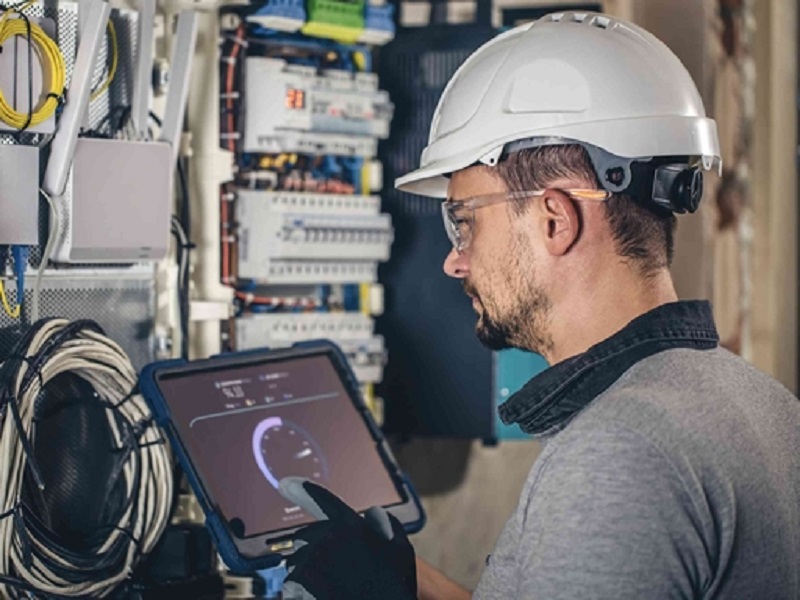
Rockwell is also expanding digital support capabilities through TechConnectIQ Support, which combines technical engineers, AI-assisted troubleshooting, remote support and augmented-reality tools. The platform is designed to help industrial customers diagnose automation problems remotely and maintain software and firmware.
This development connects cybersecurity and maintenance with a broader trend toward remote industrial support.
Secure remote access can allow specialists to investigate equipment problems without immediately sending personnel to a plant, while appropriate cybersecurity controls remain essential for protecting connected automation systems.
Outlook
Rockwell Automation’s latest activities show how industrial cybersecurity is evolving from conventional network protection toward AI-assisted OT security and intelligent remote support.
As factories become more connected, manufacturers will need security technologies capable of understanding both digital activity and physical production processes.
The combination of Industrial AI, cybersecurity analytics, secure remote access and automation expertise could become an increasingly important part of protecting PLC, SCADA, DCS and industrial network environments while maintaining reliable production.