

ProductPRODUCT
Featured products
Contact Us
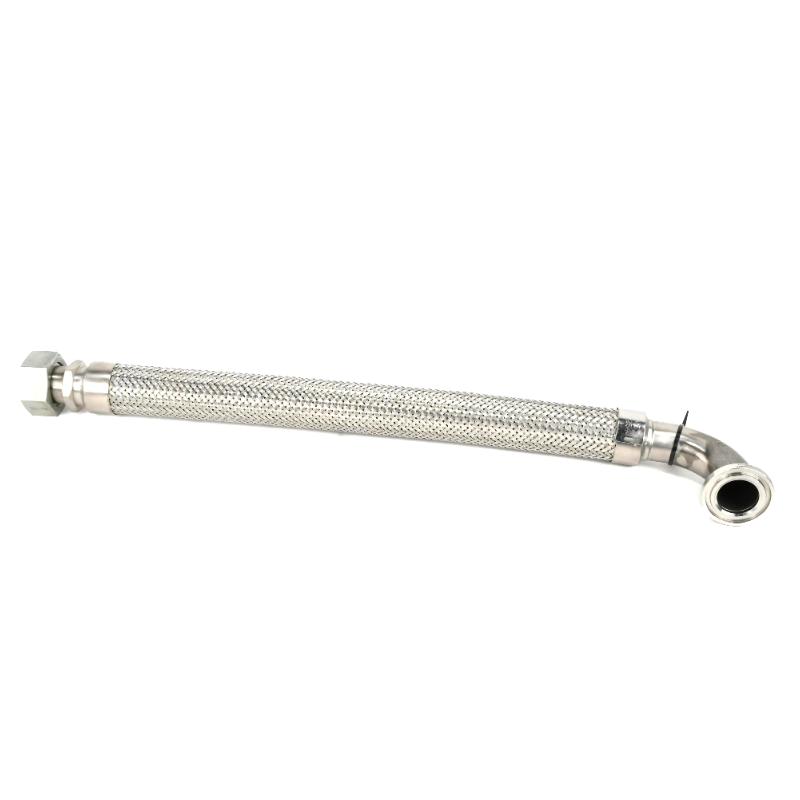
- Ingersoll Rand
- 47623601001 24266223
- Hose
- USA
- 44 in
- 3 kg
- Xiamen, China
- New & In Stock
- T/T, PayPal, Western Union
- 1 Year
- 1-3 Working Days
- DHL, UPS, TNT, FedEx and EMS.
- 24-Hour Service
- COO
- 8
Our advantage

Global Logistics
We have a 10-year logistics and express cooperation agreement, so our products can be shipped to any place in the world.

Brand new and original
Our products are imported in bulk from the place of origin. Because of the cooperative relationship, our products are all original and 100% new.

24-hour service
We provide 7*24 hours service to our customers. We will be there whenever you need us.

Price advantage
All our products are priced very favorably because we have our own warehouse and supply.
| Company Information | |||
| [email protected] | |||
| Mobile | +8615980777398 | ||
| +8615980777398 | |||
| 15980777398 |
Product Overview
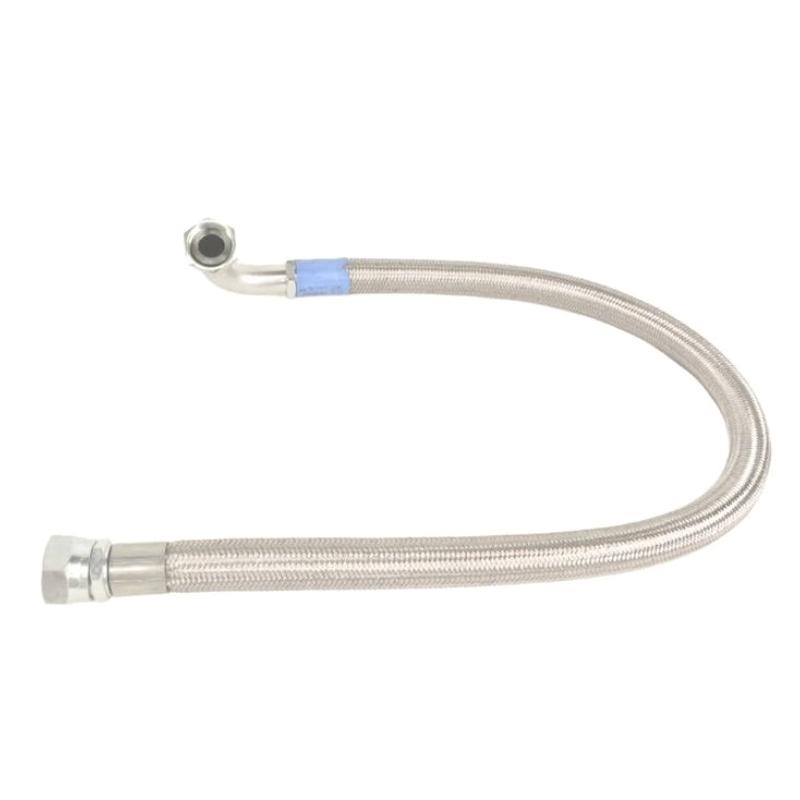
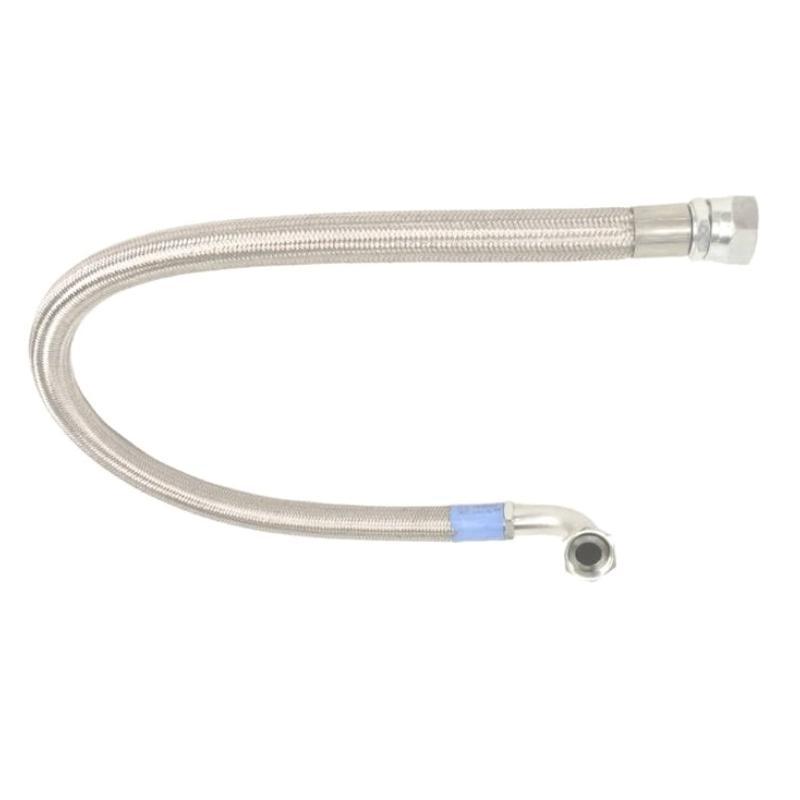
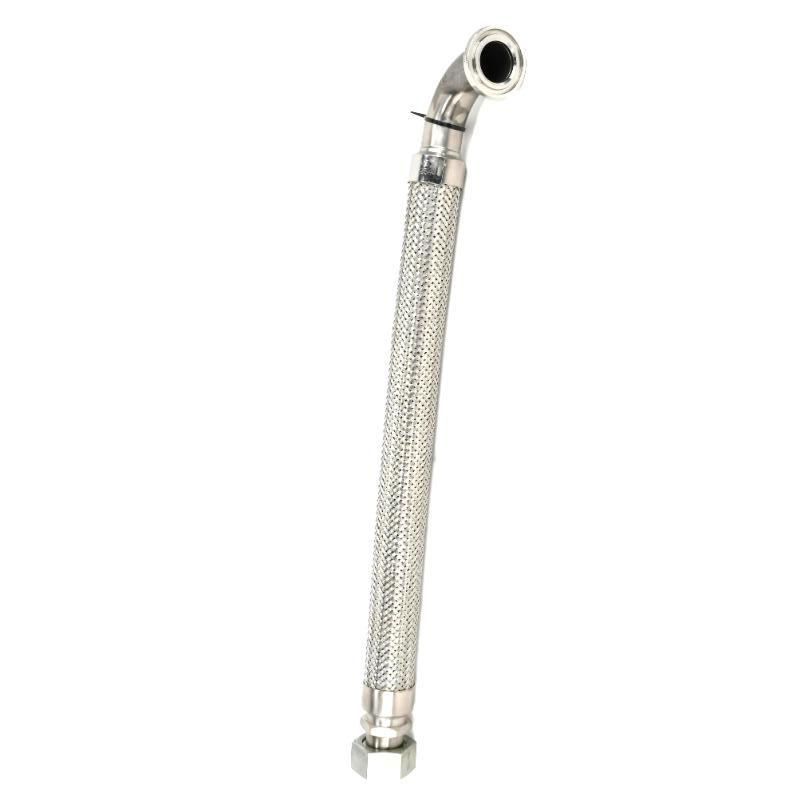
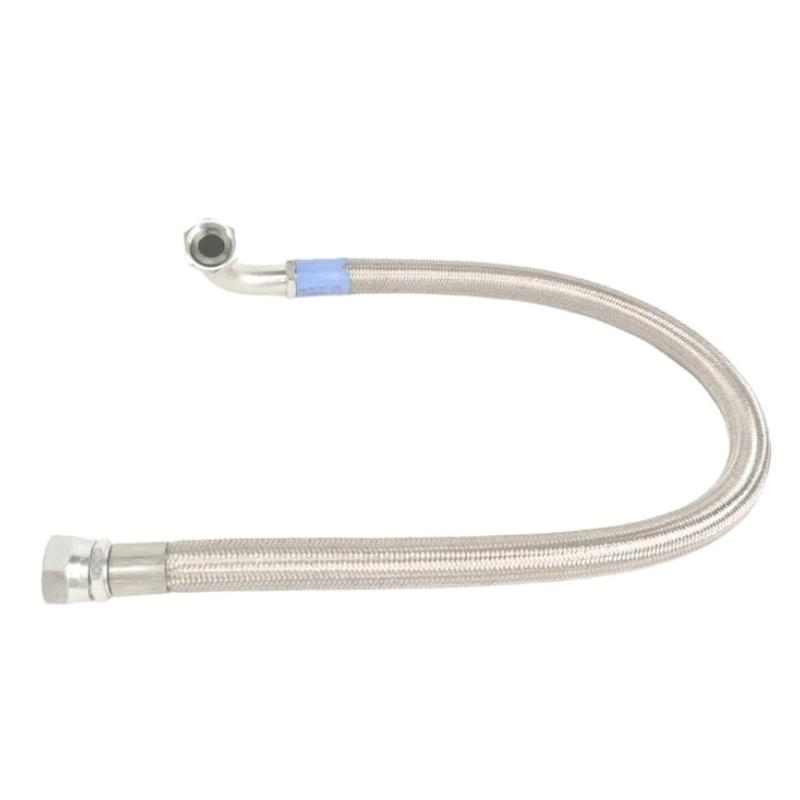
The Ingersoll Rand 47623601001 24266223 Hose is an industrial replacement hose designed for use in compatible Ingersoll Rand equipment and machinery. With a specified hose length of 44 inches and a shipping weight of 3 kg, this flexible component can provide a connection between equipment assemblies where a longer routing distance is required.
Industrial machinery often combines rigid piping and flexible hoses to create practical and reliable connection systems. Flexible hoses can accommodate appropriate vibration, minor movement, thermal expansion, and installation tolerances while maintaining a continuous connection between components. Selecting a replacement hose with the correct physical and application characteristics is therefore important for maintaining equipment reliability.
The 47623601001 reference is associated with the 24266223 hose identification. When sourcing this component, maintenance personnel should verify the complete part number, host equipment, connection configuration, original routing, and applicable operating conditions. The specified 44-inch length is an important identification feature, but it should not be considered sufficient by itself to establish compatibility.
At 44 inches, equivalent to approximately 1,118 mm, this hose provides a longer flexible connection than shorter hose configurations. The additional length can be useful when connected components are positioned farther apart, but correct routing becomes particularly important to prevent unnecessary loops, sagging, twisting, abrasion, or contact with moving equipment.
Technical Specifications
| Parameter | Specification |
|---|---|
| Manufacturer | Ingersoll Rand |
| Main Part Number | 47623601001 |
| Associated Part Number | 24266223 |
| Product Type | Industrial Hose |
| Hose Length | 44 in |
| Approximate Length | 1,118 mm |
| Shipping Weight | 3 kg |
| Application | Industrial Equipment and Flexible Connection Systems |
| Installation | Compatible Ingersoll Rand Equipment |
| Component Function | Flexible system connection |
| Replacement Type | Industrial replacement component |
Specification Note: Exact hose material, internal diameter, fitting configuration, pressure rating, temperature rating, and media compatibility should be confirmed against the applicable equipment documentation and original installed component before replacement.
What Is the Ingersoll Rand 47623601001 24266223 Hose?
The Ingersoll Rand 47623601001 24266223 Hose is a flexible industrial connection component identified by the 47623601001 and 24266223 references.
Hoses are frequently used in industrial equipment because they provide flexibility where rigid connections could experience excessive mechanical stress. Components such as compressors, valves, manifolds, filters, and auxiliary assemblies may experience vibration or small amounts of movement during normal operation.
A correctly specified hose can help maintain the connection while accommodating these operating conditions.
Depending on the host equipment, the hose may form part of:
- Compressed-air circuits
- Pneumatic systems
- Fluid-handling assemblies
- Lubrication systems
- Cooling circuits
- Auxiliary equipment connections
- Instrumentation-related connections
The exact application of the 24266223 should be verified against the relevant Ingersoll Rand equipment configuration.
Primary Function of the Hose
The primary function of an industrial hose is to provide a flexible and sealed connection between two compatible system components.
A simplified arrangement can be represented as:
Source Component → 47623601001 / 24266223 Hose → Receiving Component
The hose provides the physical connection while allowing an appropriate degree of movement between the connected components.
This flexibility can help accommodate:
- Machinery vibration
- Minor movement
- Thermal movement
- Installation tolerances
- Equipment servicing
- Flexible routing requirements
The hose must still be operated within the limitations appropriate to its specific construction and application.
Working Principle
The 47623601001 24266223 functions as a flexible passage between two connection points.
Depending on the equipment application, the hose may transfer air, fluid, lubricant, coolant, or another compatible medium.
The general system arrangement is:
System Source → Flexible Hose → Receiving Assembly
The hose structure contains the applicable medium while its flexible construction allows suitable mechanical movement.
During operation, the hose may be exposed to:
- Internal pressure
- Temperature variation
- Vibration
- Mechanical movement
- Repeated operating cycles
- External abrasion
- Bending
The specific operating limitations must be verified for the actual equipment and hose specification.
Importance of the 44-Inch Configuration
The 44-inch hose length is a significant characteristic of the 24266223 component.
A 44-inch hose is equivalent to:
44 × 25.4 mm = 1,117.6 mm
Therefore, the approximate length is 1,118 mm.
This configuration provides a relatively long flexible connection path. It can be useful when two equipment components cannot be connected effectively using a short hose.
However, additional length must be managed carefully.
An improperly routed long hose can create:
- Excessive loops
- Unwanted sagging
- Increased vibration
- Contact with equipment surfaces
- Interference with moving parts
- Excessive bending
- Increased abrasion
The hose should therefore follow the intended routing path specified by the equipment design.
Role in Industrial Equipment
Industrial machinery typically contains multiple interconnected subsystems. Flexible hoses can connect components while helping accommodate vibration and movement.
The 47623601001 24266223 Hose can form part of this connection architecture in compatible equipment.
A simplified arrangement may look like:
Primary Equipment → Fitting → 44-Inch Hose → Valve / Filter / Auxiliary Assembly
The hose should be evaluated together with the surrounding components.
For example, if the hose becomes damaged or develops a leak, the resulting loss of system pressure or fluid can affect the performance of other components.
A hose problem can therefore become an equipment-level maintenance issue rather than simply a local component defect.
Industrial Applications
Compressor Systems
Compressors contain numerous interconnected components and circuits. Flexible hoses can provide connections where vibration isolation and routing flexibility are required.
The 24266223 hose should be installed only when its complete identification and specifications match the intended equipment.
Pneumatic Equipment
Pneumatic machinery relies on dependable compressed-air connections. Flexible hoses may connect valves, regulators, manifolds, and other pneumatic components.
Fluid-Handling Equipment
Flexible hose connections can be used in fluid-handling circuits when the hose construction is compatible with the intended medium.
Media compatibility must be verified before installation.
Cooling Systems
Industrial machines can contain auxiliary cooling circuits that require flexible connections between components.
The 44-inch configuration may provide the routing distance required for certain equipment layouts.
Lubrication Systems
Some industrial equipment incorporates flexible connections within lubrication circuits. The suitability of a particular hose depends on its construction and the intended lubricant.
Maintenance Applications
Replacement hoses are important maintenance components because hose materials can deteriorate through vibration, abrasion, temperature exposure, and normal aging.
Installation Guidelines
Verify the Complete Part Number
Before installation, confirm:
- 47623601001
- 24266223
- Hose length
- Host equipment
- Connection configuration
- Original routing
Inspect the Replacement
Check the hose for:
- Cuts
- Cracks
- Abrasion
- Deformation
- Contamination
- Damaged connection areas
- Packaging damage
Compare with the Original Hose
Where practical, compare the replacement with the removed hose.
Check:
- Overall length
- Connection orientation
- Routing
- Clearance
- Connection locations
Prevent Twisting
Do not twist the hose during installation.
Torsional stress can reduce the reliability of the hose and its connection points.
Avoid Excessive Bending
The 44-inch hose should be routed smoothly without forcing it into an excessively tight bend.
Protect Against Abrasion
The hose should be kept away from sharp edges, moving equipment, and surfaces that can cause continuous rubbing.
44-Inch Hose Routing
Longer flexible hoses require particular attention during installation.
The 24266223 should be routed so that the hose:
- Has adequate clearance
- Does not contact rotating equipment
- Does not rub against sharp edges
- Does not become twisted
- Does not form unnecessary loops
- Does not experience excessive tension
- Remains accessible for inspection
Where appropriate, supports or routing provisions may be used according to the equipment design.
The objective is to maintain a smooth connection while preventing the hose from becoming an uncontrolled moving component.
General Hose Replacement Procedure
Step 1: Shut Down the Equipment
Stop the equipment according to the applicable maintenance procedure.
Step 2: Isolate the Relevant System
Isolate the air, fluid, or other circuit connected to the hose.
Step 3: Release Stored Pressure
Ensure that the relevant circuit has been safely depressurized before disconnecting the hose.
Step 4: Record Existing Routing
Document the original hose routing and connection orientation.
Step 5: Remove the Existing Hose
Disconnect the existing component using suitable tools and procedures.
Step 6: Inspect Nearby Components
Check fittings, valves, connectors, clamps, and adjacent components for damage.
Step 7: Install the 24266223
Install the 47623601001 24266223 using the correct orientation.
Step 8: Verify Routing
Check that the 44-inch hose is not twisted, stretched, sharply bent, or exposed to unnecessary abrasion.
Step 9: Restore the Equipment
Return the equipment to operating condition according to the applicable procedure.
Step 10: Perform a Controlled Startup
Inspect the hose and connections during startup for leakage, movement, or other abnormal conditions.
Troubleshooting the 47623601001 24266223 Hose
Leakage
Leakage may be caused by:
- Hose damage
- Loose connection
- Damaged fitting
- Seal deterioration
- Incorrect installation
- Mechanical stress
- Aging
Inspect both the hose body and its connection points.
Surface Cracking
Cracking can indicate deterioration of the hose material.
A hose with significant cracking should be replaced according to the applicable maintenance procedure.
Abrasion
Continuous contact with brackets, pipes, sheet metal, or other components can damage the hose surface.
The routing should be corrected if abrasion is identified.
Excessive Movement
Unexpected movement can result from:
- Equipment vibration
- Incorrect routing
- Pressure pulsation
- Insufficient support
- Mechanical interference
- Incorrect installation
The underlying cause should be investigated.
Kinking
A kink can restrict the internal passage and increase mechanical stress.
If the hose has been severely kinked, it should be inspected for damage before continued operation.
Connection Problems
If a hose connection repeatedly becomes loose, investigate equipment vibration, fitting condition, alignment, and installation rather than repeatedly tightening the connection without determining the cause.
Preventive Maintenance
Visual Inspection
Inspect the hose periodically for:
- Cracks
- Cuts
- Abrasion
- Bulging
- Flattening
- Discoloration
- Leakage
- Connection damage
Check Routing
The longer 44-inch hose should be checked to ensure that it remains in its intended position.
Maintenance work on nearby components can unintentionally alter hose routing.
Inspect Connections
Check both ends of the hose for leakage, looseness, corrosion, or mechanical damage.
Monitor Vibration
Unusual equipment vibration can accelerate hose deterioration.
Any significant increase in hose movement should be investigated.
Check Environmental Conditions
Inspect for exposure to excessive heat, chemicals, moisture, or other environmental conditions that may affect hose service life.
Replacement Considerations
When sourcing the Ingersoll Rand 47623601001 24266223 Hose, verify the following:
| Identification Item | Specification |
|---|---|
| Manufacturer | Ingersoll Rand |
| Main Part Number | 47623601001 |
| Associated Part Number | 24266223 |
| Hose Length | 44 in |
| Approximate Length | 1,118 mm |
| Shipping Weight | 3 kg |
| Product Type | Industrial Hose |
| Host Equipment | Verify before installation |
| Connection Configuration | Verify before installation |
| Application Medium | Verify before installation |
| Operating Conditions | Verify before installation |
A replacement component should match the original application and connection requirements rather than simply matching the physical length.
Physical Dimensions and Shipping Information
The specified hose length is 44 inches, equivalent to 1,117.6 mm, or approximately 1,118 mm.
The listed shipping weight is 3 kg.
This information can support:
- Spare-parts inventory
- Warehouse planning
- Purchasing
- Packaging
- Transportation
- International shipment planning
The 3 kg specification is identified as shipping weight and should not automatically be interpreted as the net weight of the hose itself.
Storage Recommendations
If the 47623601001 24266223 is stored as a spare, proper storage conditions should be maintained.
Recommended practices include:
- Keep the hose in a clean, dry location.
- Protect it from direct sunlight.
- Avoid excessive heat.
- Keep it away from aggressive chemicals.
- Prevent sharp bends during storage.
- Do not place heavy objects on the hose.
- Protect connection ends from contamination.
- Keep the part number clearly identified.
Proper storage helps maintain the replacement component until it is required for maintenance.
Related Industrial Components
The hose can operate within a broader industrial equipment assembly containing components such as:
| Related Component | General Function |
|---|---|
| Compressor Assembly | Generates compressed air |
| Air Filter | Filters incoming air |
| Oil Filter | Removes contaminants from lubricating oil |
| Air-Oil Separator | Separates oil from compressed air |
| Valve | Controls system flow |
| Regulator | Controls system pressure |
| Manifold | Distributes air or fluid |
| Fitting | Provides mechanical connection |
| Cooling Assembly | Supports thermal management |
| Instrumentation | Monitors equipment conditions |
The exact relationship between these components and the 24266223 depends on the host equipment design.
Engineering Best Practices
Verify the Complete Identification
Use 47623601001 / 24266223 when ordering and documenting the replacement component.
Match the Original Application
A hose with the same 44-inch length may still have different material, connection, pressure, temperature, or media characteristics.
Maintain Smooth Routing
Use the 44-inch length to create the intended connection without unnecessary loops or excessive slack.
Avoid Mechanical Stress
Do not force the hose to compensate for major misalignment between connected components.
Check Clearance
Ensure that the hose remains clear of rotating machinery, hot surfaces, electrical components, and sharp edges where applicable.
Inspect Before Startup
After installation, inspect the hose and connection points before returning the equipment to normal operation.
Maintain Spare-Part Records
Record the part number, installation date, equipment location, and inspection findings as part of the maintenance history.
Key Advantages
44-Inch Flexible Configuration
The 44 in hose length provides a longer flexible connection path for compatible equipment layouts.
Flexible Mechanical Connection
The hose can accommodate appropriate vibration and minor movement between connected components.
Practical Equipment Routing
The approximately 1,118 mm length provides useful routing flexibility where components are separated by a greater distance.
Dedicated Replacement Identification
The 47623601001 / 24266223 identification helps maintenance and purchasing personnel identify the required component.
Industrial Maintenance Application
The hose can be used as a replacement component in compatible Ingersoll Rand equipment where its complete specifications match the original installation.
Useful Logistics Specification
The stated 3 kg shipping weight supports warehouse and transportation planning.
Technical FAQs
What is the Ingersoll Rand 47623601001 24266223?
The Ingersoll Rand 47623601001 24266223 is an industrial hose used as a flexible connection component in compatible Ingersoll Rand equipment.
What is the hose length?
The specified hose length is 44 inches, equivalent to approximately 1,118 mm.
What is the shipping weight?
The listed shipping weight is 3 kg.
What is the purpose of an industrial hose?
An industrial hose provides a flexible connection between compatible equipment components and allows an applicable medium to pass between connected points.
Why is a 44-inch hose useful?
A 44-inch configuration provides a longer flexible routing path where connected components are positioned farther apart.
Can any 44-inch hose replace the 24266223?
No. Length alone is not sufficient. Material, internal dimensions, fittings, pressure and temperature requirements, media compatibility, and host-equipment specifications must also be verified.
Why is hose routing important?
Incorrect routing can cause excessive bending, twisting, abrasion, vibration, or contact with moving components. Proper routing helps protect the hose and connected equipment.
What can cause premature hose failure?
Possible causes include abrasion, excessive bending, twisting, vibration, high temperature, chemical exposure, improper installation, excessive pressure, and normal aging.
What should be done if leakage is detected?
Safely shut down and isolate the relevant system before inspection. A damaged hose or connection should be repaired or replaced according to the applicable equipment maintenance procedure.
Is the 3 kg specification the net hose weight?
The supplied value is specifically identified as shipping weight. It should not automatically be interpreted as the net weight of the hose.
Conclusion
The Ingersoll Rand 47623601001 24266223 Hose is an industrial replacement hose specified with a 44-inch length and 3 kg shipping weight. Its approximately 1,118 mm flexible configuration can provide a practical connection between compatible equipment components where a longer routing distance is required.
Because longer hoses can be more susceptible to unwanted movement and routing problems, correct installation is particularly important. The hose should be installed without twisting, excessive bending, tension, or unnecessary contact with surrounding equipment.
For procurement and maintenance purposes, the complete 47623601001 / 24266223 identification should be retained. Before installation, technicians should verify the host equipment, connection configuration, hose construction, operating requirements, and intended routing rather than relying solely on the 44-inch length.
With accurate part identification, proper installation, suitable routing, regular inspection, and appropriate preventive maintenance, the Ingersoll Rand 47623601001 24266223 Hose can provide a dependable flexible connection within compatible industrial equipment and contribute to reliable long-term machine operation.