

ProductPRODUCT
Featured products
Contact Us
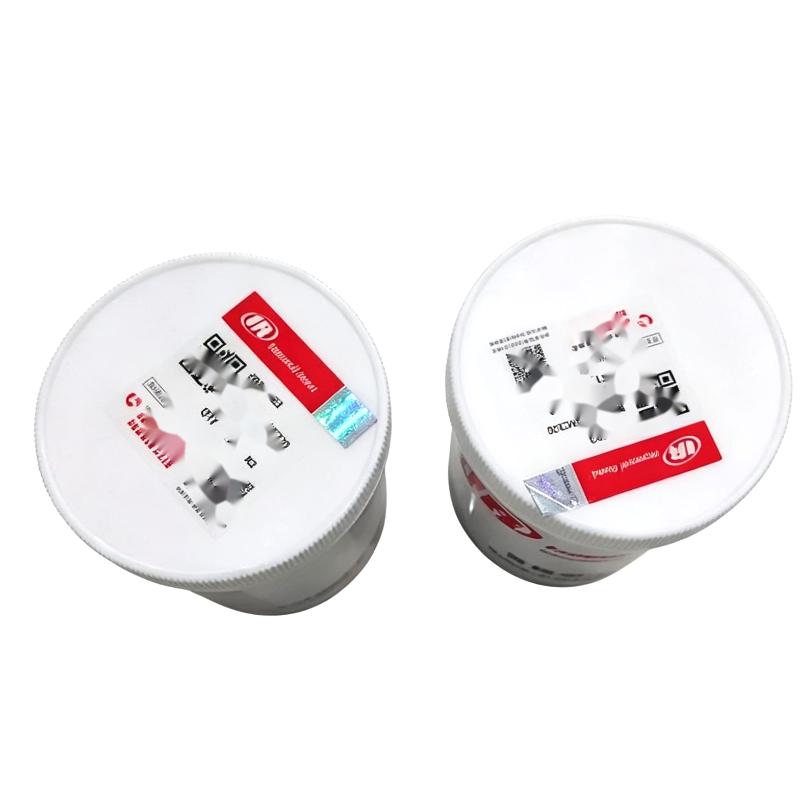
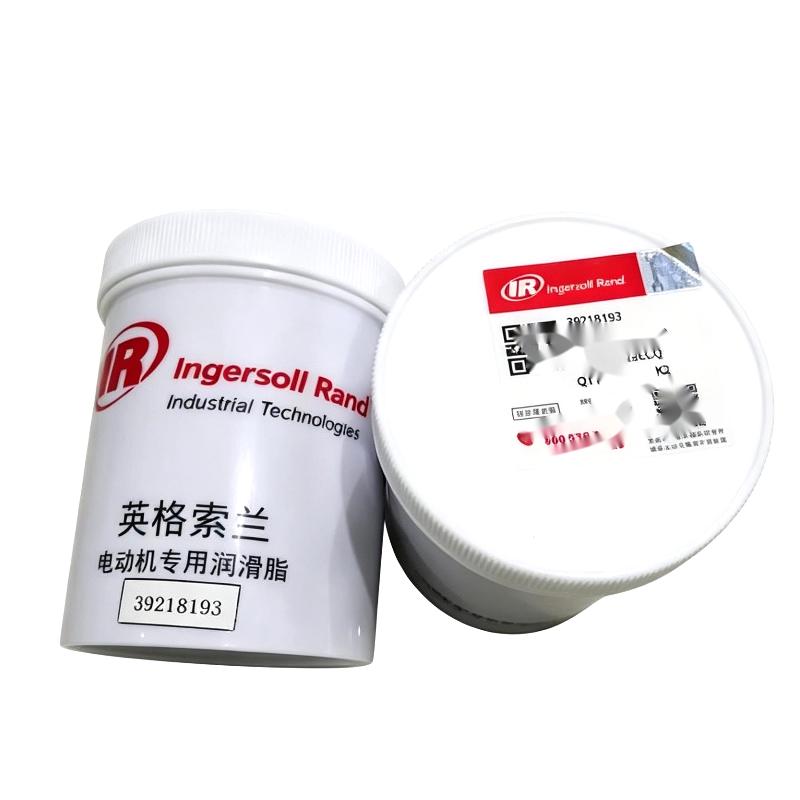
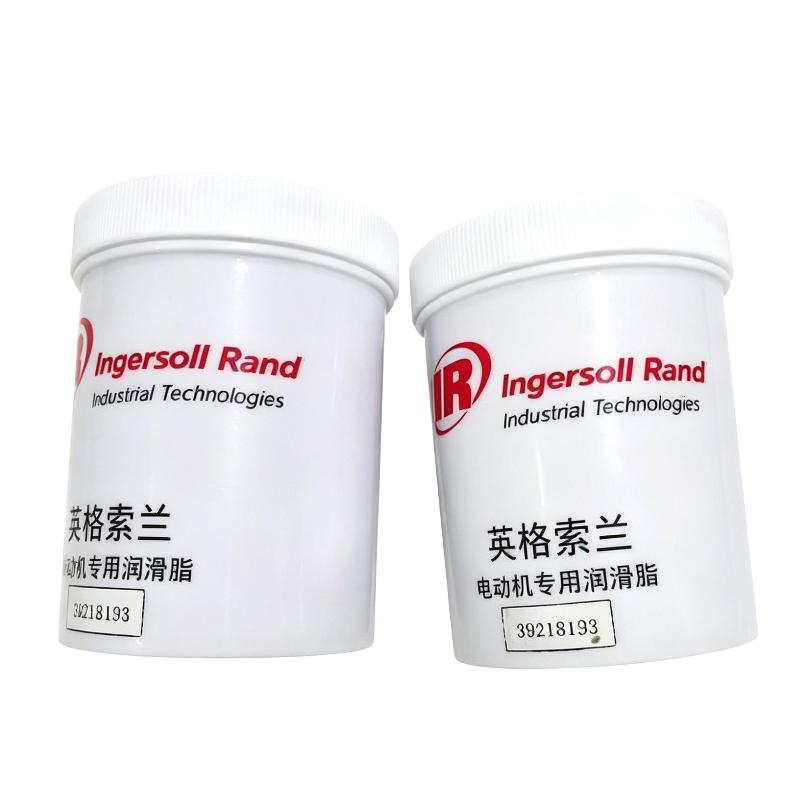
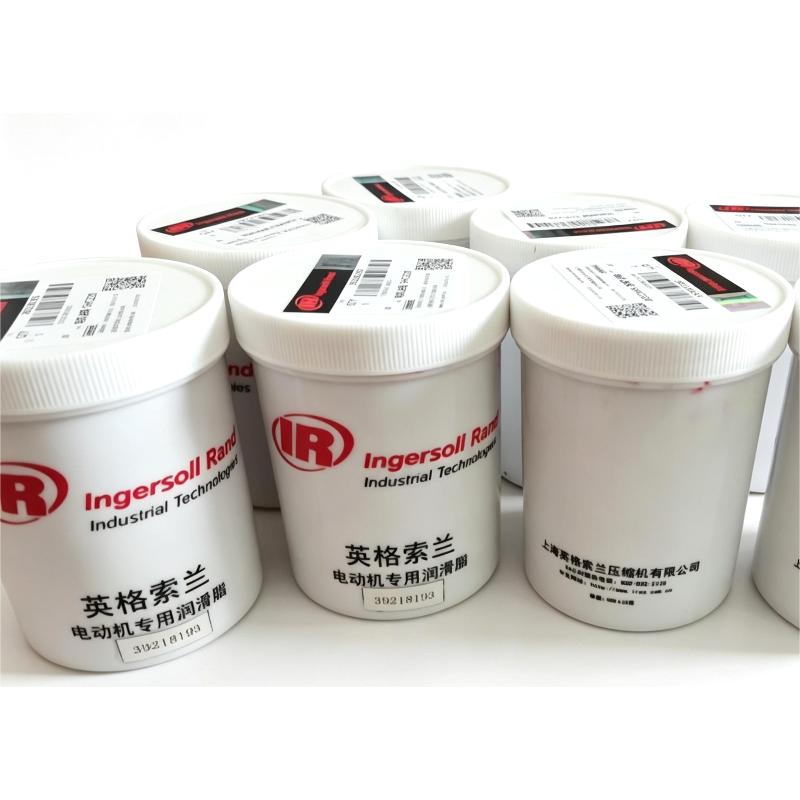
- Ingersoll Rand
- 47642703001 39218193
- High Temperature Grease
- USA
- 95 × 95 × 80 mm
- 0.40 kg
- Xiamen, China
- New & In Stock
- T/T, PayPal, Western Union
- 1 Year
- 1-3 Working Days
- DHL, UPS, TNT, FedEx and EMS.
- 24-Hour Service
- COO
- 6
Our advantage

Global Logistics
We have a 10-year logistics and express cooperation agreement, so our products can be shipped to any place in the world.

Brand new and original
Our products are imported in bulk from the place of origin. Because of the cooperative relationship, our products are all original and 100% new.

24-hour service
We provide 7*24 hours service to our customers. We will be there whenever you need us.

Price advantage
All our products are priced very favorably because we have our own warehouse and supply.
| Company Information | |||
| [email protected] | |||
| Mobile | +8615980777398 | ||
| +8615980777398 | |||
| 15980777398 |
Product Overview
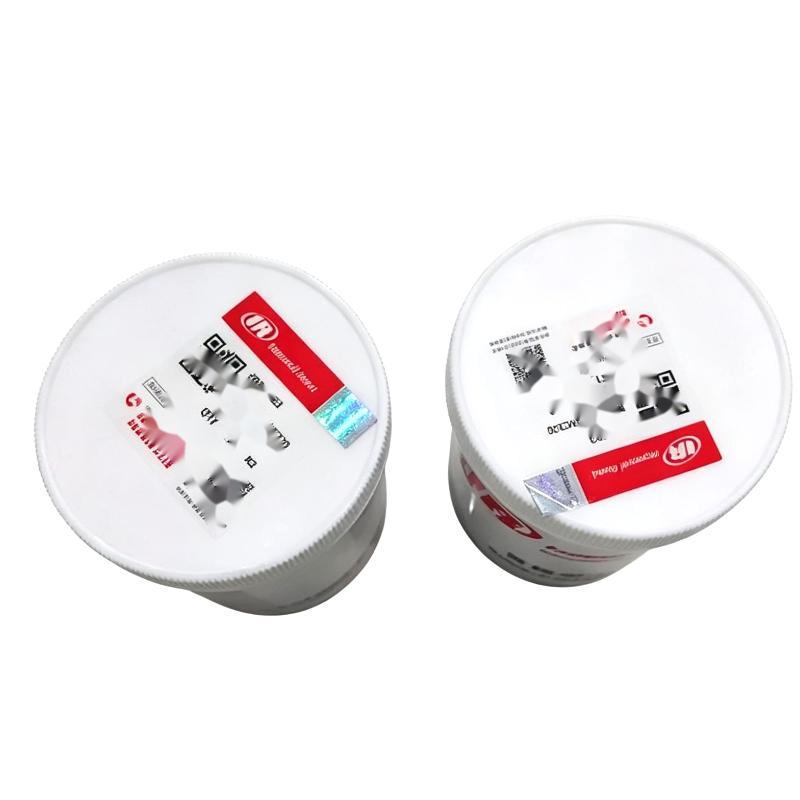
The Ingersoll Rand 47642703001 39218193 High Temperature Grease is a lubricant service product intended for compatible Ingersoll Rand compressor maintenance applications. It is used where mechanical components are exposed to elevated operating temperatures and require a grease capable of maintaining lubrication under demanding service conditions.
In compressor equipment, grease is commonly used on selected bearings, mechanical joints, and other components where an oil-based lubrication circuit is not suitable. The correct grease helps reduce friction and wear while supporting smooth mechanical movement over the service interval.
This product should be applied only to components and lubrication points specified for the particular compressor model. Grease compatibility is important during maintenance; mixing different grease formulations without confirming compatibility can affect lubrication performance.
Technical Specifications
| Parameter | Specification |
|---|---|
| Manufacturer | Ingersoll Rand |
| Part Number | 47642703001 |
| Component Number | 39218193 |
| Product Type | High Temperature Grease |
| Application | Compressor Maintenance |
| Lubricant Type | Grease |
| Primary Function | High-Temperature Lubrication |
| Service Category | Compressor Lubricant |
| Dimensions | 95 × 95 × 80 mm |
| Weight | 0.40 kg |
Product Features
- High-temperature grease for compatible Ingersoll Rand service applications.
- Supports lubrication of designated mechanical components operating at elevated temperatures.
- Helps reduce friction between moving contact surfaces.
- Supports protection against mechanical wear during continuous operation.
- Suitable for scheduled compressor maintenance and lubrication work.
- Intended for use at specified compressor lubrication points.
- Part of the service consumables used to maintain compressor mechanical components.
Working Principle
Grease remains at the lubrication point rather than circulating through a centralized oil circuit. When a lubricated component moves, the grease forms a lubricating film between contacting surfaces.
A simplified lubrication process is:
Grease Application → Lubricating Film → Reduced Surface Friction → Component Operation
The grease separates metal-to-metal contact surfaces and helps reduce friction and wear. Its consistency also allows it to remain in place under conditions where a lower-viscosity lubricant could migrate away from the contact area.
For high-temperature applications, the lubricant must retain suitable characteristics as component temperature increases. The correct amount is also important: insufficient grease can reduce protection, while excessive grease can increase resistance and heat generation in some bearing applications.
Role in a Rotary Screw Compressor Control Architecture
| System Element | Function |
|---|---|
| Compressor Airend | Performs the primary compression process |
| Mechanical Bearings | Support rotating shafts and mechanical loads |
| Drive System | Transfers power to the compressor airend |
| Mechanical Joints | Allow movement or transmit mechanical forces |
| Lubrication Points | Receive grease where specified by the compressor service procedure |
| Compressor Controller | Monitors and manages compressor operating conditions |
| Cooling System | Controls operating temperatures of compressor components |
The 39218193 grease does not participate directly in electronic control logic. Its role is mechanical: maintaining lubrication at specified service points so the associated components can operate with controlled friction and wear.
Proper lubrication supports the mechanical condition of components that ultimately affect compressor availability and operating performance.
Industrial Applications
| Application | Typical Use |
|---|---|
| Rotary Screw Compressors | Lubrication of specified mechanical service points |
| Manufacturing Plants | Preventive maintenance of compressor equipment |
| Automotive Production | Maintenance of continuously operated compressor packages |
| Chemical Processing | Lubrication during compressor service activities |
| Food and Beverage Plants | Compressor maintenance applications where the lubricant is specified |
| Pharmaceutical Facilities | Scheduled maintenance of compatible compressor equipment |
| Industrial Utilities | Routine mechanical lubrication and compressor servicing |
Installation and Maintenance
- Verify the 47642703001 / 39218193 identification and confirm that the grease is specified for the compressor and lubrication point.
- Shut down the compressor and follow the applicable lockout and isolation procedure before maintenance.
- Allow components to cool to a safe service temperature before applying grease.
- Identify the correct lubrication point from the compressor maintenance documentation.
- Clean dirt, old grease, and other contaminants from the grease fitting or application area.
- Check the lubrication point for signs of excessive wear, overheating, leakage, or mechanical damage.
- Confirm grease compatibility before adding the product to an existing grease charge.
- Do not mix different grease types unless compatibility has been established by the applicable service documentation.
- Apply the specified quantity of grease rather than filling the component beyond its recommended level.
- Keep the grease container and application equipment clean to prevent contamination.
- Inspect the lubricated component after servicing for abnormal noise, temperature, resistance, or movement.
- Record the lubrication activity and follow the compressor manufacturer’s recommended service interval.
Related Components
| Component | Relationship |
|---|---|
| Compressor Bearings | Mechanical components that may require specified grease lubrication |
| Drive System | Transfers mechanical power within the compressor package |
| Airend | Main compression assembly supported by the compressor mechanical system |
| Grease Fittings | Provide access to designated lubrication points |
| Compressor Oil Circuit | Separate lubrication system used for components requiring compressor oil |
| Oil Filter | Filters contaminants from circulating compressor oil |
| Compressor Controller | Monitors compressor operating conditions |
Recommended Related Models
| Model | Product Type / Application |
|---|---|
| Ingersoll Rand 47642703001 39218193 | High Temperature Grease |
| Ingersoll Rand 47642703001 54509427 | Air/Oil Separator |
| Ingersoll Rand 47642703001 99289894 | Minimum Pressure Check Valve Repair Kit |
| Ingersoll Rand 47642703001 37952389 | Thermostatic Valve Kit |
| Ingersoll Rand 47642700001 | Air Filter |
| Ingersoll Rand Compressor Lubrication Service Parts | Compressor maintenance components |
Key Advantages
- Supports lubrication of designated compressor mechanical components.
- Suitable for applications where elevated operating temperature is a concern.
- Helps reduce friction and mechanical wear.
- Supports smooth operation of properly serviced components.
- Useful for scheduled compressor maintenance.
- Helps maintain the intended lubrication condition at specified service points.
Technical FAQs
Where is high-temperature grease used in a compressor?
It should be applied only to mechanical components and lubrication points specified by the compressor service documentation. Typical applications can include selected bearings or mechanical joints, depending on the compressor design.
Can 39218193 be mixed with another grease?
Grease should not be mixed with another formulation unless compatibility has been confirmed. Different thickener systems or base oils can interact and change the lubrication characteristics of the mixture.
How much grease should be applied during maintenance?
The required quantity depends on the specific lubrication point and compressor configuration. The manufacturer’s service procedure should be followed rather than applying grease based solely on the available container size.
What should be checked if a lubricated component still runs hot after greasing?
Check the grease quantity and application point first, then inspect the component for wear, misalignment, excessive mechanical load, contamination, or bearing damage. Cooling conditions and the condition of adjacent components should also be considered.