

ProductPRODUCT
Featured products


Contact Us
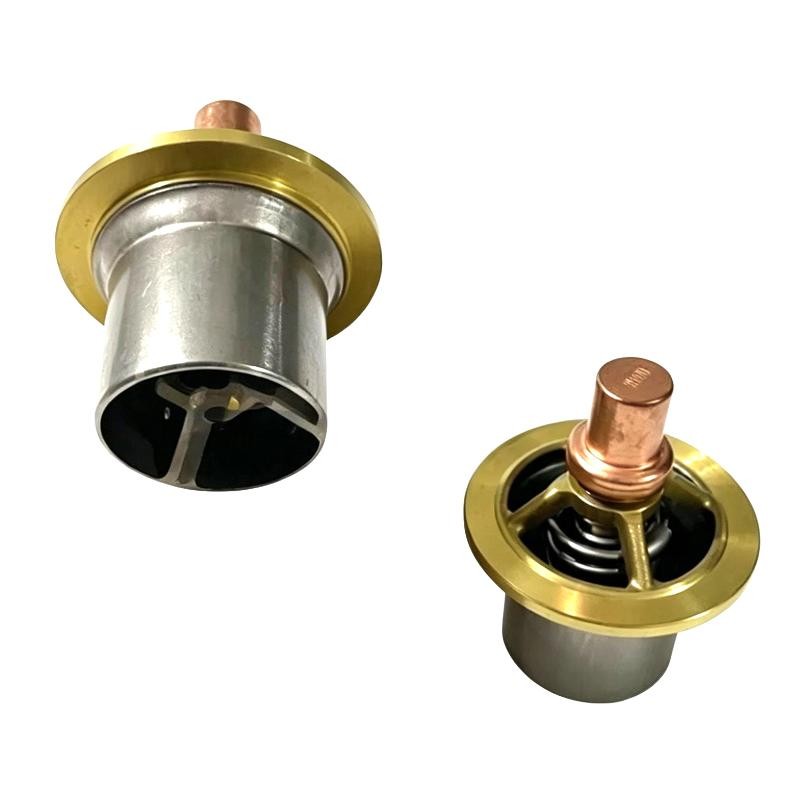
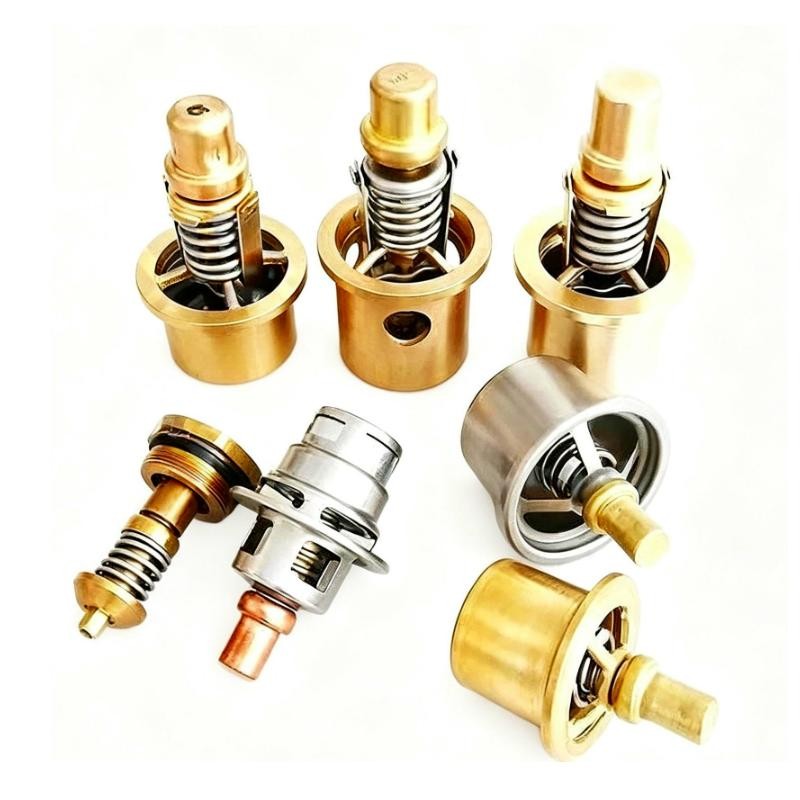
- Ingersoll Rand
- 47572170001 47552954001
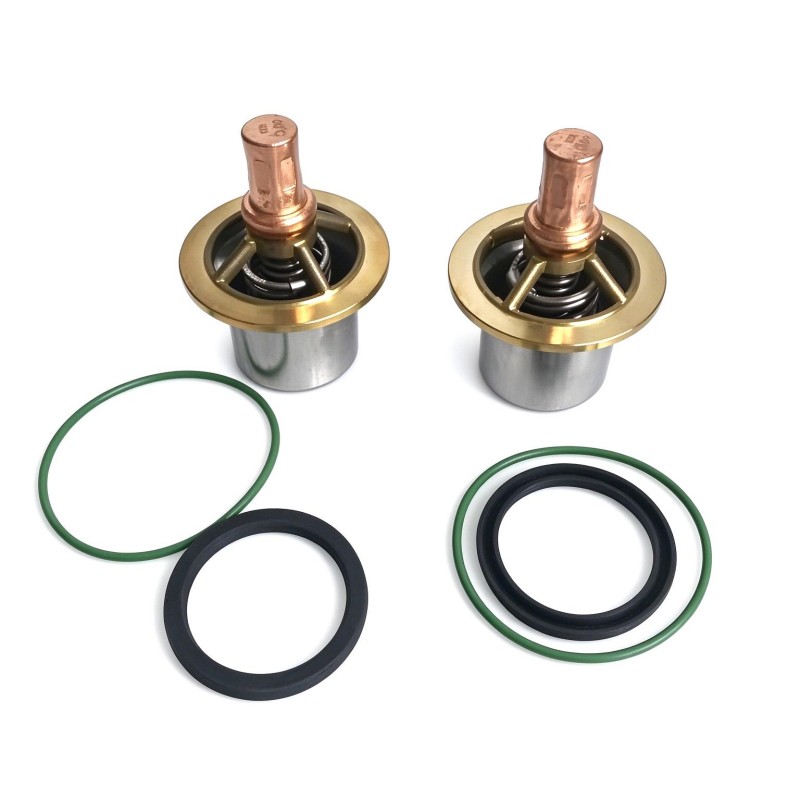
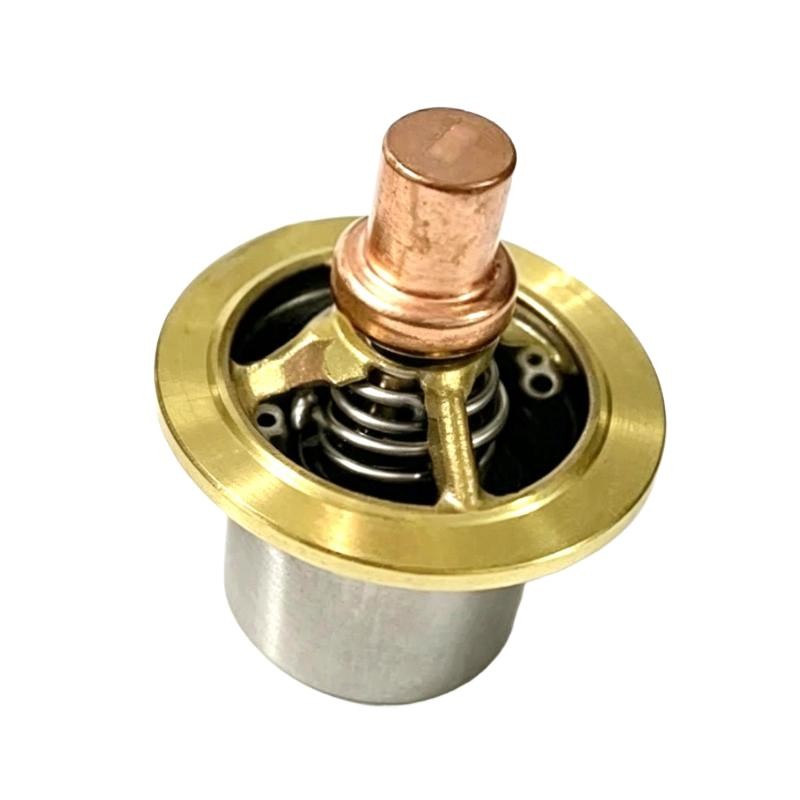
- Service Kit Thermostatic Valve
- USA
- 180 × 120 × 80 mm
- 1.0 kg
- Xiamen, China
- New & In Stock
- T/T, PayPal, Western Union
- 1 Year
- 1-3 Working Days
- DHL, UPS, TNT, FedEx and EMS.
- 24-Hour Service
- COO
- 2
Our advantage

Global Logistics
We have a 10-year logistics and express cooperation agreement, so our products can be shipped to any place in the world.

Brand new and original
Our products are imported in bulk from the place of origin. Because of the cooperative relationship, our products are all original and 100% new.

24-hour service
We provide 7*24 hours service to our customers. We will be there whenever you need us.

Price advantage
All our products are priced very favorably because we have our own warehouse and supply.
| Company Information | |||
| [email protected] | |||
| Mobile | +8615980777398 | ||
| +8615980777398 | |||
| 15980777398 |
Product Overview
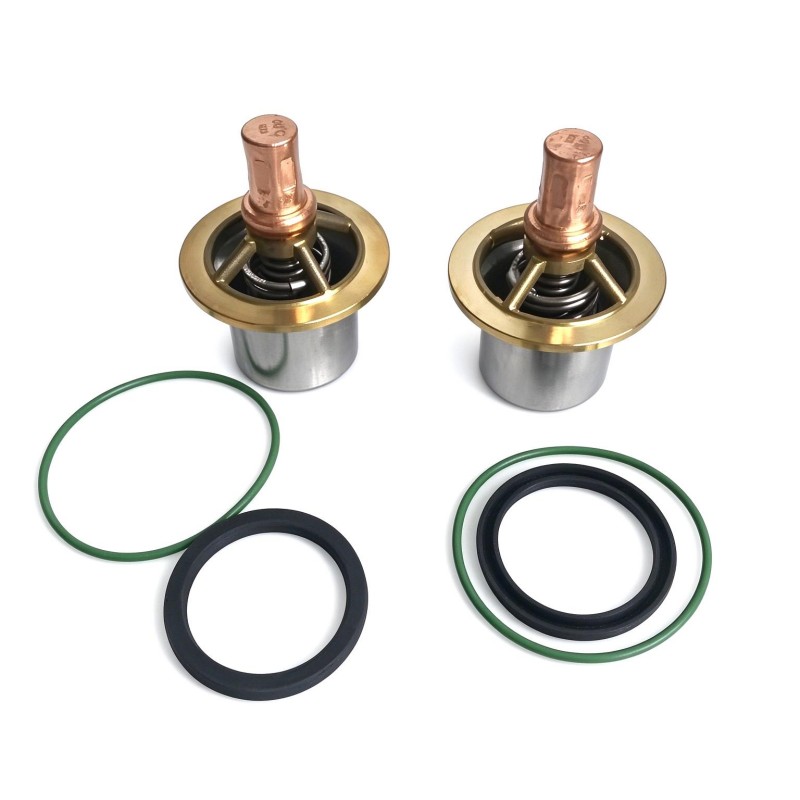
The Ingersoll Rand 47572170001 47552954001 Service Kit Thermostatic Valve is a maintenance kit associated with the temperature-control valve assembly in industrial air compressor systems. The thermostatic valve regulates the routing of compressor lubricant according to temperature, helping the machine reach its intended operating condition and maintain suitable oil temperature during normal operation.
In an oil-injected rotary screw compressor, lubricant serves several purposes: it reduces friction, removes heat generated during compression and helps seal clearances within the airend. When the compressor starts from a cold condition, the oil may need to remain within a controlled circulation path until it reaches an appropriate temperature. As the oil warms, the thermostatic valve changes the flow path to regulate how much lubricant passes through the oil cooler.
The service kit is intended for maintenance of the relevant thermostatic valve assembly rather than replacement of the complete compressor. Servicing this component can be necessary when oil temperature becomes abnormal, the valve no longer responds correctly to temperature changes, or the assembly shows signs of wear. The exact contents of the kit should be checked against the required part reference because service kits can contain different combinations of internal valve parts and sealing components.
When selecting this kit, maintenance personnel should confirm the compressor model and the complete part-number combination. Correct fitment matters because the valve’s temperature response and oil-flow arrangement must match the compressor’s lubrication and cooling circuit.
Technical Specifications
| Parameter | Specification |
|---|---|
| Manufacturer | Ingersoll Rand |
| Model / Part Number | 47572170001 |
| Alternate Part Number | 47552954001 |
| Product Type | Service Kit Thermostatic Valve |
| Product Category | Compressor Temperature-Control Valve Service Kit |
| Application | Industrial Air Compressor Maintenance |
| Primary Function | Servicing the thermostatic valve assembly |
| System Association | Compressor lubricant temperature-control circuit |
| Typical Equipment Context | Oil-injected rotary screw compressors, subject to model compatibility |
| Operating Principle | Temperature-responsive lubricant flow regulation |
| Service Purpose | Maintenance of the thermostatic valve assembly |
| Kit Contents | Must be confirmed against the applicable parts list |
| Compatible Compressor Model | Requires verification against the installed compressor |
| Dimensions | 180 × 120 × 80 mm |
| Weight | 1.0 kg |
Product Features
- Thermostatic valve servicing: Supports maintenance of the valve assembly responsible for temperature-dependent lubricant routing.
- Lubrication circuit maintenance: Relates to the oil circulation system that lubricates and cools the compressor airend.
- Temperature regulation: Helps restore the intended valve response when compatible service components are installed correctly.
- Service-kit format: Groups the designated maintenance components under a specific part reference.
- Compressor-specific fitment: Requires confirmation of the compressor model and installed valve configuration.
- Oil-temperature troubleshooting: Relevant when investigating abnormal lubricant temperature or suspected valve malfunction.
- Preventive maintenance: Can be included in service work when inspection identifies wear or deterioration within the valve assembly.
- Component-level repair: Allows the specified valve assembly to be serviced without automatically replacing the entire compressor.
Working Principle
A thermostatic valve in an oil-injected compressor responds to lubricant temperature and changes the route taken by the circulating oil. Depending on the valve design, cooler oil may be directed through a bypass path, while warmer oil is routed through the oil cooler to remove excess heat before returning to the compression system.
During a cold start, the valve’s temperature-sensitive element remains in its lower-temperature operating state. As the lubricant warms, the element responds to the rising temperature and changes the valve position. This regulates the balance between bypass flow and cooler flow, helping the compressor maintain its intended oil-temperature range.
The service kit supports maintenance of the valve assembly when its internal components or seals require attention. For example, if a valve sticks in an incorrect position, the compressor may experience slow warm-up or excessive oil temperature, depending on the failure mode and circuit arrangement. A worn seal may also affect internal flow or allow leakage.
These symptoms do not automatically prove that the thermostatic valve is defective. Oil-cooler contamination, inadequate cooling airflow, incorrect lubricant level, a restricted oil circuit or a faulty temperature indication can produce similar operating problems. Diagnosis should therefore consider the complete lubrication and cooling system before the valve is dismantled.
Role in an Ingersoll Rand Compressor Lubrication System
The thermostatic valve regulates lubricant flow according to temperature and works alongside the oil cooler, oil filter and compressor airend. Its service kit is relevant when the valve assembly requires inspection or repair to restore the specified flow-control behavior.
Compressor Airend → Oil Separation and Lubricant Return → Thermostatic Valve → Oil Cooler or Bypass Path → Oil Filter, Where Applicable → Compressor Airend
| System Component | Function | Relationship to the Service Kit |
|---|---|---|
| Thermostatic Valve Assembly | Changes lubricant flow according to temperature | The assembly serviced by the kit |
| Thermostatic Valve Service Kit | Contains the specified service components | Supports maintenance of the compatible valve assembly |
| Compressor Airend | Compresses incoming air | Generates heat that must be managed by the lubrication system |
| Lubricant Circuit | Circulates oil through the compressor | Carries lubricant through the temperature-control arrangement |
| Oil Cooler | Removes heat from circulating lubricant | Receives oil routed through the cooling path |
| Oil Filter | Removes contaminants from compressor lubricant | Protects the lubrication circuit from particulate contamination |
| Oil Separator | Separates lubricant from compressed air in applicable systems | Supports lubricant recovery and return |
| Temperature Sensor | Measures lubricant or system temperature where fitted | Provides operating information for diagnosis |
| Cooling Fan | Moves air across the cooler where fitted | Helps remove heat from the lubricant |
| Compressor Controller | Monitors operating conditions and manages machine operation | May report abnormal oil-temperature conditions |
| Lubricant | Lubricates, cools and helps seal the airend | Its temperature and condition influence valve operation |
Industrial Applications
| Application | Typical Equipment | Role of the Service Kit |
|---|---|---|
| Manufacturing Plants | Oil-injected rotary screw compressors | Supports maintenance of the compressor’s lubricant temperature-control valve |
| Automotive Production | Factory compressed-air stations | Helps service the lubrication circuit of compatible compressor installations |
| Metalworking Facilities | Industrial air compressors serving pneumatic equipment | Supports valve maintenance where heat management is essential to operation |
| Packaging Plants | Centralized compressed-air systems | Relates to maintenance of the compressor oil-temperature regulation system |
| Food and Beverage Manufacturing | Industrial compressed-air generation equipment | Supports compressor maintenance; downstream air treatment remains a separate requirement |
| Chemical Processing | Plant utility-air compressors | Applies to compatible compressor lubrication and cooling arrangements |
| Power and Utility Facilities | Industrial compressor packages | Supports maintenance of the thermostatic valve assembly where fitted |
| General Industrial Workshops | Rotary screw compressors under variable loads | Helps address valve wear or temperature-control problems identified during inspection |
Installation and Maintenance
- Verify the part references: Confirm that 47572170001 and 47552954001 match the required service kit and the installed thermostatic valve configuration.
- Identify the compressor model: Check the equipment identification and applicable parts configuration before beginning the repair.
- Shut down and isolate the compressor: Follow the prescribed electrical isolation procedure and prevent automatic restarting during maintenance.
- Allow the system to cool: Wait until the lubricant and relevant components reach a safe service temperature before opening the circuit.
- Relieve stored pressure: Follow the compressor’s service procedure to isolate and depressurize the relevant system sections before removing the valve.
- Inspect the surrounding assembly: Check the valve housing, connected pipes and sealing surfaces for leakage, contamination or visible damage.
- Confirm the kit contents: Compare the supplied service components with the applicable parts list before dismantling the existing valve.
- Remove the valve components carefully: Follow the specified disassembly sequence and retain the orientation of components that must be reinstalled in a particular position.
- Inspect internal parts and seals: Check for wear, deposits, damaged sealing surfaces or a sticking temperature-responsive mechanism.
- Install the service components: Fit the specified replacement parts in the correct positions and follow the equipment’s assembly and tightening requirements.
- Restore the circuit and test operation: Reassemble the connections, restore the required lubricant and system conditions, then check for leakage and abnormal oil-temperature behavior during a controlled startup.
- Record the maintenance results: Document the kit part numbers, observed valve condition, lubricant condition and operating temperatures after servicing.
Related Components
| Component | Function | Relationship to the Thermostatic Valve Service Kit |
|---|---|---|
| Thermostatic Valve Assembly | Controls lubricant routing according to temperature | The primary assembly serviced by the kit |
| Oil Cooler | Removes heat from compressor lubricant | Works with the valve to regulate oil temperature |
| Oil Filter | Removes contaminants from lubricant | Helps protect the valve and other lubrication components from contamination |
| Compressor Lubricant | Lubricates and cools internal components | Its condition affects lubrication and heat transfer |
| Oil Separator | Recovers lubricant from compressed air in applicable systems | Forms part of the lubricant recovery path |
| Temperature Sensor | Measures operating temperature where fitted | Helps technicians assess temperature-control performance |
| Cooling Fan | Provides airflow through the cooler where fitted | Supports heat removal from the lubricant |
| Valve Seals and O-Rings | Seal the valve’s mating interfaces | May be replaced when included in the specified service kit |
| Compressor Controller | Monitors operating conditions | May display oil-temperature warnings or related alarms |
| Oil Piping and Fittings | Carry lubricant between system components | Must remain clean, correctly connected and free from leakage |
Recommended Related Models
| Model / Product | Product Type | Relationship | Selection Consideration |
|---|---|---|---|
| Ingersoll Rand 47572170001 | Thermostatic Valve Service Kit | Main product reference | Confirm compatibility with the installed compressor and valve assembly |
| Ingersoll Rand 47552954001 | Thermostatic Valve Service Kit | Alternate reference supplied for the product | Verify the complete part-number mapping before ordering or installation |
| Ingersoll Rand Temperature Control Valve Assembly | Compressor Lubricant Temperature-Control Component | Related service assembly | Match the valve arrangement and temperature-control requirements |
| Ingersoll Rand Oil Filter | Compressor Lubricant Filter | Related lubrication-system component | Select according to the compressor model and specified maintenance parts |
| Ingersoll Rand Oil Cooler | Compressor Lubricant Cooling Component | Related component in the temperature-control circuit | Verify the cooler configuration and required heat-removal capacity |
| Ingersoll Rand Compressor Lubricant | Compressor Lubricating Fluid | Related maintenance material | Use the lubricant specification required for the particular compressor |
Key Advantages
- Supports servicing of the compressor thermostatic valve assembly.
- Relates directly to lubricant temperature regulation and cooling-flow control.
- Helps address valve wear or sticking identified during maintenance.
- Supports component-level servicing rather than automatic replacement of the complete compressor.
- Provides two part references for checking the required service-kit configuration.
Technical FAQs
What does the thermostatic valve do in an Ingersoll Rand compressor?
It regulates the route taken by circulating lubricant according to temperature. Depending on the valve design and operating state, oil can be directed through a bypass path or through the oil cooler.
When should the thermostatic valve service kit be considered?
Consider servicing the valve when inspection or troubleshooting indicates sticking, leakage, worn internal components or abnormal temperature-control behavior. Confirm the diagnosis before replacing parts because cooler restrictions and other lubrication-system faults can cause similar symptoms.
Can this kit be used on every Ingersoll Rand rotary screw compressor?
Compatibility should not be assumed across the entire compressor range. Confirm both supplied part references against the specific compressor model and the installed thermostatic valve assembly.
What should be checked after servicing the thermostatic valve?
Check for oil leakage, correct reassembly, normal lubricant circulation and appropriate operating temperature. Also inspect the oil cooler and related components if the temperature remains abnormal after the valve has been serviced.