

ProductPRODUCT
Featured products
Contact Us
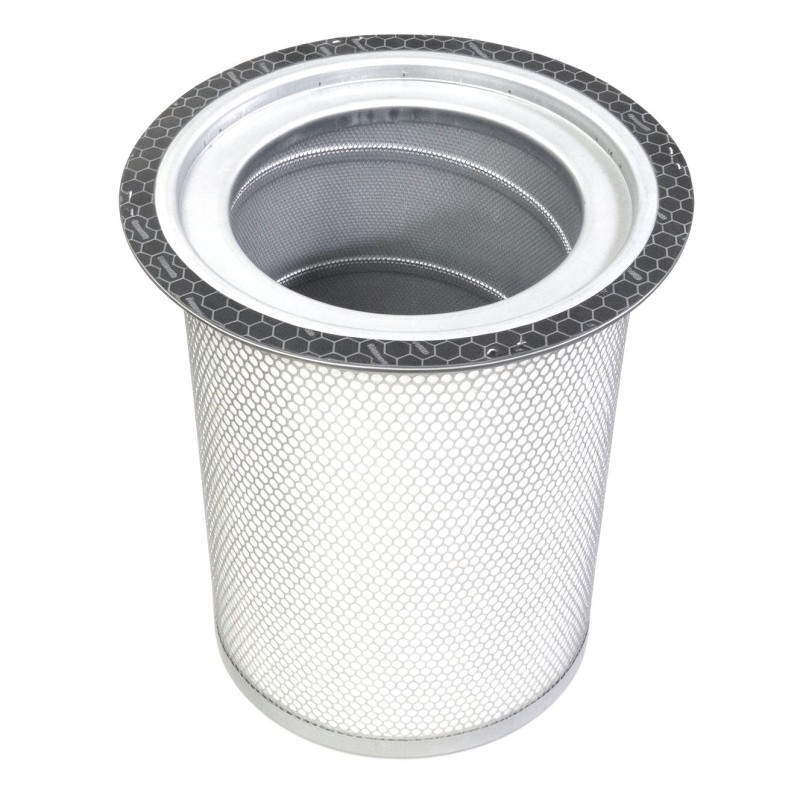
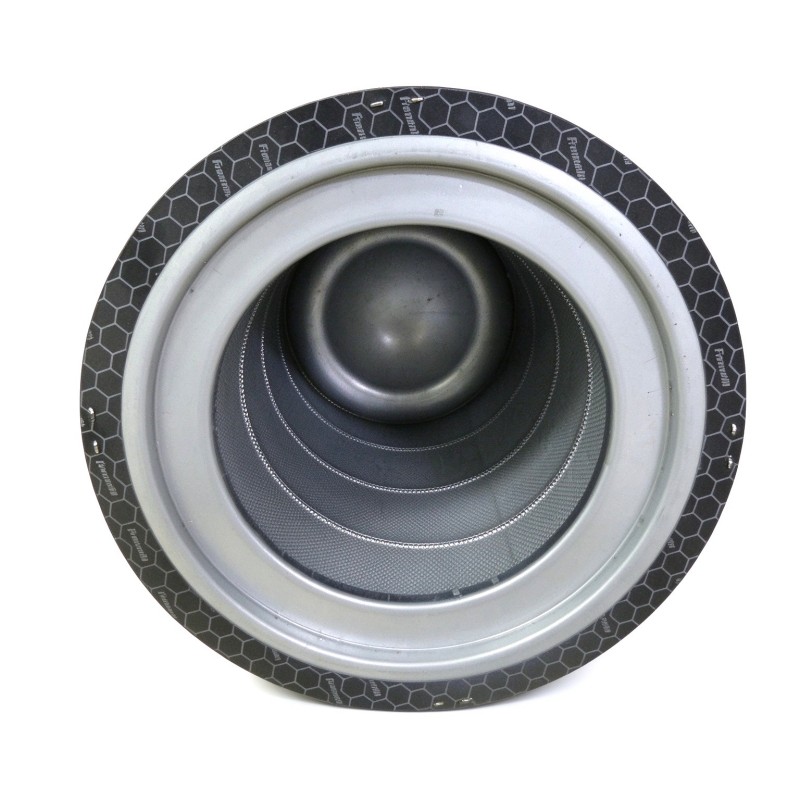
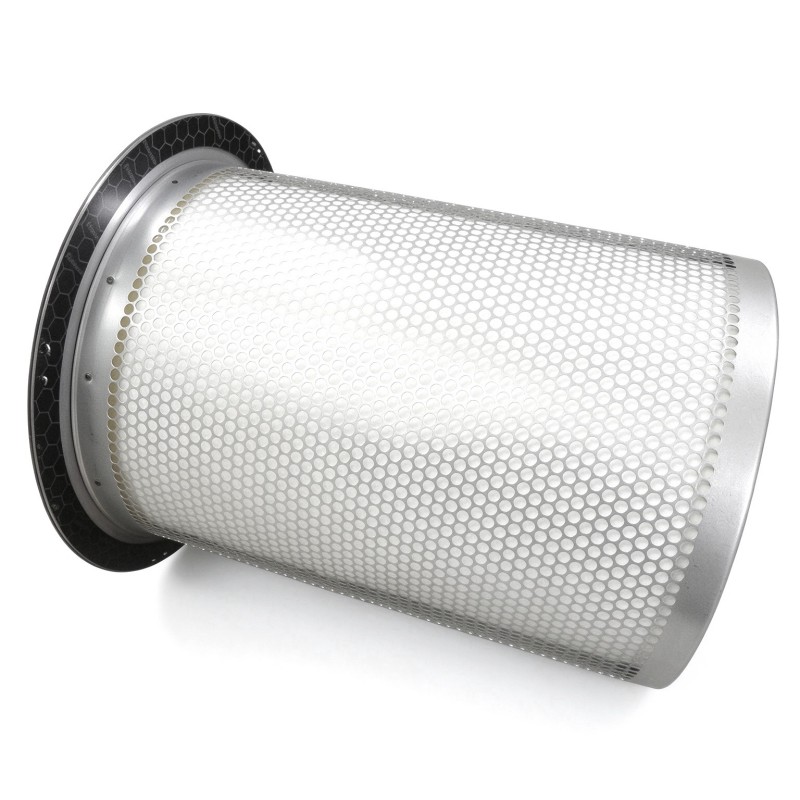
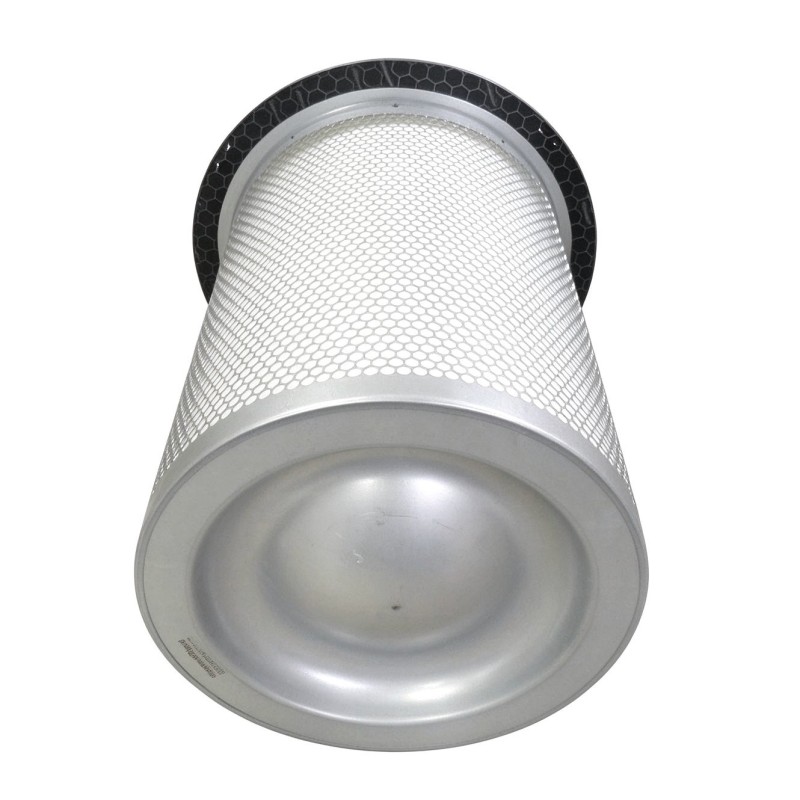
- Ingersoll Rand
- 22219174
- Oil Separator Element
- USA
- 350 × 432 × 477 mm
- 14 kg
- Xiamen, China
- New & In Stock
- T/T, PayPal, Western Union
- 1 Year
- 1-3 Working Days
- DHL, UPS, TNT, FedEx and EMS.
- 24-Hour Service
- COO
- 6
Our advantage

Global Logistics
We have a 10-year logistics and express cooperation agreement, so our products can be shipped to any place in the world.

Brand new and original
Our products are imported in bulk from the place of origin. Because of the cooperative relationship, our products are all original and 100% new.

24-hour service
We provide 7*24 hours service to our customers. We will be there whenever you need us.

Price advantage
All our products are priced very favorably because we have our own warehouse and supply.
| Company Information | |||
| [email protected] | |||
| Mobile | +8615980777398 | ||
| +8615980777398 | |||
| 15980777398 |
Product Overview
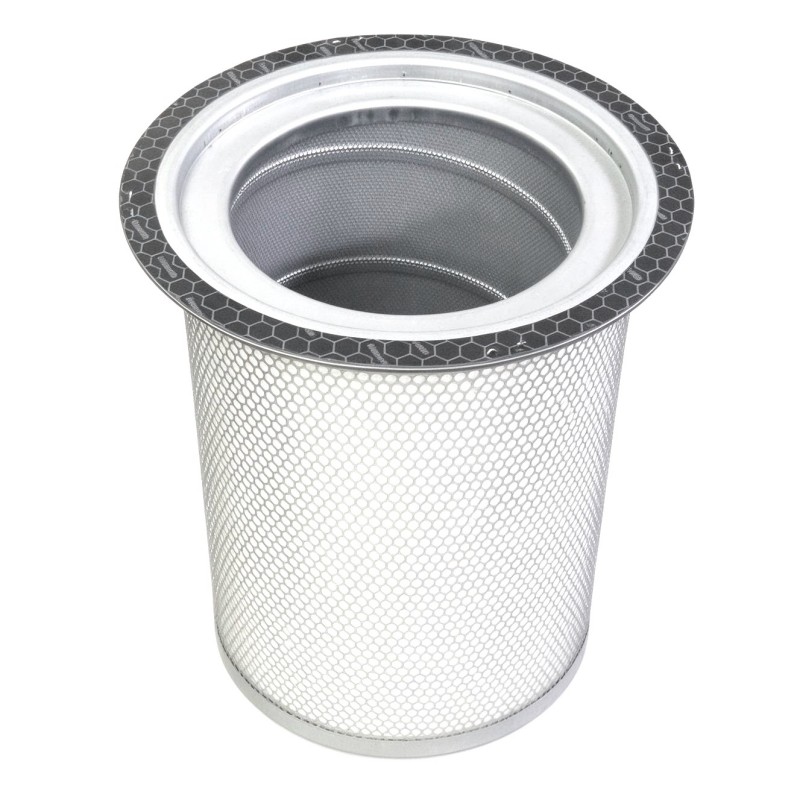
The Ingersoll Rand 22219174 is an oil separator element installed inside the separator tank of compatible rotary screw air compressors. Its primary function is to remove suspended lubricant droplets from compressed air before the air leaves the compressor package and enters the downstream distribution system.
In an oil-injected screw compressor, the airend uses lubricant for sealing, cooling, and lubrication during compression. The resulting air-oil mixture enters the separator tank, where the larger quantities of oil are removed before the remaining oil mist passes through the separator element. The 22219174 captures these fine droplets and allows the collected oil to return to the compressor lubrication circuit.
This component is particularly relevant to larger industrial compressor installations, including Ingersoll Rand RM185i, M200–M250, MM250, and V200/V250 equipment configurations. These compressors are commonly used in facilities where compressed air is required for continuous production, pneumatic machinery, and plant utility systems.
When the separator element becomes contaminated or its filtration performance deteriorates, oil carryover can increase. This may result in lubricant entering downstream pipework, air treatment equipment, and pneumatic devices. Excessive restriction across the separator can also affect compressor discharge conditions and increase operating energy consumption.
For maintenance engineers, the condition of the 22219174 should be evaluated through separator differential pressure, oil consumption, and signs of lubricant carryover. The element works together with the separator tank and oil recovery arrangement, so these components should be inspected as part of the same maintenance procedure.
The part is also identified by the description ELEMENT, SEPARATOR TANK 20″. This designation is useful when checking replacement requirements against compressor parts documentation.
Technical Specifications
| Parameter | Specification |
|---|---|
| Manufacturer | Ingersoll Rand |
| Model | 22219174 |
| Product Type | Oil Separator Element |
| Product Description | Element, Separator Tank 20″ |
| Product Category | Air-Oil Separation Filter |
| Application | Rotary Screw Air Compressor |
| Primary Function | Oil Mist Separation |
| Filtration Process | Coalescing Separation |
| Installation Position | Air-Oil Separator Tank |
| Compatible Equipment | RM185i, M200–M250, MM250, V200/V250 configurations |
| Replacement Reference | OCP OS1200-061 |
| Dimensions | 350 × 432 × 477 mm |
| Weight | 14 kg |
Product Features
- Oil Mist Separation: Captures suspended lubricant droplets from compressed air through coalescing filtration.
- Lubricant Recovery: Allows collected oil to drain back into the compressor’s lubrication circuit.
- Separator Tank Installation: Fits the designated oil separation assembly rather than a conventional inline oil filter housing.
- Compressed Air Quality: Helps reduce lubricant carryover before compressed air reaches downstream equipment.
- Industrial Compressor Application: Associated with larger Ingersoll Rand rotary screw compressor configurations.
- Coalescing Filter Media: Uses fibrous filtration media to collect fine oil droplets and combine them into larger droplets.
- Differential Pressure Consideration: Filter condition affects airflow resistance across the separator assembly.
- Continuous Separation Process: Operates while the compressor is running and processing the air-oil mixture.
- Dedicated Replacement Identification: The 22219174 part number distinguishes this separator element from other Ingersoll Rand filtration components.
- Maintenance Integration: Can be included in scheduled compressor servicing alongside oil filters, air filters, and associated separator tank components.
Product Working Principle
The Ingersoll Rand 22219174 separates oil from compressed air through a coalescing filtration process inside the separator tank.
During compression, lubricant becomes mixed with air as part of the airend’s normal operating process. This mixture enters the separator vessel, where the initial separation stage removes a substantial amount of the liquid oil. The remaining compressed air contains fine suspended oil droplets that require further separation.
The 22219174 handles this remaining oil mist.
The separation process follows this arrangement:
Airend → Separator Tank → 22219174 Filter Media → Oil Droplet Coalescence → Oil Recovery → Compressed Air Outlet
As the air-oil mixture passes through the fibrous media, small oil droplets are captured and combine into larger droplets. These droplets collect within the element and move toward the oil recovery area.
The recovered lubricant is returned through the oil recovery arrangement to the compressor’s lubrication circuit. Meanwhile, the separated compressed air continues through the discharge system.
Two operating conditions directly affect separator performance:
Oil Carryover: If the filter media deteriorates, becomes damaged, or is incorrectly installed, more oil may remain in the compressed air. This can lead to increased lubricant consumption and contamination of downstream equipment.
Pressure Differential: As contaminants accumulate in the filter media, airflow resistance can increase. A higher differential pressure across the element may affect compressor operating efficiency and should be considered during preventive maintenance.
The separator is therefore responsible for both oil removal and supporting the return of recovered lubricant. Its performance depends not only on the condition of the filter media but also on the proper operation of the separator tank and oil recovery circuit.
Role in Ingersoll Rand Compressor System Architecture
The 22219174 is installed in the oil separation stage of the compressor package. It operates downstream of the airend and upstream of the compressed-air delivery components.
Its function connects two important compressor processes: compressed-air production and lubricant recovery. The separator element removes suspended oil from the air stream while allowing recovered lubricant to return to the oil circuit.
A simplified system arrangement is:
Air Intake → Air Filter → Airend → Separator Tank / 22219174 → Minimum Pressure Valve → Aftercooler → Compressed Air Outlet
The corresponding oil circulation arrangement includes the oil filter, oil cooler, and oil recovery line.
| System Component | Function |
|---|---|
| 22219174 | Separates suspended oil droplets from compressed air |
| Airend | Compresses incoming air and mixes it with lubricant |
| Separator Tank | Houses the separator element and receives the compressed air-oil mixture |
| Oil Recovery Line | Returns collected lubricant to the compressor oil circuit |
| Oil Filter | Removes solid contaminants from circulating lubricant |
| Air Filter | Removes dust and airborne particles from incoming air |
| Minimum Pressure Valve | Maintains the required minimum pressure within the compressor |
| Aftercooler | Reduces compressed-air temperature before downstream delivery |
| Oil Cooler | Controls the temperature of circulating lubricant |
| Pressure Monitoring Components | Monitor operating pressure and separator-related conditions |
The separator element does not replace the oil filter. The 22219174 treats the compressed-air stream, while the oil filter cleans the lubricant circulating through the compressor.
Industrial Applications
The 22219174 is associated with larger rotary screw compressor installations where continuous compressed-air production requires effective oil separation.
| Industrial Application | Typical Use |
|---|---|
| Oil and Gas Processing | Maintaining oil separation in compressors supplying plant utility air |
| Petrochemical Plants | Reducing lubricant carryover in compressed-air systems |
| Chemical Manufacturing | Supporting compressor operation in continuous production processes |
| Automotive Manufacturing | Supplying compressed air for pneumatic production machinery |
| Metal Processing | Maintaining compressed-air quality for industrial machining and fabrication |
| Power Generation | Supporting compressed-air systems used in auxiliary plant operations |
| Pharmaceutical Manufacturing | Controlling oil carryover before compressed air enters downstream treatment equipment |
| Food and Beverage Manufacturing | Supporting compressor air treatment and maintenance programs |
| Cement and Building Materials | Maintaining oil separation in compressors operating under demanding industrial conditions |
| General Manufacturing | Supporting continuous compressed-air supply for factory equipment |
Installation and Maintenance
- Verify the Part Number: Confirm that the replacement element is Ingersoll Rand 22219174 and matches the installed separator tank configuration.
- Check Compressor Compatibility: Review the compressor model, serial number, and parts documentation before removing the existing element.
- Shut Down the Compressor: Stop the compressor according to the approved maintenance procedure and isolate the electrical power supply.
- Depressurize the Separator Tank: Release internal pressure completely before opening the separator vessel. Never remove the tank cover while pressure remains inside.
- Allow the System to Cool: Wait until the compressor and circulating lubricant reach a safe handling temperature.
- Remove the Existing Element: Carefully remove the old separator without damaging the tank interior, mounting surfaces, or oil recovery connections.
- Inspect the Separator Tank: Check for accumulated oil deposits, sludge, contamination, or damage to the internal surfaces.
- Check the Oil Recovery Line: Inspect the recovery pipe and associated connections for blockage, incorrect positioning, or other conditions that could prevent collected oil from returning to the lubrication circuit.
- Inspect Sealing Components: Examine the tank cover gasket and associated sealing surfaces. Replace damaged seals where required.
- Install the Replacement Element: Position the new 22219174 correctly inside the separator tank and follow the specified assembly and tightening procedure.
- Perform an Operational Check: Restart the compressor and monitor separator differential pressure, discharge conditions, and signs of excessive oil carryover.
- Record Maintenance Information: Document the replacement part number, service date, compressor operating hours, and inspection results for future maintenance planning.
If oil carryover remains high after replacement, inspect the oil recovery line, separator tank seals, and compressor operating conditions. Incorrect installation or an obstructed recovery circuit can affect separation performance even when the filter element itself is new.
Compatible System Components
| Component | Function |
|---|---|
| Ingersoll Rand 22219174 | Oil separator element for compatible compressor packages |
| Ingersoll Rand 22050728 | Separator tank component for RM185i configuration |
| Ingersoll Rand 88150131 | Separator tank for M200–M250 configuration |
| Ingersoll Rand 92888262 | Coolant filter element |
| Ingersoll Rand 39903265 | Air filter element |
| Ingersoll Rand 22211882 | Check valve in the compressor oil circuit |
| Ingersoll Rand 22137699 | Safety valve associated with the separator tank |
| Ingersoll Rand 22125215 | Thermostatic valve |
| Ingersoll Rand 22125231 | Thermostatic valve element |
| Ingersoll Rand Oil Recovery Line | Returns separated lubricant to the oil circuit |
Recommended Related Models
| Model / Product | Product Type | Typical Application |
|---|---|---|
| Ingersoll Rand 39903265 | Sierra Air Compressor Air Filter Element | Incoming air filtration |
| Ingersoll Rand 92888262 | Coolant Filter Element | Compressor fluid filtration |
| Ingersoll Rand 22211882 | Check Valve | Oil circuit flow control |
| Ingersoll Rand 22137699 | Safety Valve | Separator tank pressure protection |
| Ingersoll Rand 22125215 | Thermostatic Valve | Compressor oil temperature regulation |
| Ingersoll Rand 22125231 | Thermostatic Valve Element | Thermostatic valve maintenance |
Key Advantages
- Removes suspended oil droplets from compressed air.
- Supports lubricant recovery inside the compressor system.
- Helps control oil carryover into downstream air equipment.
- Coalescing filtration for fine oil mist separation.
- Supports the operating requirements of compatible large compressor packages.
- Helps maintain the intended separator pressure differential.
- Dedicated replacement component for the 20-inch separator tank assembly.
Technical FAQs
1. Which compressor models use the Ingersoll Rand 22219174?
The 22219174 is associated with several larger compressor configurations, including RM185i, M200–M250, MM250, and V200/V250 packages. It is also listed for certain SSR compressor configurations. The exact model and serial number should be checked before replacement because separator tank arrangements can vary.
2. What does the 20-inch designation mean in the product description?
The description ELEMENT, SEPARATOR TANK 20″ identifies the separator element’s nominal product configuration. It should not be interpreted as a complete dimensional specification. The actual separator dimensions and mounting arrangement must be checked when selecting a replacement.
3. Can a blocked oil recovery line cause oil carryover even when the separator element is new?
Yes. The separator element collects oil droplets, but the recovery circuit must remove the collected lubricant and return it to the compressor. If the recovery line is blocked or incorrectly connected, oil can accumulate in the separator assembly and contribute to excessive carryover.
4. What operating conditions should be checked after replacing the 22219174?
After installation, inspect the separator differential pressure, compressor discharge pressure, oil level, and signs of lubricant carryover. Also verify that the separator cover is properly sealed and the oil recovery line is unobstructed.