

ProductPRODUCT
Featured products
Contact Us
- Ingersoll Rand
- ZS1215594
- Air-Oil Separator Element
- USA
- 218 × 285 × 307 mm
- 4.14 kg
- Xiamen, China
- New & In Stock
- T/T, PayPal, Western Union
- 1 Year
- 1-3 Working Days
- DHL, UPS, TNT, FedEx and EMS.
- 24-Hour Service
- COO
- 5
Our advantage

Global Logistics
We have a 10-year logistics and express cooperation agreement, so our products can be shipped to any place in the world.

Brand new and original
Our products are imported in bulk from the place of origin. Because of the cooperative relationship, our products are all original and 100% new.

24-hour service
We provide 7*24 hours service to our customers. We will be there whenever you need us.

Price advantage
All our products are priced very favorably because we have our own warehouse and supply.
| Company Information | |||
| [email protected] | |||
| Mobile | +8615980777398 | ||
| +8615980777398 | |||
| 15980777398 |
Product Overview
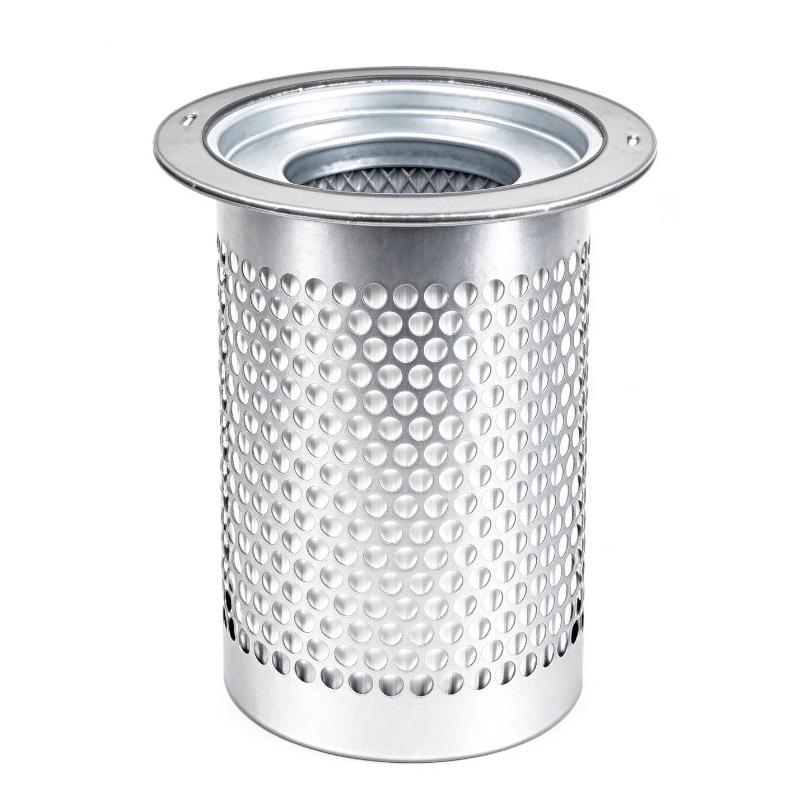
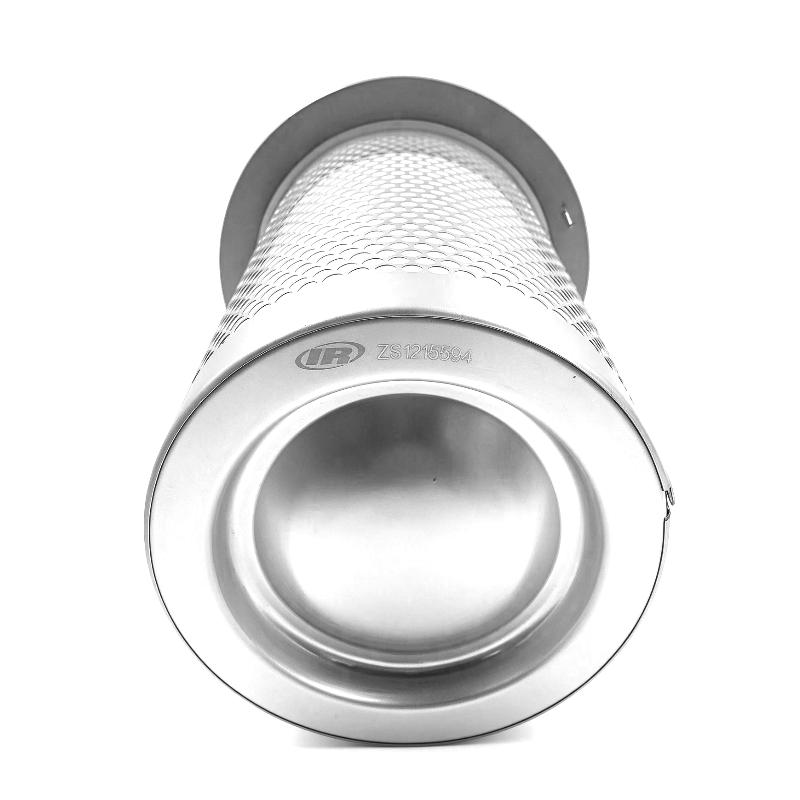
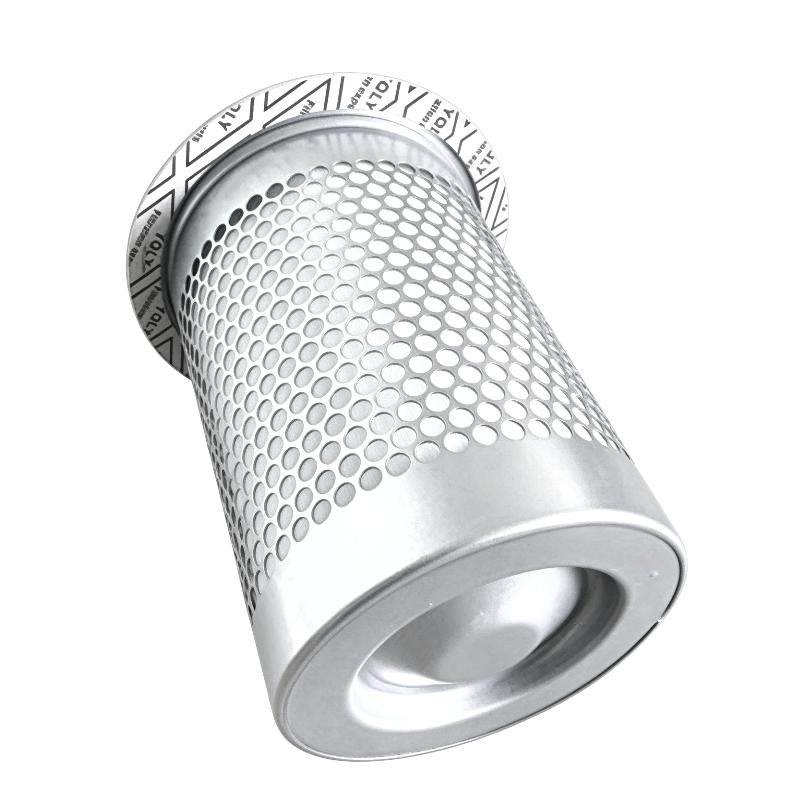
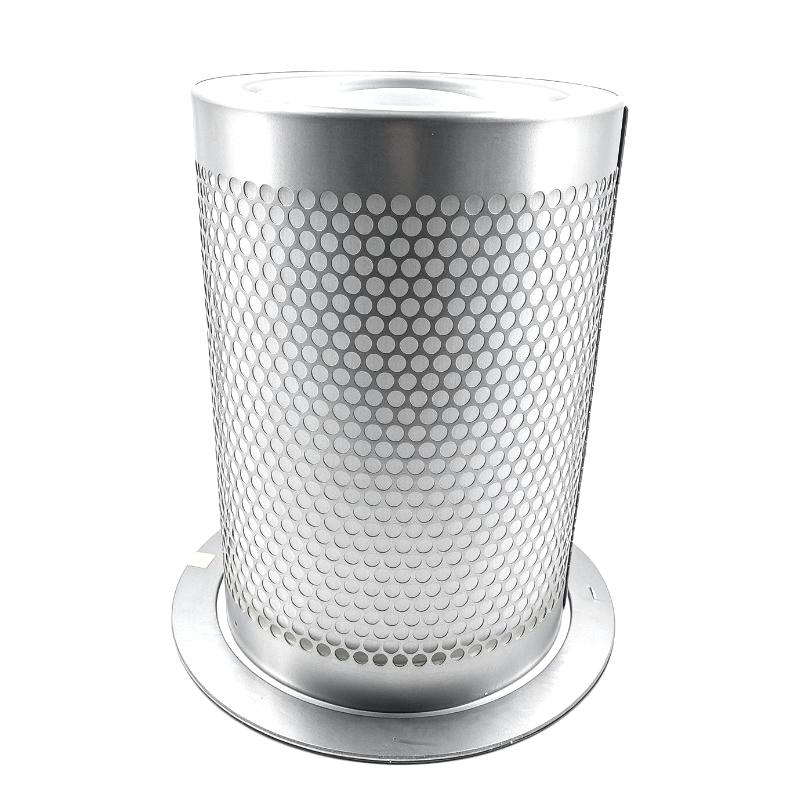
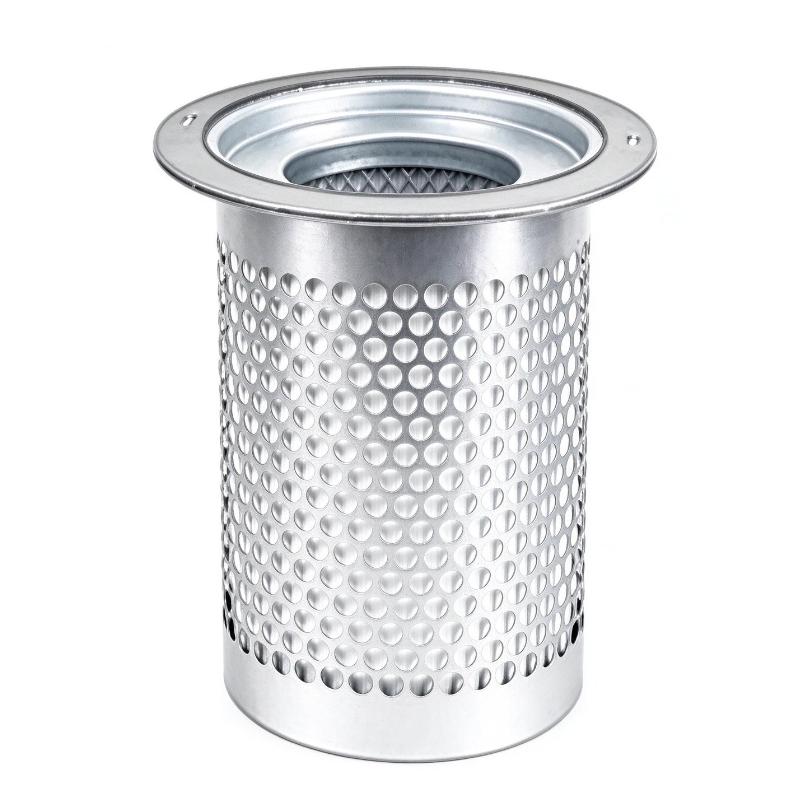
The Ingersoll Rand ZS1215594 is an air-oil separator element used in rotary screw air compressor systems. It separates lubricating oil from compressed air before the air moves into the downstream delivery circuit. The separation process helps control oil carryover while allowing recovered lubricant to return to the compressor’s oil circulation system.
In an oil-injected rotary screw compressor, lubricant performs several functions inside the compression chamber. It helps seal the rotor clearances, removes heat generated during compression, and lubricates internal components. As a result, the compressed air leaving the airend contains suspended oil droplets that must be removed before the air enters the downstream system.
The ZS1215594 performs this separation inside the compressor’s separator assembly. As the compressed air passes through the filter media, fine oil droplets combine into larger droplets. These droplets collect within the element and drain toward the oil recovery arrangement, while the separated air continues toward the minimum pressure valve and aftercooler.
This process is particularly relevant in facilities where compressed air is used continuously for pneumatic equipment, production machinery, and industrial instruments. Excessive oil carryover can contaminate downstream pipework, affect air treatment equipment, and increase maintenance requirements for connected machinery.
The condition of the separator element directly affects compressor operation. As the filter media accumulates contaminants or becomes restricted, airflow resistance can increase. A higher pressure differential across the separator may force the compressor to work harder to maintain its discharge pressure, increasing energy consumption.
For maintenance personnel, the ZS1215594 should therefore be evaluated not only as a filtration consumable but also as part of the compressor’s oil management system. Correct replacement helps maintain the intended separation process and prevents excessive lubricant from leaving with the compressed air.
Technical Specifications
| Parameter | Specification |
|---|---|
| Manufacturer | Ingersoll Rand |
| Model | ZS1215594 |
| Product Type | Air-Oil Separator Element |
| Product Category | Compressor Filtration Component |
| Application | Rotary Screw Air Compressor |
| Primary Function | Separation of Lubricating Oil from Compressed Air |
| Filtration Process | Coalescing Separation |
| Installation Position | Air-Oil Separator Assembly |
| Replacement Reference | OCP OS190-099 |
| Dimensions | 218 × 285 × 307 mm |
| Weight | 4.14 kg |
Product Features
- Oil-Aerosol Separation: Removes suspended lubricant droplets from compressed air through coalescing filtration.
- Oil Recovery: Allows collected lubricant to drain back into the compressor’s oil circulation system.
- Compressed Air Quality: Helps reduce oil carryover before compressed air enters downstream equipment.
- Coalescing Filter Media: Combines fine oil droplets into larger droplets that can be separated from the airflow.
- Separator Assembly Integration: Operates within the compressor’s air-oil separation vessel.
- Pressure Differential Consideration: Its condition affects airflow resistance and the pressure drop across the separator.
- Continuous Operation: Supports the ongoing separation process during normal compressor operation.
- Maintenance Replacement: Can be replaced when inspection or service conditions indicate deterioration or excessive restriction.
- Downstream Equipment Protection: Helps limit lubricant contamination in air treatment equipment and compressed-air distribution lines.
- Dedicated Part Identification: ZS1215594 identifies the specific separator element required for the corresponding compressor configuration.
Product Working Principle
The Ingersoll Rand ZS1215594 operates through a coalescing filtration process inside the compressor’s air-oil separator vessel.
During compression, lubricating oil becomes mixed with the compressed air. The resulting air-oil mixture enters the separator assembly, where the larger quantities of oil are removed before the remaining aerosol passes through the separator element.
The basic separation process is:
Air-Oil Mixture → Separator Vessel → ZS1215594 Filter Media → Oil Droplet Coalescence → Oil Recovery → Separated Compressed Air
As the mixture passes through the filter media, fine suspended oil droplets are captured and combine into larger droplets. Gravity and the separator’s internal oil recovery arrangement allow the collected lubricant to move toward the recovery outlet.
The separated air continues through the compressor’s discharge circuit. Depending on the compressor configuration, it then passes through the minimum pressure valve and aftercooler before entering the downstream air treatment system.
Two operating conditions are particularly important.
Oil Carryover: If the separator media becomes damaged, deteriorates, or loses its separation effectiveness, more lubricant may remain in the compressed air. This can result in increased oil consumption and contamination of downstream equipment.
Pressure Differential: As the separator becomes restricted, the pressure difference between its inlet and outlet may increase. The compressor must then overcome additional resistance to maintain the required discharge pressure.
The separator therefore needs to maintain a balance between effective oil removal and acceptable airflow resistance. Routine inspection and replacement at the appropriate service interval help maintain this balance.
Role in Ingersoll Rand Rotary Screw Compressor System Architecture
The ZS1215594 is installed in the air-oil separation section of the compressor. It operates between the compression stage and the downstream compressed-air delivery circuit.
Its function is closely connected to the compressor’s lubrication and air circulation systems. The airend produces an air-oil mixture, the separator removes suspended lubricant, and the recovered oil returns to the lubrication circuit.
A simplified process arrangement is:
Airend → Air-Oil Separator Vessel → ZS1215594 → Minimum Pressure Valve → Aftercooler → Compressed Air Outlet
The corresponding oil recovery arrangement returns collected lubricant toward the compressor’s oil circulation circuit.
| System Component | Function |
|---|---|
| Airend | Compresses incoming air and mixes it with lubricating oil in oil-injected configurations |
| Separator Vessel | Receives the compressed air-oil mixture and accommodates the separation element |
| ZS1215594 | Removes suspended oil droplets from compressed air |
| Oil Recovery Line | Returns collected lubricant to the compressor lubrication circuit |
| Minimum Pressure Valve | Maintains the required minimum pressure within the compressor system |
| Aftercooler | Reduces compressed air temperature before downstream delivery |
| Oil Filter | Removes contaminants from circulating compressor lubricant |
| Air Filter | Removes airborne particles from incoming air |
| Oil Cooler | Removes heat from the circulating lubricant |
| Pressure Monitoring Components | Monitor operating pressure and separator-related conditions |
The separator element is not a substitute for the oil filter or air filter. Each component serves a different stage of the compressor’s filtration and fluid management process.
Industrial Applications
The ZS1215594 is relevant to industrial compressed-air systems using compatible oil-injected rotary screw compressors.
| Industrial Application | Typical Use |
|---|---|
| Oil and Gas Processing | Maintaining oil separation in compressors supplying plant utility air |
| Petrochemical Plants | Controlling lubricant carryover in compressed-air systems |
| Chemical Manufacturing | Supporting compressed-air quality for pneumatic equipment |
| Automotive Manufacturing | Supplying compressed air for pneumatic tools and production machinery |
| Metal Processing | Supporting air supply for machining and pneumatic equipment |
| Food and Beverage Manufacturing | Helping limit compressor lubricant carryover before downstream air treatment |
| Pharmaceutical Facilities | Supporting compressor air treatment systems requiring controlled oil carryover |
| Textile Manufacturing | Maintaining compressed-air supply for pneumatic production equipment |
| Packaging Machinery | Supporting continuous compressed-air supply for automated packaging lines |
| General Industrial Manufacturing | Maintaining oil separation in plant-wide compressed-air systems |
Installation and Maintenance
- Verify the Part Number: Confirm that the replacement element is Ingersoll Rand ZS1215594 and matches the compressor’s separator assembly.
- Check Compressor Compatibility: Verify the compressor model and installed separator configuration before ordering or installing the element.
- Shut Down the Compressor: Stop the compressor according to the approved maintenance procedure and isolate the electrical power supply.
- Release Internal Pressure: Allow the separator vessel to depressurize completely before opening the assembly. Never remove the separator cover while pressure remains inside.
- Drain the Lubricant: Follow the compressor service procedure to drain or recover the oil required for safe separator replacement.
- Remove the Existing Element: Carefully remove the old separator element without damaging the separator vessel, sealing surfaces, or internal connections.
- Inspect the Separator Housing: Check the internal vessel for accumulated deposits, sludge, damaged surfaces, or other contamination.
- Check the Oil Recovery Arrangement: Inspect the oil recovery line and associated connections for blockage or damage that could interfere with collected oil returning to the lubrication circuit.
- Install the Replacement Element: Position the ZS1215594 correctly and follow the specified installation procedure for the separator assembly.
- Inspect Sealing Components: Check the associated gaskets and sealing surfaces, replacing damaged sealing components where required.
- Perform an Operational Check: Restart the compressor according to the service procedure and monitor discharge pressure, separator differential pressure, and oil carryover.
- Record Maintenance Information: Document the replacement part number, service date, operating hours, and observed separator condition.
If the compressor continues to show excessive oil carryover after replacing the element, inspect the oil recovery line, separator seals, and operating conditions. Replacing the separator alone may not resolve problems caused by an obstructed oil return circuit or an incorrectly assembled separator housing.
Compatible System Components
| Component | Function |
|---|---|
| Ingersoll Rand ZS1215594 | Air-oil separator element |
| Air-Oil Separator Vessel | Houses the separator element and receives the compressed air-oil mixture |
| Oil Recovery Line | Returns separated lubricant to the compressor oil circuit |
| Minimum Pressure Valve | Maintains minimum operating pressure within the compressor |
| Ingersoll Rand Oil Filter Element | Filters contaminants from circulating compressor oil |
| Ingersoll Rand Air Filter Element | Removes dust and airborne particles from incoming air |
| Oil Cooler | Reduces lubricant temperature during compressor operation |
| Aftercooler | Cools compressed air before downstream delivery |
| Separator Differential Pressure Monitoring | Helps identify increasing restriction across the separator |
Recommended Related Models
| Model / Product | Product Type | Typical Application |
|---|---|---|
| Ingersoll Rand ZS1215594 | Air-Oil Separator Element | Main separator replacement component |
| Ingersoll Rand ZS1210538 | Air-Oil Separator Element | Related separator part reference |
| OCP OS190-099 | Air-Oil Separator Element | Replacement reference for ZS1215594 |
| Ingersoll Rand ZS1215403 | Rotary Screw Compressor Oil Filter | Lubricant filtration |
| Ingersoll Rand 39903265 | Air Filter Element | Incoming air filtration |
| Ingersoll Rand 49032709 | Pre-Filter Pad | Preliminary air filtration |
Key Advantages
- Coalescing separation of suspended oil droplets.
- Helps control oil carryover in compressed air.
- Supports lubricant recovery within the compressor circuit.
- Contributes to downstream compressed-air cleanliness.
- Helps maintain the intended separator pressure differential.
- Suitable for scheduled compressor filtration maintenance.
- Dedicated replacement identification for compatible separator assemblies.
Technical FAQs
1. What is the function of the Ingersoll Rand ZS1215594?
The ZS1215594 is an air-oil separator element used in compatible rotary screw compressors. It removes suspended lubricant droplets from compressed air through coalescing filtration and allows the collected oil to return to the compressor lubrication circuit.
2. What happens when the ZS1215594 becomes restricted?
A restricted separator can create a higher pressure differential between its inlet and outlet. This increases the resistance to compressed-air flow and may cause the compressor to consume more energy to maintain its required discharge pressure. Separator restriction should be investigated when differential pressure rises beyond the applicable service limit.
3. Why might a compressor show excessive oil carryover after separator replacement?
Excessive oil carryover is not always caused by the separator element itself. Possible causes include an obstructed oil recovery line, damaged sealing components, incorrect installation, or abnormal compressor operating conditions. These areas should be inspected before assuming that the replacement element is defective.
4. Should the oil recovery line be inspected when replacing the ZS1215594?
Yes. The oil recovery arrangement is essential to the separation process because it returns collected lubricant to the compressor. A blocked or incorrectly connected recovery line can prevent proper oil drainage and contribute to increased oil carryover, even when the separator element is in good condition.