

ProductPRODUCT
Featured products
Contact Us
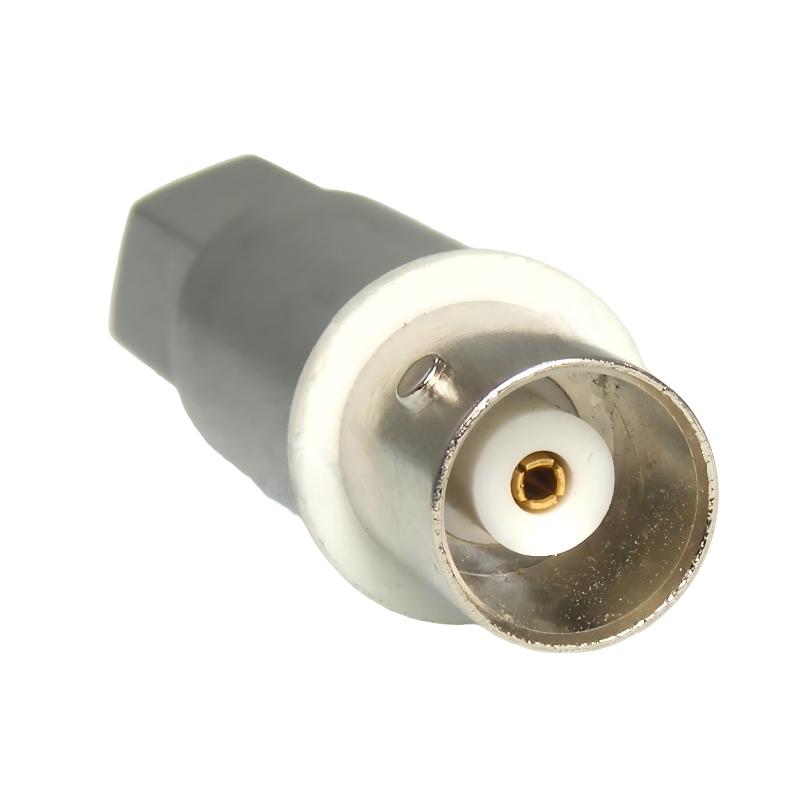
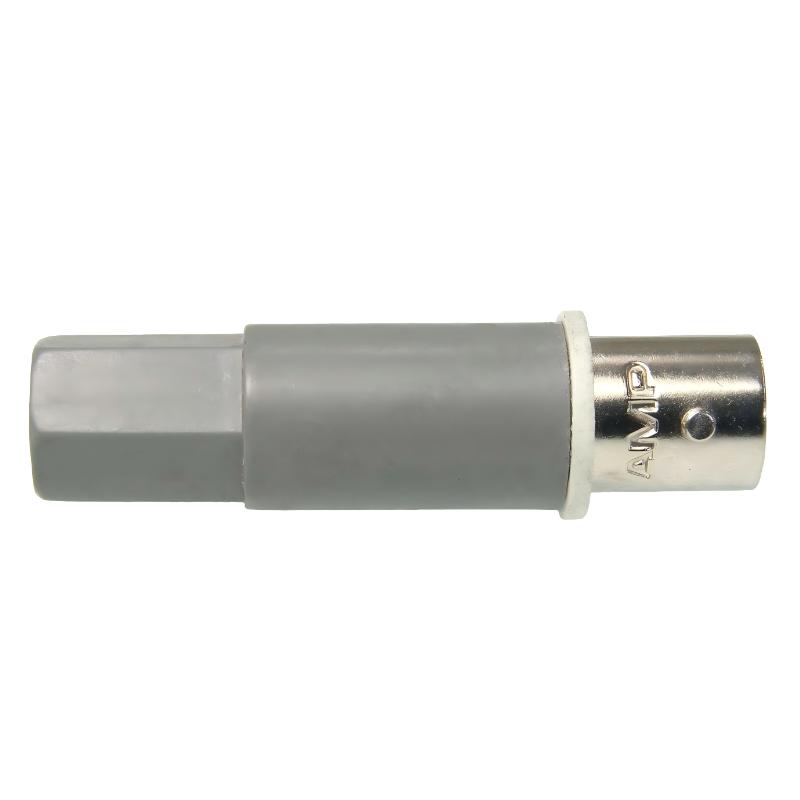
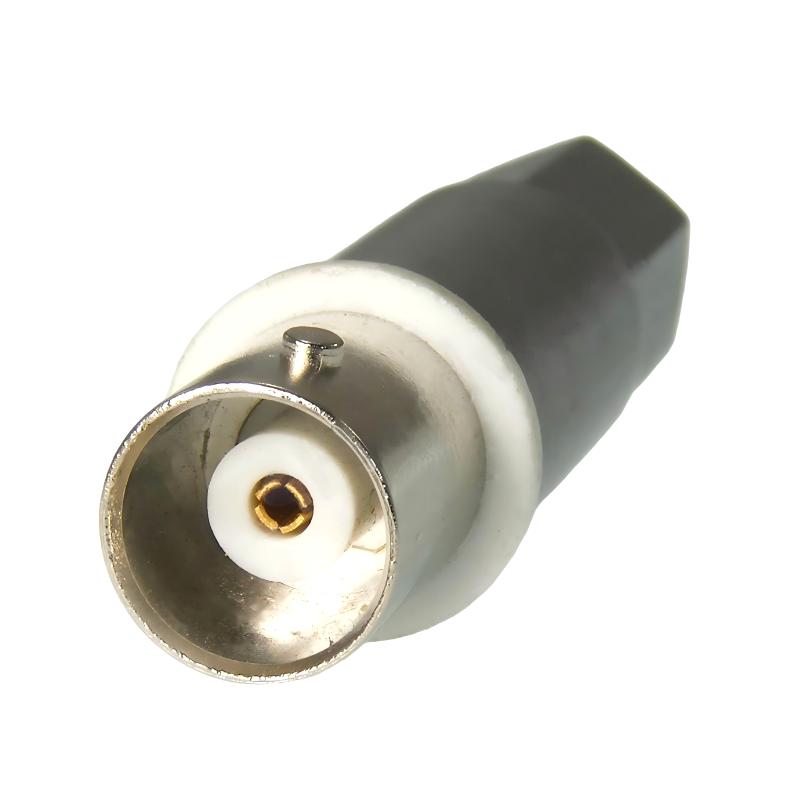
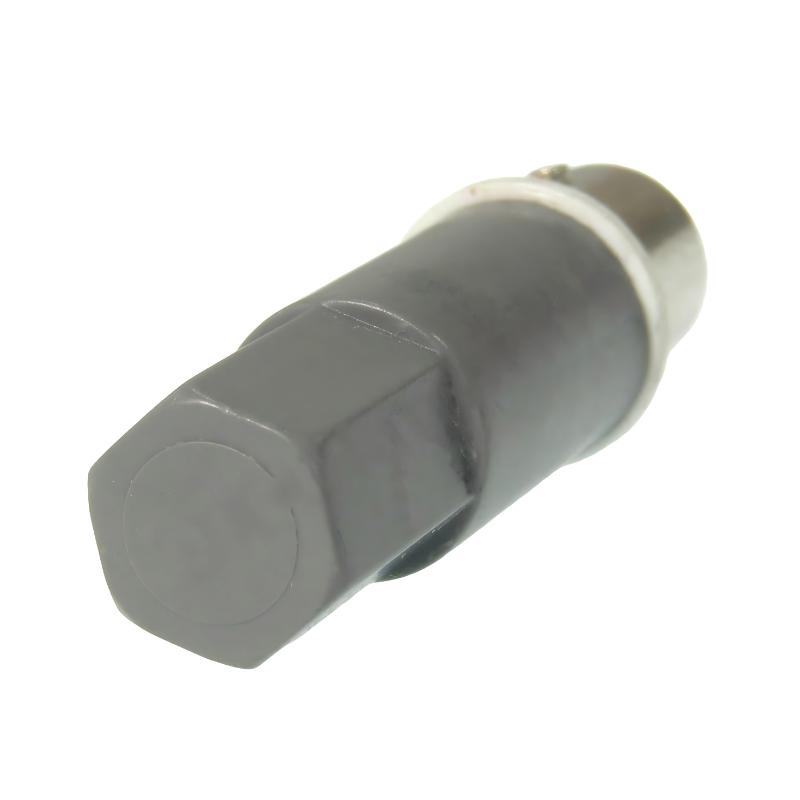
- Allen Bradley
- 1786-TCAP
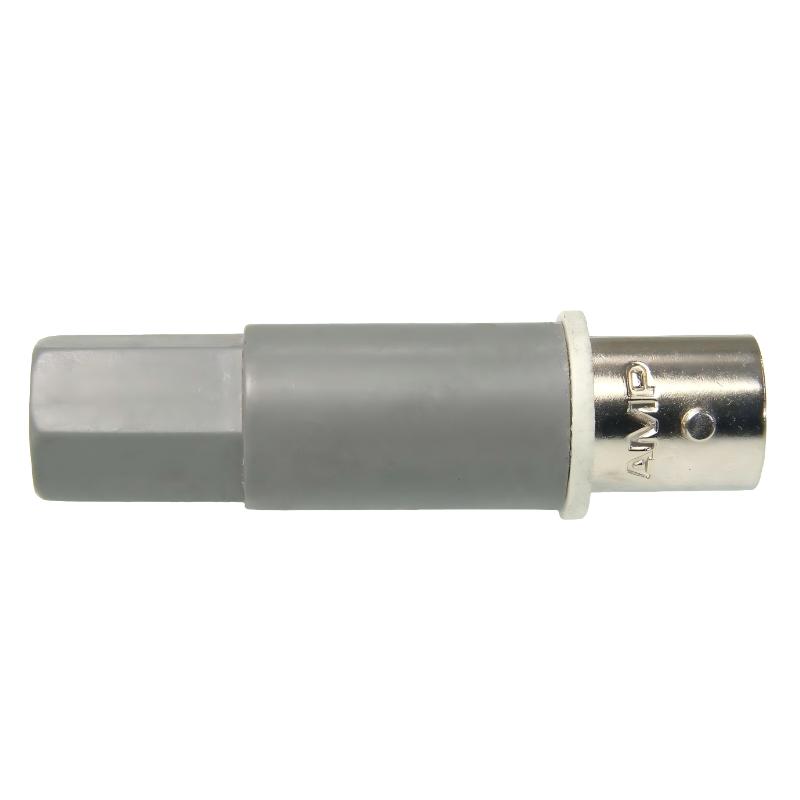
- ControlNet Media Dummy Load Connector
- USA
- 30 × 10 × 20 mm
- 0.1 kg
- Xiamen, China
- New & In Stock
- T/T, PayPal, Western Union
- 1 Year
- 1-3 Working Days
- DHL, UPS, TNT, FedEx and EMS.
- 24-Hour Service
- COO
- 3
Our advantage

Global Logistics
We have a 10-year logistics and express cooperation agreement, so our products can be shipped to any place in the world.

Brand new and original
Our products are imported in bulk from the place of origin. Because of the cooperative relationship, our products are all original and 100% new.

24-hour service
We provide 7*24 hours service to our customers. We will be there whenever you need us.

Price advantage
All our products are priced very favorably because we have our own warehouse and supply.
| Company Information | |||
| [email protected] | |||
| Mobile | +8615980777398 | ||
| +8615980777398 | |||
| 15980777398 |
Product Overview
The Allen-Bradley 1786-TCAP is a ControlNet media dummy load connector used to terminate unused tap connections in coaxial ControlNet networks. It allows spare taps to remain installed on the network trunk without connecting an active ControlNet device to every tap.
In industrial installations, network expansion is often planned before all controllers, remote I/O stations, or other network devices are installed. Rather than modifying the trunk cable whenever another device is added, engineers can install additional taps during the initial network construction. The 1786-TCAP provides the required termination for those temporarily unused connections.
For example, a manufacturing facility may have several production stations connected along a ControlNet coaxial trunk. Some stations may be commissioned immediately, while others are reserved for future production lines. An unused tap can be fitted with a 1786-TCAP until the corresponding network device is installed.
The dummy load also helps prevent communication disturbances caused by leaving a tap disconnected. An open tap connection can introduce unwanted electrical noise and affect the signal quality of the shared coaxial network.
One important distinction is that the 1786-TCAP is not the same as the 1786-XT trunk terminating resistor. The TCAP terminates an unused tap or drop connection, whereas the 1786-XT is installed at the two physical ends of a ControlNet coaxial segment.
The 1786-TCAP is a passive network accessory. It does not communicate with controllers, receive network addresses, or participate in ControlNet data transmission. Its function is limited to maintaining the appropriate termination condition at an unused tap.
Technical Specifications
| Parameter | Specification |
|---|---|
| Manufacturer | Allen-Bradley |
| Brand | Rockwell Automation |
| Model | 1786-TCAP |
| Product Series | ControlNet |
| Product Type | ControlNet Media Dummy Load Connector |
| Component Type | Coaxial Tap Dummy Load |
| Network Compatibility | Allen-Bradley ControlNet |
| Media Type | RG-6 Coaxial |
| Connector Type | BNC |
| Application | Unused ControlNet Tap Termination |
| Operating Temperature | -20 to +80°C |
| Package Quantity | 5 pieces |
| Dimensions | 30 × 10 × 20 mm |
| Weight | 0.1 kg |
Product Features
- Unused Tap Termination: Provides termination for ControlNet taps that do not currently have an active network device connected.
- Network Noise Reduction: Helps prevent unwanted noise entering the coaxial network through disconnected tap connections.
- Future Network Expansion: Allows spare taps to remain installed for later connection of additional automation equipment.
- BNC Connection: Uses the BNC connection arrangement for compatible ControlNet coaxial tap assemblies.
- Passive Operation: Does not require an external power supply or network configuration.
- ControlNet Compatibility: Intended for the Allen-Bradley ControlNet coaxial media system.
- Maintenance Convenience: Allows unused network connections to remain properly terminated during equipment changes.
- Multiple Tap Support: Can be used on spare taps throughout a ControlNet installation, subject to network planning restrictions.
- Compact Accessory: Provides a simple termination solution without requiring additional active network hardware.
Product Working Principle
The 1786-TCAP maintains the electrical termination of an unused ControlNet tap connection.
ControlNet coaxial networks use a shared 75-ohm transmission medium. When a tap is connected to the trunk but its drop cable is left open, the disconnected branch can introduce unwanted signal reflections and electrical noise.
The dummy load is fitted to the unused tap connection to provide the appropriate termination condition. This helps prevent the open branch from affecting communication signals traveling through the main coaxial trunk.
A typical arrangement is:
ControlNet RG-6 Trunk → Network Tap → Drop Cable → 1786-TCAP
When an active ControlNet device is installed later, the dummy load can be removed and the appropriate device connection established.
The 1786-TCAP does not replace the trunk terminating resistors. Every coaxial network segment still requires the appropriate 75-ohm terminating resistors at both ends. The dummy load and trunk terminator serve different purposes within the network.
This distinction is important during troubleshooting. If a ControlNet segment experiences communication errors, technicians should check both the unused tap connections and the trunk termination arrangement rather than treating them as interchangeable components.
Role in Allen-Bradley ControlNet Network Architecture
The 1786-TCAP serves as a passive termination accessory within the ControlNet coaxial media architecture. It maintains unused tap connections so that additional network devices can be installed later without leaving open branches on the communication network.
A typical network arrangement is:
ControlNet Trunk Cable → 1786-RG6 → 1786-TPS / 1786-TPR → Drop Cable → ControlNet Node or 1786-TCAP
| System Component | Function |
|---|---|
| Allen-Bradley 1786-TCAP | Terminates unused ControlNet tap connections |
| 1786-RG6 | Provides the main RG-6 coaxial trunk cable |
| 1786-RG6F | Provides high-flex coaxial cable for suitable installation environments |
| 1786-TPS | Provides a straight coaxial network tap |
| 1786-TPR | Provides a right-angle coaxial network tap |
| 1786-XT | Terminates the two ends of a coaxial network segment |
| 1786-BNC | Provides BNC coaxial cable connections |
| 1786-RPA | Provides the modular repeater adapter interface |
| 1786-RPFS | Provides short-distance fiber repeater functionality |
| ControlNet Communication Modules | Connect PLC controllers to the ControlNet network |
| Remote I/O Adapters | Connect distributed I/O stations to the network |
The 1786-TCAP is particularly useful when spare taps are installed during initial network construction. However, the number of disconnected taps must remain within the applicable ControlNet network planning limits.
Industrial Applications
The 1786-TCAP is used in ControlNet installations where spare coaxial taps need to remain properly terminated while network equipment is being installed, replaced, or expanded.
| Industrial Application | Typical Use |
|---|---|
| Automotive Manufacturing | Terminating spare taps reserved for future production stations |
| Packaging Machinery | Maintaining unused network connections during production-line expansion |
| Steel Manufacturing | Terminating spare ControlNet connections in distributed control areas |
| Power Generation | Maintaining unused taps in control and monitoring network installations |
| Oil and Gas Automation | Providing termination for spare coaxial network branches |
| Chemical Processing | Maintaining unused connections in distributed process control networks |
| Water Treatment | Preparing additional ControlNet tap locations for future equipment |
| Material Handling | Terminating spare connections along conveyor control networks |
| Industrial Drive Systems | Maintaining unused network branches in drive control installations |
| General Manufacturing | Supporting planned ControlNet network expansion and maintenance |
Installation and Maintenance
- Identify the Unused Tap: Confirm which ControlNet tap connection does not currently have an active network device attached.
- Verify Component Compatibility: Check that the tap and drop cable arrangement is compatible with the 1786-TCAP.
- Inspect the Connector: Examine the BNC connection for dirt, deformation, or visible damage before installation.
- Check Network Conditions: Identify the affected ControlNet segment and confirm that the number of dummy-load-terminated taps complies with network restrictions.
- Prepare the Connection: Ensure that the unused tap or drop cable is accessible and that its connector is clean.
- Install the Dummy Load: Fit the 1786-TCAP to the appropriate unused tap connection and ensure that the connection is properly seated.
- Secure the Connection: Check that the dummy load remains firmly connected and is not exposed to unnecessary mechanical stress.
- Maintain Cable Separation: Keep the associated coaxial drop cable away from sharp edges and sources of physical damage.
- Check Trunk Termination: Verify that the two ends of the main ControlNet coaxial segment still have the required 1786-XT terminating resistors.
- Verify Network Communication: Check the ControlNet network status after installation to confirm that communication remains normal.
- Remove Before Device Installation: When an additional network node is commissioned, remove the dummy load and connect the appropriate device drop cable.
- Document Spare Connections: Record the locations of unused taps and their termination status to simplify future expansion and maintenance.
During troubleshooting, do not remove a dummy load simply because the corresponding tap is not connected to an active device. An open tap can introduce noise into the network. Also, avoid using the 1786-TCAP as a substitute for the terminating resistors required at the ends of the trunk segment.
Compatible System Components
| Component | Function |
|---|---|
| Allen-Bradley 1786-TCAP | ControlNet tap dummy load connector |
| Allen-Bradley 1786-RG6 | Standard ControlNet coaxial trunk cable |
| Allen-Bradley 1786-RG6F | High-flex ControlNet coaxial cable |
| Allen-Bradley 1786-TPS | Straight ControlNet coaxial tap |
| Allen-Bradley 1786-TPR | Right-angle ControlNet coaxial tap |
| Allen-Bradley 1786-XT | ControlNet trunk terminating resistor |
| Allen-Bradley 1786-BNC | ControlNet BNC cable connector |
| Allen-Bradley 1786-CTK | ControlNet coaxial cable toolkit |
| Allen-Bradley 1786-RPA | ControlNet modular repeater adapter |
| Allen-Bradley 1786-RPFS | ControlNet short-distance fiber repeater |
Recommended Related Models
| Model / Product | Product Type | Typical Application |
|---|---|---|
| Allen-Bradley 1786-TPS | ControlNet Straight BNC Tap | Connecting network nodes to the coaxial trunk |
| Allen-Bradley 1786-TPR | ControlNet Right-Angle BNC Tap | Providing an alternative tap connection arrangement |
| Allen-Bradley 1786-XT | ControlNet BNC Terminating Resistor | Terminating the ends of coaxial network segments |
| Allen-Bradley 1786-RG6 | ControlNet Coaxial Cable | Building the main ControlNet trunk |
| Allen-Bradley 1786-BNC | ControlNet BNC Cable Connector | Connecting coaxial cable sections |
| Allen-Bradley 1786-CTK | ControlNet Media Toolkit | Preparing and installing coaxial network connections |
Key Advantages
- Maintains proper termination at unused ControlNet tap connections.
- Helps reduce noise caused by open coaxial branches.
- Supports planned network expansion without immediate device installation.
- Uses a compatible BNC connection arrangement.
- Passive operation without an external power supply.
- Simplifies maintenance of spare ControlNet network connections.
- Complements the 1786-RG6 coaxial trunk and ControlNet tap system.
Technical FAQs
1. What is the main purpose of the Allen-Bradley 1786-TCAP?
The 1786-TCAP terminates an unused ControlNet tap or drop connection. It prevents an open branch from introducing unwanted noise into the coaxial network and allows spare taps to remain available for future equipment installation.
2. Is the 1786-TCAP interchangeable with the 1786-XT?
No. The two components have different functions. The 1786-TCAP terminates an unused tap connection, while the 1786-XT is a 75-ohm terminating resistor installed at each end of a ControlNet coaxial segment.
3. Can multiple 1786-TCAP connectors be installed on the same ControlNet network?
Yes, multiple dummy loads can be used on different unused taps. However, Rockwell Automation’s ControlNet IP67 installation instructions specify that no more than 10% of the taps in a network may be terminated with 1786-TCAP dummy loads. The applicable network installation rules should be checked before adding multiple unused connections.
4. Can the 1786-TCAP remain installed when a new ControlNet device is added?
No. The dummy load must be removed from the corresponding tap connection before connecting the active device’s drop cable. The device connection should then be checked to ensure normal ControlNet communication.