

ProductPRODUCT
Featured products
Contact Us
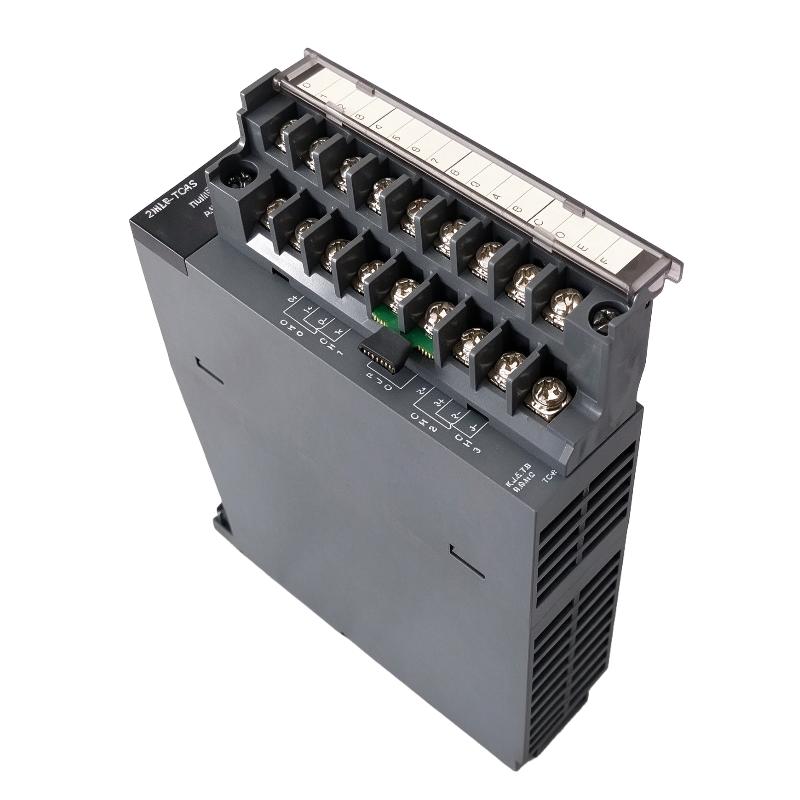
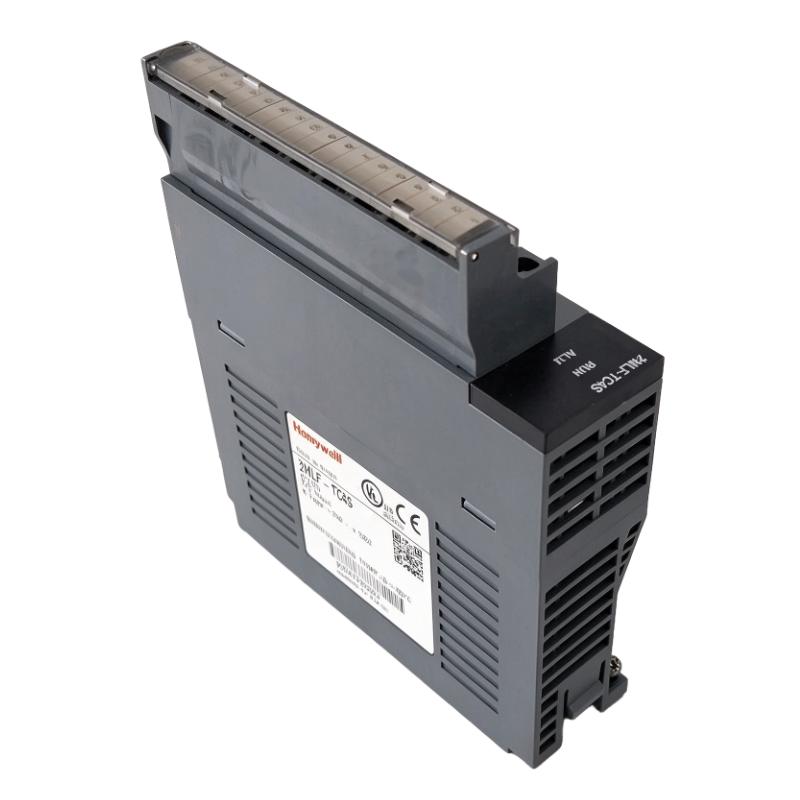
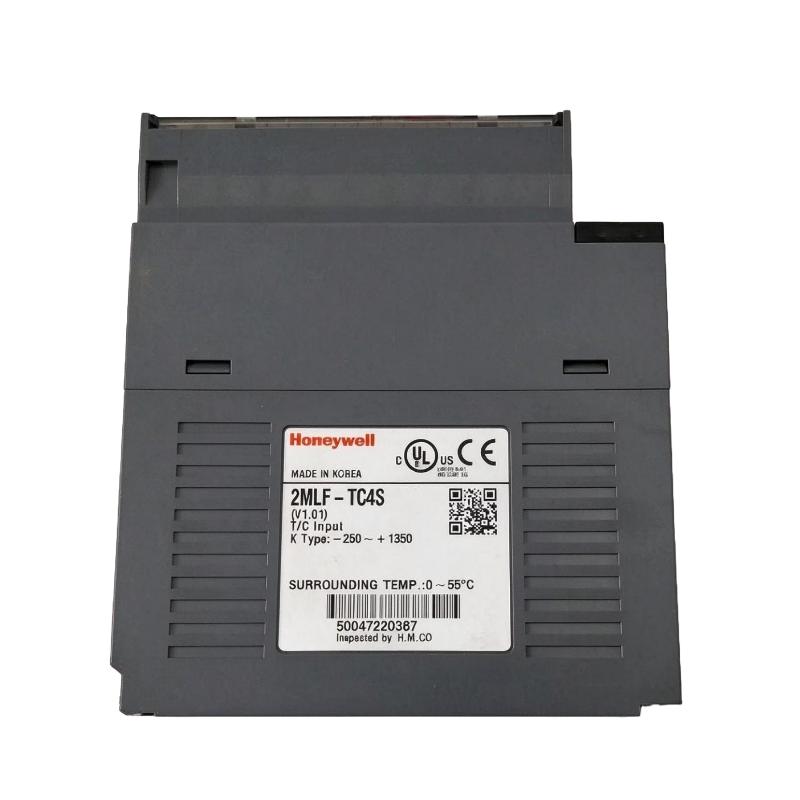
- Honeywell
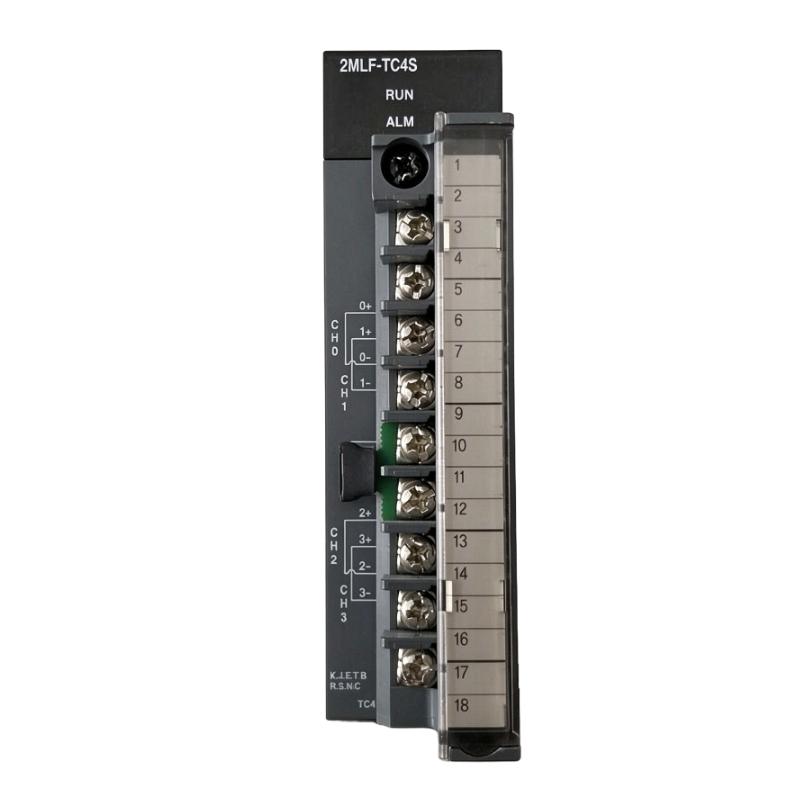
- 2MLF-TC4S
- Thermocouple Input Module
- USA
- 113 × 27 × 98 mm
- 0.15 kg
- Xiamen, China
- New & In Stock
- T/T, PayPal, Western Union
- 1 Year
- 1-3 Working Days
- DHL, UPS, TNT, FedEx and EMS.
- 24-Hour Service
- COO
- 6
Our advantage

Global Logistics
We have a 10-year logistics and express cooperation agreement, so our products can be shipped to any place in the world.

Brand new and original
Our products are imported in bulk from the place of origin. Because of the cooperative relationship, our products are all original and 100% new.

24-hour service
We provide 7*24 hours service to our customers. We will be there whenever you need us.

Price advantage
All our products are priced very favorably because we have our own warehouse and supply.
| Company Information | |||
| [email protected] | |||
| Mobile | +8615980777398 | ||
| +8615980777398 | |||
| 15980777398 |
Product Overview
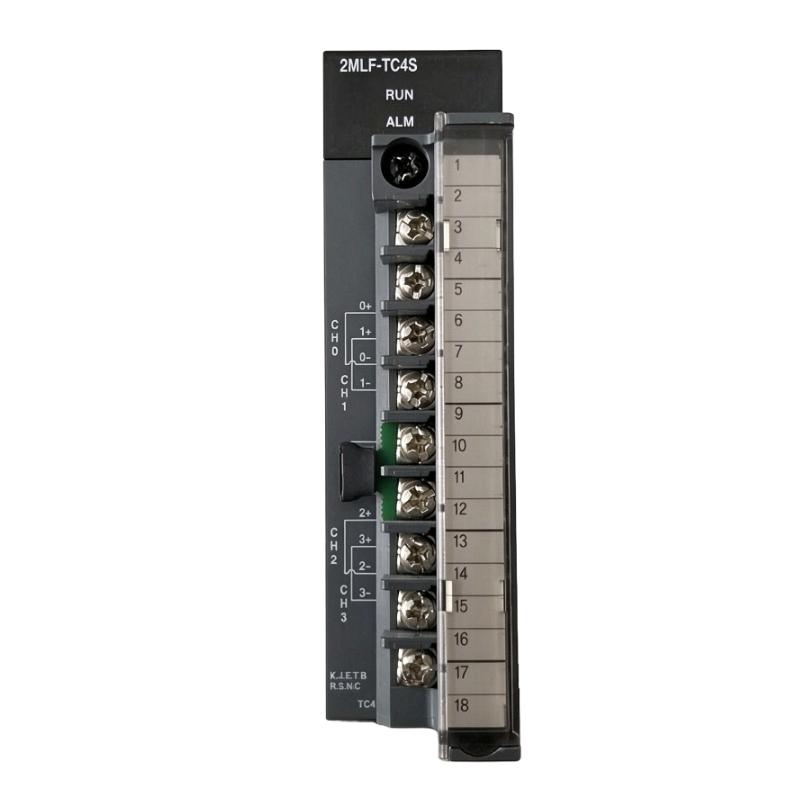
The Honeywell 2MLF-TC4S MasterLogic-200 Thermocouple Input Module is a four-channel temperature acquisition module for industrial PLC systems that use thermocouples to measure process temperatures. It converts thermocouple signals into digital temperature data for the MasterLogic-200 CPU, enabling process monitoring, alarm handling, and temperature-based control.
The module supports nine thermocouple types: K, J, E, T, B, R, S, N, and C. This range allows the same module family to serve applications with different temperature requirements, from general-purpose process monitoring to high-temperature furnace and thermal-processing equipment. Each channel must be configured for the thermocouple type actually connected to it.
The 2MLF-TC4S provides isolation between input channels, an important distinction when several temperature sensors operate at different electrical potentials or are installed in separate parts of a process. It also uses automatic reference-junction compensation based on a PT100 sensor, helping account for the reference-junction temperature when converting thermocouple signals.
With a specified conversion speed of 40 ms per channel, the module is suited to industrial temperature monitoring where channel-level acquisition and electrical isolation are required. Engineers should verify thermocouple type, polarity, wiring, measurement range, and compensation settings before commissioning or replacing an existing module.
Technical Specifications
| Parameter | Specification |
|---|---|
| Manufacturer | Honeywell |
| Product Type | MasterLogic-200 Thermocouple Input Module |
| Model | 2MLF-TC4S |
| Product Series | MasterLogic-200 |
| Module Type | Isolated Thermocouple Input Module |
| Number of Input Channels | 4 |
| Supported Thermocouple Types | K, J, E, T, B, R, S, N, C |
| Reference Standard | JIS C1602-1995, ITS-90 |
| Type K Temperature Range | −250 to 1350°C |
| Type J Temperature Range | −200 to 1200°C |
| Type E Temperature Range | −250 to 1000°C |
| Type T Temperature Range | −250 to 400°C |
| Type B Temperature Range | 400 to 1800°C |
| Type R Temperature Range | −50 to 1750°C |
| Type S Temperature Range | −50 to 1750°C |
| Type N Temperature Range | −270 to 1300°C |
| Type C Temperature Range | 0 to 2300°C |
| Temperature Display Resolution | 0.1°C |
| User-Defined Digital Scaling | 0–65535 or −32768 to 32767 |
| Accuracy at 25°C | ±0.1%; some sections may allow up to 1% of the measurable sensor temperature range |
| Temperature Coefficient | ±100 ppm/°C |
| Conversion Speed | 40 ms per channel |
| Channel-to-Channel Isolation | Isolated |
| Terminal-to-PLC Power Isolation | Photocoupler isolation |
| Cold-Junction Compensation | Automatic, using RJC sensing with a PT100 |
| Compensation Accuracy | ±1.0°C |
| Averaging Functions | Time average, frequency average, moving average |
| Time-Averaging Setting | 320–64000 ms |
| Frequency-Averaging Setting | 2–64000 times |
| Moving-Average Setting | 2–100 samples |
| Alarm Functions | Process alarm, gradient alarm |
| Terminal Connection | 18-point terminal block |
| Dimensions | 113 × 27 × 98 mm |
| Weight | 0.15 kg |
Product Features
- Four-channel temperature acquisition: Reads four thermocouple inputs within a single PLC module.
- Nine supported thermocouple types: Accepts K, J, E, T, B, R, S, N, and C sensors.
- Channel-to-channel isolation: Separates the input channels electrically to support installations with different sensor grounding conditions.
- Automatic cold-junction compensation: Uses PT100-based reference-junction sensing to compensate for the reference temperature.
- High-temperature measurement capability: Supports Type C thermocouple measurements up to 2300°C within the specified range.
- Digital temperature conversion: Supplies temperature values to the PLC program for display, monitoring, and control.
- Configurable averaging: Offers time, frequency, and moving-average functions to reduce measurement fluctuations.
- Process alarm monitoring: Supports configured temperature limits for detecting abnormal process conditions.
- Gradient alarm function: Helps identify temperature changes that exceed configured change-rate criteria.
- PLC power isolation: Uses photocoupler isolation between the terminal side and PLC power.
Working Principle
The 2MLF-TC4S acquires the small electrical voltage generated by a thermocouple in response to a temperature difference between its measuring junction and reference junction. The module processes this signal, applies the selected thermocouple characteristic and reference-junction compensation, and converts the result into digital temperature data.
The basic signal path is:
Thermocouple Sensor → Thermocouple Input Circuit → Reference-Junction Compensation → Digital Temperature Conversion → MasterLogic-200 CPU
The module supports nine thermocouple types, each with its own temperature-to-voltage characteristic and measurement range. For example, Type K supports −250 to 1350°C, while Type B supports 400 to 1800°C and Type C supports 0 to 2300°C. Selecting the wrong sensor type can cause significant measurement errors even when the thermocouple wiring is intact.
Thermocouples measure a temperature difference rather than an absolute temperature directly. The module therefore uses automatic reference-junction compensation based on a PT100 sensing element. This compensation accounts for the reference-junction temperature when calculating the indicated process temperature.
The four input channels are isolated from one another. This helps prevent unwanted electrical interaction between thermocouple circuits, particularly in systems where sensors are installed on different pieces of equipment or operate at different electrical potentials. Correct wiring and grounding remain necessary.
The module converts each channel at a specified rate of 40 ms per channel. Its averaging functions can smooth unstable readings: time averaging uses a configured time interval, frequency averaging uses a selected number of measurements, and moving averaging calculates a result from a rolling set of samples. Stronger filtering can reduce noise but may delay the response to a genuine temperature change.
Process alarms and gradient alarms provide additional monitoring functions. The PLC application can use the resulting data and status information to identify temperatures outside configured limits or temperature changes that require operator attention.
Role in the MasterLogic-200 Control Architecture
The 2MLF-TC4S acts as the thermocouple measurement interface between field temperature sensors and the MasterLogic-200 CPU. It supplies converted temperature values that can be used for process monitoring, alarm evaluation, and automatic control.
A typical arrangement is:
Thermocouple Sensors → 2MLF-TC4S → MasterLogic-200 CPU → Control Logic → Heating or Cooling Equipment
| System Component | Function |
|---|---|
| MasterLogic-200 CPU | Processes temperature data and executes control logic |
| 2MLF-TC4S | Converts four thermocouple signals into digital temperature values |
| Thermocouple Sensors | Generate temperature-dependent voltage signals |
| Analog Output Module | Sends compatible analog commands to control equipment |
| Digital Input Module | Receives equipment status and interlock signals |
| Digital Output Module | Operates discrete control devices according to PLC logic |
| Heating or Cooling Controller | Regulates the associated process equipment |
| PLC Base and Backplane | Provides module mounting and electrical interconnection |
| Engineering Software | Supports configuration, monitoring, and troubleshooting |
| Operator Interface | Displays temperature readings, alarms, and equipment status |
The module handles temperature acquisition and conversion; the PLC program determines how those readings affect equipment operation. For critical temperature applications, the complete system must also account for sensor response time, control-loop behavior, alarm limits, and any independent protective devices required by the process.
Industrial Applications
| Application | Typical Use |
|---|---|
| Industrial Furnaces | Monitoring high-temperature zones and furnace conditions |
| Heat Treatment | Measuring temperatures during thermal-processing cycles |
| Chemical Processing | Monitoring reaction vessels, process lines, and heated equipment |
| Metallurgical Equipment | Acquiring temperature readings from high-temperature processes |
| Plastic Processing | Monitoring heating zones in compatible machinery |
| Food Processing | Measuring temperatures in ovens, heaters, and processing equipment |
| Industrial Ovens | Tracking temperature profiles across multiple measurement points |
| Power Generation | Monitoring thermal conditions at compatible equipment locations |
| Kilns and Ceramic Production | Measuring temperatures in high-temperature processing zones |
| General Manufacturing | Integrating thermocouple measurements into PLC-based process control |
The appropriate thermocouple type depends on the process temperature, sensor construction, installation environment, and required measurement accuracy. Confirm that the sensor and its wiring are compatible with the module’s input configuration before selecting a measurement range.
Installation and Maintenance
- Verify the module identity: Confirm the Honeywell 2MLF-TC4S model and its four-channel isolated thermocouple input function before installation or replacement.
- Identify each thermocouple type: Determine whether each connected sensor is Type K, J, E, T, B, R, S, N, or C before configuring the corresponding channel.
- Check the operating temperature range: Ensure that the expected process temperature falls within the specified range for the selected thermocouple type.
- Verify thermocouple polarity: Check the positive and negative conductors against the sensor and module wiring diagrams to prevent incorrect readings.
- Inspect sensor wiring: Check for loose terminals, damaged insulation, corrosion, extension-wire mismatches, and other conditions that may affect the thermocouple signal.
- Configure cold-junction compensation: Verify that the automatic reference-junction compensation function is operating and that the terminal wiring arrangement follows the applicable instructions.
- Set the digital temperature format: Confirm that the PLC program interprets the module’s temperature values or user-defined scaling correctly.
- Configure averaging and filtering: Select appropriate time, frequency, or moving-average settings according to signal stability and the required process response.
- Set alarm parameters: Review process-temperature limits and gradient alarm criteria against the application’s operating requirements.
- Check channel isolation requirements: Confirm that the sensor wiring and grounding arrangements take advantage of the module’s isolated input channels without creating unintended ground paths.
- Compare readings with a reference: During commissioning, compare representative channel readings with an appropriate calibrated temperature reference under controlled conditions.
- Record commissioning results: Document thermocouple types, channel assignments, configured ranges, compensation settings, averaging parameters, and alarm thresholds.
Follow the applicable Honeywell safety and installation procedures before removing or installing the module. If a temperature reading is incorrect, inspect the sensor type, polarity, wiring, reference-junction compensation, and configuration before concluding that the module is defective.
Compatible System Components
The 2MLF-TC4S is part of the Honeywell MasterLogic-200 modular I/O family. The following components may be used alongside it in a compatible PLC configuration, depending on the required measurement and control functions.
| Component | Function |
|---|---|
| Honeywell MasterLogic-200 CPU | Executes PLC logic and processes temperature measurements |
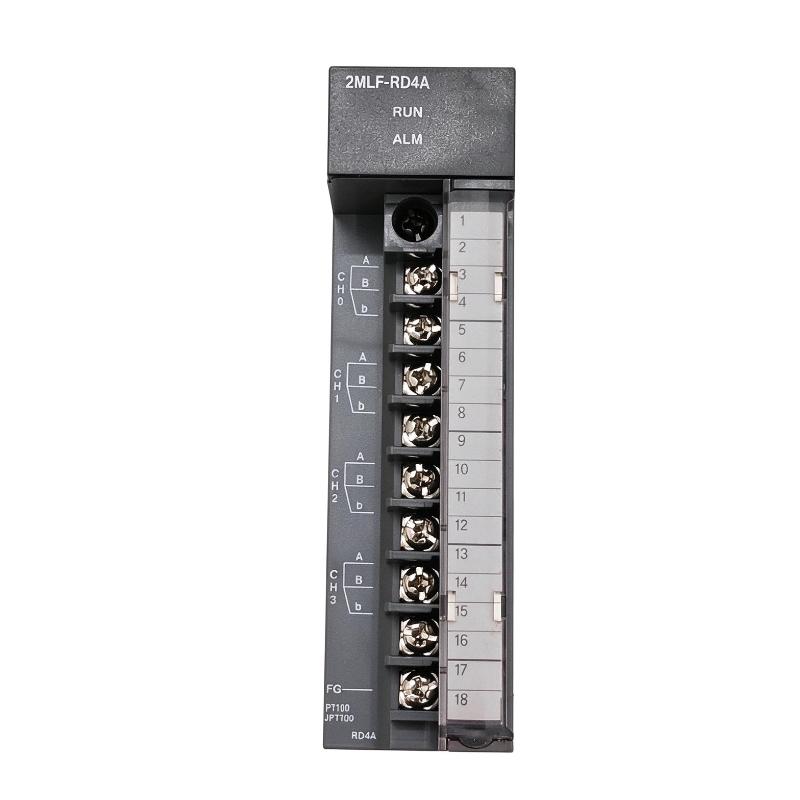
| Honeywell 2MLF-RD4A | Four-channel RTD input module |
| Honeywell 2MLF-RD8A | Eight-channel RTD input module |
| Honeywell 2MLF-AV8A | Eight-channel analog voltage input module |
| Honeywell 2MLF-AC8A | Eight-channel analog current input module |
| Honeywell 2MLF-AD8A | Eight-channel analog voltage/current input module |
| Honeywell 2MLF-DV4A | Four-channel analog voltage output module |
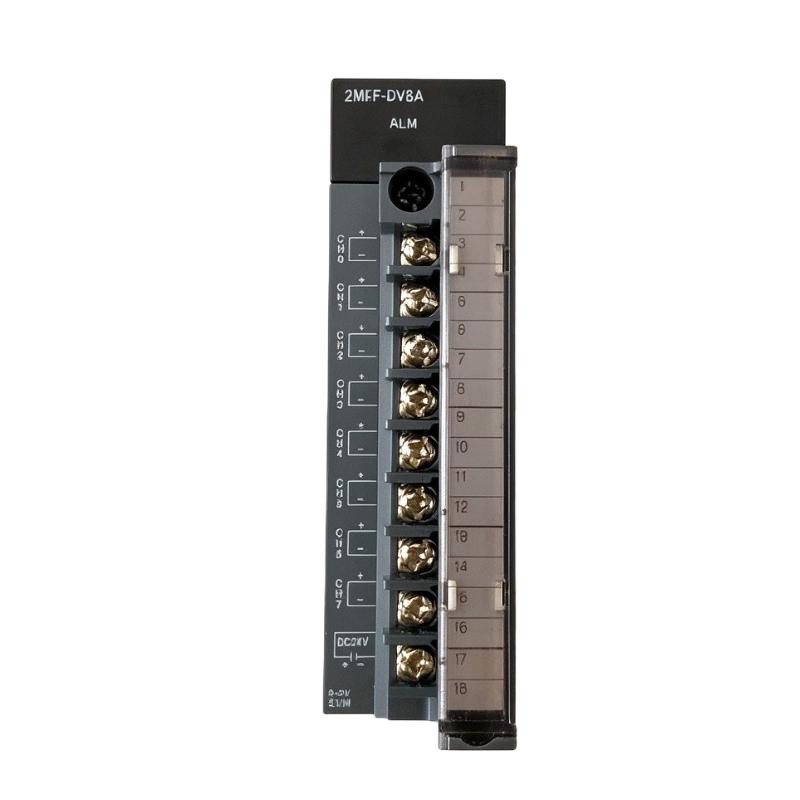
| Honeywell 2MLF-DV8A | Eight-channel analog voltage output module |
| Compatible Thermocouple Sensors | Provide temperature-dependent voltage signals |
| MasterLogic-200 PLC Base | Provides mounting and electrical interconnection for compatible modules |
| PLC Engineering Software | Supports configuration, monitoring, and troubleshooting |
Recommended Related Models
| Model | Product Type | Relevance |
|---|---|---|
| Honeywell 2MLF-RD4A | MasterLogic-200 RTD Input Module | Four-channel resistance-temperature measurement |
| Honeywell 2MLF-RD8A | MasterLogic-200 RTD Input Module | Eight-channel RTD measurement alternative |
| Honeywell 2MLF-AV8A | MasterLogic-200 Analog Voltage Input Module | Eight-channel voltage measurement |
| Honeywell 2MLF-AC8A | MasterLogic-200 Analog Current Input Module | Eight-channel current measurement |
| Honeywell 2MLF-DV4A | MasterLogic-200 Voltage Output Module | Four-channel voltage commands for compatible control devices |
| Honeywell 2MLF-DC4A | MasterLogic-200 Current Output Module | Four-channel current commands for compatible control devices |
Key Advantages
- Acquires four thermocouple signals through one PLC module.
- Supports nine thermocouple types for different temperature ranges.
- Provides channel-to-channel isolation for thermocouple measurement circuits.
- Uses automatic PT100-based reference-junction compensation.
- Offers configurable averaging and process-alarm functions.
- Integrates temperature measurements into the MasterLogic-200 control architecture.
Technical FAQs
Which thermocouple types can be connected to the 2MLF-TC4S?
The module supports Types K, J, E, T, B, R, S, N, and C. The correct sensor type must be selected for each channel so that the module uses the appropriate temperature-to-voltage characteristic and measurement range.
What is the purpose of the PT100-based cold-junction compensation?
Thermocouples produce a voltage related to the temperature difference between their measuring and reference junctions. The module uses PT100-based reference-junction sensing to compensate for the reference temperature when calculating the indicated process temperature.
Why are the four thermocouple input channels isolated?
Channel-to-channel isolation reduces electrical interaction between measurement circuits. This is useful when thermocouples are installed on separate equipment or have different grounding conditions, although proper wiring and grounding are still required.
How should averaging be configured for a rapidly changing process temperature?
Choose the averaging method and interval according to the signal noise and required response time. Excessive averaging may smooth short-term fluctuations but can also delay detection of genuine temperature changes, so the settings should be evaluated under representative operating conditions.