

ProductPRODUCT
Featured products
Contact Us
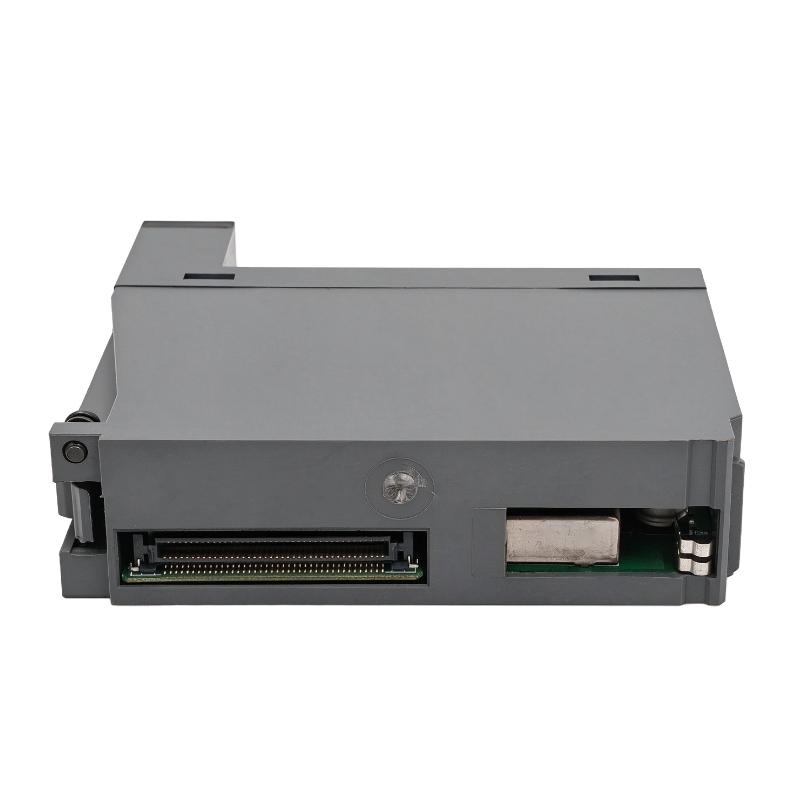
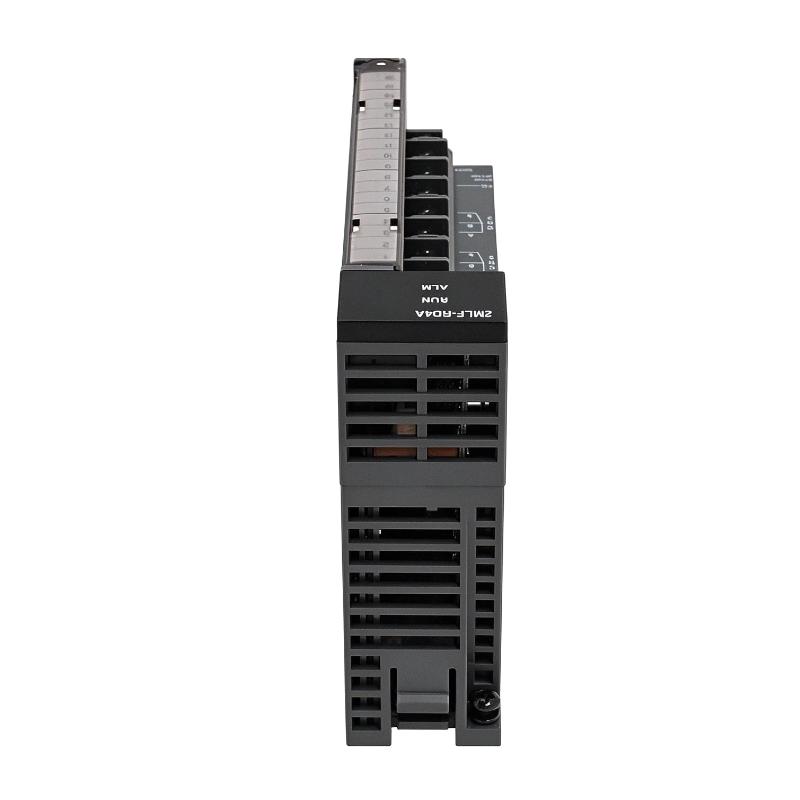
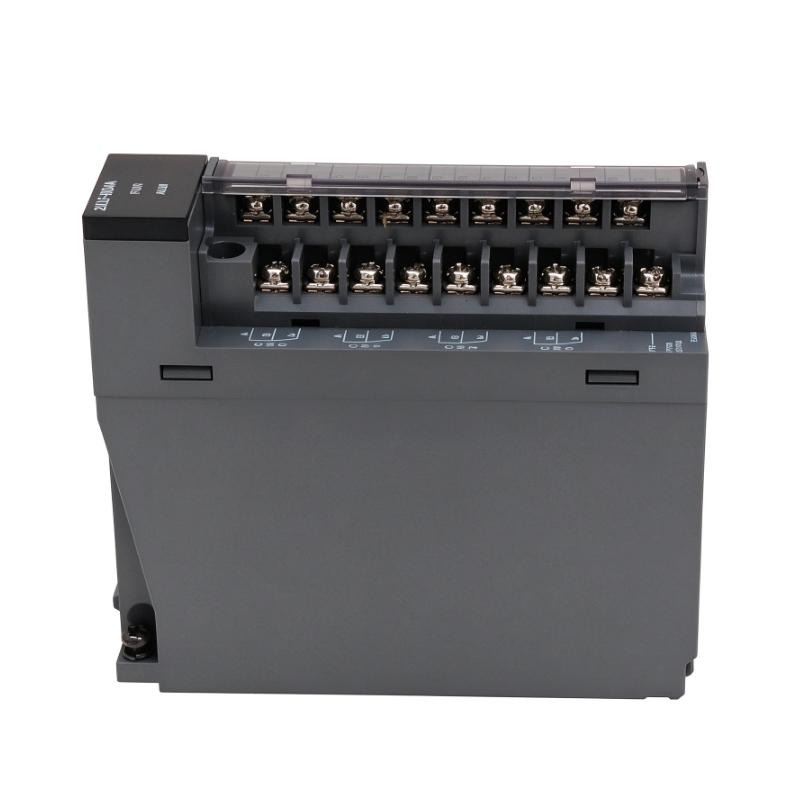
- Honeywell
- 2MLF-RD4A
- RTD Input Module
- USA
- 113 × 27 × 98 mm
- 0.15 kg
- Xiamen, China
- New & In Stock
- T/T, PayPal, Western Union
- 1 Year
- 1-3 Working Days
- DHL, UPS, TNT, FedEx and EMS.
- 24-Hour Service
- COO
- 5
Our advantage

Global Logistics
We have a 10-year logistics and express cooperation agreement, so our products can be shipped to any place in the world.

Brand new and original
Our products are imported in bulk from the place of origin. Because of the cooperative relationship, our products are all original and 100% new.

24-hour service
We provide 7*24 hours service to our customers. We will be there whenever you need us.

Price advantage
All our products are priced very favorably because we have our own warehouse and supply.
| Company Information | |||
| [email protected] | |||
| Mobile | +8615980777398 | ||
| +8615980777398 | |||
| 15980777398 |
Product Overview
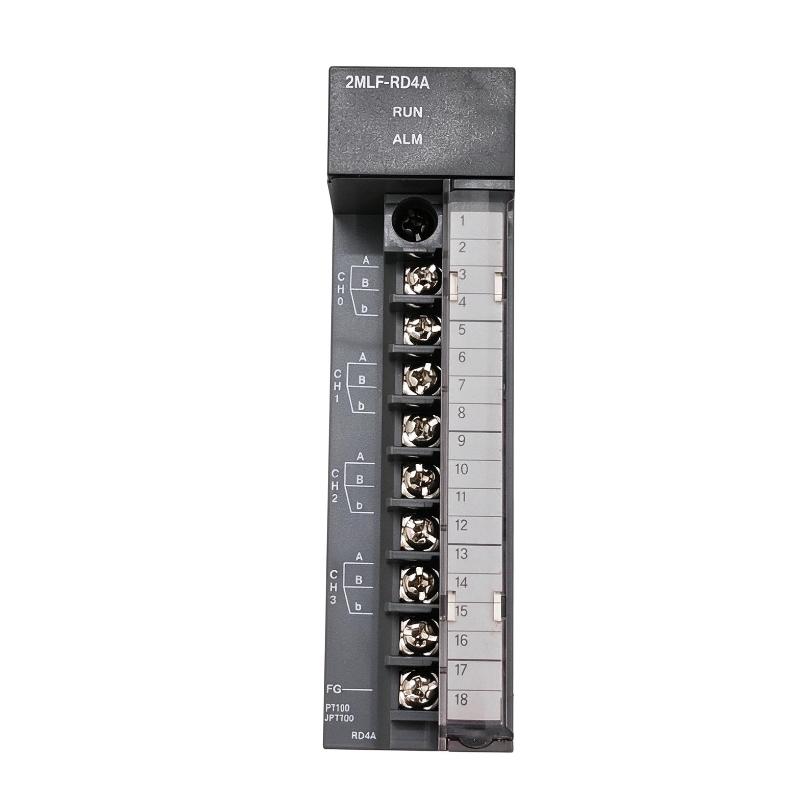
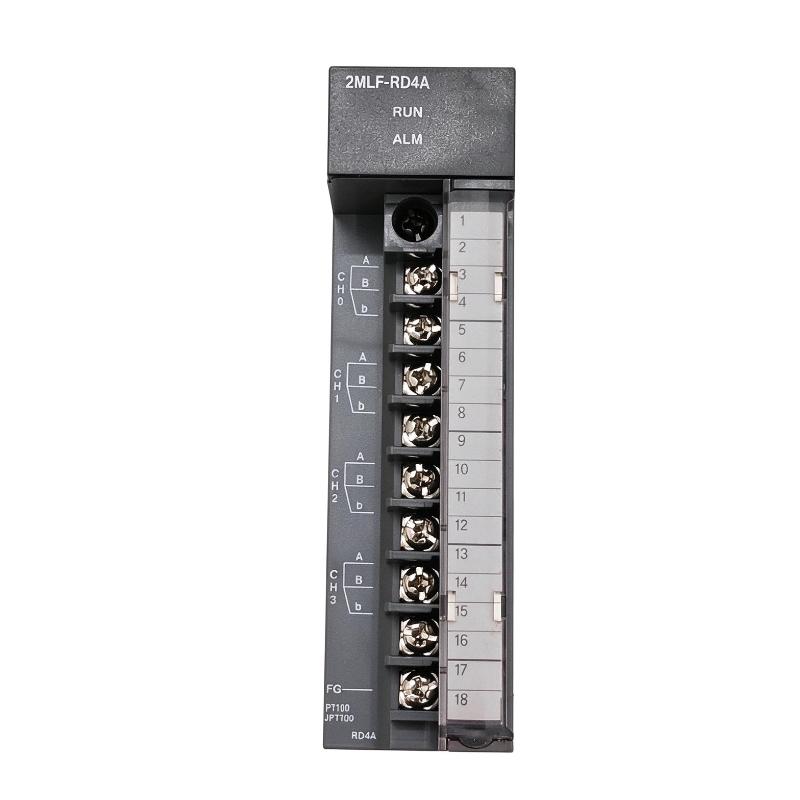
The Honeywell 2MLF-RD4A MasterLogic-200 RTD Input Module is a four-channel temperature acquisition module for PLC systems that use resistance temperature detectors to monitor industrial process conditions. It receives resistance signals from compatible platinum RTD sensors, converts them into digital temperature values, and makes the results available to the MasterLogic-200 CPU for monitoring, alarming, and control.
The module supports Pt100 and JPt100 sensors using three-wire connections. Its temperature measurement ranges differ according to the selected sensor type: Pt100 covers −200.0 to 850.0°C, while JPt100 covers −200.0 to 640.0°C. This distinction is important when selecting a replacement module or configuring a temperature measurement loop, because the sensor type and PLC scaling must correspond to the actual instrument installed in the field.
The 2MLF-RD4A performs temperature conversion at 40 ms per channel and supports averaging functions that help reduce the effect of fluctuating input readings. It also provides process alarms, input-changing-rate alarms, and sensor disconnection detection. These functions are useful when a PLC application needs more than a raw temperature value and must identify abnormal process conditions or sensor wiring problems.
In a typical installation, the module receives signals from temperature probes installed on tanks, pipes, heating equipment, or production machinery. The PLC program uses the converted readings to display process temperatures, compare them with operating limits, and execute the appropriate control logic. Before commissioning, engineers should verify the RTD type, three-wire wiring arrangement, measurement range, filter settings, and alarm configuration.
Technical Specifications
| Parameter | Specification |
|---|---|
| Manufacturer | Honeywell |
| Product Type | Resistance Temperature Detector (RTD) Input Module |
| Model | 2MLF-RD4A |
| Product Series | MasterLogic-200 |
| Number of Input Channels | 4 |
| Supported Sensor Types | Pt100, JPt100 |
| Pt100 Standard | JIS C1604-1997 |
| JPt100 Standards | JIS C1604-1981, KS C1603-1991 |
| Pt100 Temperature Input Range | −200.0 to 850.0°C |
| JPt100 Temperature Input Range | −200.0 to 640.0°C |
| Temperature Display Resolution | 0.1°C or 0.1°F |
| Digital Value Format | Temperature display or user-defined scaling |
| User-Defined Scaling Range | 0–65535 or −32768–32767 |
| Accuracy at 25°C | Within ±0.2% |
| Accuracy at 0–55°C | Within ±0.3% |
| Conversion Speed | 40 ms per channel |
| RTD Wiring Method | 3-wire |
| Channel-to-Channel Isolation | Non-isolated |
| Terminal-to-PLC Power Isolation | Photocoupler |
| Averaging Functions | Time average, counting average, moving average |
| Time Averaging Setting | 320–64000 ms |
| Counting Average Setting | 2–64000 counts |
| Moving Average Setting | 2–100 samples |
| Alarm Functions | Process alarm, input changing-rate alarm, disconnection detection |
| Digital Filter | 160–64000 ms |
| Terminal Connection | 18-point terminal block |
| I/O Points Occupied | Fixed type: 64 points; flexible type: 16 points |
| Internal Current Consumption | 450 mA at 5 V DC |
| Dimensions | 113 × 27 × 98 mm |
| Weight | 0.15 kg |
Product Features
- Four-channel RTD acquisition: Monitors up to four compatible temperature sensors through one module.
- Pt100 and JPt100 support: Accommodates two common platinum resistance sensor types with different measurement ranges.
- Three-wire sensor connection: Supports the specified three-wire RTD wiring arrangement used in industrial temperature measurement.
- Digital temperature conversion: Converts measured resistance values into temperature data for the PLC program.
- Configurable averaging: Offers time-based, count-based, and moving-average functions to reduce unwanted fluctuations in temperature readings.
- Process alarm monitoring: Supports configured upper and lower process-temperature limits.
- Input-changing-rate alarm: Helps identify temperature changes that exceed the configured rate threshold.
- Sensor disconnection detection: Supports identification of disconnected RTD input circuits.
- Configurable digital filtering: Allows the response to fluctuating measurements to be adjusted for the application.
- PLC power isolation: Uses photocoupler isolation between the terminal side and PLC power, while the input channels themselves are not isolated from one another.
Working Principle
The 2MLF-RD4A measures temperature by acquiring the resistance of a connected platinum RTD sensor. The resistance of a Pt100 or JPt100 element changes with temperature. The module processes the measured input, applies the appropriate sensor characteristic, and converts the result into a digital temperature value for the MasterLogic-200 CPU.
The basic signal path is:
RTD Temperature Sensor → Three-Wire Input Circuit → 2MLF-RD4A Conversion → Digital Temperature Value → MasterLogic-200 CPU
A three-wire RTD connection helps compensate for the resistance of the connecting leads when wired and configured correctly. The sensor type must be selected appropriately because Pt100 and JPt100 have different resistance-temperature characteristics and supported measurement ranges.
The module supports direct temperature display in increments of 0.1 degree. For Pt100 sensors, the specified range is −200.0 to 850.0°C; for JPt100 sensors, it is −200.0 to 640.0°C. The resulting digital value is passed to the PLC, where it can be used for process display, alarm evaluation, data logging, or temperature-control calculations.
The module converts each channel sequentially at 40 ms per channel. Consequently, the overall update timing for multiple active channels should be considered when the application requires synchronized readings or a fast response to changing temperatures.
Several averaging options are available. Time averaging calculates a filtered result over a configured interval, counting averaging uses a specified number of readings, and moving averaging uses a rolling group of samples. These functions can reduce measurement fluctuations, although excessive filtering may delay the indication of a genuine process change.
The module also supports process alarms, input-changing-rate alarms, and disconnection detection. These functions provide additional information for the PLC program to determine whether a temperature is outside its configured limits, changing too rapidly, or no longer being measured through a valid sensor connection.
Role in the MasterLogic-200 Control Architecture
The 2MLF-RD4A acts as the temperature acquisition interface between field-mounted RTD sensors and the MasterLogic-200 CPU. It supplies digital temperature measurements that the controller can use for process monitoring, alarm handling, and automatic control.
A typical arrangement is:
RTD Sensors → 2MLF-RD4A → MasterLogic-200 CPU → Control Logic → Heating, Cooling, or Process Equipment
| System Component | Function |
|---|---|
| MasterLogic-200 CPU | Processes temperature values and executes the control program |
| 2MLF-RD4A | Converts four RTD inputs into digital temperature values |
| Pt100 or JPt100 Sensor | Measures temperature through resistance changes |
| Analog Output Module | Sends compatible analog commands to temperature-control equipment |
| Digital Input Module | Receives equipment status and interlock signals |
| Digital Output Module | Operates discrete devices according to PLC logic |
| Heating or Cooling Controller | Regulates process equipment according to the control command |
| PLC Base and Backplane | Provides module mounting and electrical interconnection |
| Engineering Software | Supports module configuration, monitoring, and troubleshooting |
| Operator Interface | Displays process temperature, alarms, and operating status |
The RTD module supplies measurement data but does not independently determine the complete temperature-control strategy. The PLC program establishes the control response, including temperature setpoints, alarm limits, interlocks, and commands to associated equipment.
Industrial Applications
| Application | Typical Use |
|---|---|
| Industrial Furnaces | Monitoring temperatures at selected measurement points |
| Heating Systems | Measuring process temperature for heating control |
| Chemical Processing | Monitoring tank, pipe, and equipment temperatures |
| Food and Beverage Production | Acquiring temperature readings during processing |
| Pharmaceutical Manufacturing | Monitoring temperature in compatible process equipment |
| Water Treatment | Measuring temperature in tanks and treatment processes |
| Industrial Ovens | Monitoring temperature during heating cycles |
| Plastic Processing | Measuring barrel, mold, or process temperatures where compatible RTDs are used |
| HVAC Equipment | Acquiring temperature readings for PLC-based control |
| General Manufacturing | Monitoring machine and production-process temperatures |
The module is appropriate where the installed sensor is a supported Pt100 or JPt100 RTD and the application can accommodate its conversion timing and wiring requirements. Applications requiring thermocouple inputs or channel-to-channel electrical isolation require a different module selection.
Installation and Maintenance
- Verify the module identity: Confirm that the installed or replacement module is the Honeywell 2MLF-RD4A and that the PLC configuration supports it.
- Identify the RTD sensor type: Determine whether each field sensor is Pt100 or JPt100 before configuring the input channel.
- Check the temperature range: Ensure that the expected process temperature remains within the specified range for the selected sensor type.
- Verify three-wire wiring: Follow the applicable terminal diagram and confirm that each RTD’s three conductors are connected to the correct terminals.
- Inspect sensor and cable condition: Check for damaged insulation, loose terminals, corrosion, or disconnected conductors that could affect resistance measurement.
- Configure the input channel: Set the appropriate sensor type and operating parameters for each active channel through the applicable PLC configuration tools.
- Review temperature scaling: Confirm that the PLC interprets the returned digital value correctly, especially when user-defined scaling is used.
- Set averaging and filtering: Select suitable time-average, counting-average, moving-average, and digital-filter settings according to process response requirements.
- Configure alarm thresholds: Review upper and lower process limits, input-changing-rate thresholds, and the required response to sensor disconnection.
- Check channel interaction: Remember that the four input channels are not isolated from one another. Verify the wiring and grounding arrangement for the connected sensors.
- Compare measured temperatures: During commissioning, compare the module readings with an appropriate reference thermometer or calibrated measurement source under controlled conditions.
- Document commissioning results: Record sensor types, channel assignments, configured ranges, filtering parameters, alarm thresholds, and test results.
Follow the applicable Honeywell safety and installation procedures before removing or installing the module. If a reading is incorrect, check the RTD type, three-wire connections, sensor condition, scaling, and filter configuration before concluding that the module is defective.
Compatible System Components
The 2MLF-RD4A belongs to the Honeywell MasterLogic-200 modular I/O family. The following components may be used alongside it in a compatible PLC configuration, depending on the required measurement and control functions.
| Component | Function |
|---|---|
| Honeywell MasterLogic-200 CPU | Executes PLC logic and processes temperature data |
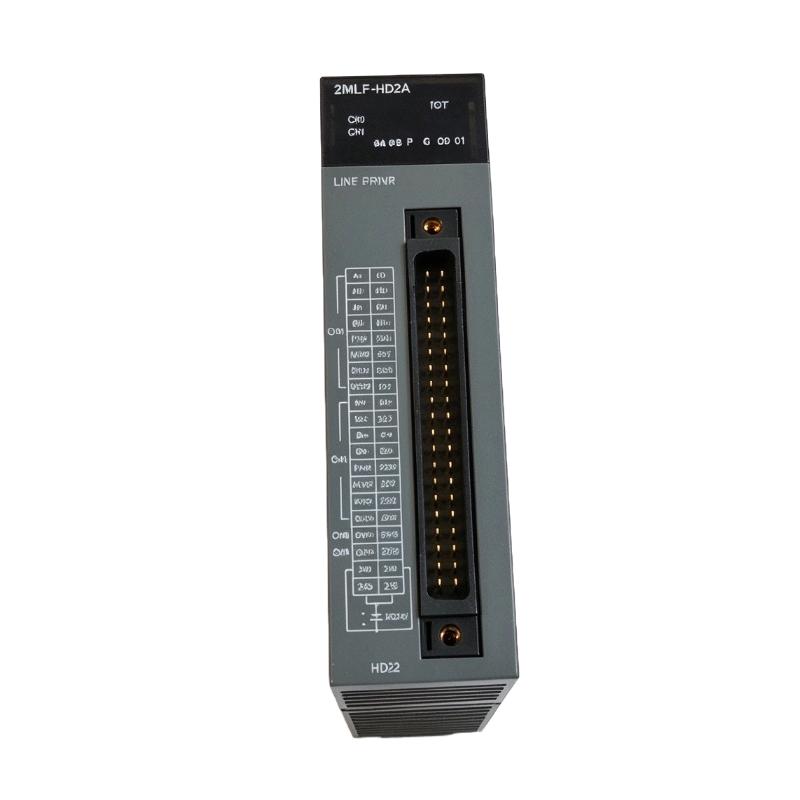
| Honeywell 2MLF-RD8A | Eight-channel RTD input module |
| Honeywell 2MLF-TC4S | Four-channel thermocouple input module with channel isolation |
| Honeywell 2MLF-AV8A | Eight-channel analog voltage input module |
| Honeywell 2MLF-AC8A | Eight-channel analog current input module |
| Honeywell 2MLF-AD8A | Eight-channel analog voltage/current input module |
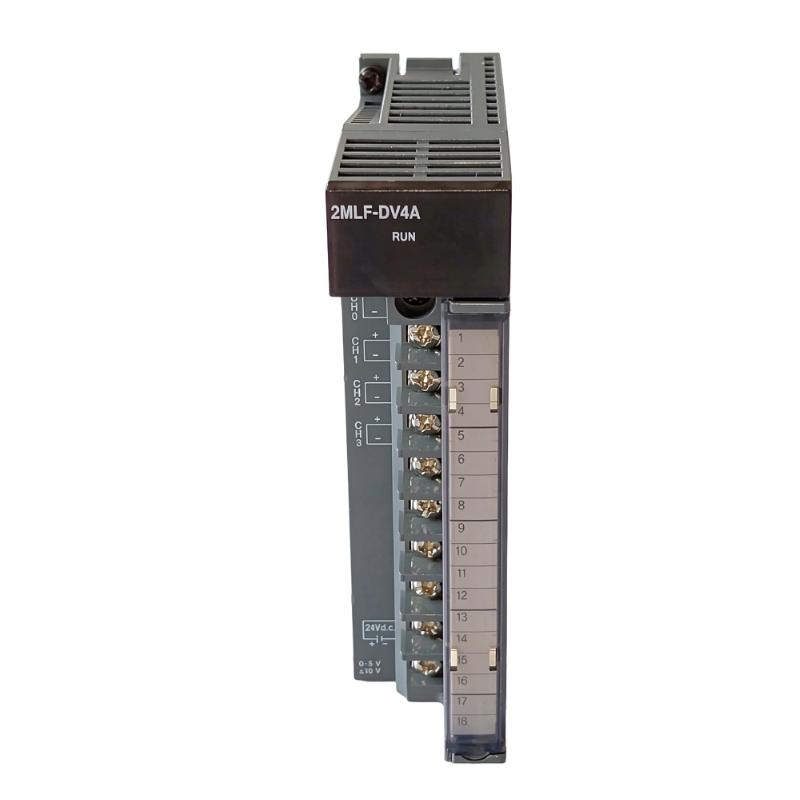
| Honeywell 2MLF-DV4A | Four-channel analog voltage output module |
| Honeywell 2MLF-DC4A | Four-channel analog current output module |
| Compatible Pt100 Sensor | Provides RTD temperature measurement using the supported Pt100 characteristic |
| Compatible JPt100 Sensor | Provides RTD temperature measurement using the supported JPt100 characteristic |
| MasterLogic-200 PLC Base | Provides mounting and electrical interconnection for compatible modules |
Recommended Related Models
| Model | Product Type | Relevance |
|---|---|---|
| Honeywell 2MLF-RD8A | MasterLogic-200 RTD Input Module | Eight-channel RTD acquisition alternative |
| Honeywell 2MLF-TC4S | MasterLogic-200 Thermocouple Input Module | Four-channel temperature input using thermocouples |
| Honeywell 2MLF-AV8A | MasterLogic-200 Analog Voltage Input Module | Eight-channel voltage measurement |
| Honeywell 2MLF-AC8A | MasterLogic-200 Analog Current Input Module | Eight-channel current measurement |
| Honeywell 2MLF-DV4A | MasterLogic-200 Voltage Output Module | Four-channel voltage commands for compatible control devices |
| Honeywell 2MLF-DC4A | MasterLogic-200 Current Output Module | Four-channel current commands for compatible control devices |
Key Advantages
- Acquires temperature data from four supported RTD sensors.
- Supports both Pt100 and JPt100 sensor types.
- Provides configurable averaging and digital filtering for measurement stabilization.
- Includes process alarms, rate-of-change alarms, and sensor disconnection detection.
- Converts RTD measurements into digital values for PLC-based monitoring and control.
- Integrates temperature measurement into the MasterLogic-200 modular I/O architecture.
Technical FAQs
How should Pt100 and JPt100 be distinguished when configuring the 2MLF-RD4A?
Identify the sensor specification and select the matching input type in the PLC configuration. Pt100 and JPt100 use different resistance-temperature characteristics and have different specified measurement ranges, so the configuration must match the installed sensor.
Why does the 2MLF-RD4A use a three-wire RTD connection?
The three-wire arrangement helps compensate for lead-wire resistance when connected correctly. Incorrect terminal assignment, a damaged conductor, or an unsuitable wiring arrangement can introduce measurement errors even when the sensor itself is functioning properly.
Which averaging function is appropriate for a fluctuating temperature signal?
The choice depends on the process dynamics. Time averaging filters readings over a configured interval, counting averaging uses a specified number of measurements, and moving averaging smooths a rolling set of samples. The settings should reduce unwanted fluctuations without delaying important temperature changes excessively.
What does a sensor disconnection alarm indicate?
It indicates that the module has detected a problem consistent with a disconnected RTD input circuit. Check the sensor leads, terminal connections, cable continuity, and sensor condition before replacing the module.