

ProductPRODUCT
Featured products
Contact Us
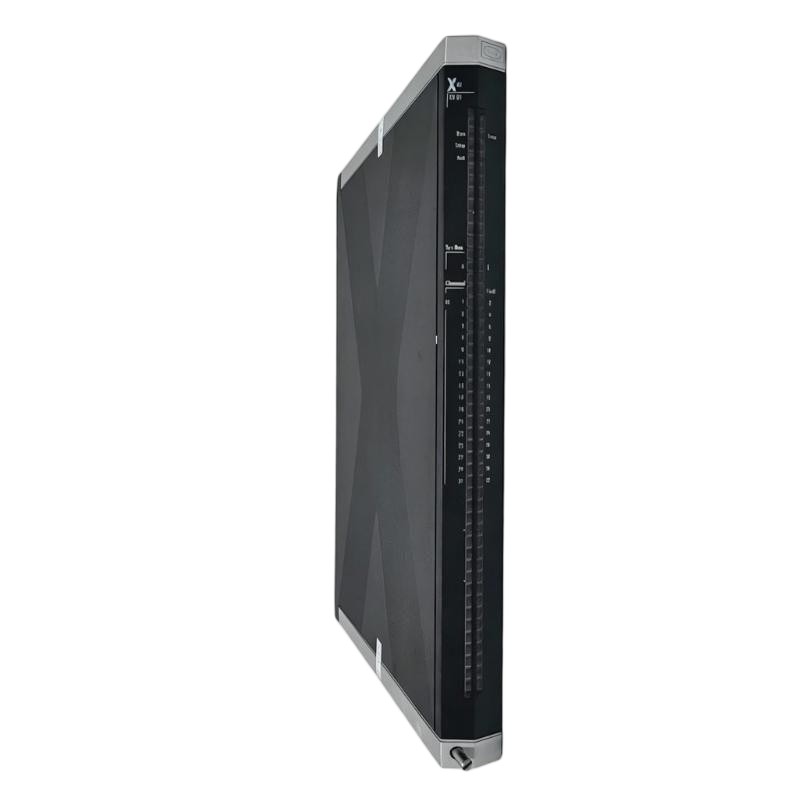
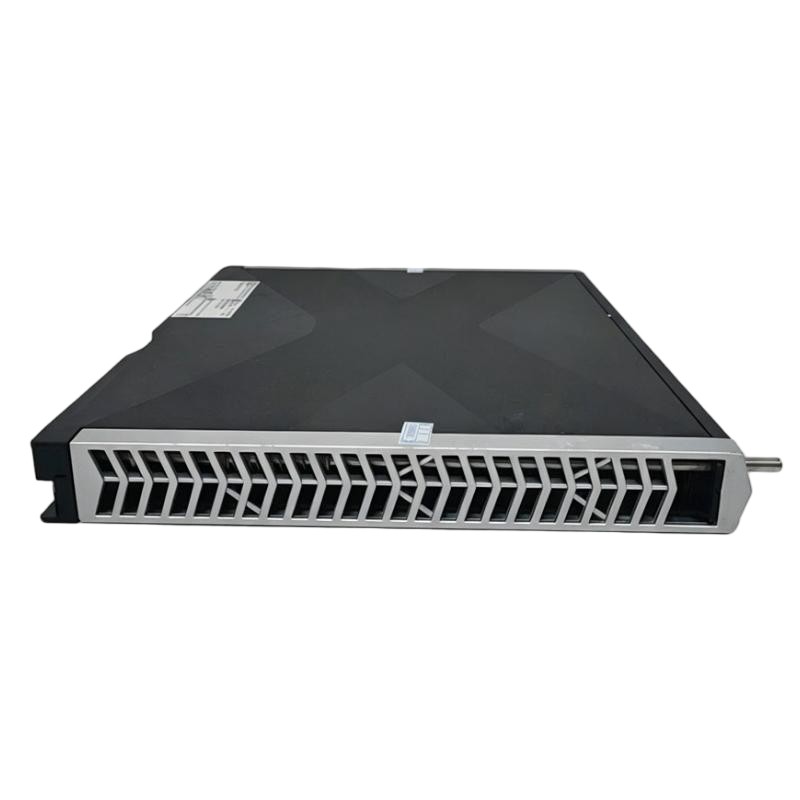
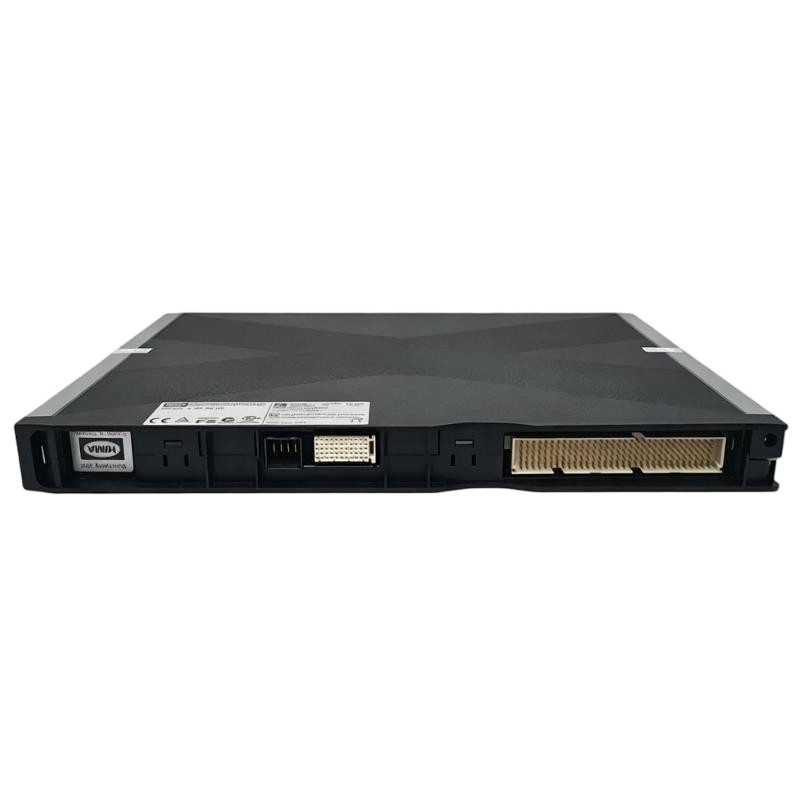
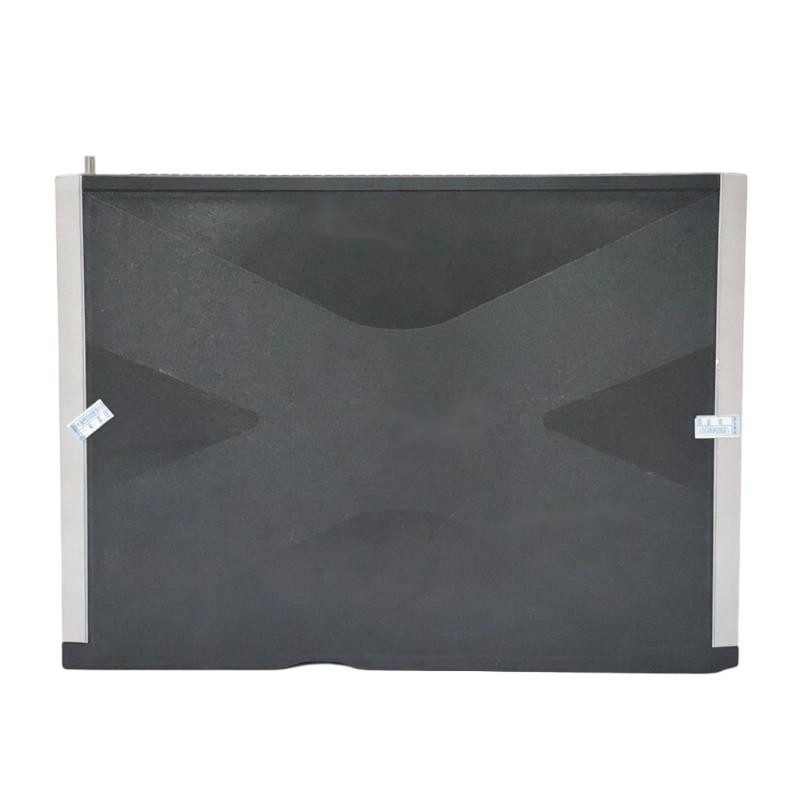
- HIMA
- X-AI 32 02
- Analog Input Module
- Germany
- 310 × 29.2 × 230 mm
- 1.4 kg
- Xiamen, China
- New & In Stock
- T/T, PayPal, Western Union
- 1 Year
- 1-3 Working Days
- DHL, UPS, TNT, FedEx and EMS.
- 24-Hour Service
- COO
- 68
Our advantage

Global Logistics
We have a 10-year logistics and express cooperation agreement, so our products can be shipped to any place in the world.

Brand new and original
Our products are imported in bulk from the place of origin. Because of the cooperative relationship, our products are all original and 100% new.

24-hour service
We provide 7*24 hours service to our customers. We will be there whenever you need us.

Price advantage
All our products are priced very favorably because we have our own warehouse and supply.
| Company Information | |||
| [email protected] | |||
| Mobile | +8615980777398 | ||
| +8615980777398 | |||
| 15980777398 |
Product Overview
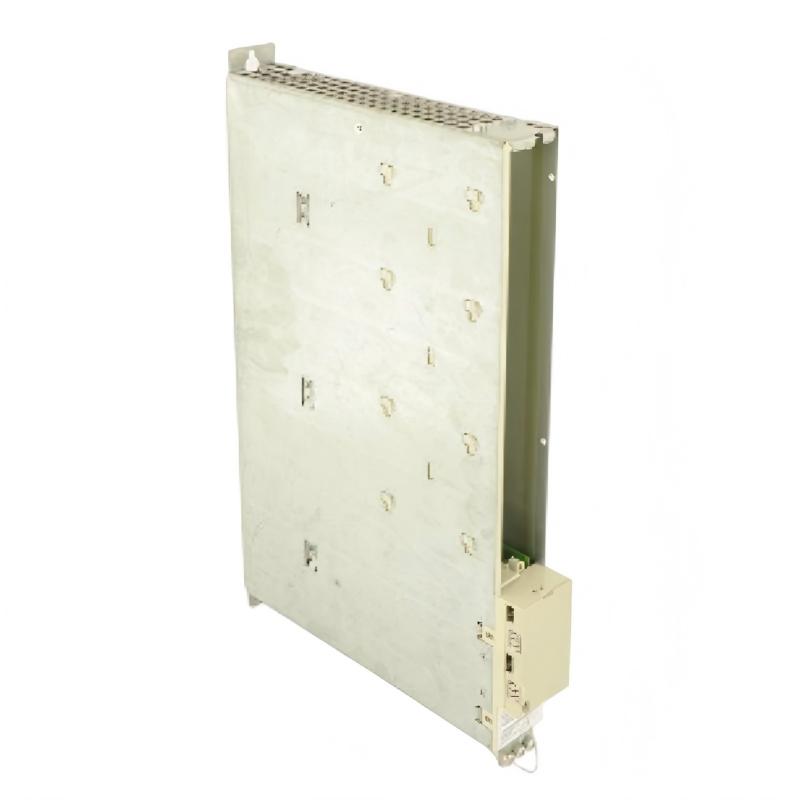
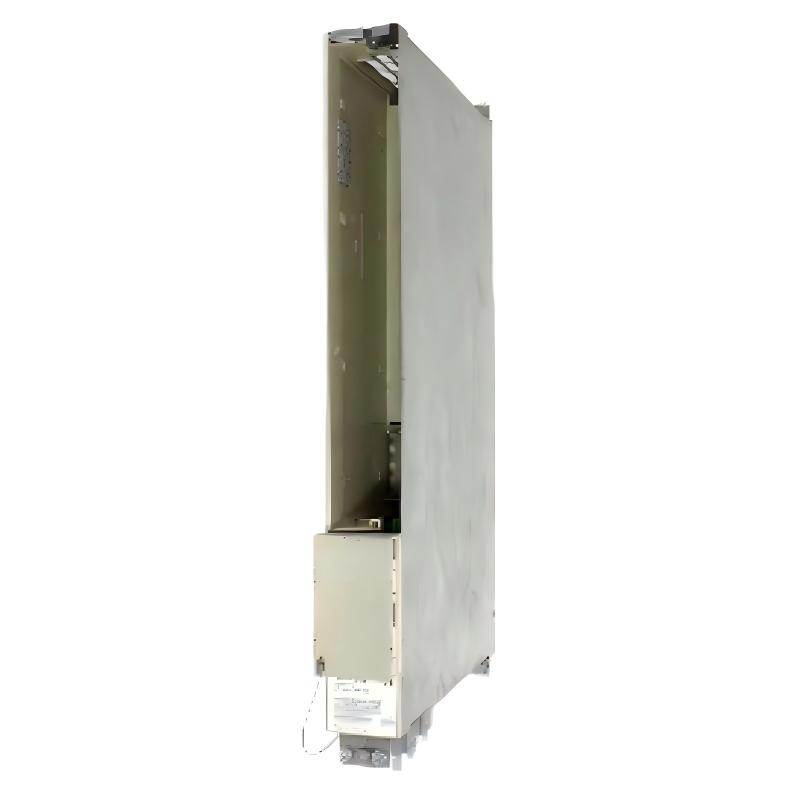
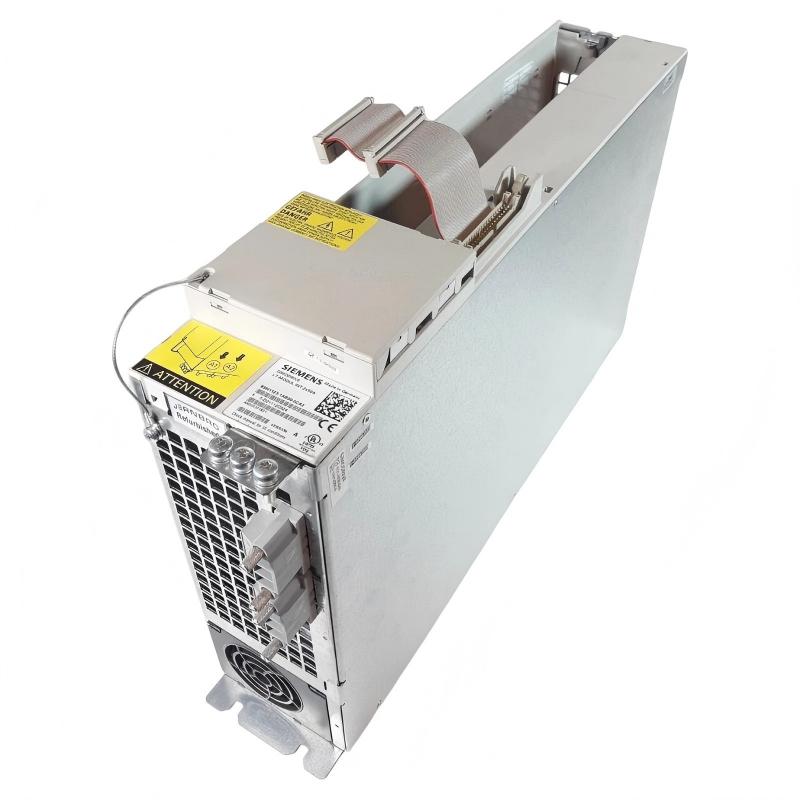
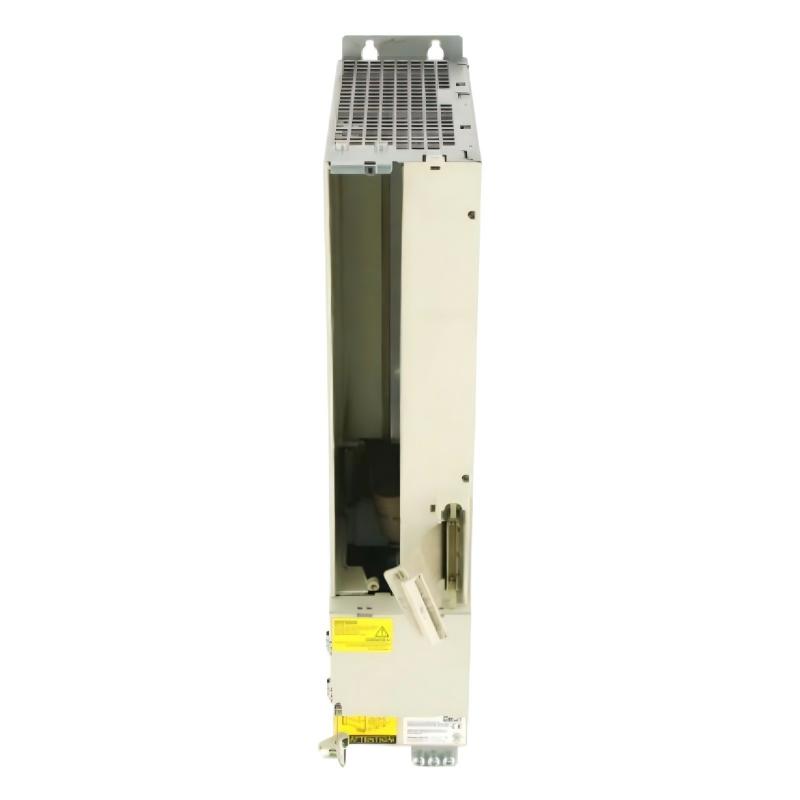
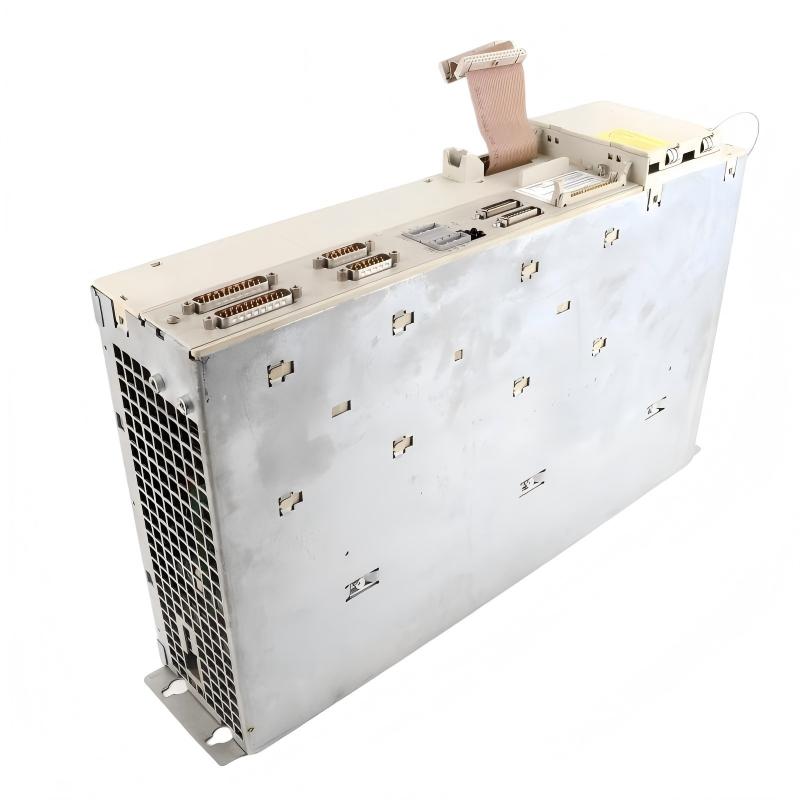
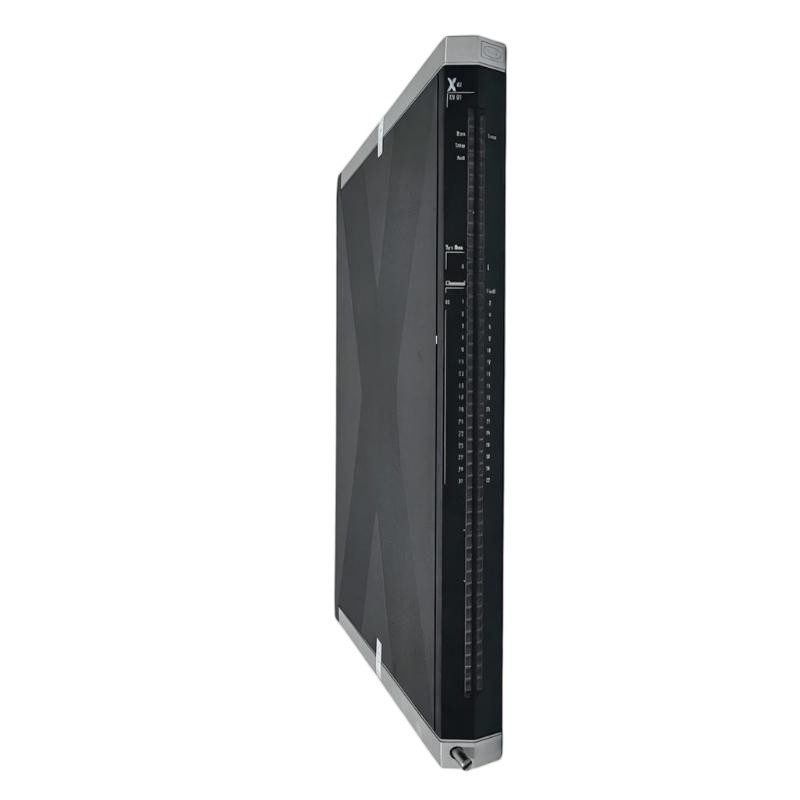
The HIMA X-AI 32 02 Analog Input Module is an industrial automation I/O module designed to receive continuous electrical signals from field instruments and make the measured values available to the control system. It is intended for applications where process variables such as pressure, temperature, level, flow, or other continuously changing measurements need to be monitored.
Unlike a discrete input module, which mainly detects defined ON/OFF states, an analog input module works with continuously varying signal values. This allows the control system to monitor changes in a process rather than simply determine whether a field device is active or inactive.
The X-AI 32 02 forms part of the HIMA modular control hardware family and provides the interface between analog field instruments and the control system. The module handles the field-side input signals so that the controller can use the resulting measurement information for monitoring, alarms, interlocks, control functions, and diagnostics.
Analog input modules are particularly useful in process industries where equipment conditions and process parameters must be observed continuously. Stable signal acquisition is important because even small measurement errors can affect process decisions and control responses.
Technical Specifications
| Parameter | Details |
|---|---|
| Manufacturer | HIMA |
| Model | X-AI 32 02 |
| Product Type | Analog Input Module |
| Signal Type | Analog |
| Main Function | Analog Signal Acquisition |
| System Role | Field Signal Input |
| Application | Industrial Process Monitoring |
| Input Function | Continuous Process Variable Measurement |
| Installation | Industrial Control System |
| Dimensions | 310 × 29.2 × 230 mm |
| Weight | 1.4 kg |
| Application Area | Industrial Automation and Control |
Product Features
The HIMA X-AI 32 02 provides an interface for integrating continuously varying field signals into the control architecture.
Key features include:
- Analog input module design
- Suitable for continuous process signal acquisition
- Provides an interface between field instruments and the control system
- Supports process monitoring applications
- Useful for alarm and interlock functions
- Suitable for modular industrial control architectures
- Designed for control system integration
- Compact 29.2 mm module thickness
- 310 × 29.2 × 230 mm overall dimensions
- 1.4 kg industrial hardware construction
The module’s role is centered on measurement acquisition. The actual control decisions are made by the associated controller according to the programmed system logic.
Working Principle
The X-AI 32 02 receives analog electrical signals generated by connected field instruments. These signals vary according to the physical parameter being measured.
For example, a pressure transmitter may produce an electrical signal that changes as process pressure increases or decreases. The analog input module receives the signal and makes the corresponding measurement available to the control system.
A typical operating process includes:
- Connecting an analog field instrument to the appropriate input interface
- Receiving the continuously varying electrical signal
- Processing the incoming signal
- Converting the field measurement into usable control-system data
- Transferring the measurement information to the controller
- Using the measured value for monitoring, control, alarms, or diagnostics
The accuracy of the final process value depends on the field instrument, wiring, signal characteristics, module configuration, and overall system setup.
Role in Industrial Control Systems
The X-AI 32 02 provides the measurement interface between analog field instruments and the control system.
| Function | Description |
| Analog Signal Acquisition | Receives continuously varying electrical signals |
| Process Measurement | Provides information about changing process conditions |
| Field Instrument Interface | Connects transmitters and analog sensors with the control system |
| Alarm Support | Supplies measurement data for high and low limit alarms |
| Interlock Support | Provides process conditions used by control logic |
| Monitoring | Enables continuous observation of equipment and process variables |
This type of module is especially useful when a control system needs more information than a simple digital state can provide.
Industrial Applications
The X-AI 32 02 can be used in industrial applications where process variables must be measured continuously.
| Industry | Typical Applications |
| Chemical Processing | Pressure, temperature, and process measurement |
| Oil & Gas | Process instrumentation and equipment monitoring |
| Power Generation | Plant process and equipment measurements |
| Water Treatment | Flow, pressure, and level monitoring |
| Manufacturing | Machine and process condition monitoring |
| Pharmaceutical | Process parameter measurement |
| Energy | Equipment condition and process monitoring |
| Industrial Safety | Measurement-based monitoring and protective functions |
Analog signals are commonly used in these environments because many physical process variables change continuously rather than switching between only two states.
Installation and System Integration
Proper installation of an analog input module requires attention to signal type, wiring, grounding, and system configuration.
Recommended installation steps include:
- Confirm the X-AI 32 02 model before installation.
- Verify compatibility with the existing HIMA control architecture.
- Identify the connected field instruments.
- Confirm the electrical characteristics of the incoming analog signals.
- Install the module in the designated position.
- Connect field wiring to the appropriate input terminals.
- Check signal polarity and wiring continuity.
- Separate sensitive analog wiring from high-power cables where necessary.
- Configure the corresponding input channels.
- Compare the displayed process values with the field instruments during commissioning.
Analog signals can be more susceptible to electrical interference than simple contact signals. Proper cable routing, shielding, grounding, and termination therefore become important when installing the module in an industrial environment.
Compatible System Components
The X-AI 32 02 can be integrated with several types of components within a HIMA control architecture.
| Compatible Component | Function |
| Pressure Transmitters | Provide continuous pressure measurements |
| Temperature Transmitters | Provide process temperature signals |
| Level Transmitters | Monitor tank or vessel level |
| Flow Transmitters | Provide flow measurement information |
| Analog Sensors | Measure continuously changing process variables |
| HIMA Controllers | Process measurement data and execute control logic |
| Communication Modules | Transfer system information |
| Engineering Tools | Support configuration and diagnostics |
The exact field instruments and signal characteristics should be confirmed before connection to ensure that the input configuration matches the application.
Recommended Alternative Models
| Model | Type | Key Feature | Application |
| HIMA X-AI 32 02 | Analog Input Module | Continuous signal acquisition | Process monitoring |
| HIMA Analog Input Modules | Analog I/O | Process measurement interface | Industrial automation |
| HIMA Digital Input Modules | Discrete Input | ON/OFF status acquisition | Machine and process control |
| HIMA Analog Output Modules | Analog Output | Continuous control signal output | Process control |
| HIMA Communication Modules | Communication Module | System-level data exchange | Control system integration |
When selecting a replacement, the input signal characteristics, channel configuration, wiring arrangement, system architecture, and hardware compatibility should be checked. An analog input module should not be replaced simply because another module has a similar physical form.
Key Advantages
- Provides analog field signal acquisition
- Suitable for continuous process measurement
- Interfaces analog instruments with the HIMA control system
- Supports pressure, temperature, level, flow, and similar measurements
- Useful for monitoring, alarm, and interlock functions
- Supports modular industrial control architectures
- Suitable for process automation applications
- Compact 310 × 29.2 × 230 mm dimensions
- Stated weight of 1.4 kg
- Suitable for industrial control cabinet installation
Technical FAQs
What types of process signals are typically handled by an analog input module?
Analog input modules are generally used for continuously varying measurements such as pressure, temperature, level, flow, position, or other process variables. The exact signal type must match the electrical characteristics supported by the specific module and system configuration.
Why can analog input wiring be more sensitive to electrical interference?
Analog measurement signals can be relatively small, so electromagnetic interference from motors, contactors, variable-frequency drives, or power cables can influence the measured value. Appropriate shielding, grounding, cable routing, and termination can help reduce these effects.
What could cause an analog process value to remain fixed even though the field condition is changing?
Possible causes include a faulty transmitter, broken or incorrectly terminated wiring, incorrect signal configuration, loss of instrument power, or an issue with the input channel. Checking the signal directly at the field instrument and input terminals can help isolate the problem.
What information should be confirmed before installing the X-AI 32 02?
The field instrument type, signal characteristics, wiring arrangement, input configuration, system compatibility, and installation requirements should be confirmed before commissioning. Matching the electrical interface is just as important as matching the module model.