

ProductPRODUCT
Featured products

Contact Us
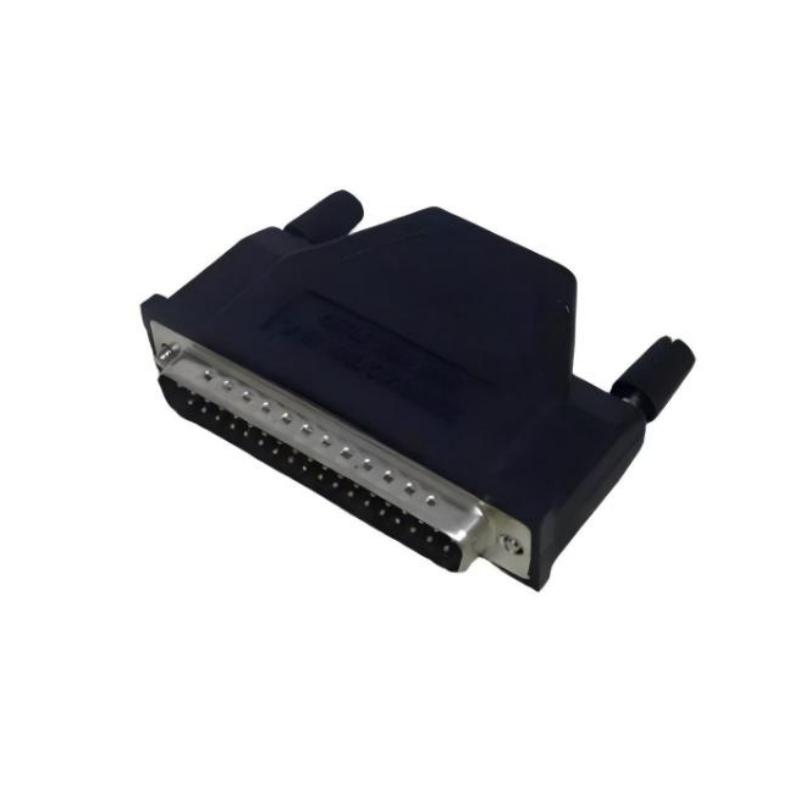
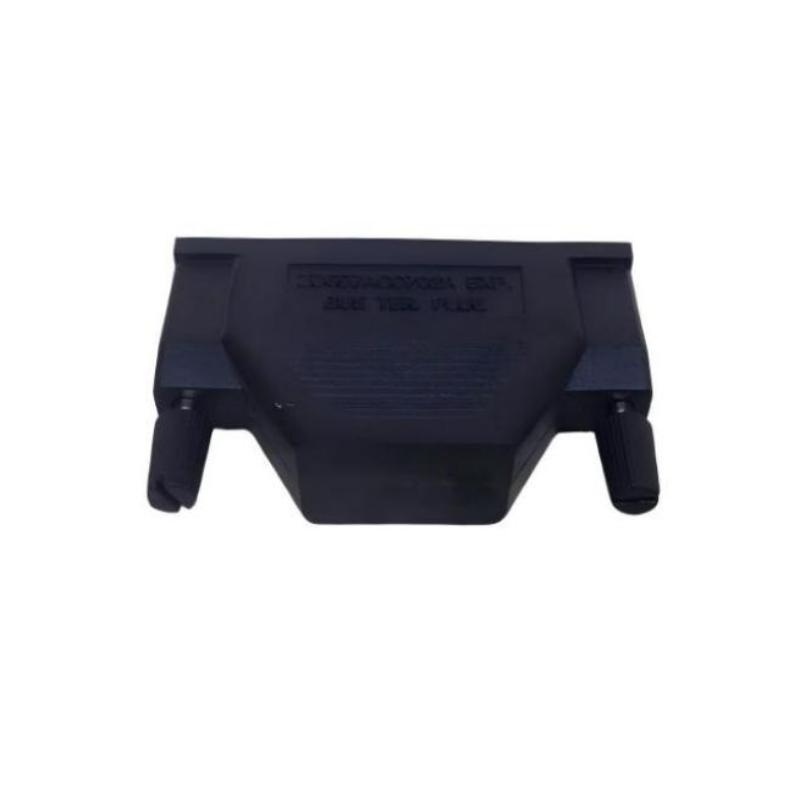
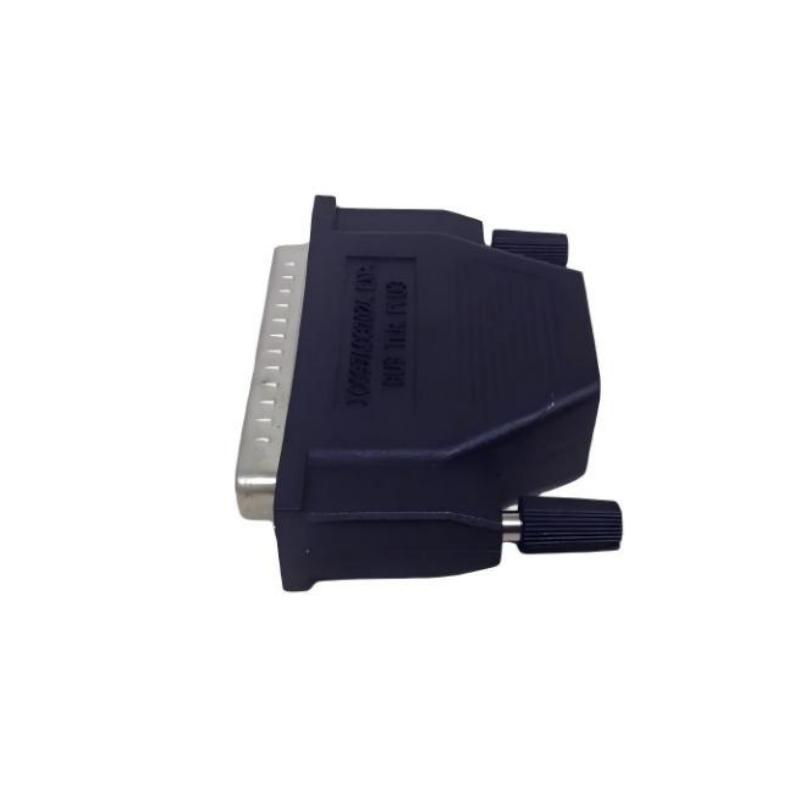
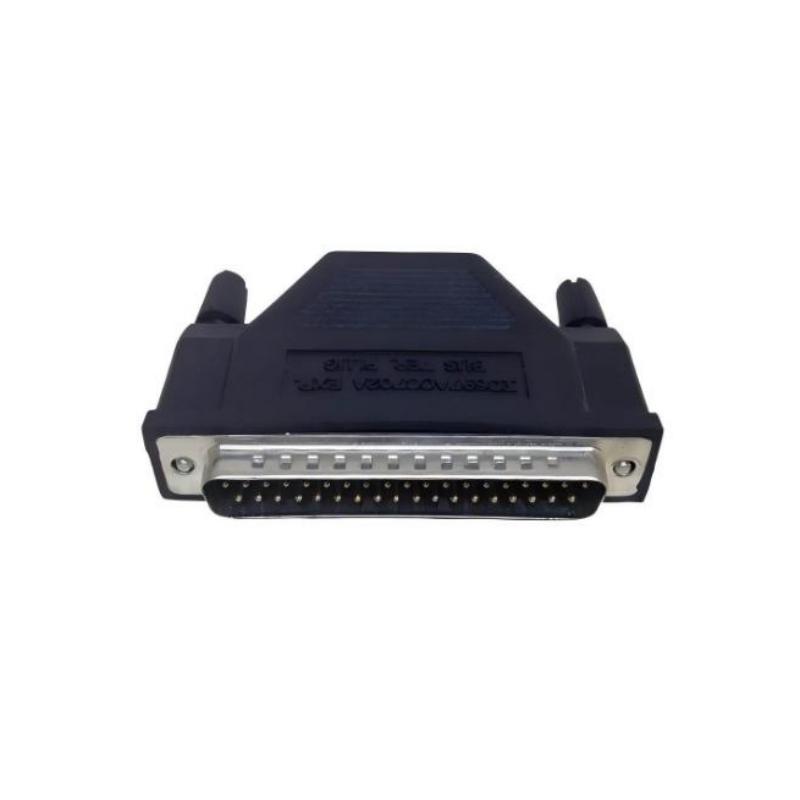
- GE
- IC697ACC702
- Bus Terminal Plug
- USA
- 50 × 20 × 15 mm
- 0.04 kg
- Xiamen, China
- New & In Stock
- T/T, PayPal, Western Union
- 1 Year
- 1-3 Working Days
- DHL, UPS, TNT, FedEx and EMS.
- 24-Hour Service
- COO
- 55
Our advantage

Global Logistics
We have a 10-year logistics and express cooperation agreement, so our products can be shipped to any place in the world.

Brand new and original
Our products are imported in bulk from the place of origin. Because of the cooperative relationship, our products are all original and 100% new.

24-hour service
We provide 7*24 hours service to our customers. We will be there whenever you need us.

Price advantage
All our products are priced very favorably because we have our own warehouse and supply.
| Company Information | |||
| [email protected] | |||
| Mobile | +8615980777398 | ||
| +8615980777398 | |||
| 15980777398 |
Product Overview
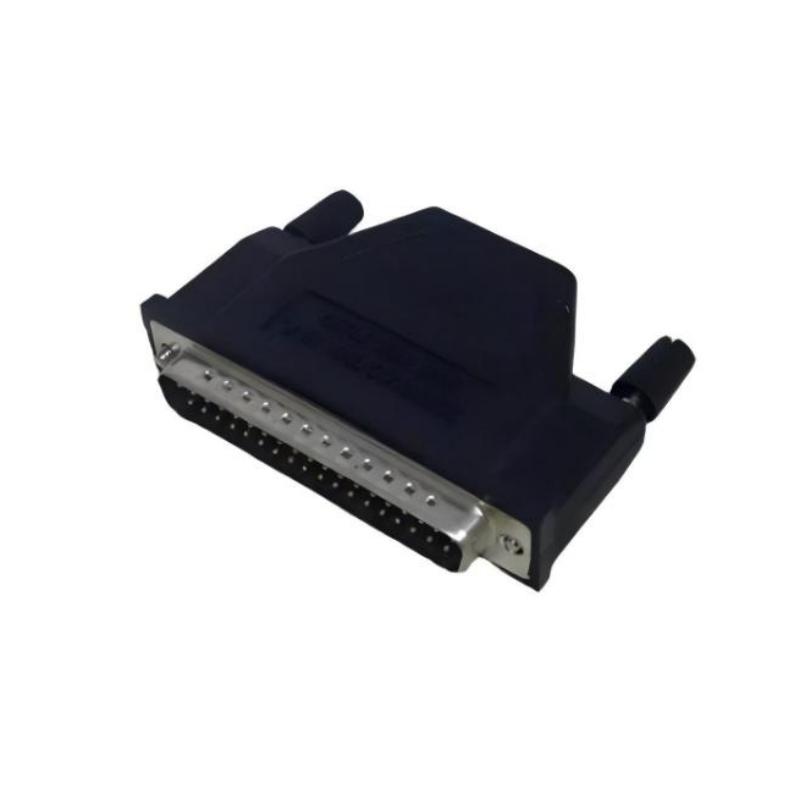
The GE IC697ACC702 Bus Terminal Plug is a compact industrial connection component designed for use within compatible GE programmable controller and automation system bus architectures. Its primary purpose is to provide a secure termination or connection point for a controller communication bus, helping maintain proper electrical continuity and network integrity.
In industrial control systems, bus termination components are essential for maintaining reliable communication, particularly on networks where signal reflections, impedance mismatch, loose connections, or incorrect termination can result in intermittent communication errors.
The IC697ACC702 has supplied dimensions of 50 × 20 × 15 mm and a listed weight of 0.04 kg, making it a compact component suitable for installation in space-constrained control cabinets.
Product Identification
| Parameter | Specification |
|---|---|
| Manufacturer | GE |
| Model | IC697ACC702 |
| Product Type | Bus Terminal Plug |
| Product Category | Industrial Bus Connection Component |
| Primary Function | Bus Termination / Connection |
| Dimensions | 50 × 20 × 15 mm |
| Weight | 0.04 kg |
| Installation | Compatible GE Bus Interface |
| Application | PLC / Industrial Automation |
| Maintenance | Connection and Termination Inspection |
Technical Specifications
| Technical Item | Specification |
|---|---|
| Brand | GE |
| Model Number | IC697ACC702 |
| Product Type | Bus Terminal Plug |
| Function | Bus Connection / Termination |
| Application | Industrial Controller Network |
| Dimensions | 50 × 20 × 15 mm |
| Weight | 0.04 kg |
| Installation Method | Plug-In Connection |
| Environment | Industrial Control Cabinet |
| Maintenance | Periodic Inspection |
What Is a Bus Terminal Plug?
A bus terminal plug is a connection component used to establish or terminate an industrial communication bus according to the architecture of the control system.
A typical control-system arrangement can be represented as:
PLC / Controller
↓
Bus Interface
↓
Bus Cable
↓
Bus Terminal Plug
↓
Remote Controller / Bus Device
The terminal component helps maintain the intended electrical characteristics of the bus.
Incorrect termination can lead to:
- Communication instability
- Intermittent network failures
- Data errors
- Loss of remote devices
- Controller communication alarms
For this reason, the physical condition and correct placement of the terminal plug should be checked during commissioning and maintenance.
Main Functions
Bus Connection
Provides a physical interface for connecting the compatible bus wiring or network segment.
Bus Termination
Where required by the applicable bus architecture, provides the termination needed to maintain proper signal behavior.
Network Stability
A correctly installed terminal plug helps prevent communication problems caused by incorrect bus configuration or termination.
Maintenance Convenience
The compact plug-in design allows technicians to inspect, remove, and replace the component efficiently.
Typical Industrial Applications
The GE IC697ACC702 may be incorporated into compatible GE industrial control systems used in:
Manufacturing
- Production lines
- Automated machinery
- Material handling
- Packaging equipment
Process Automation
- Process instrumentation
- Pump systems
- Valve control
- Distributed monitoring
Power Systems
- Plant control
- Auxiliary automation
- Monitoring equipment
Water Treatment
- Pump stations
- Treatment systems
- Remote I/O networks
Industrial Control Cabinets
- PLC networks
- Controller communication
- Remote device interfaces
Installation Guide
1. Verify Compatibility
Before installation, confirm:
- Bus architecture
- Controller model
- Bus interface
- Terminal configuration
- Required termination arrangement
Do not install a bus terminal plug based solely on its physical appearance.
2. De-Energize the System
Before handling the bus connection:
- Stop the controlled process.
- Shut down the relevant controller equipment.
- Isolate electrical power where required.
- Follow plant lockout/tagout procedures.
- Verify that the relevant circuit is safe to work on.
3. Inspect the Bus Interface
Before installing the plug, inspect the mating interface for:
- Bent contacts
- Dust
- Corrosion
- Mechanical damage
- Foreign objects
A contaminated interface can cause intermittent communication.
4. Inspect the IC697ACC702
Check the terminal plug for:
- Cracked housing
- Damaged contacts
- Deformation
- Corrosion
- Loose components
Do not install a damaged plug.
5. Verify Installation Location
The terminal plug must be installed at the correct point in the bus architecture.
Incorrect placement can cause communication problems.
Before installation, verify whether the plug is required at:
- A bus endpoint
- A designated termination point
- A specific controller interface
6. Install the Bus Terminal Plug
Align the IC697ACC702 with the compatible bus interface.
Insert it carefully until fully seated.
Verify:
- Correct orientation
- Complete insertion
- Secure mechanical engagement
Do not force the connector.
The supplied dimensions are:
50 × 20 × 15 mm
The supplied weight is:
0.04 kg
7. Inspect the Connection
After installation confirm:
- Plug is fully seated
- No visible gap
- Locking mechanism is engaged where applicable
- Cable is not under excessive mechanical stress
8. Restore Power
After completing the installation:
- Perform a visual inspection.
- Restore system power.
- Start the controller.
- Observe bus status indicators.
- Check network diagnostics.
9. Verify Bus Communication
Confirm:
- Controller initializes normally
- Bus devices are detected
- Network status is normal
- No communication alarms occur
- Data exchange is stable
Commissioning Checklist
| Item | Verification |
|---|---|
| Correct IC697ACC702 Verified | Confirmed |
| Bus Architecture Checked | Confirmed |
| Power Isolation Completed | Confirmed |
| Connector Inspected | Confirmed |
| Correct Installation Location Verified | Confirmed |
| Terminal Plug Installed | Confirmed |
| Mechanical Connection Secure | Confirmed |
| Bus Communication Tested | Confirmed |
| Diagnostics Normal | Confirmed |
Troubleshooting Guide
Bus Communication Completely Lost
Possible causes include:
- Missing terminal plug
- Incorrect termination
- Loose connector
- Damaged bus cable
- Bus interface fault
Start by inspecting the physical bus connection and termination points.
Intermittent Communication
Possible causes:
- Loose terminal plug
- Poor connector contact
- Vibration
- Cable damage
- Incorrect termination
Inspect the plug and the complete bus wiring.
Remote Device Not Detected
Possible causes include:
- Incorrect bus termination
- Device power failure
- Incorrect network configuration
- Damaged bus cable
- Connector problem
Check the physical network first, then review controller diagnostics.
Multiple Devices Drop Offline
If several devices disappear from the network simultaneously, investigate:
- Bus trunk connection
- Terminal plug
- Common power supply
- Network cable
- Controller bus interface
A common physical bus problem is more likely than multiple independent device failures.
Communication Errors Increase During Operation
Possible causes include:
- Loose connection
- Electrical interference
- Poor grounding
- Incorrect termination
- Cable routing near high-voltage equipment
Inspect cable routing and termination before replacing communication modules.
Controller Reports Bus Fault
Possible causes include:
- Incorrect terminal placement
- Damaged terminal plug
- Network topology error
- Bus wiring problem
- Controller interface fault
Review the system topology and verify that termination is implemented exactly as required.
Plug Does Not Fit Properly
Possible causes:
- Incorrect component
- Damaged connector
- Deformed contacts
- Incorrect orientation
- Foreign material
Never force the component into the interface.
Preventive Maintenance
Monthly Inspection
Check:
- Plug seating
- Connector condition
- Bus status
- Cable routing
Quarterly Inspection
Inspect:
- Contact condition
- Mechanical locking
- Bus cable integrity
- Cabinet vibration
- Grounding
Annual Inspection
Perform:
- Complete bus network inspection
- Communication diagnostic review
- Connector cleaning where appropriate
- Cable integrity verification
- Termination verification
Maintenance Checklist
| Inspection Item | Status |
|---|---|
| Terminal Plug Housing Inspected | ✓ |
| Contacts Checked | ✓ |
| Bus Interface Inspected | ✓ |
| Plug Fully Seated | ✓ |
| Cable Connection Verified | ✓ |
| Termination Location Verified | ✓ |
| Network Communication Tested | ✓ |
| Diagnostics Checked | ✓ |
Installation and Replacement Considerations
When replacing an IC697ACC702, technicians should verify the complete bus configuration.
| Check Item | Purpose |
|---|---|
| Model Number | Confirms component identity |
| Bus Type | Ensures correct application |
| Installation Location | Prevents incorrect termination |
| Connector Type | Ensures physical compatibility |
| Bus Cable | Confirms network integrity |
| Network Topology | Prevents termination errors |
| Controller Configuration | Ensures system compatibility |
| Environmental Conditions | Supports long-term reliability |
Compatible System Components
The bus terminal plug normally operates as part of a larger industrial automation network.
| Component | Function |
|---|---|
| GE PLC / Controller | Executes Control Program |
| Bus Interface | Provides Network Connection |
| Bus Cable | Carries Communication Signals |
| Terminal Plug | Provides Bus Connection / Termination |
| Remote I/O | Distributed Field Interface |
| I/O Modules | Process Field Signals |
| Power Supply | Provides Electrical Power |
| Engineering Workstation | Configuration and Diagnostics |
Exact compatibility depends on the installed GE controller and bus architecture.
Key Advantages
Compact Construction
The supplied dimensions of 50 × 20 × 15 mm allow convenient installation in compact control cabinets.
Lightweight Design
With a listed weight of 0.04 kg, the component is easy to handle during maintenance.
Reliable Bus Connection
A properly installed terminal plug helps maintain stable bus communication.
Simple Maintenance
The plug-in design allows technicians to inspect or replace the component without extensive mechanical work.
Supports Network Integrity
Correct bus termination helps reduce communication problems associated with improper signal termination.
Frequently Asked Questions
What is the GE IC697ACC702?
The GE IC697ACC702 is a Bus Terminal Plug used as part of compatible GE industrial controller bus networks.
What are its dimensions?
The supplied dimensions are:
50 × 20 × 15 mm
What is its weight?
The supplied weight is:
0.04 kg
What does a bus terminal plug do?
Depending on the applicable bus architecture, it provides a physical bus connection and/or termination point required for reliable network operation.
Where should the terminal plug be installed?
It should be installed at the location specified by the particular bus architecture, commonly at a designated bus endpoint or termination position.
What happens if termination is incorrect?
Incorrect termination can cause signal reflections, communication errors, intermittent device dropouts, and controller bus alarms.
Why can several remote devices fail at the same time?
A shared bus connection, cable, termination component, or power source can affect multiple devices simultaneously.
Can I force the plug into the connector?
No. If the component does not seat correctly, verify the model, orientation, connector condition, and installation location.
Installation Checklist
| Item | Status |
|---|---|
| Correct IC697ACC702 Identified | ✓ |
| Controller Compatibility Verified | ✓ |
| Bus Architecture Confirmed | ✓ |
| Power Isolated | ✓ |
| Existing Connection Inspected | ✓ |
| Correct Installation Location Verified | ✓ |
| Terminal Plug Installed | ✓ |
| Connector Secure | ✓ |
| Bus Wiring Verified | ✓ |
| Controller Powered | ✓ |
| Network Communication Tested | ✓ |
| Diagnostics Normal | ✓ |
Conclusion
The GE IC697ACC702 Bus Terminal Plug is a compact but important component in compatible GE industrial automation bus networks. Its primary role is to provide the required bus connection and, where applicable, termination function that helps maintain reliable communication between controller and distributed devices.
With supplied dimensions of 50 × 20 × 15 mm and a weight of 0.04 kg, the IC697ACC702 is easy to handle and suitable for compact industrial control installations. However, its relatively small size does not reduce its importance: an incorrectly installed or missing terminal component can affect the communication performance of an entire bus segment.
For reliable operation, technicians should verify the bus architecture, installation location, connector condition, cable integrity, and termination arrangement before commissioning. During troubleshooting, physical inspection of the terminal plug and associated bus wiring should be one of the first diagnostic steps when multiple devices experience communication problems.
When correctly installed and maintained, the GE IC697ACC702 helps maintain a stable and organized bus communication network for compatible GE PLC and industrial automation systems.