

ProductPRODUCT
Featured products
Contact Us
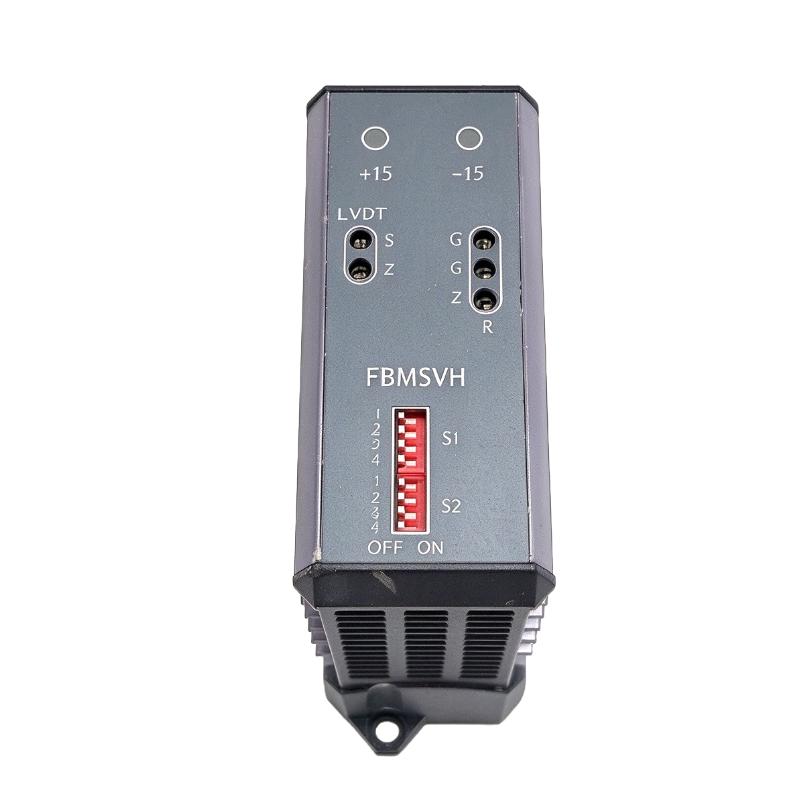
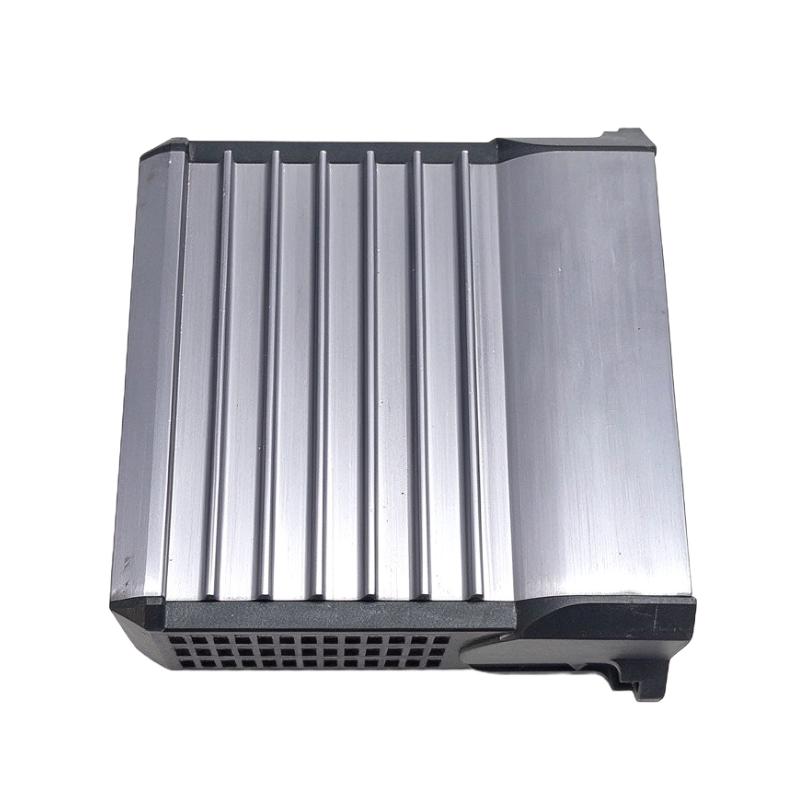
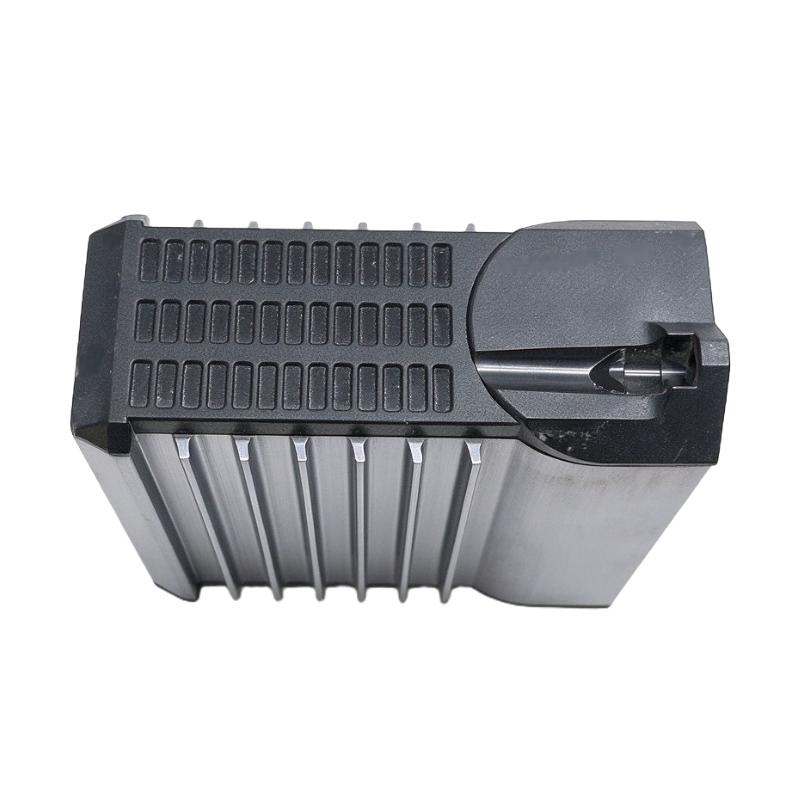
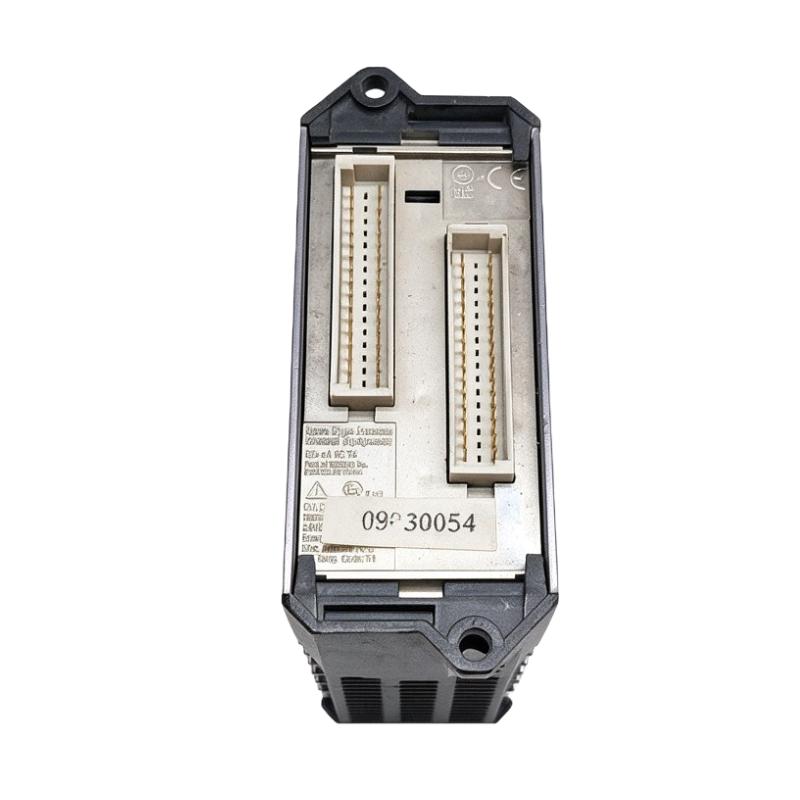
- Foxboro
- FBMSVH
- Control Processor Module
- USA
- 114 x 45 x 104 mm
- 0.284 kg
- Xiamen, China
- New & In Stock
- T/T, PayPal, Western Union
- 1 Year
- 1-3 Working Days
- DHL, UPS, TNT, FedEx and EMS.
- 24-Hour Service
- COO
- 6
Our advantage

Global Logistics
We have a 10-year logistics and express cooperation agreement, so our products can be shipped to any place in the world.

Brand new and original
Our products are imported in bulk from the place of origin. Because of the cooperative relationship, our products are all original and 100% new.

24-hour service
We provide 7*24 hours service to our customers. We will be there whenever you need us.

Price advantage
All our products are priced very favorably because we have our own warehouse and supply.
| Company Information | |||
| [email protected] | |||
| Mobile | +8615980777398 | ||
| +8615980777398 | |||
| 15980777398 |
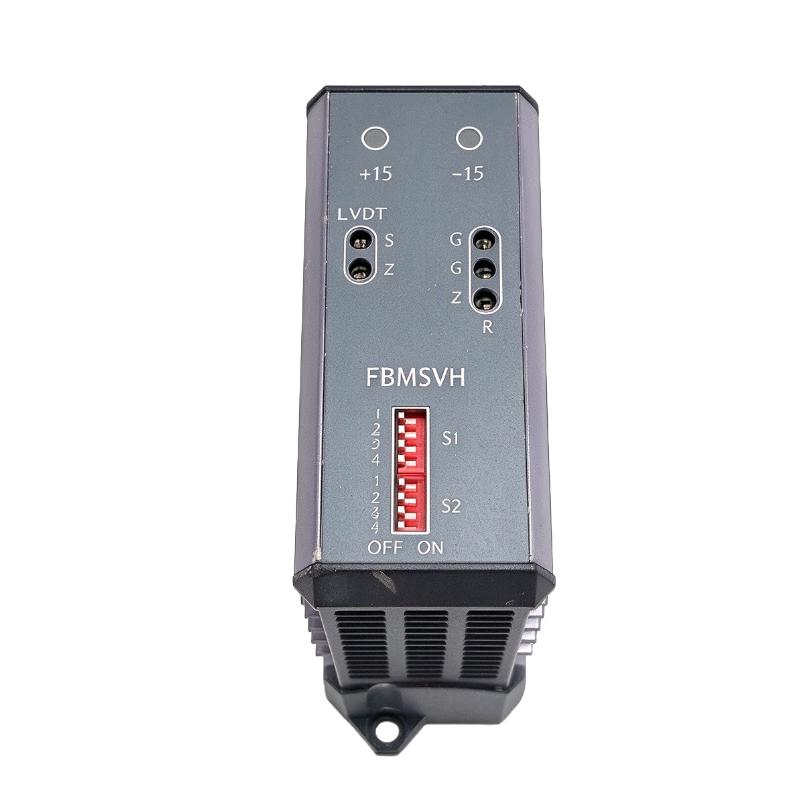
Product Overview
The Foxboro FBMSVH Control Processor Module is an industrial control module associated with the Foxboro I/A Series distributed control system (DCS). It is used in specialized control applications where reliable signal processing and integration with a process-control architecture are required.
Foxboro automation systems are widely associated with continuous process industries, including chemical processing, oil and gas, power generation, and other facilities that depend on coordinated monitoring and control. Within these systems, dedicated modules interface with field devices and support control functions that must operate consistently as part of a larger automation installation.
The FBMSVH is described in product-specific materials as a specialized module for servo-valve control. Depending on the installed system configuration, its role can involve processing a control command, evaluating position feedback from a linear variable differential transformer (LVDT), and supporting closed-loop adjustment of a compatible hydraulic or pneumatic actuator. This differs from the function of a general-purpose central processing unit or a standard analog input module.
Because industrial spare-parts listings sometimes use broad descriptions such as “control processor module,” buyers should verify the exact FBMSVH designation and its intended function before ordering. The module should not be assumed to be interchangeable with a general-purpose CPU, an ordinary analog I/O module, or a module from a different Foxboro family.
The supplied physical specifications are 114 × 45 × 104 mm, with a weight of 0.284 kg. These compact dimensions are consistent with the physical specifications published for certain Foxboro 200 Series fieldbus modules. Actual mounting arrangements, terminal assemblies, and system compatibility should be checked against the applicable documentation for the installed equipment.
Technical Specifications
| Parameter | Specification |
|---|---|
| Brand | Foxboro |
| Product Model | FBMSVH |
| Product Description | Control Processor / Specialized Control Module |
| Product Family | Foxboro I/A Series |
| System Type | Distributed Control System (DCS) |
| General Function | Specialized industrial control and signal processing |
| Potential Application | Servo-valve and actuator control |
| Feedback Technology | LVDT feedback in the documented servo-control application |
| System Communication | Depends on the supported I/A Series configuration |
| Dimensions Provided | 114 × 45 × 104 mm |
| Weight Provided | 0.284 kg |
| Installation | Compatible module mounting and termination hardware required |
| Replacement Consideration | Verify exact model, system revision, and application |
| Typical Industries | Process automation, energy, chemical processing, and industrial manufacturing |
Note: The precise electrical characteristics, terminal assignments, supply requirements, signal ranges, and supported functions must be confirmed against the technical documentation for the exact FBMSVH version. Do not apply specifications from a different Foxboro module solely because its dimensions are similar.
Function and Working Principle
The function of the FBMSVH depends on its intended application and the hardware configuration in which it is installed. Product-specific descriptions associate this module with specialized control tasks rather than treating it as a generic computer processor.
1. Control Command Processing
In a closed-loop control application, a controller generates a command based on the desired process condition. The relevant control module receives or processes the command and contributes to determining the action required from the connected actuator.
For a valve-control application, the command may represent a requested valve position or a process-control output calculated by the wider DCS. The module’s role is to support the intended control function within the system’s established architecture.
The exact command input type and range should be verified before connecting the module to field equipment.
2. Position Feedback Processing
Some servo-control applications use an LVDT to measure the position of a valve stem or actuator mechanism. The sensor provides feedback that can be compared with the requested position.
The control system can use the difference between the commanded and measured positions to determine whether further actuator movement is required. Accurate feedback is important in applications where valve position directly influences flow, pressure, temperature, or another process variable.
The presence and exact implementation of LVDT functionality should be confirmed for the installed FBMSVH module and its associated hardware.
3. Closed-Loop Regulation
Closed-loop control continuously evaluates feedback against the requested operating condition. If the measured position differs from the command, the control algorithm can adjust the output to reduce the error.
This approach is useful for applications where an actuator must respond to changing process demands or maintain a specific position under varying load conditions.
The control response depends on sensor calibration, actuator characteristics, tuning parameters, hydraulic or pneumatic supply conditions, and the wider process-control configuration.
4. Integration with the DCS
A dedicated control module operates as part of a larger automation system rather than independently replacing the entire control platform. The host system provides the necessary configuration, commands, monitoring, and coordination with other process functions.
Correct integration requires matching the module to the intended I/A Series architecture, supported mounting hardware, field connections, and software configuration.
Role in Industrial Control Systems
The FBMSVH can be considered within a wider control architecture where specialized modules support particular process-control functions. In applications involving valve or actuator regulation, its role may be closely connected to field feedback and the response of the controlled equipment.
DCS Integration
A distributed control system coordinates multiple process variables, field instruments, control loops, and output devices. A compatible specialized module can support a defined control function within this architecture.
Before integration, engineers should confirm that the installed DCS recognizes the module and supports its required configuration. Module identity, system generation, firmware or software requirements, and termination hardware can all affect compatibility.
Actuator and Valve Control
In a suitable servo-control installation, the module may participate in controlling an actuator based on command and feedback signals. The actuator then changes valve position or another mechanical output to influence the process.
Examples include regulating a control valve in a process line or controlling an actuator used in industrial equipment. The exact application must match the module’s documented capabilities.
Process Monitoring and Diagnostics
The wider DCS may use module status and process feedback to help operators identify abnormal conditions. Depending on the implementation, relevant diagnostic information can include feedback discrepancies, output problems, wiring faults, or actuator response issues.
Maintenance teams should distinguish between a module fault and a fault elsewhere in the control loop. A sensor, termination assembly, field cable, actuator, or power supply problem can produce symptoms similar to a module failure.
Industrial Applications
The following applications describe potential uses of specialized Foxboro control modules in compatible industrial systems. Suitability for the FBMSVH must be confirmed against its exact documentation and installed configuration.
1. Process Control Valve Regulation
Industrial plants use control valves to regulate the flow of liquids, gases, steam, and other process media. In a compatible closed-loop arrangement, a specialized control module may help manage valve position using command and feedback signals.
Accurate valve operation can contribute to process stability, particularly when flow or pressure must be adjusted as operating conditions change.
2. Hydraulic Actuator Systems
Hydraulic actuators are used where substantial force or controlled movement is required. A suitable servo-control arrangement can compare requested movement with measured position and adjust the actuator response.
Applications may include specialized industrial machinery and process equipment. Correct operation depends on the module, feedback sensor, actuator, hydraulic system, and control parameters working together.
3. Pneumatic Actuator Applications
Pneumatic actuators are widely used in industrial valve and motion-control systems. Where the module and actuator interface are specifically compatible, feedback-based control can support more accurate movement than a simple open-loop command.
Engineers should verify the required signal levels, actuator interface, and feedback arrangement before using the module in a pneumatic application.
4. Oil and Gas Facilities
Oil and gas plants depend on reliable process instrumentation and control equipment to manage fluid handling, pressure regulation, and other operating variables. Specialized control modules may form part of the systems responsible for controlling valves and related equipment.
In these installations, replacement parts must match the existing control architecture and the required operating conditions.
5. Chemical and Petrochemical Processing
Chemical processing facilities use distributed control systems to coordinate temperatures, pressures, flows, and equipment states. Control modules associated with actuator regulation may contribute to maintaining the required process conditions.
The module’s actual suitability depends on the control loop design and the manufacturer’s documented support for the intended application.
6. Industrial Maintenance and Legacy System Support
Existing process plants may continue operating established Foxboro I/A Series installations for many years. When a module requires replacement, an exact model match can help reduce the risk of incompatible wiring, configuration, or control behavior.
Before returning a replacement module to service, technicians should verify the installation, configuration, and response of the complete control loop.
Installation and System Integration
Correct installation is essential for dependable operation and for avoiding damage to the module or connected equipment.
1. Confirm Module Identification
Check that the module’s label clearly identifies FBMSVH. Do not rely solely on a reseller’s product title or the physical appearance of the board.
Compare the part number, revision information, connectors, and mounting features with the installed unit. If the module is part of a specialized servo-control loop, confirm that the replacement supports the same application.
2. Verify Mounting and Termination Hardware
The supplied dimensions are 114 × 45 × 104 mm. Confirm the actual module dimensions and mounting arrangement before preparing a rack, baseplate, or cabinet.
Some Foxboro fieldbus modules use a modular baseplate and a separate termination assembly. These components should not be assumed to be included with the module unless the supplier’s quotation explicitly states so.
3. Inspect Electrical Connections
Before installation, inspect the connector contacts, terminal wiring, field cables, and associated termination hardware. Verify the required signal types and electrical limits using the module’s documentation.
Do not connect field wiring based on assumptions drawn from a different module. Incorrect wiring can cause equipment malfunction or damage.
4. Confirm Feedback Sensor Compatibility
If the application uses an LVDT or another position-feedback sensor, verify the sensor type, excitation requirements, signal conditioning, range, and wiring arrangement.
An incompatible feedback sensor may cause unstable control, incorrect position readings, or failure to reach the commanded position.
5. Configure and Commission the Control Loop
Use the supported DCS engineering tools and procedures to verify the module configuration. Where applicable, check the control command, feedback scaling, output limits, and loop tuning.
Test the control loop under an approved commissioning procedure before returning the process to normal operation. Confirm that the actuator responds correctly and that abnormal feedback or output conditions are handled as expected.
6. Apply Electrical Safety and ESD Precautions
Follow the plant’s isolation, lockout, and verification procedures before removing or installing modules. Use appropriate electrostatic discharge precautions when handling electronic assemblies.
Only use hot-swapping procedures when the exact hardware and system documentation explicitly permit them.
Compatible System Components
The FBMSVH should be integrated only with hardware and software confirmed to support its intended role.
| Component | Function | Compatibility Considerations |
|---|---|---|
| Foxboro I/A Series DCS | Provides overall process-control architecture | Confirm supported system configuration and module recognition |
| Compatible module baseplate | Provides mechanical mounting and backplane connection | Verify the correct module family and mounting arrangement |
| Termination assembly | Connects field wiring to the control system | Check the correct terminal type and wiring layout |
| Field wiring and connectors | Carry commands, feedback, and control signals | Confirm pin assignments, shielding, and electrical limits |
| LVDT position sensor | Measures actuator or valve position in applicable applications | Verify sensor type, excitation, range, and signal compatibility |
| Compatible actuator or servo valve | Converts the control output into mechanical movement | Confirm the supported interface and operating requirements |
| Engineering workstation | Configures and diagnoses the control system | Check software support for the installed DCS generation |
| Control power and associated supplies | Supply the required system electronics and field devices | Confirm the exact module’s power requirements |
| Process instrumentation | Measures variables such as flow, pressure, or temperature | Verify the control-loop architecture and signal mapping |
This table identifies possible system-level components, not a guaranteed package or universal compatibility list. The precise bill of materials must be established from the installed system documentation.
Alternative Models and Replacement Considerations
Selecting a replacement for the FBMSVH requires more than matching the general description “control module.” Specialized control modules may use unique signal interfaces, algorithms, mounting hardware, and software configuration.
| Replacement Option | Key Considerations |
|---|---|
| Exact Foxboro FBMSVH replacement | Preferred starting point; verify the complete model designation, revision, and condition |
| Same-family compatible module | Use only when the manufacturer documentation confirms equivalent function and supported installation |
| General-purpose Foxboro analog I/O module | Not automatically equivalent to a specialized servo-control module |
| Foxboro DCS processor module | Performs a different system role unless the documentation explicitly identifies compatibility |
| Newer Foxboro control hardware | May require configuration changes, engineering work, and commissioning |
| Alternative third-party controller | Requires a complete review of signals, control logic, electrical interfaces, and process safety requirements |
Before approving a replacement, check:
- Complete model and revision information.
- Intended control function.
- Input and output signal types and ranges.
- Feedback sensor requirements.
- Actuator and valve interface.
- Mounting and termination hardware.
- DCS hardware and software compatibility.
- Configuration and tuning requirements.
- Diagnostic behavior and process interlocks.
- Required testing before return to service.
For a critical control loop, the replacement decision should be reviewed by personnel familiar with the process and the installed Foxboro system.
Key Advantages
Specialized Control Function
A dedicated module can provide functions tailored to a defined industrial control application, reducing the need to construct the entire function from general-purpose components.
Integration with an Established DCS
Where supported by the installed system, the module can form part of the Foxboro I/A Series control architecture and operate alongside compatible field instrumentation and control hardware.
Support for Feedback-Based Control
In the documented servo-control application, position feedback can be used to compare actual movement with the requested operating condition.
Compact Module Format
The supplied dimensions of 114 × 45 × 104 mm and weight of 0.284 kg make the item compact for industrial spare-parts storage and handling. Verify actual mounting requirements before installation.
Potential for Legacy Equipment Maintenance
An accurately identified replacement can help maintenance teams restore an existing installation without unnecessarily changing the overall control architecture.
Defined Replacement Verification
Checking the module’s precise function, interface, and system compatibility before purchase helps reduce the risk of installing an unsuitable component.
Technical FAQs
1. What is the Foxboro FBMSVH?
FBMSVH is a Foxboro I/A Series control module. Product-specific descriptions associate it with specialized servo-valve control applications. Confirm the precise function against the module’s technical documentation.
2. Is FBMSVH a general-purpose CPU?
It should not be assumed to be a general-purpose CPU. Its documented applications are associated with specialized control functions. Verify the intended role before treating it as a system processor.
3. Can FBMSVH be used for servo-valve control?
Product-specific descriptions associate the module with closed-loop servo control, including LVDT position feedback in applicable installations. Confirm the exact signal interfaces and supported actuator arrangement for the module being purchased.
4. What are the dimensions and weight?
The supplied listing specifications are 114 × 45 × 104 mm and 0.284 kg. Check the physical unit and any separate termination hardware before finalizing installation or shipping information.
5. Does the module work with all Foxboro I/A Series systems?
No universal compatibility should be assumed. Compatibility depends on the exact system generation, module family, mounting hardware, software configuration, and intended control function.
6. Does the module include a terminal assembly?
The listing information supplied here does not establish that a terminal assembly is included. Confirm the quotation and inspect the required installation hardware before ordering.
7. Can FBMSVH replace a standard analog input module?
Not automatically. A specialized servo-control module and a standard analog input module may have different electrical interfaces and control functions. Use only a replacement documented as compatible with the original application.
8. What should be checked before purchasing a used module?
Confirm the model label, revision, connector condition, physical damage, and available functional-test information. For critical installations, establish the supplier’s test, warranty, and return conditions.
9. What may cause a servo-control loop to malfunction?
Potential causes include incorrect configuration, incompatible feedback sensors, wiring faults, actuator problems, power issues, or module failure. Troubleshooting should examine the complete control loop rather than replacing the module without verification.
10. What information should be recorded during replacement?
Record the original module identification, wiring, configuration, relevant control parameters, feedback scaling, and commissioning results. This information helps ensure that the replacement operates as intended.
Procurement and Maintenance Recommendations
When sourcing the Foxboro FBMSVH, begin by checking the exact module designation and the function performed by the installed unit. A generic description such as “control processor module” is not enough to establish technical equivalence.
Request clear photographs of the label, connectors, and mounting features. Confirm whether the item is new, surplus, refurbished, or used, and establish what testing and warranty coverage are available. If a terminal assembly or other mounting accessory is needed, verify whether it is supplied separately.
For maintenance, follow the plant’s approved procedures for module removal, electrical isolation, and electrostatic discharge protection. Inspect the associated wiring, feedback sensor, actuator, and termination assembly before concluding that the control module itself has failed.
After replacement, confirm that the DCS recognizes the module and that the configuration matches the application. Where the module supports a feedback-based control loop, test the command response, feedback signal, actuator movement, and relevant alarms before returning the equipment to normal operation.
For export and spare-parts listings, retain the model number exactly as shown on the product label. Use the supplied dimensions and weight as listing data, but confirm the actual hardware and package measurements before shipment.
Conclusion
The Foxboro FBMSVH Control Processor Module is an industrial automation component associated with the Foxboro I/A Series DCS. Product-specific descriptions link it to specialized control applications, including servo-valve regulation and position feedback, rather than establishing it as a universal CPU or ordinary analog I/O module.
Its supplied dimensions are 114 × 45 × 104 mm, and its listed weight is 0.284 kg. For procurement, maintenance, and replacement projects, the most important steps are to verify the exact model, confirm the intended control function, check the required mounting and termination hardware, and establish compatibility with the installed Foxboro system.