

ProductPRODUCT
Featured products
Contact Us
- Foxboro
- FBMSSW
- Control Processor Module
- USA
- 114 x 45 x 104 mm
- 0.284 kg
- Xiamen, China
- New & In Stock
- T/T, PayPal, Western Union
- 1 Year
- 1-3 Working Days
- DHL, UPS, TNT, FedEx and EMS.
- 24-Hour Service
- COO
- 6
Our advantage

Global Logistics
We have a 10-year logistics and express cooperation agreement, so our products can be shipped to any place in the world.

Brand new and original
Our products are imported in bulk from the place of origin. Because of the cooperative relationship, our products are all original and 100% new.

24-hour service
We provide 7*24 hours service to our customers. We will be there whenever you need us.

Price advantage
All our products are priced very favorably because we have our own warehouse and supply.
| Company Information | |||
| [email protected] | |||
| Mobile | +8615980777398 | ||
| +8615980777398 | |||
| 15980777398 |
Product Overview
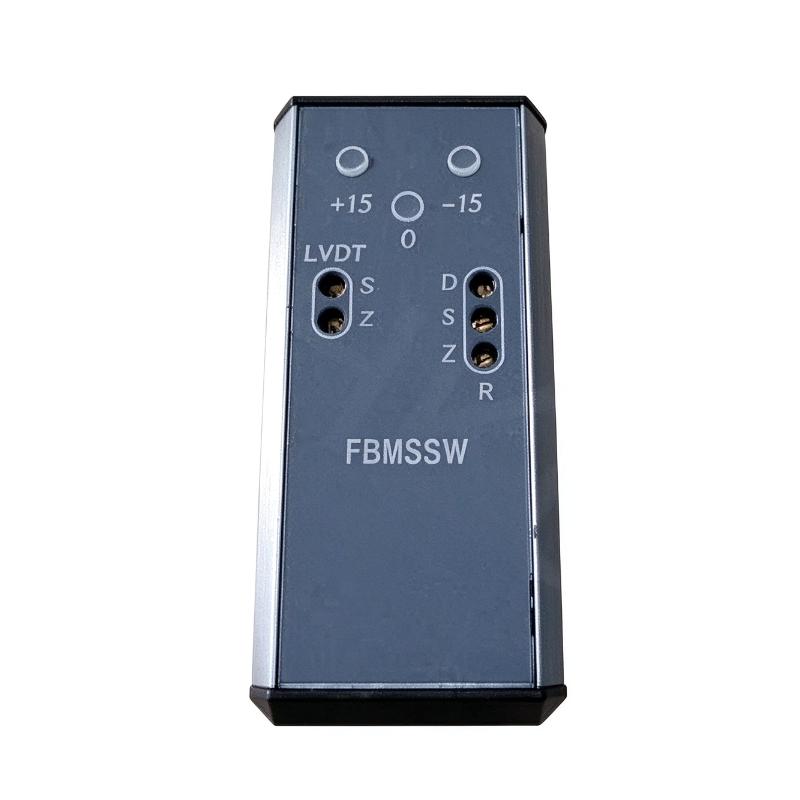
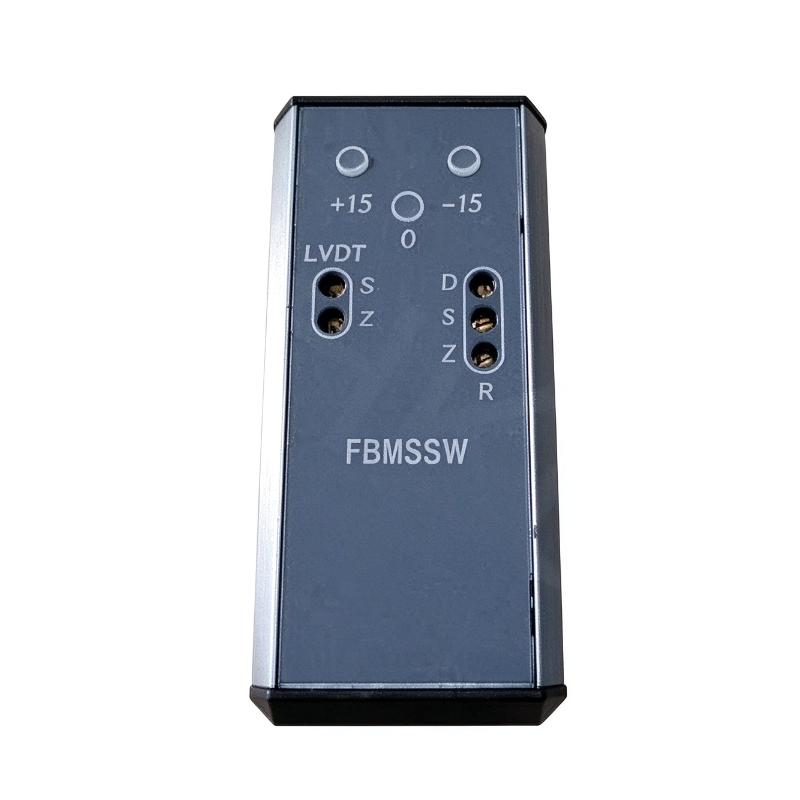
The Foxboro FBMSSW Control Processor Module is an industrial control component associated with the Foxboro I/A Series automation platform. Foxboro control hardware is used in distributed control systems (DCS) to support process monitoring, equipment coordination, signal processing, and control functions in industrial environments.
Industrial control modules are important components in process automation because they help connect control strategies with field equipment. Depending on the specific module design, these functions may involve processing control signals, coordinating specialized equipment, or interfacing with other components in an established automation architecture.
The FBMSSW model appears in industrial spare-parts listings as a specialized Foxboro control module. Some product listings associate it with servo-control applications and LVDT position feedback, which may be relevant to installations requiring controlled actuator movement and position monitoring. However, the precise functionality and supported interfaces should be verified against the original product documentation for the installed unit.
For maintenance engineers, plant operators, and industrial spare-parts buyers, correct model identification is essential. Legacy control hardware may have specific mechanical, electrical, and firmware requirements that prevent direct substitution with a visually similar module.
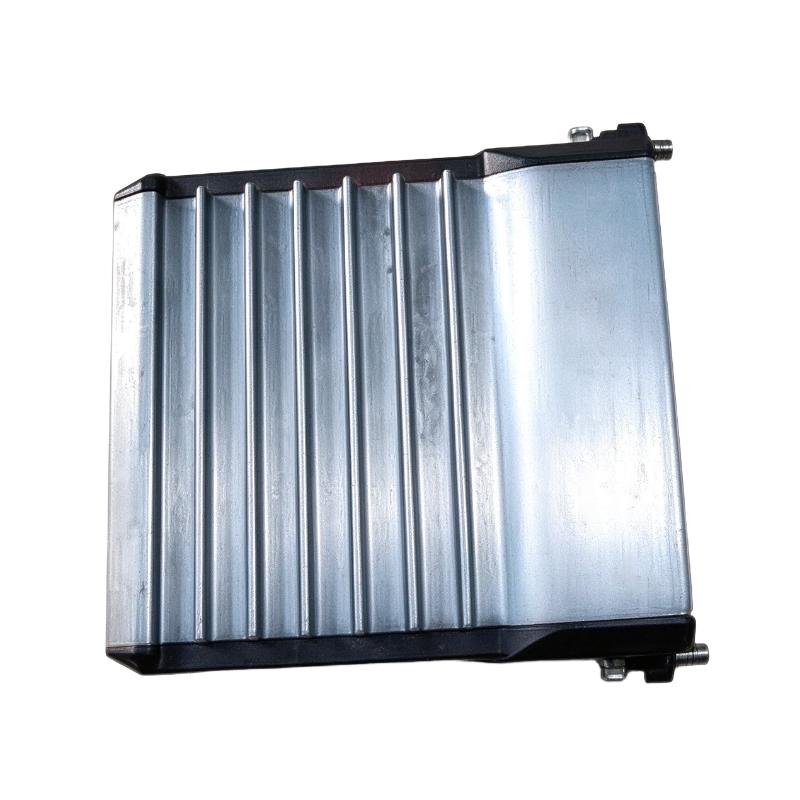
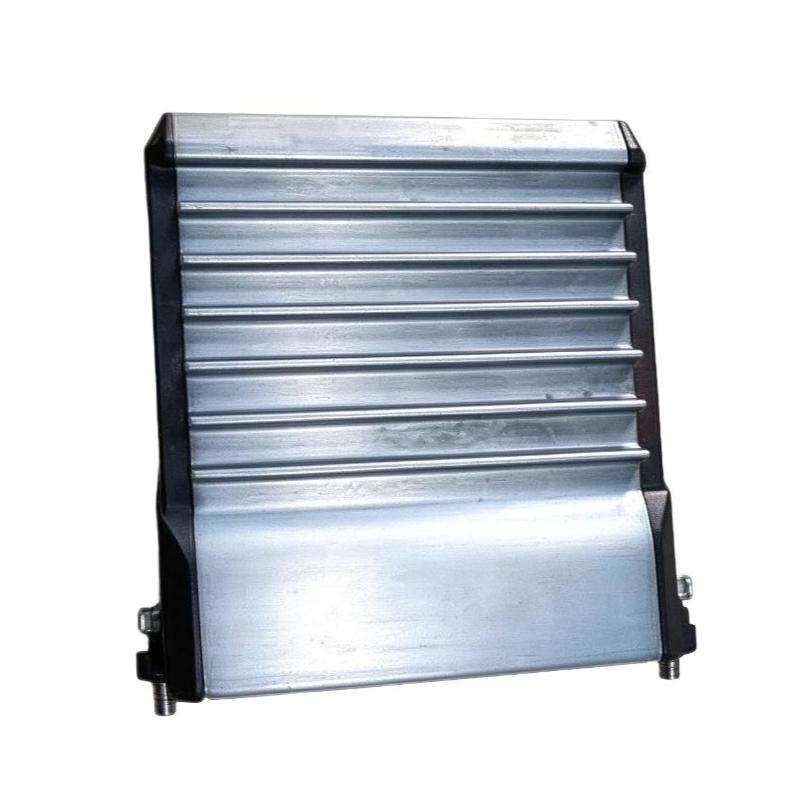
The supplied product dimensions are 114 × 45 × 104 mm, with a listed weight of 0.284 kg. These values can be used as preliminary catalog information, but the physical unit and its label should be checked before finalizing installation or shipping arrangements.
Technical Specifications
| Parameter | Specification |
|---|---|
| Brand | Foxboro |
| Product Model | FBMSSW |
| Product Type | Control Processor / Specialized Control Module |
| Associated Platform | Foxboro I/A Series |
| General Function | Industrial control and equipment interface |
| Potential Application | Specialized servo-control and position-feedback applications; verify exact configuration |
| Dimensions Provided | 114 × 45 × 104 mm |
| Weight Provided | 0.284 kg |
| Mounting | Confirm the required mounting hardware and system compatibility |
| Power Requirements | Verify from the module label and applicable technical documentation |
| Communication Interface | Confirm the supported interface for the exact hardware version |
| Signal Type | Verify the installed module’s supported signal types |
| Operating Temperature | Consult the applicable product documentation |
| Product Condition | Confirm whether supplied new, surplus, refurbished, or used |
| Replacement Status | Verify current availability and lifecycle information before procurement |
Important: A complete manufacturer datasheet for the exact FBMSSW configuration has not been confirmed. Electrical ratings, connector assignments, supported protocols, and detailed performance specifications should not be inferred from unrelated Foxboro modules.
Function and Working Principle
The operating role of the FBMSSW depends on its exact hardware configuration and the control architecture in which it is installed. Its use should be understood within the context of the wider Foxboro control system rather than as an isolated component.
1. Control-System Coordination
Industrial control systems coordinate information from field devices and execute the logic needed to maintain a process within its required operating range. Specialized control modules can support particular equipment interfaces or control functions within this architecture.
For a legacy Foxboro installation, the module’s role must be determined from the original system drawings, configuration records, and hardware documentation. This helps ensure that maintenance work preserves the intended control strategy.
2. Specialized Actuator Control
Some supplier descriptions associate FBMSSW with servo-control applications. In an applicable installation, a servo-control function may be used to regulate actuator movement in response to a command signal.
For example, a process-control system may need to adjust a valve position to regulate flow, pressure, or another process variable. The actual control loop may involve a controller, a specialized interface, an actuator, and a position-feedback device.
The specific FBMSSW signal types, output characteristics, and feedback compatibility must be confirmed before assigning it to this role.
3. Position Feedback and Control Response
Where a system uses an LVDT position sensor, the sensor provides information about the position of a mechanical component. A suitable control system can compare the measured position with a commanded position and adjust the actuator response.
This type of closed-loop control can help maintain predictable movement and reduce positioning errors. However, the availability of LVDT support on a particular FBMSSW unit must be verified against the exact module documentation before it is included in a project design.
4. Interface with Other Automation Components
Control modules operate as part of a larger hardware and software system. Their functions depend on compatible mounting assemblies, power arrangements, controller hardware, configuration settings, and signal interfaces.
Replacing a module without checking these dependencies can cause communication problems, incorrect signal interpretation, or failure to restore the original control function.
Role in Industrial Control Systems
Foxboro I/A Series hardware is used in industrial process-control installations where multiple controllers, field interfaces, and operator systems work together. A correctly identified FBMSSW module can be maintained as part of an existing installation when its intended function and compatibility have been established.
Integration with Control Hardware
The control-system architecture determines how individual modules exchange information and interact with the rest of the installation. Before installing FBMSSW, engineers should confirm the compatible mounting arrangement, controller or interface requirements, and applicable configuration procedures.
Do not assume that every module within the same product family uses the same connector, fieldbus, or power arrangement.
Integration with Field Equipment
Where the module is used for a specialized equipment interface, its signals may form part of a control path between the system and a field device. The connected equipment could include an actuator or another process-control component, depending on the original design.
Signal wiring, electrical ratings, feedback characteristics, and fault-handling behavior must be verified before connecting field equipment.
Maintenance of Legacy Systems
Older industrial installations may rely on specific control modules that are no longer readily available through standard distribution channels. In these systems, retaining the correct module can reduce the need for extensive hardware redesign and software reconfiguration.
When an original replacement cannot be sourced, a substitute should be selected through an engineering review rather than solely by physical size or a similar product description.
Industrial Applications
The actual applications of FBMSSW should be confirmed against the installed module’s documentation. The following examples describe potential contexts for Foxboro control hardware and specialized control interfaces, rather than guaranteeing that every FBMSSW version supports each application.
1. Process Automation
Chemical processing, refining, and other continuous-process industries use DCS hardware to coordinate equipment and maintain process variables within specified limits.
In an existing Foxboro installation, a compatible control module may support part of the control architecture used to operate process equipment. Correct module identification is important when restoring service after a hardware failure.
2. Valve and Actuator Control
Industrial valves regulate the movement of liquids, gases, steam, and other process media. Some valves use hydraulic, pneumatic, or electric actuators that require control signals and, in certain applications, position feedback.
If the installed FBMSSW is documented for servo-control and position-feedback duties, it may form part of such an arrangement. The actuator interface, feedback sensor, output signal, and required power supply must be confirmed before use.
3. Power Generation
Power-generation facilities rely on control systems to monitor and coordinate auxiliary equipment and process operations. Specialized control hardware may be found in legacy systems used for valve regulation, mechanical equipment interfaces, or related process functions.
Any replacement in a power-generation application should be checked against the plant’s approved equipment documentation and operational requirements.
4. Oil and Gas Facilities
Oil and gas installations use control systems to monitor and regulate equipment under demanding operating conditions. Reliability depends on appropriate hardware selection, correct configuration, and systematic maintenance.
Where FBMSSW is installed in an existing Foxboro system, technicians should confirm its precise function before carrying out replacement or wiring work.
5. Industrial Equipment Maintenance
Maintenance teams may need to replace a failed module without changing the overall control-system architecture. Exact-model sourcing can help reduce unnecessary modifications, provided the replacement is verified as compatible and its condition is acceptable.
This is especially important for legacy equipment where the original system configuration may depend on hardware-specific interfaces.
Installation and System Integration
Proper installation helps preserve control-system reliability and reduces the risk of electrical or configuration problems.
1. Verify the Complete Model Identification
Check the FBMSSW model marking, any associated part number, revision information, and hardware label. If the module is supplied as part of a larger assembly, record the assembly identifier as well.
Do not rely on the model description alone when different suppliers use inconsistent product terminology.
2. Confirm Mechanical Compatibility
The supplied dimensions are 114 × 45 × 104 mm. Before installation, compare these values with the actual module and the relevant mechanical drawing.
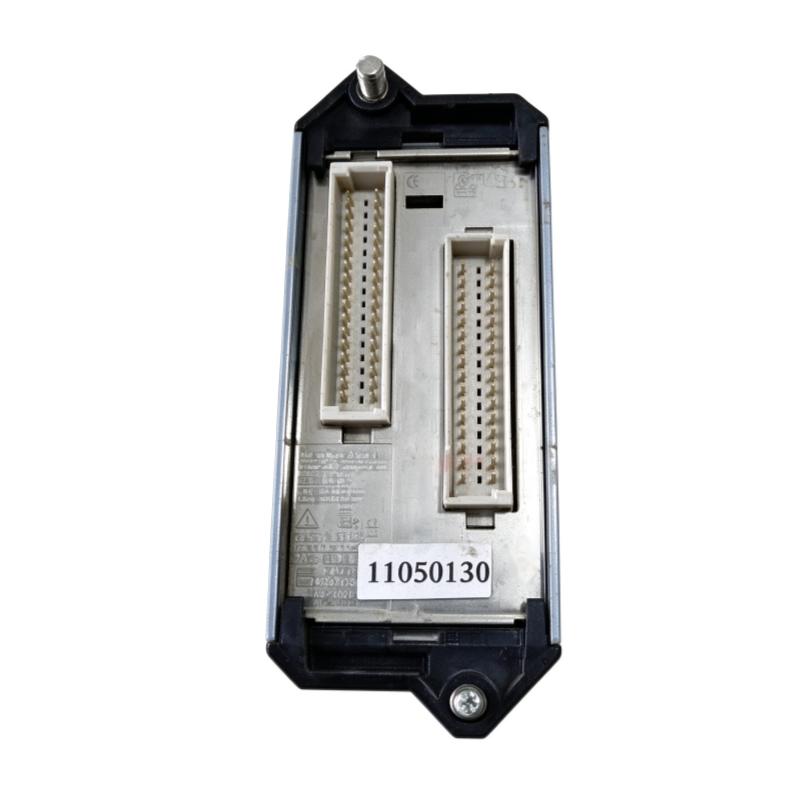
Confirm the required mounting base, slot arrangement, connector orientation, and retaining hardware. A module with similar dimensions may still be mechanically or electrically incompatible.
3. Verify Power and Signal Requirements
Consult the applicable technical documentation to establish the required power supply, grounding method, signal ranges, connector pinout, and wiring arrangement.
Do not energize the module based on specifications from another Foxboro model. Incorrect voltage or signal wiring can damage hardware and affect connected equipment.
4. Review the Control Configuration
Before replacing an existing unit, document the original installation and relevant configuration settings. Confirm the module’s role in the control strategy and identify any dependencies involving controller hardware, feedback devices, or external interfaces.
Where configuration changes are required, follow the plant’s approved change-management and commissioning procedures.
5. Follow Electrical Safety Procedures
Before removing or installing control hardware, determine whether the system supports replacement while energized. Do not assume that the module is hot-swappable.
Follow the manufacturer’s procedures, plant isolation requirements, and applicable electrical safety rules. Confirm that any required process shutdown or bypass arrangements have been approved before work begins.
6. Perform Functional Testing
After installation, inspect the connections and confirm that the module is correctly recognized by the applicable control system. Test the relevant functions according to the approved commissioning procedure.
Where feedback or actuator control is involved, verify signal polarity, scaling, command response, feedback behavior, and fault handling before returning the equipment to normal operation.
Compatible System Components
The FBMSSW should be treated as one part of a complete automation installation. The exact compatible components must be established from the original Foxboro system documentation.
| Component | General Function | Compatibility Checks |
|---|---|---|
| Foxboro control hardware | Executes or coordinates control functions | Confirm the supported module type and hardware revision |
| Compatible mounting assembly | Provides mechanical support and electrical connection | Verify module footprint, connector, and mounting arrangement |
| Power supply | Provides required operating power | Confirm voltage, polarity, current capacity, and grounding |
| Field interface or termination hardware | Connects module signals to field wiring | Verify terminal assignments and supported signal types |
| Controller or control processor | Coordinates the control strategy | Check configuration, firmware, and system compatibility |
| Actuator or controlled equipment | Performs the physical process action | Verify control-signal requirements and operating limits |
| Position-feedback device | Reports mechanical position when required | Confirm sensor type, excitation, signal range, and wiring |
| Engineering or maintenance workstation | Supports configuration and diagnostics | Verify compatible software and access procedures |
| Control cabinet | Provides mounting and environmental protection | Confirm temperature, clearance, grounding, and contamination requirements |
This table identifies general components that may be relevant to a control installation. It does not establish that every listed component is directly compatible with every FBMSSW configuration.
Alternative Models and Replacement Considerations
Selecting an alternative to FBMSSW requires more than matching the physical dimensions. The intended function, electrical characteristics, mounting arrangement, and control-system configuration must all be considered.
| Replacement Option | Evaluation Criteria |
|---|---|
| Exact Foxboro FBMSSW model | Preferred starting point; verify revision, part number, condition, and hardware compatibility |
| Same model from a different production revision | Check manufacturer documentation for revision-specific differences |
| Documented manufacturer-approved replacement | Confirm formal compatibility and any required configuration changes |
| Another Foxboro I/A Series module | Do not assume interchangeability; verify the function, interface, and mounting requirements |
| Modern control-system alternative | Requires an engineering assessment of wiring, control logic, signal handling, and commissioning |
Before approving a replacement, review:
- Full model and part-number identification.
- Hardware revision and any applicable firmware requirements.
- Power-supply and grounding requirements.
- Connector and terminal assignments.
- Signal types and electrical ranges.
- Feedback-device compatibility, if applicable.
- Mounting and baseplate compatibility.
- Controller configuration and diagnostic requirements.
- Process-safety and commissioning requirements.
A general-purpose input/output module should not be treated as a direct replacement for a specialized control module unless the complete application requirements have been assessed and the replacement has been validated.
Key Advantages
Support for Existing Foxboro Installations
Accurate identification of legacy Foxboro hardware can help maintenance teams restore existing systems without introducing unnecessary changes to the control architecture.
Compact Module Dimensions
The supplied dimensions of 114 × 45 × 104 mm provide useful preliminary information for product cataloging and mechanical planning. Final installation measurements should be checked against the physical unit.
Potential Use in Specialized Control Applications
Some available listings associate FBMSSW with servo-control and position-feedback functions. Where supported by the exact module documentation, this type of functionality may be important for maintaining specialized equipment interfaces.
Easier Spare-Parts Identification
Recording the complete model, revision, and label information helps reduce errors when ordering replacement modules for legacy industrial systems.
Support for Planned Maintenance
Maintaining accurate hardware records and verified spare parts can help shorten troubleshooting time and support more predictable maintenance planning.
Technical FAQs
1. What is the Foxboro FBMSSW?
FBMSSW is a Foxboro industrial control module listed in connection with the I/A Series platform. Its exact functional classification should be verified using the product label and the applicable technical documentation.
2. Is FBMSSW a control processor or a servo-control module?
Public product listings use different descriptions, including control processor and specialized servo-control module. Because the descriptions are inconsistent, confirm the exact part number and intended function before integrating the unit into a system.
3. What are the dimensions and weight of FBMSSW?
The supplied listing information gives dimensions of 114 × 45 × 104 mm and a weight of 0.284 kg. Verify these values against the actual unit before using them for shipping or installation planning.
4. Can FBMSSW be used in a Foxboro I/A Series DCS?
Available product listings associate the model with the Foxboro I/A Series. However, compatibility with a particular controller, baseplate, or system revision must be confirmed before installation.
5. Does FBMSSW support LVDT position feedback?
Some supplier descriptions associate FBMSSW with LVDT feedback and servo-control applications. Confirm the exact module documentation before relying on any particular sensor type, excitation frequency, or feedback range.
6. What power supply does FBMSSW require?
A definitive power specification for the exact module configuration has not been established here. Check the product label and relevant technical documentation before connecting power.
7. Can it be replaced with another Foxboro module?
Not automatically. Different Foxboro modules may have different functions, connector arrangements, electrical characteristics, and configuration requirements. A replacement must be validated against the installed system.
8. What should be checked before purchasing a replacement?
Confirm the complete model marking, part number, revision, physical condition, connector condition, and available test information. Also verify the seller’s description and any applicable warranty or return terms.
9. Is the module suitable for safety-critical applications?
Suitability cannot be established from the model name alone. Any use in a safety-critical control function must be evaluated against the applicable system design, approvals, documented performance, and plant procedures.
10. Why is technical verification important for FBMSSW?
Available product descriptions are inconsistent. Confirming the actual hardware identity and original documentation helps avoid incorrect wiring, unsupported substitutions, and unexpected control-system behavior.
Procurement and Maintenance Recommendations
When sourcing the Foxboro FBMSSW Control Processor Module, begin by verifying the exact model marking and any associated part number. Request clear photographs of the module label, connectors, and overall condition. These details help establish whether the supplied product matches the required installation.
For used or surplus equipment, check the connector condition, signs of corrosion or overheating, physical damage, and available functional-test records. Confirm whether the unit is sold as new, surplus, refurbished, or used, and establish the applicable warranty and return terms before ordering.
For maintenance planning, keep a record of the module’s installed location, associated control hardware, wiring, and configuration dependencies. Where the module performs a specialized function, retain the original system drawings and commissioning records so that a replacement can be validated properly.
Before returning equipment to service, verify the electrical requirements, mounting compatibility, signal connections, and control-system configuration. Perform functional testing according to the approved maintenance procedure and confirm that the affected process operates as expected.
Conclusion
The Foxboro FBMSSW Control Processor Module is an industrial control component associated with the Foxboro I/A Series platform. Available product descriptions indicate potential use in specialized control applications, including servo-control and position-feedback functions, but the exact configuration must be verified against the original module documentation.
The supplied dimensions are 114 × 45 × 104 mm, and the listed weight is 0.284 kg. For industrial procurement and maintenance, accurate model identification, confirmation of electrical specifications, and verification of system compatibility are essential steps in ensuring that the correct module is selected for the intended application.