

ProductPRODUCT
Featured products

Contact Us
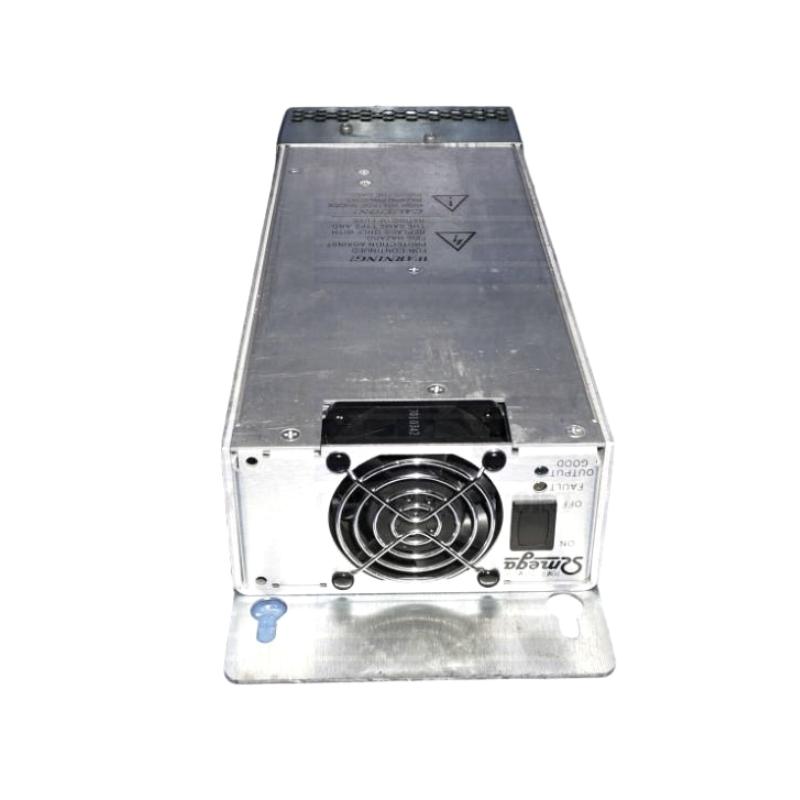
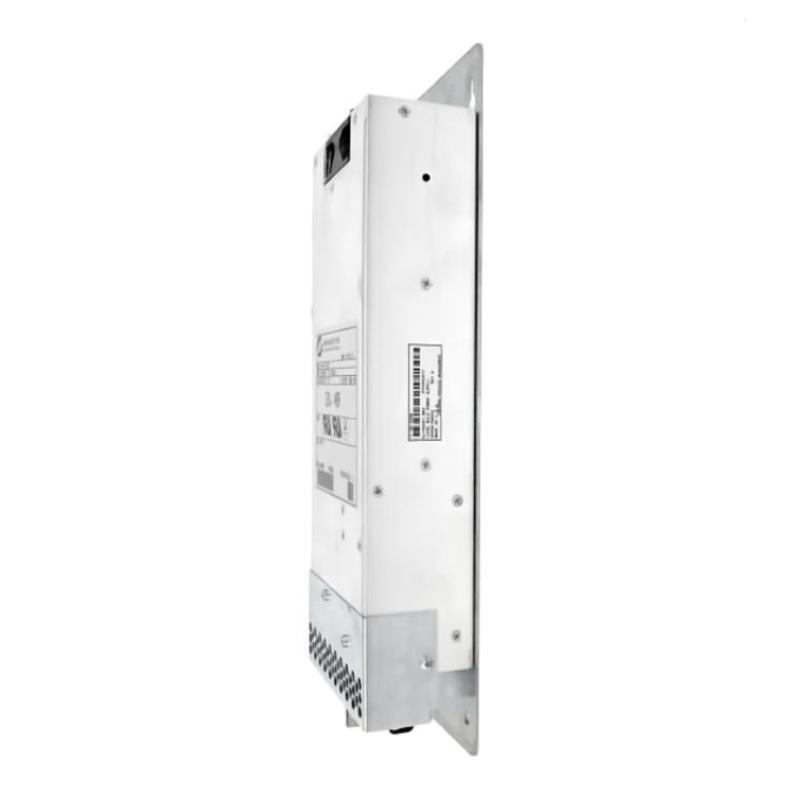
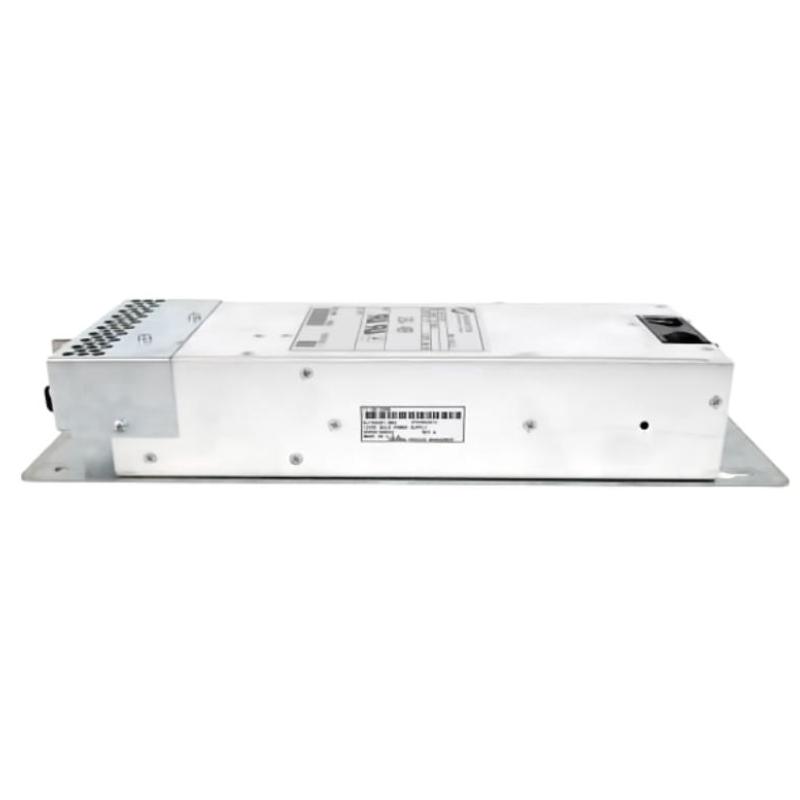
- Emerson
- KJ1502X1-BB2
- Power Supply Module
- USA
- 230 × 190 × 45 mm
- 3 kg
- Xiamen, China
- New & In Stock
- T/T, PayPal, Western Union
- 1 Year
- 1-3 Working Days
- DHL, UPS, TNT, FedEx and EMS.
- 24-Hour Service
- COO
- 97
Our advantage

Global Logistics
We have a 10-year logistics and express cooperation agreement, so our products can be shipped to any place in the world.

Brand new and original
Our products are imported in bulk from the place of origin. Because of the cooperative relationship, our products are all original and 100% new.

24-hour service
We provide 7*24 hours service to our customers. We will be there whenever you need us.

Price advantage
All our products are priced very favorably because we have our own warehouse and supply.
| Company Information | |||
| [email protected] | |||
| Mobile | +8615980777398 | ||
| +8615980777398 | |||
| 15980777398 |
Product Overview
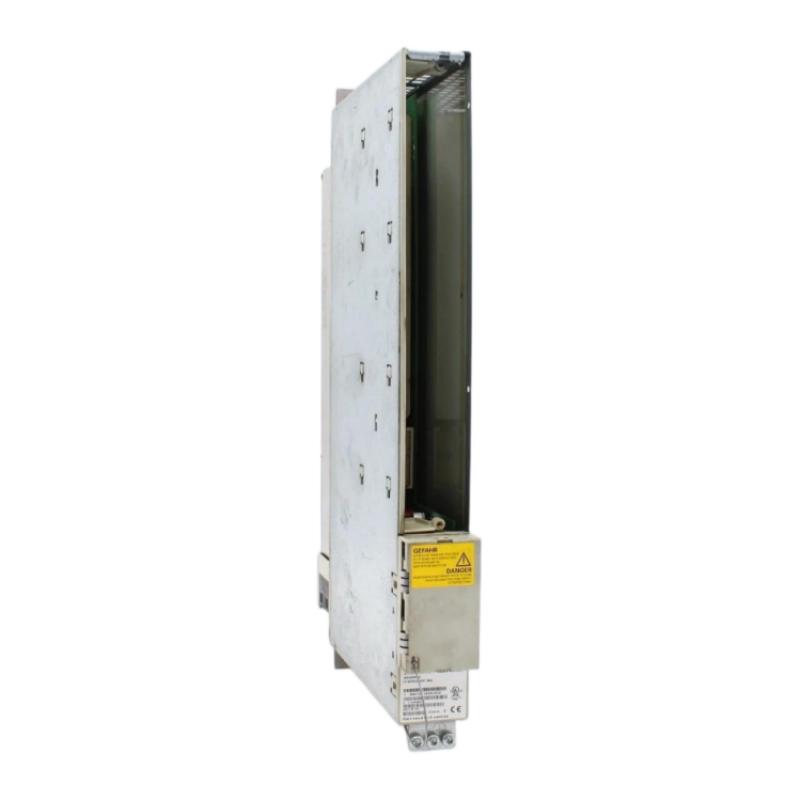
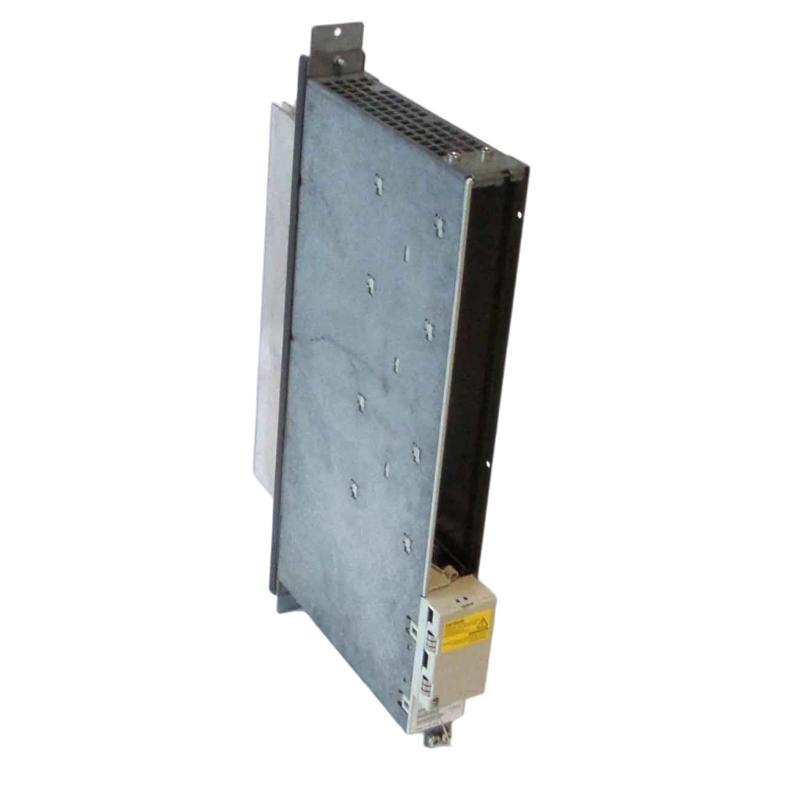
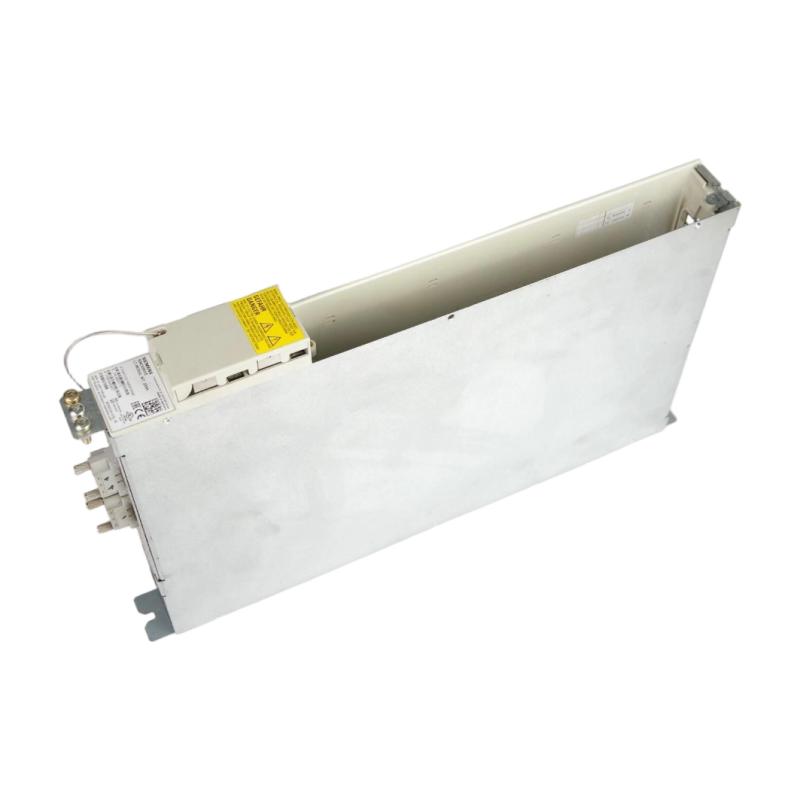
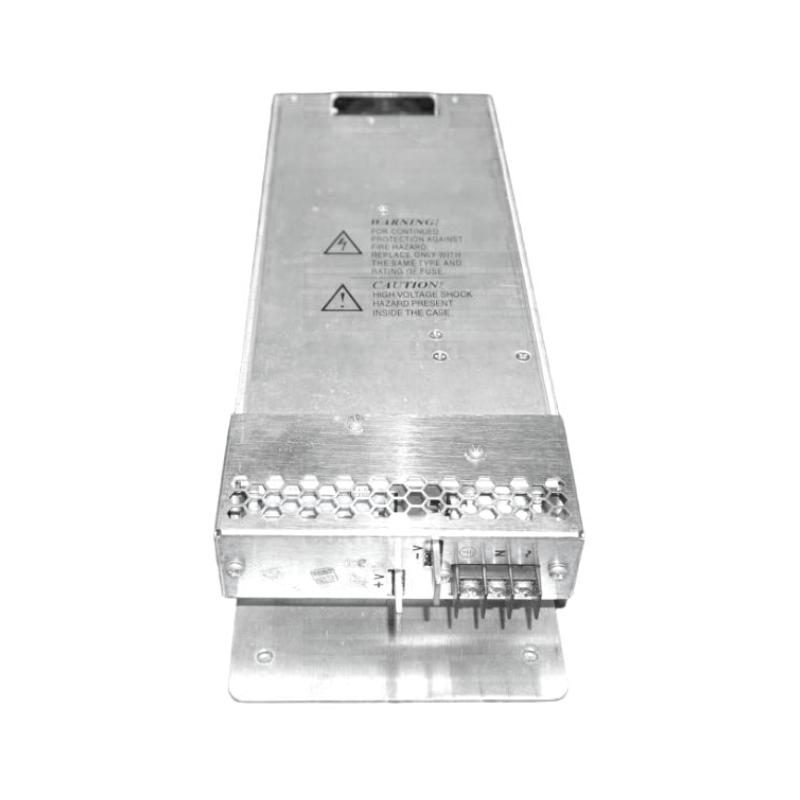
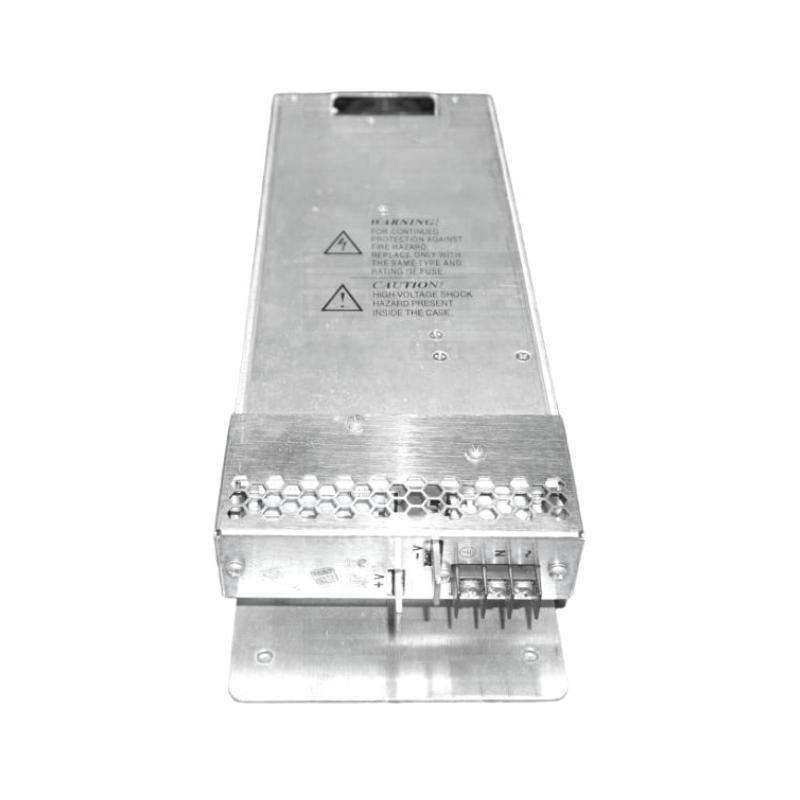
The Emerson KJ1502X1-BB2 Power Supply Module is an industrial automation power component used within process-control and control-system cabinets. It belongs to the system power infrastructure rather than the controller, I/O, or communication layer.
Its primary role is to supply the electrical power required by associated automation hardware. In a distributed control environment, the power supply sits upstream of electronic modules and supports their normal operation by maintaining the required electrical supply.
The KJ1502X1-BB2 is particularly relevant when maintaining an existing Emerson control installation where power availability, cabinet organization, and system continuity are important. A power module should be evaluated as part of the complete power path, including the incoming supply, protection devices, wiring, downstream load, and cabinet environment.
For replacement work, the complete KJ1502X1-BB2 designation should be matched. A module with a similar physical appearance is not automatically an electrically compatible replacement.
Technical Specifications
| Parameter | Specification |
|---|---|
| Manufacturer | Emerson |
| Model | KJ1502X1-BB2 |
| Product Type | Power Supply Module |
| Primary Function | Automation System Power Supply |
| System Role | Power Infrastructure |
| Application | Industrial Automation / Process Control |
| Installation | Control System Cabinet |
| Dimensions | 230 × 190 × 45 mm |
| Weight | 3 kg |
The supplied physical specifications are 230 × 190 × 45 mm with a stated weight of 3 kg.
The electrical input and output characteristics should be confirmed for the intended installation before replacement or commissioning. The physical dimensions and weight should also be checked against the available cabinet space.
Product Features
The KJ1502X1-BB2 is intended for applications where automation-system hardware requires a dedicated and properly managed power source.
Key characteristics include:
- Emerson KJ1502X1-BB2 Power Supply Module
- Industrial automation power-supply function
- Suitable for process-control environments
- Intended for control-system cabinet installation
- Supports associated automation hardware
- Forms part of the system power infrastructure
- Suitable for maintenance and replacement work
- Requires evaluation of total connected load
- Requires suitable upstream protection and distribution
- Dimensions of 230 × 190 × 45 mm
- Stated weight of 3 kg
The relatively large physical format should be considered during cabinet planning. Adequate clearance for wiring, heat dissipation, inspection, and module replacement is important, particularly in densely populated control cabinets.
Working Principle
The KJ1502X1-BB2 operates within the power path between the upstream electrical source and the automation hardware.
A simplified arrangement is:
Incoming Power → Protection / Distribution → KJ1502X1-BB2 → System Power → Automation Hardware
The module receives its designated electrical input and supplies the appropriate power to the downstream control-system equipment.
The power supply itself does not perform process calculations or execute PLC/DCS logic. Its responsibility is to establish the electrical conditions required by the hardware that performs those functions.
This makes the power module an important part of system availability. If the supply becomes unstable or loses capacity, several downstream modules can be affected at the same time. Symptoms may include controller resets, loss of I/O availability, communication interruptions, or repeated system alarms.
When troubleshooting such faults, checking the common power path can help distinguish a system-wide power problem from a failure of an individual automation module.
Role in a Control System Power Architecture
The KJ1502X1-BB2 occupies the power infrastructure layer of the control system.
A typical relationship can be represented as:
Power Source → Protection → KJ1502X1-BB2 → Power Distribution → Controllers / I/O / Communication Hardware
The downstream load may consist of multiple electronic modules. Consequently, the power-supply capacity should be considered against the combined demand rather than the consumption of a single device.
This becomes especially important when an existing cabinet is expanded. Adding I/O cards, communication interfaces, or other system hardware increases the total power requirement. Engineers should verify the available margin before connecting additional equipment.
Industrial Applications
The KJ1502X1-BB2 can be applied in industrial automation environments where control-system equipment requires stable and appropriately distributed power.
| Application | Typical Use |
|---|---|
| Process Automation | Supplying automation-system hardware |
| Distributed Control Systems | Supporting controllers and I/O infrastructure |
| Oil and Gas | Powering control-system equipment |
| Chemical Processing | Supporting process-control cabinets |
| Power Generation | Supplying automation and monitoring hardware |
| Petrochemical Systems | Maintaining control-system power |
| Water Treatment | Supporting distributed automation equipment |
| Industrial Manufacturing | Powering electronic control hardware |
The actual application depends on the electrical characteristics of the installed system and the equipment connected to the power supply.
Installation and Maintenance
The KJ1502X1-BB2 should be installed in an appropriate control cabinet with suitable electrical protection and adequate space for wiring and heat dissipation.
Its supplied dimensions of 230 × 190 × 45 mm make mechanical planning an important part of installation. The technician should allow sufficient access for terminals and future maintenance rather than installing the module with only its basic footprint in mind.
Recommended checks include:
- Confirm the complete KJ1502X1-BB2 model.
- Verify the intended control-system architecture.
- Check the incoming power source.
- Confirm the required output conditions.
- Calculate the total connected load.
- Verify upstream circuit protection.
- Inspect input and output wiring.
- Check terminal tightness.
- Verify polarity where applicable.
- Inspect connectors for damage.
- Confirm cabinet ventilation.
- Check mounting and maintenance clearance.
- Measure supply conditions under normal load.
- Monitor downstream equipment during startup.
- Review system diagnostics after commissioning.
If multiple automation modules experience faults simultaneously, inspect the common power supply and distribution path before replacing individual cards. Voltage drops, loose connections, overload conditions, and poor ventilation can all produce intermittent system behavior.
Related Components
The KJ1502X1-BB2 normally operates alongside other components within the automation power and control architecture.
| Component | Function |
|---|---|
| Incoming Power Source | Provides electrical power |
| Circuit Protection | Protects the power circuit |
| KJ1502X1-BB2 | Supplies power to the control-system hardware |
| Power Distribution Wiring | Transfers power to downstream equipment |
| Controller | Executes configured control strategies |
| I/O Modules | Interface with field signals |
| Communication Modules | Handle system and device communication |
| Terminal Blocks | Provide electrical termination |
| Control Cabinet | Houses the power and automation hardware |
| Field Devices | Provide measurements or receive control commands |
During maintenance, these components should be considered together because a fault in one part of the power path can affect equipment farther downstream.
Recommended Related Models
Related Emerson power-supply products should be selected according to their electrical ratings, system function, load requirements, physical dimensions, and installation configuration.
| Model / Product Family | Product Type | Typical Application |
|---|---|---|
| Emerson KJ1502X1-BB2 | Power Supply Module | Industrial automation system power |
| Emerson KJ1502X1-BA2 | Power Supply Module | Control-system power infrastructure |
| Emerson KJ1501X1-PW1 | Power Supply Module | Compact automation power applications |
| Emerson KJ1501X1-BK1 | System Power Supply Module | System-level power architecture |
| Emerson KJ1501X1-BK1 SE5009 | System Power Supply Module | System DC power infrastructure |
| Emerson KJ1501X1-BC4 | DC/DC Power Supply Module | DC power conversion |
The KJ1502X1-BA2 is a useful comparison within the KJ1502X1 family, but the two modules should not be treated as interchangeable simply because they share a similar product designation. Electrical characteristics, system function, physical installation, and load requirements must be checked before substitution.
Key Advantages
- Emerson KJ1502X1-BB2 Power Supply Module.
- Intended for industrial automation systems.
- Supports control-system power infrastructure.
- Suitable for process-control environments.
- Supports associated controllers, I/O, and communication hardware.
- Suitable for cabinet-based installation.
- Useful for maintenance and replacement applications.
- Supports system-level power distribution.
- Requires consideration of total connected load.
- Dimensions of 230 × 190 × 45 mm.
- Stated weight of 3 kg.
Technical FAQs
What makes the KJ1502X1-BB2 different from a controller or I/O module?
The KJ1502X1-BB2 belongs to the power infrastructure of the automation system. A controller executes configured control strategies and I/O modules process field signals, while the power supply provides the electrical conditions required for those devices to operate.
How should the 3 kg weight of the KJ1502X1-BB2 be considered during cabinet installation?
The module’s 3 kg weight should be considered together with its mounting arrangement and cabinet construction. The installation should provide adequate mechanical support, proper cable routing, and sufficient clearance for maintenance rather than relying only on the available panel footprint.
What happens if the power-supply capacity is insufficient for the connected automation hardware?
An undersized supply can result in unstable operation, voltage drops, module resets, communication interruptions, or repeated diagnostic faults. The total load should be calculated before system expansion, including the power demand of controllers, I/O modules, communication equipment, and other connected loads.
Why is checking the power supply under operating load more useful than measuring it with no load?
A supply can show an acceptable voltage when lightly loaded but behave differently once the connected automation hardware is operating. Measuring the input and output conditions under normal load helps identify voltage sag, overload conditions, poor connections, or thermal problems that may otherwise be missed.